Mayon Volcano
Mayon Volcano, Philippines
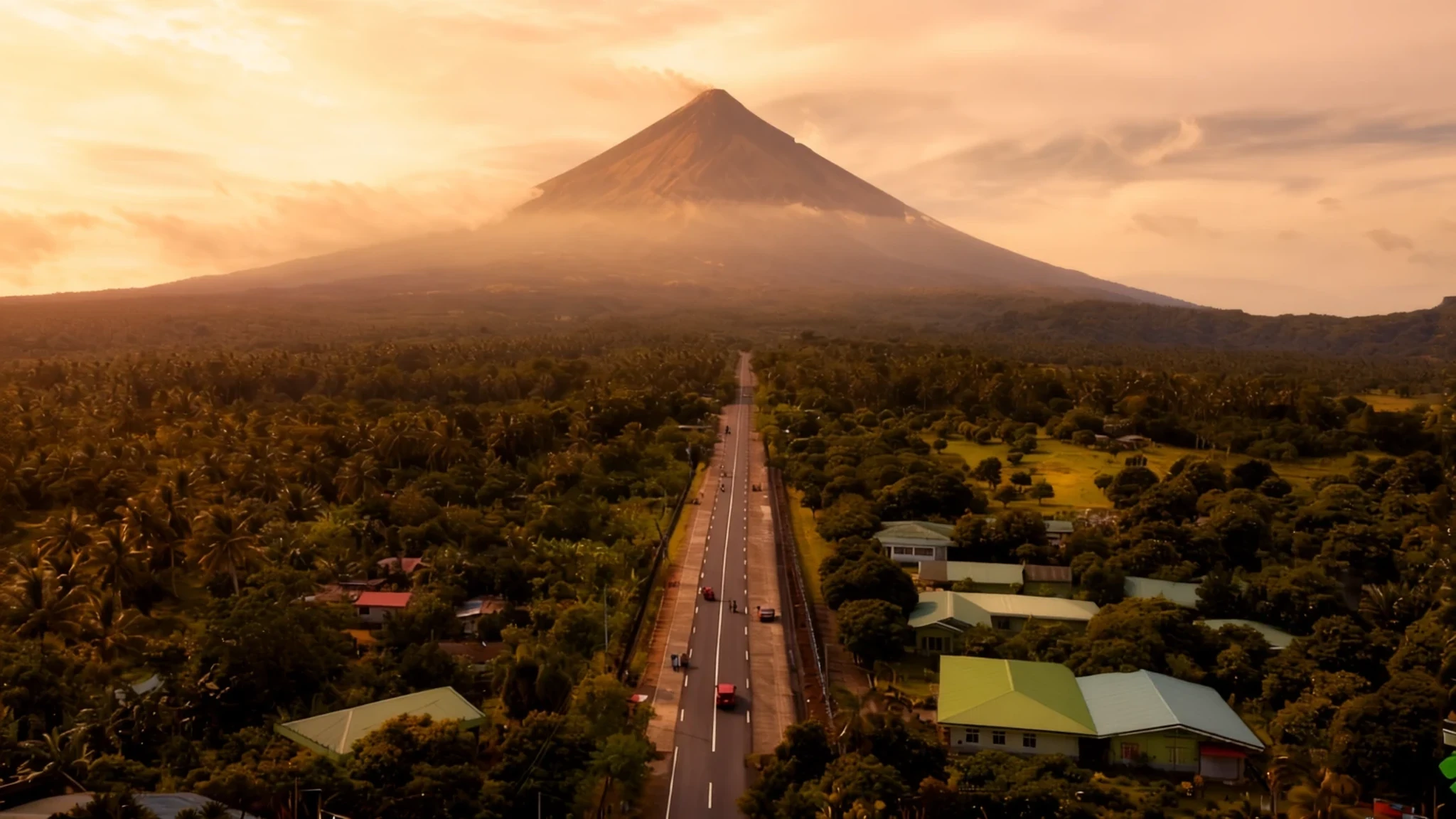
Visit for the striking symmetry of its world-famous perfect cone and the raw power of an active stratovolcano.
The place
Mayon Volcano is a towering stratovolcano located in the province of Albay within the Bicol region of the Philippines. It is celebrated globally for its remarkably symmetric conical shape, which earns it the nickname of the 'perfect cone'. Rising to an elevation of 2,462 m, the peak serves as the highest point in the Bicol region and dominates the horizon for miles around, visible from the shores of the nearby Albay Gulf. The volcano is surrounded by a diverse landscape of cinder cones, including Ligñon Hill, and is the heart of the Mayon Volcano Natural Park, which was the first national park established in the Philippines. Because it is the most active volcano in the country, the area is under constant surveillance by the Philippine Institute of Volcanology and Seismology to ensure public safety. Visitors generally cannot climb to the summit due to these risks, but the base of the mountain offers numerous vantage points and adventure activities. The surrounding area is divided among several municipalities, each providing a different perspective of the slope. While the views are often clear, the volcano is frequently shrouded in clouds, making the sight of the full cone a reward for patience. The atmosphere here is a mix of rural tranquility and the underlying tension of a mountain that could erupt at any moment, creating a unique energy for those visiting the Albay province.
Its story
The story of Mayon Volcano is woven with both spiritual awe and romantic tragedy. In the pre-colonial era, the Bicolano people regarded the mountain as a sacred site, believing it to be the dwelling place of Gugurang, the ancient chief deity. This spiritual connection persists in the local psyche, where the volcano is seen as a powerful entity that demands respect. Parallel to these beliefs is the poignant legend of Daragang Magayon, a beautiful maiden whose name means 'beautiful one' in the local tongue. According to folklore, the volcano rose from the burial site of Magayon after her tragic death, with the mountain's perfect form reflecting her beauty and its eruptions representing the passion and anger of her lost love. This myth gives the volcano its name and is also linked to the town of Daraga. History, however, provides a more violent narrative. The ruins of old churches and villages serve as reminders of the volcano's volatility. The most famous of these are the Cagsawa ruins, where only a lonely church belfry remains standing after a devastating eruption washed away the town. These stones stand as a silent witness to the cyclical nature of life in the shadow of Mayon, where the soil is made incredibly fertile by the very ash and lava that occasionally destroy the settlements below.
What to see
- Cagsawa Ruins — Busay, Daraga
The most iconic viewpoint for Mayon Volcano. Here, the belfry of a 19th-century church stands isolated in a field, having survived an eruption that buried the rest of the town. It provides a stark, poignant contrast between human architecture and the enduring power of the mountain.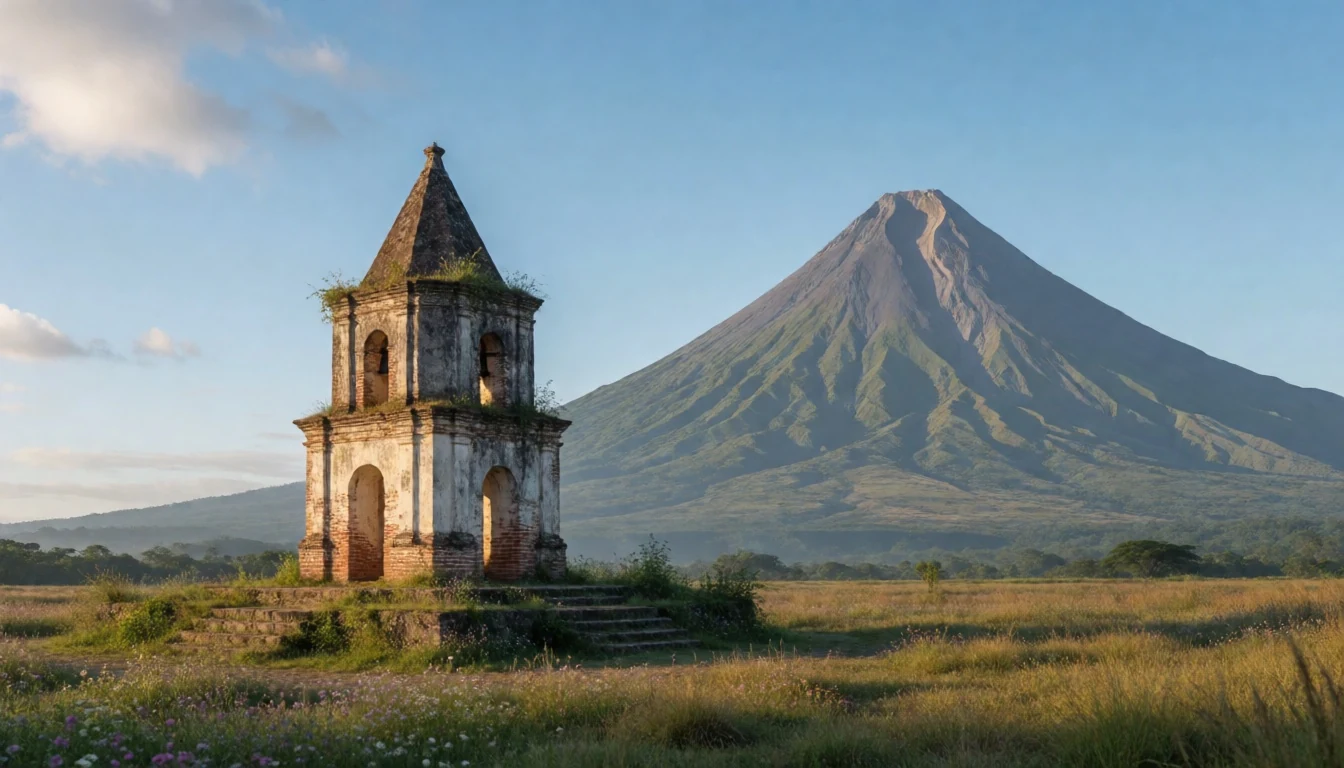
- Ligñon Hill — Legazpi
A cinder cone providing an elevated panoramic view of the surrounding city and the volcano's peak. It is a hub for adventure seekers, offering ziplining activities that allow you to soar across the landscape while keeping the symmetric cone of Mayon in your sight.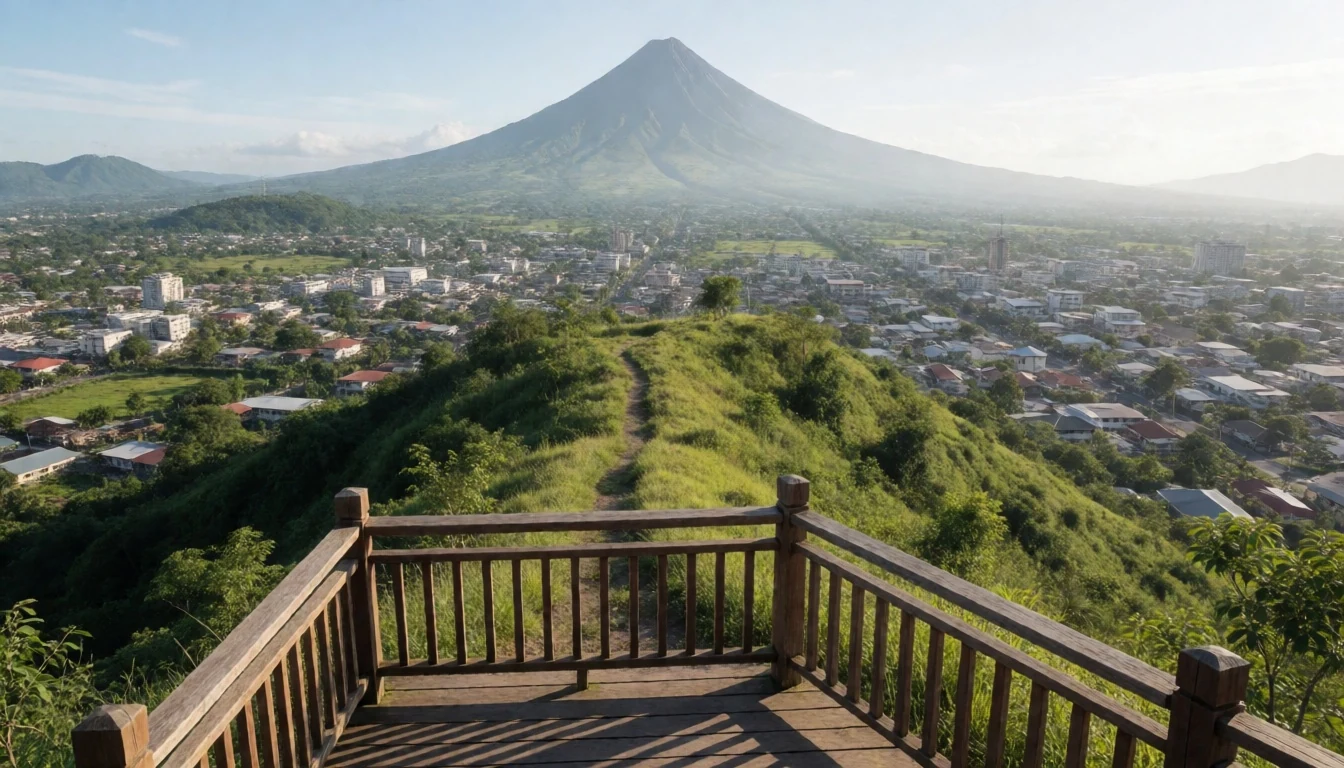
- Mayon Black Lava Wall — Mabinit, Legazpi
A rugged landscape featuring massive walls of hardened black rock created by previous lava flows. It offers a visceral look at the volcano's destructive power and includes a helipad for those arriving by air to witness the geological scarring of the earth.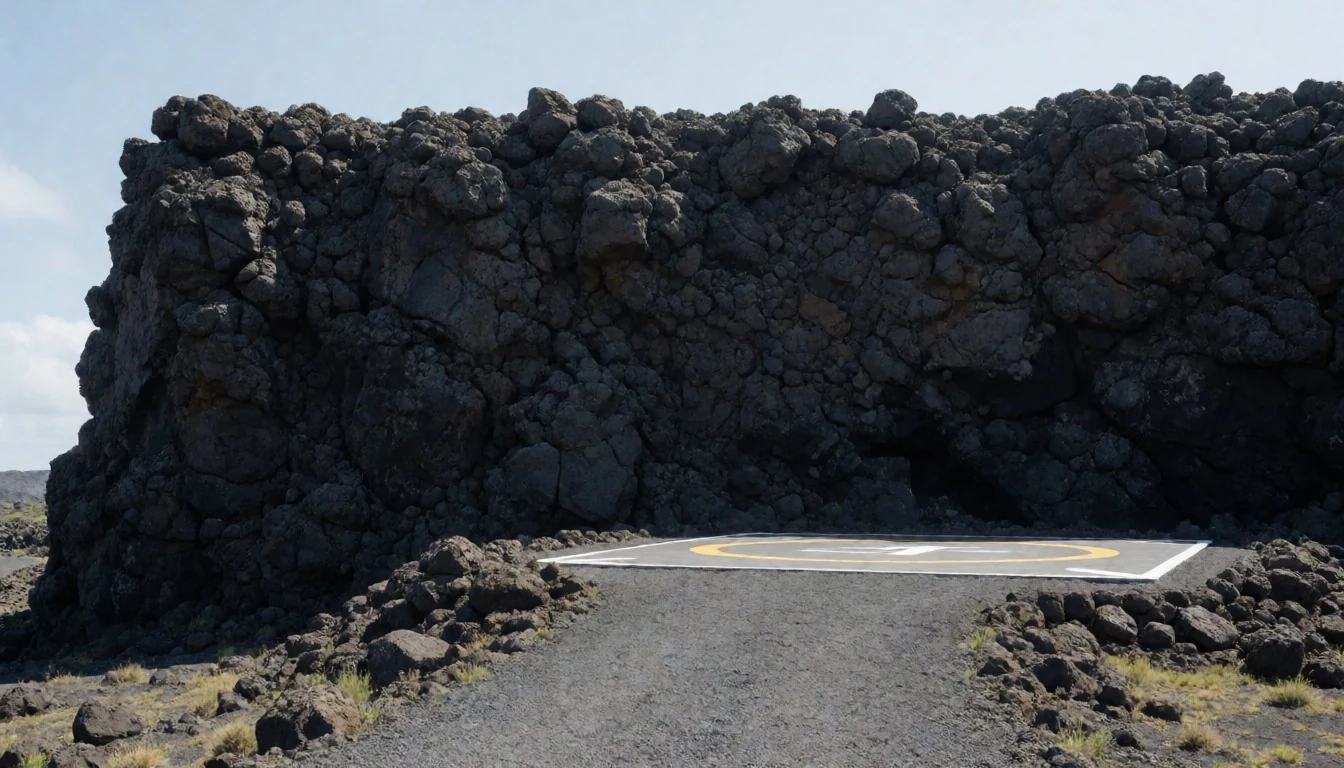
- Sumlang Lake — Sumlang, Camalig
A peaceful man-made lake that creates a mirror-like reflection of the volcano on calm days. Surrounded by manicured gardens and coconut palms, it is an ideal spot for photography and enjoying a quieter, more contemplative view of the mountain's slopes.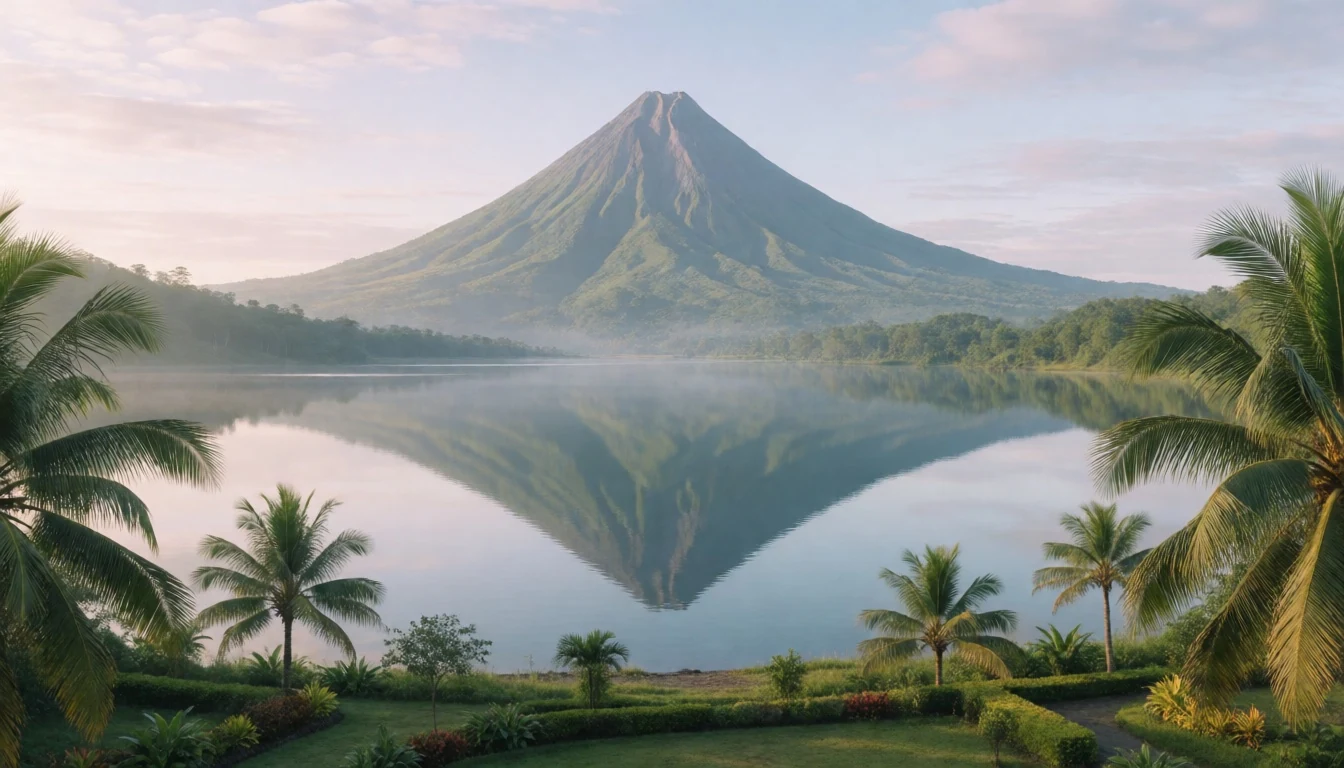
- Mayon Skyline — Buang, Tabaco
A high-altitude view deck situated on the eastern slope of the mountain. Because of the elevation, the air is noticeably cooler here, offering a refreshing escape from the lowland heat while providing a mesmerising perspective of the Bicol region below.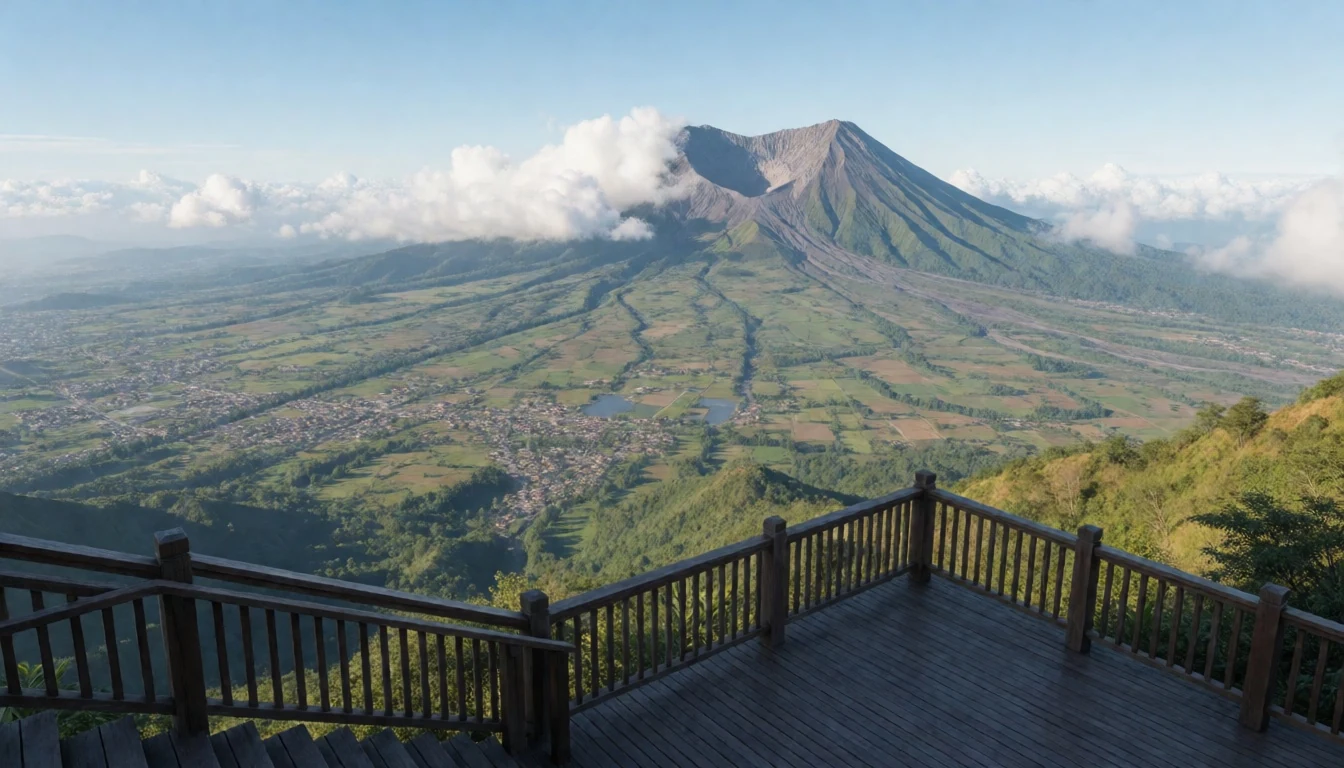
Culture
The culture around Mayon Volcano is defined by the resilience of the Bicolano people, who have learned to coexist with an active volcano. There is a deep-seated pride in the land's fertility, as the volcanic soil supports rich agriculture and coconut plantations. Life here moves at a slower pace than in Manila, with a strong emphasis on community and faith, evidenced by the many historic churches in towns like Camalig and Daraga. The local identity is inextricably linked to the mountain; it is not just a landmark but a spiritual presence that influences everything from local folklore to the spicy flavours of their cuisine. Festivals in the region often blend Catholic traditions with indigenous roots, celebrating the bounty of the earth and seeking protection from the mountain's temper. Visitors will find the locals warm and hospitable, often eager to share stories about the volcano's history. When visiting the various ruins or churches, please dress modestly and avoid loud noise to respect the spiritual nature of these sites.
What to wear
At Mayon Volcano, traditional Bicolano attire is often seen during festivals, featuring light, breathable fabrics like piña (pineapple fibre) or jusi (banana silk), typically fashioned into the Barong Tagalog for men and the Filipiniana or Maria Clara gowns for women. In daily life, residents wear practical, lightweight cotton clothing to cope with the tropical humidity. Visitors should dress for heat and humidity, opting for linen or moisture-wicking fabrics. Because the terrain around the volcano can be dusty and uneven, especially if renting an ATV to explore the lava trails, sturdy closed-toe shoes or hiking boots are essential. For those visiting the historic churches in Daraga or Camalig, modest clothing that covers the shoulders and knees is recommended. A wide-brimmed hat and high-SPF sunscreen are indispensable, as the sun is intense in the open fields of Cagsawa and Ligñon Hill.
What to eat
- Bicol Express — Local restaurants in Legazpi
A creamy, spicy stew made with coconut milk, shrimp paste, and a generous amount of chillies. It is a staple of the region and can be found in most local eateries across Albay.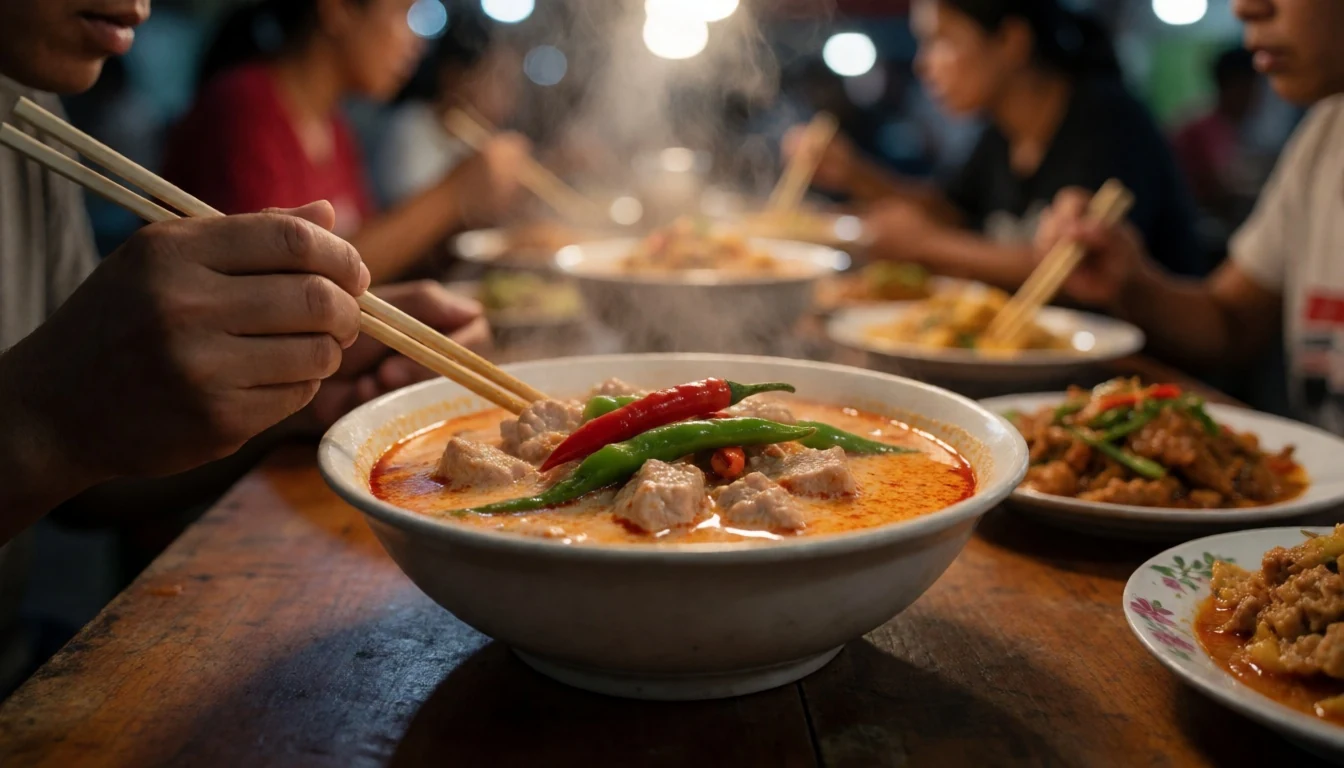
- Laing — Public markets in Albay
Dried taro leaves cooked in coconut milk and spiced with chillies and ginger. This rich, earthy dish is widely available in home-style eateries and public markets.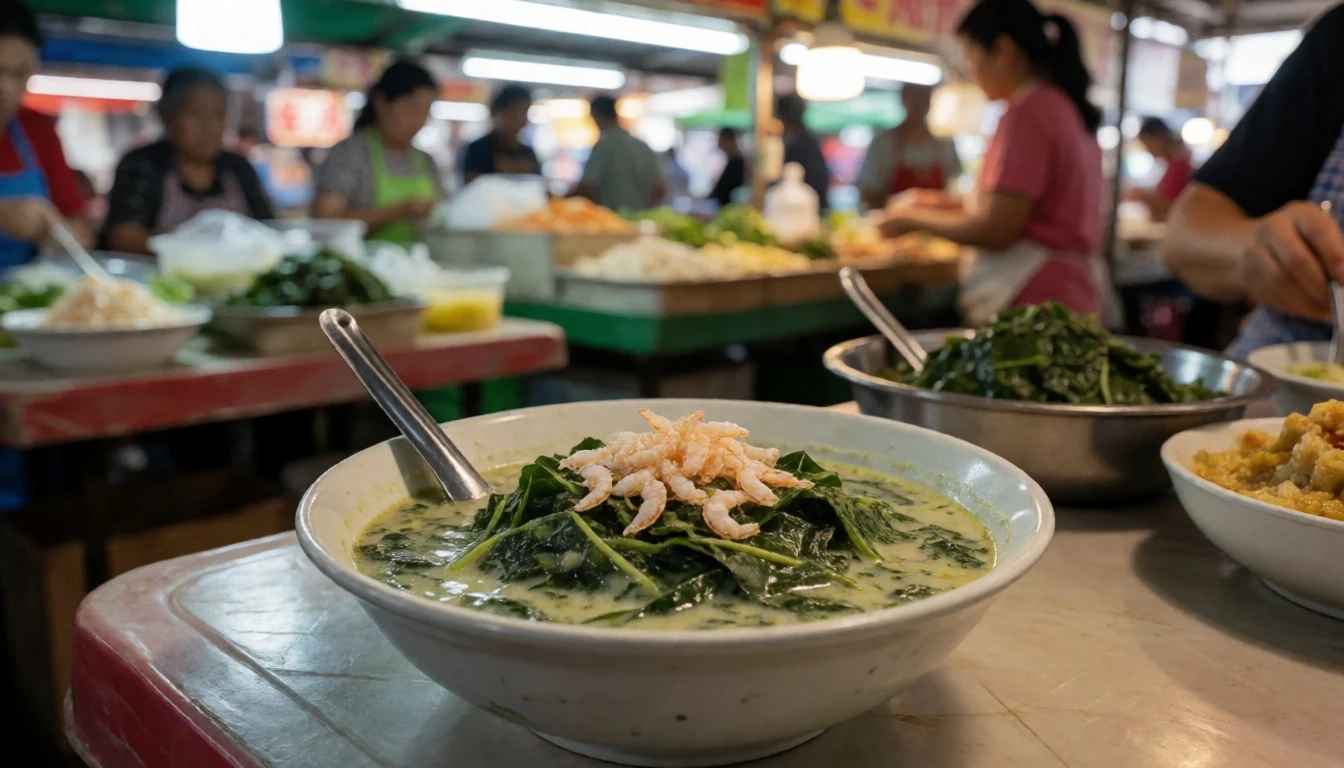
- Pinangat — Speciality shops in Camalig
Taro leaves stuffed with minced pork and shrimp, simmered in coconut milk. It is a local delicacy specifically associated with the town of Camalig. - Sili Ice Cream — Ice cream kiosks near Cagsawa Ruins
A surprising dessert that blends the sweetness of cream with the heat of local chillies, reflecting the Bicolano love for spice. It is popular at tourist hubs.
Plan it
Best time. December to February is ideal, as the weather is cooler and the skies are more likely to be clear for views of the cone.
How long. 2–3
Getting there. Fly into Bicol International Airport or Legazpi City, then use tricycles or rented vans to reach the various viewpoints.
Budget. mid
Tips
- Wake up very early to beat the crowds and the clouds at Cagsawa Ruins
- Rent an ATV for a thrill, but negotiate the price clearly beforehand
- Carry plenty of bottled water and sunscreen for the open lava fields
- Check PHIVOLCS alerts daily for any changes in the volcano's status
- Carry cash, as small vendors and transport in the municipalities rarely take cards
Etiquette
- Do not attempt to climb the volcano beyond permitted areas
- Avoid littering in the Natural Park
- Ask permission before photographing locals in the villages
Nearby
Sources
- Wikidata Q1484 (CC0)
- Wikipedia (CC BY-SA 4.0)
- Wikivoyage (CC BY-SA 4.0)