Manas National Park
Manas National Park, India
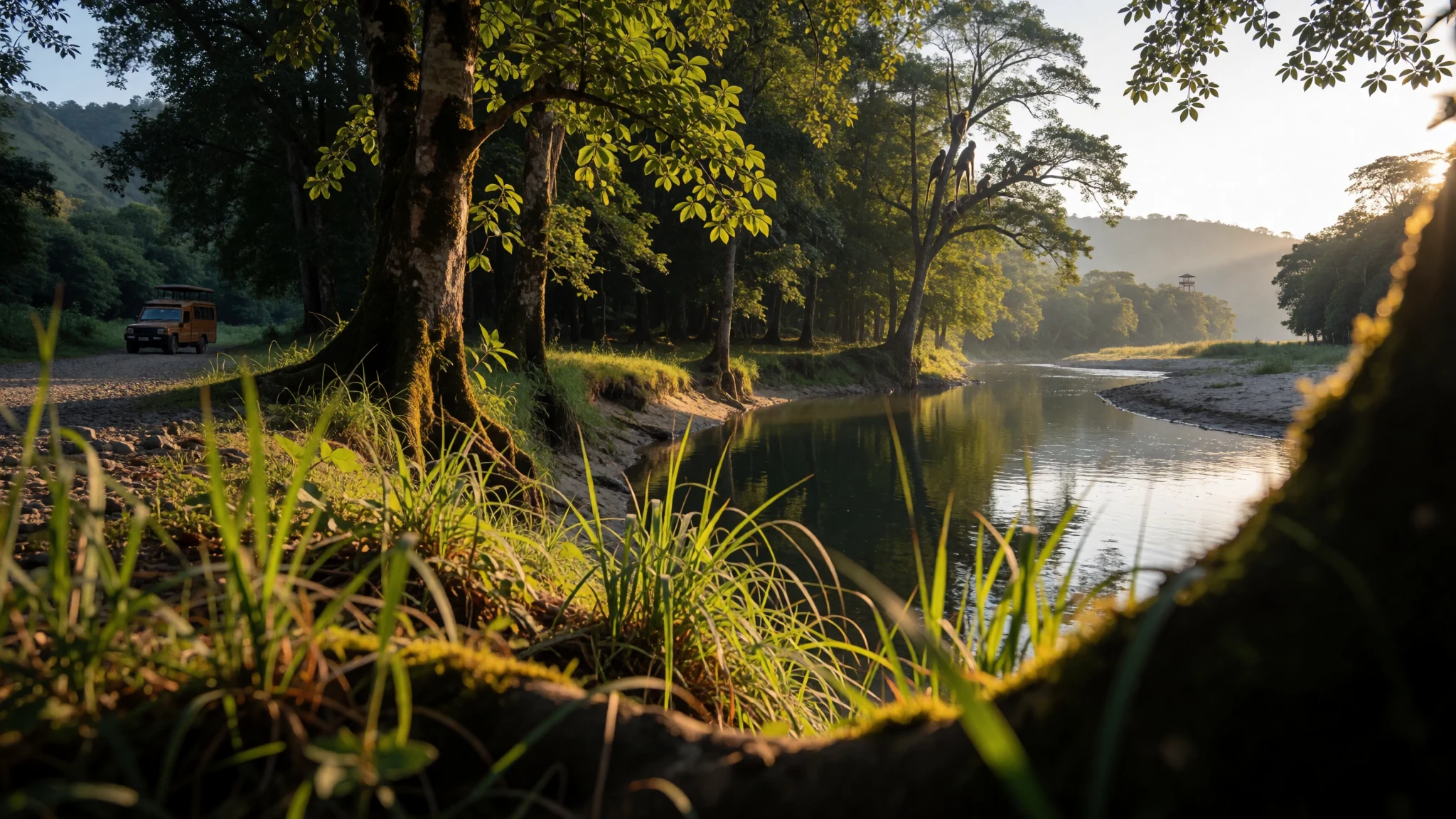
Manas National Park is a wildlife-and-forest reserve in Assam’s foothills, where rare species and river habitats meet Bhutan at the border.
The place
Manas National Park sits in Assam’s Himalayan foothills, a place where forest canopy, grassland patches, and river wetlands all feel close together. The park is also tied to bigger conservation pictures: it has Project Tiger and is an elephant reserve, and it borders Royal Manas National Park in Bhutan. In plain terms, that mix of habitats and the cross-border landscape is why wildlife here feels “connected” rather than isolated.
The setting is described in ranges—western, central, and eastern—that are not well linked, so access matters as much as enthusiasm. Most visitors end up concentrating around the central zone and the river side areas, especially the forest tracks near Mathanguri on the Manas River. The Manas River itself runs through the park, splitting as it meets the plains, and along the way it also plays the role of an international boundary.
Manas is known for rare and endemic wildlife. You’ll hear names like golden langur and pygmy hog, and the park’s reputation goes beyond charismatic mammals: bird life is a major draw, with wetland species and forest birds turning up throughout the day. Even when animals stay out of sight, the soundscape—calls from understorey birds and the occasional splash or movement along river edges—does a lot of the work.
Visiting is less about ticking off “landmarks” and more about managing the practicalities: weather can swing quickly, road connections inside the wider area can be rough, and sightings depend heavily on time of day and where you’re based.
Its story
The story of Manas National Park starts far earlier than the present fence-and-forest idea. The land around today’s park was historically under the Kingdom of Bhutan, then the region changed hands during the Duar War and moved under British India.
Later, the area was protected in stages: first as a wildlife sanctuary, then evolving through different status levels as conservation plans shifted. These changes aren’t just administrative; they reflect how challenging the ground has been—remote forests with complex access, plus the realities of conflict and poaching risk that conservation authorities have had to respond to over time.
Even the current layout hints at geography’s influence. Manas is not one neat loop: it’s divided into ranges based at places like Panbari, Bansbari (near Barpeta Road), and Bhuiyapara, and the connections between them can be awkward. Rivers shape movement through the landscape, and for a visitor, the practical outcome is that bases and routes often become predetermined.
There’s also a human rhythm inside and around the park. A forest village sits within the core, while many other surrounding communities depend directly or indirectly on the protected area. That matters, because wildlife viewing here happens within a lived landscape—people, forests, grasslands, and water all sharing the same edge of the Eastern Himalaya.
In the end, Manas feels like an ecosystem with a layered past: political borders shifted, protected areas were reconfigured, and the wildlife has kept adapting to forests, wetlands, and the shifting lines of the map.
What to see
- Mathanguri forest area (Manas River)
Manas National Park’s river-country forest tracks around Mathanguri are where the landscape feels most “alive”. Keep an eye on the edges between forest shade and river glints; movement often shows up first in birds and subtle body language before anything larger.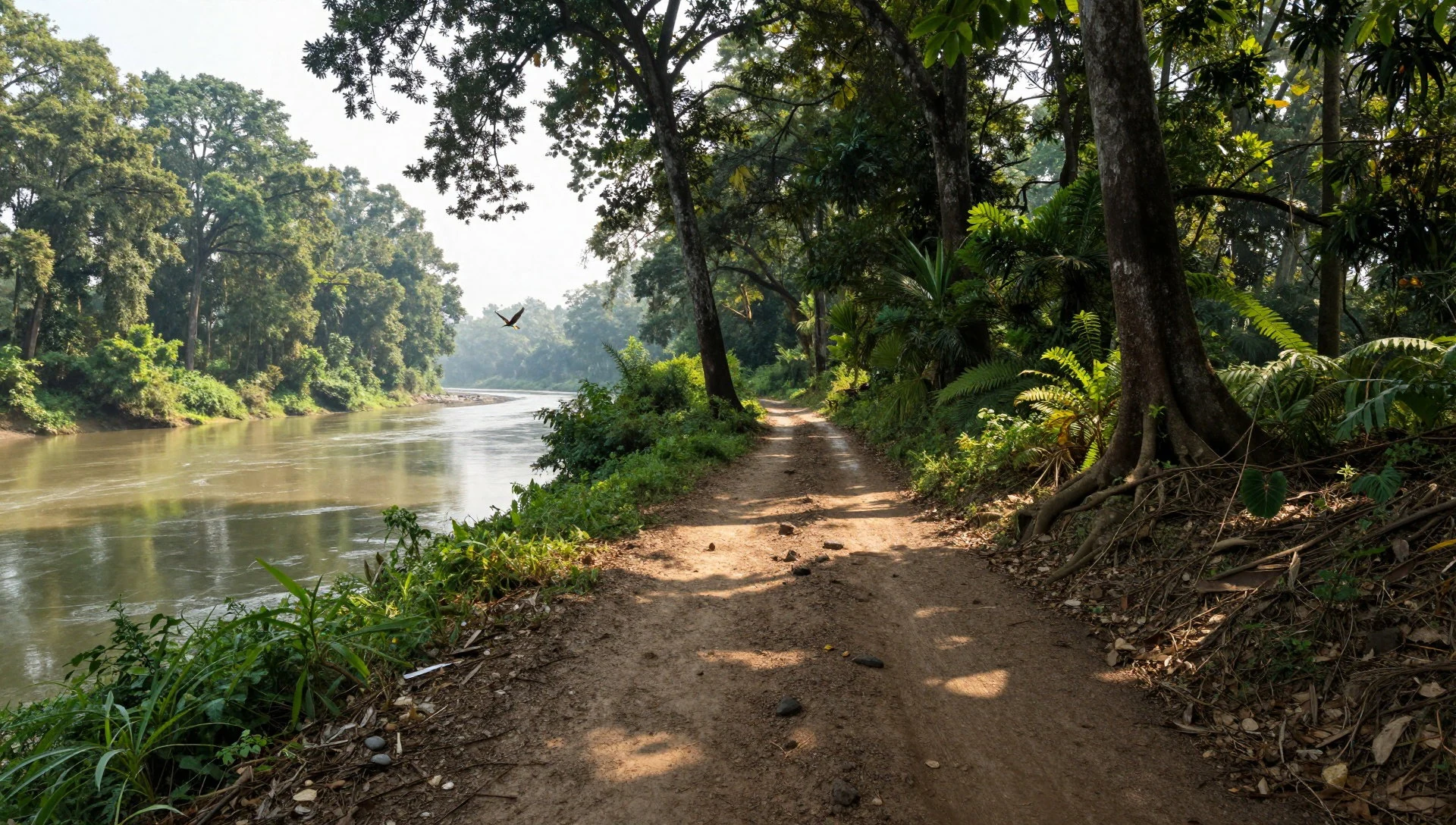
- Panbari (western range access)
Manas’s western range, anchored around Panbari, gives a more cut-off feel. Expect that getting around can be slower and less direct than in the central areas. The payoff is a calmer atmosphere for forest walks where you hear birds before you see them.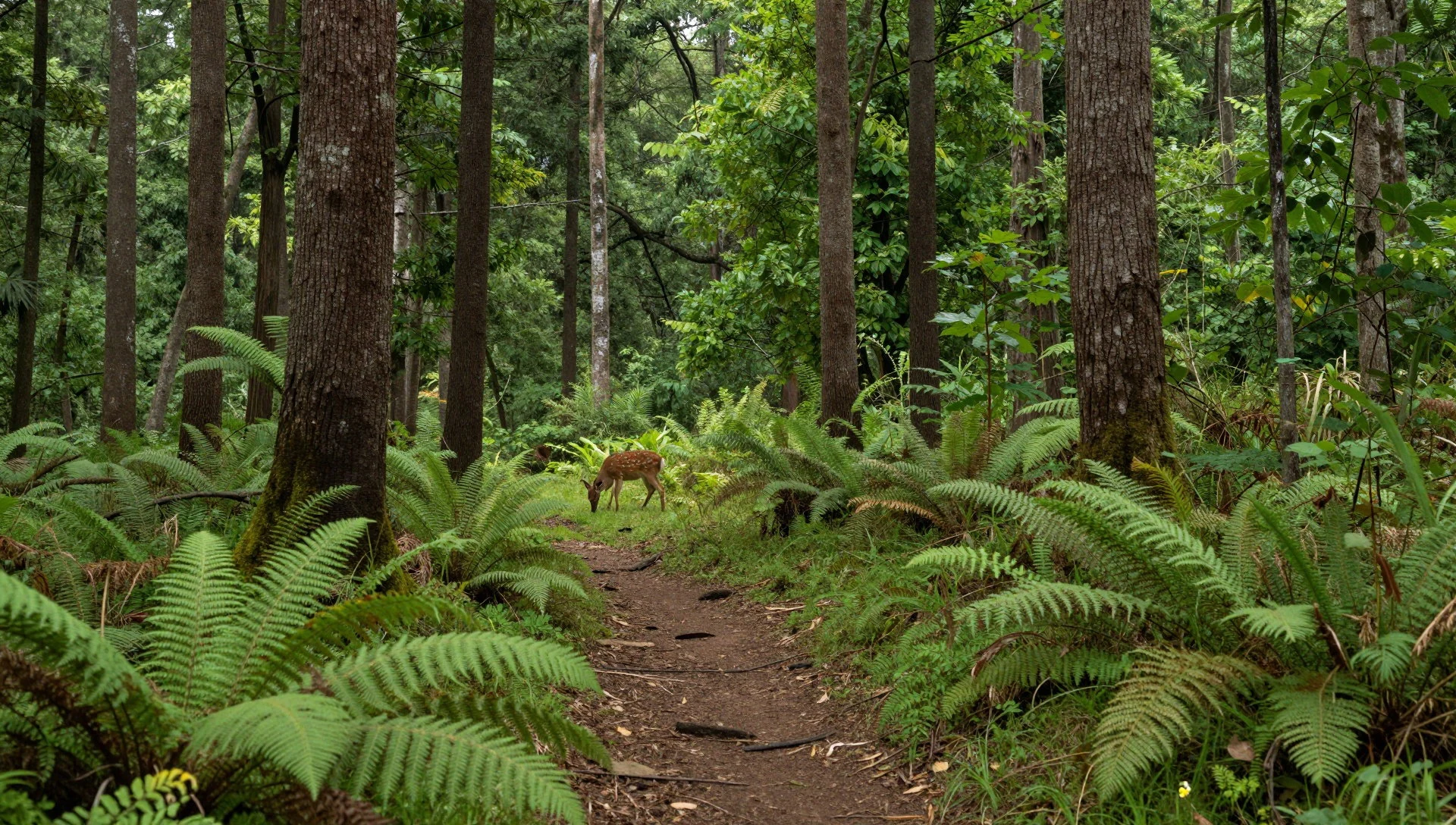
- Bhuiyapara (eastern range)
Bhuiyapara sits in the eastern range, where the park is less connected and routes feel more “journey-like”. When the forest opens to lighter patches, scan for both ground movement and high perches—this range tends to reward patience rather than quick scanning.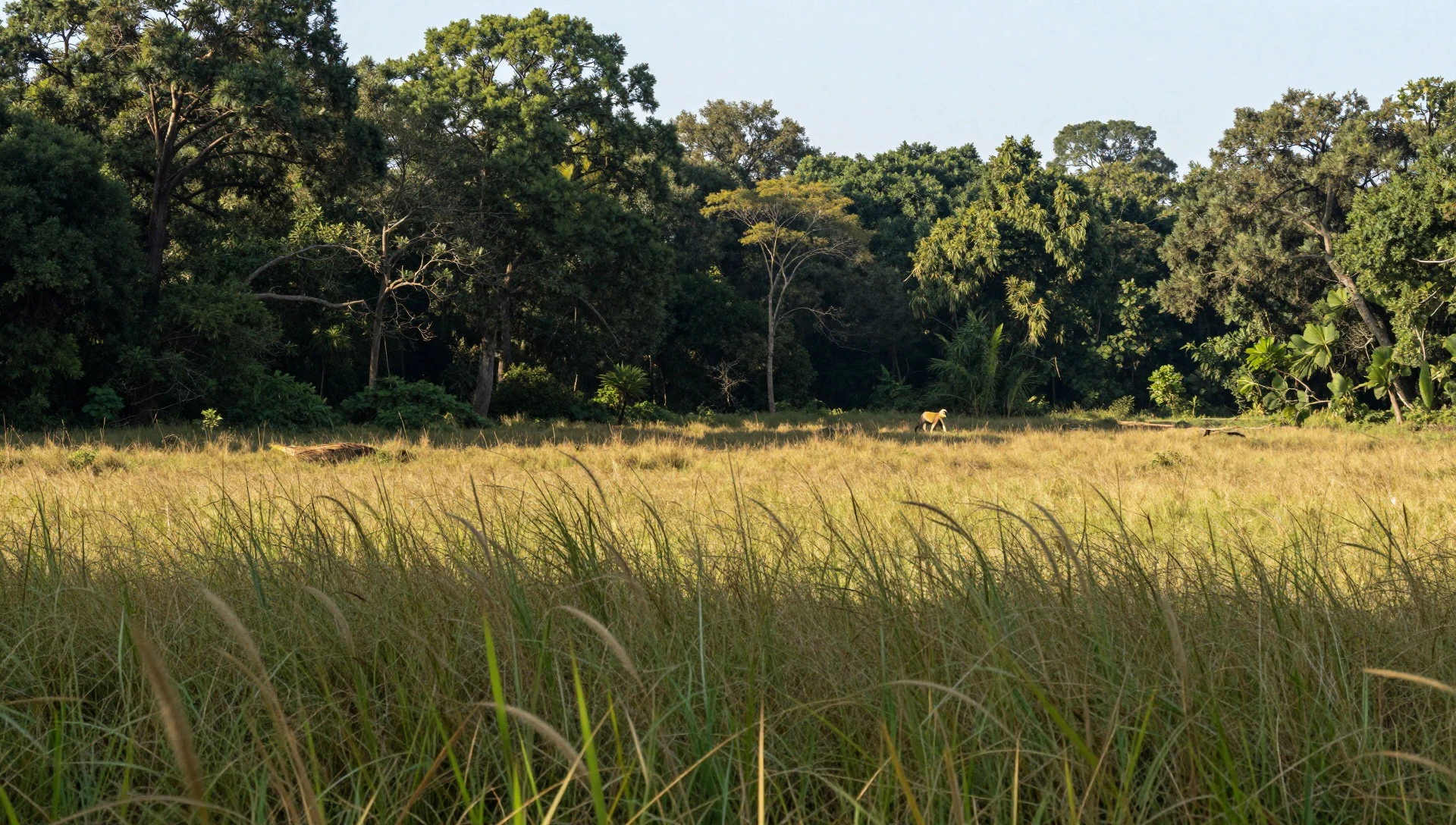
- Forest–wetland birdwatching zones
Manas is a bird-focused park because forest and wetland habitats overlap. Look for species that prefer cover near waterlines, then shift attention to the canopy when the light changes. Early mornings help: the calls feel louder, and activity is often higher.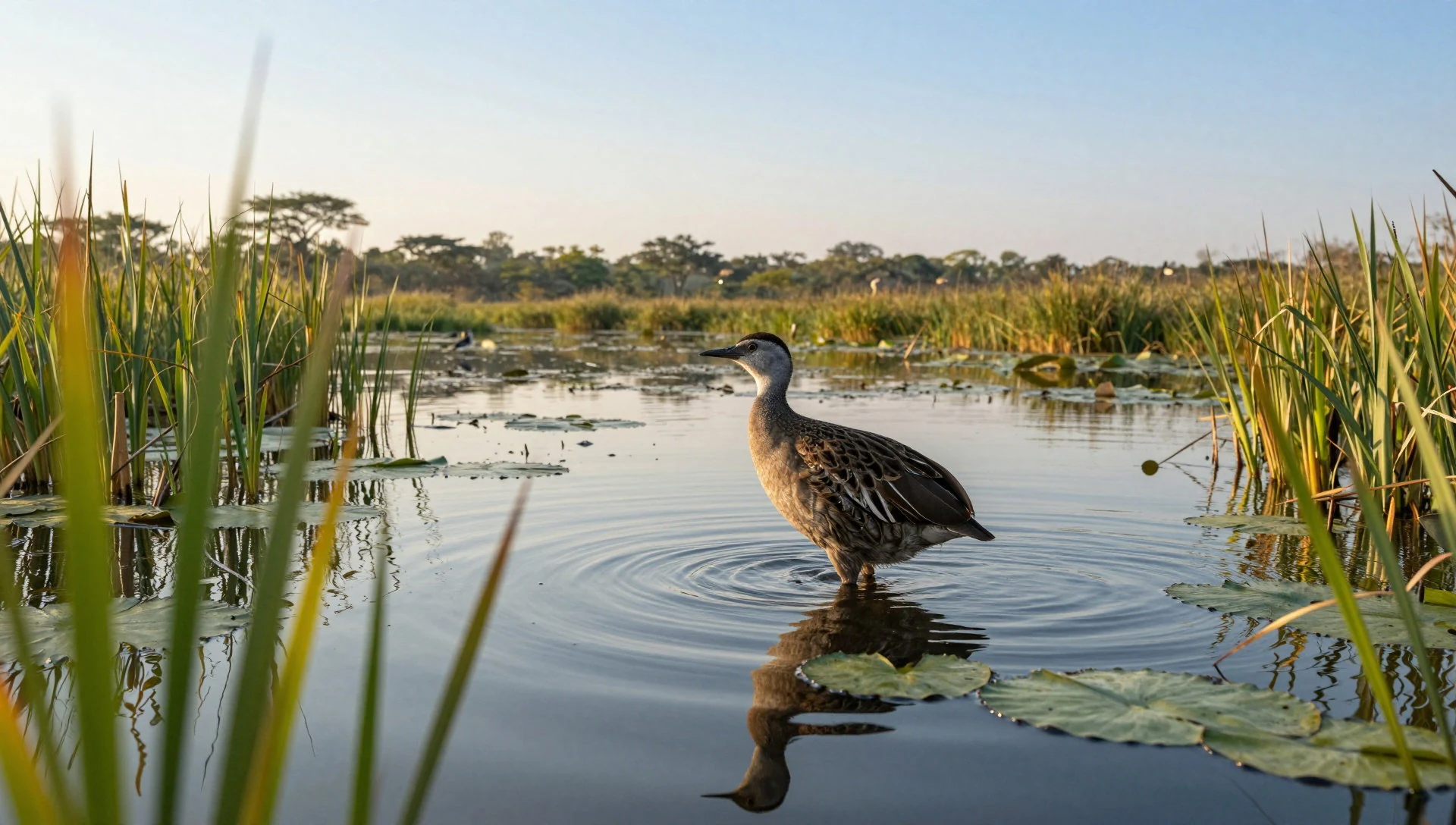
- Capped langur chances
Capped langur sightings are a big part of why people choose Manas over many other reserves. Watch the treetops and thick edges first, then re-check the same line of trees as the day warms—langurs can be quiet until they’re not.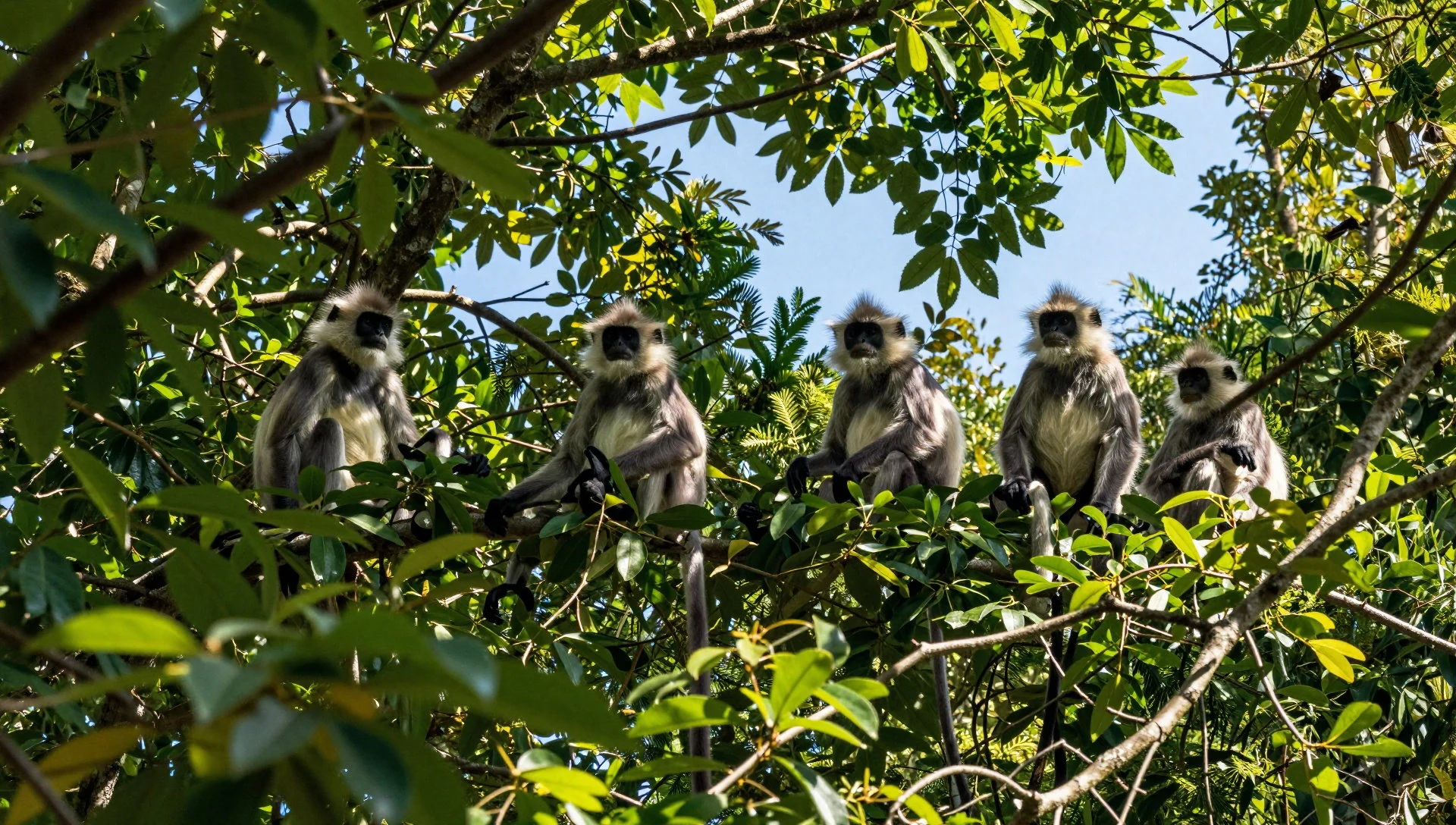
Culture
Manas National Park is best understood as a conservation landscape within Assam rather than a standalone wilderness bubble. Local life sits close to the protected area: there’s a forest village in the core, and additional villages around the park depend on the wider ecosystem and the movement of people and resources.
That relationship shows up in visitor routines. Guides and drivers often shape how the day unfolds because the ranges aren’t equally connected, and because the river and forest patterns affect where wildlife viewing is realistic. Conservation rules also influence what happens where—so listening to staff about permitted areas, timings, and vehicle movements is part of the experience.
Wildlife is the headline, but culture here is the everyday discipline: keeping noise down so birds and mammals stay active, moving slowly on forest tracks, and accepting that sightings are never guaranteed. When animals do appear, it’s usually because habitat conditions—light, temperature, wind, and proximity to water—line up.
Visitor etiquette matters in a place like Manas because the park is shared with both wildlife and communities living around it. If you’re offered a chance to walk a village edge or pass near cultivated land, treat it like part of the landscape, not a spectacle.
Visitor etiquette: stay quiet on tracks, follow your guide’s instructions on where to walk, and avoid disturbing wildlife with flash photography or sudden gestures.
What to wear
In Manas National Park, clothing is about heat, humidity swings, and practical movement through forest-edge terrain. Traditional Assamese dress exists around the region, but most visitors dress for comfort rather than ceremonies.
For textiles and traditional wear in Assam, look out for cultural staples like mekhela chador (a wrap-style two-piece worn by women, often in vivid colours and patterned textiles) and gamosa (a woven cotton cloth used in various ways and occasions). They’re most commonly worn in cultural settings, not for long wildlife walks. What matters for visitors is how local style informs colour and light fabric choices.
Day-to-day, expect people to wear breathable, modest outfits in natural colours—loose shirts or tees with trousers or long skirts/salwar-style bottoms. Visitors should wear long trousers (or at least something that protects against brush), a lightweight top that can handle sun and insects, and a hat. Closed-toe footwear is strongly advised because forest tracks and wet patches can be slippery. If visiting any community or shrine-adjacent area as part of your route, consider a light layer that covers shoulders and legs for conservative comfort.
What to eat
- Assamese rice meals — Local restaurants and lodge eateries around the park access areas
Look for simple thali-style plates or lunch setups that centre rice with local curries, seasonal vegetables, and sour notes typical of Assamese cooking. These are easiest to find at small eateries around Barpeta Road–side towns and lodge areas near the park routes.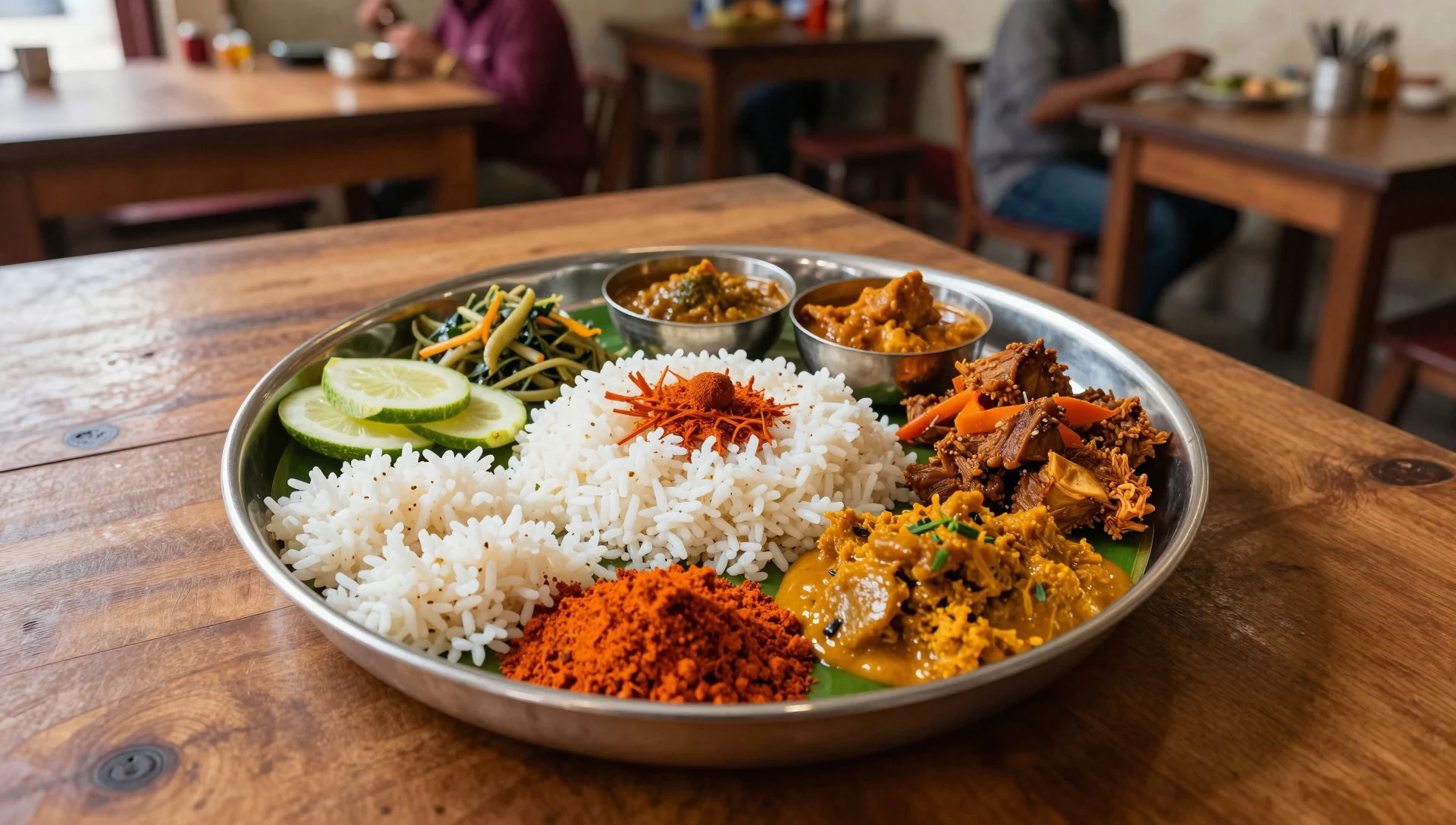
- Fish curry with rice — Roadside eateries and local restaurants near main access roads
In Assam, fish curries often show up on menus with a tangy, aromatic gravy and rice. Ask what’s available that day; the taste changes with season. This is common in roadside restaurants and family-run spots serving traveller meals.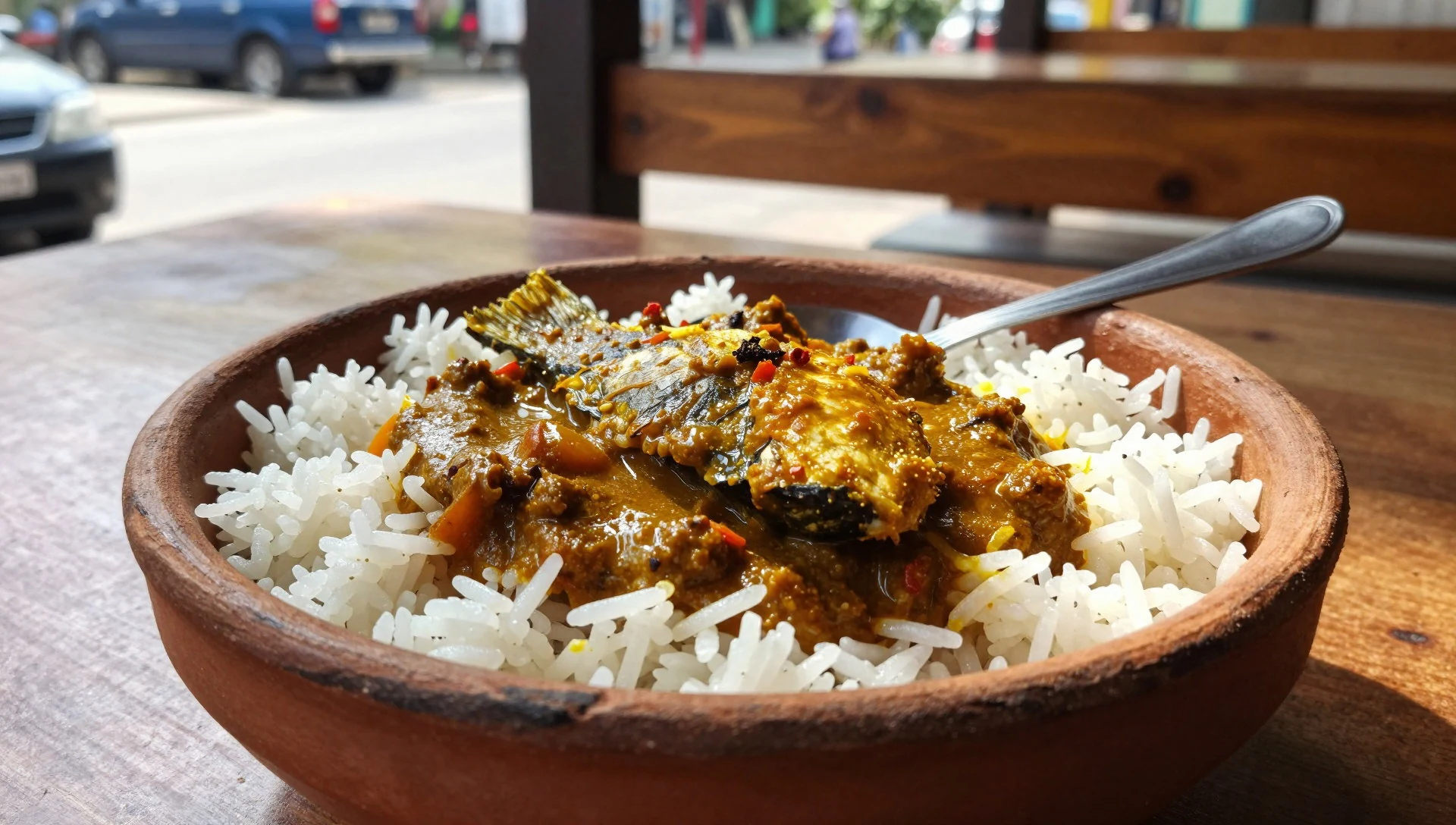
- Vegetable stir-fries and seasonal sides — Market streets and small restaurants near entry towns
Vegetable dishes—stir-fried or lightly spiced—are a reliable option when wildlife days run long and hunger hits unexpectedly. They’re usually listed as sides alongside rice. Good bets are small restaurants near busier market streets and lodge dining areas. - Street-style fried appetisers — Bite-sized snacks from market stalls and roadside food stops
Manas-area markets and snack stops often have fried appetisers (think crisp, savoury bites served hot) that travel well for a half-day outing. They’re handy when breakfast runs early for wildlife hours. Expect them as casual snacks rather than a sit-down course. - Tea with light snacks — Teashops and café corners around the main approach towns
Between drives and short walks, a cup of tea with something light is the easiest recharge. Cafés and roadside stalls commonly serve tea alongside small snacks, perfect for a quick reset before heading back into forest tracks.
Plan it
Best time. February–April and October–November are the most comfortable windows for Manas National Park: days are generally easier to handle for walking and wildlife watching. The wettest months are April through September, so rain can be frequent and may affect plans—especially from May to August. August is also among the hottest months, so expect warm, often humid conditions along with the rain.
How long. 3–4
Getting there. The nearest major airport is in Guwahati. From there, the last legs are by road towards the park’s access points such as the Barpeta Road area and the surrounding entry towns; from the closest town, expect a local road transfer to your chosen range base.
Budget. mid
Tips
- Pick a base and build the day around its range; Manas’s ranges aren’t equally well connected.
- Start outings early when bird and animal activity tends to be higher, then return to rest during the warmest stretch of the day.
- Keep your expectations flexible: wildlife sightings depend on habitat and conditions, not a fixed route.
- If you’re relying on guides or lodge transport, confirm pickup plans the day before and keep contact details offline.
- Carry a small emergency kit (water, basic medication, torch) because getting around can take longer than expected.
Etiquette
- Stay quiet and avoid sudden movements on forest tracks.
- Follow your guide’s instructions on where to stand or walk for wildlife viewing.
- Don’t approach animals or try to “chase” sightings—back away if they move towards you.
Nearby
Sources
- Wikidata Q506511 (CC0)
- Wikipedia (rev 1383852474) (CC BY-SA 4.0)
- Wikivoyage (rev 5242273) (CC BY-SA 4.0)
- Photo photos/01-capped-langur-in-manas.jpg (CC BY-SA 2.0)
- Photo photos/02-manas-landscape-rhino.jpg (CC0 1.0)
- Photo photos/03-manas-national-park-entrance-gate.jpg (CC BY-SA 4.0)
- Photo photos/04-blue-hill.jpg (CC BY 2.5)
- Photo photos/05-tephrodornis-gularis.jpg (CC BY-SA 4.0)
- Photo photos/06-jungle-owl-in-manas.jpg (CC BY-SA 2.0)
- Photo photos/07-a-morning-manas-assam.jpg (CC BY-SA 4.0)
- Photo photos/08-beautiful-assam-the-manas-national-park.jpg (CC BY 4.0)


