Mana Pools
Mana Pools, Zimbabwe
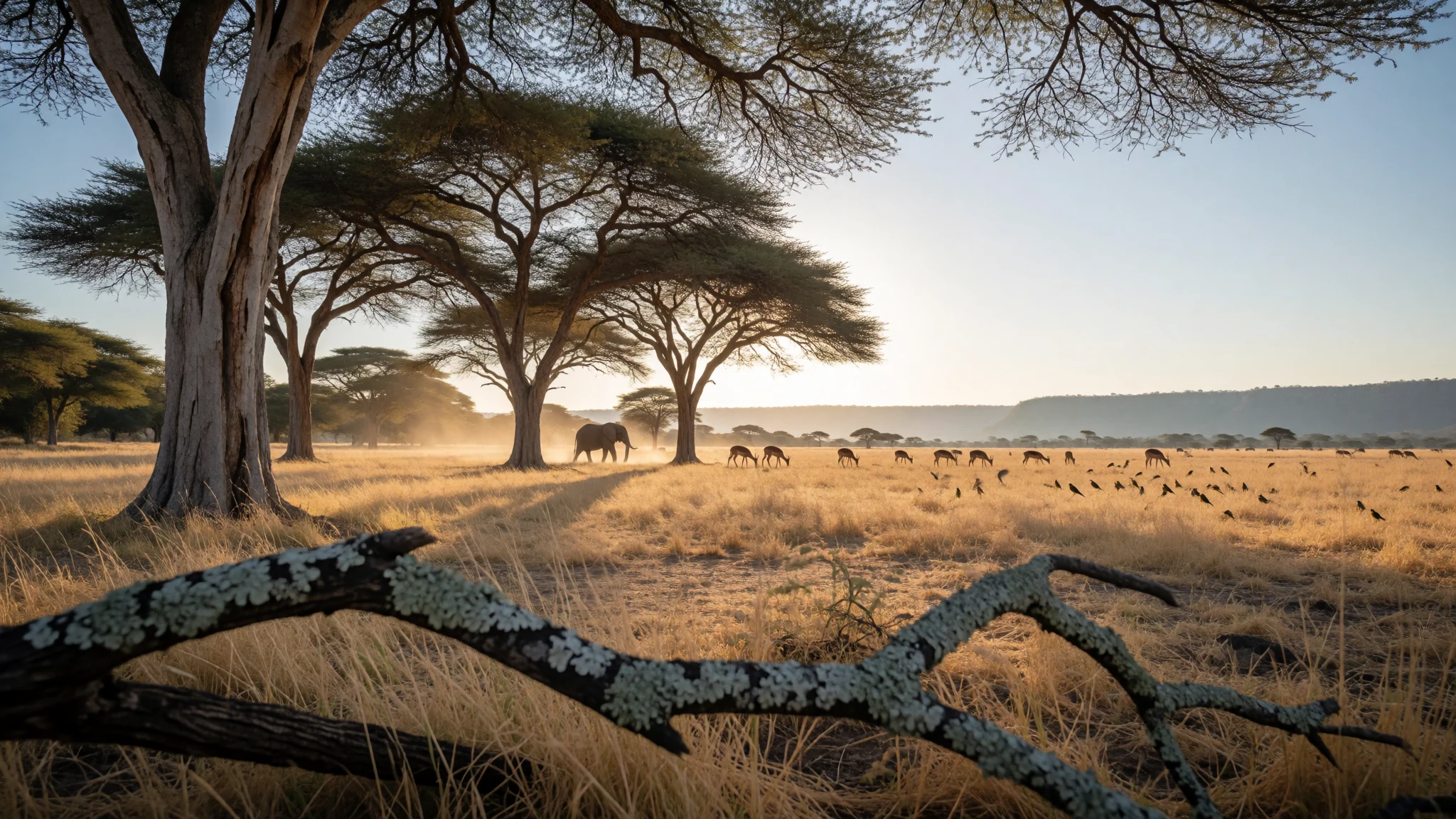
Mana Pools is a water-and-wildlife landscape where the floodplain becomes lakes, then draws big animals as they search for water.
The place
Mana Pools National Park sits in northern Zimbabwe, close to the Zambian border, along the lower Zambezi region. What makes the place feel so alive is the way the floodplain reshapes itself after the rainy season: lakes open up across the plain, then gradually shrink and recede. As water retreats, animals gather where it’s still available, turning the park into a kind of natural meeting point between land and river.
The park is essentially built around this rhythm. During the wetter months it’s all about broad water and slow-moving shores; as levels drop, the same ground becomes dry enough for tracking, walking routes (where permitted), and game-viewing from the river edges and crossings. That shifting habitat is also why the viewing can feel different day to day. A morning may look “quiet”, then the late afternoon brings sightings along waterlines, sandbanks and the edges of lakes.
Mana Pools forms part of a wider protected landscape connected with Sapi Safari Area and Chewore Safari Area, and it holds major conservation designations mentioned in the park’s background. Wildlife is a core theme, including large mammals and lots of birds, plus aquatic life tied to the Zambezi system. It’s the sort of destination where the landscape is never just a backdrop; it actively controls where animals move and what the day’s sightings look like.
Practical reality check: this is not a crowded, city-style safari. Visits are usually organised around access points, river conditions and guided game drives, and getting around takes time. The reward is that the park’s “main character” is water—always changing, always pulling life towards it.
Its story
Mana Pools reads like a conservation success story told through seasons rather than buildings. From the sources behind this reading, the key idea is consistent: the park’s floodplain turns into an expanse of lakes after rains, and as those lakes dry up, animals concentrate around remaining water. That seasonal pivot drives both the landscape and the wildlife, so the “plot” of a trip depends on timing as much as on routes.
The brief’s grounding notes also highlight that Mana Pools is part of a broader protected set that includes Sapi Safari Area and Chewore Safari Area, which were linked together for a world heritage listing. There’s also a wetlands designation mentioned for Mana Pools, pointing to how the water itself is the value worth protecting. In other words, this isn’t a park that can be understood only by animals; the water cycle is the engine.
Over time, management decisions and wider regional water infrastructure show up in the background too. The notes refer to the area being saved from an earlier hydro-electric scheme, and to concerns about how dam regulation and potential projects could affect the ecology. That thread matters to travellers because it affects the character of the floodplain and how predictable the “water season” feels.
Then there’s the human side of access. The notes place Mana Pools near the Harare–Lusaka highway, and they point to nearby towns across the border and within Zimbabwe. That combination—remote enough to stay wild, but connected enough to be reached—helps explain why Mana Pools is known for big-animal viewing without being a theme-park experience.
The story, in short: water shapes the habitat, the habitat shapes animal movement, and those same forces shape what a safari day actually looks like.
What to see
- Zambezi waterlines and river scenes — Lower Zambezi area within the park
Mana Pools sits in the lower Zambezi system, so the river often feels like the main viewpoint. Look for slow currents, changing shorelines, and the way animals use edges rather than open water.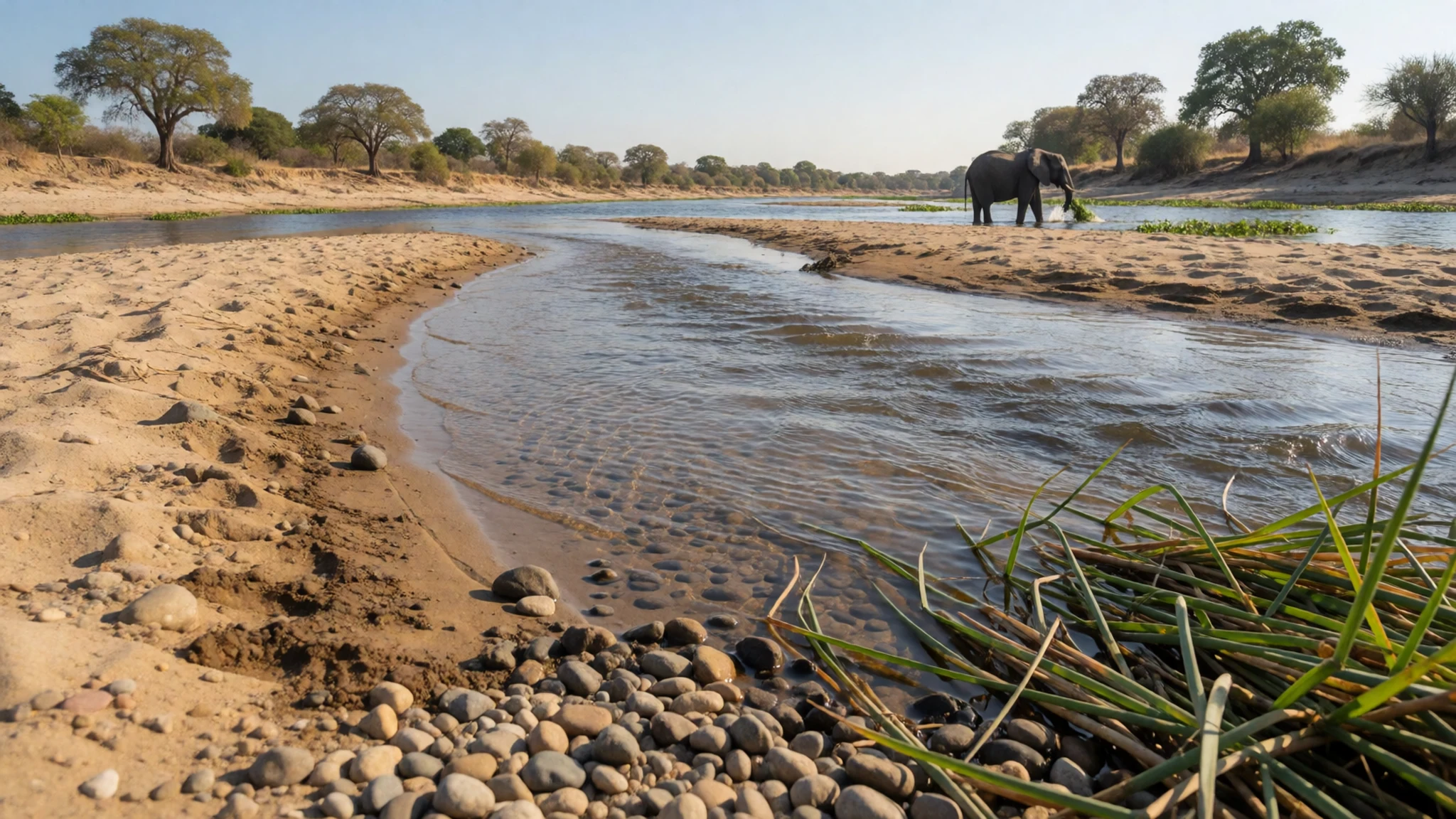
- Rukomechi River crossing area — Nyakasikana Gate / Rukomechi River area
The Rukomechi River near Nyakasikana Gate gives a classic “edge-of-water” safari mood: banks, shallows and crossings where animals pause. It’s also a good spot to watch how sandbars and water level affect movement.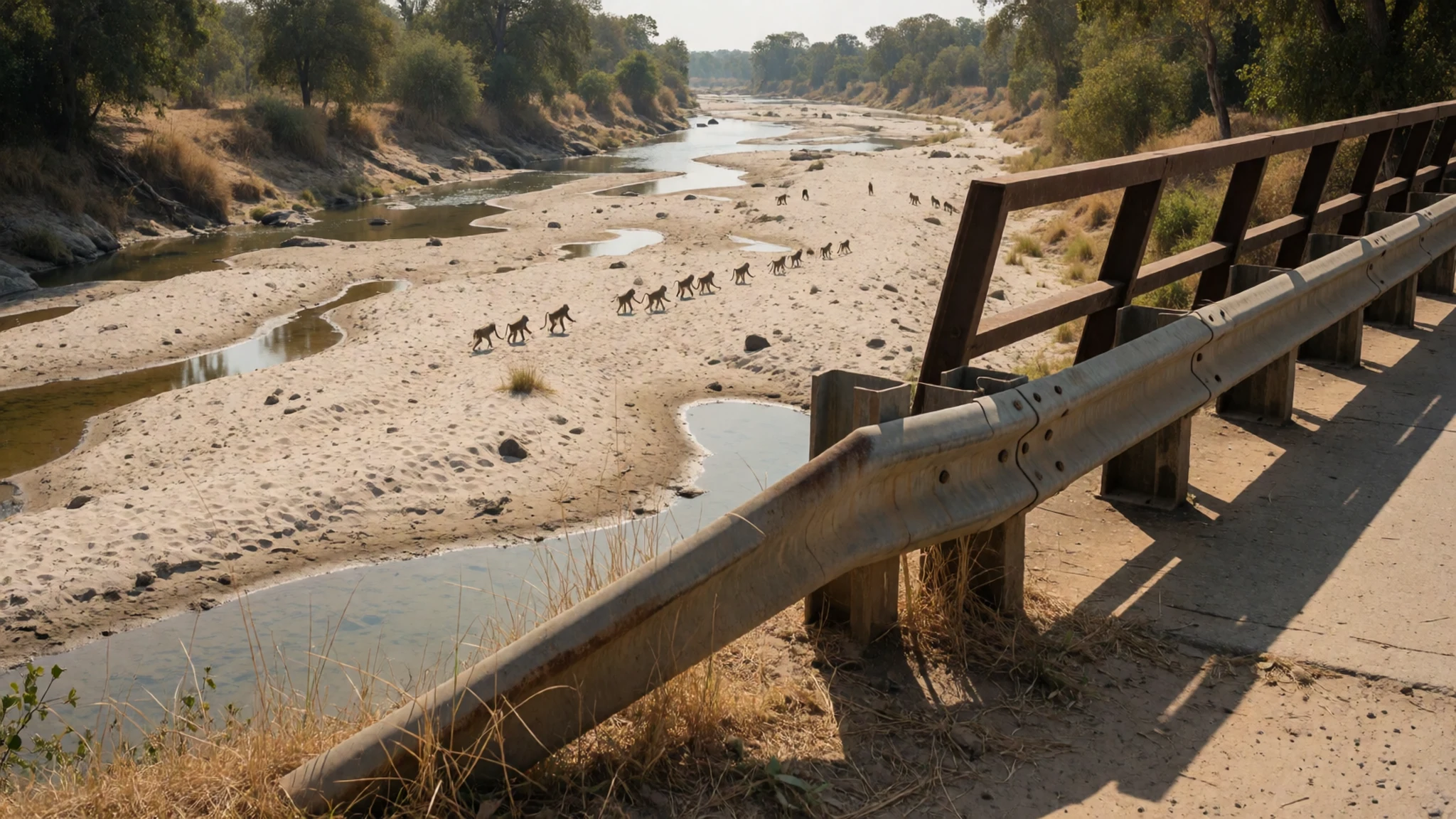
- Zambezi views across to the escarpment — Main Mana Pools viewpoints looking towards Zambia
From Mana Pools, the Zambezi opens up into long-distance views towards the Zambezi Escarpment in Zambia. The contrast between water, floodplain grasses and the high ground gives context to where weather and water come from.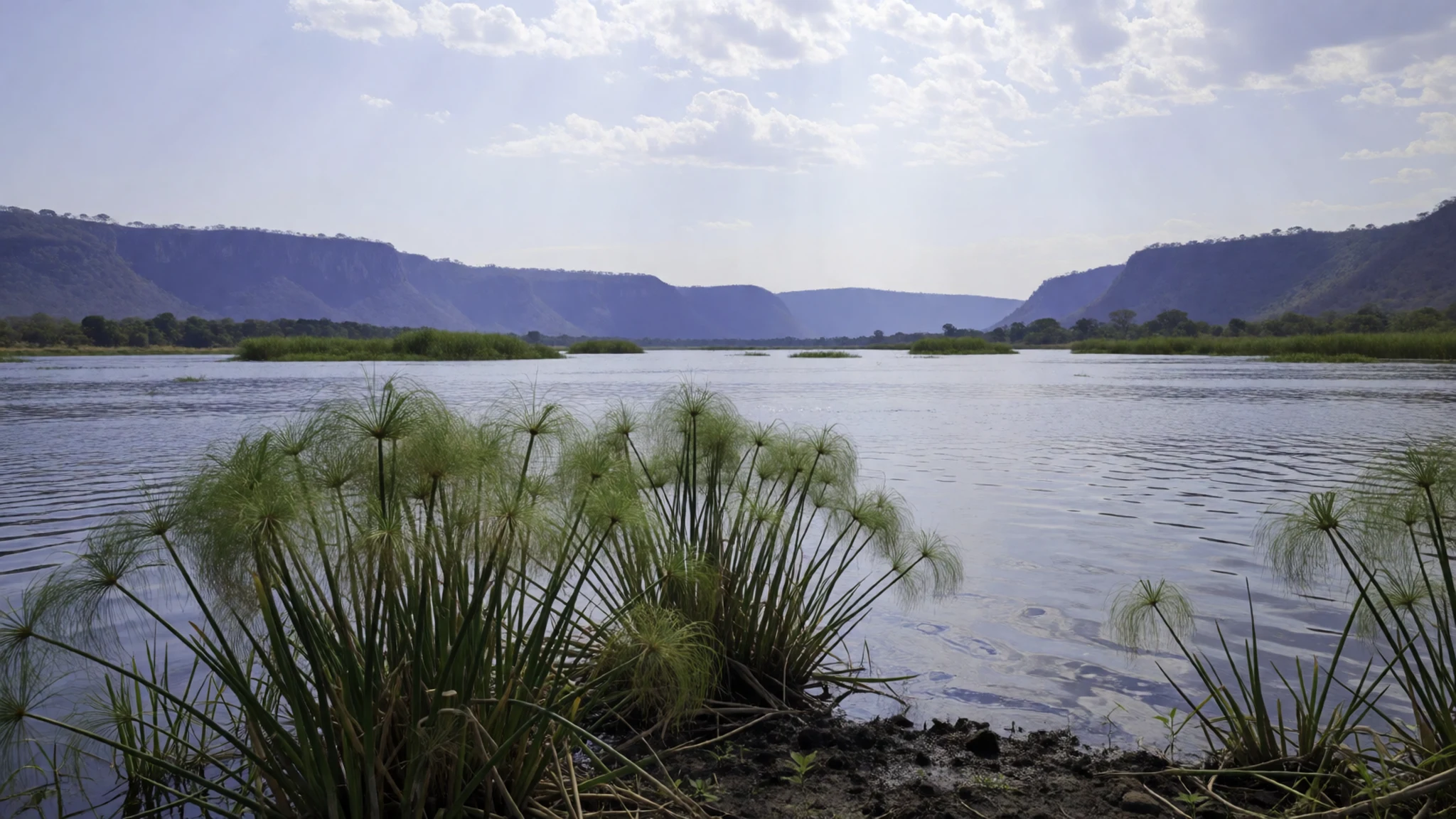
- Island and river channels in the Zambezi — Zambezi River channels inside Mana Pools
River islands inside the Zambezi show how the water rearranges the landscape. Those small separations between channels can concentrate sightings, especially when receding water leaves clearer paths and predictable landing points.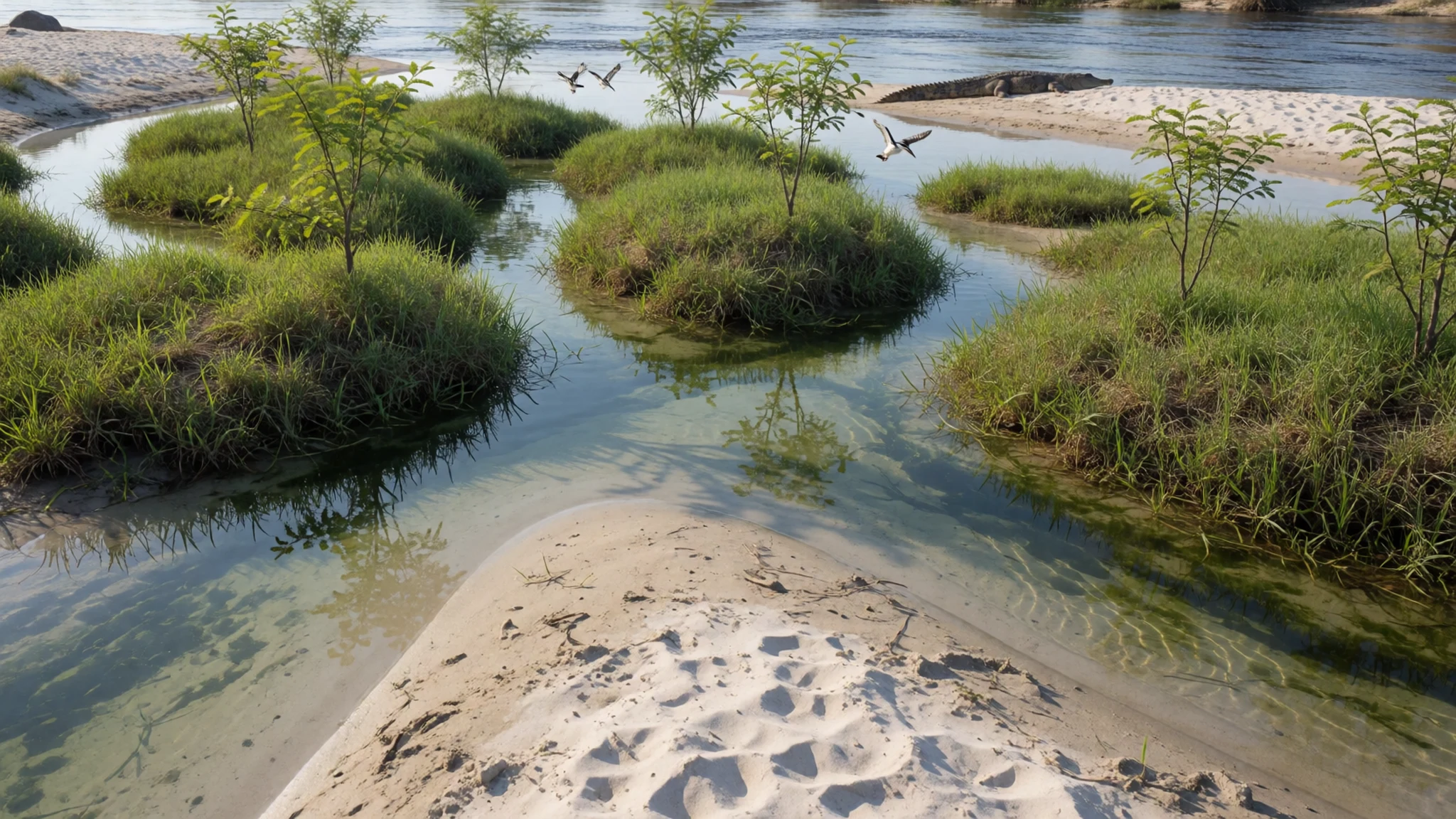
- Rukomiechi sandbanks and margins — Rukomiechi River margins near park access points
Rukomiechi River edges are where the day’s “where” becomes visible. Sand and shallow margins can act like highways for animals, while also reflecting how the floodplain turns from wet to dry over the season.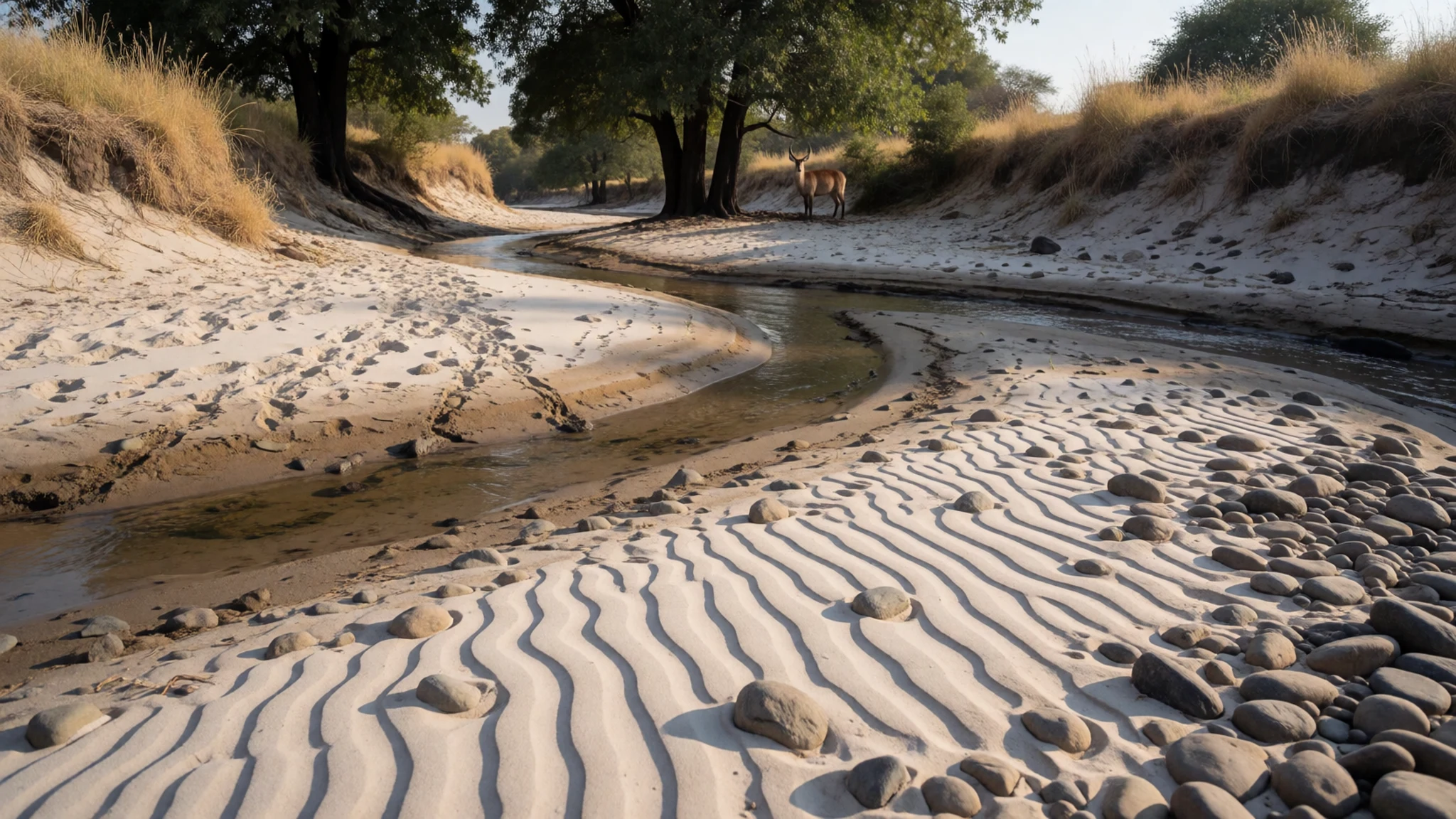
Culture
Mana Pools is a national park experience first, so “culture” here is mostly how people behave around wildlife and water. The park’s setting—floodplain, lakes and the Zambezi river system—encourages slow observation. Sightings often depend on patience: animals may appear at the edge of a receding lake, along river crossings or on sandbars where water lingers.
Because the park draws large mammals, respect for distance matters as much as silence. Wildlife can be close and still unpredictable, and the water means sound carries differently than in forest. Guided visits are common, and the best cultural habit is trusting the local planning that matches routes to conditions and animal movement.
Crowds are generally not the issue here, but attention can drift when sightings slow down. Stick to the guide’s instructions, keep noise low, and avoid blocking tracks at water edges or entry points. Photography is part of the experience, yet it’s also easy to get carried away when animals move. Keeping steady behaviour helps everyone—other visitors, the guide, and the animals.
Dress is also a form of etiquette: bright colours can stand out against pale sand and water, and sun protection is sensible in the open landscape where shade is limited.
Visitor etiquette: Follow your guide’s instructions on staying back from wildlife and keep noise low near riverbanks and crossings.
What to wear
In Mana Pools, clothing is about sun, dust and river conditions rather than “safari style”. The traditional dress details for Zimbabwe aren’t the focus of a park visit, but the most practical rule for visitors is to dress for heat and exposure in an open landscape, with layers for early and late hours when it can feel cooler.
What people wear now on safari days is usually light, breathable fabric that can take dust, plus a hat and sunglasses. Footwear tends to be sturdy closed shoes or lightweight hiking trainers for walk times near river edges and tracks; sandals are risky on uneven ground and can be uncomfortable around water.
If visiting any community areas near the park, modesty expectations are common across the region: shoulders and legs are usually preferred to be covered rather than left bare. For photographs and day drives, neutral colours blend better with the environment, and long sleeves can help with sun and insects around water.
What to pack: a wide-brimmed hat, a light long-sleeve top, quick-dry trousers or long shorts, a rain layer if conditions turn changeable, and a comfortable pair of closed shoes that can handle sand and wet patches.
What to eat
- Mealie meal porridge and sides — Lodges and camps serving set safari meals
Expect maize-based staples like porridge in simple lodge or camp meals, often served with local relishes or vegetables. It’s filling after early game drives when the day starts before the heat really climbs.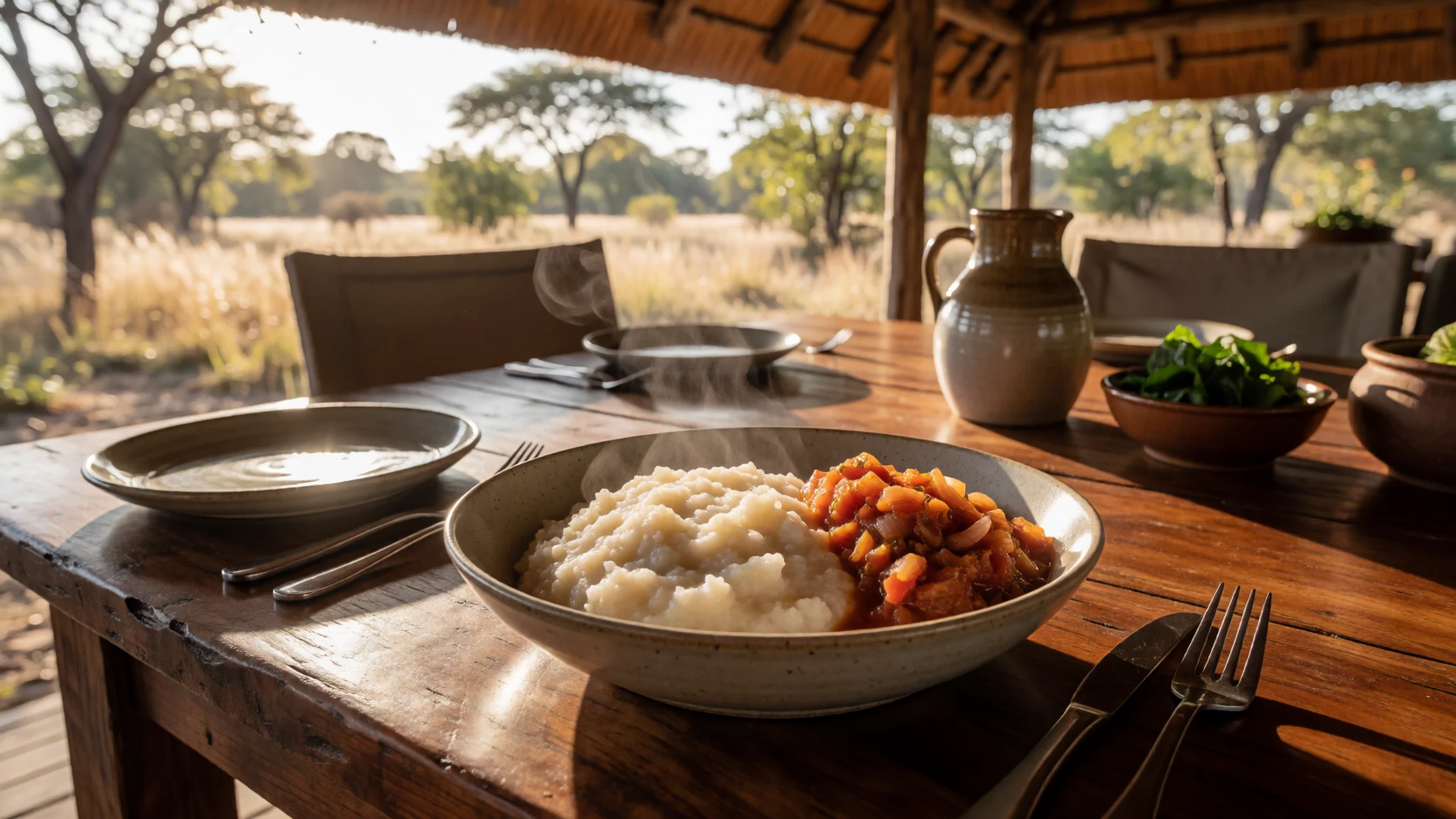
- Grilled meats on safari-style menus — Camp restaurants and lodge dining areas
Many visitors end up eating grilled meat or hearty mains at camps, especially during longer stretches between activities. It’s a reliable choice when the day’s schedule depends on wildlife movement.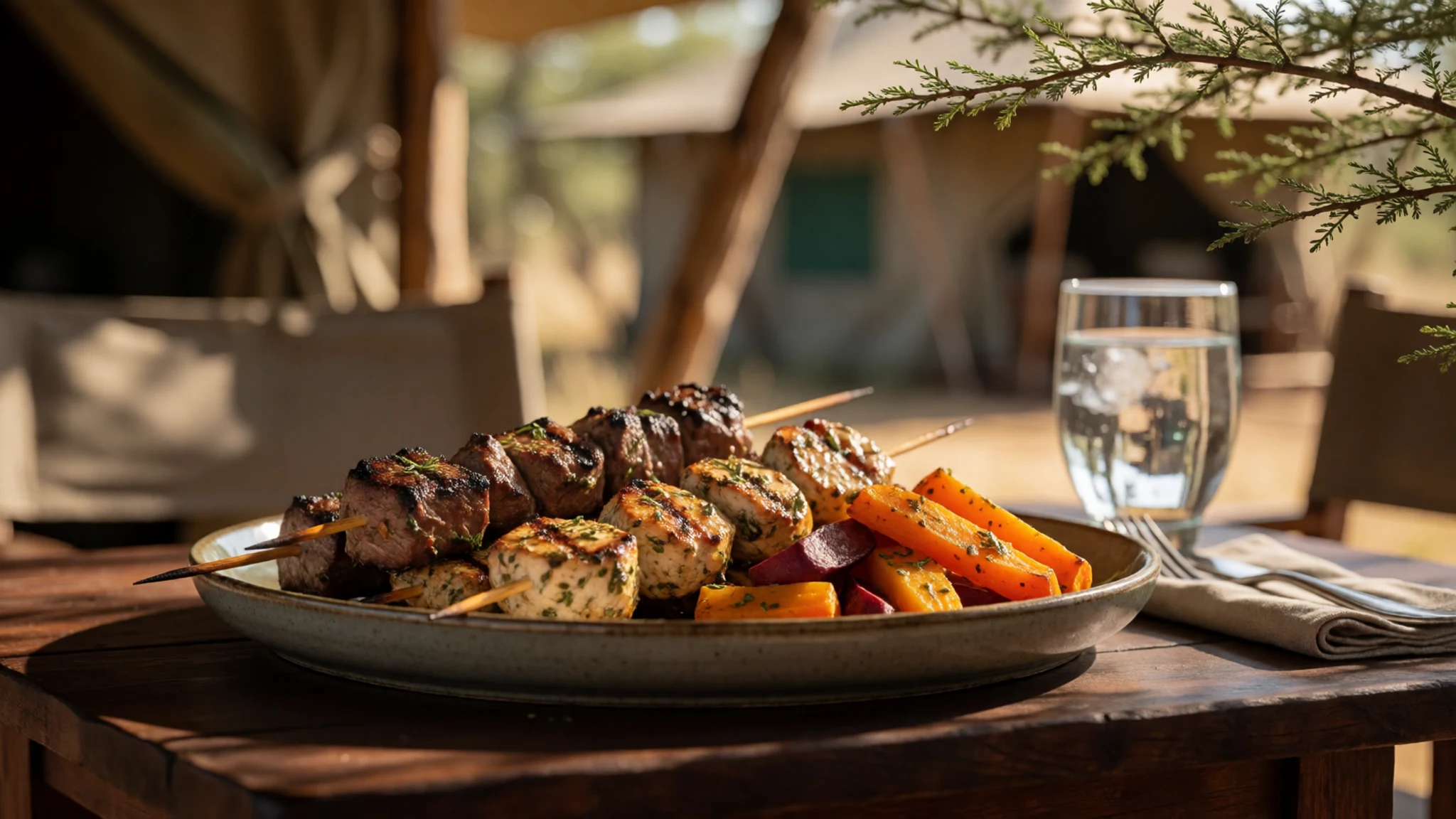
- Fresh vegetables and stews — Local eateries in nearby towns like Kariba and Chirundu
Zimbabwean-style stews and vegetable sides often show up as part of a broader camp buffet or plated meal. These balance out the heavier dishes and help when midday heat makes lighter food feel better. - Simple breakfasts before drives — Lodge and camp kitchens for pre-drive meals
Early starts are common in game-viewing areas, so breakfast tends to be straightforward: eggs, toast/bread, tea or coffee, and fruit if available. It’s designed for quick fuel rather than lingering. - Packable snacks for long days — From your lodge, camp or safari vehicle snack stops
When game drives run on with sightings, snacks help—fruit, biscuits, or sandwiches that can be eaten without fuss. This is especially useful when reaching distant viewpoints takes time.
Plan it
Best time. March–April and October–November are comfortable times to visit Mana Pools because the park’s wildlife viewing is tied to the rainy-to-dry water cycle; June is actually one of the driest months, while August is warmest but still very dry.
How long. 3–4
Getting there. Mana Pools is near the northernmost point of Zimbabwe and about 15 km north of the Harare–Lusaka highway. Most trips route via Harare, then overland towards nearby towns such as Kariba; for the border area, Chirundu on the Zambian side is referenced as a nearby access point.
Budget. mid
Tips
- Plan around water levels: game viewing changes as lakes recede after rains
- Schedule early starts for calmer conditions and more predictable sightings along river edges
- Pack a hat, sunscreen and a light rain layer; the landscape is exposed and weather can shift
- Keep cash on hand for small purchases near entry towns or for extras beyond a safari package
- If walking is offered where allowed, wear closed shoes that can handle sand and wet patches
Etiquette
- Keep a respectful distance from wildlife and follow your guide’s position choices near water
- Minimise noise and avoid sudden movements at riverbanks and crossings
- Do not approach animals or block paths; let the natural edges guide where viewing happens
Nearby
Sources
- Wikidata Q693254 (CC0)
- Wikipedia (rev 1366155109) (CC BY-SA 4.0)
- Wikivoyage (rev 5108513) (CC BY-SA 4.0)
- Photo photos/01-zmbzirvr.jpg (Public domain)
- Photo photos/02-crossing-the-rukomechi.jpg (CC0 1.0)
- Photo photos/03-zambezi-at-mutsango.jpg (CC0 1.0)
- Photo photos/04-island-in-the-zambezi-river-at-mana-pools-national-park-1.jpg (CC0 1.0)
- Photo photos/05-island-in-the-zambezi-river-at-mana-pools-national-park.jpg (CC0 1.0)
- Photo photos/06-rukomechisand.jpg (CC0 1.0)
- Photo photos/07-dinosaur-footprints-found-in-the-chewore-hunting-area-of-zim.jpg (CC BY-SA 4.0)
- Photo photos/08-light-aircraft-at-chikwenya-camp-near-mana-pools.jpg (CC BY-SA 4.0)


