Malbork Castle
Malbork Castle, Poland
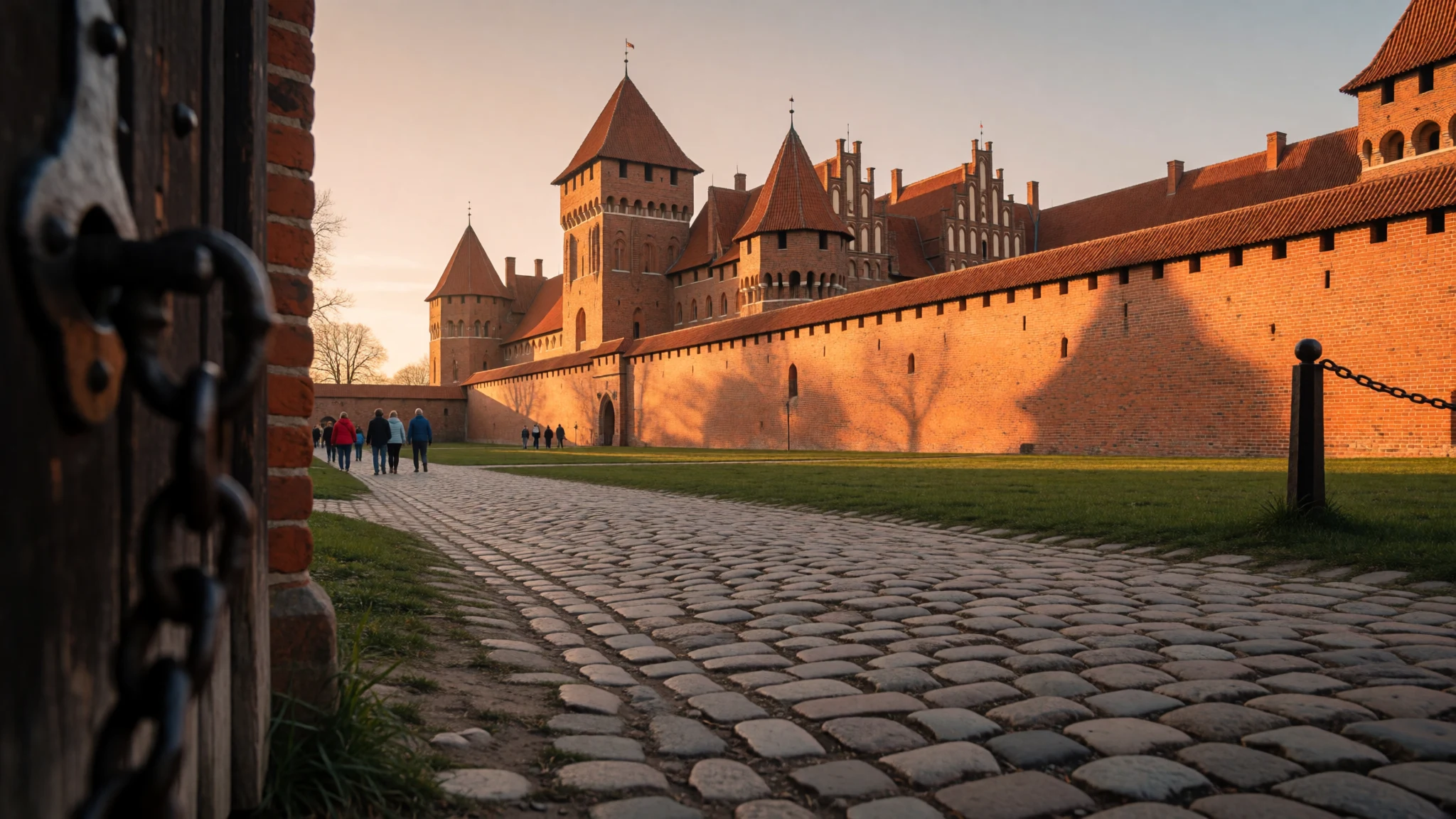
Malbork Castle is a brick fortress complex that tells the story of the Teutonic Order through scale, courtyards and layered walls.
The place
Malbork Castle (Zamek w Malborku; Ordensburg Marienburg) is a Brick Gothic castle complex in Malbork, Poland, built for the Teutonic Knights and expanded over time. Today it reads less like a single building and more like a fortified town: courtyards, gatehouses and ramparts stitched into a complex that feels serious from every angle.
What makes Malbork special is the way the structure works. The castle is arranged as a fortress with distinct sections and ceremonial-looking spaces inside heavy defences, so even when the exterior looks austere, the interior layout explains the purpose of the place. UNESCO recognition is tied to the “Castle of the Teutonic Order in Malbork”, which helps set expectations: this is history built in bricks.
Crowd levels tend to rise in peak seasons and on weekends, and the grounds can involve a fair amount of walking—so plan for time and comfortable footwear. Weather matters too: summers in this part of Poland can feel warm and breezy, while autumn and spring are often the sweet spot when the light is good and the pace feels manageable.
It’s also a place where a self-guided visit is fine, but an audio guide (or a museum route) pays off, because the story of who built it, how power shifted and how restoration shaped what you see is best understood as you move between spaces.
Its story
Malbork Castle began as a Teutonic Order stronghold in Prussia and grew into an administrative and power centre for the Order. After the Order’s base in the Levant collapsed, the Knights relocated their focus to northern Europe, and their castle programme followed: fortify territory, project authority and manage a frontier.
The castle’s origin is tied to the Order’s suppression of a major uprising in the Baltic region, after which the Knights established new control systems. Malbork was constructed as an ordensburg fortress, named in honour of the Virgin Mary. Rather than being a romantic ruin, it was built as a practical instrument of governance—designed to hold people, store resources and make authority visible through stone and brick.
Over the centuries, ownership and function changed with European conflicts. In the mid-1400s, amid the Thirteen Years’ War, the fortress changed hands to the King of Poland, transitioning into a hub for his court and governance. Later, periods of foreign rule interrupted that continuity, and after the partitions of Poland the castle spent many years under German administration, during which it also fell into disrepair as military technology moved on.
The story you walk through today is therefore not just medieval. Restoration after the Second World War helped bring Malbork back into a visitor-friendly shape, and ongoing work continues. That mix—Teutonic foundations, Polish and German chapters, and modern conservation—creates a castle experience that feels layered rather than one-note.
What to see
- Malbork Castle / Castle of the Virgin Mary
Malbork Castle is the core visit: the Teutonic Order’s fortified complex, laid out through gates and courtyards. Following the directions from an included audio guide can turn a long walk into a clear route, with enough structure to connect the architecture to the history.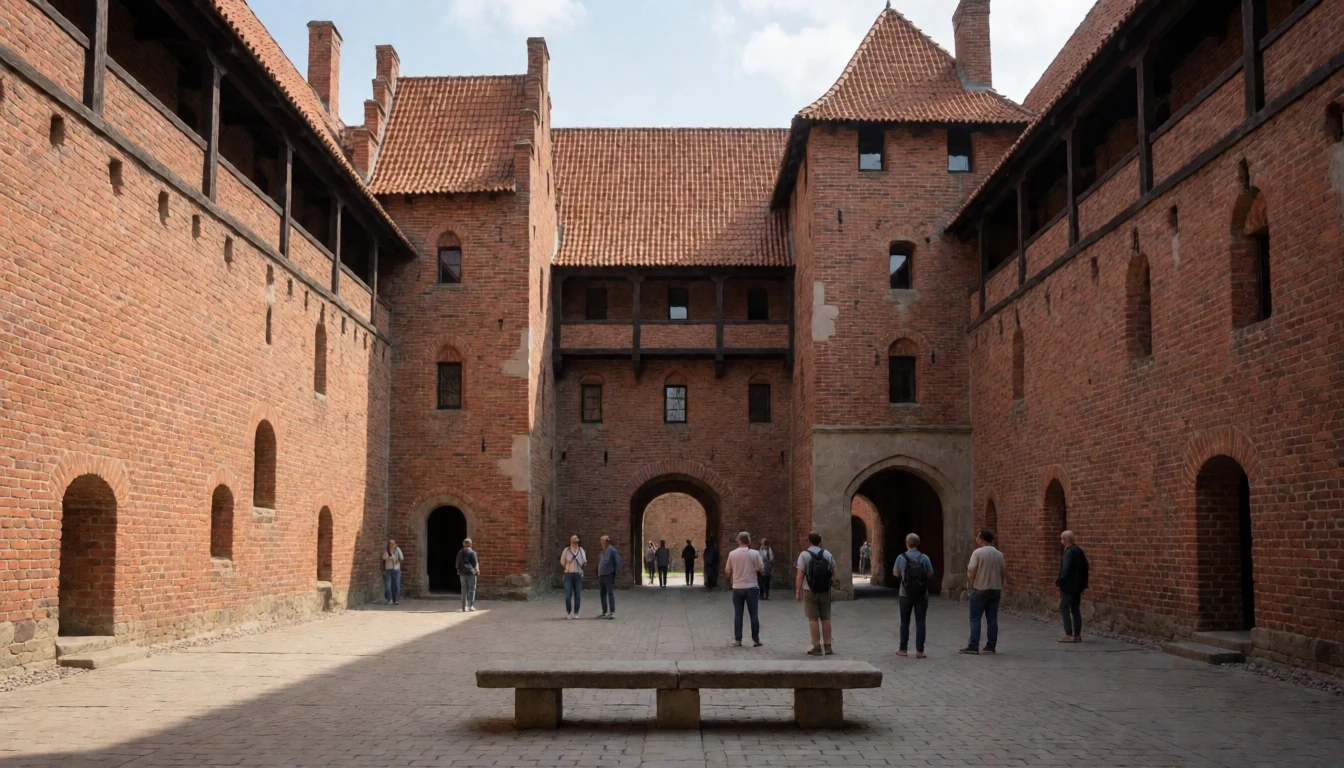
- Town square with fountain
The town square is a good breather when the castle circuit feels endless. In summer it’s pleasant for sitting, and in the warmer season the fountain can include sound-and-water shows in the evening.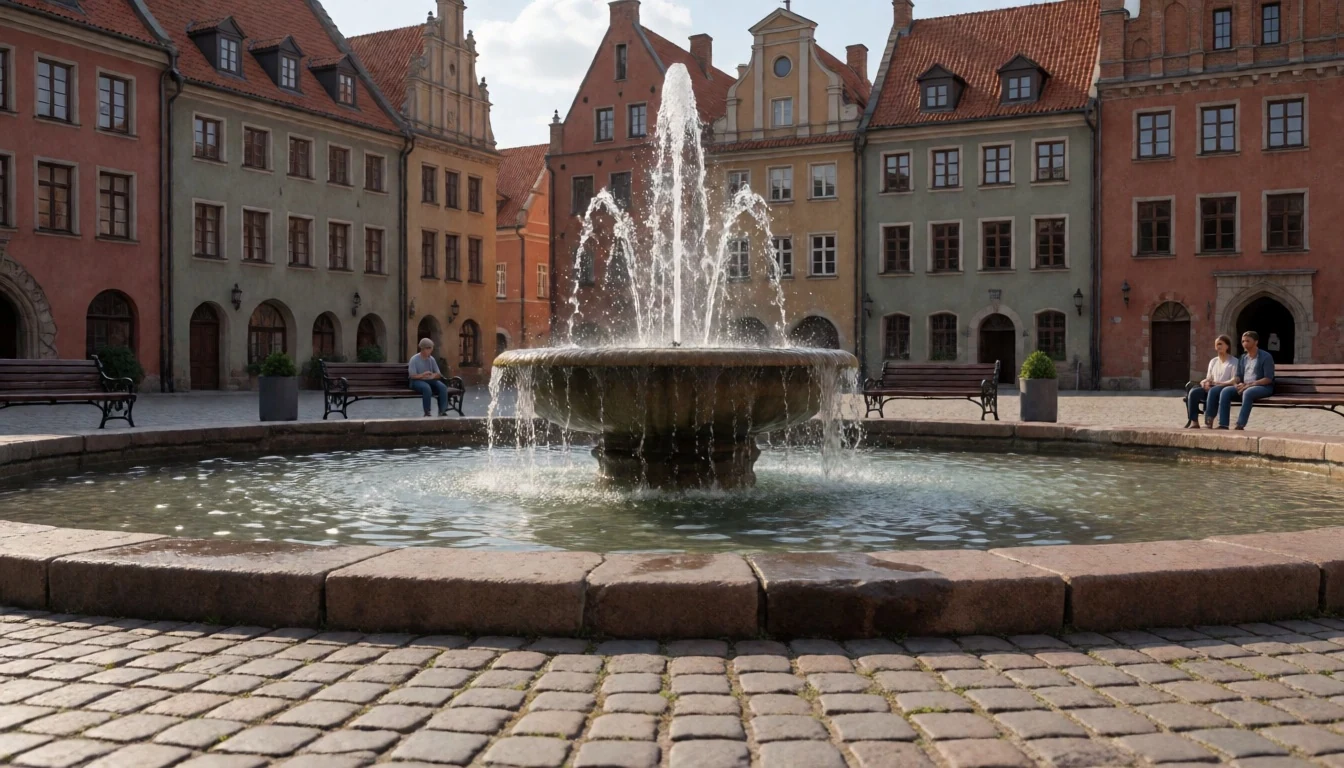
- Mary’s Gate
Mary’s Gate is one of the entry points into the castle zone, with the kind of masonry detail that makes Brick Gothic feel solid rather than delicate. There’s also a pub inside the gate area, so it works as a natural photo stop before you continue deeper.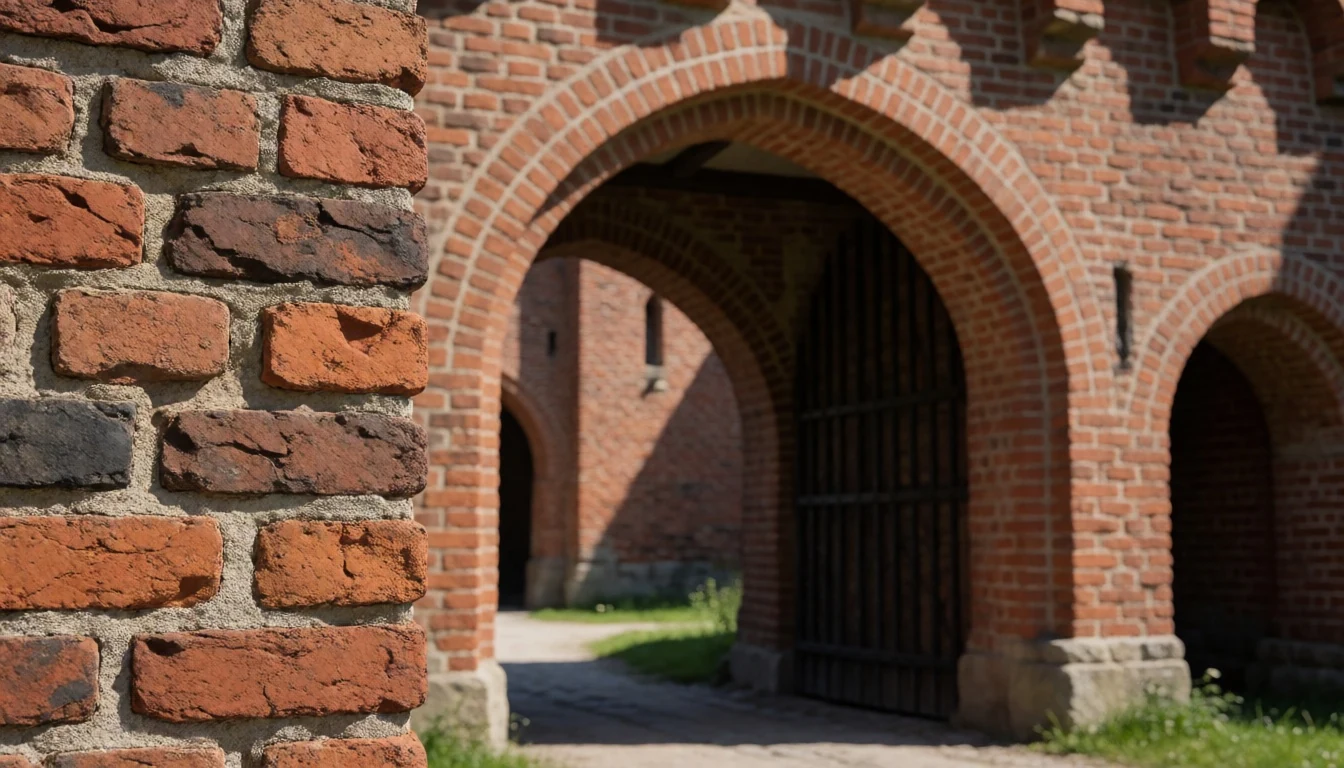
- Potters’ Gate
Potters’ Gate is another gateway along the castle perimeter. If you like small, local details, this is a satisfying stop because there’s a shop inside the gate, giving the fortification a more everyday feel between the heavier historical spaces.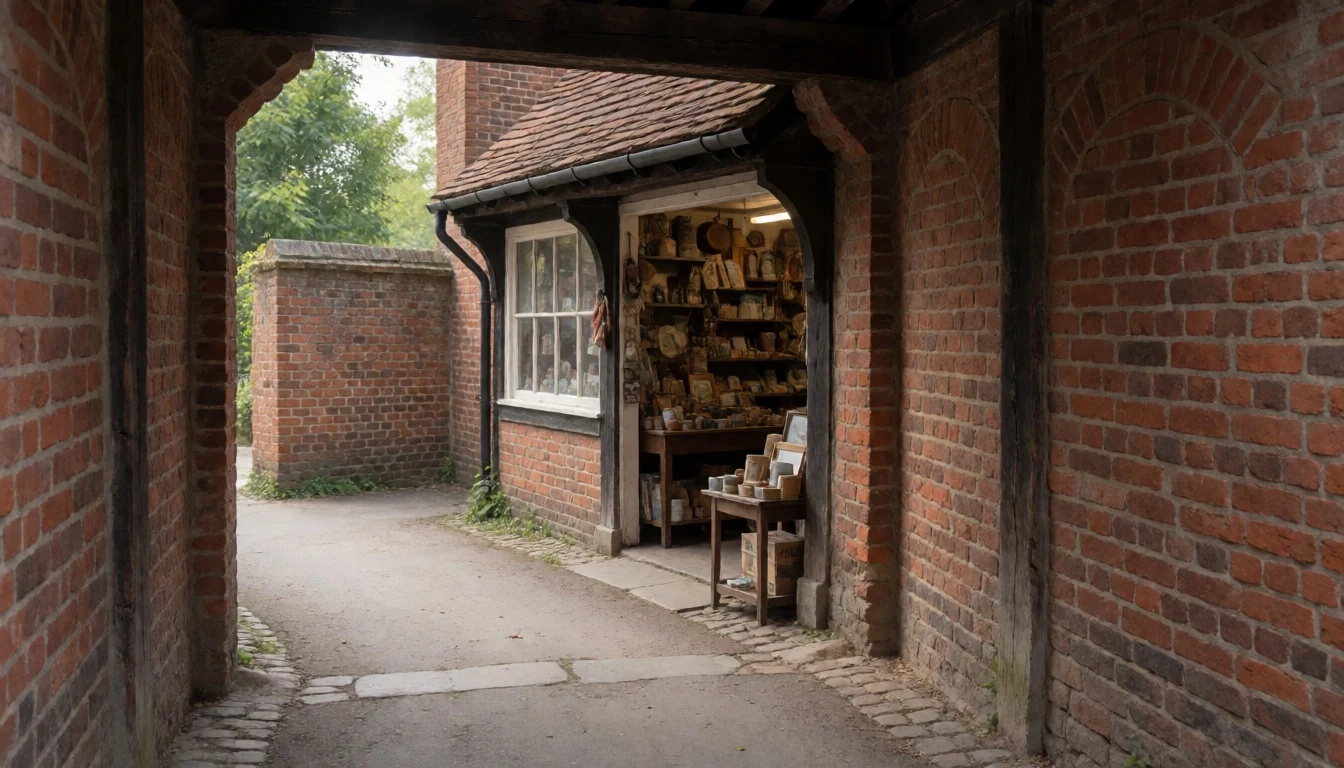
- Church of St. John the Baptist
Not every stop here is purely military or museum-like. The Church of St. John the Baptist adds a different rhythm to the visit, with the local church landscape nearby helping you understand how the town grew around (and alongside) major fortifications.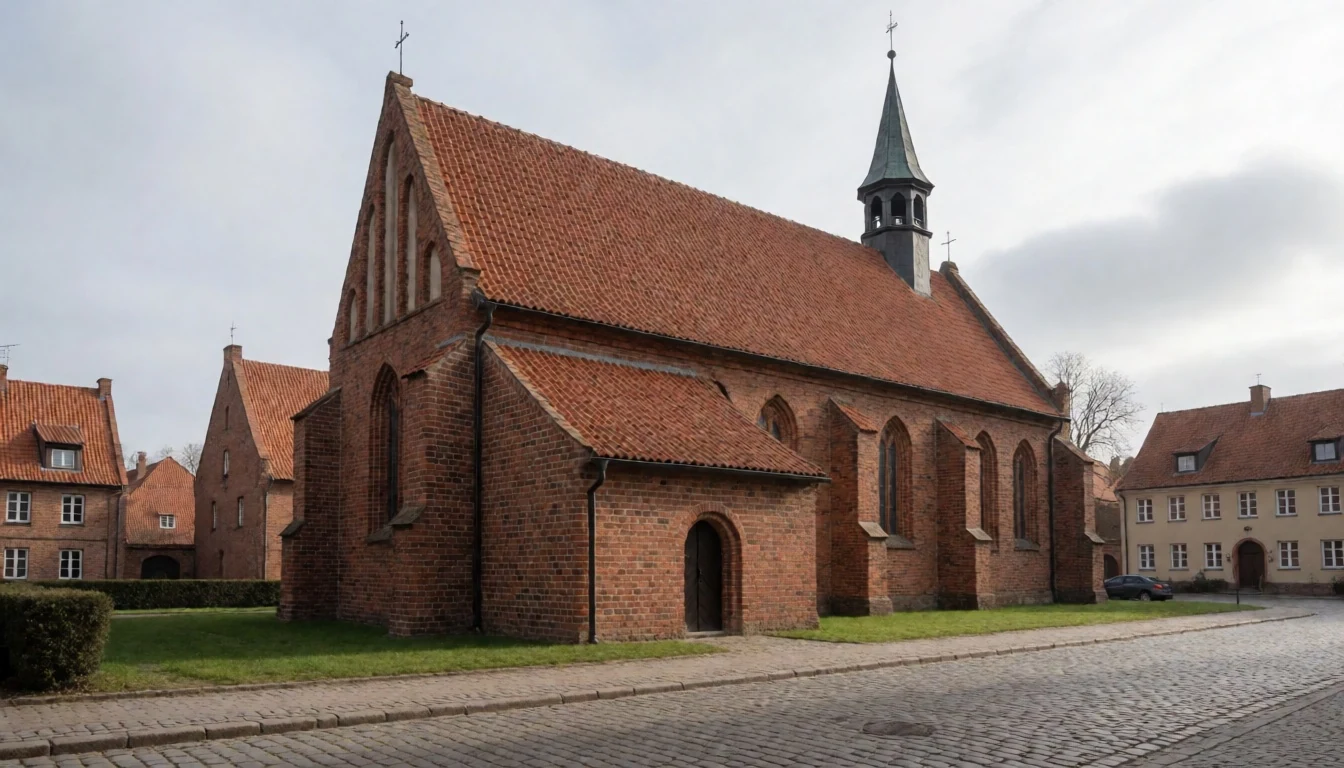
Culture
Malbork Castle is a working heritage site with museum spaces inside a fortified complex, so the atmosphere swings between “history in motion” and “quiet conservation”. The scale can make people move fast—especially where there are clear routes, photo angles and audio-guide cues—so it helps to keep your pace steady and give others room near entrances.
In this area of Europe, you’ll also meet a mix of languages and nationalities, and the most crowded moments are usually around peak visiting hours and at popular viewpoints within the castle grounds. If there’s an information counter or a group start point, expect short queues; patience tends to pay off, because once the wave passes the walk becomes much calmer.
Dress tends to be practical rather than fancy: it’s easy to end up with muddy shoes after rain, and stone and brick interiors can feel cooler than the open courtyards. Photography is usually straightforward, but stay aware that some areas may restrict flash or close-range tripod setups.
Visitor etiquette: keep voices low in museum rooms and avoid standing in doorways or blocking paths while others move through the gates.
What to wear
Malbork Castle sits in northern Poland, so clothing that handles mixed indoor/outdoor spaces is the real trick. Visitors don’t wear medieval outfits here; day-to-day clothing is comfortable and weather-appropriate, with layers useful because courtyards can be breezy while indoor galleries feel cooler.
Traditional dress in Poland varies by region and occasion, but for a castle visit the most relevant idea is respect for modesty norms. When people do dress in historical or cultural styles, you’ll usually see embroidered textiles and sturdy footwear suited to walking—more practical than ornamental-only.
For now, most locals and visitors wear jeans or trousers, T-shirts or light jumpers, and a jacket for evenings. Closed shoes matter: the grounds include uneven surfaces, and after wet weather, traction becomes important. If visiting in colder months, thick socks and a warm outer layer help, while in shoulder seasons a thin waterproof layer is handy for sudden drizzle.
If there are religious spaces nearby that you enter, cover shoulders where possible and keep outfits reasonably modest. In short: dress for walking and changeable weather, and choose footwear you can rely on on stone paths.
What to eat
- U Flisaka — nearby in Malbork, connected to the castle area
U Flisaka is a Polish-cuisine eatery known for regional food and a relaxed atmosphere with views connected to the castle area. It’s a sensible choice for a proper sit-down meal after walking through the fortified complex.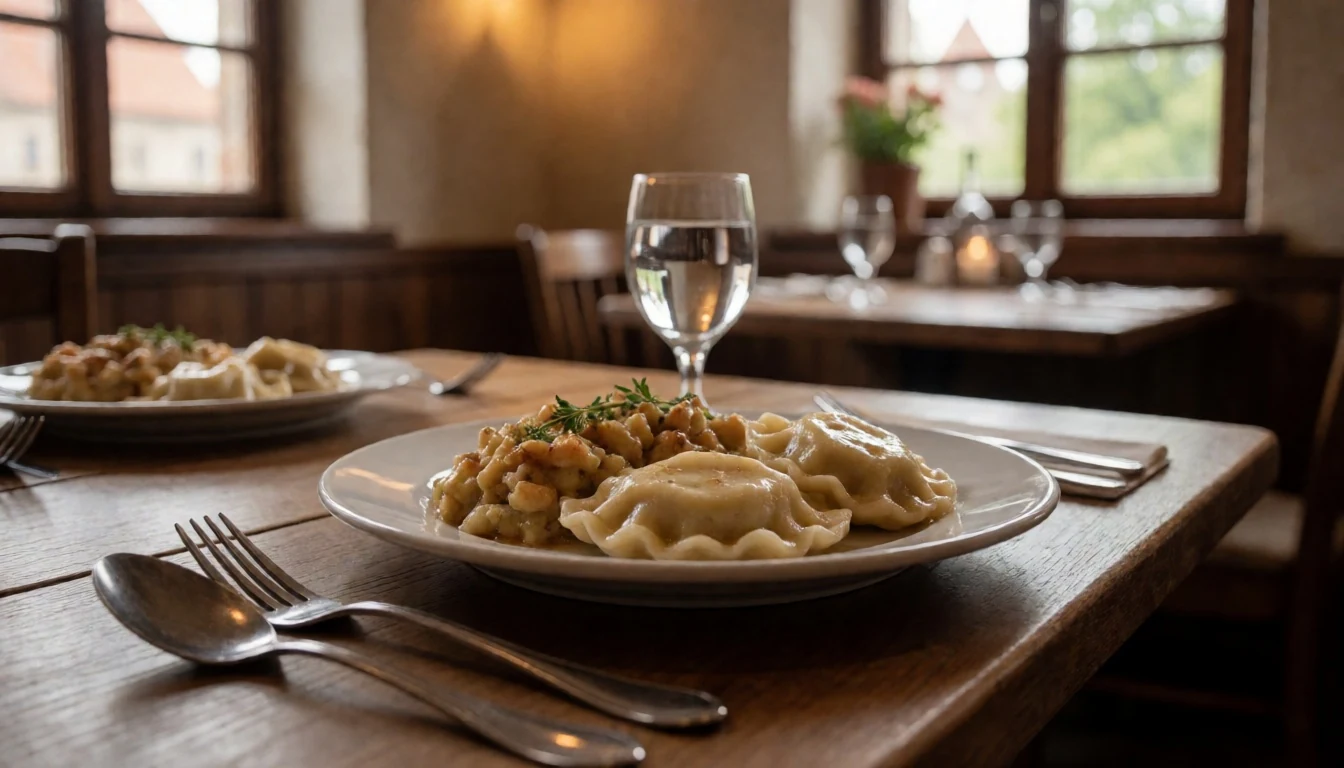
- Spiżarnia — in Malbork town, in/around the seasonal outdoor setup
Spiżarnia is a themed pub combined with a green grocery, with a laid-back vibe that often leads people to linger outdoors under cover. It’s geared to the warmer season, making it a good option for an easy pre-evening bite.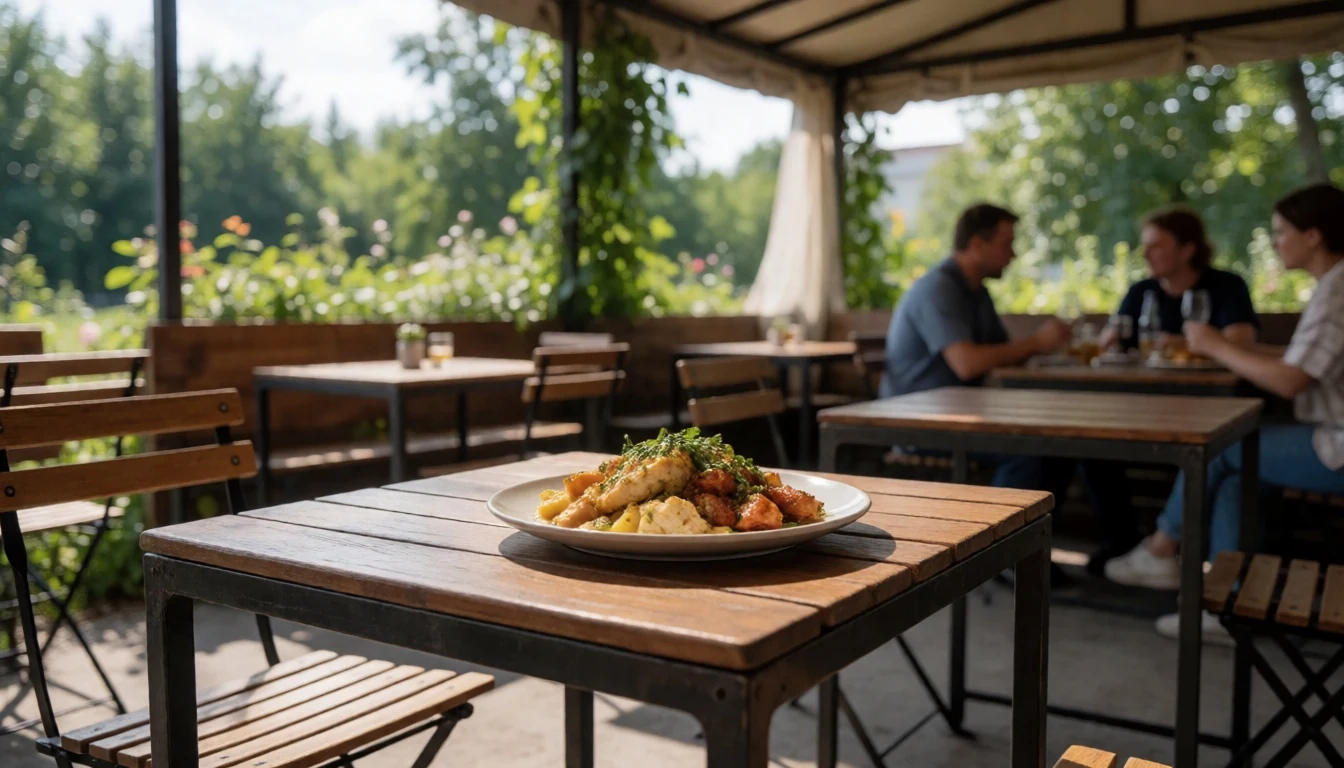
Plan it
Best time. March–April for milder days and October–November for comfortable temperatures; summers can feel hot, and winter is colder and more likely to slow walking with limited daylight.
How long. 3–4
Getting there. The nearest airport is typically Gdańsk (for most travellers), followed by train or road into Malbork. From the rail network, Malbork is reachable by domestic services from major Polish cities, and local onward connections can be used for the last leg into town.
Budget. mid
Tips
- Aim to start early in the day to avoid the busiest group rhythms inside the main castle areas.
- Build the visit around the castle route first, then use the town square for a reset before dinner.
- Check how long the audio-guide route takes and keep buffer time for queues near gateways.
- Carry some cash for small purchases near gate areas and in the town centre.
- Wear grippy shoes; the site involves a fair amount of walking across outdoor stone and brick surfaces.
Etiquette
- Keep to marked paths through the courtyards and don’t stop in tight bottlenecks near gates.
- Respect quiet zones in museum rooms and follow any photography or flash instructions from staff.
- If religious buildings are on the day’s route, dress modestly and keep voices down.
Nearby
Sources
- Wikidata Q71279 (CC0)
- Wikipedia (rev 1381946993) (CC BY-SA 4.0)
- Wikivoyage (rev 5410263) (CC BY-SA 4.0)