M'zab
M'zab, Algeria
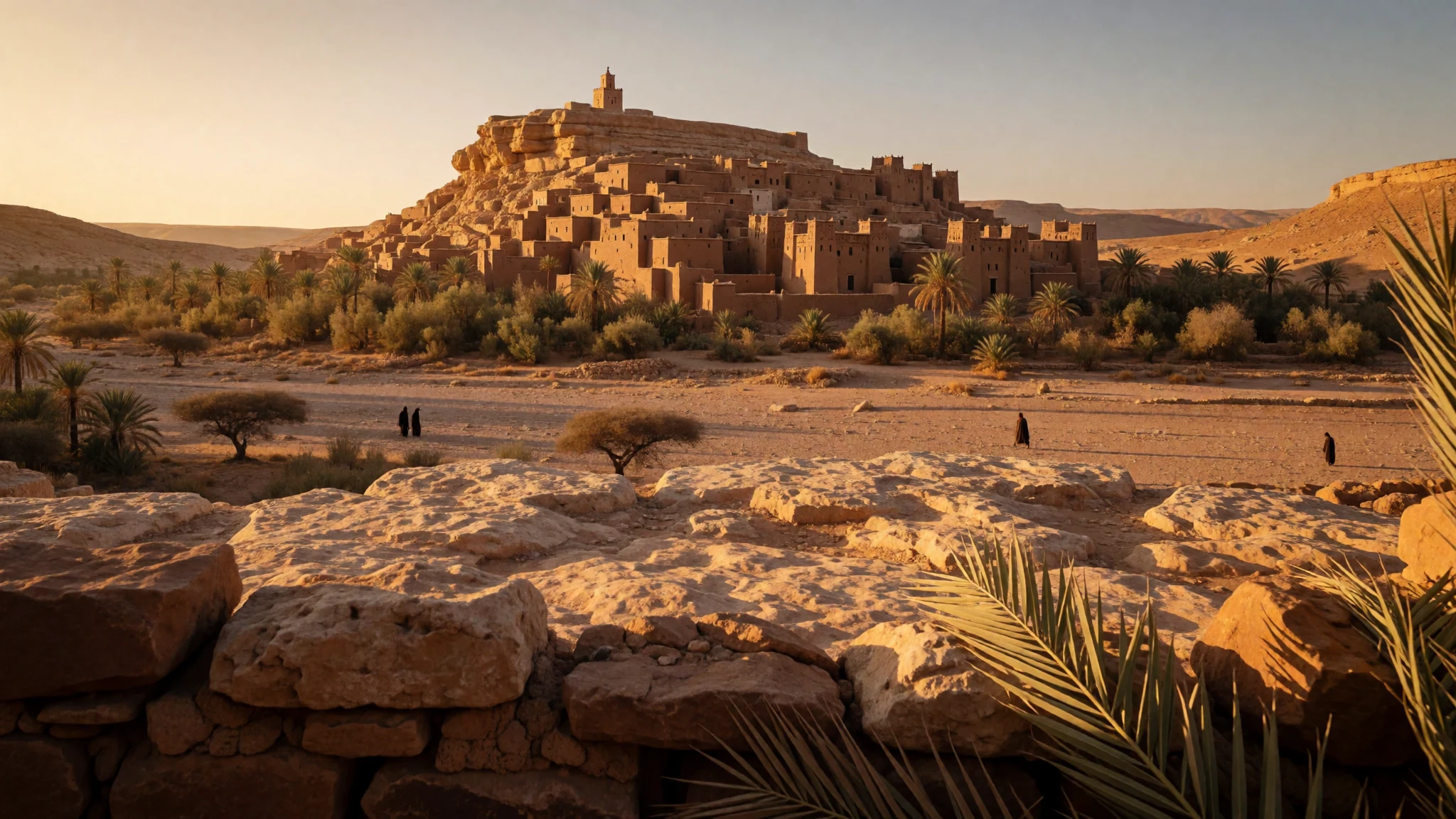
M'zab is a compact desert landscape of five walled cities, built for heat, shaped by community life, and rewarding in late autumn.
The place
M’zab (also written Mzab; Arabic: مزاب) sits in the northern Sahara, in Algeria’s Ghardaïa Province, centred on the Wadi M’zab (Oued Mzab) valley. Think limestone plateau and deep, dry valley—more “desert urbanism” than standalone ruins. The region is made up of five separate walled towns, often grouped together under the name Ghardaïa, even though each town has its own independence.
Most towns perch on rocky outcrops, with houses climbing the surrounding slopes in a dense pattern. From below, the architecture reads as fortress-like: narrow lanes that funnel you down the hill towards protective walls, and tall minarets that historically doubled as watchtowers. The streets feel deliberately built for shade and community—there’s a rhythm to the way you move between bright openings and cooler, enclosed corridors.
The oasis setting matters. Palm and fruit trees are the green counterpoint to the limestone and sandstone tones, and the whole place makes sense as a livelihood in a hot climate, not just a photo opportunity. M’zab’s towns are also where you can still see long-retained customs and social rules, including areas where visitors need to be more careful and respectful about access.
For visitors, the biggest “wow” is the contrast: desert emptiness outside, then suddenly solid, built form—walls, domes, minarets, and courtyards—inside. Expect to slow down, walk carefully on uneven steps, and plan around the sun. Crowds are usually modest compared with famous North African cities, but it can still get busy in peak travel months, so early starts help.
If you like places where geography has literally shaped daily life, M’zab delivers—quietly, with heat in the background and history in the stone.
Its story
The story of M’zab begins with its people, the Mozabites (Ath Mzab), described as a branch of a Berber group known as the Iznaten. After the Muslim conquest of the Maghreb, the Mozabites followed the Mu’tazili school, while an indigenous Christian presence lingered until the 11th century. The region then enters a more political-and-religious turning point: after the fall of the Rustamid state, members of the Rustamid royal family sought refuge in the M’zab valley. A preacher associated with Abu Bakr an-Nafusi is described as later converting the population.
That religious shift sits behind the particular “city-within-a-valley” feel of M’zab. The towns are not just picturesque—there are rules about belonging. Ghardaïa is identified as the main town and capital, and El Atteuf as the oldest settlement. Beni Isguen is singled out as the most sacred of the towns, with strong restrictions on non-M’zabites and on foreigners spending the night within its walls. In practical terms, that means the place reads differently depending on where you stand and who you are.
Modern history adds another layer. France conquered Algeria in 1830; M’zab was annexed later and then reverted to Algerian indigenous rule after independence in summer 1962. Even with these changes, the valley’s urban design—walled cities, watchtowers, and narrow lanes—reflects a long relationship with heat, security, and an oasis economy.
Put simply: M’zab is the kind of place where geography, faith, and community boundaries all show up in the street plan. You can walk the stone lanes and feel how the towns were meant to hold a life together in a harsh landscape—religion and daily routine braided into the built form.
What to see
- Ghardaïa (Tagherdayt) old centre — Ghardaïa district
Start in Ghardaïa, where the town’s raised position and fortress-like buildings create a natural viewpoint over the valley. From the lanes, minaret silhouettes and walled edges give you the “pentapolis” sense in one sweep, before the oasis green appears at the edges.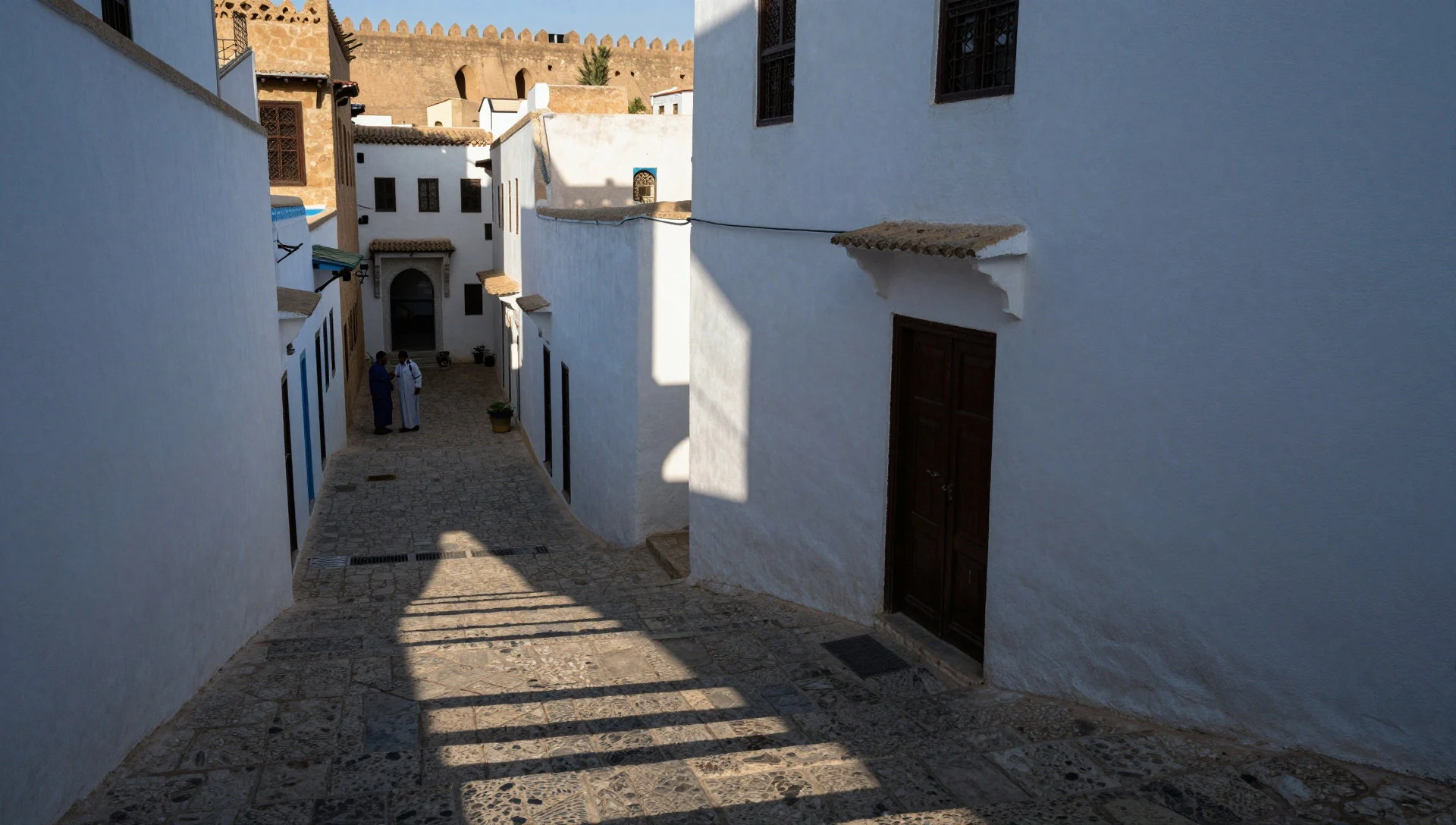
- Bounoura viewpoint and roundabout area — Ghardaïa district
Around Bounoura, you get a sense of how modern roads sit beside older neighbourhood structure. It’s a good place to pause, look back towards the walled city mass, and understand the valley’s scale—dry land, then suddenly organised settlement.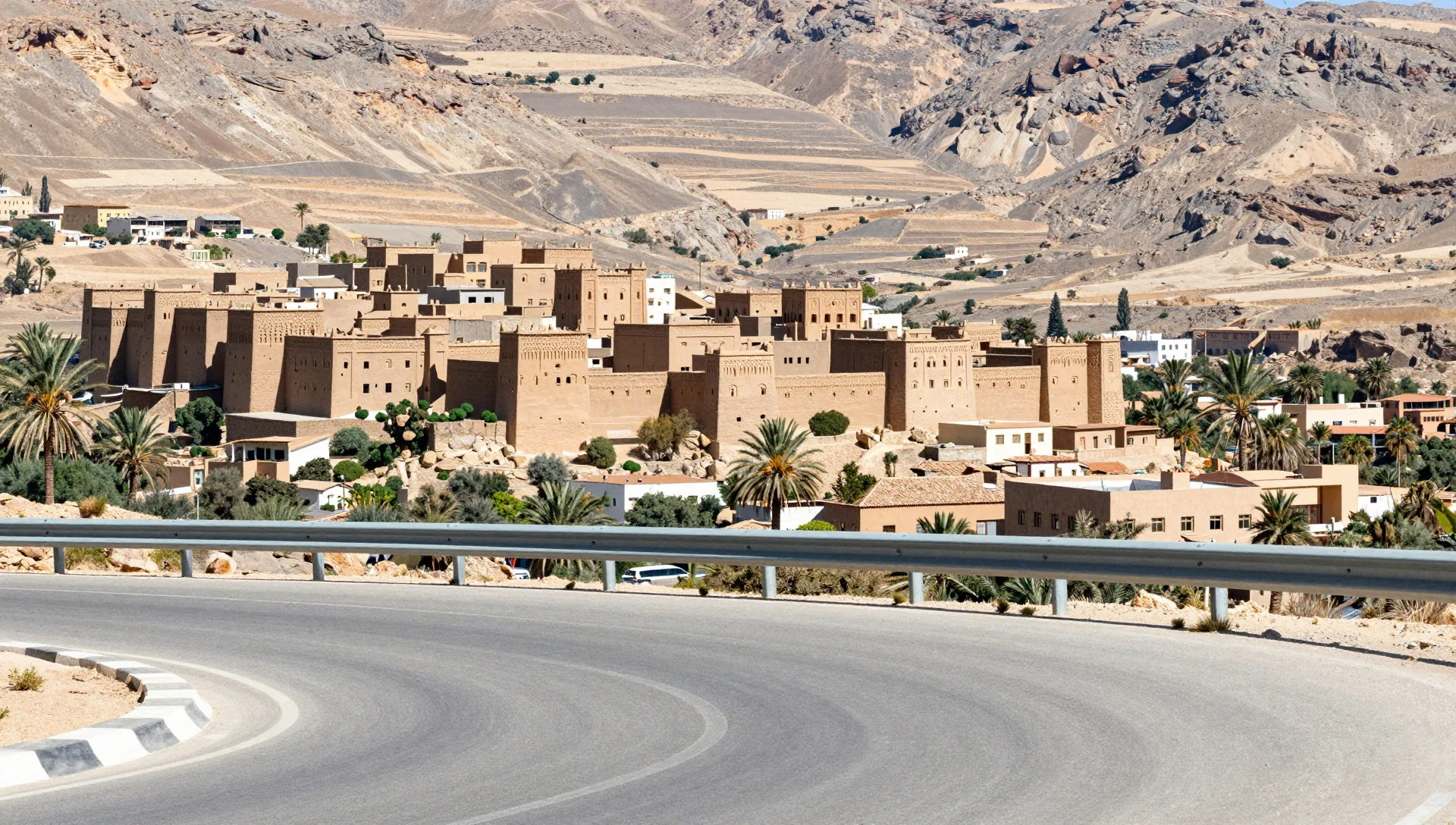
- Beni Isguen ksar lanes — Beni Isguen
Beni Isguen is the most sacred town in the region, so plan to keep your movements respectful and follow local guidance. The ksar look comes through in the compact streets and the way buildings wrap the outcrop, with watchtower-like verticals visible from nearby slopes.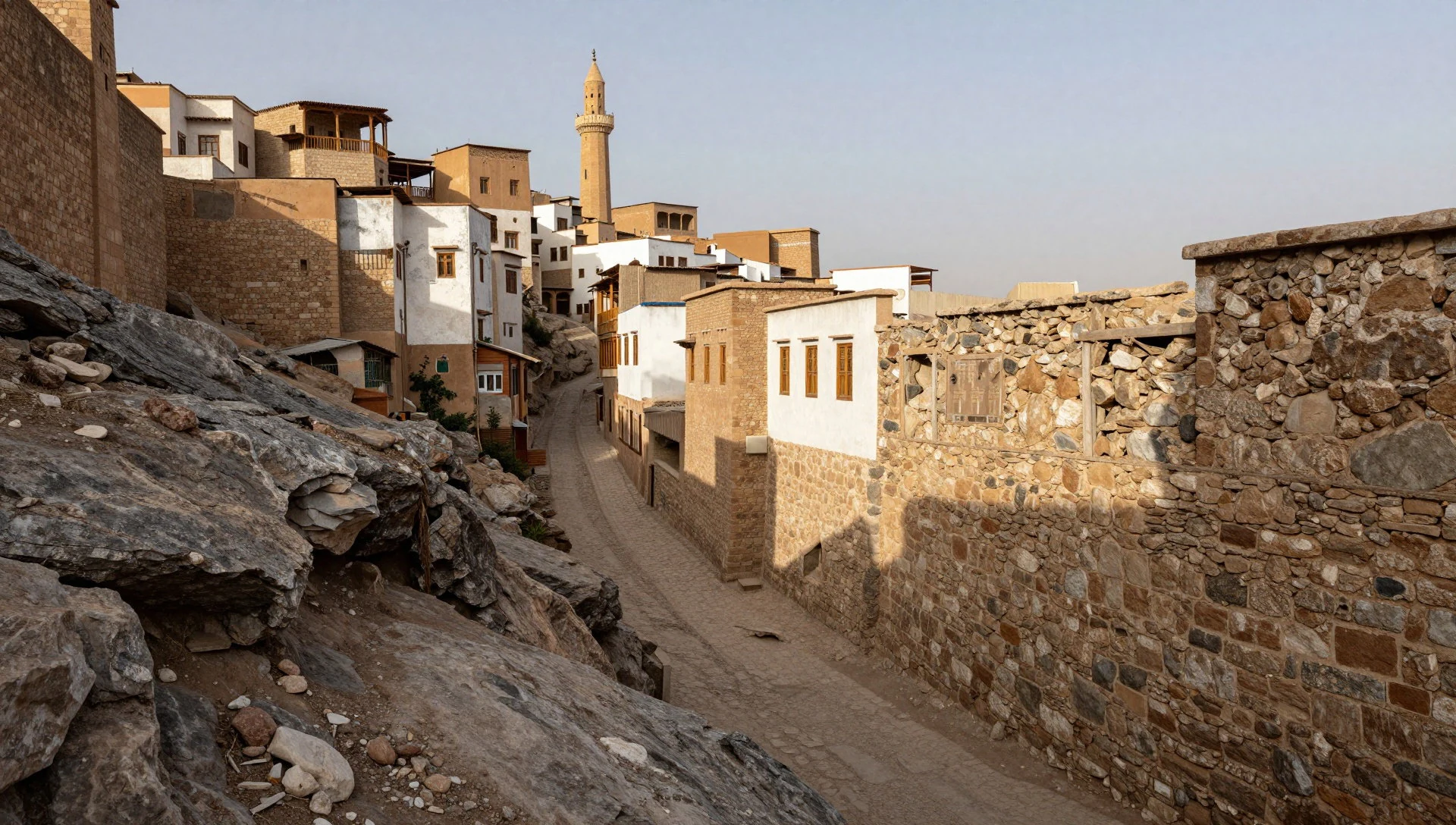
- Panoramic view over Wadi M’zab and the ksars — Wadi M’zab (valley edges)
For the “desert valley” feel, find a higher angle where the dry wadi bed runs beside the settlement. Panoramas help you connect the oasis blocks—palms and fruit trees—to the limestone and sandstone colour of the towns’ foundations.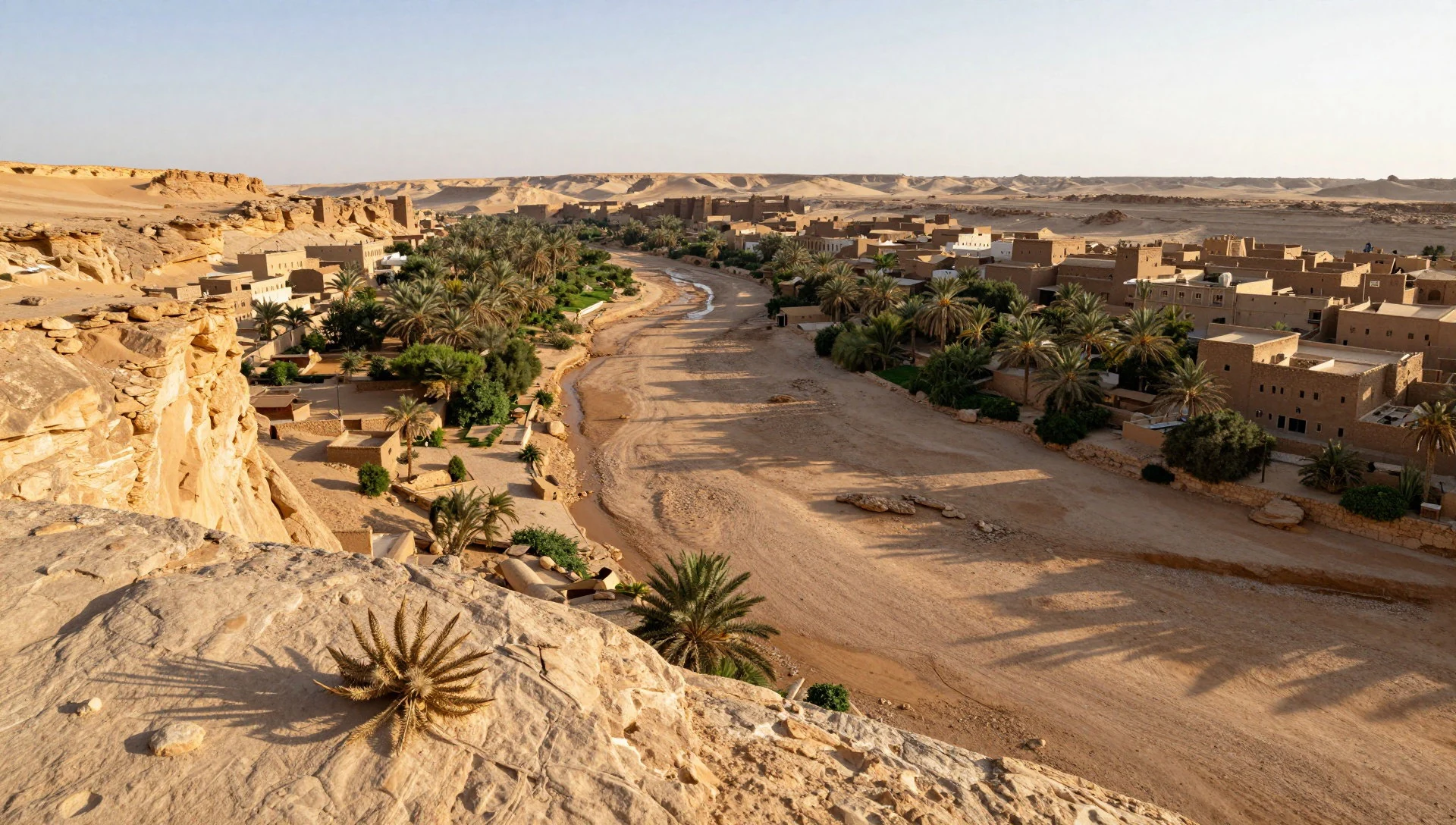
- Beni Isguen and Melika across the valley — Melika area
If you can reach Melika viewpoints, the reward is geography: you see Ghardaïa and Bounoura’s massing, and how Beni Isguen’s ksar sits within the same landscape. Melika is described as offering particularly good views, which makes it useful for orientation.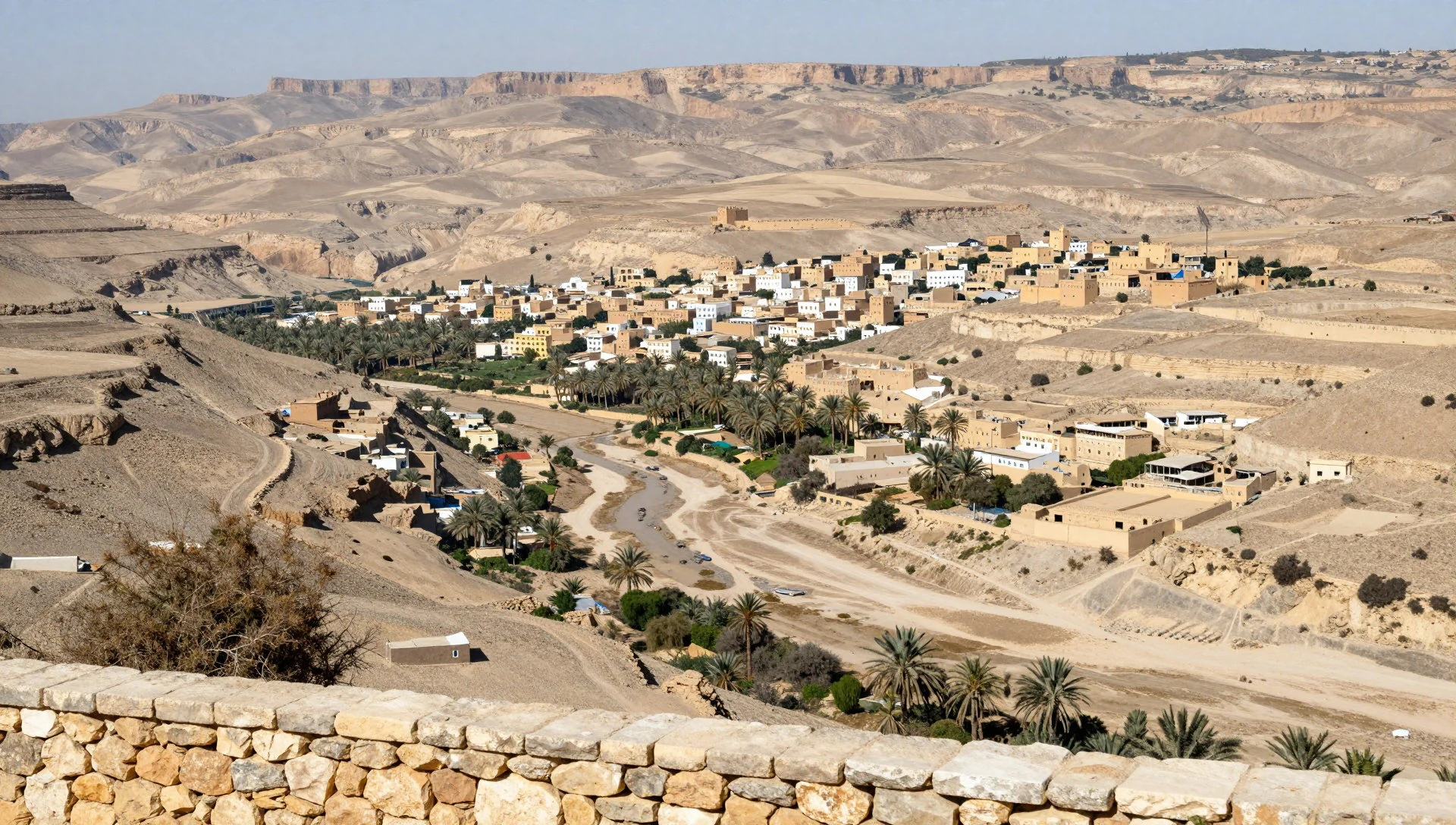
Culture
M’zab’s culture is inseparable from its towns-as-communities model: five walled cities that share the same valley, yet operate independently. Historically, the Mozabites’ shift to the Mu’tazili school and later conversion linked the valley to an Ibadi context, and over time that has translated into local norms that still shape how people live and how visitors move.
One practical example is access. As the most sacred town in the valley, Beni Isguen restricts access for outsiders, barring non-M’zabites from certain areas and forbidding any foreigner from staying overnight within its walls. That’s not the kind of rule you can “guess”; it means you should ask locally and follow signs and guidance.
Photography also needs a gentle hand. In narrow lanes and in courtyard spaces, faces can be close and privacy matters. If someone seems uncomfortable, stop filming, lower your phone, and move on—don’t treat streets as an open set.
Dress and behaviour matter too, especially around religious buildings and fortress-like mosques. Keeping conversations low, walking steadily, and giving people space in doorways goes a long way here.
Visitor etiquette: keep to permitted areas, dress modestly, and ask before photographing people or entering sensitive parts of the ksars.
What to wear
In M’zab, clothing follows the practical logic of a hot desert climate and the social expectations of a conservative, community-led setting. Traditional Mozabite dress is often associated with Berber textile traditions, including patterned textiles that locals value as identity markers. You’ll see older styles in the valley more than you might in big cities, especially in calmer moments of daily life.
In everyday life now, many locals still dress with modesty in mind: loose, breathable garments; covered shoulders and legs; and head coverings that suit sun and social norms. Fabrics are typically chosen for airflow and heat—think cotton-like weaves and layered wraps rather than heavy, fitted clothing.
For visitors, the best plan is to dress for sun and respect. Choose lightweight, long-sleeved tops and trousers or long skirts, with a scarf or head covering that can protect you in bright light. Comfortable walking shoes are essential: lanes can be uneven, and there are often steps and rocky textures around the outcrops. If you’re going near mosques, carry something simple to cover more fully on the spot—an extra layer or scarf can be handy.
What to eat
- Breakfast bread with local spreads — Ghardaïa neighbourhood eateries
In M’zab, breakfast often revolves around fresh bread and shared bowls of savoury spreads. Look for simple eatery breakfasts in Ghardaïa’s older quarters, where people pop in for quick, practical meals rather than long sittings.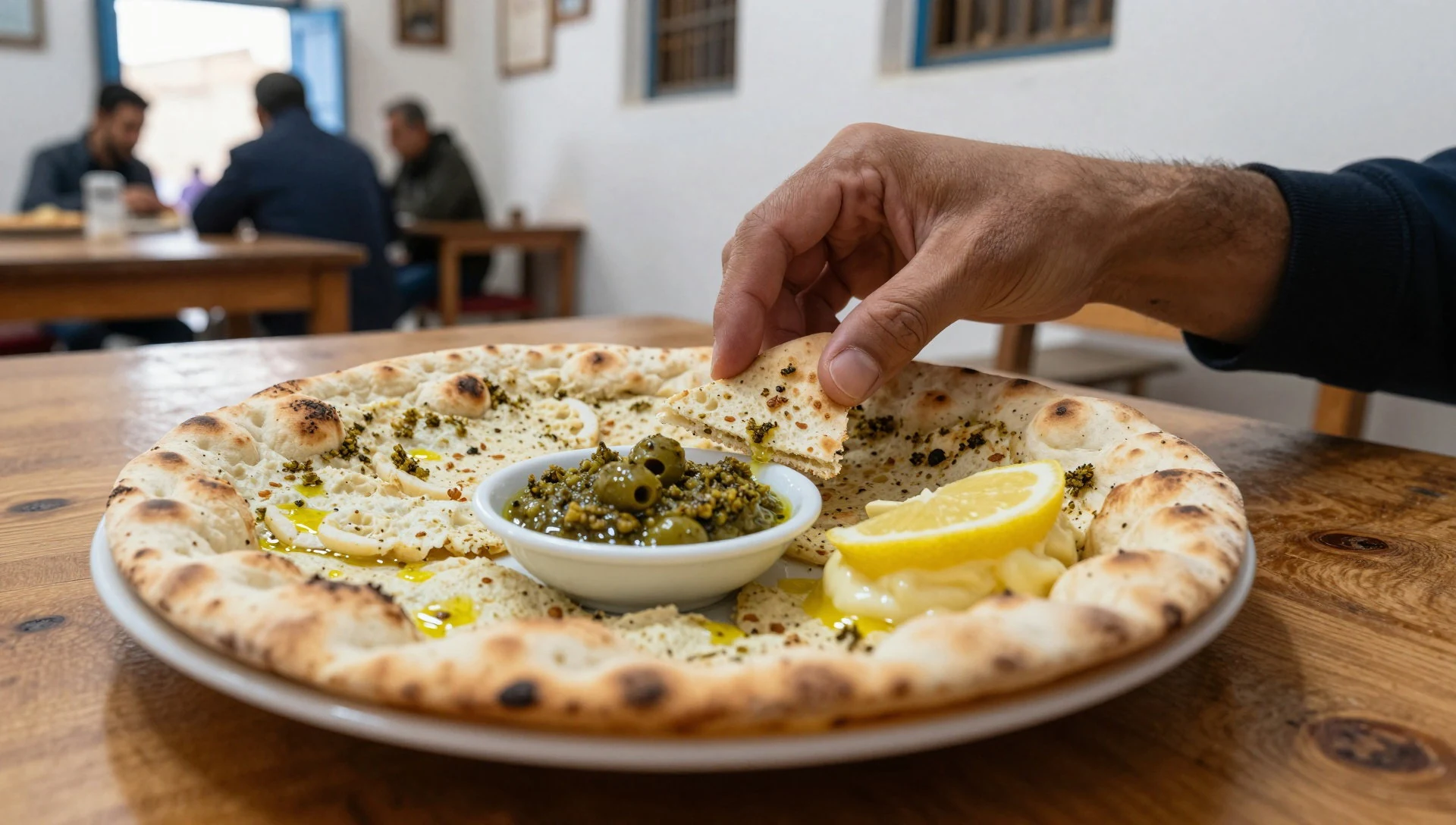
- Oasis fruit and sweet dates — Local markets around the valley towns
Because the valley is an oasis, fruit is a major theme. You’ll commonly see dates and other local fruits offered as snacks and dessert-style bites, especially in markets around town where people stock up for the week.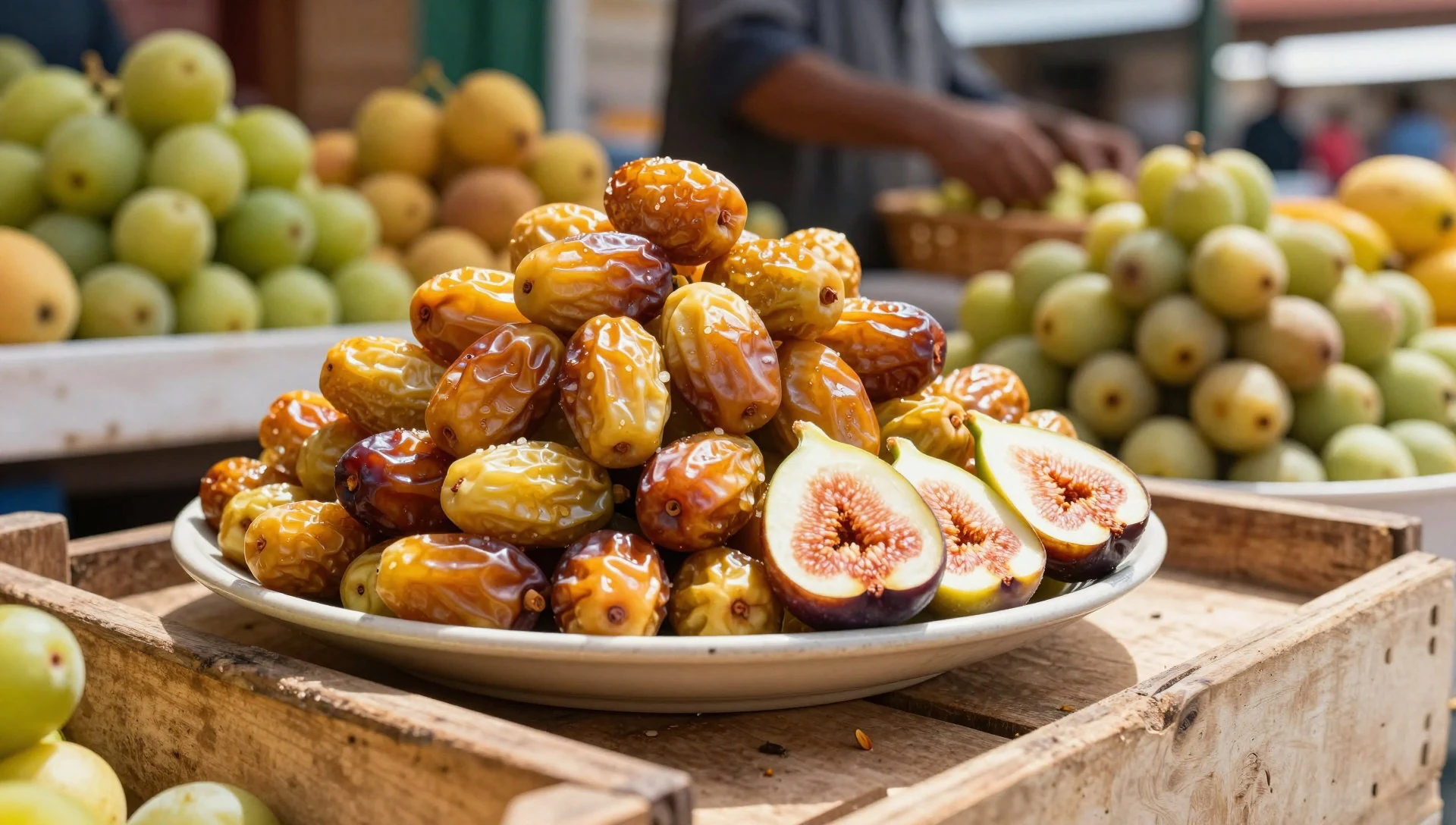
- Couscous-style semolina dishes — Casual restaurants in Ghardaïa
Semolina-based dishes turn up across Algeria, and the M’zab valley is no different. Find them at straightforward restaurants where portions are generous and the flavours lean into slow-simmered sauces and seasonal additions. - Spiced tagines and slow-cooked stews — Main-town restaurants in Ghardaïa and nearby
Tagines and stews are a reliable desert comfort: something warm, spiced, and filling without being fussy. In practice, you’ll spot these at local restaurants in the main towns rather than needing a specific “signature” venue. - Mint tea (served repeatedly) — Tea stops and family-run cafés
Mint tea is the social glue of many North African towns, and M’zab is likely to follow suit during breaks in the heat. You’ll find it offered with small sweets when you stop for rest stops, especially in family-run places.
Plan it
Best time. March–April and October–November are comfortable for desert walking; summer heat is intense and June is the rainy season, so plan accordingly.
How long. 3–4
Getting there. Fly into Ghardaïa from Algiers (Air Algerie has flights a few times a week). From Ghardaïa, connect by local buses or car for the valley towns; buses also run from places like Setif and Algiers.
Budget. mid
Tips
- Start walks early to beat the midday intensity and to get cooler light for the ksar lanes
- If you’re travelling by bus, build in buffer time—desert routes can run to local rhythms rather than tight schedules
- Carry enough water for the day and plan stops around shade and cafés
- Expect to ask locals what’s permitted in each town, especially around Beni Isguen
- Use cash for small purchases in markets and for any informal entry or services
Etiquette
- Dress modestly and keep shoulders and legs covered in town centres and near mosques
- Follow posted guidance on access; don’t push into restricted areas in the walled towns
- Photograph people only when it’s clearly welcomed—when in doubt, ask first
Nearby
Sources
- Wikidata Q724484 (CC0)
- Wikipedia (rev 1379105966) (CC BY-SA 4.0)
- Wikivoyage (rev 5216201) (CC BY-SA 4.0)
- photos/01-ksar-beni-isguen-2.jpg (CC BY-SA 4.0)
- photos/02-panoramic-view-of-ksar-gharda-a-algeria-2006.jpg (Public domain)
- photos/03-ghardaia01.jpg (CC BY 3.0)
- photos/04-mzab-gharda-a.jpg (CC BY 2.5)
- photos/05-ksar-beni-isguen-1.jpg (CC BY-SA 4.0)
- photos/06-algerie-ghardaia-19.jpg (CC BY-SA 4.0)
- photos/07-abyannu.jpg (Public domain)
- photos/08-afr-v2-d387-mzab.jpg (Public domain)


