Lushan
Lushan, People's Republic of China
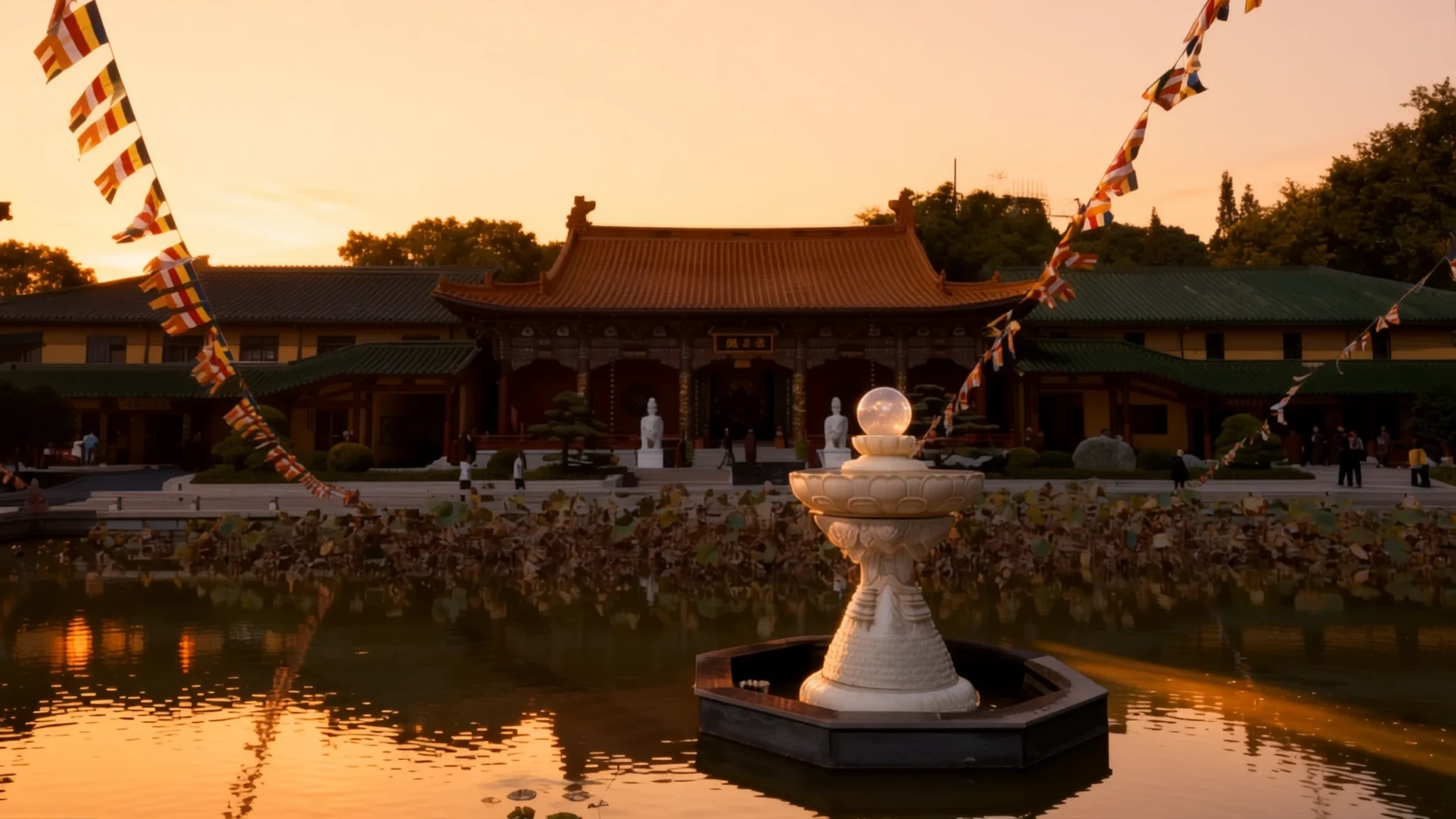
Experience a spiritual landscape of mist-shrouded peaks, ancient Buddhist temples, and cool summer retreats in central China.
The place
Mount Lu, also known as Lushan, is a dramatic mountain range located in the Jiujiang area of Jiangxi province. It is defined by its steep peaks and a frequent, thick blanket of clouds that creates a surreal, floating atmosphere for much of the year. The mountain reaches its highest point at Dahanyang Peak, which towers over the surrounding landscape. For many travellers, the primary draw is the cooler climate found at higher elevations, making it a popular refuge from the intense heat of the lowland plains during the summer months.
Lushan is not just a natural wonder but a profound cultural landscape. It is a place where Buddhist, Daoist, and Confucian traditions overlap, with numerous shrines and academies tucked into the forested slopes. The area is officially managed as a national park and is recognised for its combination of geological significance and spiritual heritage. Visitors will find a mix of rugged hiking trails and the more developed town of Kuling, which offers a different, more colonial atmosphere. The terrain is demanding, with many stone steps and steep climbs, but the reward is a series of vistas that have inspired poets and philosophers for centuries. The air is often damp and fresh, carrying the scent of pine and mountain rain.
Its story
The history of Lushan is a tapestry of spiritual seeking and political intrigue. In the early years of the Jin dynasty, the monk Huiyuan established Pure Land Buddhism here, founding the Donglin Temple which became a beacon for practitioners. Later, during the Tang dynasty, the slopes were dotted with Daoist temples designed to preserve sacred texts. The Song dynasty saw the rise of the White Deer Grotto Academy, a prestigious centre for Confucian study directed by the scholar Zhu Xi, which remained a hub of academic research for centuries.
The mountain's evocative beauty is immortalised in the works of Su Shi, a Song dynasty poet who famously mused that one cannot truly describe the shape of the mountain while standing within it. This theme of perspective and immersion defines the Lushan experience. In more recent centuries, the mountain took on a cosmopolitan character. The area of Kuling became a summer sanctuary for Western missionaries, including the father of novelist Pearl Buck, and later served as a summer capital for the Republic of China under Chiang Kai-shek.
Beyond the spiritual and colonial history, Lushan witnessed the hardships of the Long March. In the middle of the nineteen-thirties, fierce battles occurred here between the Red Army and nationalist forces. This collision of religious peace and political conflict has left Lushan with a layered identity, where ancient grottoes exist alongside colonial villas and revolutionary monuments.
What to see
- Sandiequan Waterfall — Deep canyon area
A dramatic three-tiered cascade that drops through a deep, narrow canyon. This site is often cited as the most impressive natural feature of the park, where the sound of crashing water echoes through the rock walls.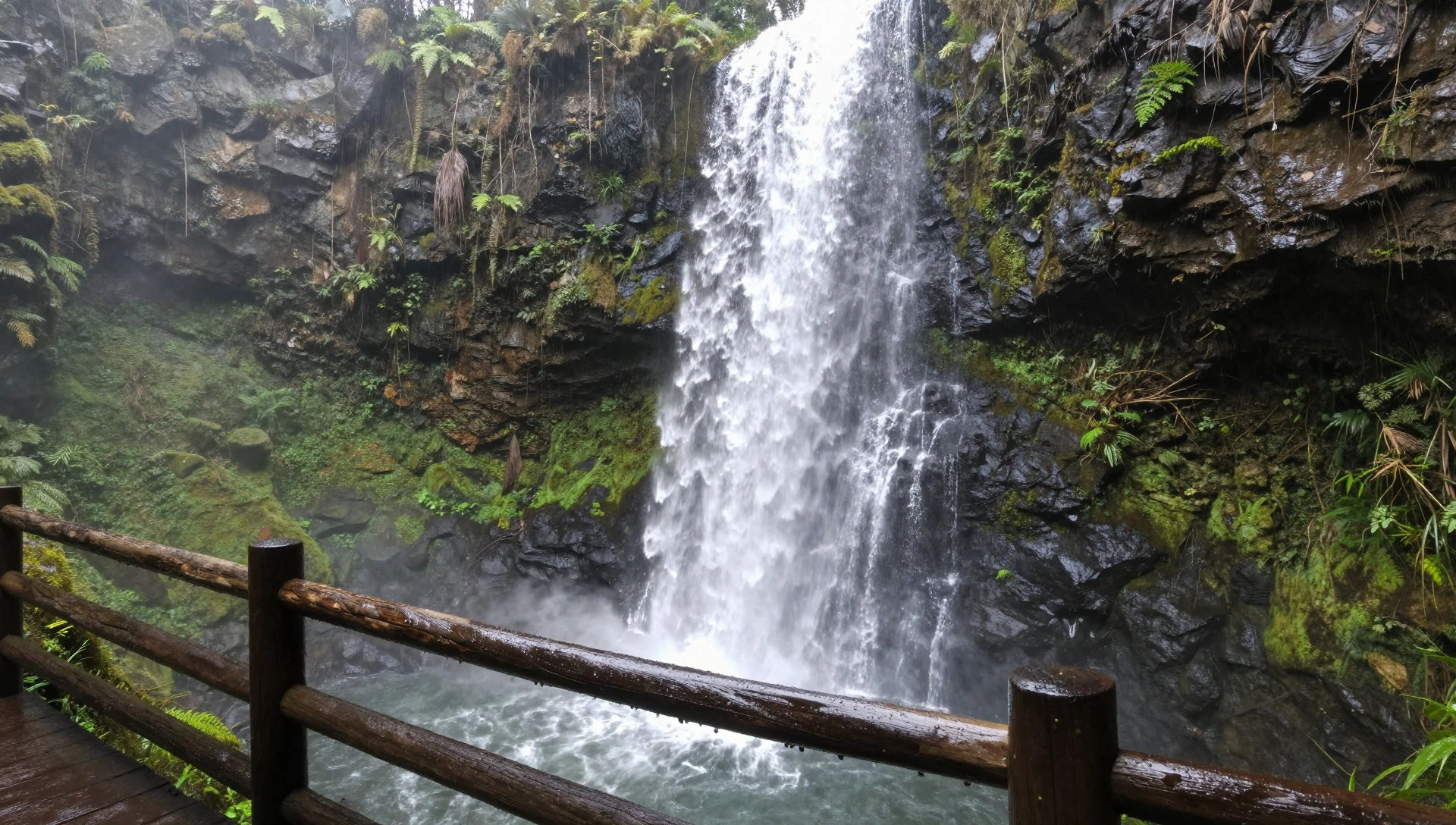
- White Deer Grotto Academy — Mountain slopes
A historic Confucian centre established in the tenth century. The academy is a place of quiet reflection and scholarly heritage, featuring traditional architecture that blends seamlessly into the surrounding forest.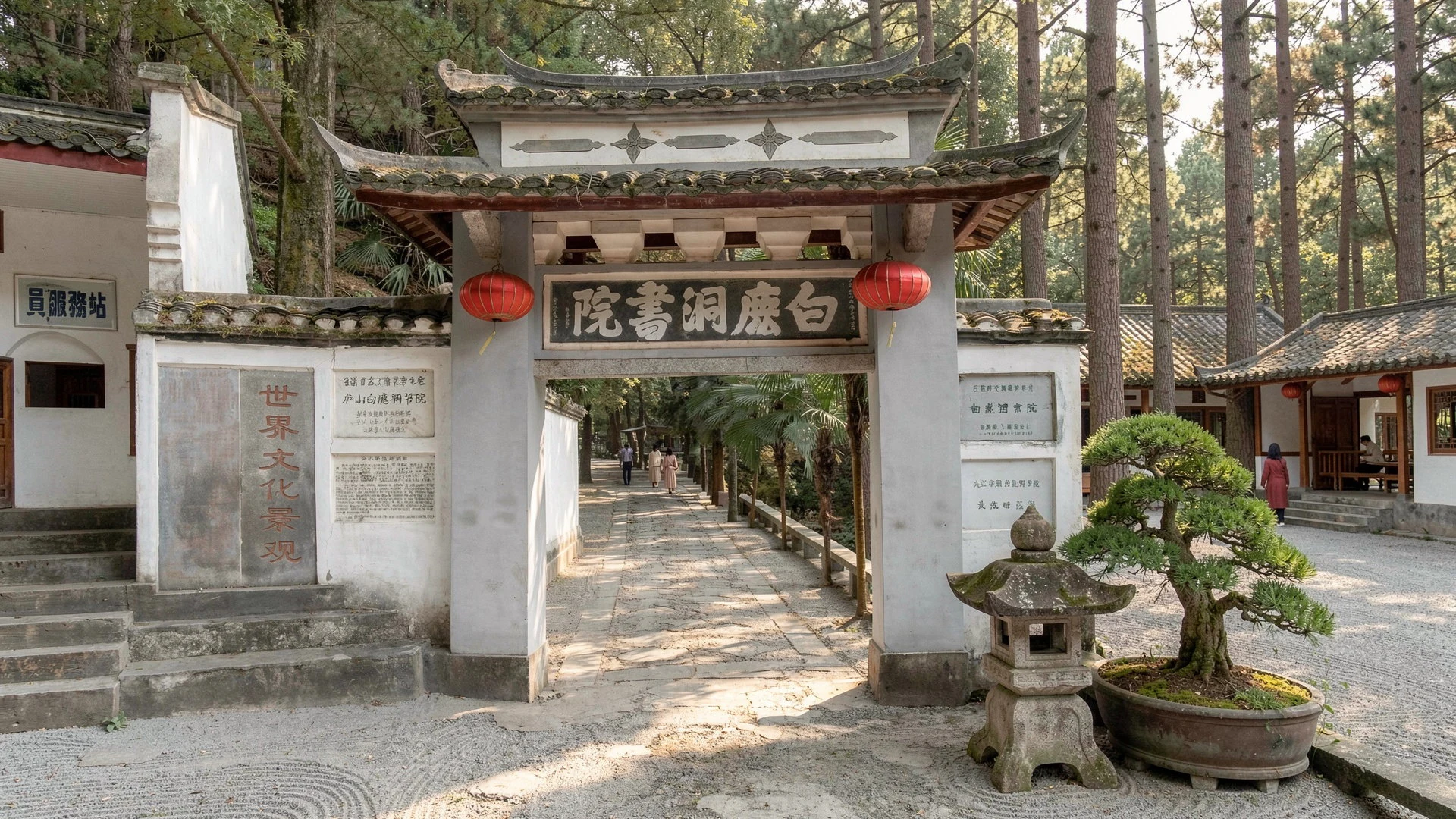
- Jin Xiugu — Eastern valley
A scenic valley accessed via stone steps, where the monk Hui Yuan is said to have gathered medicinal herbs. It is a peaceful spot for those looking to escape the main tourist crowds.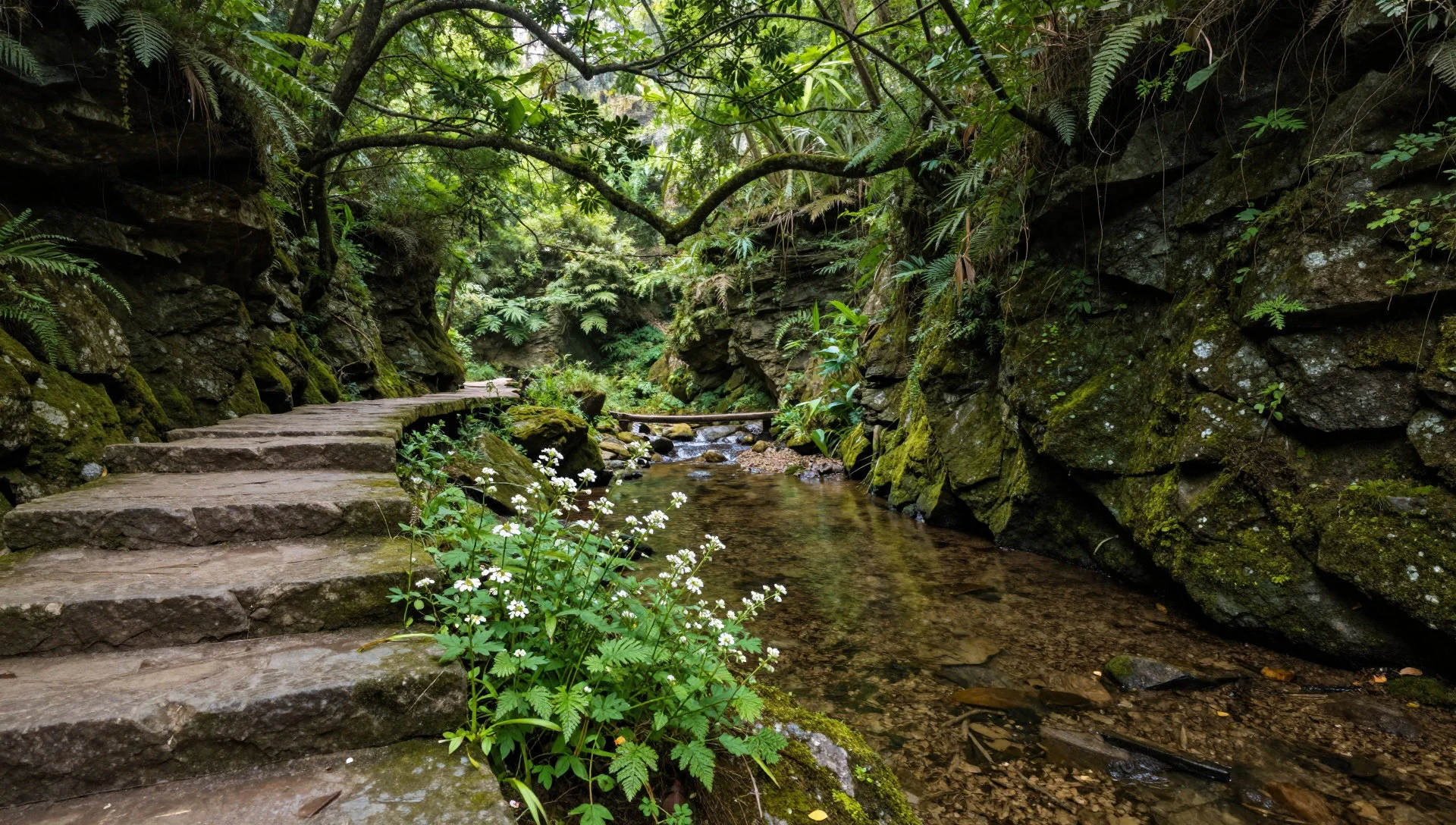
- Kuling Town — Kuling Estate
A high-altitude settlement known for its colonial-style villas and botanical gardens. Visitors can walk along the cliffside paths or take a vintage two-person rail car down through the woods.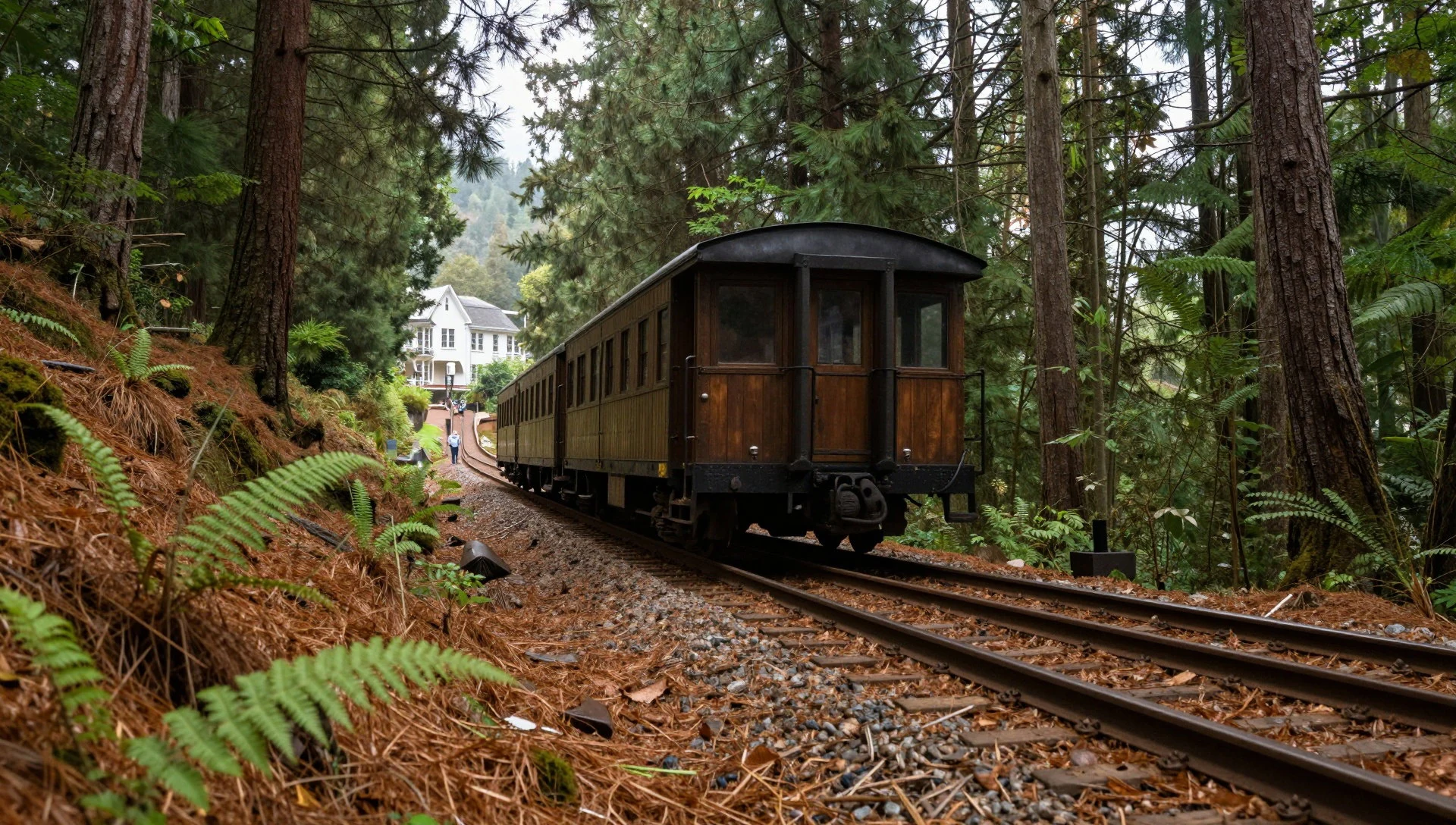
- Donglin Temple — Lower slopes
The cradle of Pure Land Buddhism in China, this temple is essential for understanding the mountain's spiritual weight. Its architecture and serene courtyards reflect centuries of devotion.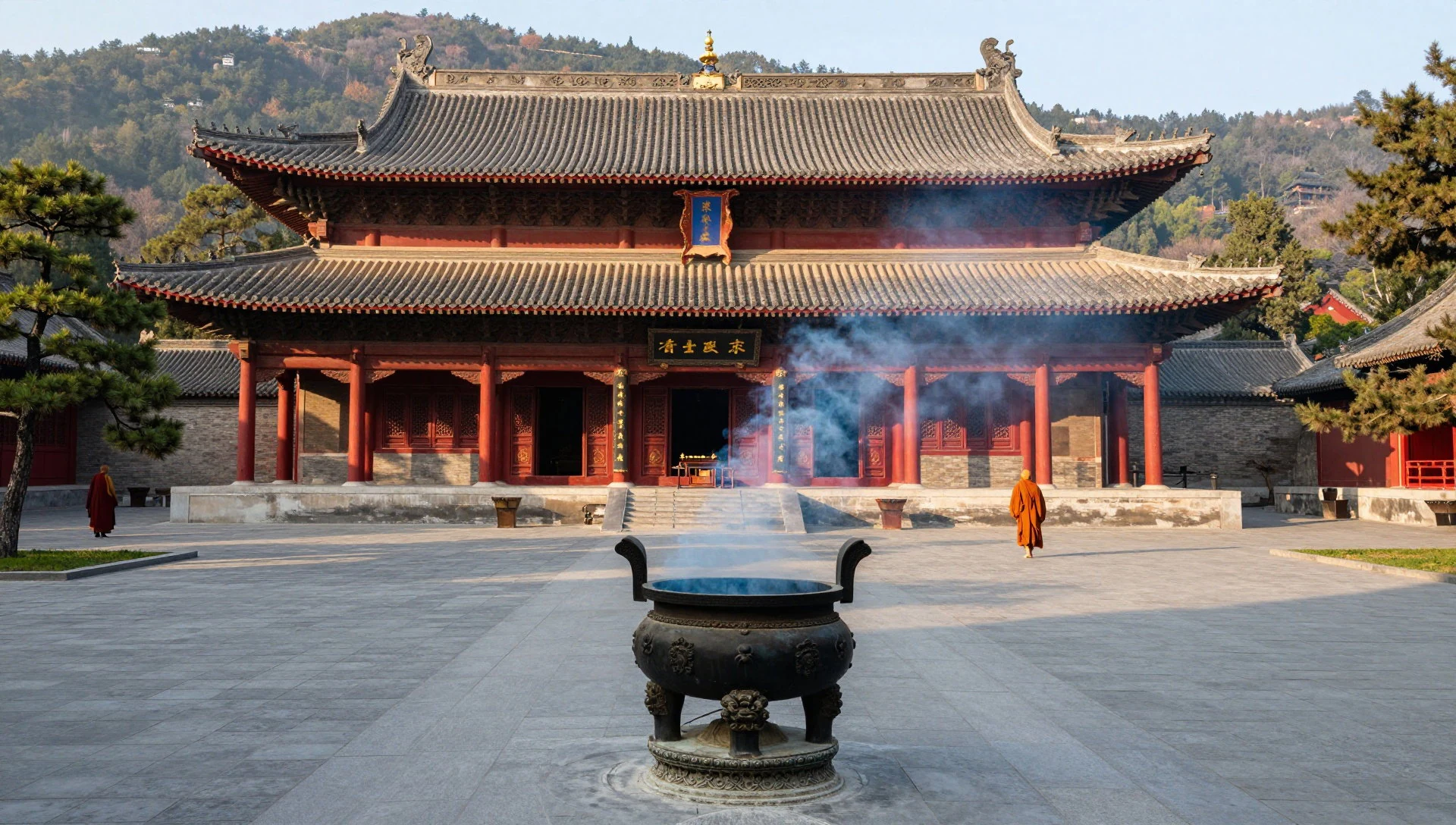
Culture
Culture at Lushan is defined by the coexistence of several great philosophical traditions. It is one of the few places where the austere discipline of Confucianism, the meditative nature of Buddhism, and the fluid spirituality of Daoism are physically manifested in the landscape. This synthesis is reflected in the way the mountain is navigated; paths often lead from a scholarly academy to a secluded monastery, then to a Daoist shrine. The local culture is also deeply tied to the environment, particularly the mist and the rain, which are seen not as inconveniences but as part of the mountain's spiritual essence.
In the town of Kuling, there is an added layer of foreign influence from the missionary era, which provides a stark contrast to the ancient temples. This blend of the sacred and the worldly makes Lushan a unique social space where visitors come both for religious pilgrimage and for the simple pleasure of a mountain retreat. When visiting the various temples and academies, please keep your voice low and avoid walking directly in front of praying practitioners.
What to wear
Traditionally, the inhabitants and pilgrims of Lushan have worn garments suited for the damp, mountainous climate. This includes heavy cotton robes and quilted jackets in winter, often in muted tones that blend with the grey stone and green pines. Textiles from the Jiangxi region typically focus on durability and warmth, using thick weaves to ward off the pervasive mountain chill.
Today, most locals and domestic tourists wear practical, modern athletic gear. You will see a lot of lightweight windbreakers, trekking trousers, and high-performance trainers, as the terrain involves thousands of stone steps. In Kuling, the dress is slightly more relaxed, reflecting its history as a resort town.
Visitors should prepare for unpredictable weather. Even in summer, a light jacket or fleece is essential because the temperature drops significantly at the peaks. Sturdy, waterproof walking shoes with good grip are non-negotiable for the slippery stone paths. While there are no strict modesty codes for the nature trails, modest dress—covering shoulders and knees—is appreciated when entering the Buddhist and Confucian sites.
What to eat
- Lushan Cloud and Mist Tea — Tea houses in Guling
A local green tea grown in the high-altitude mists. It is prized for its refreshing aroma and a clean, slightly sweet flavour profile that reflects the damp mountain air.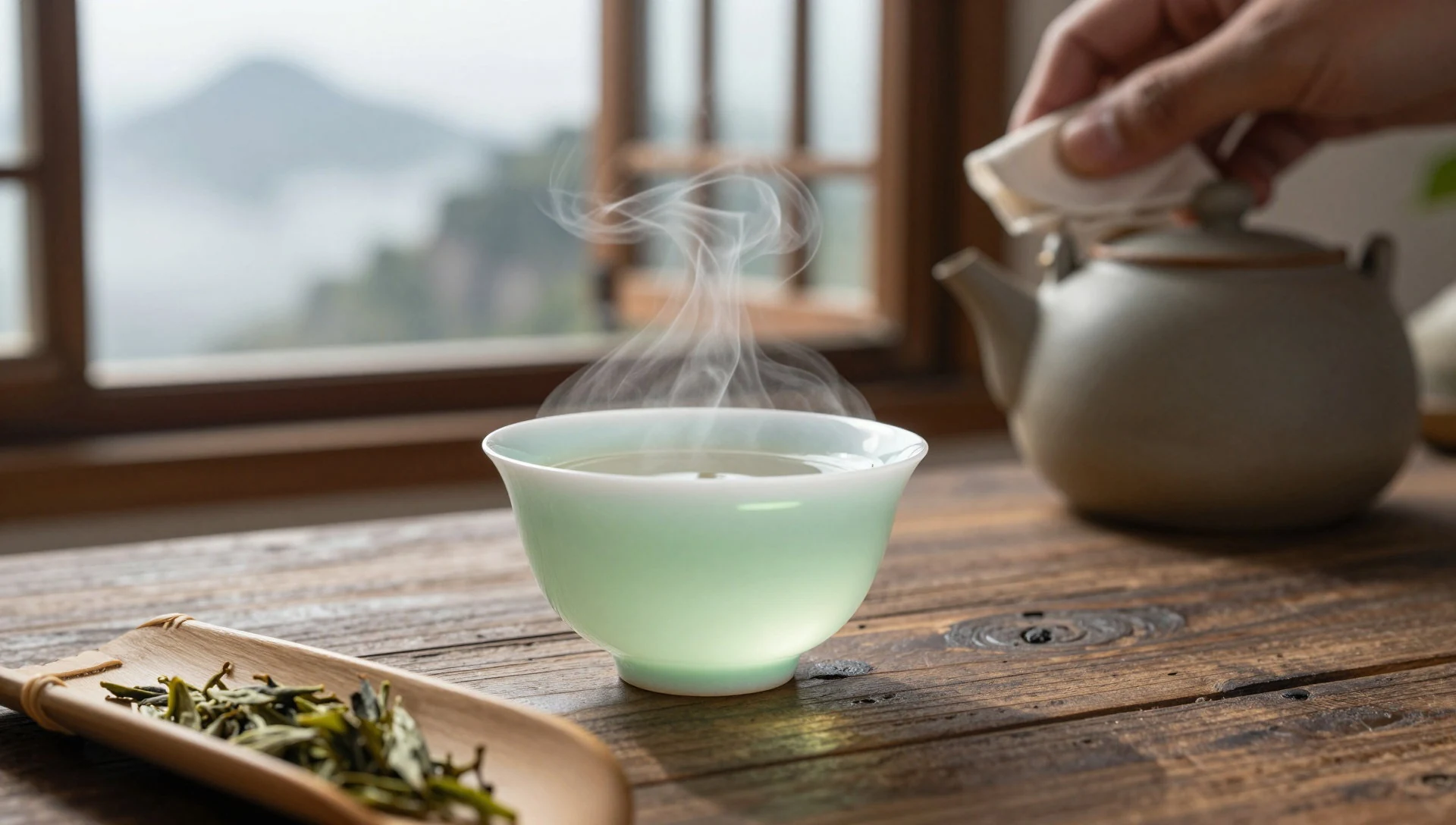
- Lushan Mineral Spring Water — Natural springs and kiosks
Pure, chilled water sourced from the mountain's many natural springs. It is often served simply in glass bottles as a refreshing accompaniment to a mountain hike.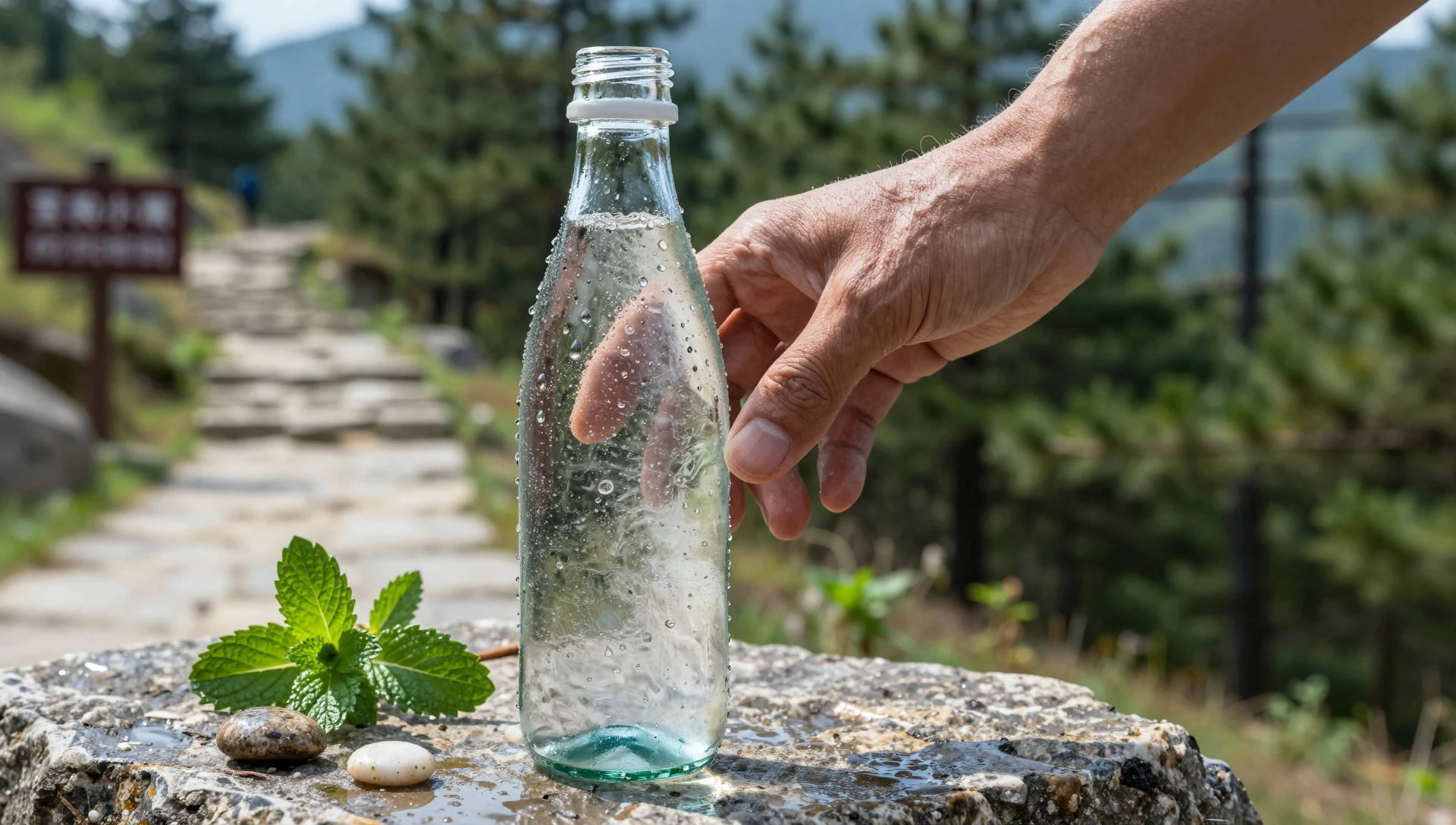
- Wild Mountain Mushroom Stir-fry — Restaurants in Guling
Freshly foraged mushrooms from the Lushan forests, sautéed with garlic and local greens. These dishes are typical of the hearty, earthy cuisine found in the mountain eateries. - Jiangxi Spicy Tofu — Local eateries in Jiujiang
A regional specialty featuring firm tofu simmered in a bold, spicy sauce characteristic of Jiangxi province, providing a warming contrast to the cool mountain air.
Plan it
Best time. April to May for spring greenery, or September to October for autumn colours. Summer is popular for escaping the heat, but can be very crowded.
How long. 3–4
Getting there. Fly into Nanchang or take a train to Jiujiang. From Jiujiang, use a shuttle van or the cable car to reach the mountain top.
Budget. mid
Tips
- Use the cable car to avoid the winding road if you are prone to motion sickness
- Carry a waterproof jacket regardless of the forecast
- Start your hikes early to avoid the peak midday tourist crowds
- Bring plenty of cash for small kiosks and local snacks
- Stay in Kuling for easier access to the main sightseeing loop
Etiquette
- Do not smoke near the dry wooden structures of the ancient temples
- Avoid loud talking or shouting in the Confucian academies
- Follow the marked trails to avoid damaging the protected flora
Nearby
Sources
- Wikidata Q622616 (CC0)
- Wikipedia (CC BY-SA 4.0)
- Wikivoyage (CC BY-SA 4.0)