Loreto, Baja California Sur
Loreto, Baja California Sur, Mexico
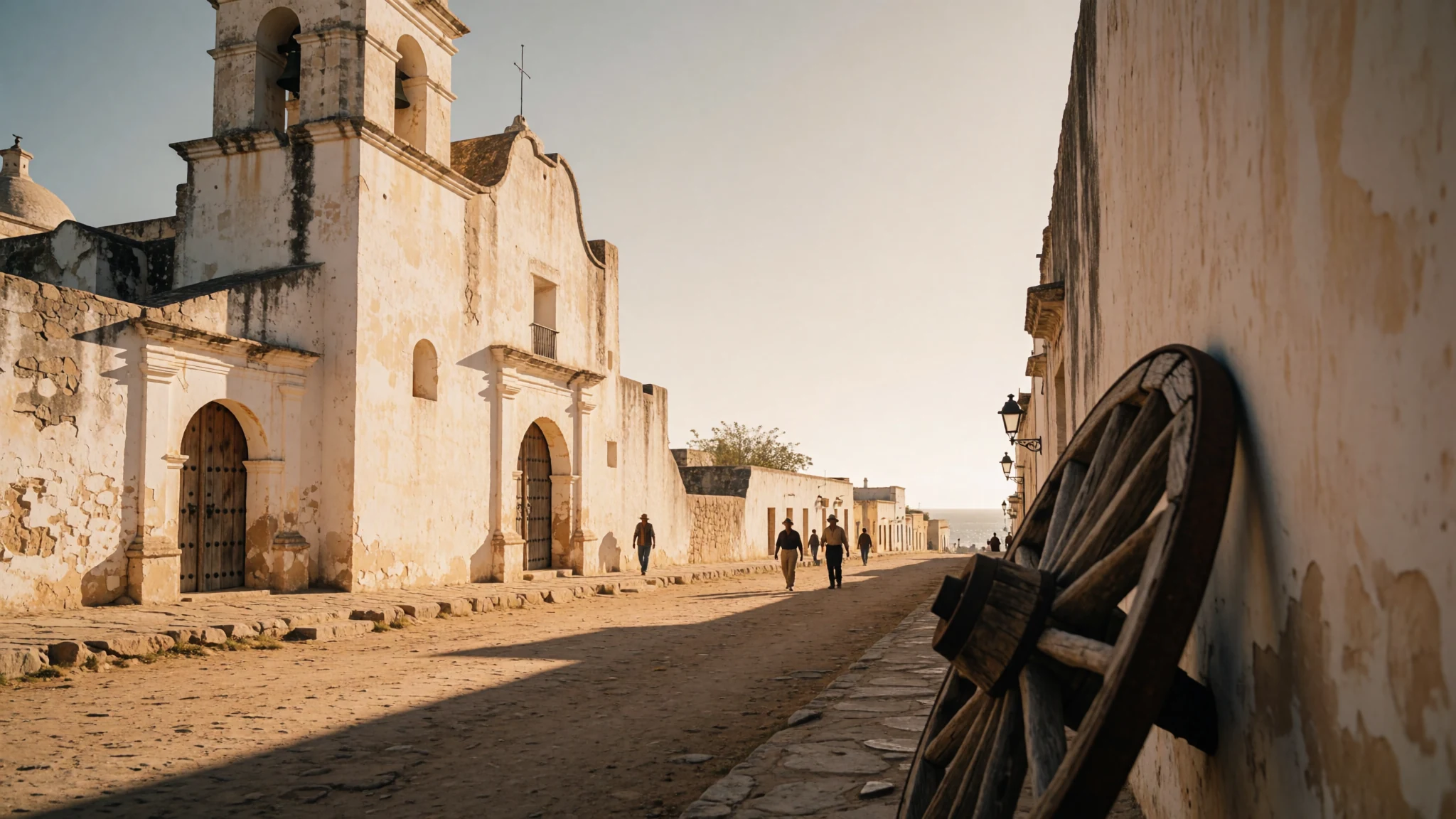
A quiet colonial town on the Gulf of California, anchored by a mission founded in 1697 and a sea that is never far away.
The place
Loreto is a small town on the east coast of the Baja California Peninsula, with the Gulf of California running along its eastern edge. It is the municipal seat of Loreto Municipality in Baja California Sur, and it had 16,311 residents at the last count. Loreto works as the regional centre for shops, services and government, which keeps it busier than a village, though it never feels like a big city.
The old town sits on fairly flat ground, about 5 metres above sea level, and its streets are short and easy to walk. Most of the historic sights cluster near the mission and the central streets, so a morning on foot covers the core of the town, and the waterfront is only a short stroll away. The Transpeninsular Highway passes to the west of the town. To the south, a dry creek bed called the Arroyo Loreto marks the edge of the built-up area. It normally carries no water and only fills after heavy rain, so anyone who sees a storm forecast should keep away from it.
What stands out is the mix of old and new. Colonial stone and whitewash sit alongside boat trips, hotels with rooftop pools that look out over the water, and simple eateries. Evenings are relaxed. Many visitors treat Loreto as a base for time on the sea rather than as a destination in its own right. It is a comfortable town rather than a grand one, and it fills with visitors in the busier months.
Its story
Loreto was the first Spanish colonial settlement on the Baja California Peninsula, part of the Viceroyalty of New Spain. Jesuit missionaries founded it in 1697 at a site where they had found a steady spring of fresh water, which mattered a great deal in such a dry land. The mission they built, Misión de Nuestra Señora de Loreto, became the anchor for the Jesuit work that followed across the peninsula.
The Jesuits were expelled in 1767, and the Franciscans took over the Baja missions. Two years later, in 1769, the Franciscans were ordered to hand the peninsula's missions to the Dominicans and to join Gaspar de Portolá's expedition into the unexplored northern frontier, which would become Alta California. The expedition set out from Loreto on 24 March 1769, so the town was the departure point for a route that led to what is now the US state of California.
Loreto also held political weight. Loreto served as the administrative centre for Las Californias from its establishment until 3 February 1777, when the government was relocated to Monterey. In 1768 the province had been divided into Alta California and Baja California, and for a short while the two shared one governor. Loreto stayed the capital of Baja California until 1829. The town's early importance rests on a combination of faith, fresh water and administration: a small settlement that organised a very large territory.
What to see
- Mission of Our Lady of Loreto — Town centre, at the start of El Camino Real
The mission stands at the head of El Camino Real, the historic road that follows the old Spanish mission route north toward Sonoma, California. It is one of seven buildings in Loreto from the eighteenth to twentieth centuries that the federal government lists as historical monuments. Morning light is kinder to the pale walls, so visit before the heat builds up.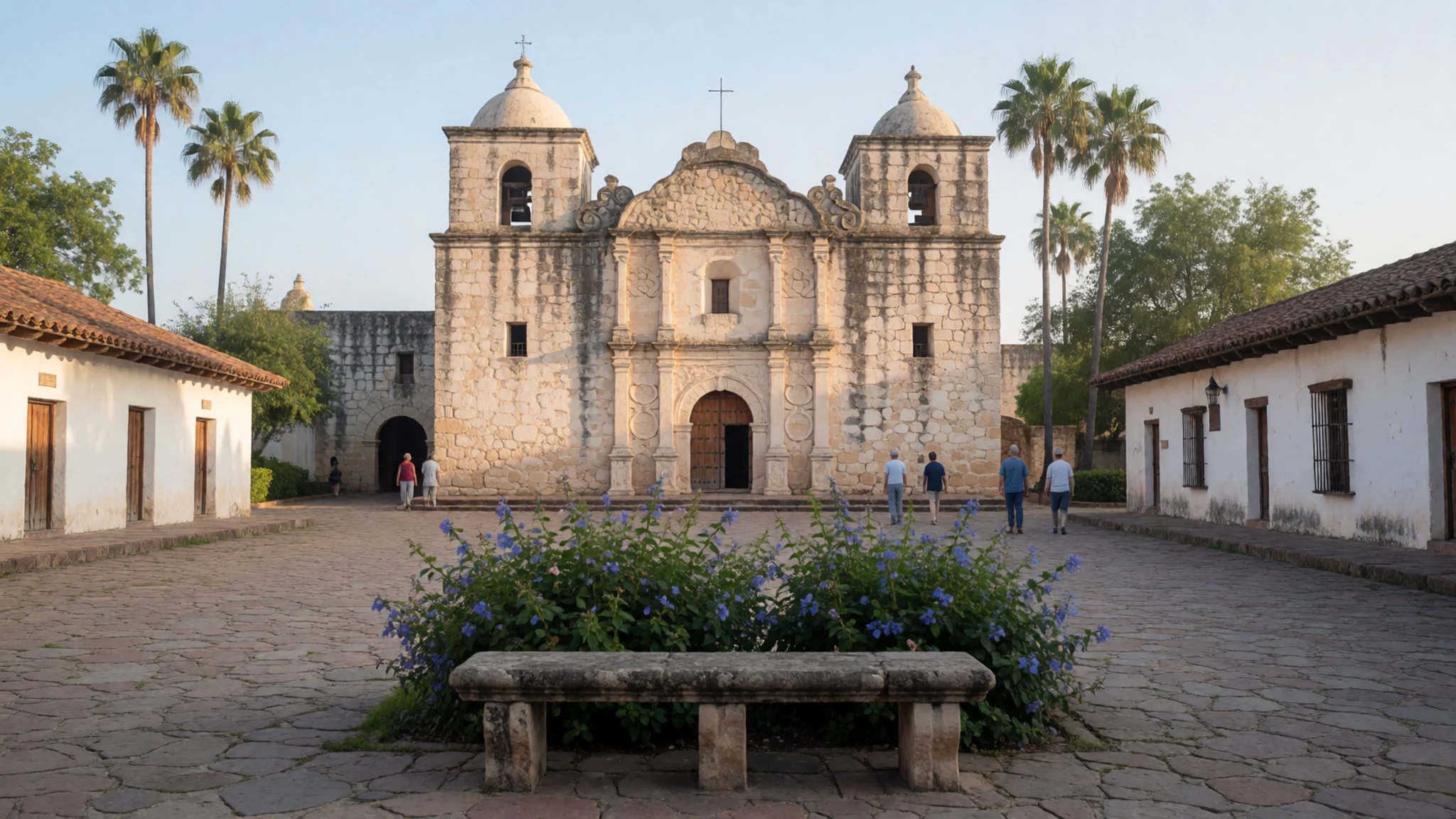
- Jesuit Missions Museum — Beside the mission, town centre
Beside the mission stands the Jesuit Missions Museum, which tells the wider story of the Jesuit missions that spread across the peninsula. It makes a sensible first stop before you walk the old streets, because the displays give context for the buildings you will see afterwards.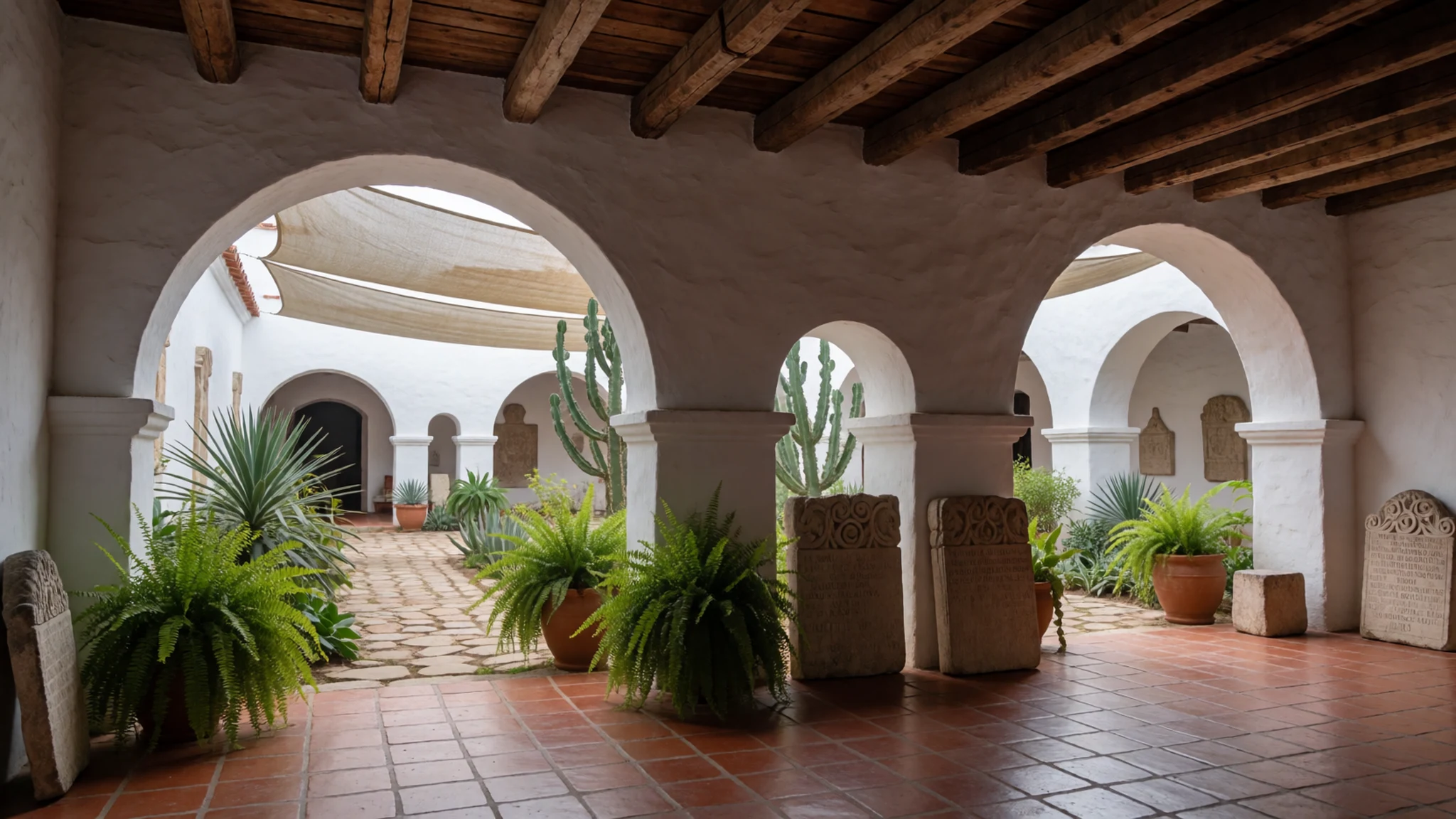
- Mission of Saint Francis Xavier, San Javier — San Javier, the neighbouring town
In the neighbouring town of San Javier, five historical buildings sit together, most importantly the Mission of Saint Francis Xavier. Sources describe it as the best preserved mission on the peninsula. Its thick walls and quiet courtyard show what the Jesuit building programme looked like when it was still in use.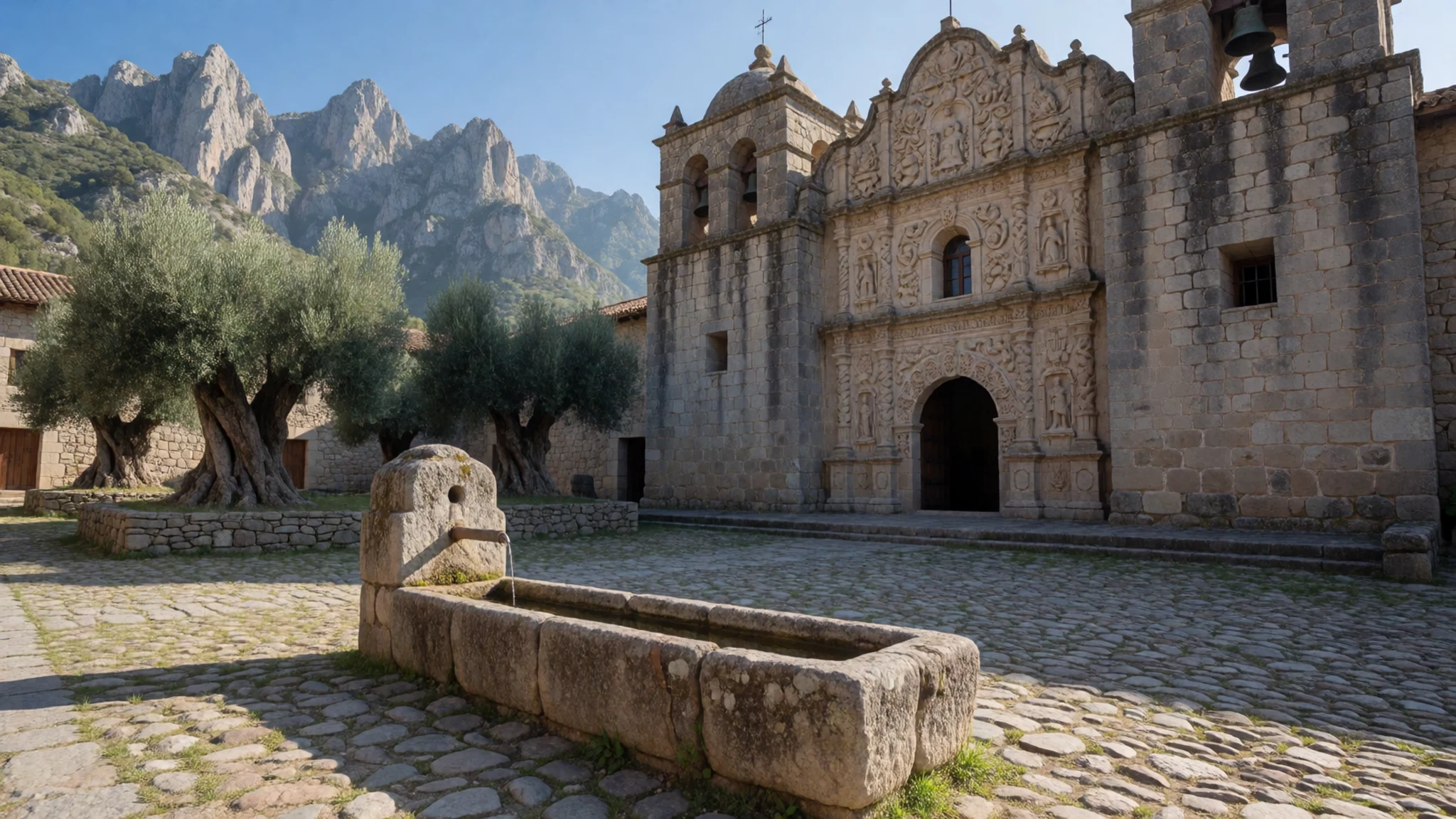
- Ruins of Mission San Bruno — About 20 km north of Loreto, in open desert
The ruins of Mission San Bruno lie about 20 km north of Loreto. It was the first mission in Baja California, founded in 1683 by the Jesuit explorer Padre Eusebio Kino, but the Spanish Crown ordered it abandoned only two years later. Go for the history and the desert setting rather than for finished architecture, and take water and sun cover.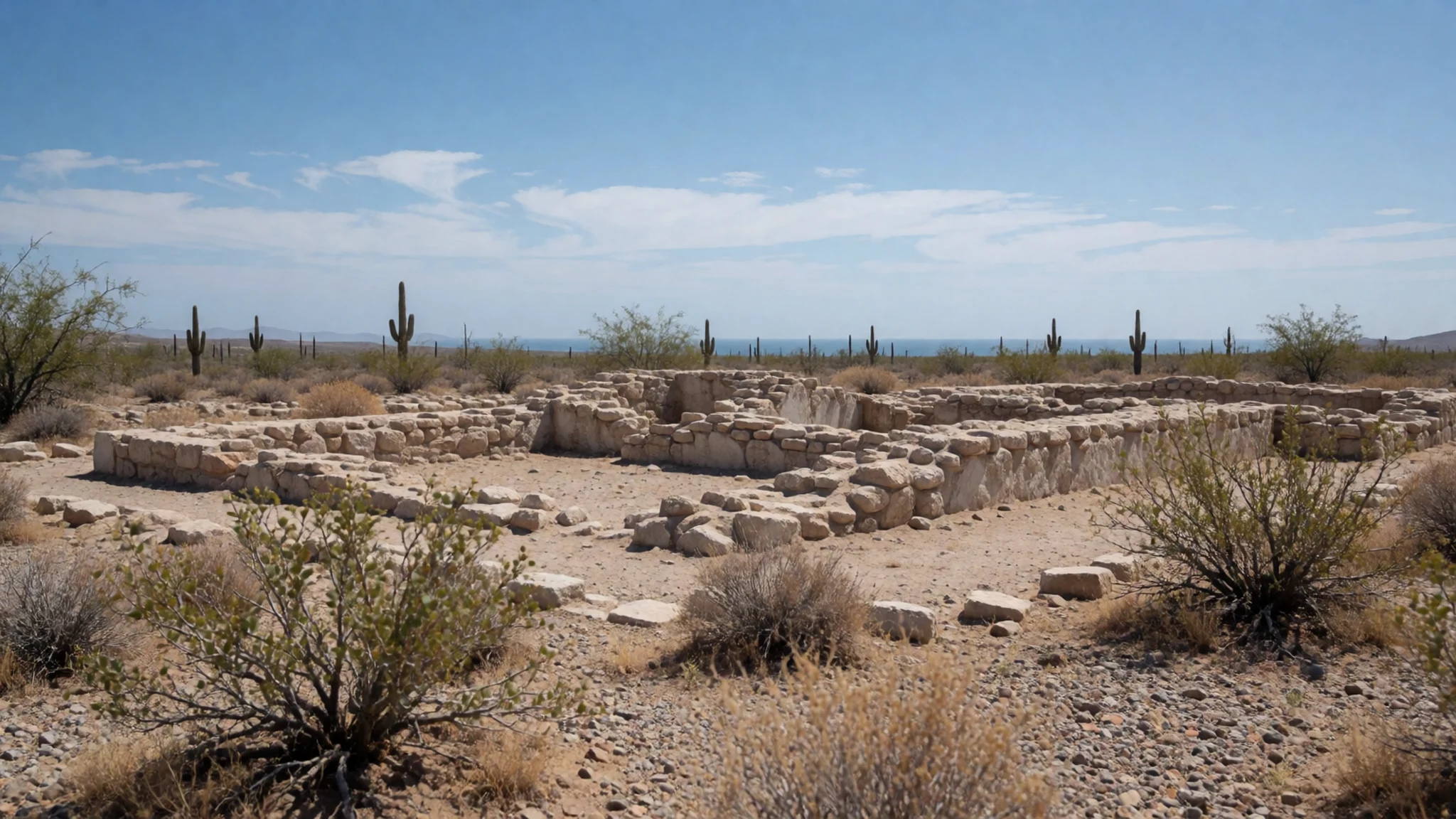
- Downtown colonial street — Downtown Loreto, a few minutes' walk from the mission
Downtown, a block-long arbour shades a cobbled section of old colonial road. It is a good place to slow down, look at the low whitewashed buildings and leave the traffic noise behind. Wear shoes with grip, since the stones can be uneven underfoot.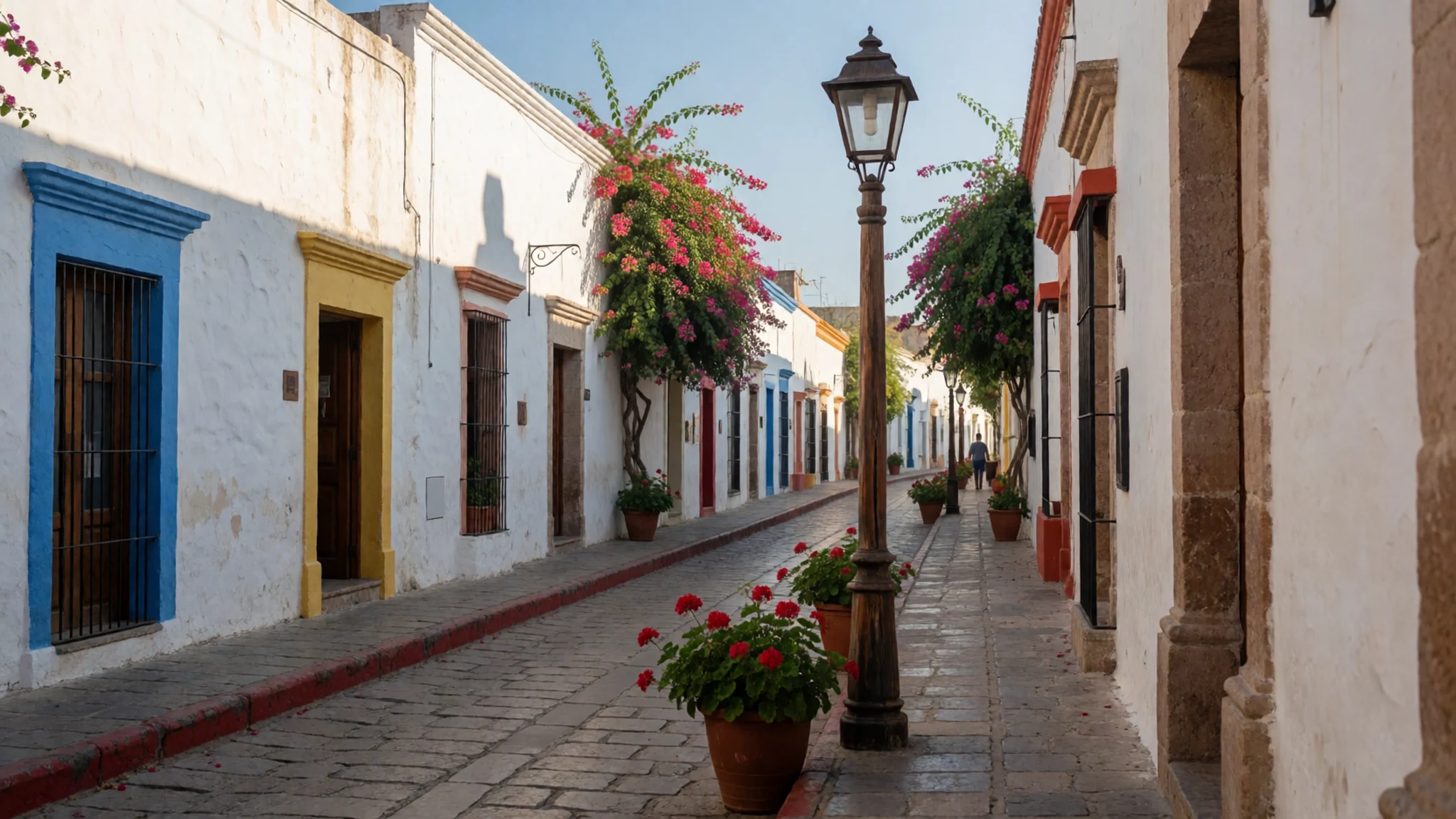
Culture
Loreto's identity is tied closely to its missions. The town's seven federally listed historic buildings, dating from the eighteenth to the twentieth century, show how the Spanish colonial and Jesuit periods shaped the streets. The most important of them, the Mission of Our Lady of Loreto, sits at the start of El Camino Real, the old route of the mission chain that runs north to Sonoma in California. Nearby, the Jesuit Missions Museum offers background for anyone who wants to understand the peninsula's religious history before visiting the ruins and churches further afield.
Daily life here is less about ceremony than about the water and the people who work along it. Loreto is a regional hub, so residents move between jobs in town, the tourism trade and the boats and tours that leave from the waterfront. Spanish is the everyday language, and a few words of it go a long way in small shops and family-run eateries. Ask before photographing people at a service or in a private courtyard, and keep your voice low inside churches, many of which are still used for worship.
What to wear
Traditional dress in Baja California Sur is not one fixed costume. As in much of Mexico, regional dress appears mainly at festivals, feast days and folk dancing, and it draws on cotton and embroidery rather than heavy or expensive fabrics. Women's dresses can be loosely cut with embroidered borders, and men may wear a plain white shirt with dark trousers and a wide-brimmed hat. Local knowledge matters more than a rulebook here, so ask a shop owner or festival organiser what is usually worn at a given time of year.
In everyday life, Loreto dresses casually. Shorts, T-shirts, sundresses and sandals are common along the waterfront, and boat-trip clothing is practical rather than fashionable. Sun hats and sunglasses are everywhere. An evening meal at one of the better hotels calls for a little more care with dress, but few places enforce a strict code.
For a visitor, pack light cotton or linen, a hat, and a layer for air-conditioned rooms and cooler evenings. Closed shoes with grip are wise on cobbled colonial streets and on the uneven ground around the missions. Cover your shoulders and knees when you step inside a church, and carry a light wrap or shirt for that purpose. Swimwear belongs on beaches and pool decks rather than in town.
What to eat
- Fish tacos — A sit-down restaurant in the town centre
Fish tacos are the dish to order at a sit-down restaurant in town that is known locally for them. Expect simple, fresh fish with a light sauce and a friendly, unhurried service style. Check the opening times before going, as some of these places close early on Sundays.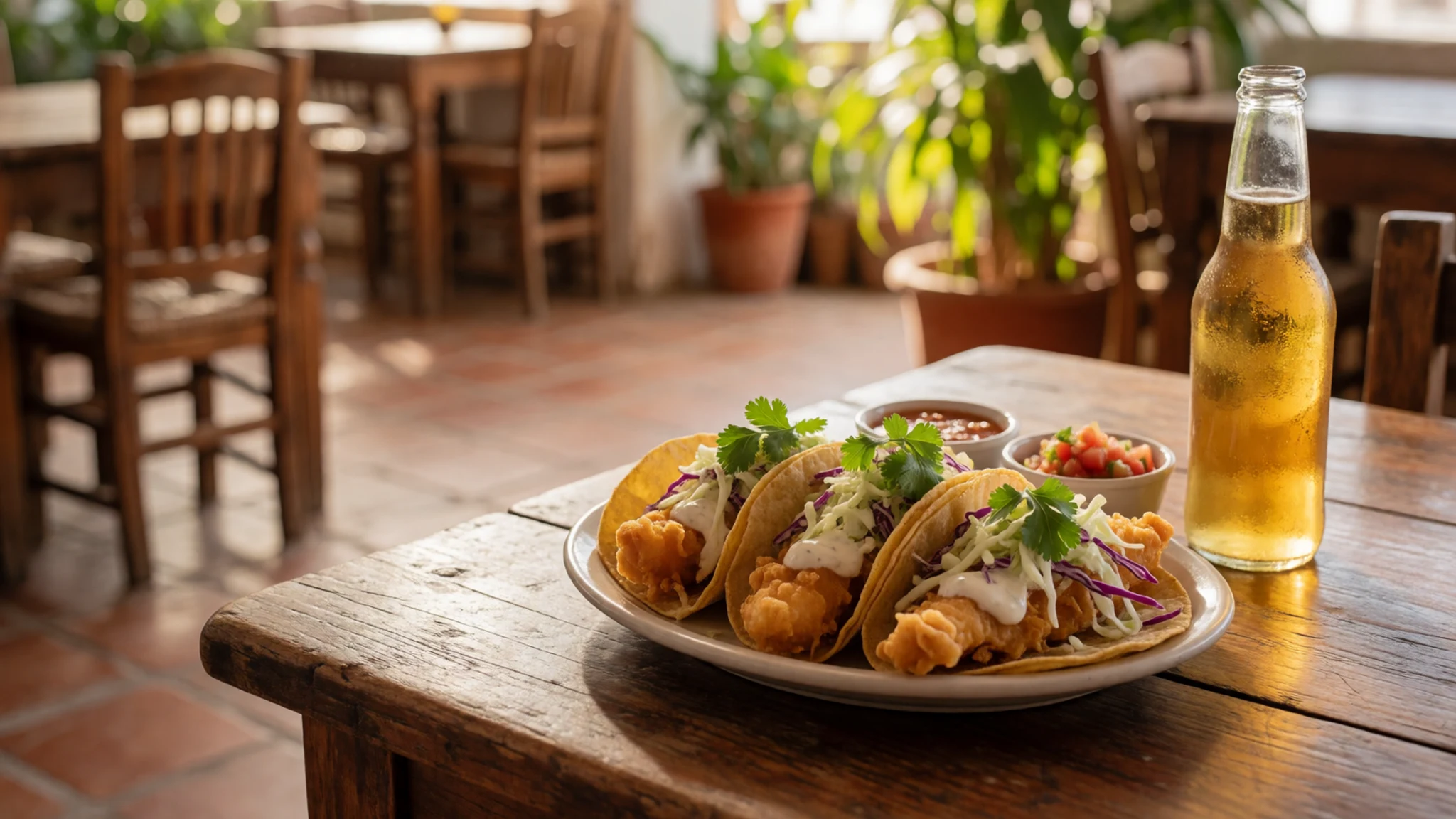
- Sushi and teppanyaki — A restaurant in town with a broad, mixed menu
Loreto has a surprising number of Japanese-style restaurants. Expect sushi, soups, teppanyaki grills, tempura and yakimeshi fried rice on one menu. It makes a change from the seafood and Mexican dishes that dominate elsewhere, and it suits a mixed group.
- Mexican breakfast by the sea — A beach-view café on the coastal boulevard
A breakfast of eggs, beans and fresh tortillas is the easiest way to start a day on the coast. Several eateries on the beachfront boulevard serve breakfast, lunch and dinner with a view of the water. Go early, as the morning light and the sea breeze are at their best. - Street food from a stand — A food stand on Paseo Hidalgo
A small Mexican food stand on Paseo Hidalgo serves quick, inexpensive plates from a counter, with outdoor seating only. It is a good choice for a relaxed evening with no fuss. Bring cash, since small stands like this often prefer it. - Coffee and a light lunch — A coffee shop in the town centre
A coffee shop in the town centre serves good coffee and light lunches, a useful stop between sights. It is a place to sit, check the map and let the heat ease off during the middle of the day.
Plan it
Best time. Late autumn through spring suits most visitors, when the days are warm without being punishing for walking the old streets. Summer is hot on this desert coast, so the cooler months are the usual choice. Check current forecasts before booking, because weather can shift the plans.
How long. 2–3
Getting there. There is no public transport to the airport, so the last leg from the airport is by taxi. Buses run to Loreto from La Paz, Cabo San Lucas, Tijuana and Mexicali, with the main bus station on Salvatierra Street. Driving is possible on Federal Highway 1, which runs the length of the peninsula, though in places it is only two lanes.
Budget. mid
Tips
- Book early if you travel at a busy time of year, and check which hotels have sea views before you choose.
- Visit the missions in the morning, before the heat builds up.
- Take a taxi from the airport, because no public transport serves it.
- Check the municipal website at loreto.gob.mx for current information before you travel.
- Carry water and sun cover on walks outside town.
- If storms are forecast, stay out of the dry Arroyo Loreto, which can fill quickly after heavy rain.
Etiquette
- Ask before photographing people, especially at religious services.
- Keep your voice low and dress covered when you visit churches.
Nearby
Sources
- Wikidata Q1020758 (CC0)
- Wikipedia: Loreto, Baja California Sur (rev 1379267492) (CC BY-SA 4.0)
- Wikivoyage: Loreto (Baja California) (rev 5353179) (CC BY-SA 4.0)
- Mission of Our Lady of Loreto, Omar1976 (CC BY 3.0)
- Montañas de Loreto, Baja California Sur, Rafael Saldaña (CC BY 2.5)
- Facade of Mision de Loreto, Adam Jones (CC BY-SA 2.0)
- Hotel Posada de las Flores, Kirt Edblom (CC BY-SA 2.0)
- Loreto City Hall, Kirt Edblom (CC BY-SA 2.0)
- Downtown Loreto, Kirt Edblom (CC BY-SA 2.0)
- Loreto by Night, Adam Jones (CC BY-SA 2.0)
- Faro y Pilón, Puerto de Loreto, Carolina Bastida Davis (CC BY 3.0)


