Lorentz National Park
Lorentz National Park, Indonesia
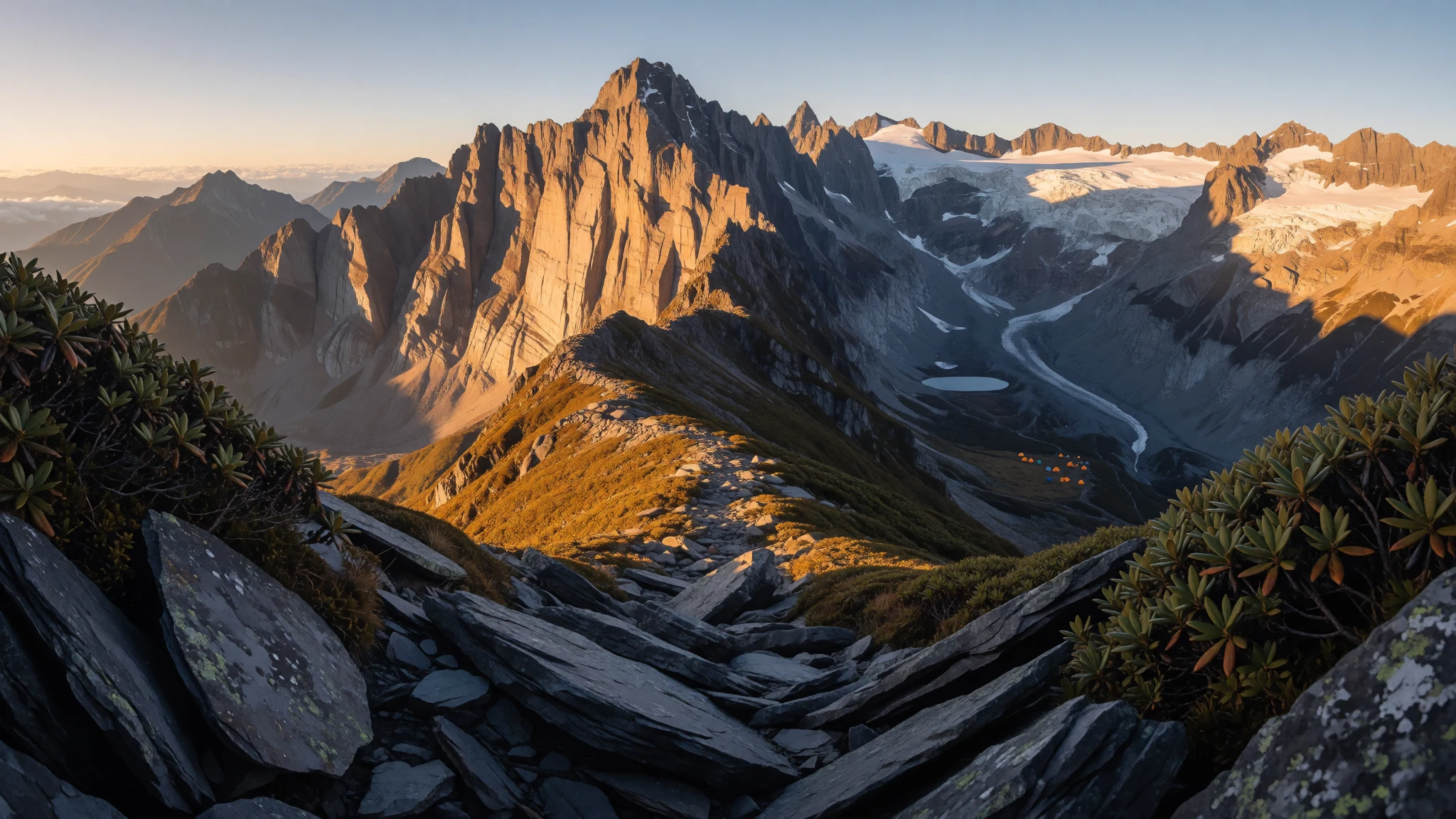
Lorentz National Park is a huge slice of New Guinea where coastlines, forests and alpine heights meet in one protected landscape.
The place
Lorentz National Park sits on the western side of New Guinea, spanning parts of Central Papua, Highland Papua and South Papua in Indonesia. The protected area was established in 1997, and it has World Heritage status. What makes Lorentz feel different from many parks is how many ecosystems stack up across altitude and geography—so the scenery can shift from lowland forest to cooler uplands to ice without leaving the same destination.
In plain terms, Lorentz is remote, raw and spread out. The day-to-day reality for most visitors is that you don’t “tour” the park in the way you would a small national park with a simple road loop. Access is typically expedition-style, with logistics arranged around getting you close to specific areas and then moving through rough country with local guidance.
Wildlife and birds are a big draw, and the park is known for holding a wide variety of habitats, from mangroves and swamp forest to mountain grassland and glacial zones. On the map, Lorentz also includes coastal and marine areas, which adds another layer to what you can encounter.
For travellers, it’s best thought of as a conservation landscape with a living culture of local communities nearby, rather than a tidy postcard reserve. Crowds are usually low compared with famous World Heritage city sites, but the trade-off is that facilities and comfort are limited—plan for long travel days, practical basics and a willingness to go slowly.
Its story
Lorentz National Park was named after Hendrikus Albertus Lorentz, an explorer from the Netherlands who traveled through the area during his 1909–10 expedition. That early period of contact sits at one end of the park’s story; at the other end is the modern conservation push, when the area’s protection expanded from earlier forms of protected status into a full national park set up in 1997.
Even without getting deep into dates, the vibe is easy to understand: Lorentz is a place that’s defined by scale and variety. It’s one of the biggest protected landscapes in Asia, stretching across a range of environments. Instead of a single “big attraction” you can reach from a visitor centre, Lorentz offers ecosystems that change with altitude and habitat type, which is why people plan around specific routes and seasons.
There’s also a sharper edge to the story. The park’s World Heritage listing came with exclusions connected to mining exploration titles, so conservation here is not purely an untouched wilderness narrative. The park’s success depends heavily on local communities’ involvement and understanding, alongside conservation organisations working across the Lorentz area.
For a traveller, that translates into respect as much as curiosity. You’ll often be looking at a landscape that feels barely mapped, where knowledge is shared through local experience rather than signage. The reward is that you’re not just visiting scenery—you’re entering a living region where ecosystems and people are linked.
What to see
- Carstensz Glacier — Carstensz (Jayawijaya / central highlands)
Carstensz Glacier is associated with the high country of Lorentz and is discussed as one of the last tropical glaciers. Because it’s affected by global warming, it’s worth thinking of it as a changing natural feature rather than a fixed destination, especially on long planning horizons.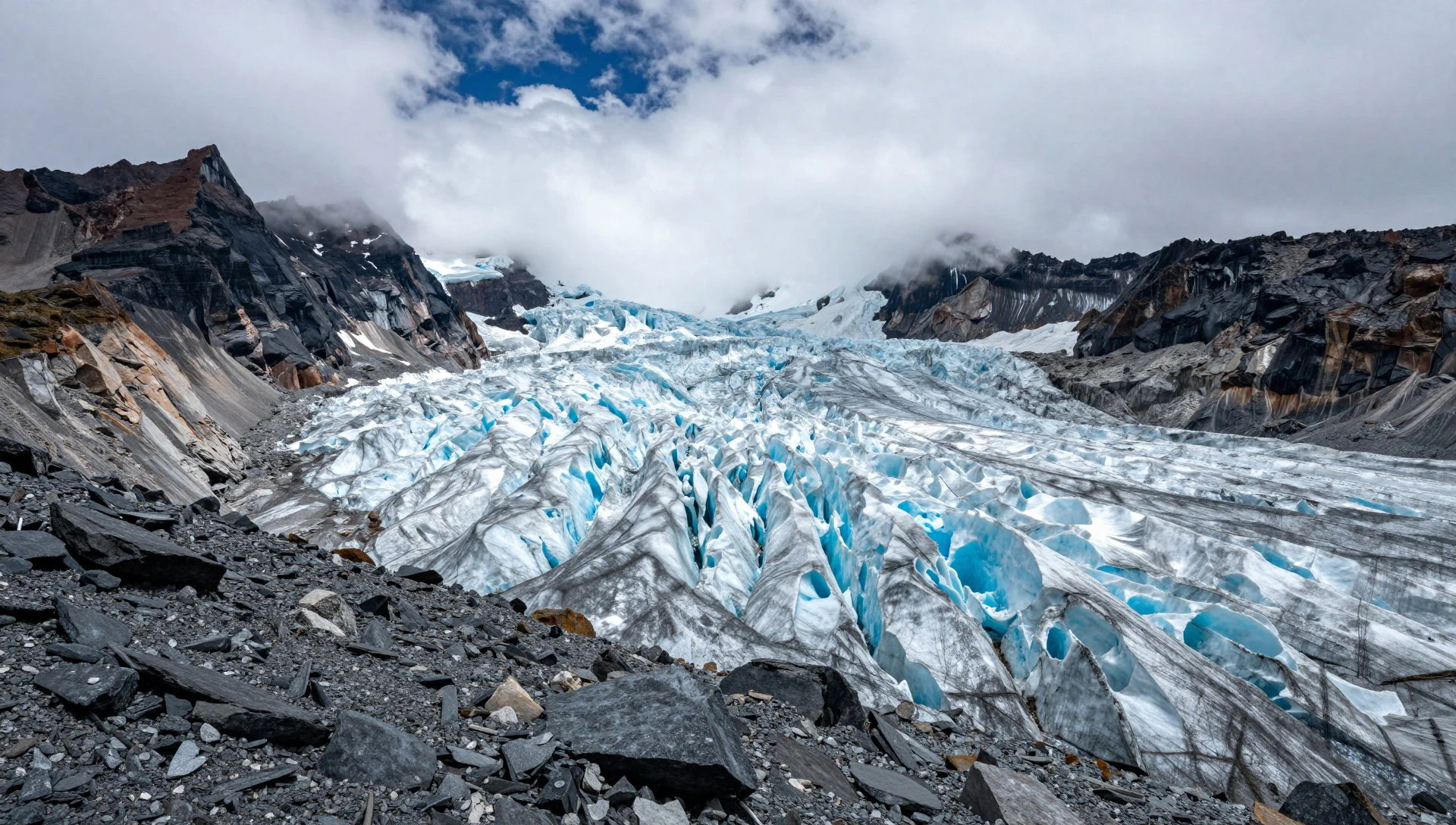
- Carstensz / Puncak Jaya area — Jayawijaya mountain region
The high peaks around Carstensz (Puncak Jaya) are central to Lorentz’s reputation for altitude variety. Views from the mountains are typically part of expedition-style travel rather than a day walk, so expect logistics to shape your “what you see” more than trail maps do.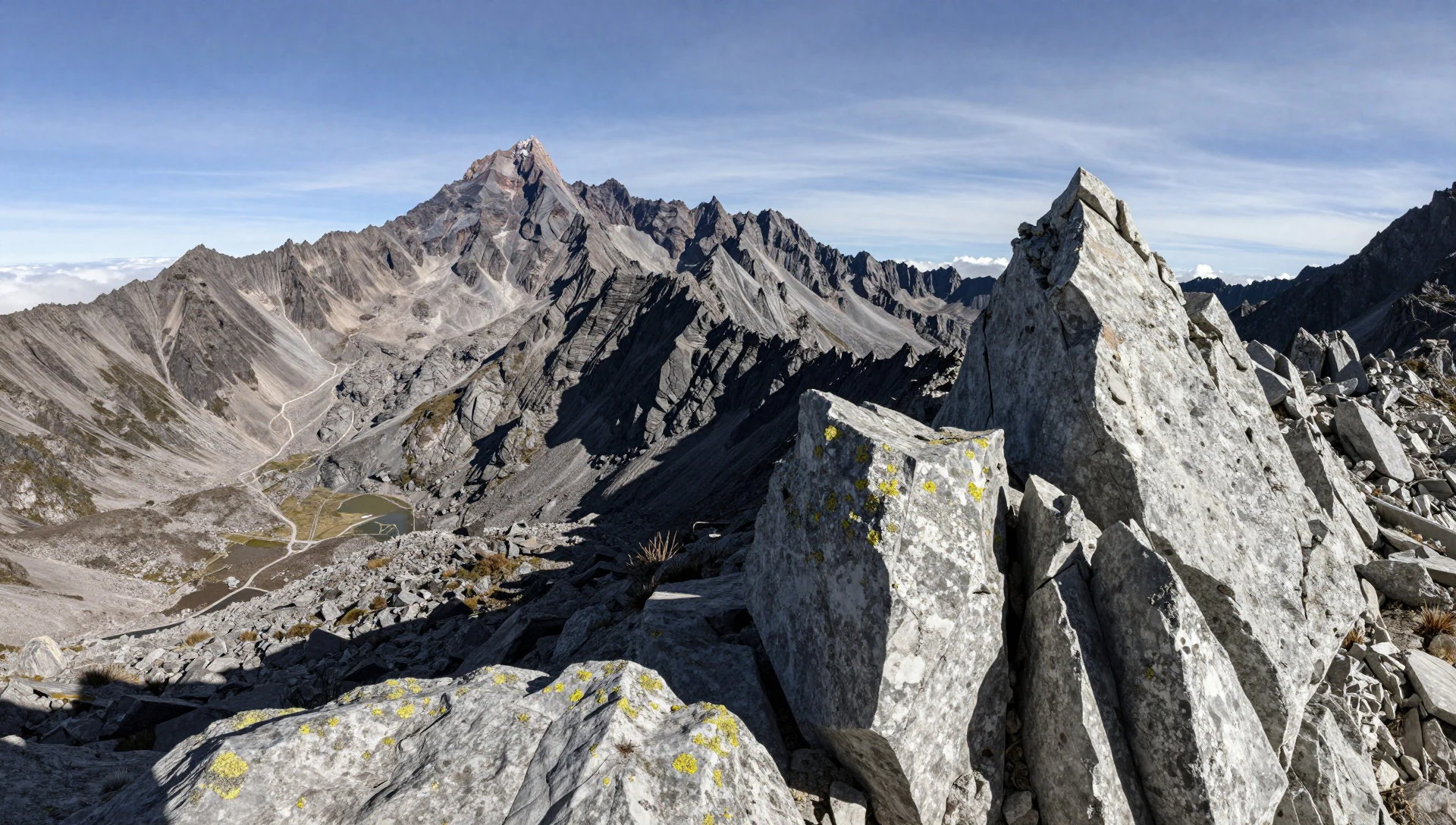
- Lorentz ecosystem “from lowlands to alpine” — Across the park’s altitude range
Lorentz is described as having an altitudinal array of ecosystems, including marine/coastal areas, mangroves, lowland and montane forest, grassland and tundra-like zones. It’s the kind of place where each elevation band feels like a different world, even if you stay within the same protected area.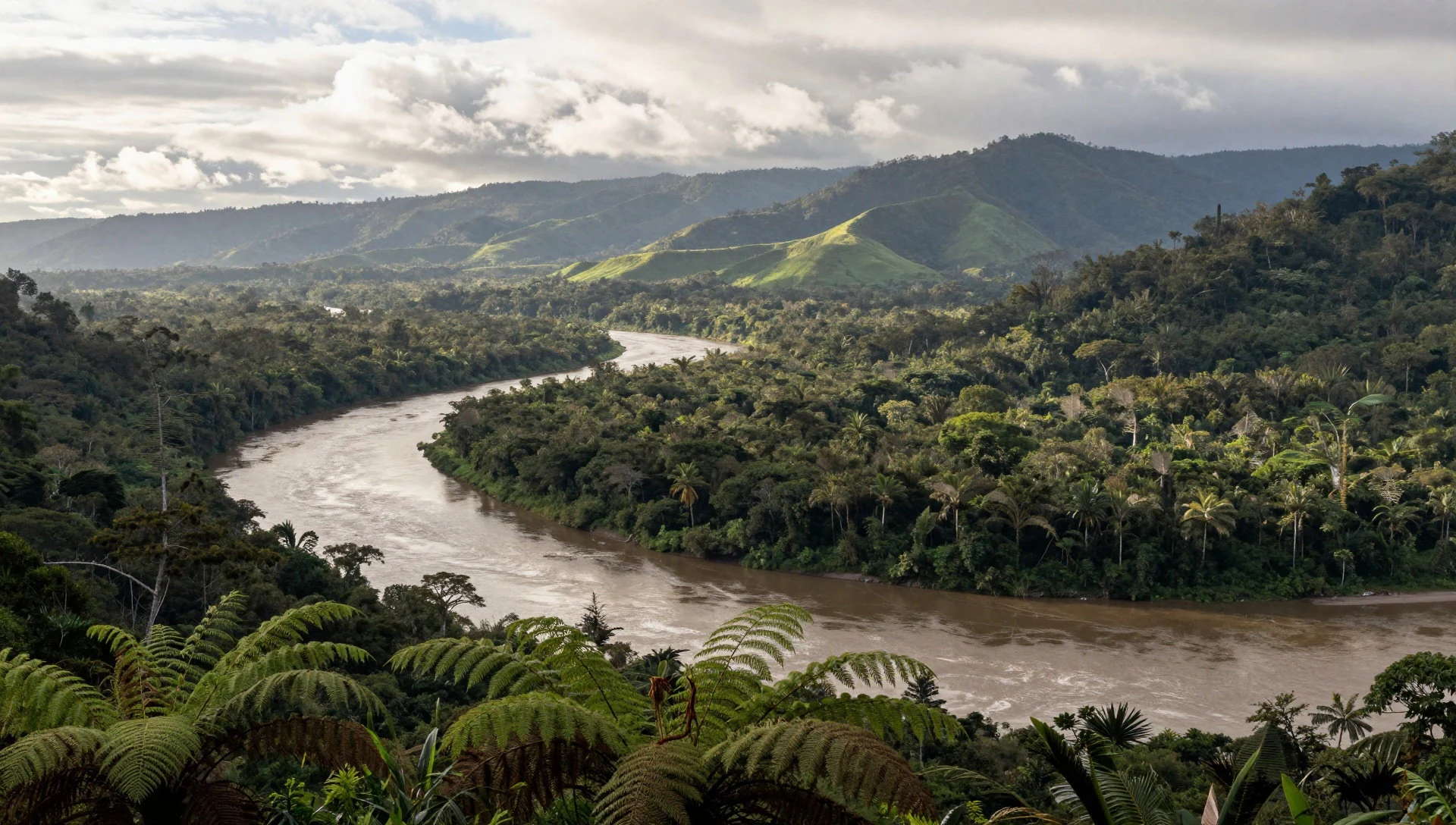
- Birdlife of Lorentz — Forest and lowland habitats across the park
Lorentz is known for substantial bird diversity, including species groups like cassowaries, doves and pigeons, and many cockatoos, kingfishers and sunbirds. Birding here often rewards patience and quiet movement more than big “payoff moments”.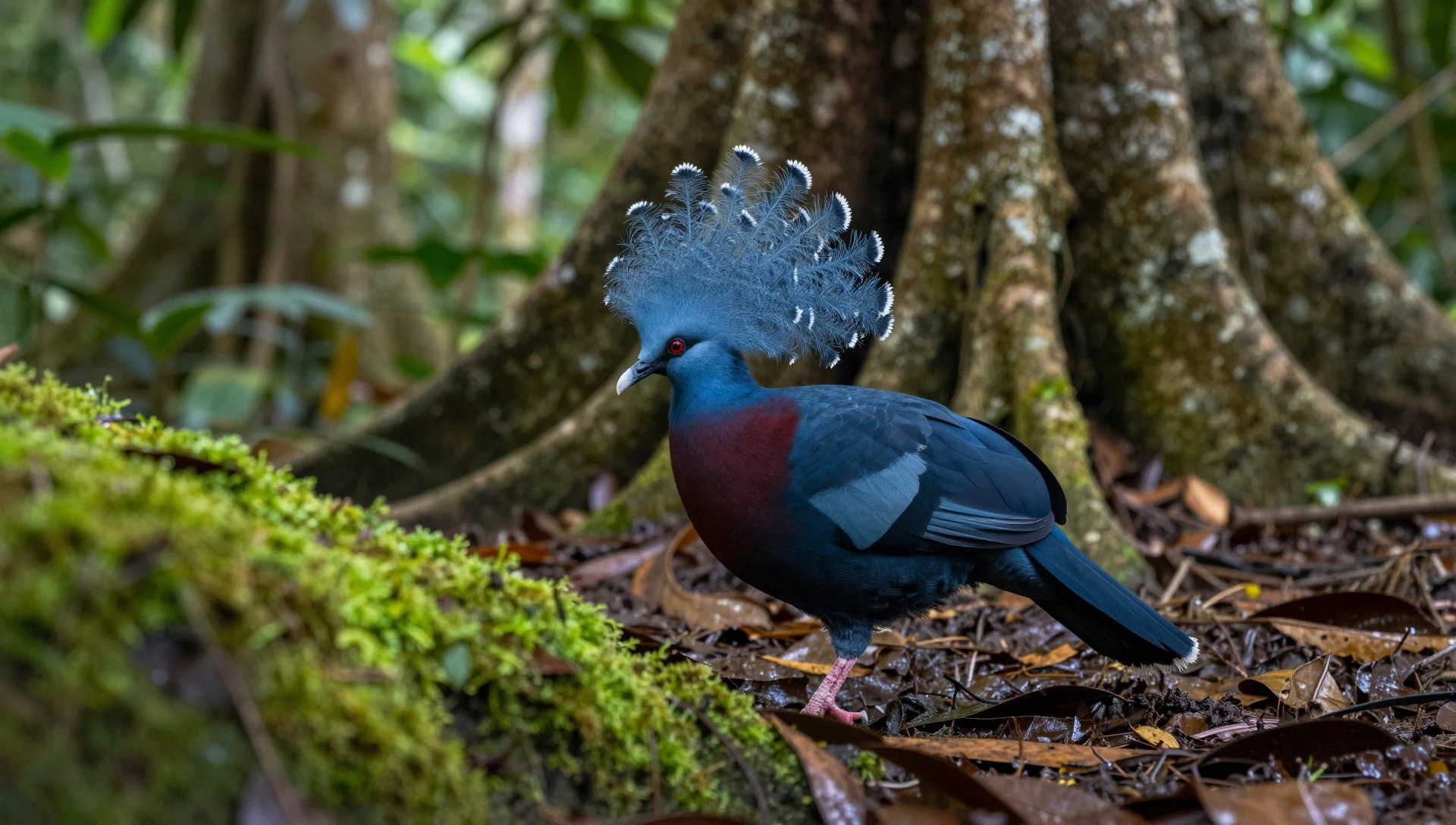
Culture
Lorentz National Park exists alongside communities who know the landscape in practical, day-to-day ways—where to move, what conditions mean, and how conservation is supported locally. That matters because the park’s approach relies more on understanding and support from nearby communities than on enforcement alone. In other words, Lorentz isn’t a fenced-off theme: it’s a protected area connected to livelihoods and local knowledge.
When you’re travelling in or around Lorentz, the cultural side is often present through the people who organise access, guide routes and interpret what’s happening in the environment. Conversations can be about seasons, weather patterns, animal activity and safe movement through terrain rather than about souvenirs. Respect is not just etiquette—it’s how you keep things running smoothly.
Dress and behaviour should be calm and low-impact, because you may be moving through small villages, working areas and forest edges rather than only visiting formal checkpoints. Keep voices down where possible, ask before taking close-up photos of people, and remember that the park’s biodiversity is part of everyone’s responsibility, not just a visitor’s “experience”. Visitor logistics also tend to be community-linked, so be punctual, flexible and prepared to follow local guidance.
Visitor etiquette: be quiet and ask permission before photographing people or working areas.
What to wear
Lorentz National Park sits in Indonesian Papua, where the combination of humid lowland conditions and cooler high-country exposure can mean you’ll feel very different temperatures during the same trip. People working in the region typically wear practical clothing that can handle heat and rough ground; for visitors, the aim is not style, it’s layering, coverage and grip.
Traditional dress in Papua varies by group, but across the region you’ll often see textiles and body adornment used in cultural settings and ceremonies. For everyday travel, local people usually wear clothing designed for moving comfortably outdoors—light layers for the lowlands, and warmer layers when conditions shift higher up.
What to pack for Lorentz: light breathable tops and trousers for daytime movement; a warmer layer (fleece or similar) for higher elevations; a rain layer for wet spells; and sturdy, closed footwear with decent traction for muddy paths and uneven ground. Avoid overly flashy items—practical, neutral colours blend better and attract less attention.
If you expect to visit areas that involve religious or community spaces, carry something that can cover shoulders and knees. The high humidity and long travel days can mean laundry is limited, so quick-dry fabrics are handy.
What to eat
- Papua-style rice meals — Town centres en route to park access points
In and around Papua, common meals are built around rice with local vegetables and sauces, often served with fish or chicken depending on availability. Look for simple eateries or community-run meal spots when itineraries bring you through towns.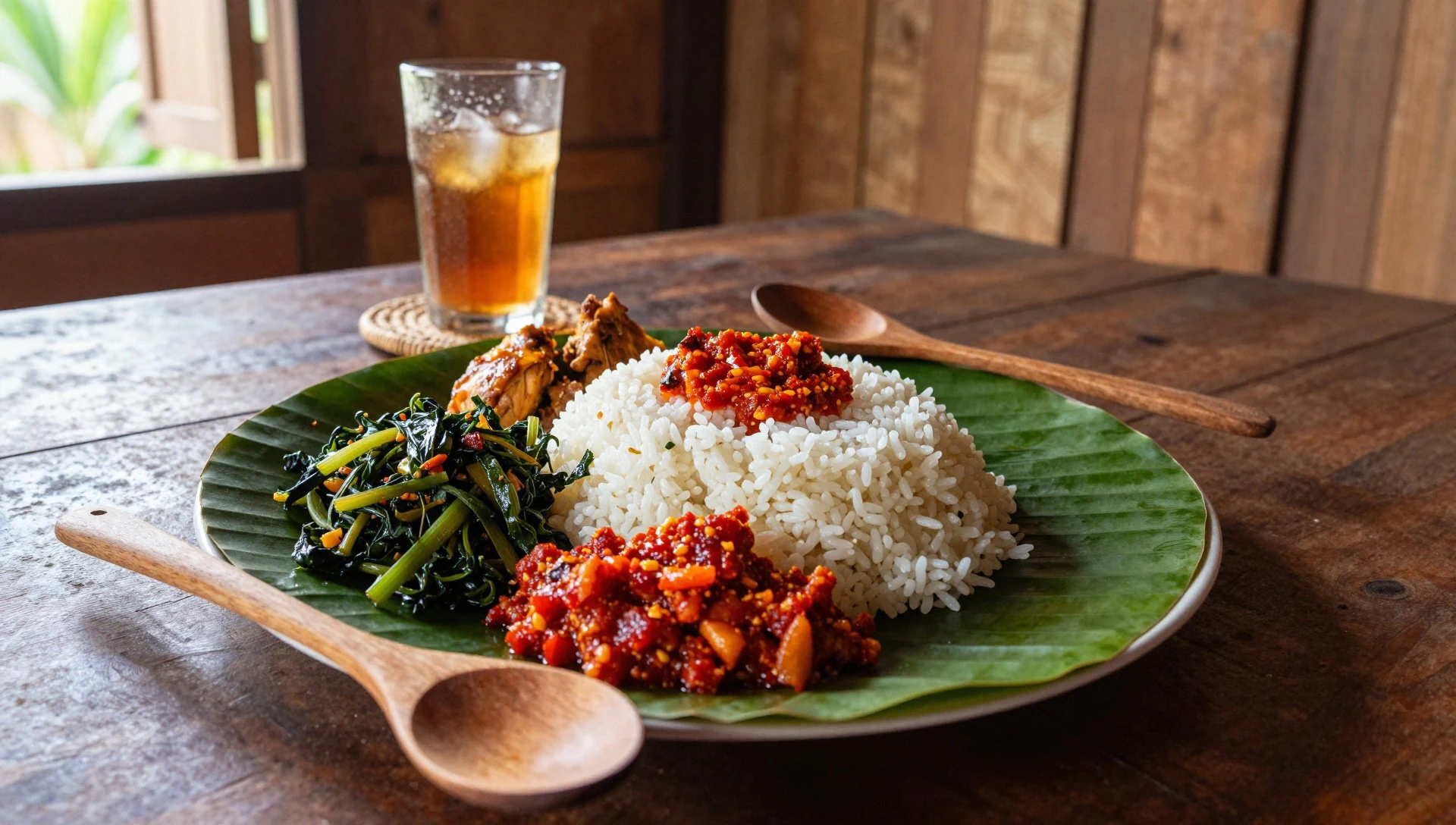
- Grilled fish and sides — Market stalls and roadside eateries
Coastal and river-influenced areas make fish a frequent ingredient. You’ll usually find it grilled, alongside rice and seasonal greens. It’s a good option when you’re passing through food stalls or local restaurants rather than expecting a café menu.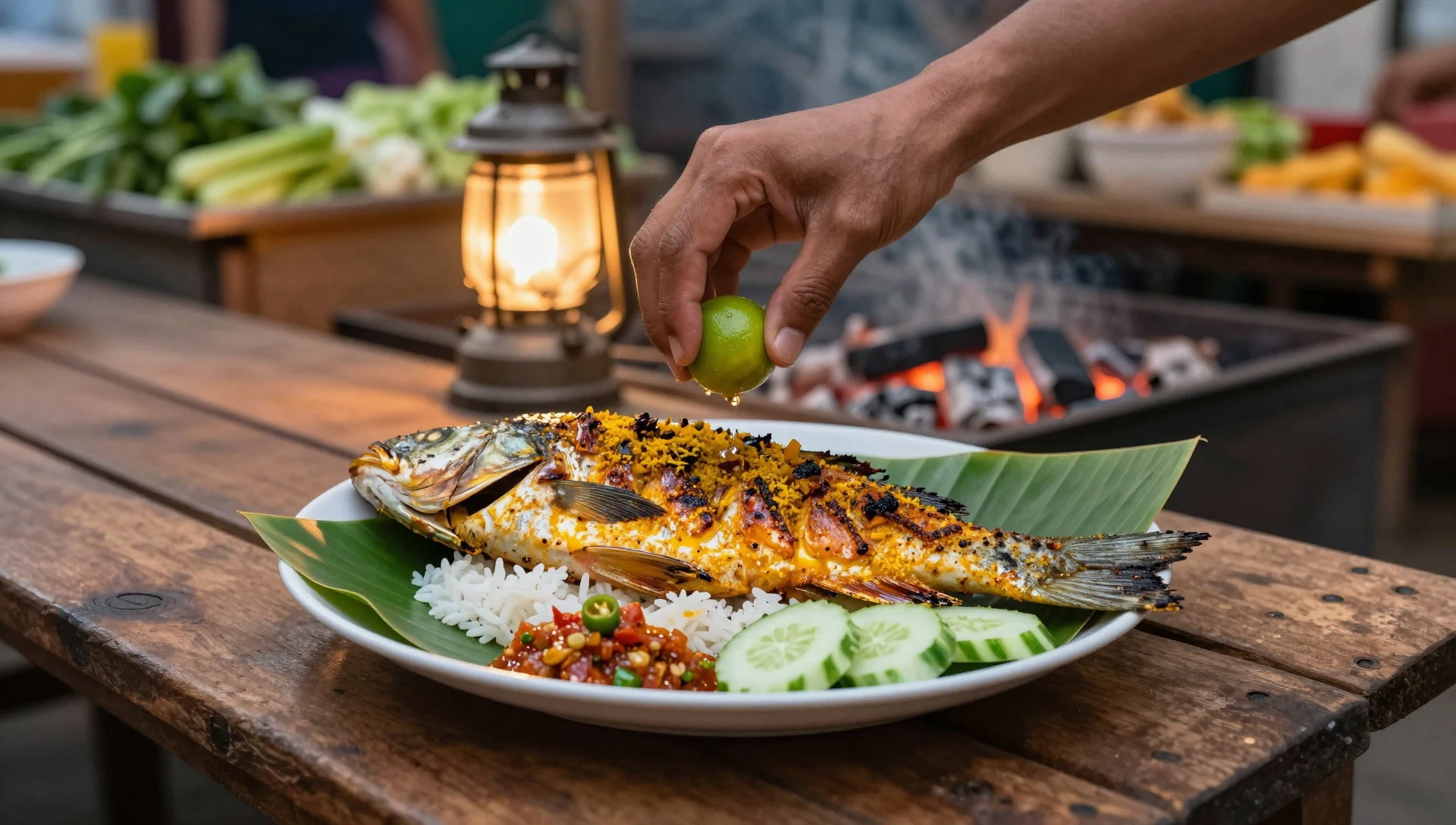
- Noodles or soto-style soups — Local eateries near transport hubs
Indonesian-style soups and noodle dishes are widely available and easy to eat when travel days get long. They’re filling without being heavy, and you can often choose meat or vegetarian options. Seek them at everyday eateries near transport hubs. - Fresh fruit between legs — Morning markets and roadside fruit sellers
After long travel and waiting time, fresh fruit can be a lifesaver—manageable, hydrating and usually available in markets. Go for whatever is in season and has good hygiene, especially when you’re moving between towns and staging areas. - Snack platters from markets — Local markets and snack streets
Markets often offer small bites—fried snacks, sweet treats, and simple street foods—useful when you’re heading out and need quick energy. Choose vendors with steady turnover and eat on the spot when possible.
Plan it
Best time. March–April for relatively drier, clearer conditions and late October–November as another good window; June brings frequent rain, and August is also one of the wetter months, which can make trekking and travel days harder.
How long. 3–4
Getting there. Arrive in Papua via the nearest major hub serving the Central Papua region, then take the last legs by local transport to your expedition base and on to Lorentz routes organised with guides and operators.
Budget. high
Tips
- Plan around expedition logistics rather than expecting a simple day-trip—most time goes to getting into position.
- Start early on travel days and keep buffers for weather; heavy rain can slow movement in forest and mountain areas.
- Bring water treatment or reliable purification methods, and don’t rely on being able to refill everywhere.
- Use lightweight layers plus warmer gear for higher elevations; temperatures can shift noticeably.
- Keep some cash aside for small purchases in towns and markets where card use may be limited.
Etiquette
- Follow local guidance for movement and camps—safety and conservation rules often come from people who know the terrain.
- Ask before photographing people, especially in community or working areas near access routes.
- Stick to agreed areas and avoid trampling vegetation when you stop for breaks.
Nearby
Sources
- Wikidata Q4516 (CC0)
- Wikipedia (rev 1381527554) (CC BY-SA 4.0)
- Wikivoyage (rev 4836784) (CC BY-SA 4.0)
- Photo photos/01-taman-nasional-lorentz.jpg (CC BY-SA 4.0)
- Photo photos/02-goura-scheepmakeri-sclaterii-1-luc-viatour.jpg (CC BY-SA 2.0)
- Photo photos/03-01mujib.jpg (CC BY-SA 4.0)
- Photo photos/04-carstenzs-from-other-side.jpg (CC BY-SA 4.0)
- Photo photos/05-carstenzs-piramida-mountain.jpg (CC BY-SA 4.0)
- Photo photos/06-grasberg-wastewater-in-ajkwa-river-20030529-photomap-fr.jpg (Public domain)
- Photo photos/07-keistimewaan-taman-nasional-lorentz-papua.jpg (CC BY-SA 4.0)
- Photo photos/08-taman-nasional-lorentz-merupakan-perwakilan-dari-ekosistem-t.jpg (CC BY-SA 4.0)


