Longwood House
Longwood House, Saint Helena, Ascension and Tristan da Cunha
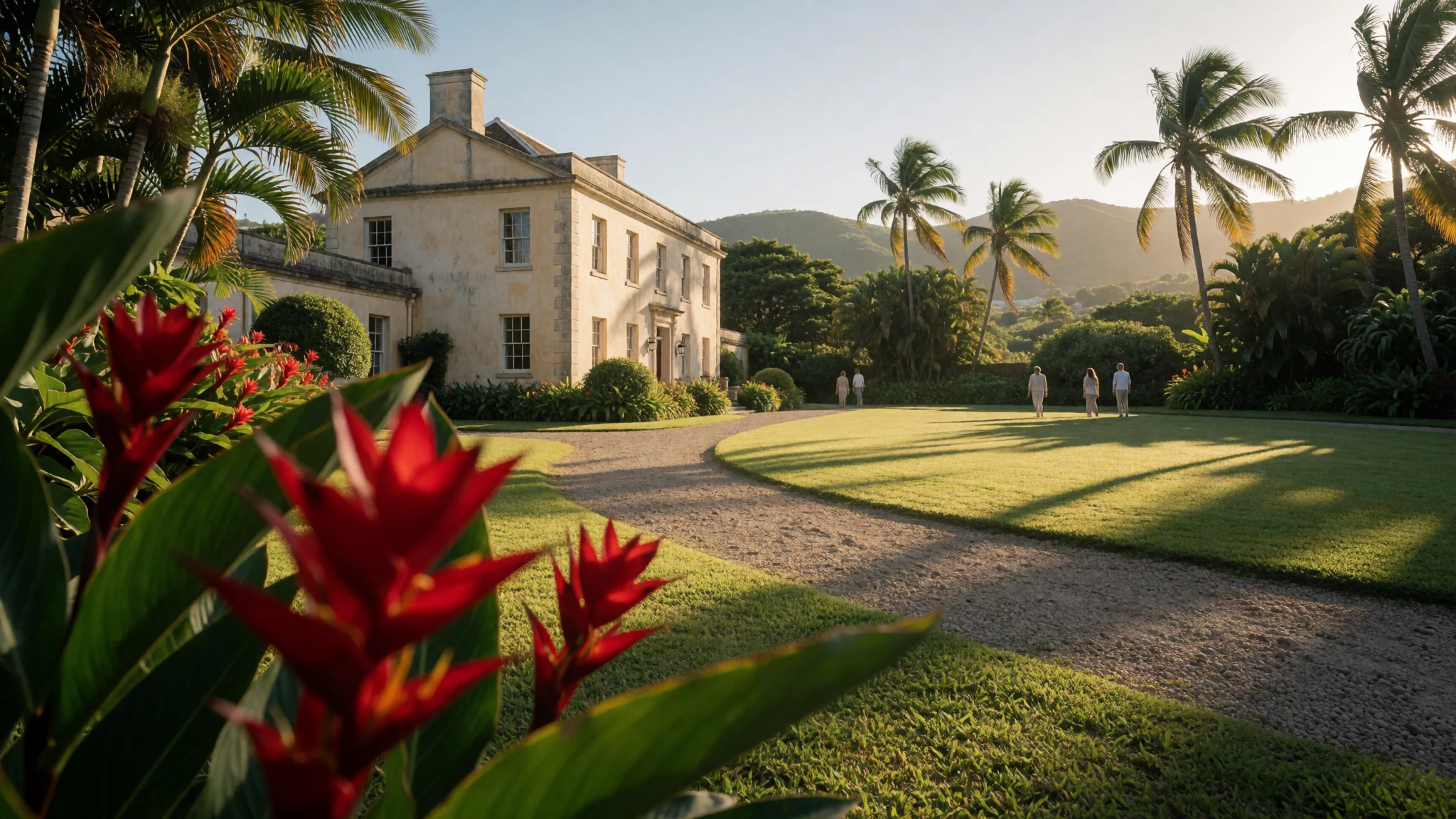
Longwood House lets you step into the last, quieter chapter of Napoleon’s story on St Helena, set inside a working museum today.
The place
Longwood House is a mansion on the remote British overseas territory island of St Helena, and it’s famous for one reason: it was Napoleon Bonaparte’s final residence during his exile. The house stands as a kind of time capsule. Inside, the narrative is less about battlefields and more about confinement—letters, routines, and the tension of being guarded and far from power.
Longwood started life as an East India Company farm. Later, it was reshaped into a proper residence for the Deputy-Governor, and once Napoleon arrived in 1815, the place was converted to suit his needs and those of his household. That change matters when you visit, because the building layout and the way rooms are presented to the public are tied to the period’s practical realities.
Now, Longwood House operates as a museum, so expect an experience that mixes historic rooms with interpretive displays. The island itself is part of the mood: the coastline, the slopes, and the weather can make the outside feel dramatic even when you’re just walking between points of interest.
In terms of day-to-day travel, it’s not the kind of site you pop into between cities. You’re going because you want the atmosphere, the letters-and-rooms storytelling, and the chance to see how an emperor’s exile was lived—down to the smallest details that a museum can still preserve. If crowds are heavy, they tend to come with the limited visit schedules typical of a far-flung island; planning ahead keeps it calm.
Its story
Longwood House’s story begins as something much more ordinary than an emperor’s exile. It was originally an East India Company farm, then it was repurposed as a residence linked to colonial administration. When Napoleon became the centre of European politics again—this time removed from the mainland—Longwood was adapted for him.
Napoleon lived at Longwood after his exile began, and over time the British government realised the arrangement wasn’t ideal. The key issue wasn’t just comfort; it was whether the house and its setting suited an ageing, closely watched prisoner and the people around him. By the time of his death, the British had built a new house for him nearby, intended to be more suitable, but Napoleon never occupied it.
A telling thread in the background is the move to Rosemary Hall. In February 1818, Governor Sir Hudson Lowe suggested to Lord Bathurst that Napoleon should be moved there, and the reasoning is specific: Rosemary Hall lay in a kinder, more sheltered corner of the island, protected from the winds and shaded—qualities Napoleon had preferred. That detail turns the “exile” label into something more human: weather mattered, shade mattered, and day-to-day livability mattered.
For visitors, the museum framing makes these shifts feel tangible. You’re not just looking at a historical landmark; you’re watching a whole system react—how authorities, governors, and advisors attempted to solve practical problems around one man. Longwood House sits at the heart of that compromise: it’s both residence and record, preserved so the story doesn’t drift into myth.
What to see
- Napoleon-linked rooms at Longwood House — Longwood (site interior)
Longwood House is arranged to help you understand exile life, with rooms and displays focused on the period when Napoleon was living there. It’s a slower, more interpretive kind of visit than you might expect—more “how it was lived” than “what it looked like from outside”.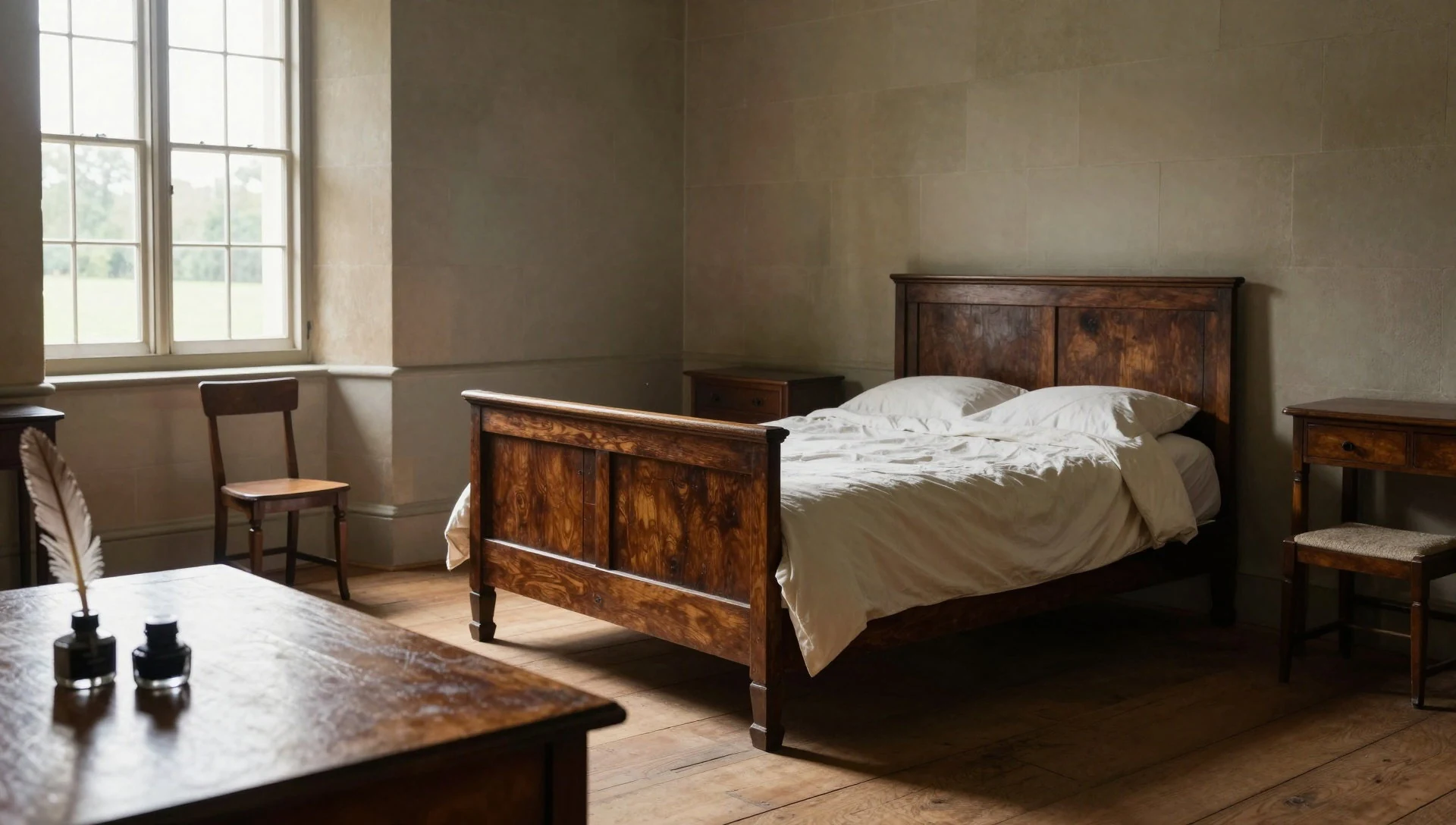
- Exile-period household atmosphere — Longwood (museum sections)
The presentation leans into daily routines and the atmosphere of being an important prisoner on a remote island. Even without trying to “imagine the past”, the museum layout encourages you to connect rooms, stories, and objects into one lived timeline.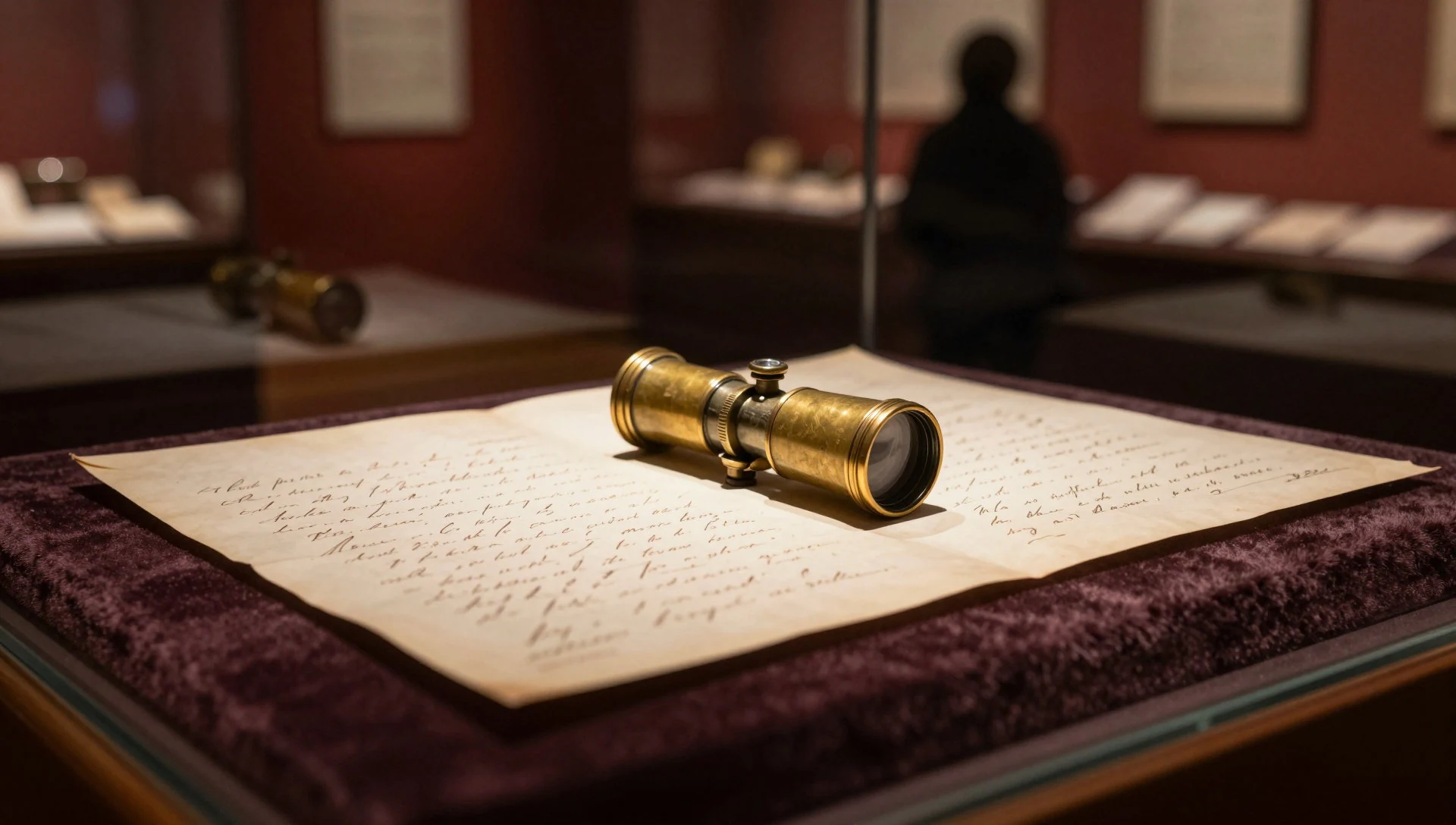
- Historic house architecture and grounds — Longwood (exterior)
Longwood’s physical setting matters: the building sits on St Helena, where wind, shade and weather change the feel of your walk around the property. The exterior views give you context for why shelters and comfort became part of the relocation discussions.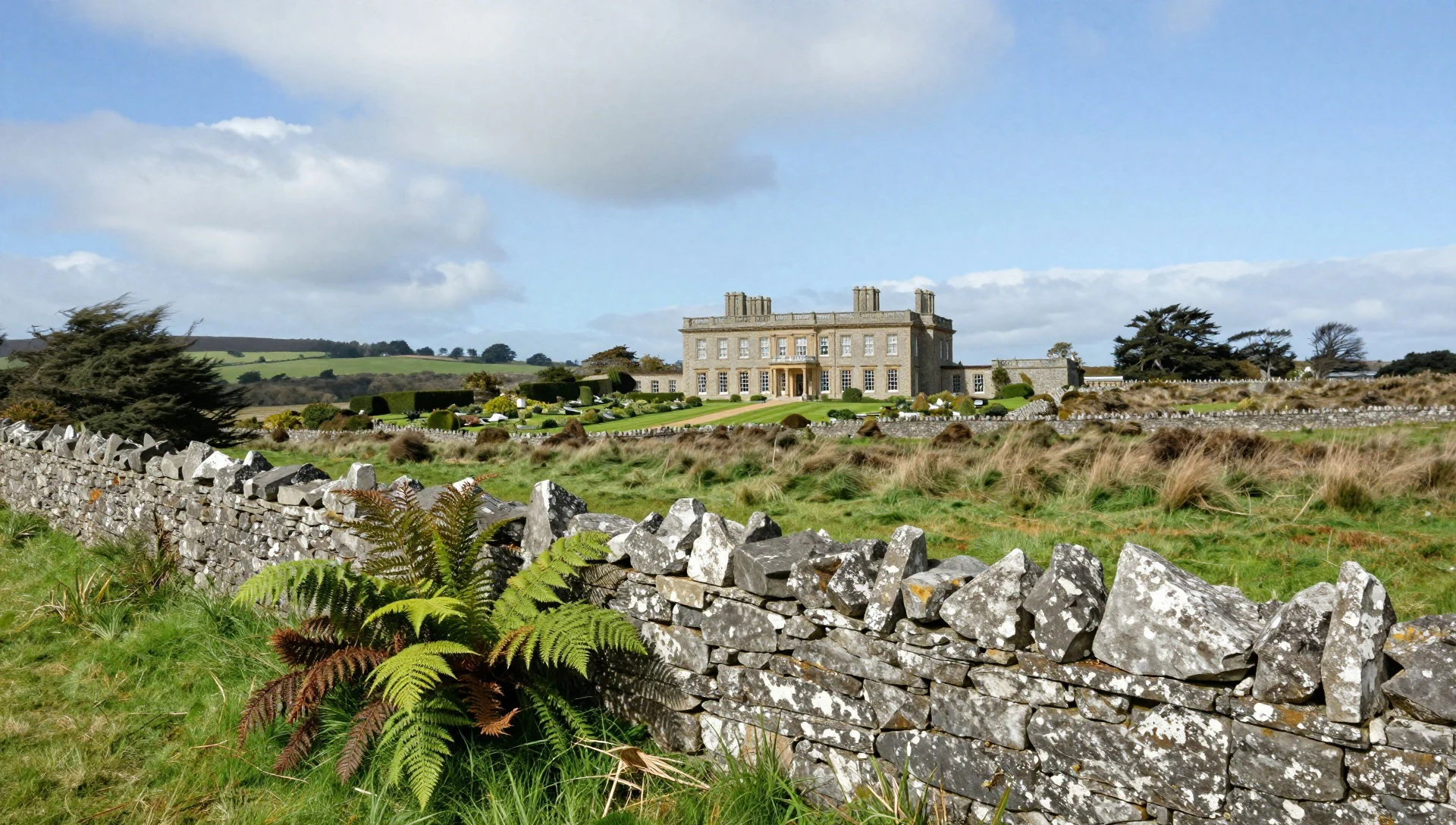
- Napoleon’s final residence narrative — Longwood (exhibit flow)
Longwood House anchors the broader “last chapter” story of Napoleon’s exile on the island. The displays connect the residence with later planning for changes in accommodation, so you see Longwood not as a single moment, but as part of a shifting plan.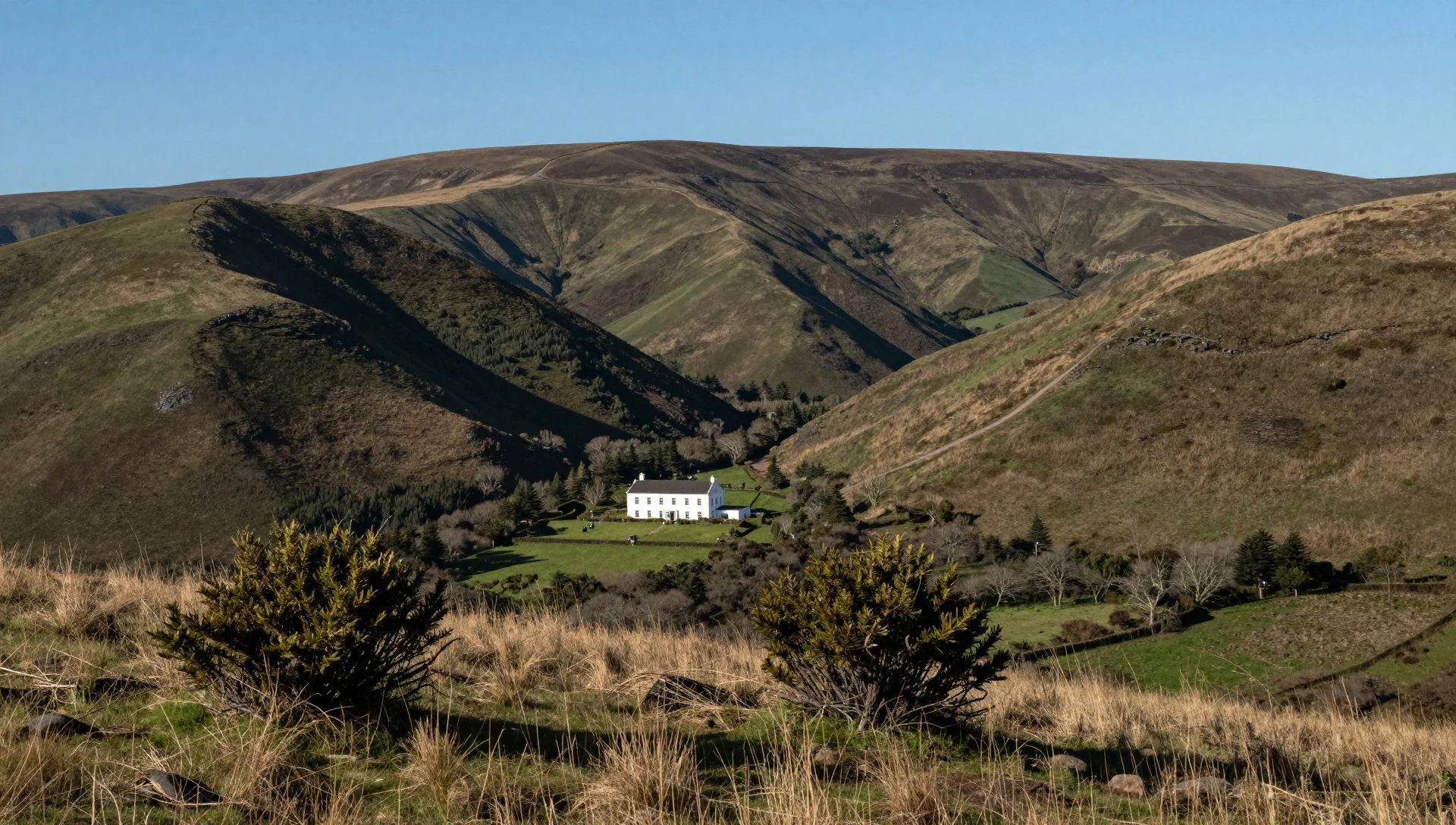
Culture
Longwood House is a history museum tied directly to Napoleon Bonaparte’s exile, so the vibe is reflective rather than party-like. Visitors typically move through the rooms at a gentle pace, reading labels and looking carefully at period details. Because this is on a remote island, you may find visit slots that feel limited compared with big mainland museums; if a group is just finishing, there can be a small bottleneck at doorways and entry points.
Photography is usually where etiquette matters most. Try not to block passages or linger in entrances while others are trying to see the next display. If there are staff-led explanations, listen—these sites can be more engaging when you catch the context rather than trying to read everything alone.
Dress-wise, keep it practical. Even if the sun is out, St Helena’s weather can shift, so wear layers and closed-toe shoes. Indoors, keep bags close and avoid carrying bulky items that bump furniture or display cases.
The museum setting is calm, but it’s still a public space inside historic property, so act respectfully with the people in front of you as well as with the rooms themselves. Visitor etiquette: keep noise low, don’t block doorways for photos, and follow staff directions for where photography is allowed.
What to wear
There isn’t a single “traditional dress” expectation at Longwood House in the way you’d see at major heritage sites that actively stage cultural performances. The focus here is historical interpretation—Napoleon’s residence and exile life—so what matters most is comfort and modesty in a museum environment on St Helena.
What people wear now will look practical and weather-ready: breathable tops for warmer moments, and a light layer for cooler air and breeze. St Helena’s conditions can feel changeable, especially around open areas, so plan for wind and possible damp.
If you’re visiting other sites on the island, modest clothing tends to make sense: covered shoulders and long-ish trousers/skirts are a safe bet, particularly if you move between outdoors and any religious or heritage settings you might encounter. Footwear matters too—choose shoes that grip well, because museum visits often include short walks and uneven ground around heritage buildings.
For a visitor wardrobe at Longwood House: wear layers, bring a light jacket, and stick to closed-toe shoes you can walk in comfortably for a couple of hours.
What to eat
- Salt cod-style dishes (where available) — Island-wide restaurants and cafés catering to visitors
On St Helena, seafood can show up on menus, including preparations that echo salt-preserved traditions. Look for island eateries and visitor-facing cafés that offer daily specials rather than relying on a fixed “Napoleon-themed” menu.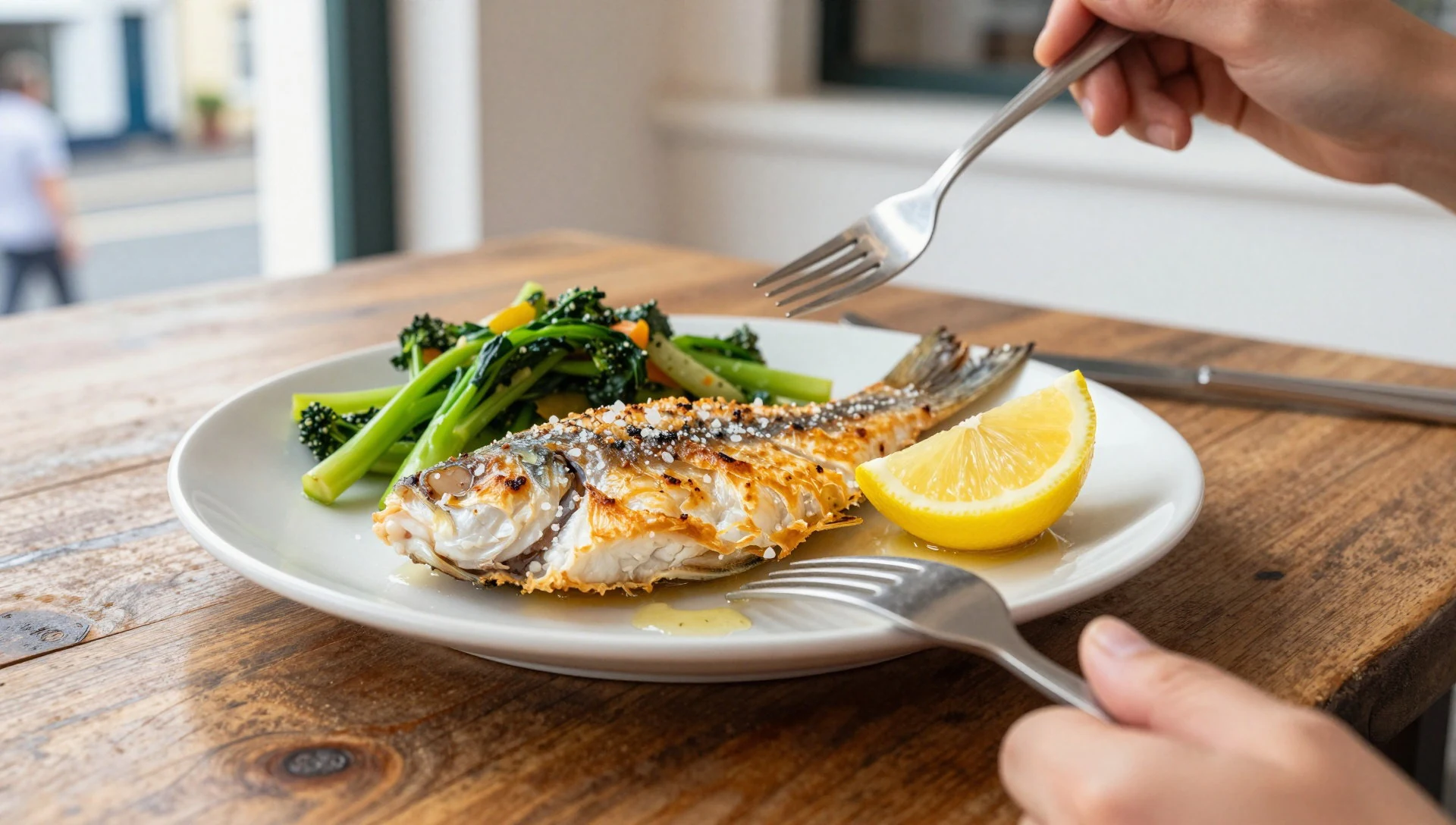
- Island-baked bread and simple pastries — Local bakeries and cafés
For an easy, low-fuss meal between walks, you’ll often find bread, buns and sweet pastries that suit the island pace. It’s a good choice when you want something quick before heading out to heritage sites.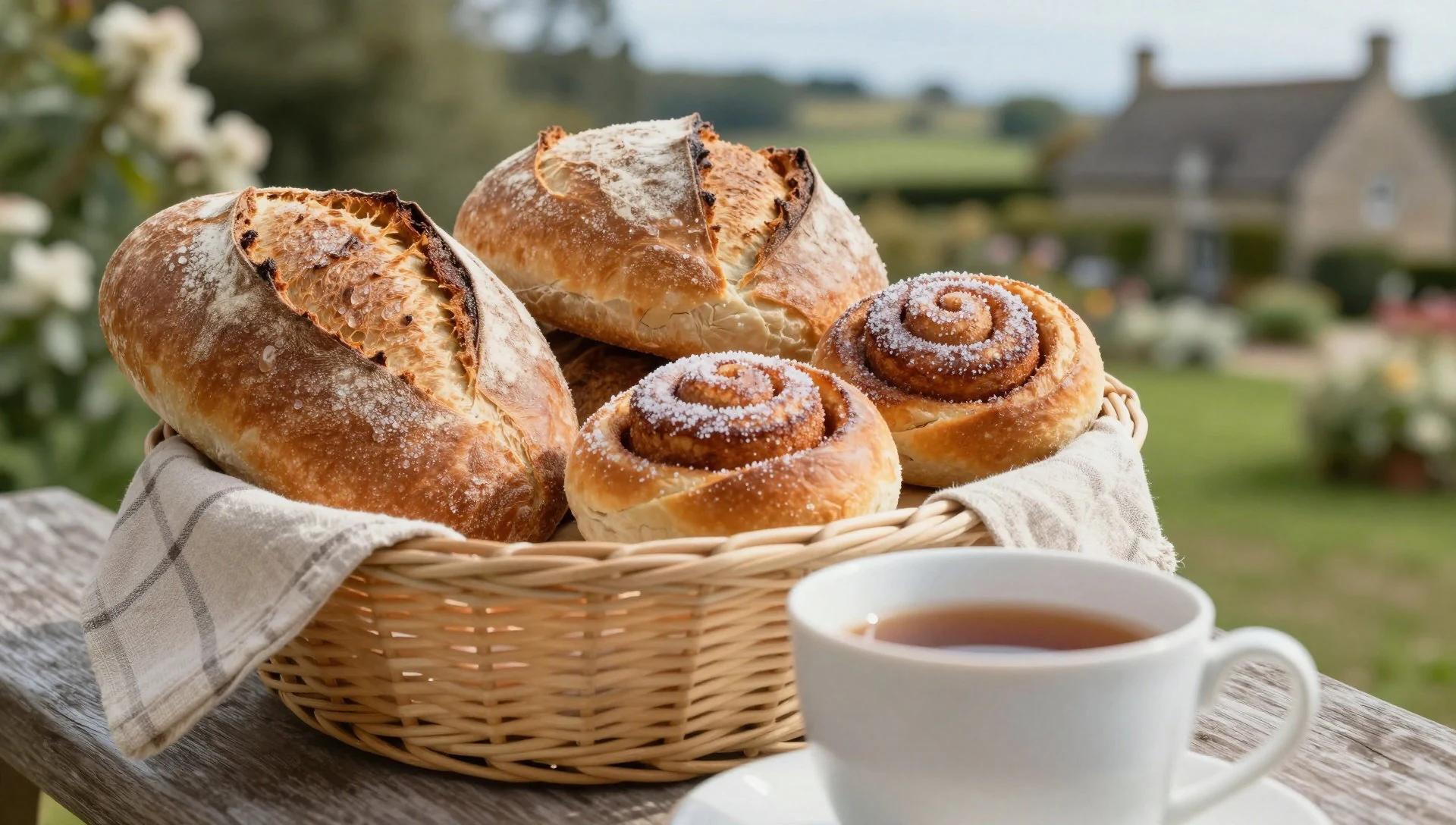
- Fresh fruit and yogurt-style bowls — Breakfast counters and cafés
St Helena visitors tend to appreciate lighter options, especially when the weather turns warm. Seek out breakfast boards or fruit-and-dairy bowls at local cafés—often the simplest way to eat well without a long sit-down. - Hearty stew or curry specials — Dinner at local eateries (ask for the day’s special)
When the breeze picks up, comfort food hits the spot. Many islands’ menus lean toward stews and curries because they stretch well and suit cooler evenings, so ask what’s on as a daily special. - Local tea and cakes — Tea service at cafés
Afternoon tea-style snacks can be a nice rhythm on a small island. Find a café that pairs tea with cake or biscuit assortments, especially useful if you’re pacing your day around museum opening times.
Plan it
Best time. March–April and October–November are the most comfortable months to visit: they’re among the warmest periods for daytime temperatures (with March about 26°C high and October about 21°C high) and they have relatively low rainfall (around 6 mm in March and 4 mm in October).
How long. 2–3
Getting there. Fly into Saint Helena Airport (HLE), then plan the last leg to Longwood based on local transport options once on the island; flights are limited, so align your itinerary with scheduled service.
Budget. mid
Tips
- Request entry approval in advance from the Administrator’s office, and do this before you book any last-mile connections.
- Carry full medical insurance that covers medical evacuation, as required for visitors.
- Build buffer time around limited island travel options—schedule Longwood on a day you’re not rushing for transport.
- If the weather shifts, keep a light layer ready; wind and changes in conditions affect comfort outdoors.
Etiquette
- Follow instructions from staff about where visitors can stand and move inside the museum rooms.
- Keep noise down while others read labels; don’t block entrances for photos.
- Ask before photographing people, and be mindful of reflections behind glass or in display areas.
Nearby
Sources
- Wikidata Q578060 (CC0)
- Wikipedia (Longwood House) (CC BY-SA 4.0)
- Wikivoyage (Saint Helena, Ascension and Tristan da Cunha) (CC BY-SA 4.0)
- Photo: Longwood House le 12 janvier 2008 (CC0 1.0)
