Llogara National Park
Llogara National Park, Albania
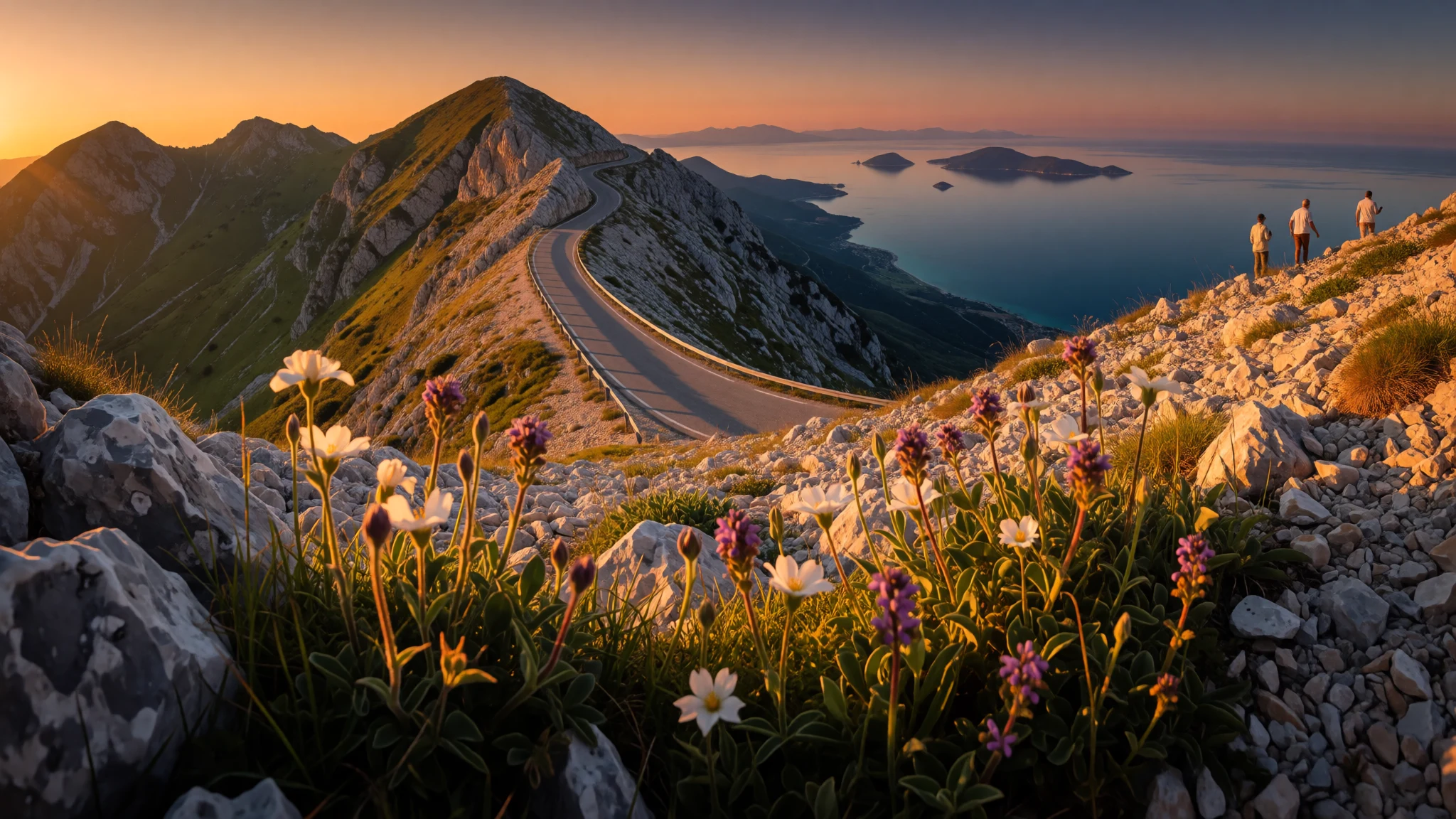
Llogara National Park lifts the Albanian Riviera road into pine forest and cool air, with sea views from a pass at 1,027 m.
The place
Llogara National Park covers the high ground of the Ceraunian Mountains in south-western Albania, where the range drops steeply towards the Ionian Sea along the Albanian Riviera. The protected area is small, about 1,769 hectares, but it holds a lot of change in that space: alpine meadows, bare vertical rock faces, precipices and dense forest, with forest covering most of the ground. The road through the park crosses Llogara Pass at 1,027 m, and from there the mountains look out over the coast and several islands offshore. The rock is mostly limestone and dolomite, which gives the slopes their pale, broken look. The climate is Mediterranean, so summers are hot and dry, while winters are the wettest season, yet the summit area around Maja e Çikës feels alpine, and snow settles on the peaks in winter while the shore below stays bright. That contrast is the park's real character: pine and fir in the morning cool, the sea glittering far below, and warm beach towns a short drive down the hill. The trees include Bosnian pine, black pine, silver fir, Bulgarian fir, ash and kermes oak. Griffon vultures and golden eagles are the birds of greatest conservation concern, and roe deer, fallow deer, chamois and wolves are among the mammals, though most visitors will see birds and little else. A small tourist village near the pass holds the restaurants, lodging and a camping area. The park was set up in 1966 and is listed by the IUCN as Category II.
Its story
Llogara National Park was established in 1966, and the reason was the mountain itself rather than any single monument. The Ceraunian slopes carry forests and plant communities with a high share of endemic species, a result of the southern latitude and a steep climb from sea level to alpine ground. The park was meant to protect those ecosystems and the wildlife that depends on them, and the area has since been designated an important site for birds and plants. The landscape has a longer human story than the protection. This coast has long been a route between the Adriatic and the Ionian, and the pass is where travellers heading south go over the ridge rather than round it. Palasë, on the shore below, is traditionally linked with Julius Caesar's landing during the Roman civil war, a reminder that armies and traders knew this mountain wall long before hikers did. Wind is the park's other storyteller. Air currents pushing through the area have bent some trees into sweeping, lopsided shapes, and Pisha e Flamurit, the Flag Pine, is the name given to one example, its crown combed in a single direction like a banner. Today the question is balance. Tourism is the economic engine the park leans on, and local people and officials see it as the likeliest route to sustainable income. The challenge is keeping that income compatible with the forests that visitors come for. For such a small park, Llogara carries a large load.
What to see
- Llogara Pass — Main SH8 road through the park
Llogara Pass is the park's signature stop, reached on the road between Vlorë and the southern coast. At 1,027 m the road tops the ridge and the view opens over the Riviera and the islands offshore. Pull into a lay-by on a clear morning, when the haze is thin.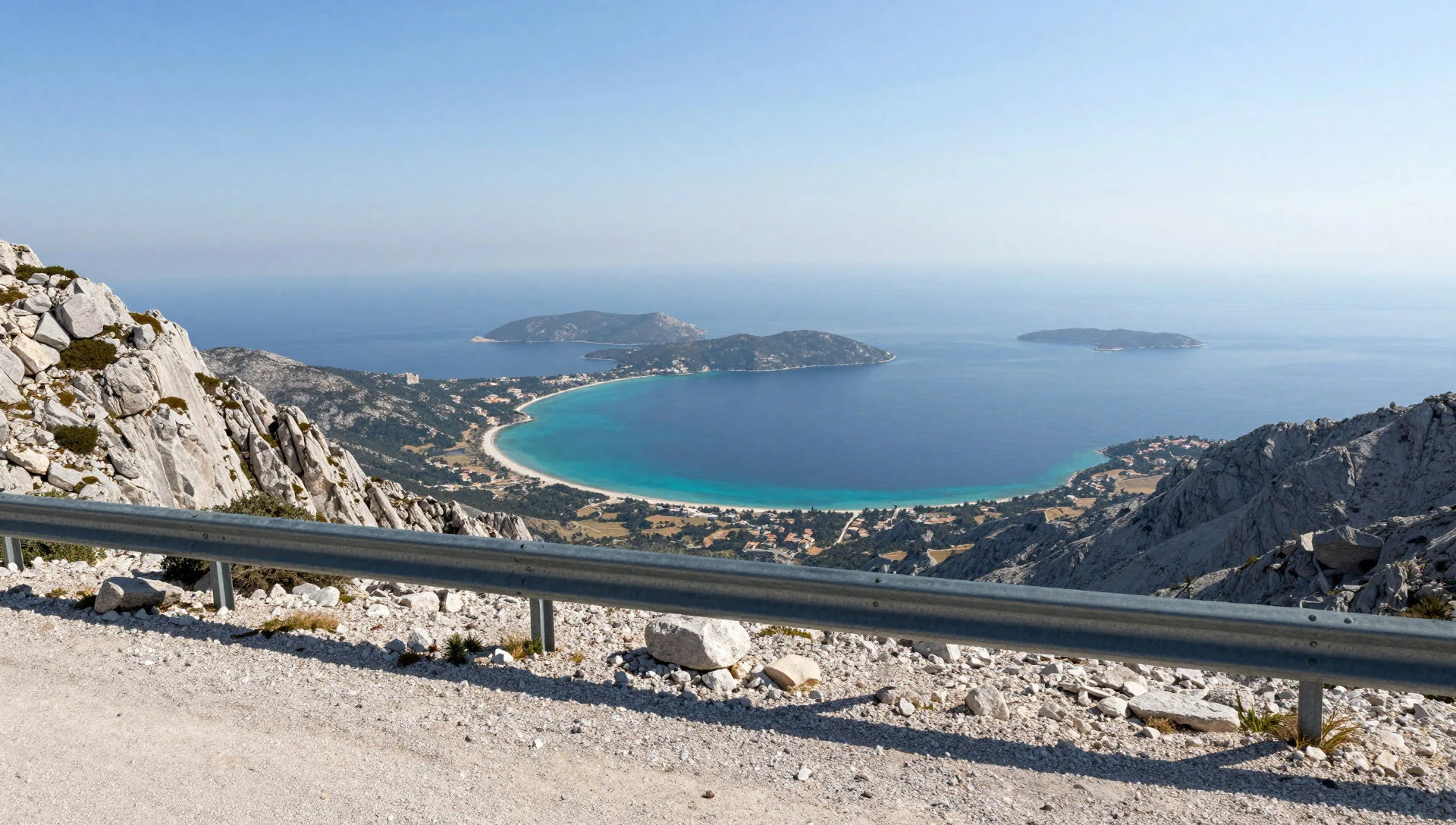
- Llogara tourist village — Near the pass
The tourist village near the pass is the park's practical base, with restaurants serving Albanian food and pizza, mid- to high-end lodging, one camping area and a tourist office that can advise on routes. It is a good place to stop for lunch or orientation before walking.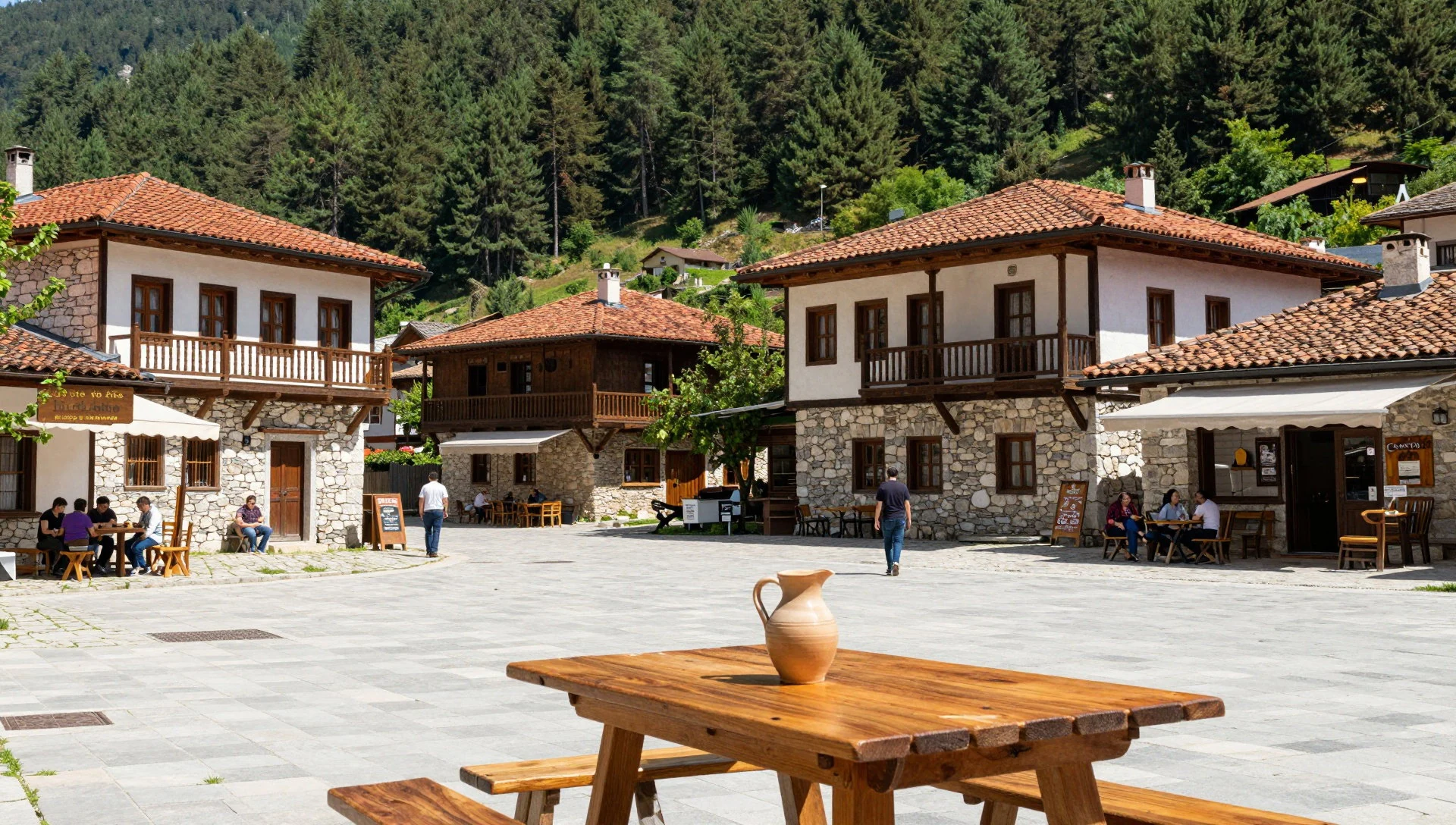
- Wind-bent pines and the Flag Pine — Forest around the pass
Air currents through the pass have twisted the park's trees into odd, sculpted shapes, and Pisha e Flamurit is the best-known example by name. Walk slowly among the Bosnian and black pines to see how exposure has shaped crowns, and ask at the tourist office for the tree's current location.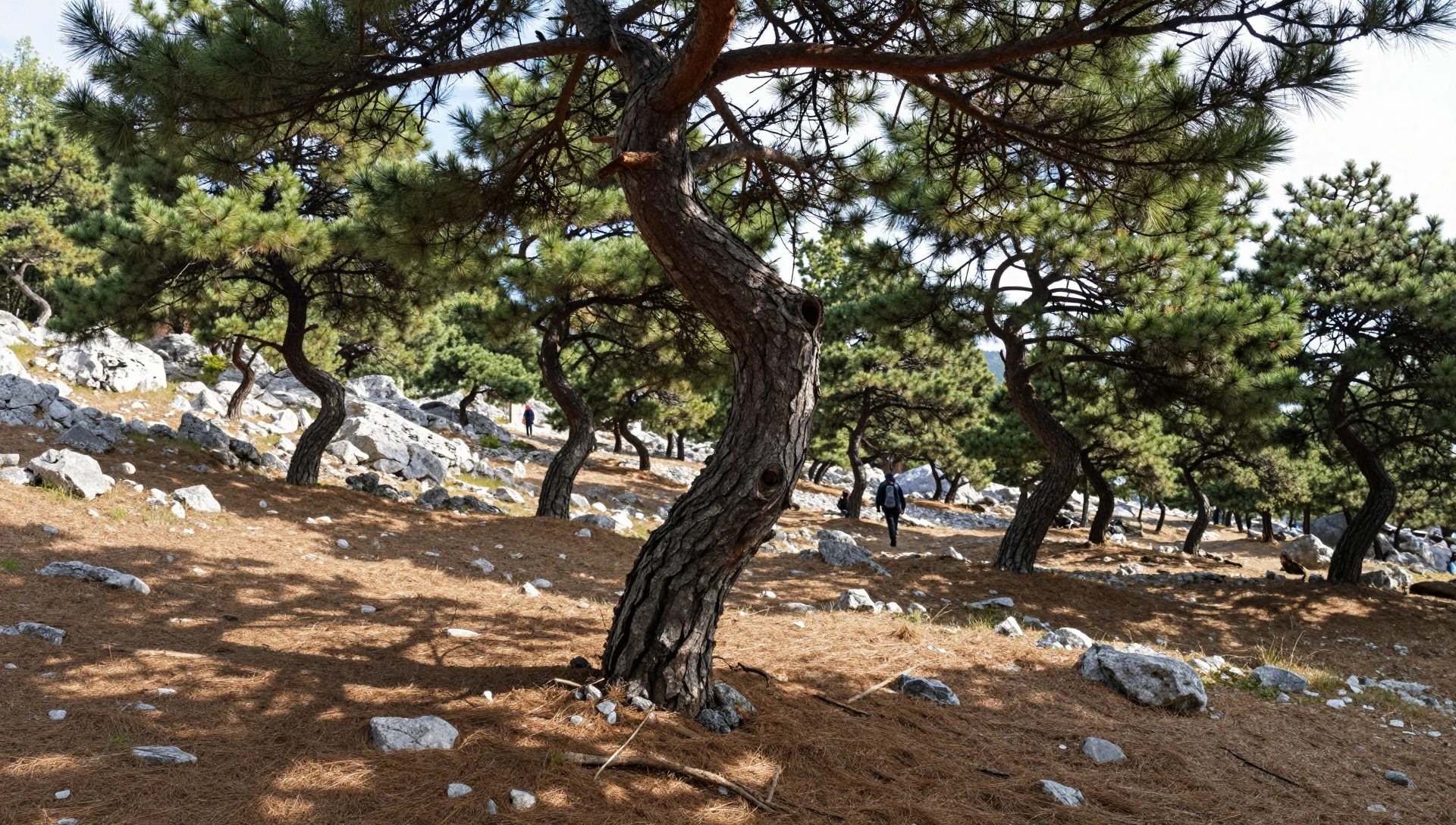
- Hiking trails and Maja e Çikës — Trails from the tourist village
Several hiking trails leave from the park. The shortest is a 4-hour return walk, and 2-day routes are also possible. They climb through forest to open meadow and alpine ground near Maja e Çikës, with views down to the sea. Carry water and start early in summer.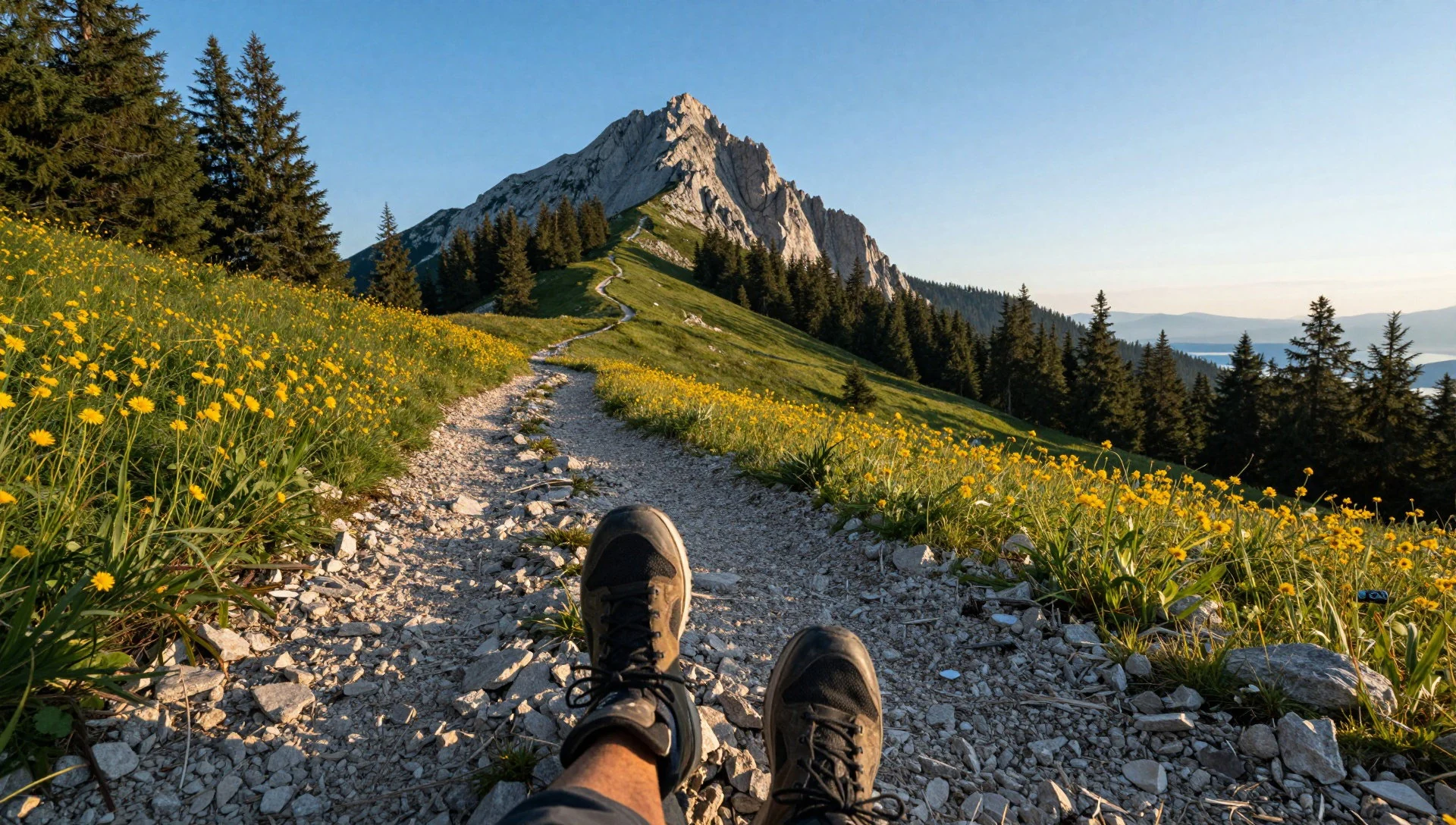
- Palasë and the shore below — Coast at the foot of the mountains
Palasë sits on the Ionian coast beneath the Ceraunian wall. The shingle shore and clear water make a natural second half to a mountain day, and the view back up shows how abruptly the range rises. Take swimming kit and sun protection, because shade on the beach is limited.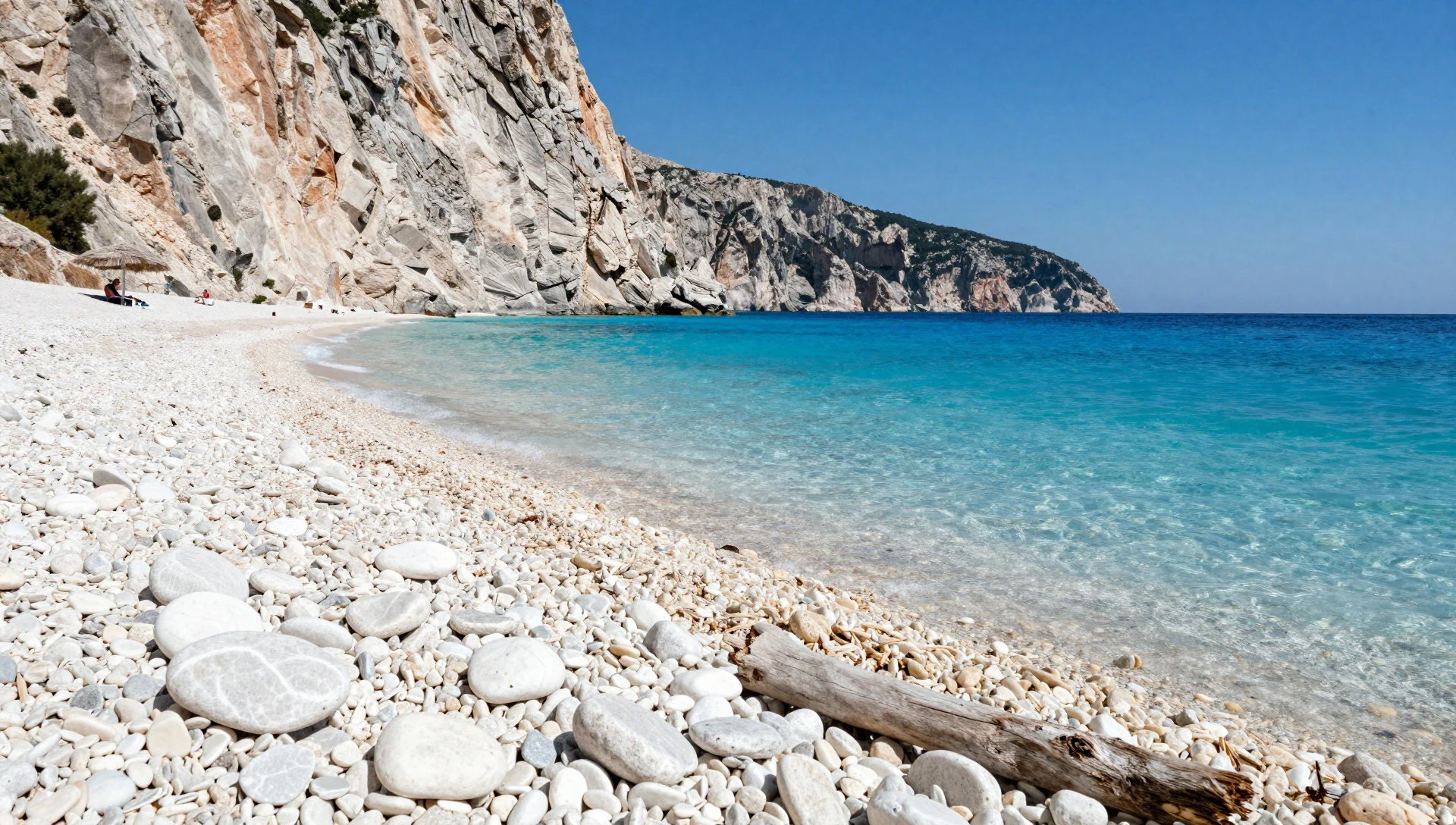
Culture
Llogara National Park sits in a part of Albania where mountain and coast cultures meet. The ridge has long been used by herders, and the villages below, around Dhërmi and Himarë, have their own local traditions, with Albanian spoken alongside Greek in some communities. Food, coffee and conversation are central to daily life, and a meal in the tourist village near the pass tends to be unhurried, with plates shared across the table. Hospitality is taken seriously, so a refusal of food or coffee is best made politely and with thanks. The park itself is a modern idea layered on older ways of using the land. Forest, meadow and pasture still serve local people, and signs of grazing or small plots are not unusual beside the road. Visitors will often meet shepherds, beekeepers or drivers on the road, and a greeting in Albanian goes down well; "mirëdita" is good day and "faleminderit" is thank you. Roads on the coast are winding, drivers can be fast, and Sunday evenings and August weekends are busy with Albanians heading to the beaches. Conservation is a young cause here, and the park's staff and tourist office depend on visitors respecting the rules. Do not light fires in the forest, and carry every piece of rubbish back out with you.
What to wear
Around Llogara and the southern coast, traditional dress has used wool, felt, linen and cotton, often with dark embroidery on waistcoats and jackets. Men's festival costume in southern Albania includes the pleated white fustanella, and white felt caps are a familiar sight in folk performances. These outfits are mostly seen today at weddings, festivals and in folk groups, not on ordinary days. What people actually wear now is plain and practical. In the villages, that means jeans, fleeces and sturdy shoes, while beach towns below the pass are dressed in light summer clothes and swimwear. Walkers and drivers on the road tend to dress for the weather rather than for show. A visitor should plan for two climates in one day. At the pass, mornings and evenings can be cool and breezy even in summer, so bring a warm layer and a light rain shell. In the sun, a hat, sunglasses and sunscreen matter, because the meadows and ridges are open. Footwear needs grip, as the limestone is loose and slippery in places; trail shoes or light boots are better than sandals. Dress codes are relaxed, though shoulders and knees should be covered if you visit a church or monastery on the coast. Swimwear belongs on the beach, so change before heading into villages or restaurants.
What to eat
- Byrek — Bakeries in Vlorë and the coastal towns
Byrek is a flaky baked pie, usually filled with cheese, spinach or minced meat, and sold by the slice. It is cheap, easy to carry and handy for hikers. Buy it from a bakery on the way up to the park.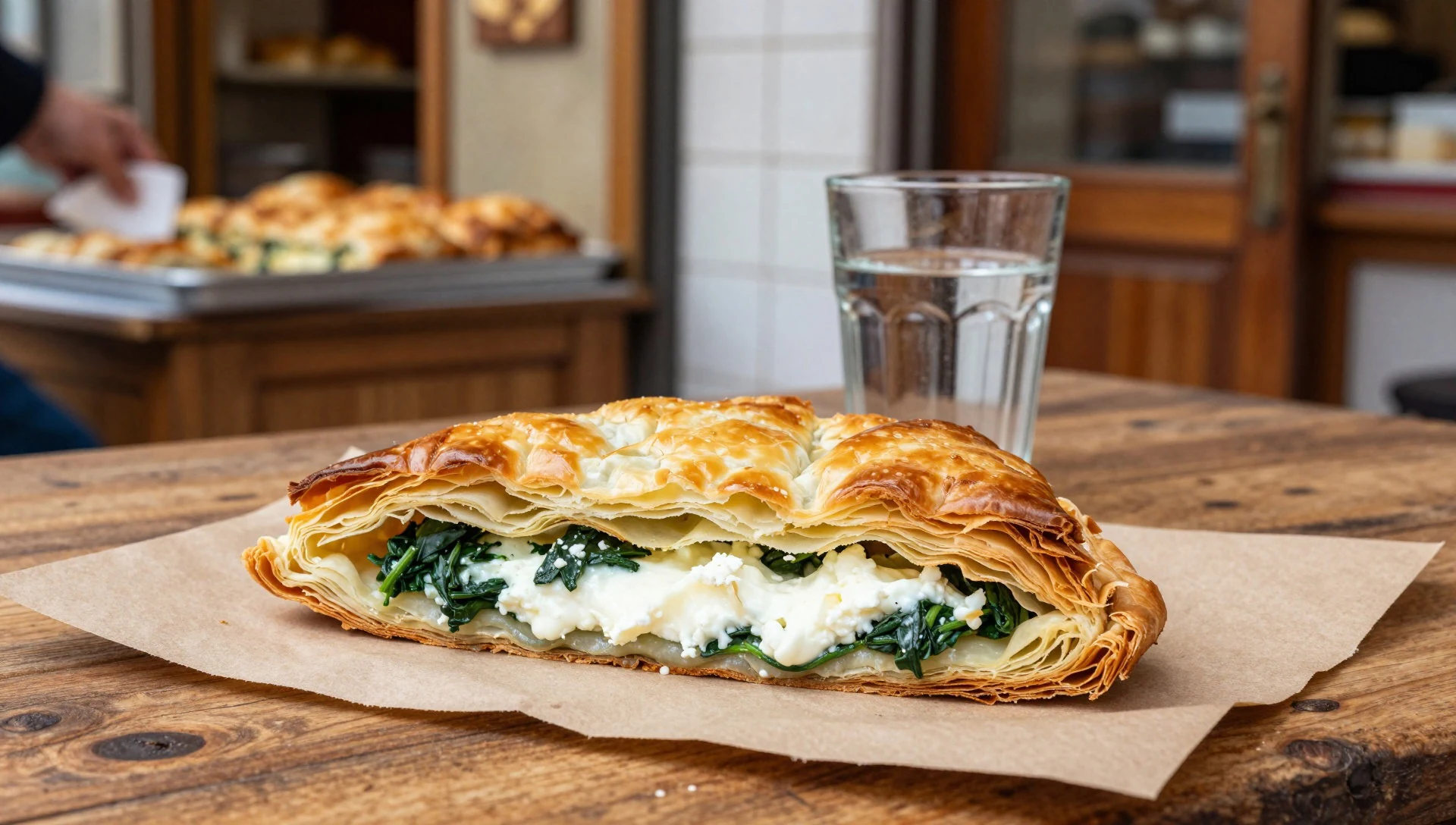
- Tavë kosi — Restaurants in the tourist village
Tavë kosi is lamb baked under a thick, egg-set yoghurt crust, served bubbling from the oven. It is a comforting dish for cool mountain evenings and appears on many menus serving Albanian food around the pass.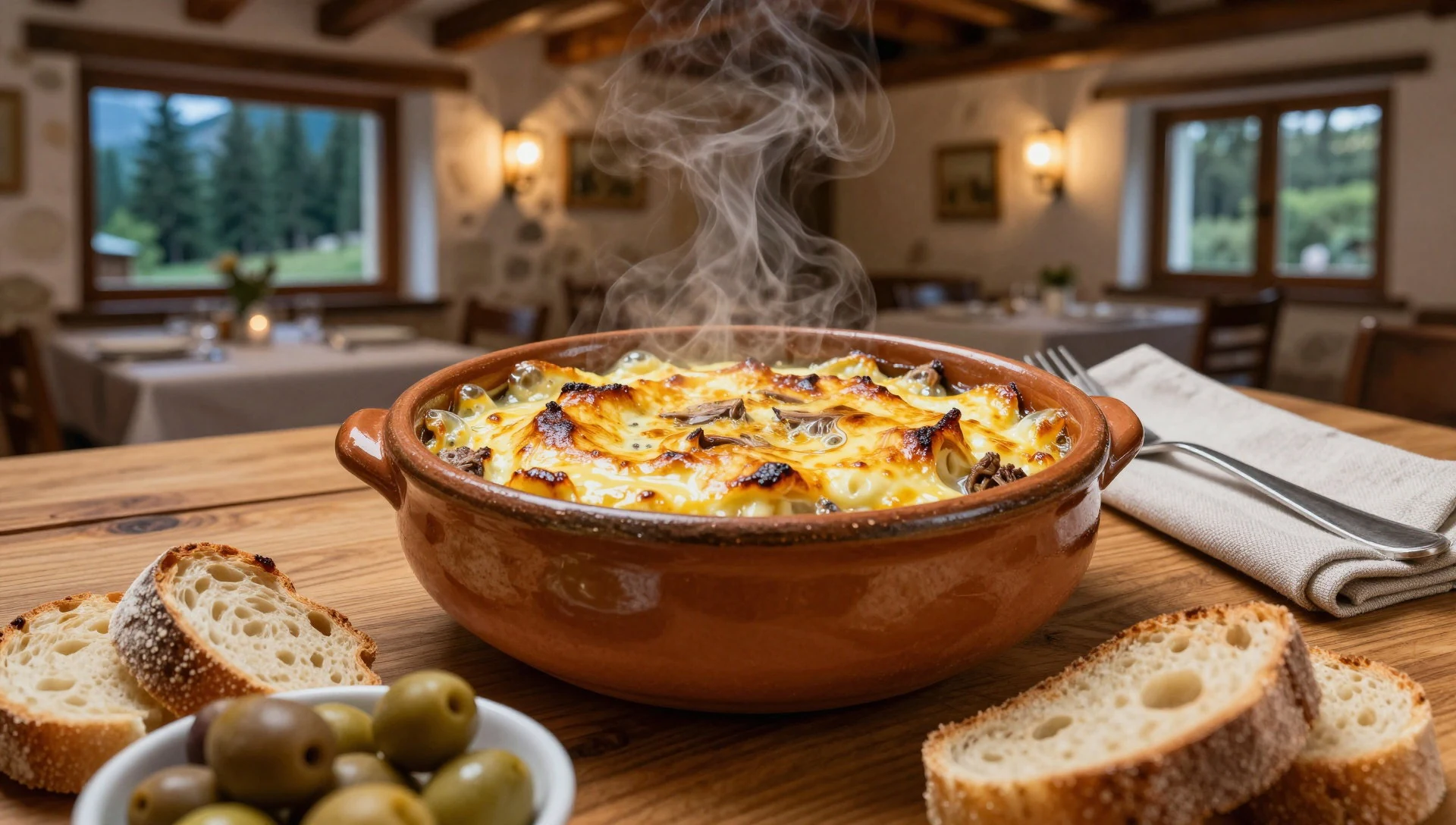
- Qofte — Grill restaurants along the SH8 road
Qofte are grilled meatballs, seasoned with herbs and often served with bread, tomatoes and chips. They are a simple, filling lunch and a common order at roadside grills between Vlorë and the southern coast. - Sallatë fshati — Almost any restaurant in the area
Village salad is tomato, cucumber, onion and peppers with feta-style cheese, olives and olive oil. In summer the vegetables are at their best, and it works well beside grilled meat or as a light meal after a walk. - Grilled fish and seafood — Seaside tavernas at Palasë, Dhërmi and Himarë
The coast below the park serves fish and seafood grilled with olive oil and lemon. Ask what was caught that day and order by weight if the menu offers it. These towns are a short drive downhill from the pass.
Plan it
Best time. May–June and September are the best months for walking, with warm days, clearer air and cooler nights at the pass. July and August are hot on the coast and busy with beach traffic, while winter brings cold weather and snow on the higher peaks.
How long. 1–2
Getting there. Fly into Tirana, then travel south by minibus or furgon towards Vlorë and the coast road. The park lies on the SH8 road between Fier and Sarandë, so a hire car makes the last stretch simple. Minibuses on the coast route can set passengers down at the tourist village, and early departures from Vlorë are common, so confirm locally.
Budget. mid
Tips
- Start walks early, especially in summer, since the meadows and ridges have little shade
- Carry water and snacks on the trails; services are in the tourist village, not on the mountain
- Bring cash as well as a card for small restaurants and roadside stalls
- Mountain weather can change quickly, so pack a warm layer and a rain shell even in summer
- Check with the tourist office about trail conditions and the current location of wind-shaped trees before setting off
Etiquette
- Keep to marked paths and carry all rubbish out of the park
- Do not light fires in the forest or meadows
- Ask before photographing farmers or shepherds at work
Nearby
Sources
- Wikidata Q686088 (CC0)
- Wikipedia: Llogara National Park (rev 1362850069) (CC BY-SA 4.0)
- Wikivoyage: Llogara National Park (rev 5311973) (CC BY-SA 4.0)
- Llogara pass, Albania — godo godaj (CC BY 2.5)
- DCIM\100GOPRO — Albania.wiki (CC BY-SA 4.0)
- Maja Çika at the Albanian Riviera seen from the beach of the Ioanian Sea — godo godaj (CC BY 2.5)
- Llogara (12) — JonaSali29 (CC0 1.0)
- Llogara (14) — JonaSali29 (CC0 1.0)
- Palase — JonaSali29 (CC0 1.0)
- Albania in 1998 — Helmut Kienzle (CC BY 4.0)
- Albania in 2002 — Helmut Kienzle (CC BY 4.0)


