Ljubljana
Ljubljana, Slovenia
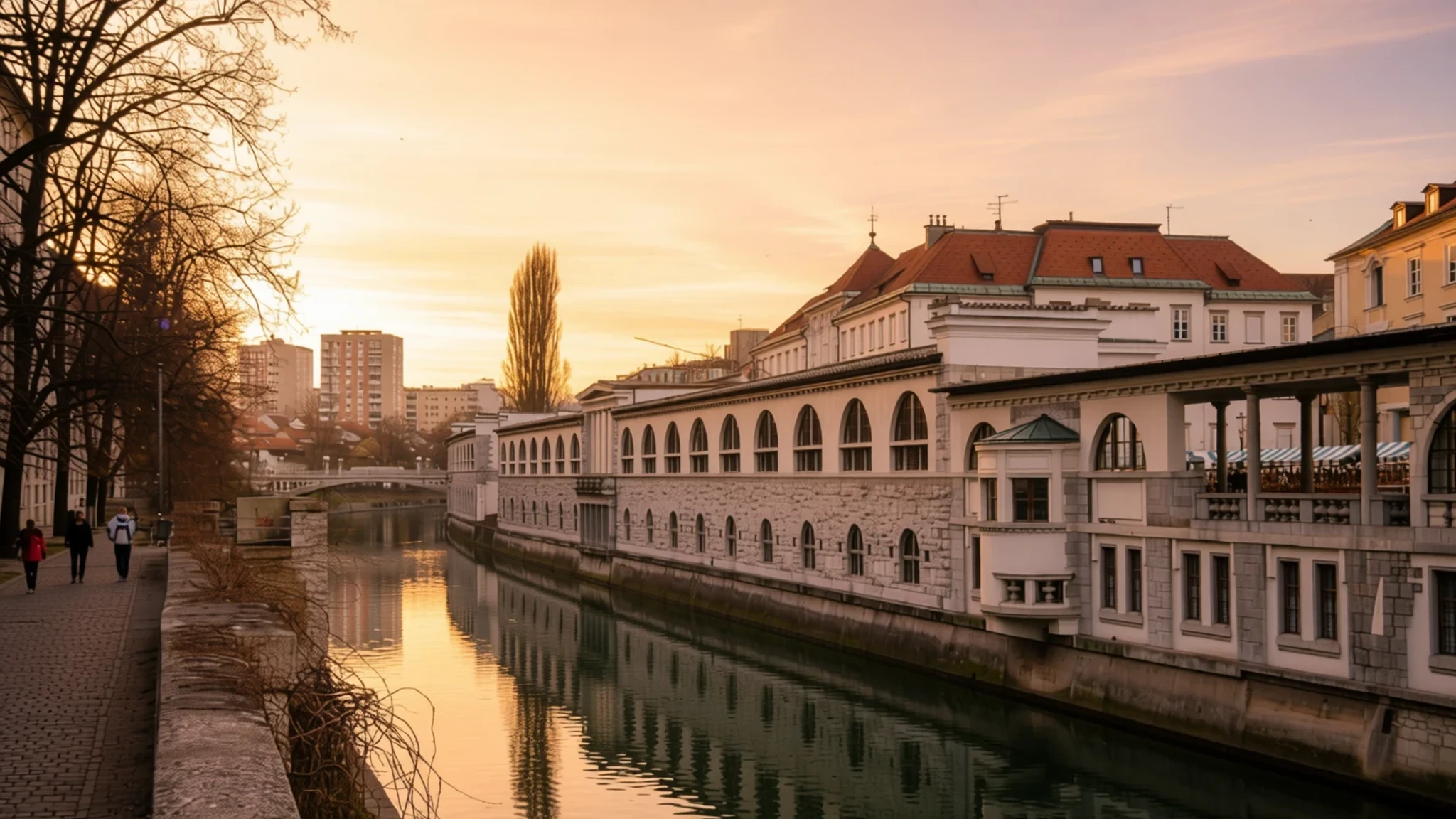
Ljubljana is a riverside capital where Central European elegance meets a relaxed, green Mediterranean spirit in a walkable city centre.
The place
Ljubljana serves as the political, economic, and cultural heart of Slovenia. Situated on a trade route that connects the northern Adriatic Sea to the Danube region, it sits just north of the country's largest marshland. The city is defined by its human scale; the centre is largely pedestrianised, making it an effortless place to wander. The Ljubljanica river winds through the core, lined with cafes and shaded by trees, creating a gentle atmosphere that feels more like a large village than a capital city. It has evolved from a Roman settlement into a multifaceted hub that reflects its diverse history under various empires. Today, Ljubljana is known for its focus on sustainability and green spaces, blending historic architecture with modern urban planning. Visitors will find a city that is easy to navigate on foot, where the transition from the bustling markets to the quiet side streets of the old town is seamless. The elevation is modest, and the layout encourages a slow pace of exploration. While it is the largest city in the nation, it avoids the frantic energy of other European capitals, offering instead a warm, welcoming environment where the outdoor lifestyle is embraced by locals and visitors alike throughout the warmer seasons.
Its story
The story of Ljubljana begins in the prehistoric marshes, where early settlers lived in pile dwellings. These ancient communities relied on hunting, fishing, and basic farming, navigating the wetlands in dugout canoes carved from tree trunks. The archaeological evidence from this era, including a remarkably preserved wooden wheel, provides a glimpse into a life tied to the water and the forest. As centuries passed, the site became a crossroads for various peoples, including the Illyrians and Celtic tribes like the Taurisci. Around 50 BC, the Romans established a military fort known as Iulia Aemona, which grew into a permanent town of several thousand residents. This Roman era ended in violence when the Huns, led by Attila, destroyed the settlement, followed by further raids from the Ostrogoths and Lombards. For much of the Middle Ages and into the modern era, the city was a key part of the Habsburg monarchy, serving as the capital of Carniola. It weathered various shifts in power, moving through the Austrian Empire and later becoming part of Yugoslavia after the World Wars. The city's identity was forged through these overlapping layers of influence, moving from a frontier military post to a sophisticated Austro-Hungarian centre, and finally to the capital of a sovereign Slovenia.
What to see
- Ljubljana Castle — Castle Hill
Perched on a hill, the castle offers a commanding view of the entire city. From the tower, you can see the winding river below and, on clear days, the distant Kamnik Alps and the Sava River, making it the best spot for orientation.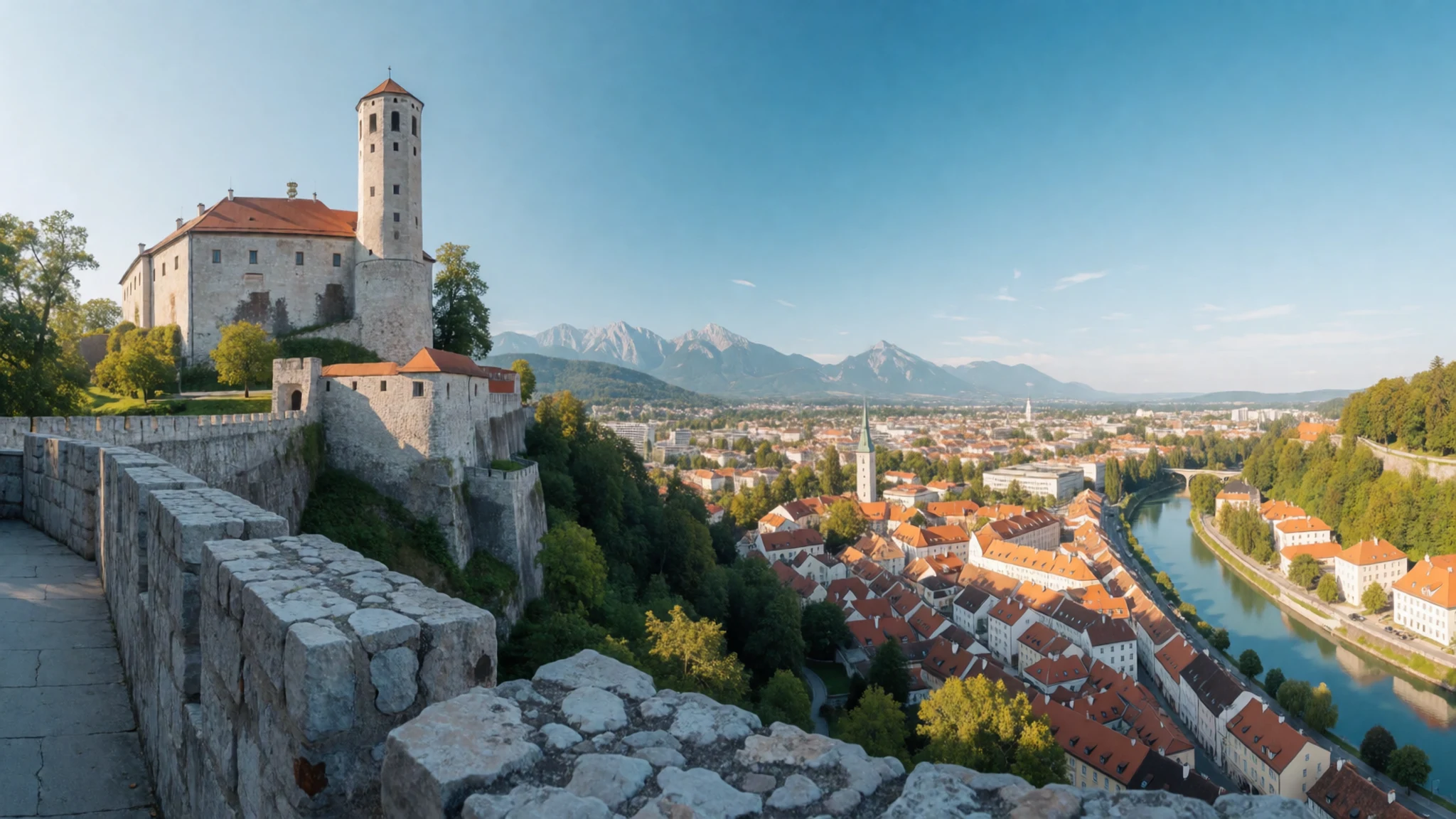
- Dragon Bridge — City Centre
This Art Nouveau bridge is guarded by four detailed dragon statues, which are the primary symbol of the city's coat-of-arms. The bridge is a striking example of early twentieth-century design and a favourite spot for photographs of the river.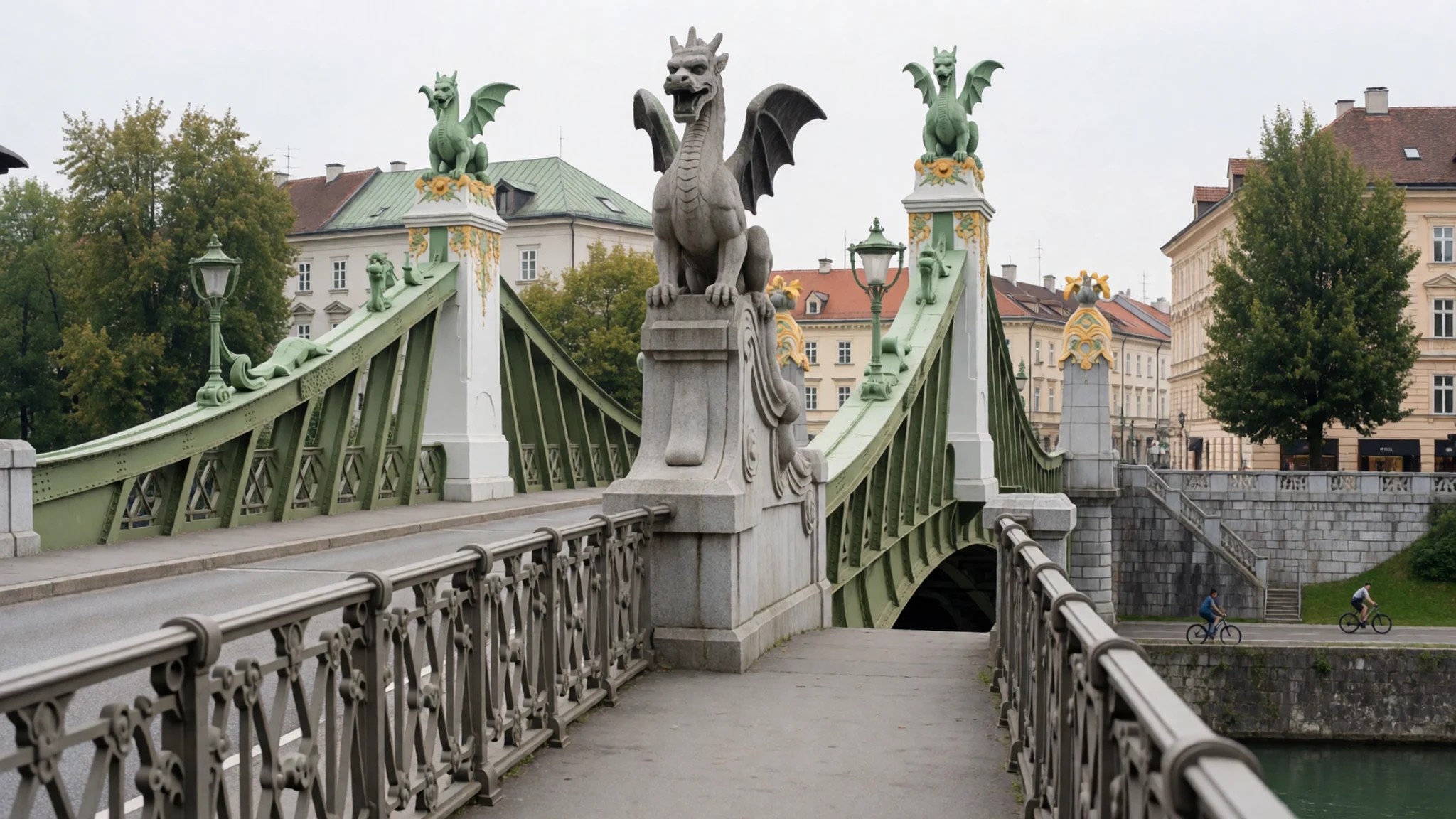
- Triple Bridge — Old Town entrance
Originally a single bridge from the mid-nineteenth century, two additional footbridges were added in the 1930s to ease congestion. It now forms a fan-shaped entrance to the old town, connecting the modern city with the historic core.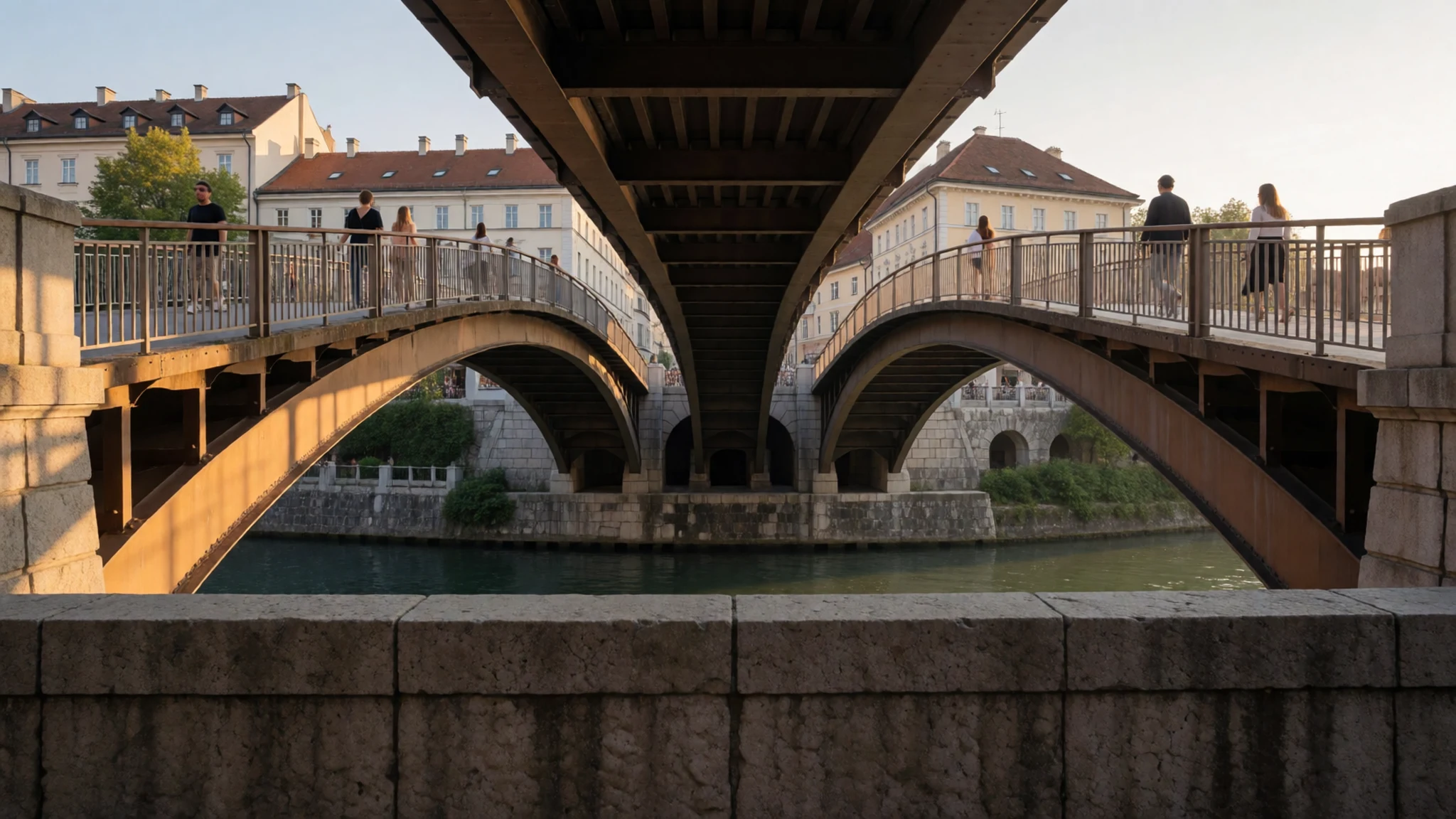
- Old Town — Central District
The historic centre is divided into two main squares. Mestni trg features the city hall and the Robba fountain, while Gornji trg provides a quieter atmosphere. The area is a maze of narrow streets and colourful facades.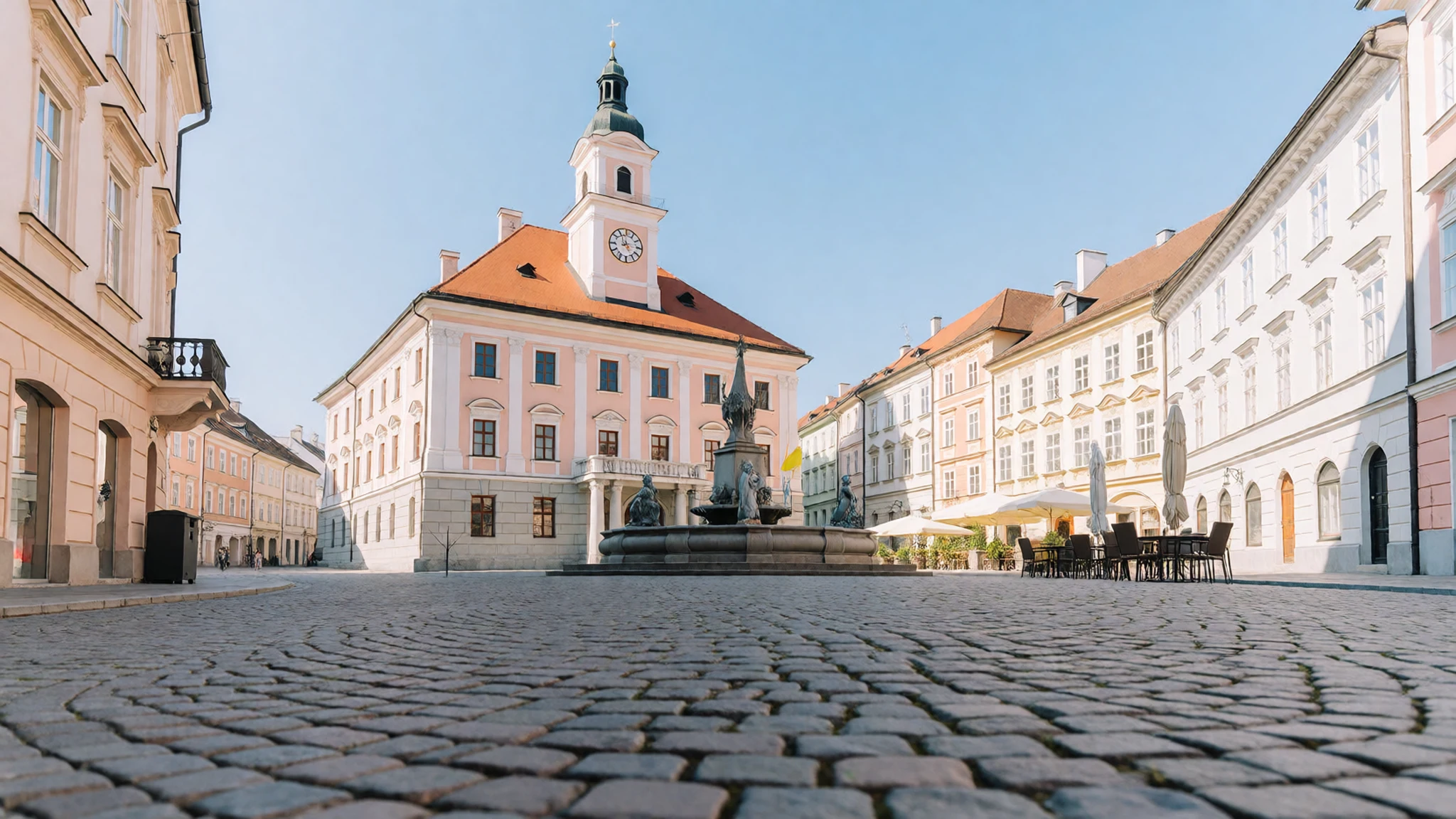
- Republic Square — Central District
This open space holds significant political weight as the site where crowds gathered to announce Slovenia's independence from the Yugoslav Federation. It is a place of reflection on the city's transition to a modern capital.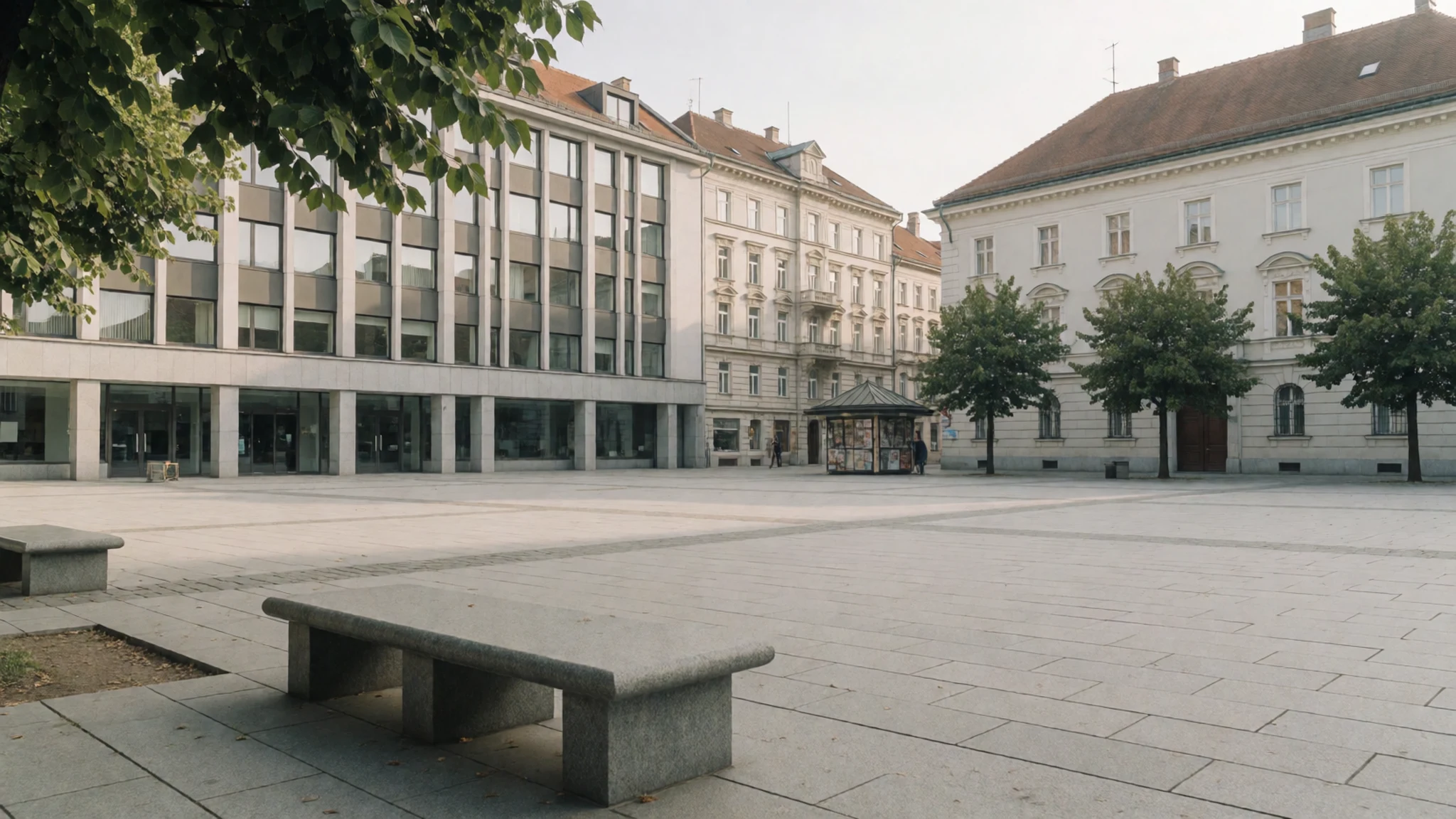
Culture
Ljubljana is a city of linguistic and cultural intersections. The local accent, known as ljubljanščina, is a border dialect that blends the Upper and Lower Carniolan speech patterns. This linguistic shift occurred over time as people migrated from the north into the city, gradually altering the way locals speak. This spirit of blending is evident throughout the city's social life, where a strong coffee culture dominates the riverbanks. Residents value a balanced pace of life, often spending hours in the outdoor cafes that line the Ljubljanica. There is a deep pride in the city's green credentials and its ability to maintain a high quality of life without the noise of heavy traffic in the centre. The city feels like a bridge between the structured nature of Vienna and the warmth of the Mediterranean. When visiting, it is polite to keep noise levels down in the residential side streets of the old town to respect the local neighbours.
What to wear
In Ljubljana, traditional dress is rooted in the rural heritage of the surrounding regions, featuring heavy linens and wools used for folk costumes during festivals and national holidays. These garments often include intricate embroidery that signifies the wearer's home village. In the modern day, the city's style is understated and European. You will see a mix of smart-casual attire—think tailored trousers, trench coats, and leather boots—reflecting a preference for a polished but practical look. Visitors should dress in layers to cope with the changeable Balkan climate; a waterproof jacket is essential in spring and autumn. For the terrain, comfortable walking shoes are a must as the old town consists mainly of cobblestones and pedestrian zones. While there are no strict modesty requirements for general sightseeing, dressing neatly is appreciated when visiting the opera house or higher-end restaurants. In the summer, the attire shifts to light cottons and linens to handle the midday heat.
What to eat
- Seasonal Sausages and Soup — Near the city centre
Traditional Slovenian sausages served with hearty seasonal soups and fresh bread, often found in small, hole-in-the-wall eateries specialising in regional fast food.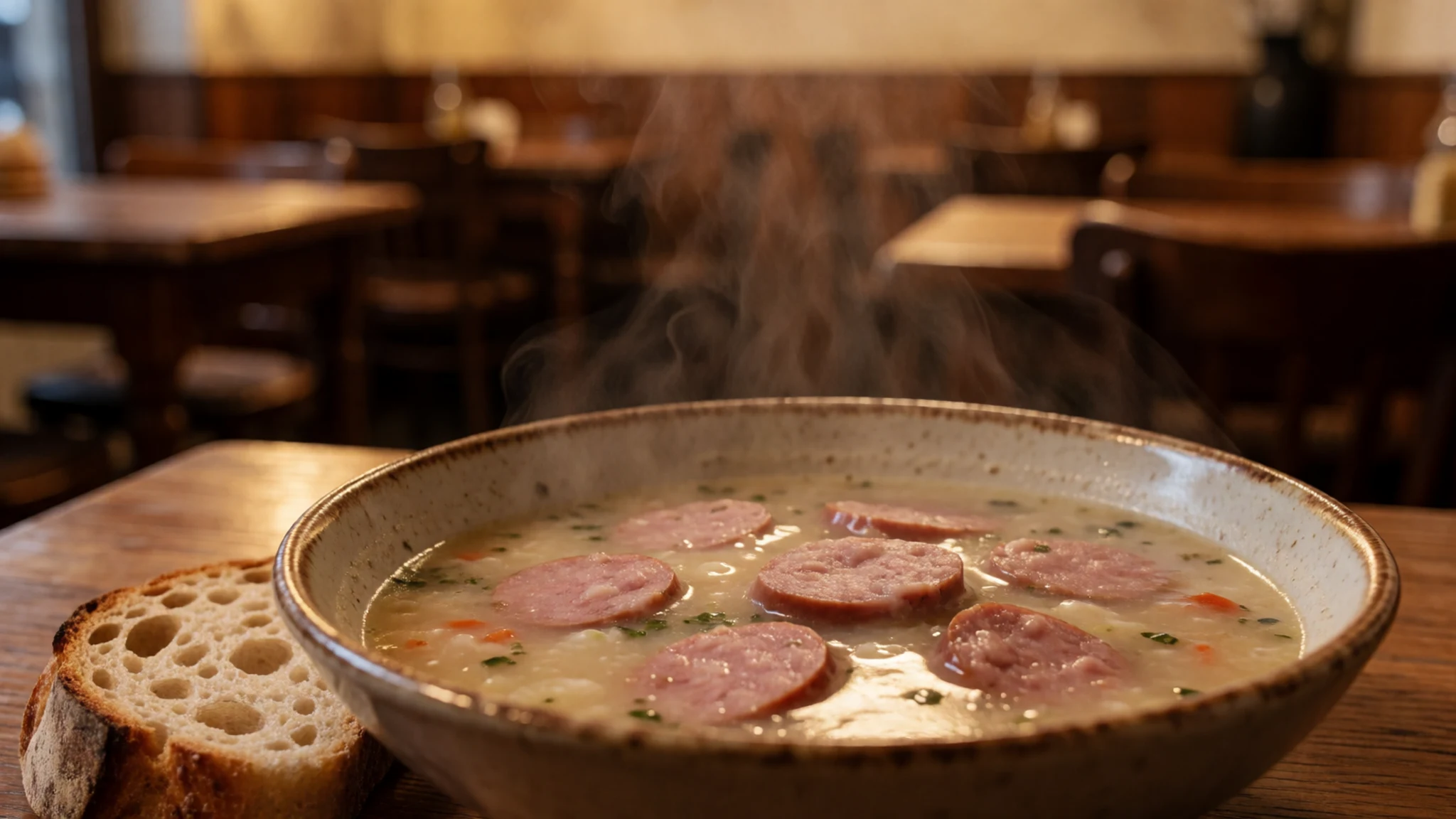
- Burek — City centre bakeries
A savory pie made of thin, flaky phyllo dough and filled with minced meat or cheese, typically sold at late-night bakeries that operate around the clock.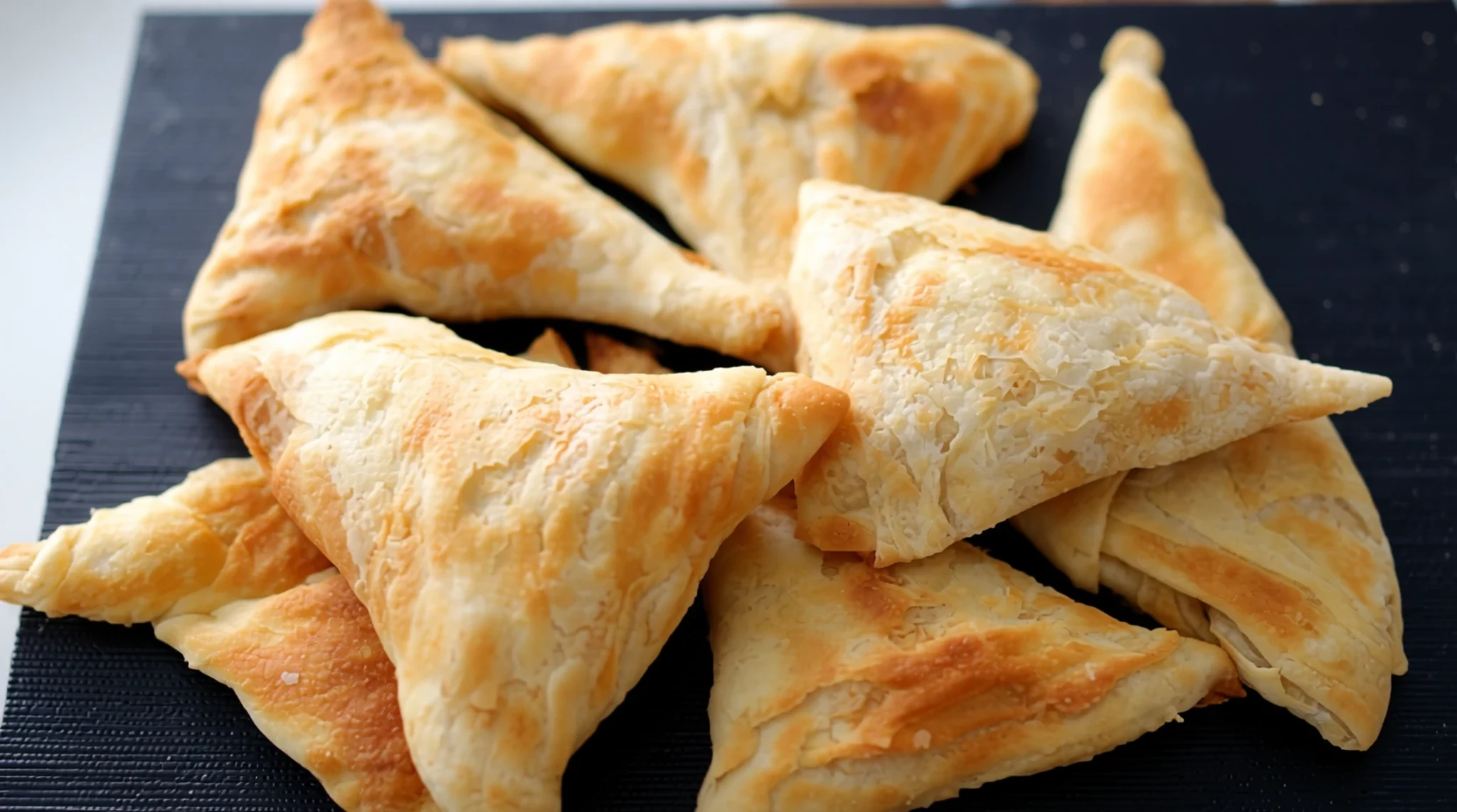
- Horse Burgers — Various city outlets
A local twist on the burger using horse meat, served in large portions at specialised burger chains throughout the city. - Market Fresh Fare — Pogačarjev trg
A rotating variety of global and local street foods served by various stalls during the open-air kitchen events.
Plan it
Best time. May, September and October for mild temperatures and greenery; July and August are the hottest months, and winters are cold and can be grey.
How long. 2–3
Getting there. Fly into Ljubljana Airport, then take the Arriva Bus or a shuttle to the main railway station in about 50 minutes.
Budget. mid
Tips
- Use the Urbana card for easy payment on city transport
- Explore the centre on foot to avoid traffic
- Visit the central market in the mornings for the freshest produce
- Carry some cash for smaller stalls and kiosks
- Book castle funicular tickets online to skip the queue
Etiquette
- Keep your voice low in residential alleys
- Tipping is appreciated but not mandatory in cafes
- Dispose of litter in the provided bins to maintain the city's green status
Nearby
Sources
- Wikidata Q437 (CC0)
- Wikipedia (CC BY-SA 4.0)
- Wikivoyage (CC BY-SA 4.0)