Lake Wānaka
Lake Wānaka, New Zealand
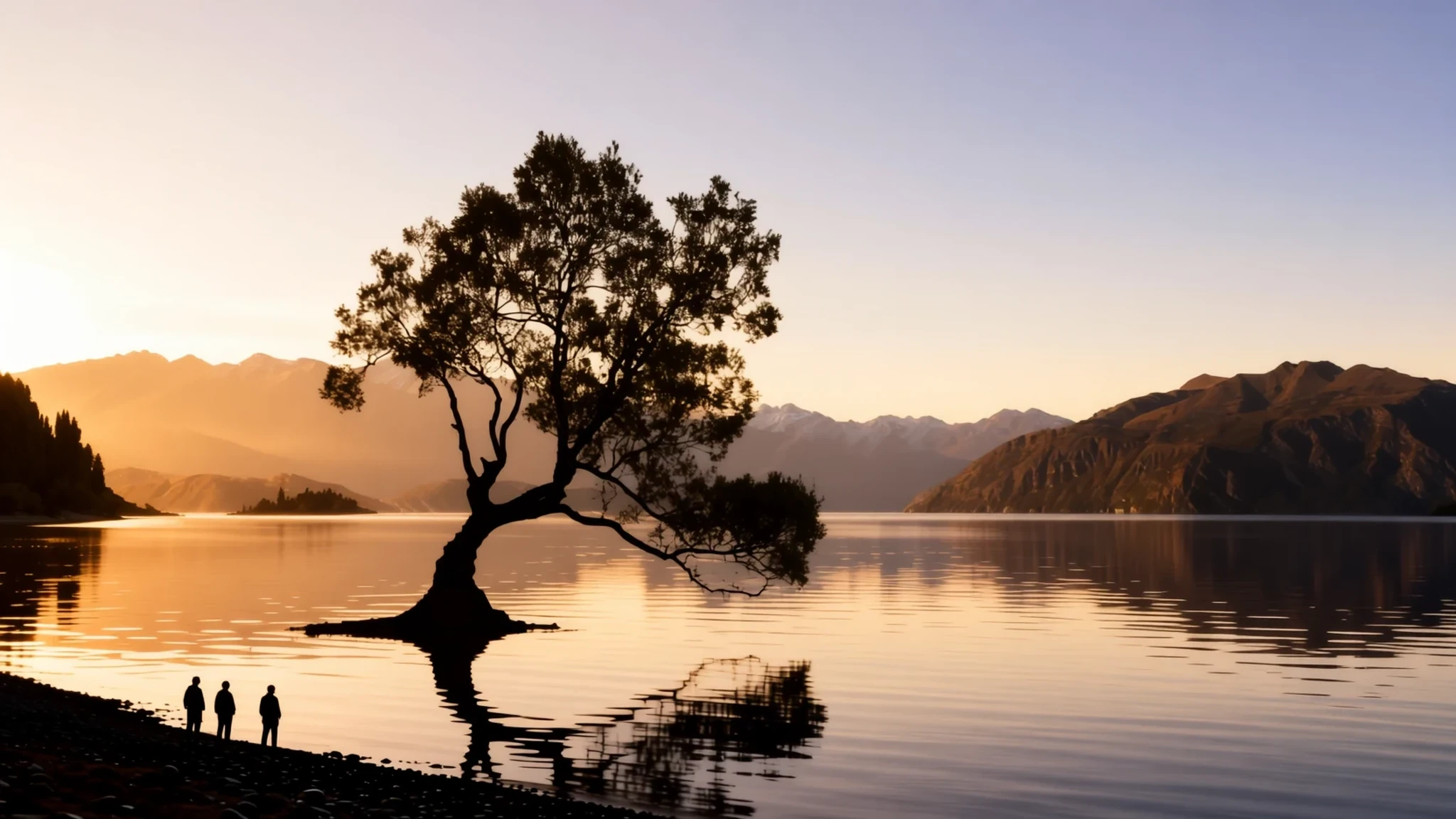
Wānaka is a lake-and-mountain base in Otago, where you can swim, sail or walk into Mt Aspiring National Park from one town.
The place
Lake Wānaka sits about 300 metres above sea level in the Otago region of New Zealand's South Island. It is a long, deep body of water that runs roughly 42 kilometres from north to south and covers around 198 square kilometres, lying in a valley scooped out by ice. The town of Wānaka sits near the lake's southern outflow, where the water begins its journey to the Clutha River. Mountains rise steeply on the western side, and the peaks of the Southern Alps can be seen from most points on the lake. The eastern shore is also hilly, though the peaks are lower. The town is a compact place of cafés, galleries and outdoor shops, built for people who came to walk, climb, ski or paddle and stayed for the view. It is the usual base for trips into Mt Aspiring National Park. Lake Hāwea lies to the east in a parallel valley and comes close to Wānaka at one narrow rocky ridge. Summer is the busiest season, so the town feels crowded in holiday weeks, although the lake often stays quiet early in the morning. Many visitors are surprised by the scale. From the water the mountains look closer than they are, and the colour of the lake shifts with the light and the weather.
Its story
The lake's shape tells much of its story. Ice once filled the valleys of the Southern Alps and carved them deep, leaving a broad, U-shaped trough that the water later filled. When the ice retreated, the basin collected meltwater and the flow from mountain rivers, and the Matukituki and Makarora rivers still carry snow and glacial runoff into it today. The lake drains from its southern end into the Clutha River, known in Māori as Mata-Au, so the water here eventually reaches the sea far to the south-east. The name Wānaka comes from the South Island pronunciation of a word connected with learning. Over time it has come to describe a place where knowledge was passed on, and local people use the Māori name on maps and signs alongside the English one. Four small islands sit within the lake. Some were set aside as predator-free sanctuaries so that native animals could recover. Mou Tapu is one of them, and it is home to native invertebrates and a gecko found only in this part of the country. Lake Hāwea shares the same geological history, cut into a neighbouring valley by a different glacier. Here the two lakes are separated by a single narrow ridge, a reminder of how close the ice came to shaping one long valley instead of two.
What to see
- The lakeside at Wānaka
The town sits near the lake's southern outflow, so this stretch of shoreline is where most visitors first arrive. Early and late in the day the water is often still, and the peaks on the far side can turn pink and gold. It is the easiest place to start, with the mountains in view before you have planned anything else.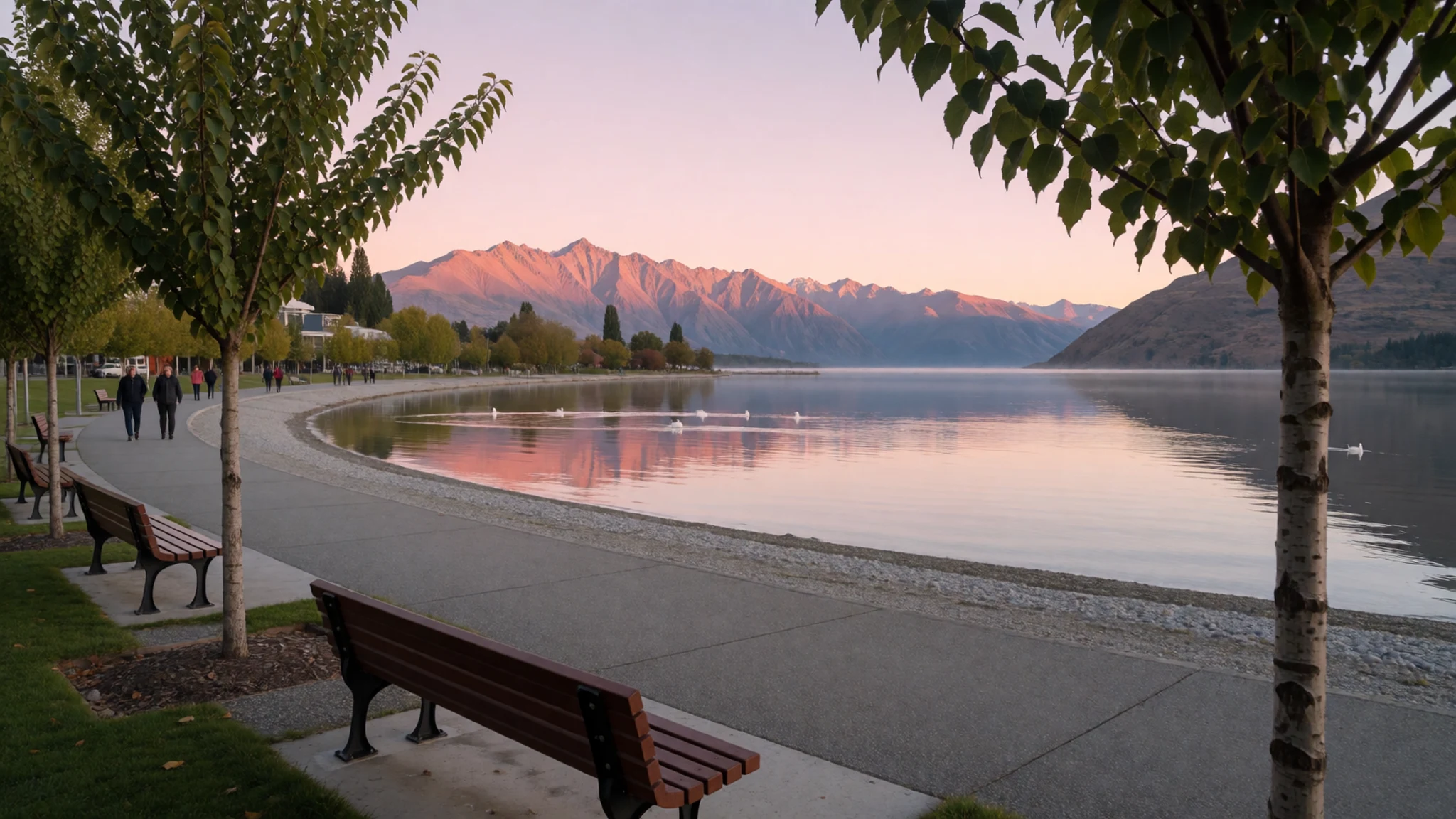
- Glendhu Bay
Glendhu Bay sits on the western side of the lake, a drive north-west of the town, and it gives a good sense of how far the water runs. Stop at the shoreline, look back across the lake towards the mountains, and notice how quickly the weather can change over the open water.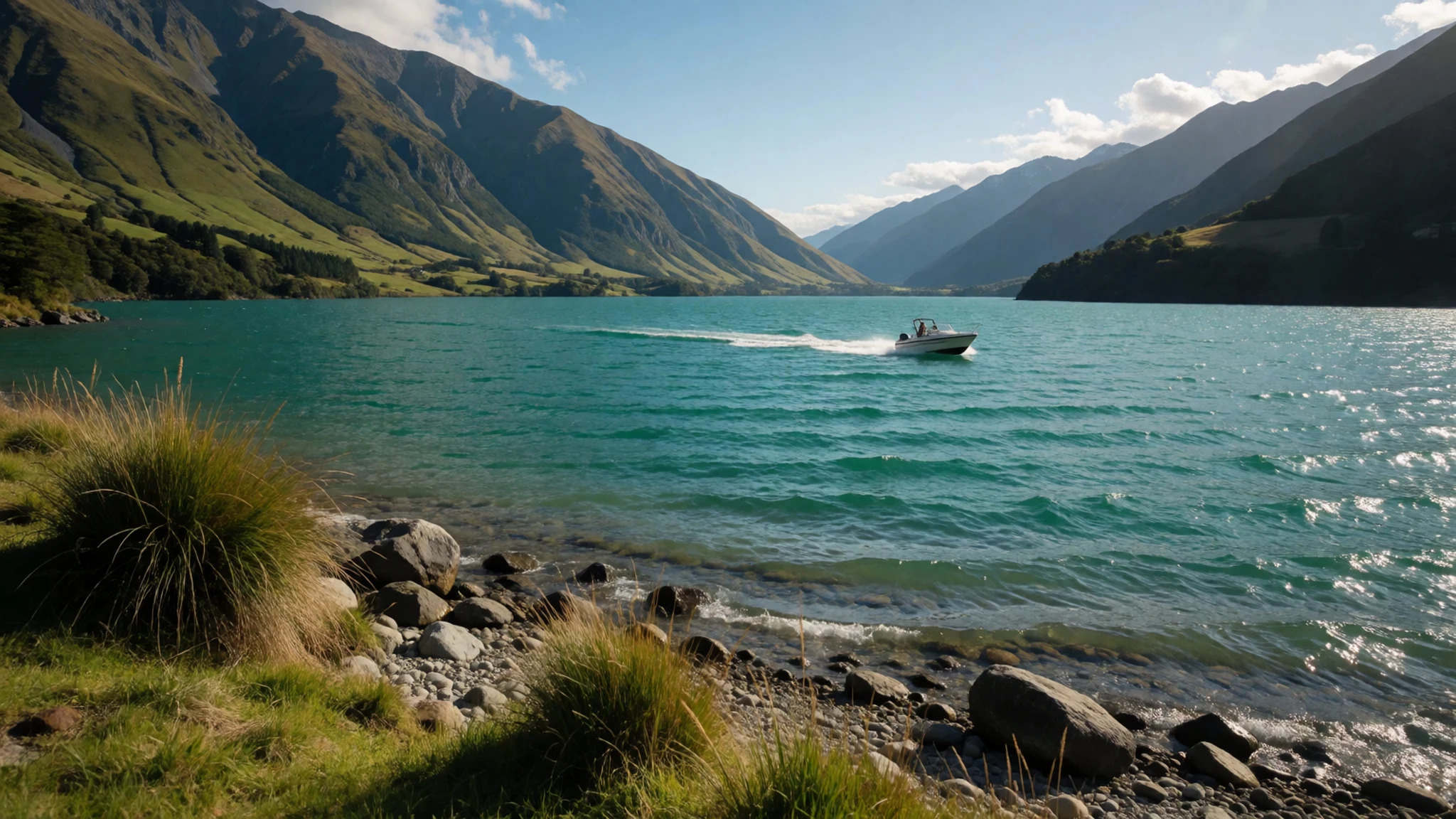
- Mou Tapu and the island sanctuaries
Four small islands sit in the lake, and some are managed as ecological sanctuaries. Mou Tapu is about 120 hectares and is free of pests, which makes it a refuge for mountain stone wētā and the Southern Alps gecko. Stevensons Island has a sanctuary for buff weka. Landing rules and access arrangements change, so check the official site before planning a boat trip.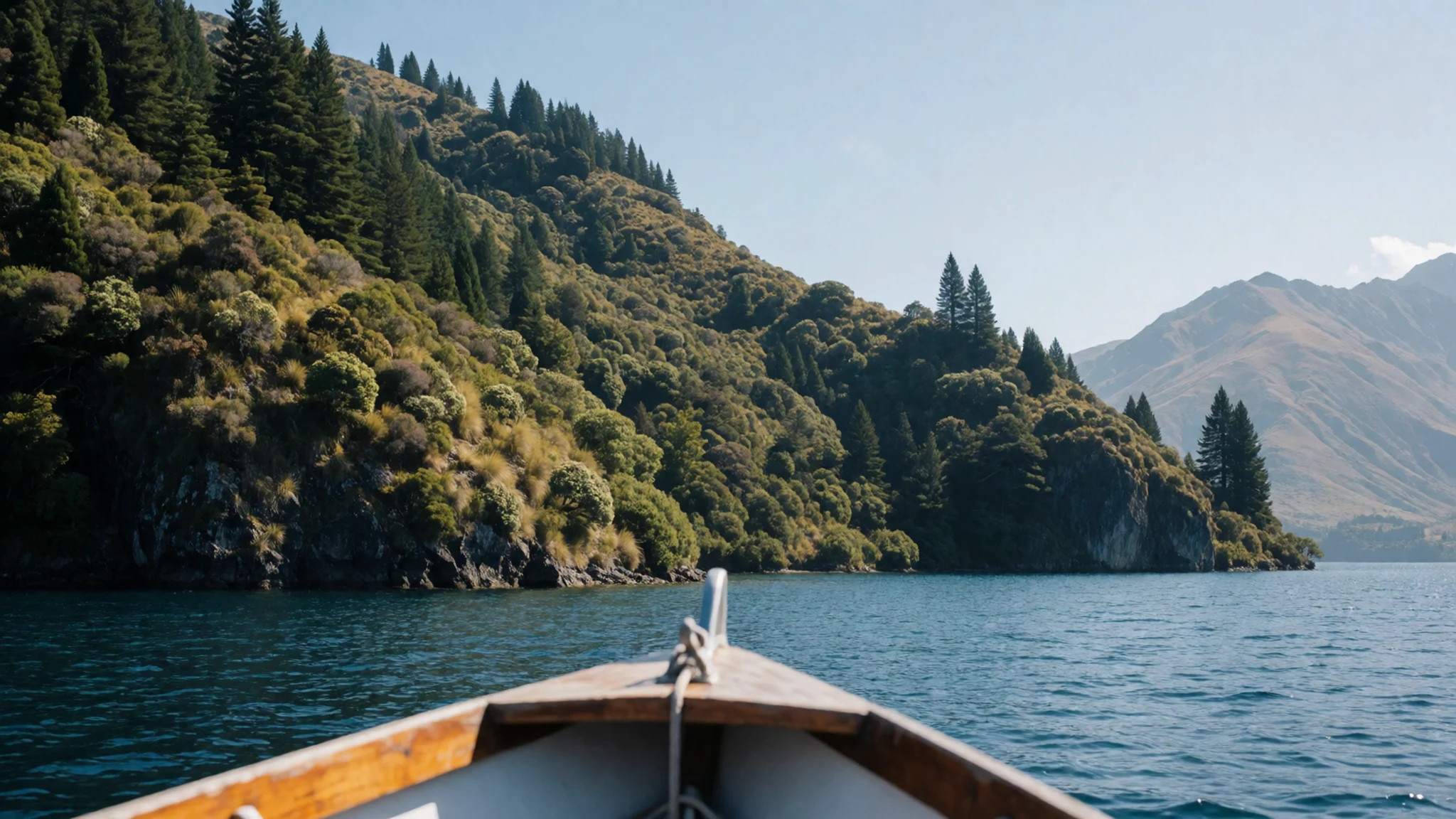
- The Matukituki valley and the national park
The national park lies beyond the head of the lake, and the Matukituki valley is a common way into its mountains. Rivers here can be cold and tracks can be rough, so set out with a plan and a clear turning-back time rather than a guess about the weather.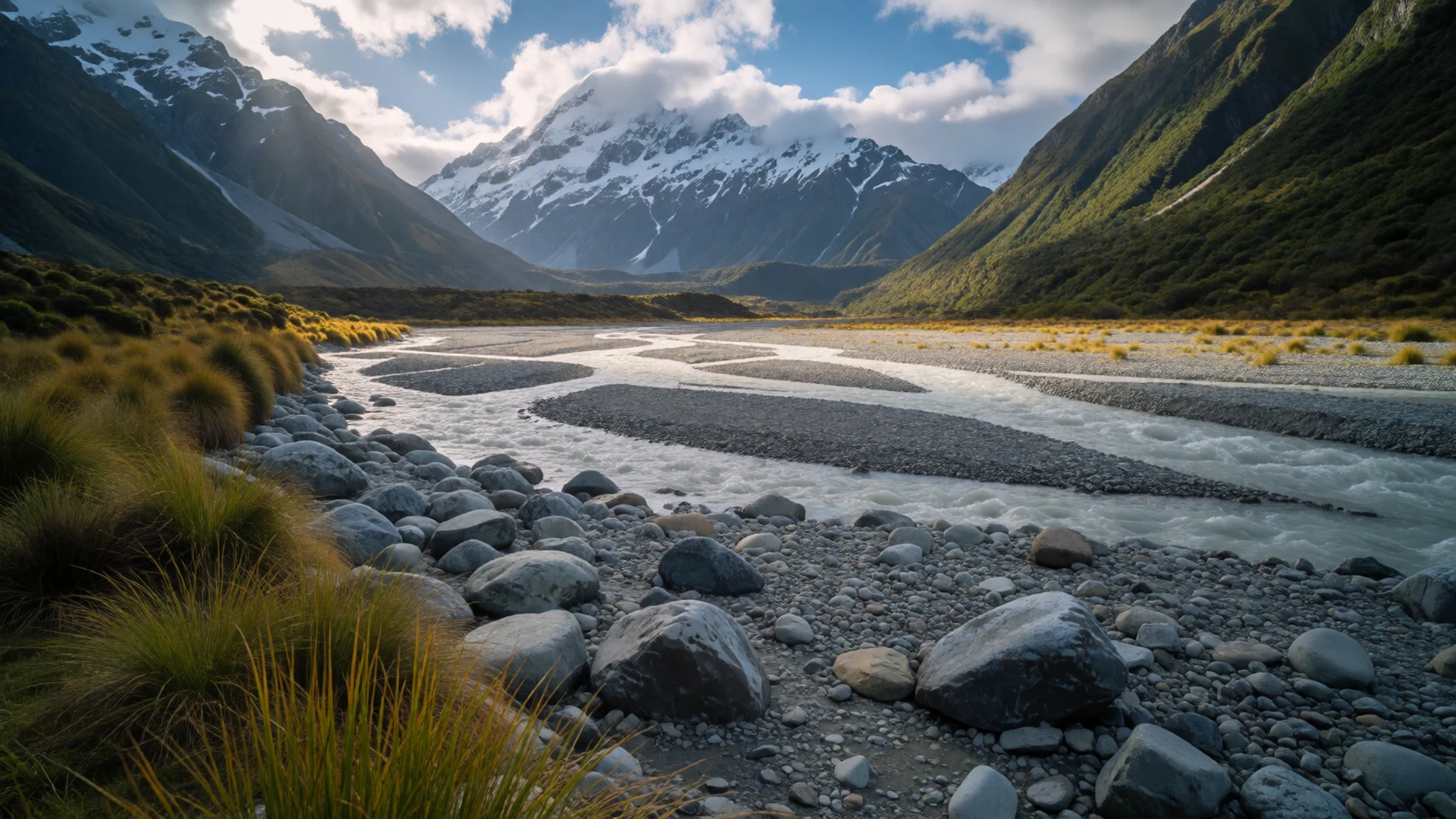
- Sailing and paddling on the lake
Sailing and paddling are the usual ways to get out on the water, and sailing schools run lessons on the lake in the warmer months. Winds can rise quickly over open water, so a short lesson or a guided trip is a sensible start for beginners. Wear a lifejacket whatever the forecast looks like.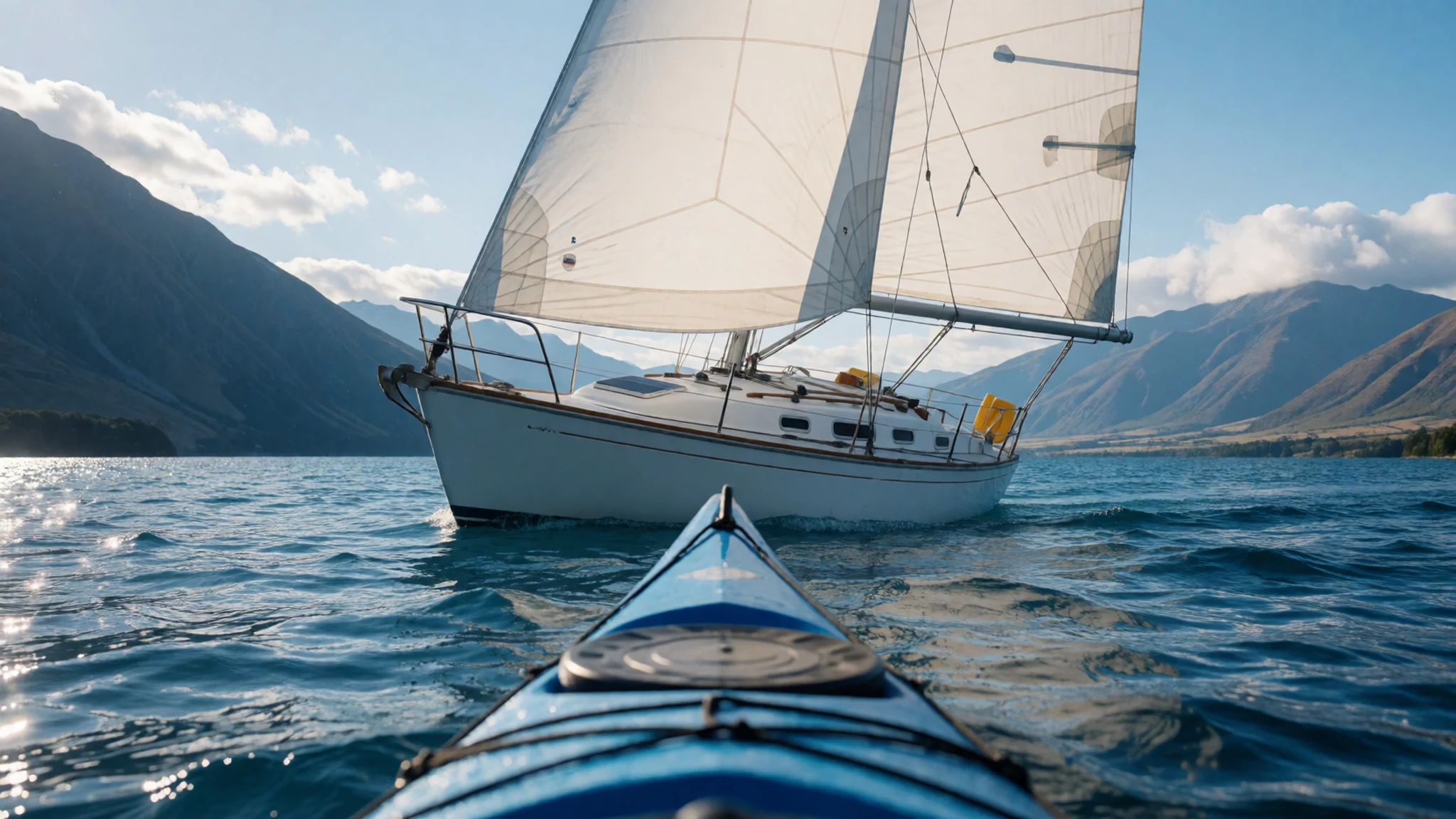
Culture
Lake Wānaka sits in land of deep importance to Māori, and the name itself comes from the South Island dialect, which pronounces it differently from the north. Many visitors say the word without knowing its meaning, which is tied to learning and to the knowledge once held by teachers and priests. The town is relaxed and outdoorsy, so the etiquette here is less about formal rules than about respect for the land and for other people using it. Walkers and climbers share the tracks and the huts, and the custom is to leave them clean and to greet others on the trail. Māori greetings and welcomes are used at formal events and marae visits, not on casual trips, so accept any welcome graciously if one is offered. Ask before photographing people, especially at a marae or a cultural event. Take all your rubbish home, and keep dogs on a lead near the island sanctuaries, where wildlife is easily disturbed.
What to wear
Lake Wānaka lies in Te Waipounamu, the South Island, where Māori dress has long been made from harakeke, New Zealand flax. Flax fibre is woven into cloaks called kahu and into skirts called piupiu, which are worn mainly for kapa haka performance and cultural events rather than for everyday wear. Flax was valued for its strength and for the way it softens with use. Today the people around the lake dress for the weather rather than for display. Merino or fleece layers, a windproof shell, hiking boots or trail runners and a warm hat are the common outfit, and the cafés and galleries in town are relaxed enough for smart-casual dinners. A visitor should pack for several seasons in one day. Bring a waterproof jacket and a fleece even in summer, sun protection for the bright lake light, sturdy footwear for gravel and rough tracks, and modest clothing for any marae visit, where shoulders are usually covered.
What to eat
- Cherries and apricots from roadside stalls — roadside stalls around the orchards of Cromwell and Roxburgh
Central Otago is known for stone fruit, especially cherries and apricots, and the orchards near Cromwell and Roxburgh sell direct from the roadside in season. Smaller stalls usually give better value than the large ones aimed at tour coaches, so look for a handwritten sign.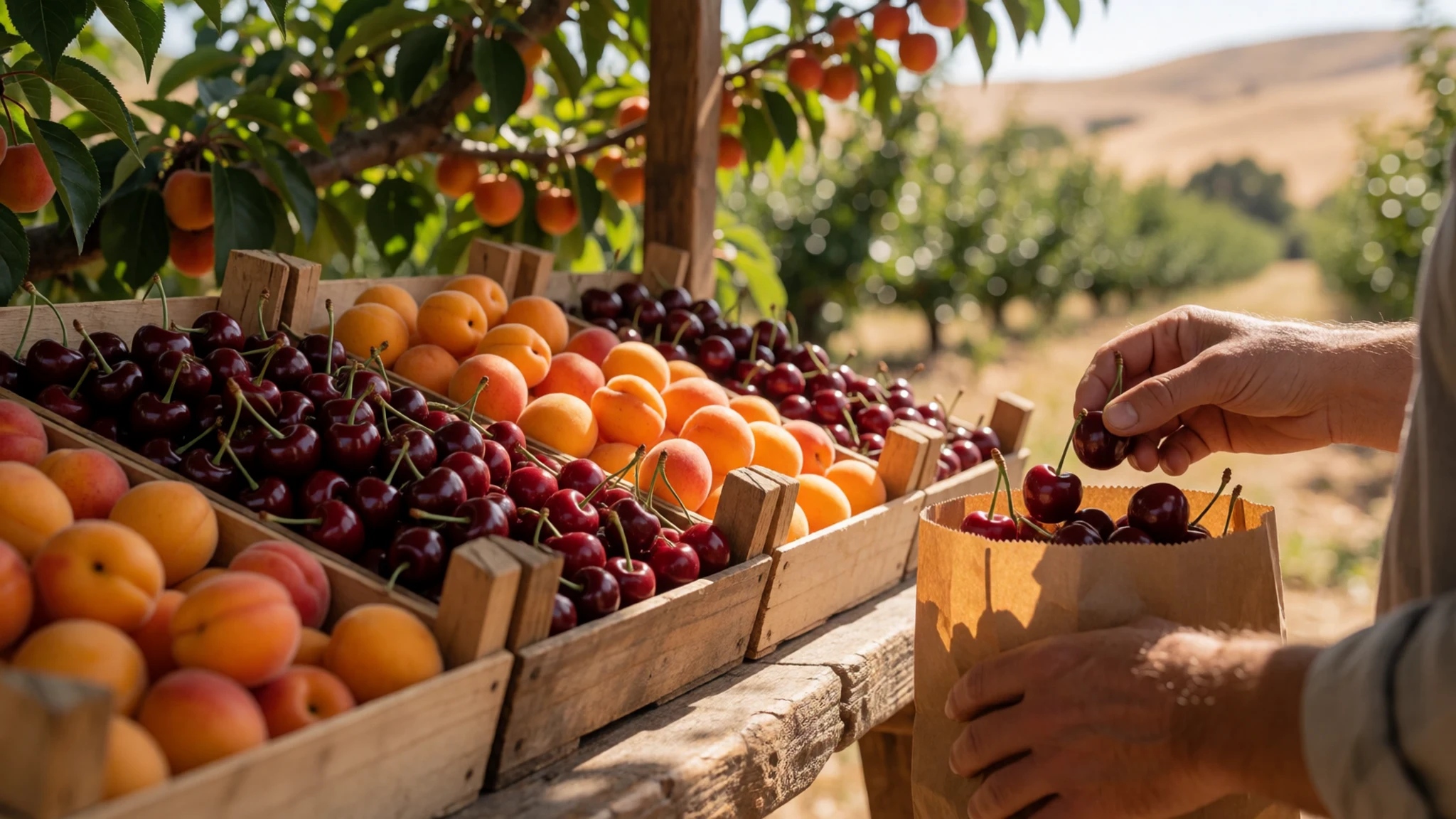
- Central Otago pinot noir — cellar doors in the valley vineyards around Cromwell
Pinot noir is the leading grape in Central Otago, planted on the valley floors where summers are hot and dry and winters are cold. The grape is difficult to grow, so a glass from a small producer is worth the detour.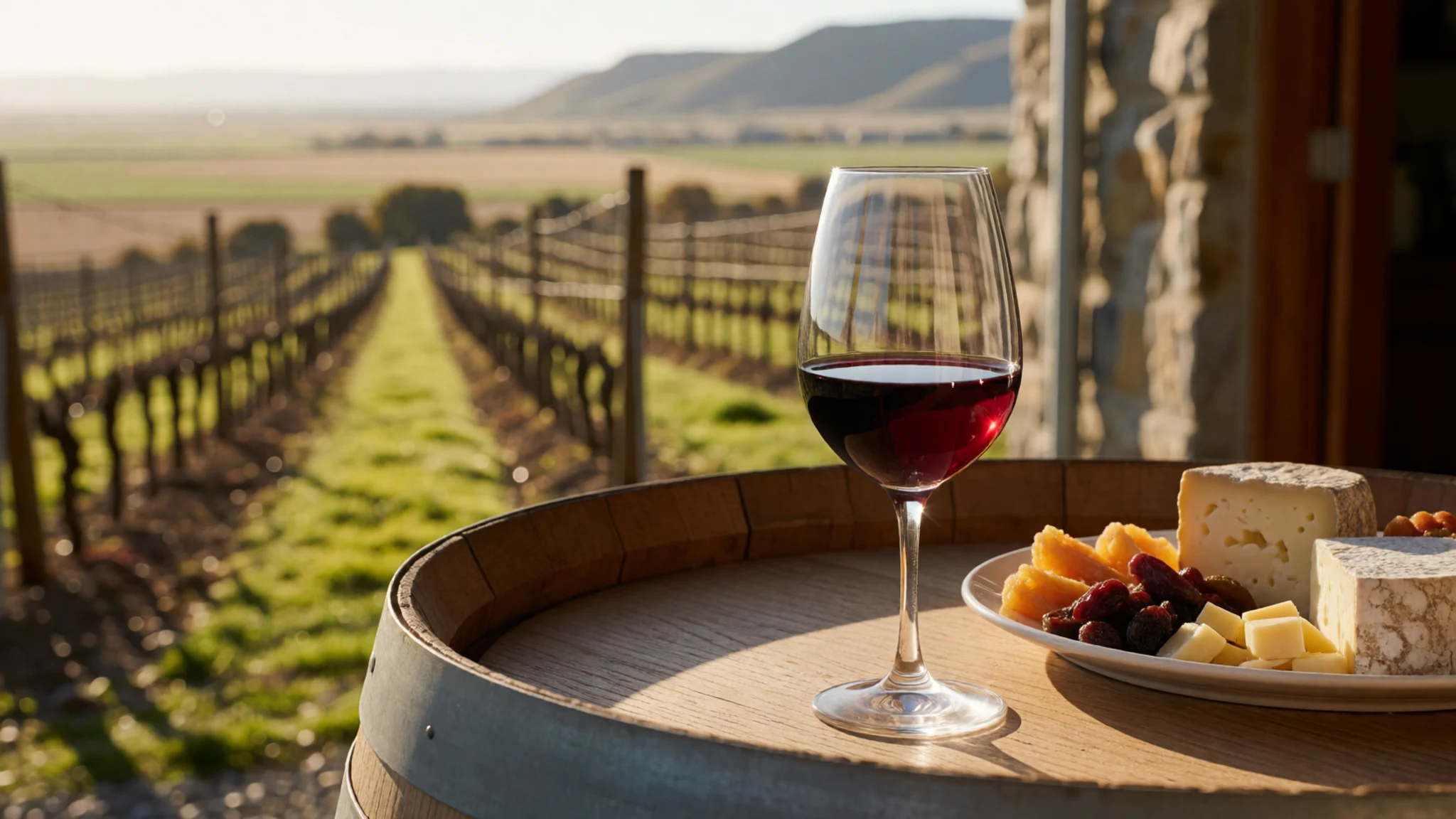
- Local cheese — a small cheese factory shop on the Otago country roads
A small cheese factory with its own shop makes a good stop for a picnic lunch. Ask for a tasting before you buy, and choose a firm cheese for the road. - Fish and chips on the coast — a fish and chip shop beside the coast road between Oamaru and Dunedin
Coastal Otago is good for seafood, and a fish and chip shop on the coast road makes an easy lunch between the sea and the mountains. The batter is light and suits a windy day by the water.
Plan it
Best time. Summer, December to February, is warm and busy, and autumn from March to April brings good colour to the hills around the lake. Winter brings snow to the passes and can make some roads icy, while late spring is quieter and often calmer on the water.
How long. 2–3
Getting there. Queenstown Airport is the nearest airport with regular connections, and the final leg to Wānaka follows the scenic Cardrona Valley. Dunedin Airport is further south-east, and driving from Christchurch makes a long day.
Budget. mid
Tips
- Book accommodation early for summer holidays and Easter, when the town fills up.
- Check road conditions before winter drives, and carry chains where called for, as alpine passes can ice over.
- Go out on the lake early, before the afternoon wind builds.
- Carry some cash for small stalls, though cards are widely accepted in town.
- Pack a warm layer even in summer, because mountain air cools quickly after sunset.
Etiquette
- Stay on marked tracks and keep out of island sanctuaries unless access is clearly allowed.
- Take your rubbish away and leave the shoreline as you found it.
- Drive slowly on narrow, blind-cornered roads, and pass with care.
Nearby
Sources
- Wikidata Q1192728 (CC0)
- Wikipedia: Lake Wānaka (rev 1377303956) (CC BY-SA 4.0)
- Wikivoyage: Otago (rev 5259450) (CC BY-SA 4.0)
- Lake Wānaka, Hagai Agmon-Snir (CC BY-SA 4.0)
- Lake Wanaka - northern part, New Zealand, Michal Klajban (CC BY-SA 4.0)
- Lake Wanaka, with Glendhu Bay in the foreground, Wildman NZ (CC BY-SA 4.0)
- View of Lake Wanaka, New Zealand, Eron Main (CC BY-SA 2.5)
- Aufnahme am Lake Wanaka in Otego, W. Bulach (CC BY-SA 4.0)
- Sailboats on Lake Wanaka, Marek Ślusarczyk (CC BY 3.0)
- Az új-zélandi Wanaka-tó környéke, Szilas (01) (CC BY-SA 4.0)
- Az új-zélandi Wanaka-tó környéke, Szilas (02) (CC BY-SA 4.0)


