Lake Titicaca
Lake Titicaca, Peru
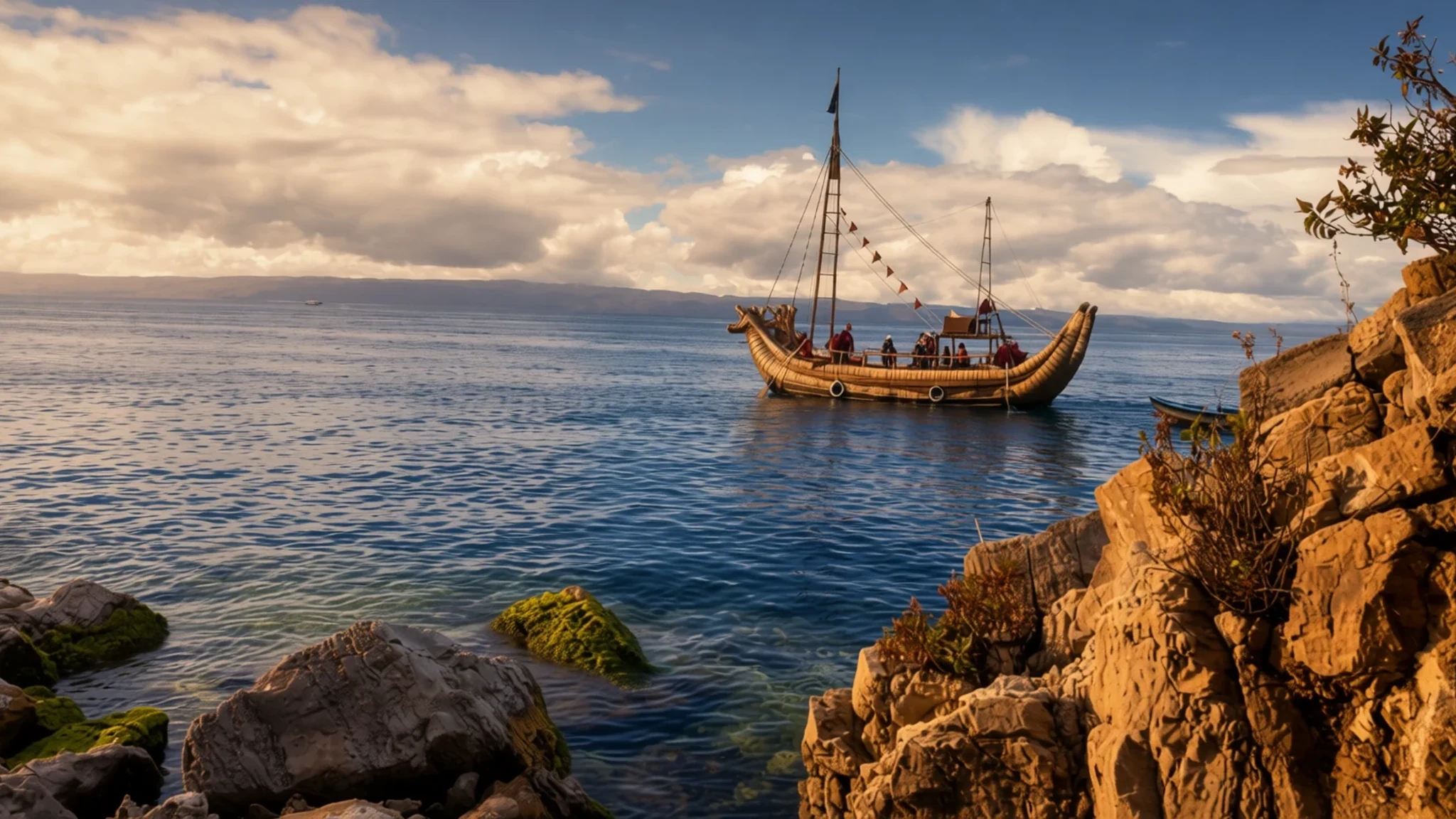
Visit Lake Titicaca to experience a vast alpine sea cradled by the high Andes, rich in indigenous heritage and astonishing natural light.
The place
Lake Titicaca sits high within the Andean mountain range, straddling the international boundary between Peru and Bolivia. Resting at an altitude of 3,812 m, it is widely celebrated as the highest navigable body of water on earth. Though often spoken of as a freshwater expanse, its vast volume carries slightly brackish waters shaped by mineral inputs and evaporation across its immense basin.
The surrounding landscape is an intermontane depression known as the Tinajani Basin, an ancient geological trough formed by tectonic movements along regional faults over millions of years. Deep sediment cores recovered from the lake floor reveal a long, complex environmental history tied to prehistoric glacial cycles, during which water levels rose and fell dramatically across the high plateau.
The shorelines are divided between two nations, with the larger portion lying within Peruvian territory and the remaining sector belonging to Bolivia. Cool mountain winds sweep across the surface, giving the water a chilly temperament throughout the year. Travellers arriving here encounter an intensely bright, high-altitude environment where the strong sun contrasts sharply with crisp air, and where traditional communities continue to farm, fish, and navigate the reed-choked bays much as they have done for generations.
Its story
Long before European vessels reached the high Andes, Lake Titicaca served as the cradle for some of the most influential pre-Hispanic civilisations in South America. According to Andean cosmology, the creator god Viracocha emerged from the depths of these cold waters to raise the sun, the moon, and the stars into the sky, establishing the sacred center of the universe upon the islands within the lake.
The surrounding basin became the heartland of sophisticated societies that mastered high-altitude farming through raised field systems, terrace cultivation, and extensive trade networks linking the mountain valleys with the Pacific coast and the Amazonian lowlands. Monumental stone architecture, finely woven textiles, and intricate metalwork all flourished around the shores long before the rise of later imperial powers.
Over subsequent centuries, the lake bore witness to shifting regional hegemonies, imperial expansion, and the profound disruptions of the colonial era. Yet despite centuries of external pressures, the indigenous communities of both the Peruvian and Bolivian sectors have preserved distinct cultural traditions, ancient languages, and communal ways of life deeply intertwined with the rhythms of the water, the totora reeds, and the seasonal weather patterns of the altiplano.
What to see
- Taquile Island — Peruvian sector of the lake
A hilly island renowned for its steep terraced slopes and exceptional textile artistry. Visitors hike up stone pathways from the boat landing to reach the high village plaza, taking in sweeping views across the open water toward the distant mountain cordillera.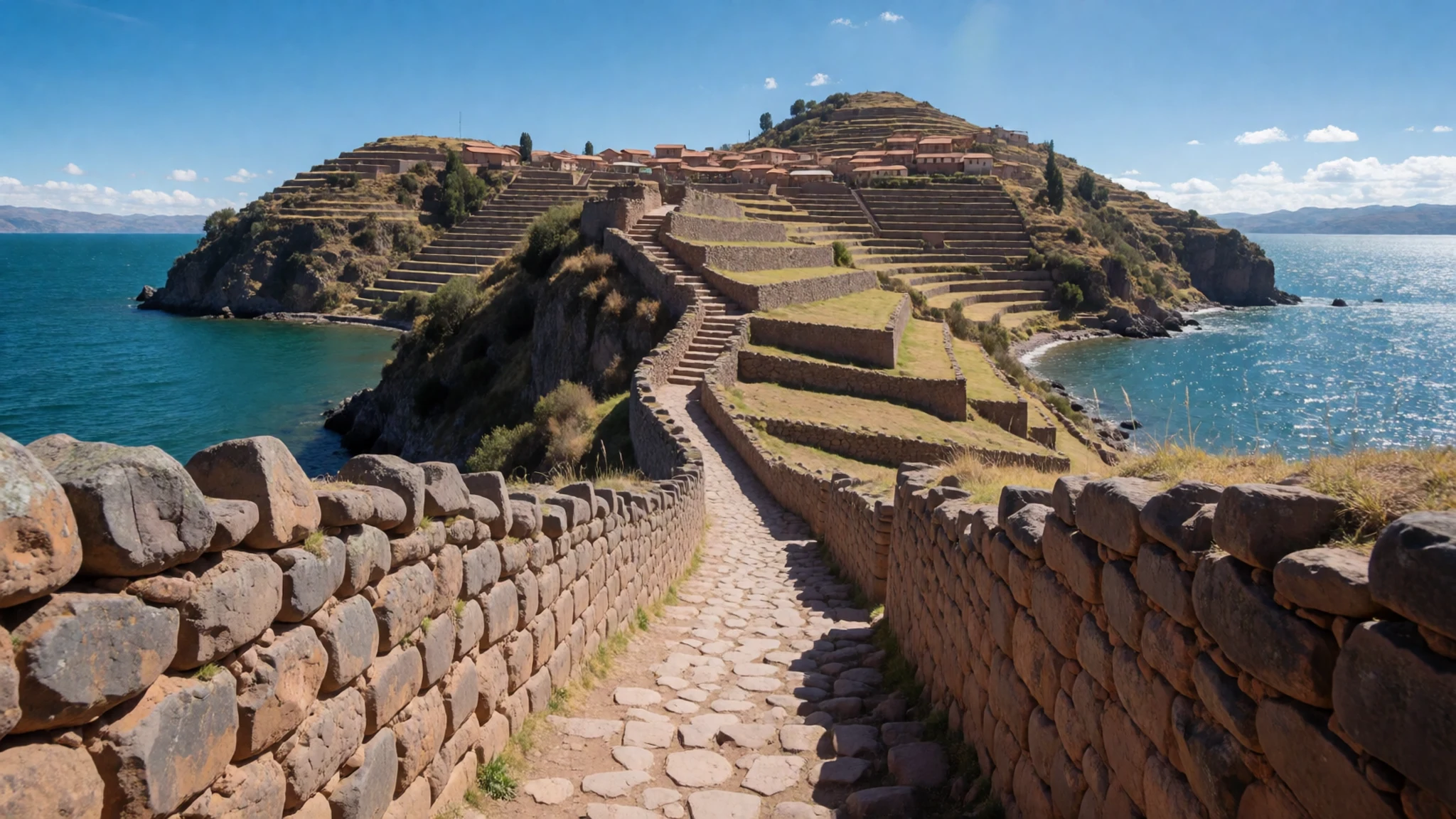
- Copacabana — Bolivian lakeside
A lively lakeside town on the Bolivian shore framed by rocky hills. It serves as the primary gateway for boat trips to nearby sacred islands and features a striking whitewashed sanctuary housing a revered colonial-era religious image.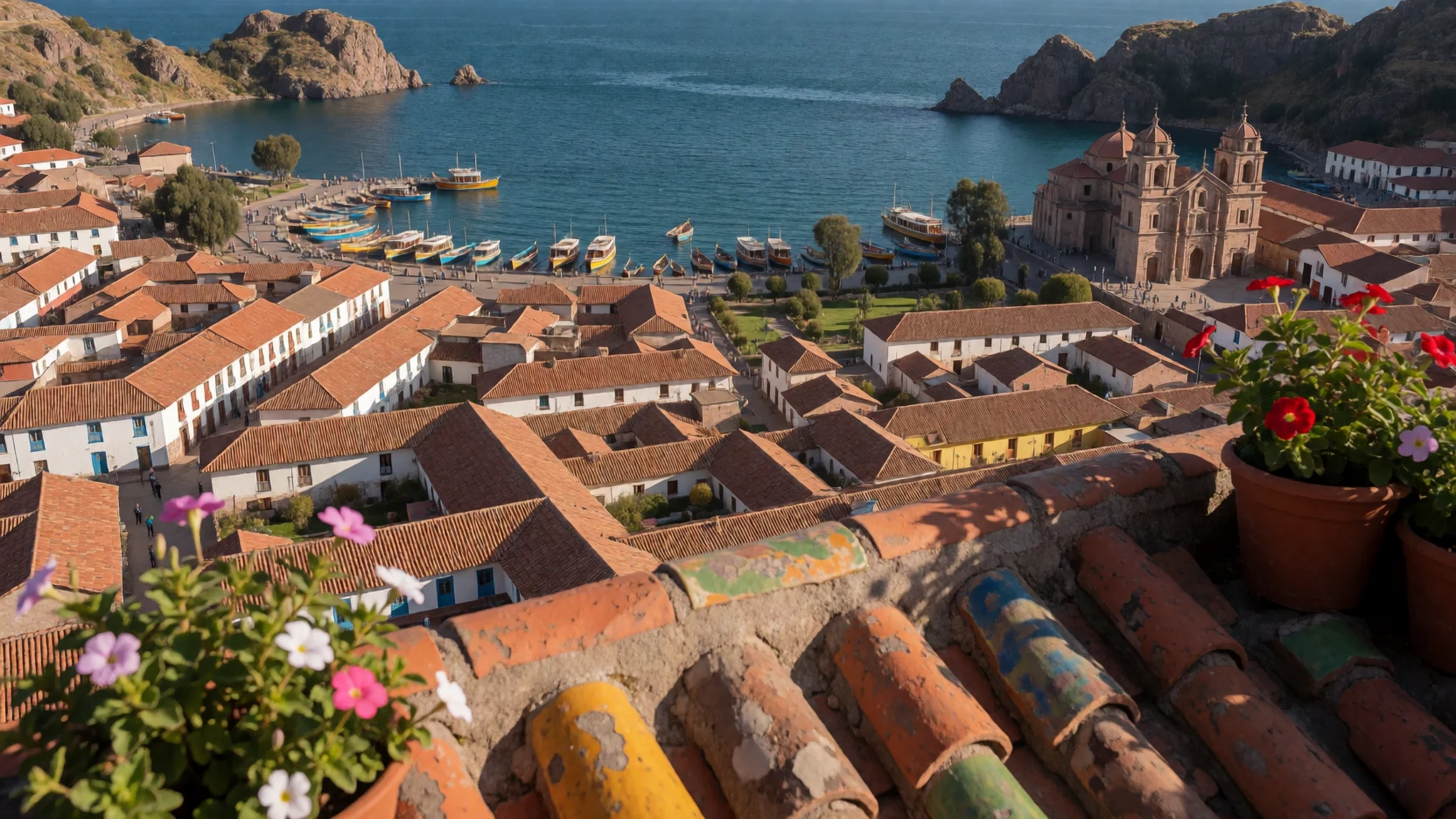
- Puno — Peruvian shore
The main urban hub on the Peruvian side, spilling down hillsides toward the water's edge. The town acts as the bustling departure point for excursions onto the lake and boasts lively plazas filled with regional music and dance.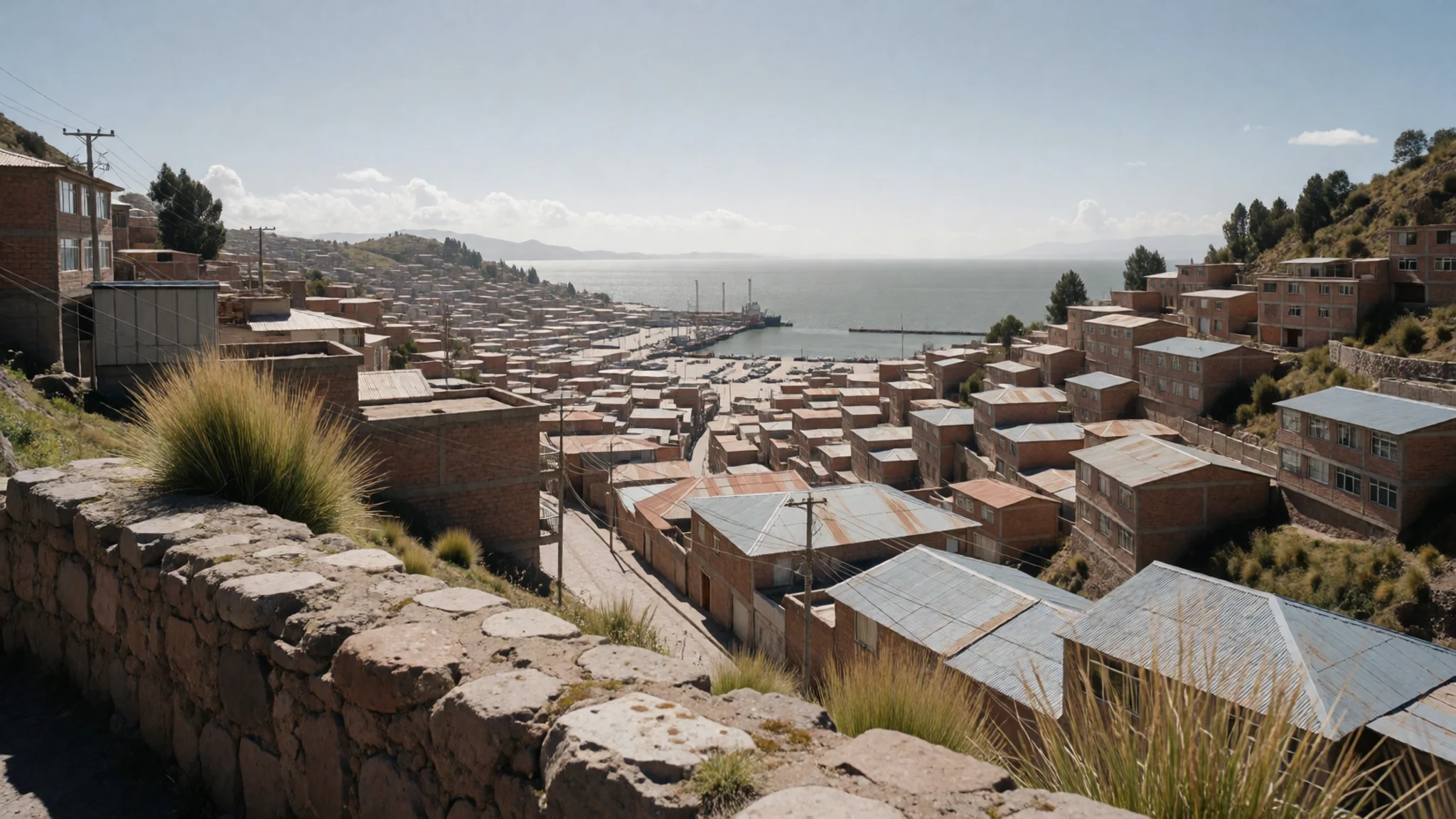
- Totora Reed Beds — Shallow bays near Puno
Expansive areas of aquatic vegetation lining the shallow bays where native birds such as the Andean coot forage. These natural reeds form the foundation for floating islands and traditional boat-building traditions practiced by local families.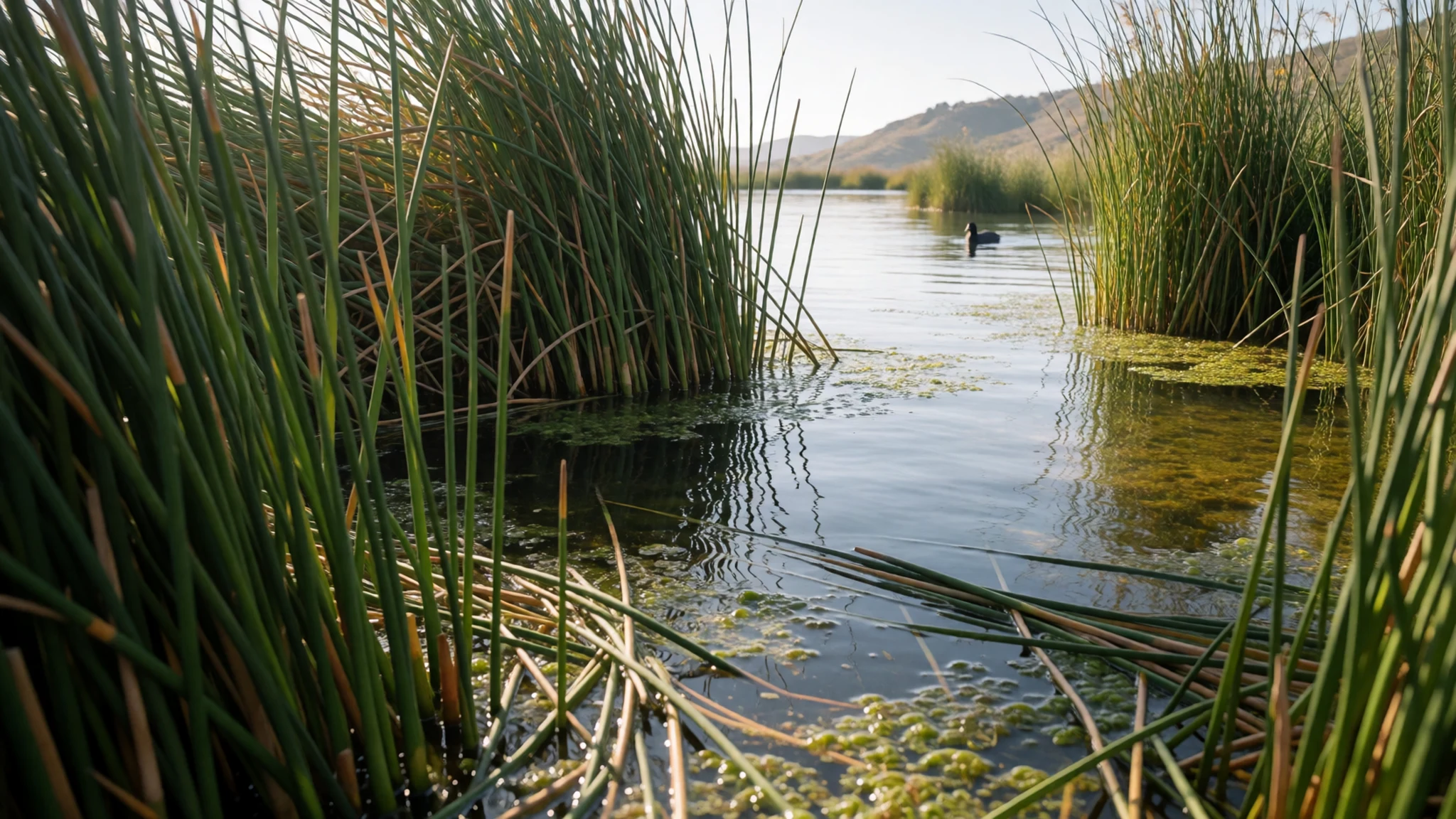
Culture
Life around Lake Titicaca is deeply rooted in ancestral customs, communal labour, and indigenous languages including Quechua and Aymara. Social structures rely heavily on collective reciprocity, mutual aid, and traditional governance systems that have survived centuries of external change. Music and dance remain central to community life, particularly during religious festivals when brass bands and colourful troupes perform traditional choreography on the high-altitude plazas. Artisanal crafts, especially hand-spinning and intricate knitting or weaving, are practiced with immense skill, passing techniques down through generations. Visitors should always ask permission before taking photographs of local residents, particularly elderly individuals and those wearing traditional dress in the villages.
What to wear
Traditional dress around Lake Titicaca is both practical for the cold climate and deeply symbolic. Women typically wear layered wool skirts known as polleras, intricately embroidered blouses, and traditional bowler hats or flat woollen hats that vary in style between communities. Men often wear hand-woven ponchos made from alpaca or sheep wool, designed to ward off the biting mountain winds on the water.
In daily life in towns like Puno and Copacabana, younger generations and working residents mix traditional garments with modern western clothing such as fleece jackets, jeans, and sturdy trainers.
For visitors, dressing for Lake Titicaca requires preparing for extreme temperature swings. The high altitude means intense sunshine during the afternoons gives way to freezing conditions as soon as the sun dips below the horizon. Layering is essential: bring thermal base layers, a windproof and waterproof outer jacket, a warm woollen hat, gloves, and reliable walking shoes or boots for uneven cobblestone streets and island paths.
What to eat
- Trucha Frita — Any traditional lakeside eatery or market stall in Puno and Copacabana
Fresh trout farmed or caught directly from the cold waters of the lake, typically seasoned simply, pan-fried until crisp, and served alongside native potatoes, maize, and spicy salsa.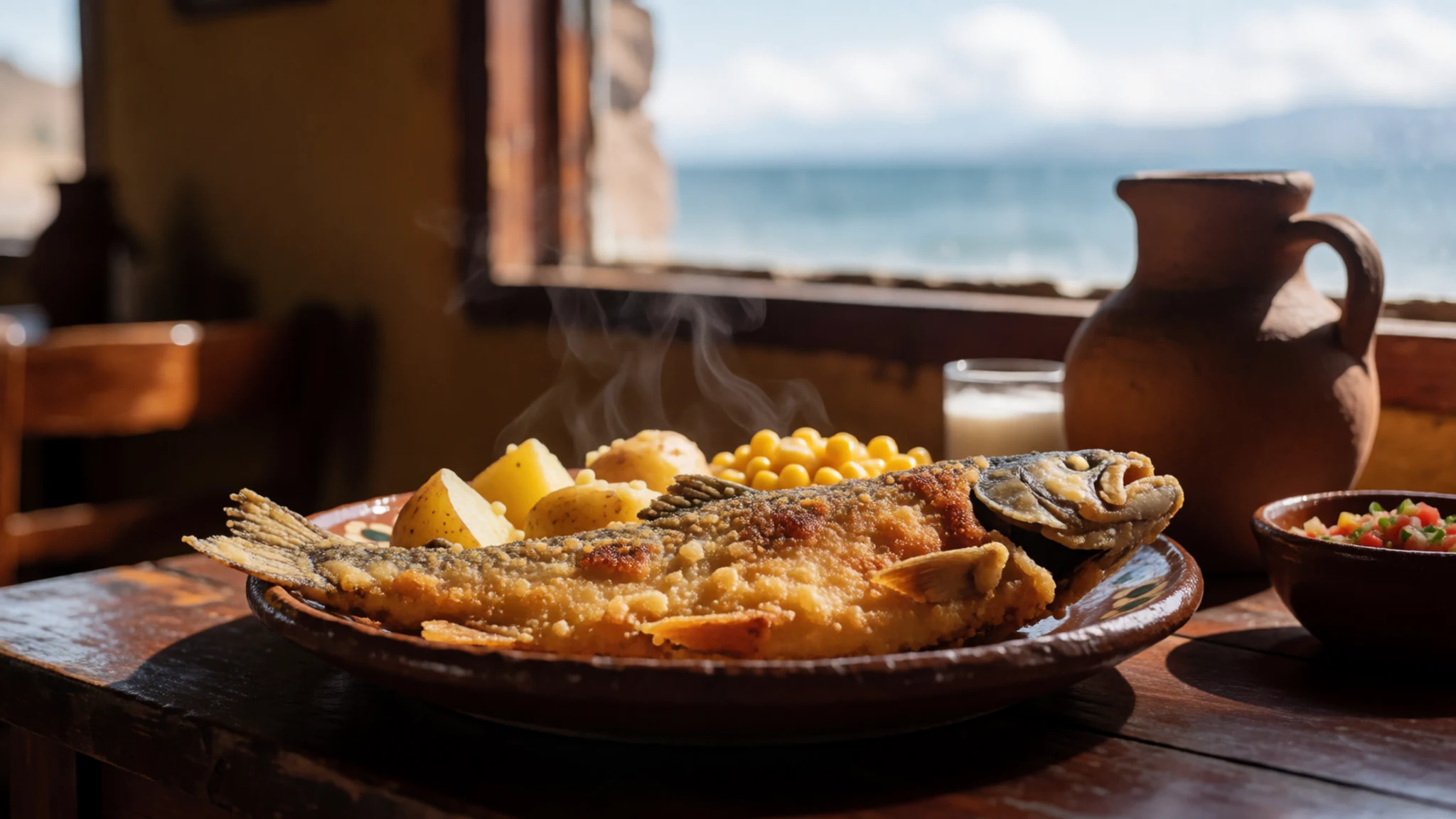
- Coca Tea — Morning markets and hotel breakfast rooms throughout the Titicaca basin
A soothing, golden infusion brewed from fresh coca leaves, widely consumed across the region to help travelers manage altitude-related headaches and adjust to the thin mountain air.
- Pejerrey — Local dockside food stalls and municipal markets
A smaller local freshwater fish prepared by light breading and frying, offering a delicate flavour and usually enjoyed as a hearty lunch dish by the waterfront. - Native Potatoes — Village communal kitchens and family-run restaurants
The altiplano produces dozens of indigenous potato varieties, boiled or baked and served as a staple accompaniment to almost every traditional meal, prized for their rich, earthy textures.
Plan it
Best time. May to October offers the driest weather, with clear blue skies and crisp sunny days, though nights remain very cold throughout the winter months.
How long. 3–4
Getting there. Fly into Juliaca or La Paz, then complete the journey to the lake by coach or scenic train across the altiplano.
Budget. mid
Tips
- Take it easy for your first two days to allow your body to acclimate to the high altitude.
- Drink plenty of water and try local herbal infusions to combat altitude headaches.
- Pack layers for rapidly changing weather, from strong daytime sun to freezing nighttime temperatures.
- Carry cash in local currency for small purchases on the islands and village markets.
Etiquette
- Always ask permission before photographing local residents in traditional dress.
- Respect sacred sites, archaeological remains, and quiet community spaces.
Nearby
Sources
- Wikidata Q35342 (CC0)
- Wikipedia (rev 1381116398) (CC BY-SA 4.0)
- Wikivoyage (rev 5111517) (CC BY-SA 4.0)
- Photo 01-isla-taquile-2023-038.jpg (CC BY-SA 4.0)
- Photo 02-copacabana-bolivia-at-sunset.jpg (CC BY-SA 4.0)
- Photo 03-vista-de-puno-y-el-titicaca-per-2015-08-01-dd-63.jpg (CC BY-SA 4.0)


