Lake Poyang
Lake Poyang, Han
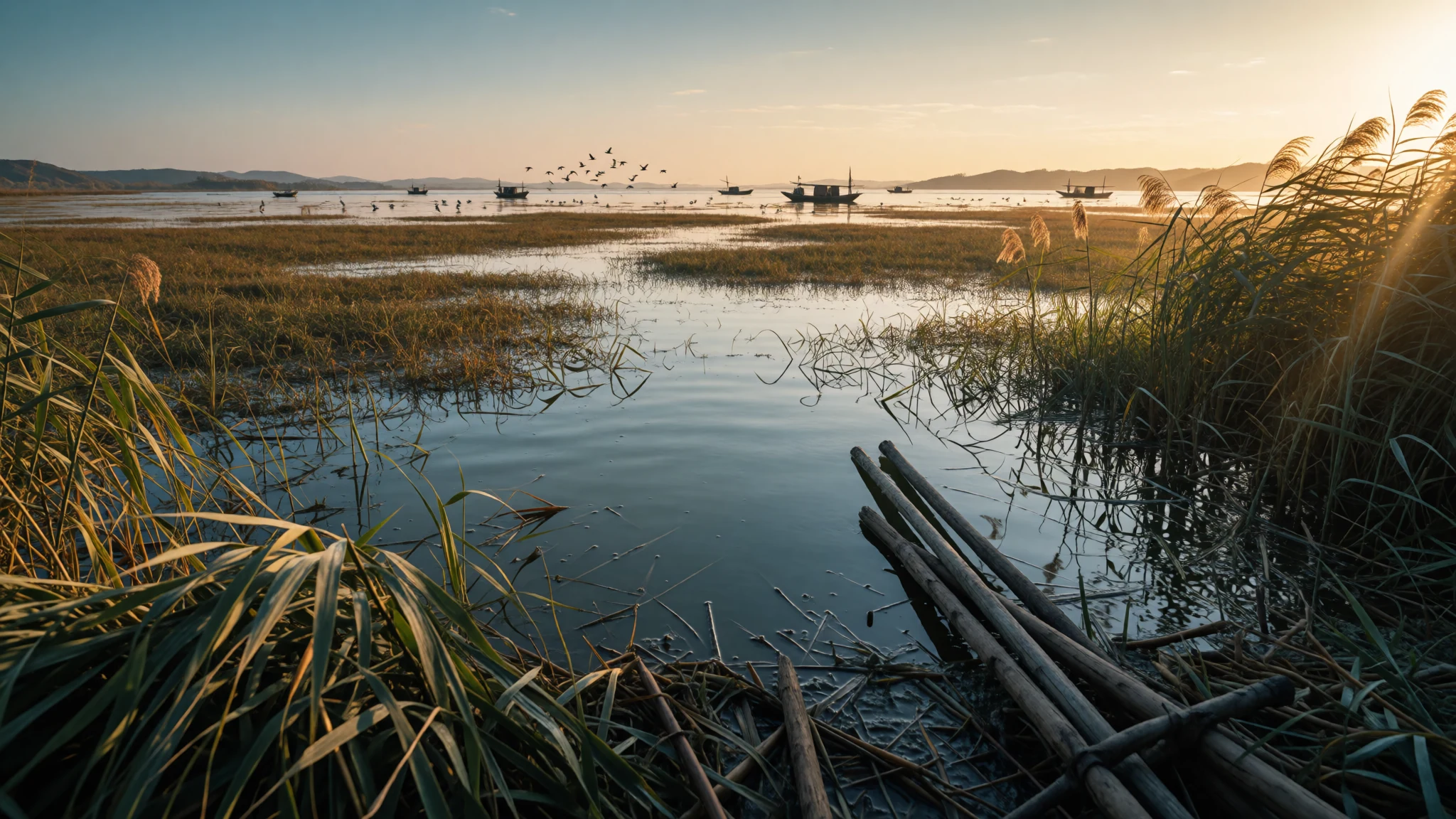
Lake Poyang is the largest freshwater lake in China, transforming through dramatic seasonal floods into a haven for hundreds of thousands of migratory birds.
The place
Lake Poyang sits within Jiujiang Prefecture in Jiangxi Province, functioning as a vast natural basin where several major waterways converge. Fed primarily by the Gan, Xin, and Xiu rivers, the waters collect across a wide plain before flowing northward through a connecting channel directly into the Yangtze River. The geography of the region is defined by these constant hydrological shifts, creating a landscape that blurs the boundary between land and water.
The most striking aspect of the lake is its radical transformation between seasons. In a normal year, the water covers an expanse that averages several thousand square kilometres, creating an inland sea dotted with fishing boats and reed beds. Yet this watery horizon is notoriously unstable. Environmental pressures, varying rainfall, upstream sand quarrying, and the regulation of water flow at major upstream dams have triggered severe droughts, shrinking the water body during dry spells to a fraction of its usual footprint. When the water retreats, it reveals muddy flats, ancient stone bridges, and temporary grasslands that transform the local ecosystem.
Despite these environmental fluctuations, the wetlands remain an ecological anchor for the province. The shallow bays and nutrient-rich mudflats support a rich web of aquatic life, sustaining local fishing communities that have adapted their daily routines to the rising and falling tides of the basin. Visitors travelling through Jiujiang Prefecture encounter a landscape in constant motion, where villages on stilts and seasonal embankments tell the story of a water body that refuses to remain still.
Its story
Lake Poyang occupies a storied place in Chinese literature and historical imagination, most famously immortalised in the epic historical novel Romance of the Three Kingdoms. In classical lore, the expansive waters and narrow northern exit made the basin a strategic theatre for naval power, troop movements, and legendary military encounters where dynasties clashed for supremacy over the riverways.
For centuries, poets, officials, and travellers journeying through Jiangxi Province have recorded the shifting moods of the basin in calligraphy and verse. The lake was viewed not merely as a body of water, but as a living, unpredictable entity whose sudden storms and winter fogs tested the skill of local sailors and fishermen. Traditional folklore surrounding the lake is filled with tales of sunken fleets, hidden treasures, and protective river spirits that mirror the volatile nature of the water level itself.
In modern times, the historical narrative of the lake has shifted from military strategy to environmental guardianship. As the natural rhythms of the basin face increasing pressure from human activity and climate variation, the cultural identity of the region has become closely tied to the protection of its seasonal visitors. The fate of the waters and the wetlands is now watched closely by conservationists and local communities alike, ensuring that the legacy of the basin endures beyond the pages of classical history into the contemporary era.
What to see
- Jiangxi Wetland Reserves — Jiujiang Prefecture
Explore the protected mudflats and shallow marshlands where hundreds of thousands of migratory birds gather during the colder months. Early morning boat trips offer views across the reed beds.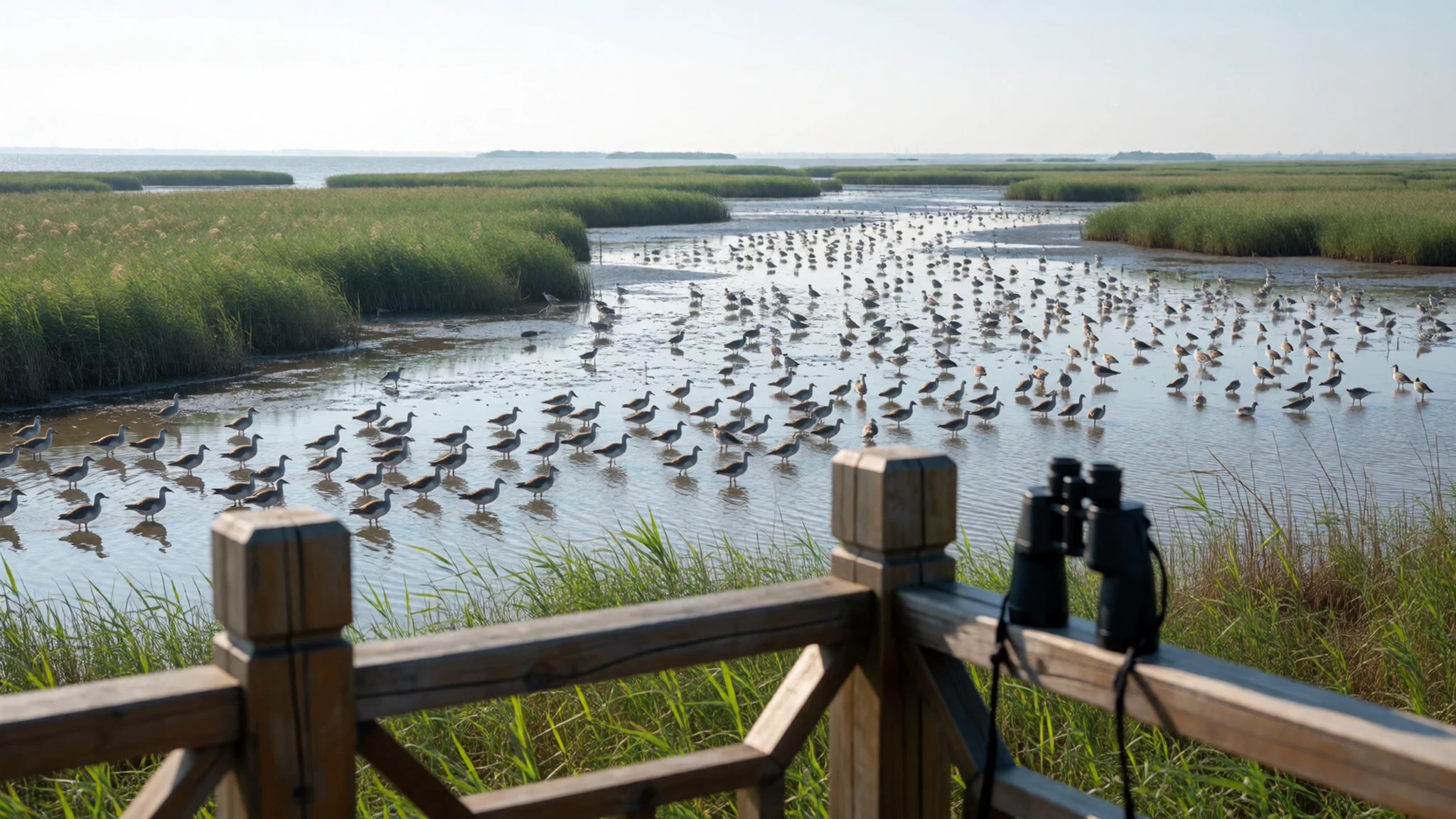
- Lake Outlet Channel — Northern Jiujiang
Visit the northern narrows where the basin empties its waters northward into the Yangtze River. This dynamic channel demonstrates the powerful currents and changing water levels of the region.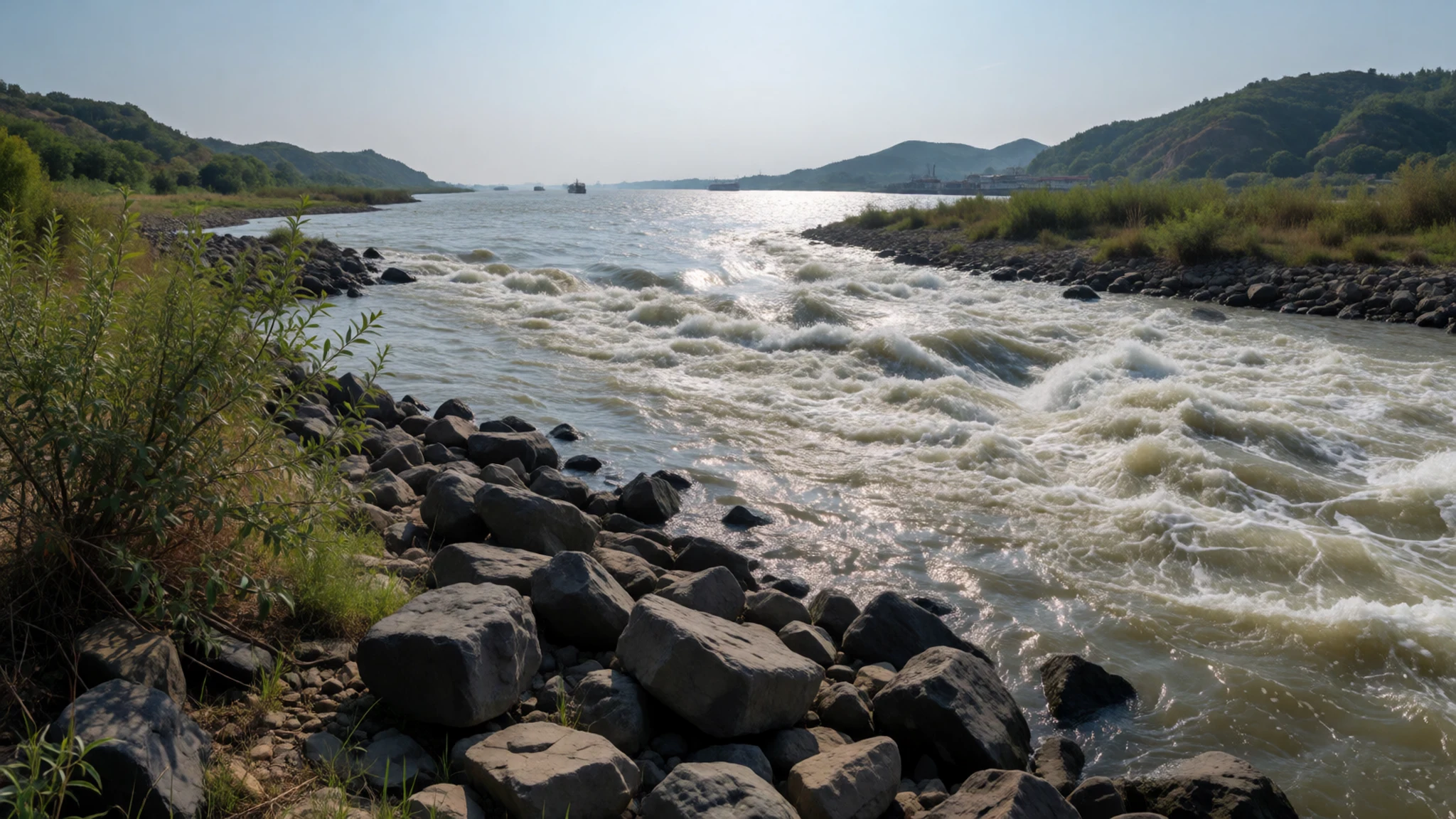
- Local Fishing Villages — Poyang Lake shoreline
Walk through the traditional lakeside settlements built to adapt to seasonal floods. Observe how local communities manage boats, nets, and stilt-supported structures along the changing shoreline.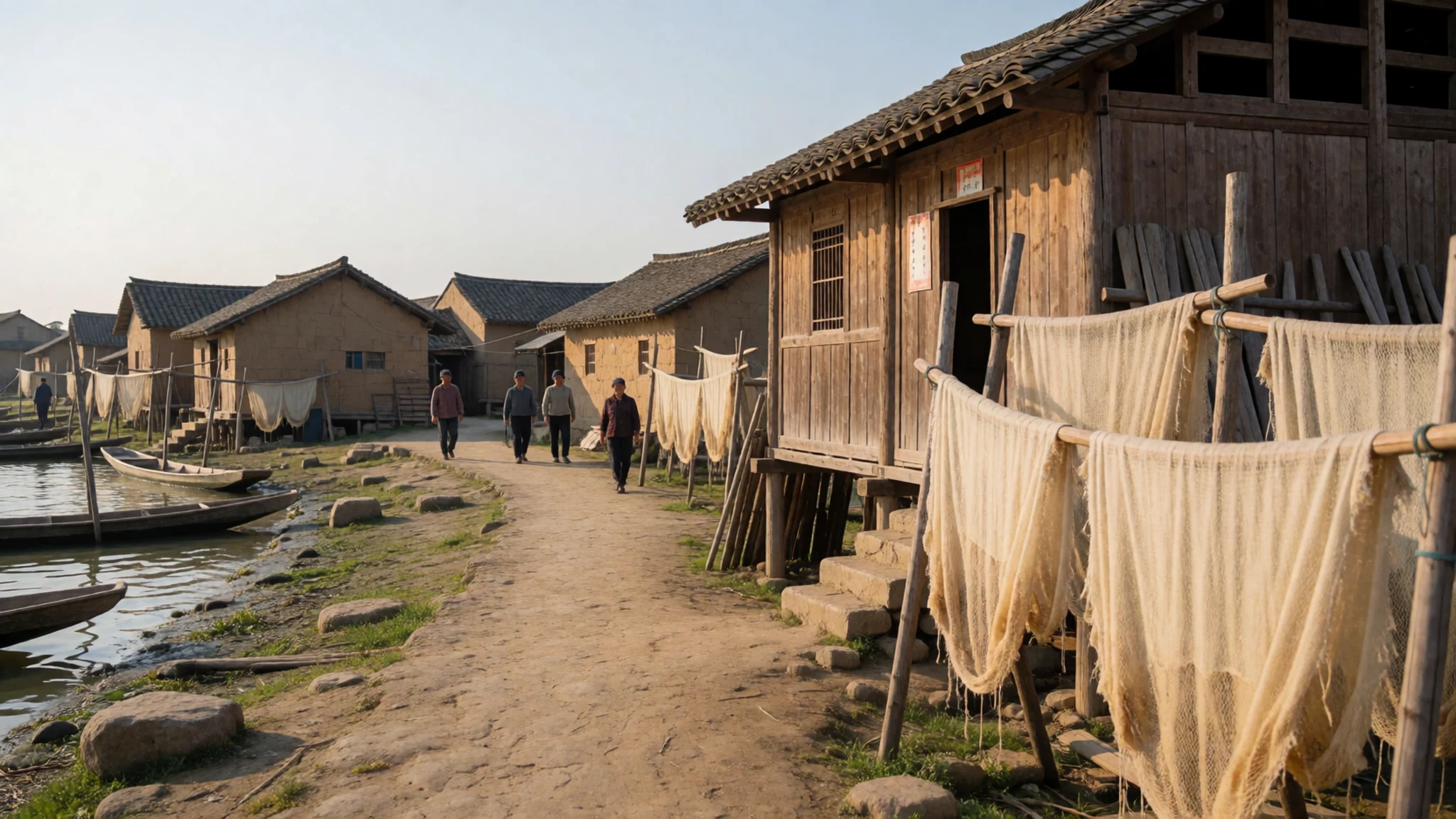
- Jiujiang Riverside Promenades — Jiujiang city
Take a stroll along the urban waterfronts of the prefecture to view the broader hydrological context where regional tributaries meet the main river networks.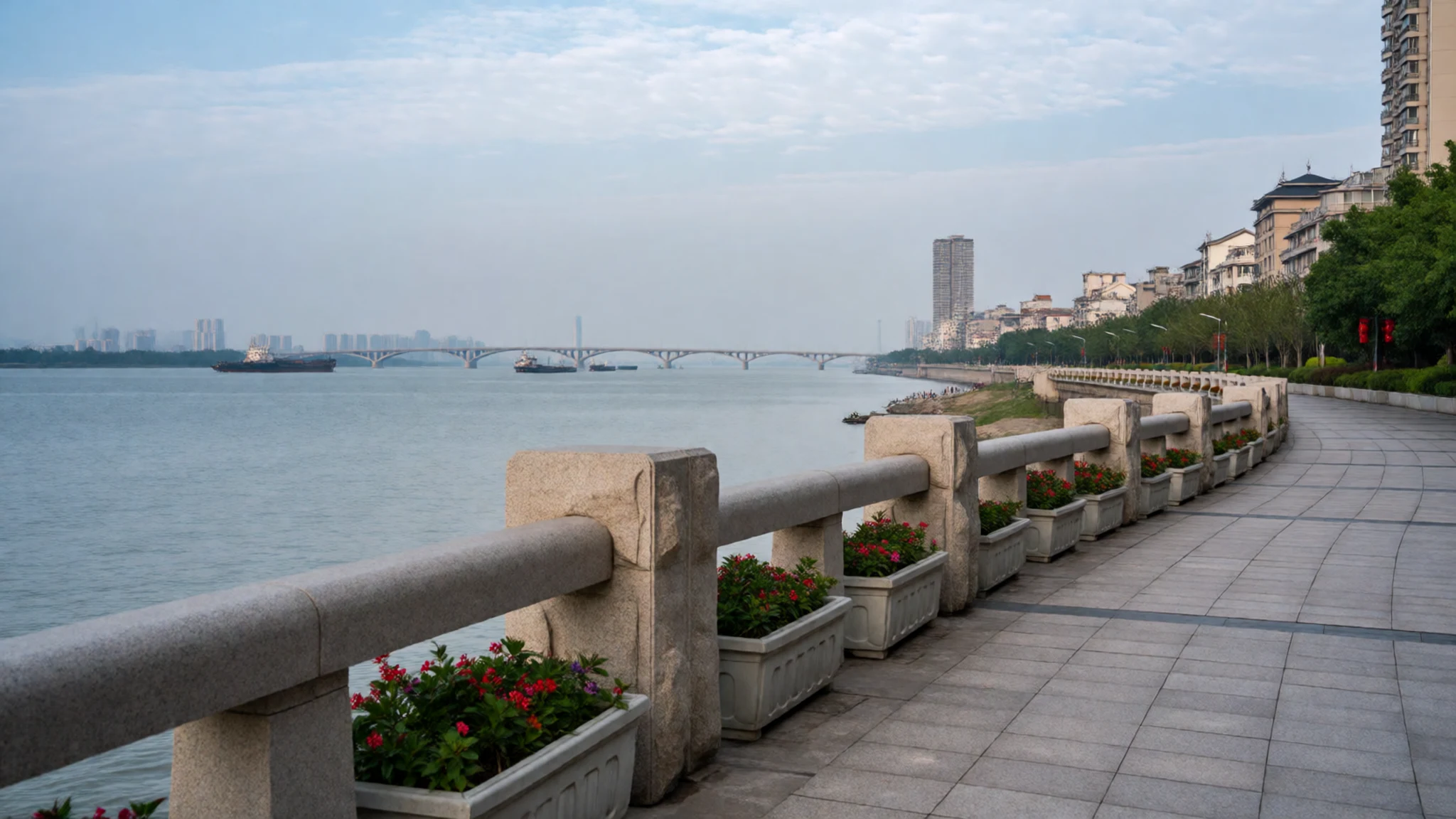
Culture
The cultural fabric of the Lake Poyang region is deeply intertwined with waterborne traditions, fishing heritage, and rural Jiangxi customs. Communities living along the shores have developed distinct vernacular architecture, including stilt houses and movable docks designed to withstand the annual rise and fall of the floodwaters. Local dialect, festivals, and culinary preferences reflect a lifestyle shaped by seasonal abundance and scarcity. Traditional boat-building techniques and net-fishing methods have been passed down through generations, maintaining a fragile balance between human livelihoods and the delicate wetland ecology. When visiting local villages or natural reserves, dress modestly, keep noise levels low near bird-watching zones, and always ask permission before photographing residents or their working equipment.
What to wear
Traditional dress in the Jiangxi countryside historically favoured practical cotton garments in indigo and earthy tones, designed to handle damp conditions and manual labour around the water. Today, residents in Jiujiang Prefecture and surrounding towns wear contemporary casual clothing, with younger generations following standard East Asian urban trends.
For visitors exploring the lake and its surrounding wetlands, practical outdoor gear is essential. Pack windproof jackets, layered clothing for chilly winter mornings, and sturdy waterproof footwear or boots capable of handling muddy paths and damp reed beds. Bring sun protection for open boat rides on the water, and carry modest, neutral-toned layers if you plan to visit rural temples or local communities.
What to eat
- Poyang Lake Fresh Fish — Local lakeside restaurants
Sample freshwater catches prepared in traditional Jiangxi styles, often steamed or braised with local chili peppers, ginger, and garlic, found in eateries throughout Jiujiang Prefecture. - Jiangxi Rice Noodles — Jiujiang morning markets
Savour slippery, stir-fried or broth-soaked rice noodles tossed with preserved vegetables, pork, and local spicy seasonings at morning street markets across the region. - Lotus Seed and Root Soup — Traditional Jiangxi eateries
Enjoy a comforting broth made with fresh lotus roots and seeds harvested from the shallow wetlands, commonly served in family-run eateries throughout the province. - Stuffed River Snails — Riverside food stalls
A regional delicacy featuring freshwater snails cooked with perilla leaves and fermented bean curd, popular in local night markets and riverside food stalls.
Plan it
Best time. October to February for optimal bird-watching and cooler weather, avoiding the humid summer months and the heavy rainy season.
How long. 2–3
Getting there. Fly or take the high-speed train to Jiujiang or Nanchang, then continue by regional bus or hired car to the lake shore and wetland reserves.
Budget. mid
Tips
- Check seasonal water levels and bird migration updates before planning your visit
- Book boat tours and local guides in advance through your accommodation
- Carry cash for small rural shops, market stalls, and village transport
- Bring binoculars and telephoto lenses if you plan to observe migratory bird populations
Etiquette
- Respect all wildlife protection boundaries and do not disturb nesting or feeding birds
- Ask permission before photographing local fishermen and private property
- Dispose of all litter responsibly to protect the fragile wetland ecosystem
Nearby
Sources
- Wikidata Q124154472 (CC0)
- Wikipedia (CC BY-SA 4.0)
- Wikivoyage (CC BY-SA 4.0)