Lake Orta
Lake Orta, Italy
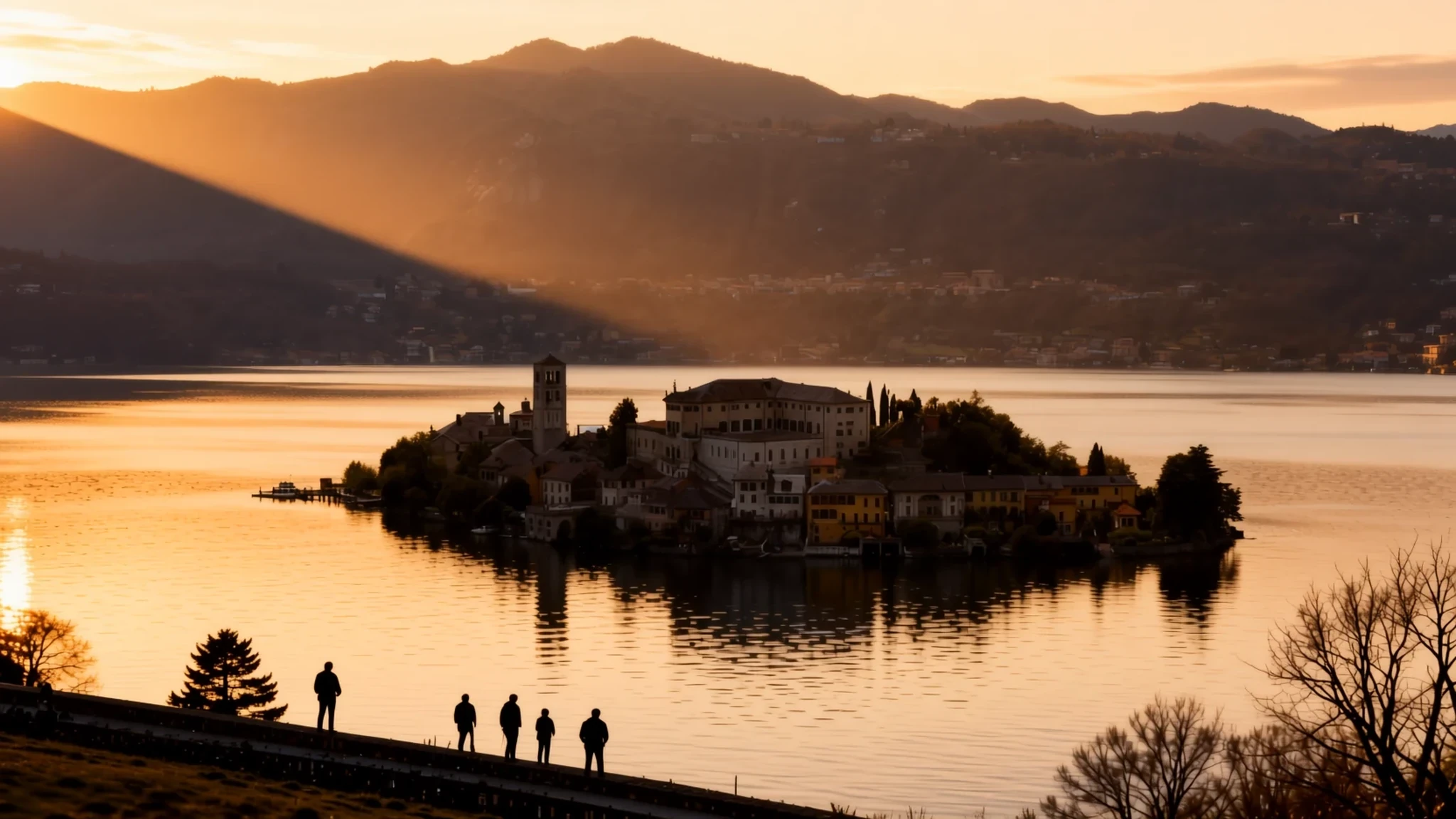
Quiet lakeside villages, a small island with a church, and ferries that turn the water into your road.
The place
Lake Orta sits in northern Italy, just west of Lake Maggiore, at about 290 metres above sea level. Locals also call it Lago d'Orta. Until the 16th century it was known as Lago di San Giulio, after Saint Julius of Novara, the patron saint of the region. The shoreline is a ring of small towns: Orta San Giulio sits on a peninsula along the east shore, Omegna lies at the northern end, and Pettenasco and Pella fill the gaps on the other sides. The scenery is distinctly Italian, with wooded hills rising straight from the water. In the middle of the lake the small island of San Giulio, fortified in late antiquity, carries a handful of picturesque buildings.
The lake's origins are a story of retreating ice. Scientists believe the lake is what's left of a once-far-bigger body of water, which channelled the Toce river southward toward Novara. As the glaciers pulled back, the meltwater that fed it dwindled and was gradually diverted into Lake Maggiore, leaving Orta smaller and quieter than its neighbour.
Today the lake is a place of small towns and slow boats. Frequent ferries link the villages around the shore, so the water works as a road as well as a view. Rowing has a place in its history too: the inaugural European Rowing Championships were held here in 1893. The surrounding region has been an industrial heartland since 1800, and although some of that industry has gone, tourism has become a growing part of the local economy. The lakeside villages are busiest on summer weekends and calmest in the cooler months.
Its story
Lake Orta is the leftover of something larger. It is thought to be the remnant of a much bigger sheet of water that carried the Toce river south towards Novara. As the glaciers retreated, the streams that fed that water shrank and were gradually diverted into Lake Maggiore, leaving the smaller lake we see today.
The lake's name has shifted over time. Up to the 1500s, the lake was known as Lago di San Giulio, named for Saint Julius of Novara, the patron saint of the region. The island in the middle keeps his name, and it was fortified in late antiquity, when a sheltered island in a lake was a useful place to defend.
From around 1800 the wider region became the industrial heart of Italy. Its factories shaped towns and jobs for generations, and the decline of that industry since then has been hard for many families. Tourism is becoming a bigger part of local life as heavy industry fades, bringing visitors to villages that once depended on factory work.
The monarchy left its mark as well. Many of the wide natural parks in the region were once royal hunting reserves, and the 18th- and 19th-century buildings in its towns reflect the court life of that era. Those layers mean the landscape is partly shaped by history, not just by wild water and hills.
Rowing has its own small place in the story. The inaugural European Rowing Championships were held on the lake in 1893, a reminder that it has long been a place for sport as well as for quiet. Today its history shows most clearly in its buildings and its ferries, which still link the towns and villages around the shore.
What to see
- Orta San Giulio — East shore peninsula
The village sits on a peninsula projecting from the lake's east shore, with old streets running down to the water. Go early or in the late afternoon, when the light on the island is best and the lakeside is quieter. The lanes are easy to explore on foot, and the main square is a good place to wait for the ferry across to the island.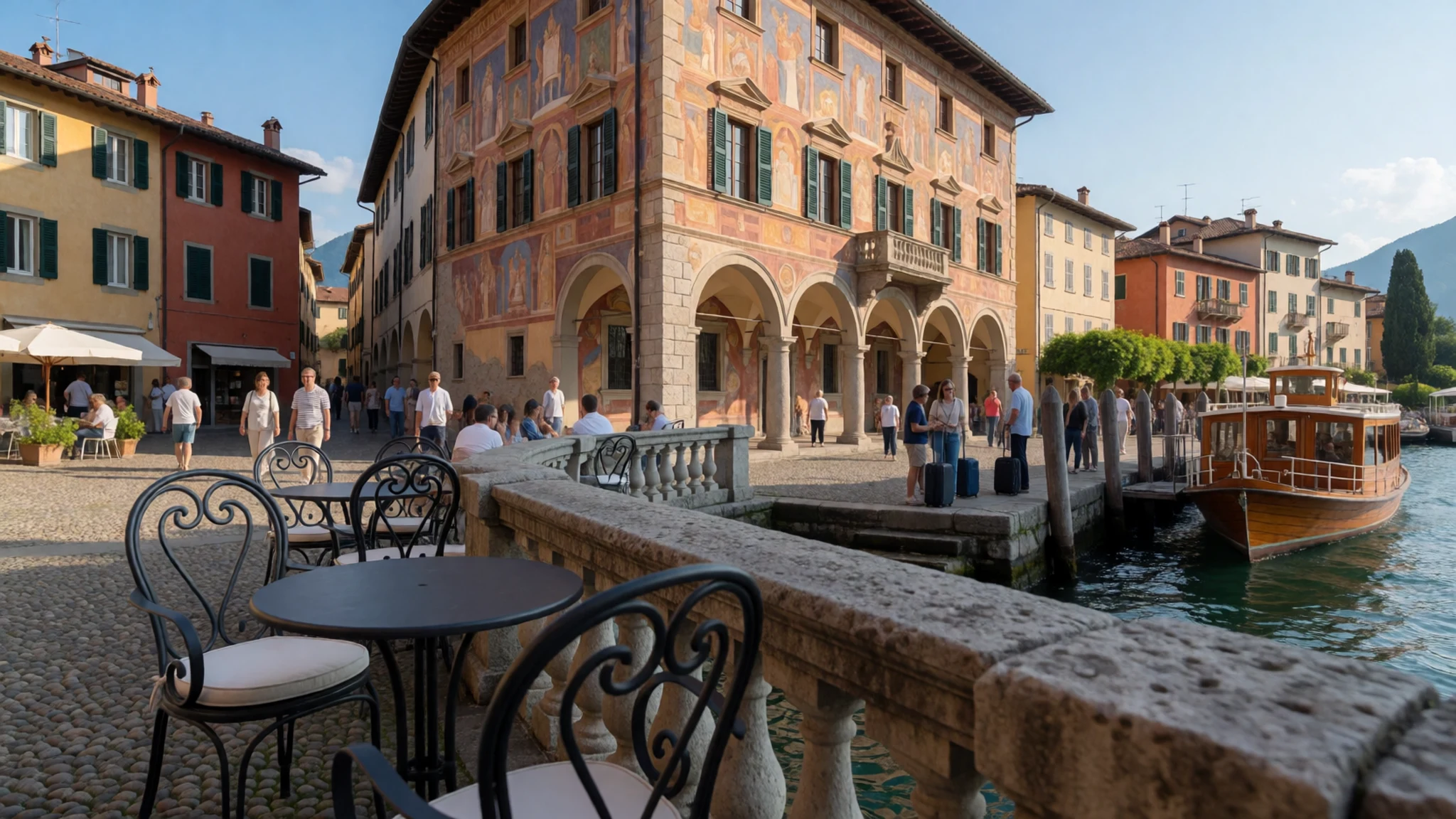
- Isola di San Giulio — Island in the middle of the lake, reached by ferry from Orta
The small island sits a short way out from Orta and has been fortified since late antiquity, with some picturesque buildings grouped around its church. The island is reached by ferry from Orta, and the crossing is part of the pleasure. Allow time to walk the paths and look back at the village from the water. Expect the island to be busy at midday in high summer.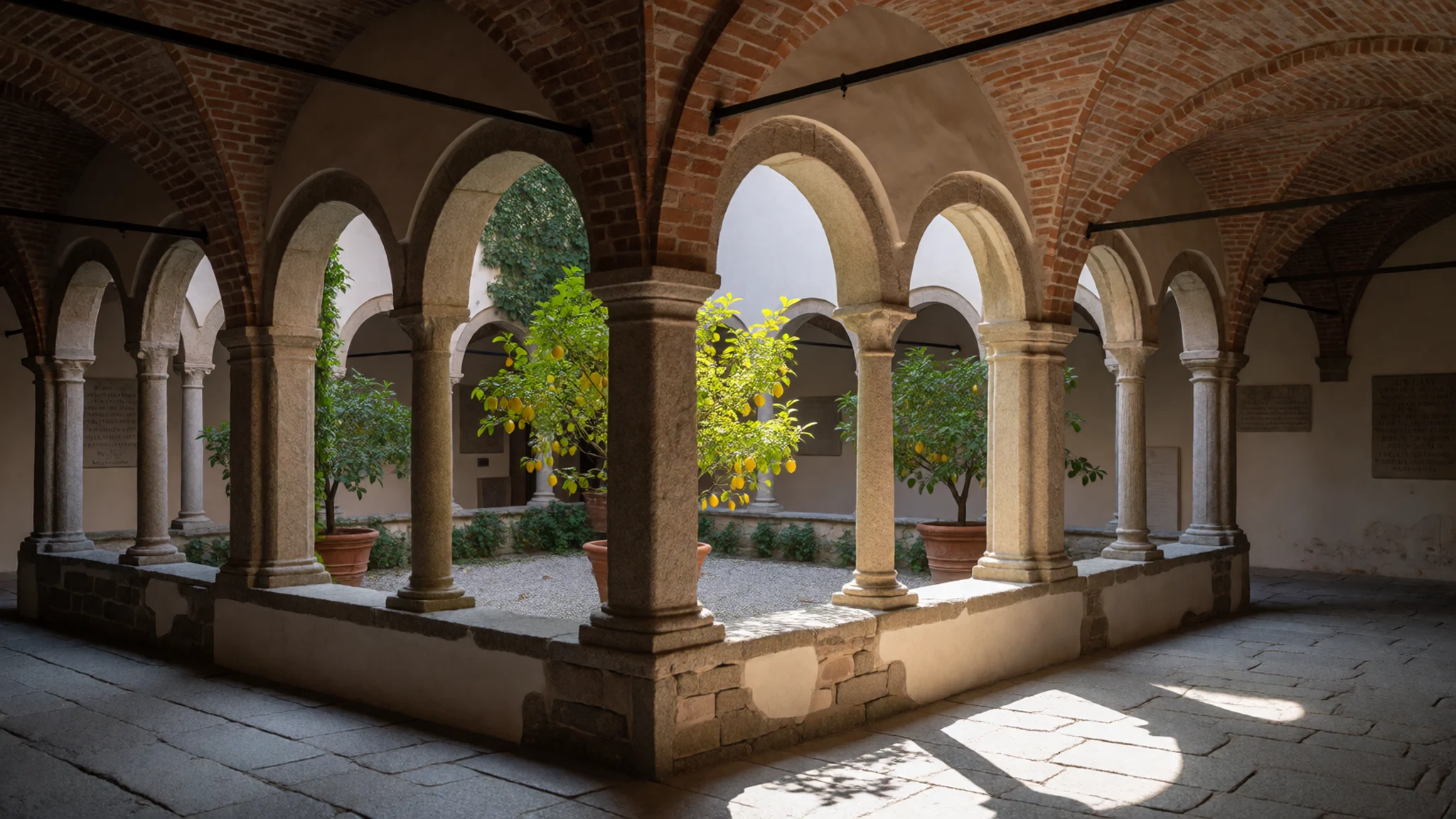
- Omegna — Northern end of the lake
Omegna sits at the northern end of the lake, where the hills rise close behind the town. It is a practical stop for ferries, and a useful place for lunch before or after a walk along the shore. Look south down the lake from the waterfront for the clearest view of the water.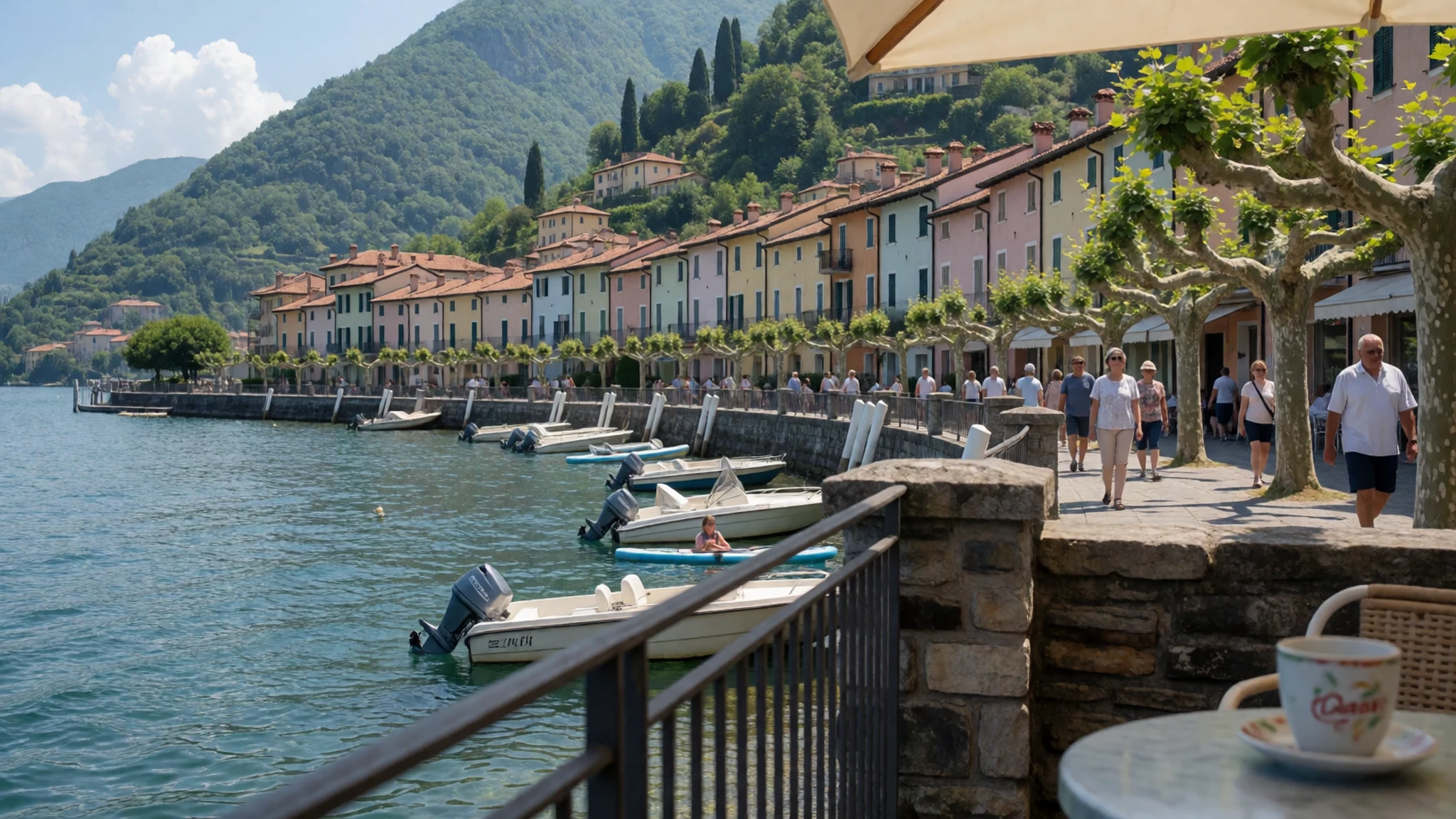
- Pella — Western shore
Pella lies on the western shore, a quieter village with its houses stepping down toward the water. It has a lakeside feel without the crowds of the main town, and it is a good place to slow down on a walk around the lake. Ferry stops here connect it with the other villages, so you can stay for the afternoon and head back by boat.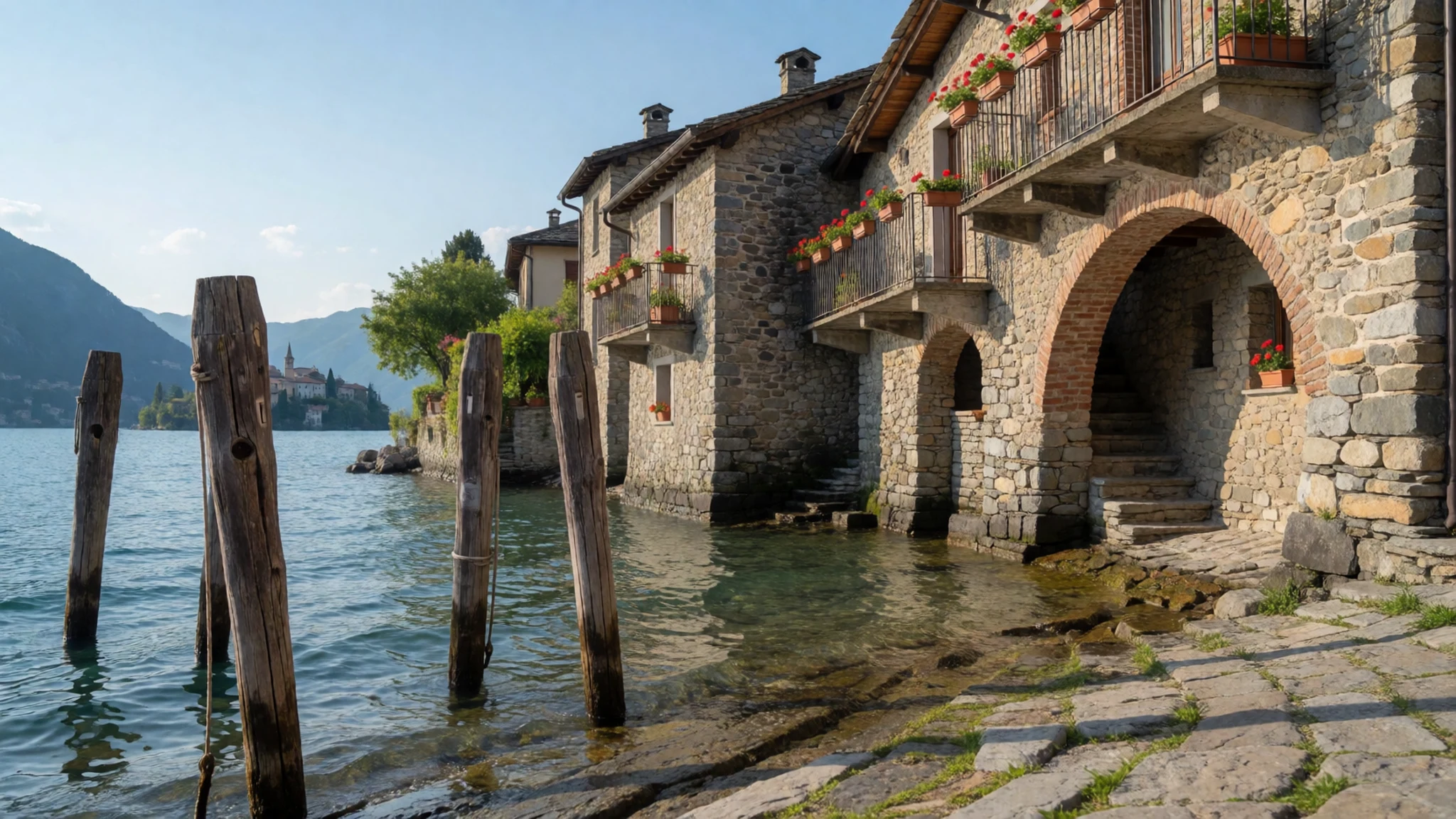
- Croce di Egro — Hill above the northern lake
A cross on the hill above the northern lake gives a wide view over the water, the villages and the surrounding mountains. Go in clear weather, since haze can hide the far shore. The paths can be steep and stony, so wear proper shoes and carry water.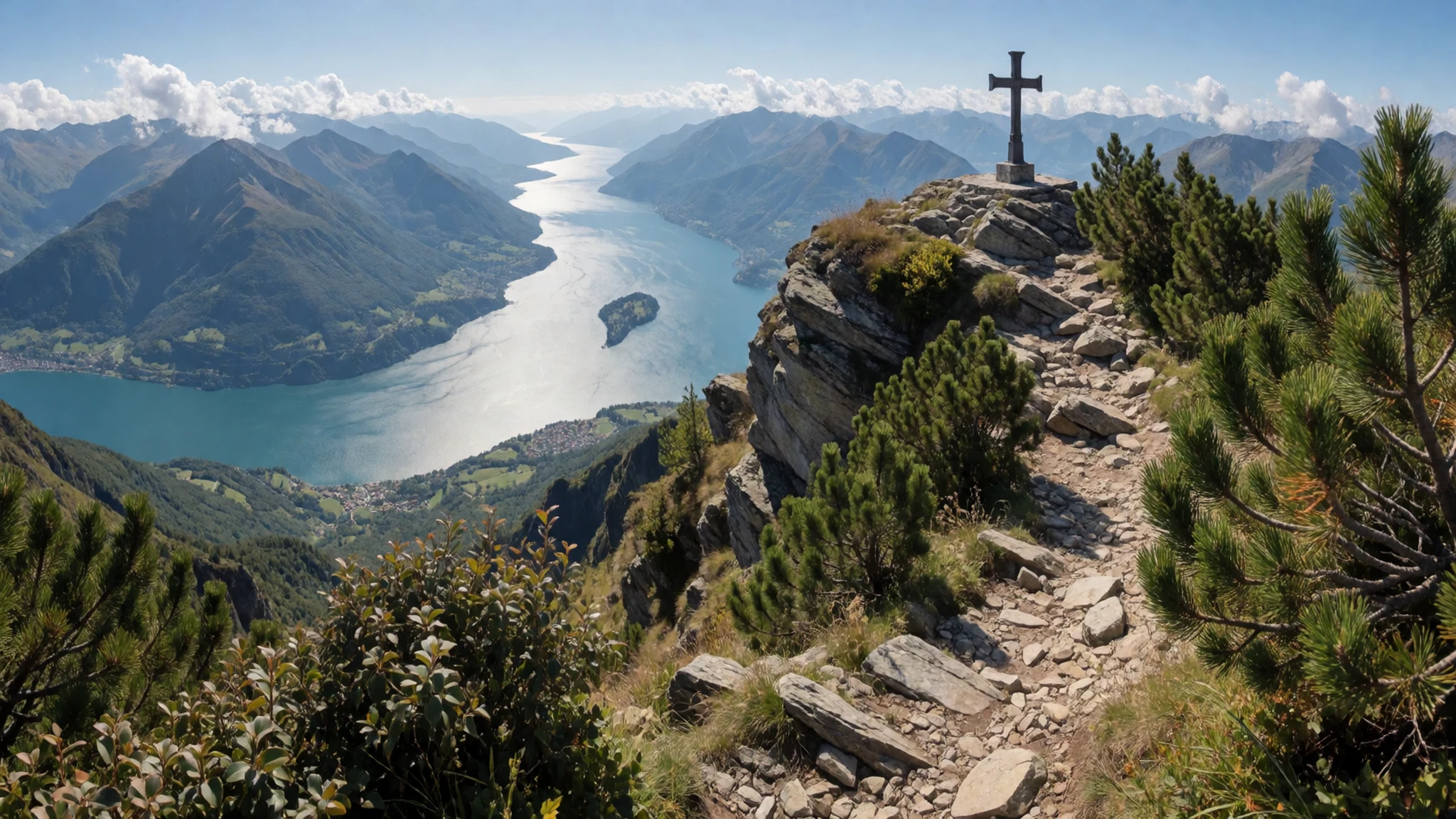
Culture
Orta San Giulio and the island are small, lived-in places, and daily life moves at an unhurried pace. Piedmontese people are generally friendly and down to earth, and a few words of Italian at a café counter or ferry ticket window go a long way. Much of lakeside life runs on the boats, so locals plan their crossings around the timetable, and visitors do well to do the same. Restaurants and cafés do not expect a tip, though rounding up the bill is a friendly gesture if you want to make one. Late evenings carry sound far across the water, so keep voices down on the promenade and in boats after dark. Visitors who take a quiet, respectful approach to village life tend to get the warmest welcome, and the smaller trattorias reward a little patience. Cover shoulders and knees, lower your voice and step quietly inside any church on the island or in the village, and ask before photographing anyone at prayer.
What to wear
Traditional dress around Lake Orta belongs mostly to festivals, folk events and local museums rather than to everyday life. Costume details differed from village to village, so the best way to see them is at a local celebration, not in the streets.
What people wear now looks much like what you would see in any Italian town. Locals dress neatly for evening strolls along the promenade, often in lightweight jackets, dark trousers and comfortable shoes, and smart-casual clothes are the norm in restaurants. Summer weekends bring more T-shirts and sunglasses, but nobody expects formal dress at the lakeside.
For a visit, pack in layers. Lake breezes can cool the air after sunset even in warm months, and the water can make early mornings feel chilly. Wear sturdy, flat shoes for stone lanes, steps and the hill paths above the shore. Cover shoulders and knees when you enter churches, including the church on the island, and carry a light scarf that works as cover. Swimwear suits the beaches and the water itself, but it is not appropriate in village streets or on restaurant terraces.
What to eat
- Bollito Misto — Old trattorie away from the lakeside strip
Beef and pork boiled slowly with vegetables, then served in slices with a selection of sauces. It is a traditional dish of the region and a meal to order in an older trattoria. It suits the cooler months best.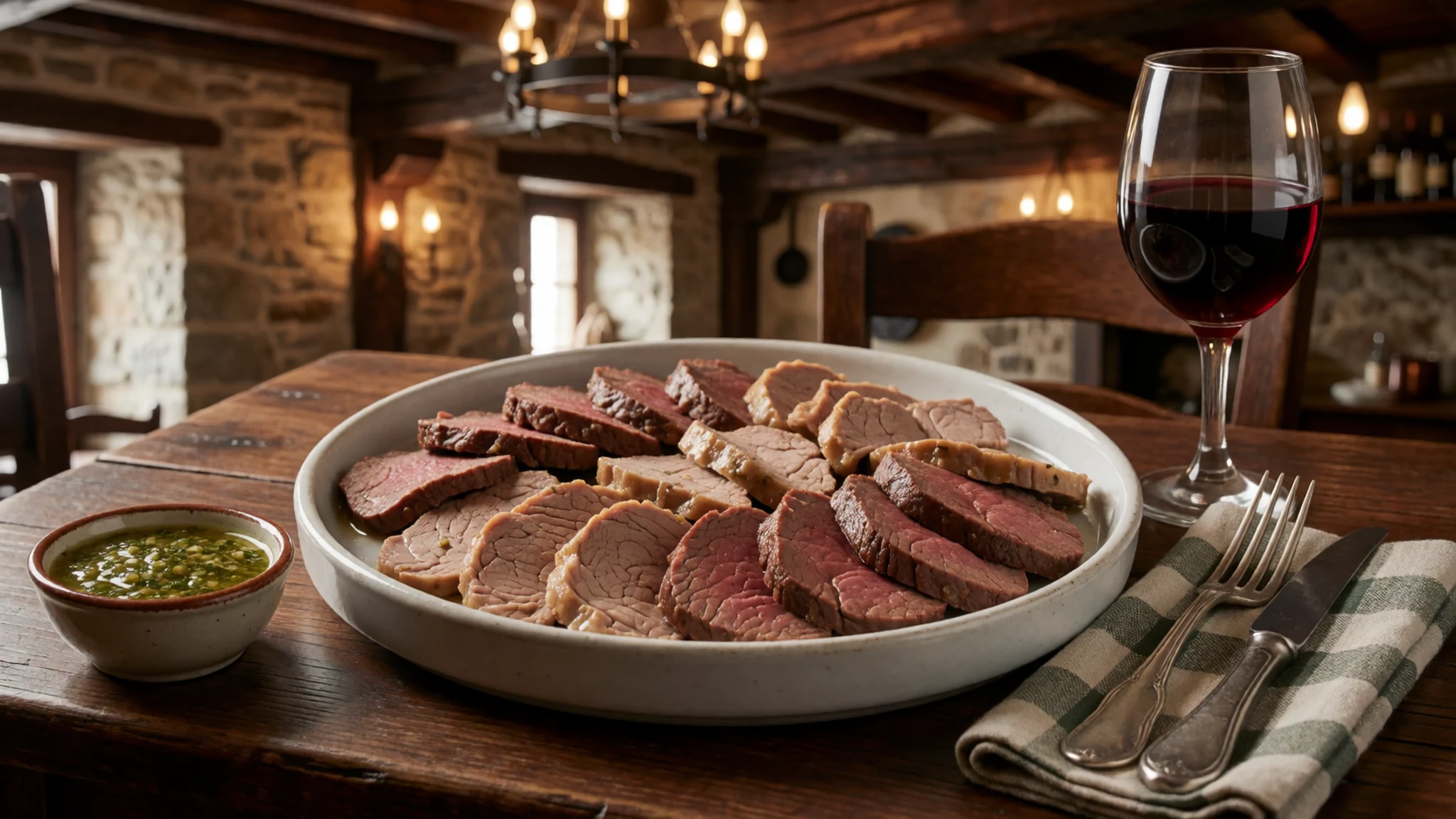
- Fritto Misto — Traditional restaurants in the older towns, away from the main tourist streets
A mixed plate of fried meats and vegetables, usually sent out hot and crisp from the pan. It is a good way to try several things in one go, and it works well as a shared starter.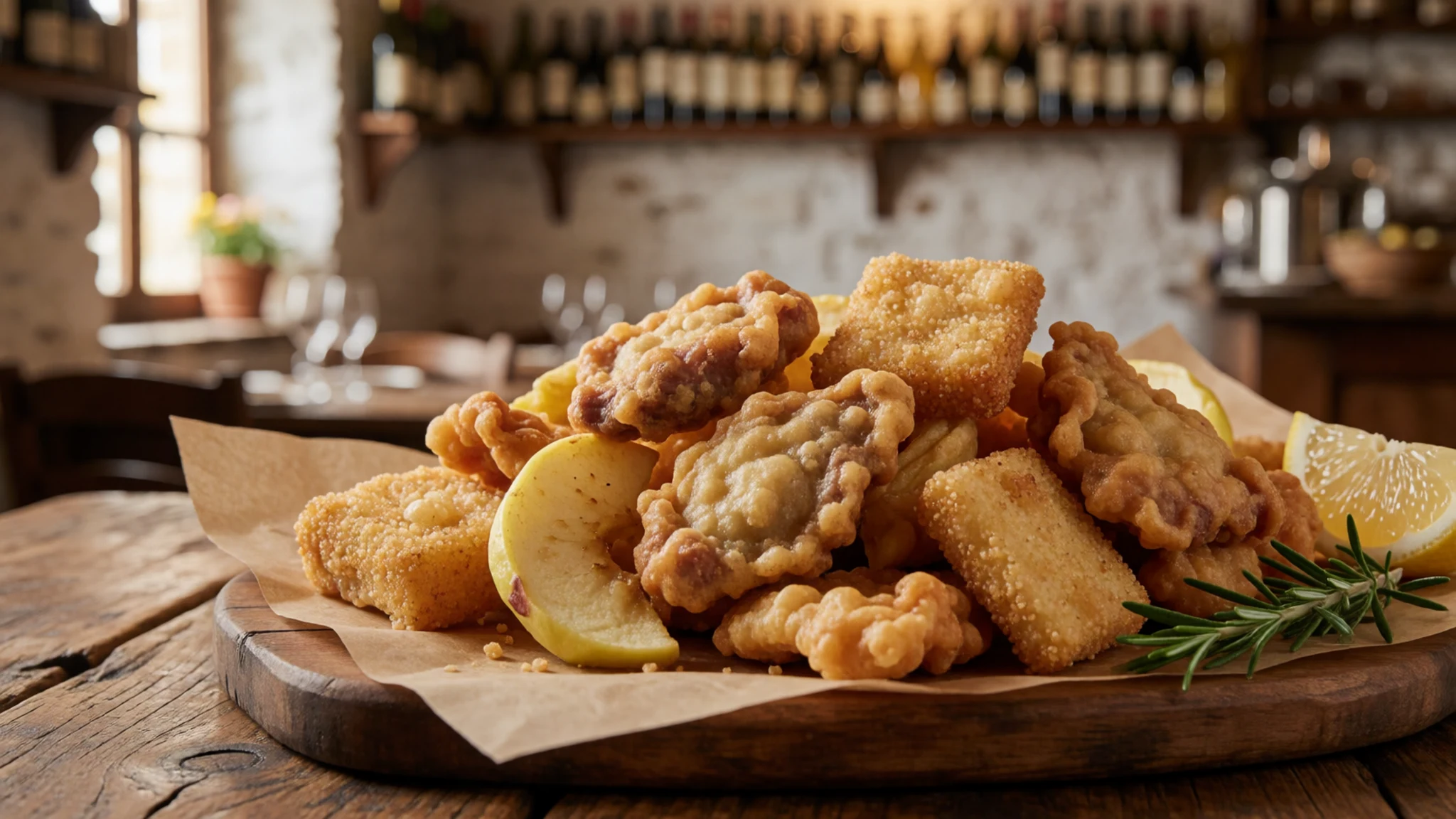
- Bagna Cauda — A winter trattoria, especially in the hills and smaller villages
A hot garlic sauce kept warm in a pot at the table, for dipping raw vegetables such as cardoons, peppers and fennel. It is a sociable dish for a winter evening, best shared among a group of friends. - Lake fish — Lakeside restaurants in Orta San Giulio, Omegna and Pella
Fresh fish from the lake and the rivers that feed it, often simply grilled or fried. Ask what the day's catch is, since the choice changes with the boats. It is a lighter option after the heavier meat dishes. - Paniscia vercellese — Traditional restaurants that serve regional dishes
A rice and bean dish from the Vercelli area, cooked with sausage until thick. It is a local speciality that comes from a town a little way from the lake, so look for it on menus in traditional restaurants that serve regional food.
Plan it
Best time. Late April to June for green hills and calm water, and September to October for softer light and fewer visitors. Midsummer weekends are the busiest on the shore, and the lake can be rainy at any time of year.
How long. 2–3
Getting there. Milan Malpensa (MXP) is the closest large international airport, with the Malpensa Express train running to Novara. Turin Caselle (TRN) is the main airport of Piedmont. From Novara, on the main Turin–Milan line, take local transport north, then a bus or the lake ferries to Orta San Giulio.
Budget. mid
Tips
- Base yourself in Orta San Giulio or a smaller lakeside village, since the ferries make it easy to move around
- Check ferry timetables locally before planning crossings, as services vary by season
- Visit the island early or late in the day to avoid the midday crowds
- Carry some cash for smaller trattorias and village shops
- Bring water and sturdy shoes for the hill paths above the lake
Etiquette
- Cover shoulders and knees when entering churches, and keep your voice low inside
- Ask before photographing people, especially at religious services
- Keep noise down on the water after dark and along the promenades
Nearby
Sources
- Wikidata Q63141 (CC0)
- Wikipedia: Lake Orta (rev 1382241747) (CC BY-SA 4.0)
- Wikivoyage: Piedmont (rev 5404369) (CC BY-SA 4.0)
- Lago d'Orta and Omegna, Hagai Agmon-Snir (CC BY-SA 4.0)
- Orta San Giulio, Hagai Agmon-Snir (CC BY-SA 4.0)
- Pella (Italy), Hagai Agmon-Snir (CC BY-SA 4.0)
- Isola di San Giulio, Malgascin (CC BY-SA 4.0)
- Panorama dalla croce di Egro, Malgascin (CC BY-SA 2.5)
- Geographia Blaviana (1659), Fondo Antiguo, Universidad de Sevilla (CC BY 2.5)
- Carte postale, vers 1900, unknown author (Public domain)
- Orta San Giulio, Geobia (CC BY 3.0)


