Lake Garda
Lake Garda, Italy
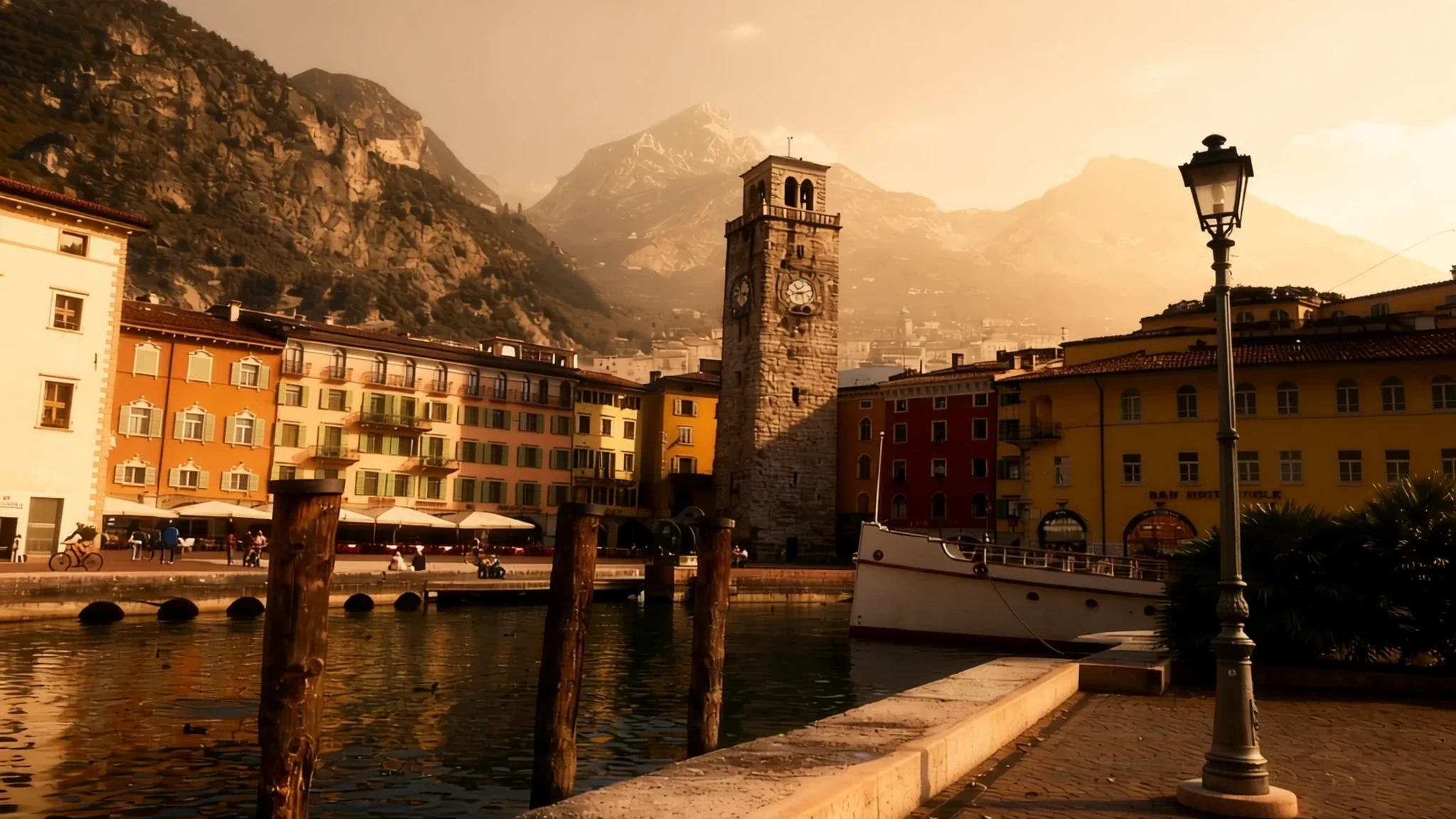
Italy's largest lake, cupped by the Alps and set between Milan and Venice, offers lakeside towns, mountain cable cars and wine country.
The place
Lake Garda sits in northern Italy, stretched between the Po plain to the south and the Alps to the north. It is the largest lake in Italy and has been a holiday destination for a long time. Most visitors reach it from Verona, Brescia, Milan or Venice, since the lake lies between those cities, with Brescia to the south-west, Verona to the south-east and Trentino at the northern end. The northern part sits in a deep depression pushed into the mountains, while the southern end opens onto flatter country. The surrounding peaks belong to the Garda Mountains and the Brenta Group, and the lake's shape is that of a long valley filled with water. At an elevation of 65 metres, the shoreline is low enough to feel mild compared with the high country just above it, which surprises many people who expect a purely alpine landscape.
The towns are the main draw. Riva del Garda and Arco sit at the northern end, where the mountains rise sharply from the water. Malcesine has a castle on the eastern shore and a cable car up Monte Baldo, Sirmione stretches out on a narrow peninsula in the south-west, and Bardolino is known for its wine. Buses link many of the lakeside towns, though the roads around the lake slow down in the busiest weeks of summer, so allow extra time for any journey by road.
The lake works best in the shoulder seasons. Spring brings clearer views and quieter promenades, and autumn is calmer still. Summer is busy, hot and expensive in the main towns, and a boat trip can be a more relaxed way of moving between villages than the lakeside roads.
Its story
Lake Garda's human history reaches back to the Middle Palaeolithic, although the evidence is patchy. Flint tools survive only at higher altitudes, because glaciers scoured the lower ground and erased whatever early people had left there. Traces of short-term camps from the Upper Palaeolithic appear on the slopes of Monte Baldo and Stivo. In the Neolithic, communities around the water came into contact with a distinctive pottery culture, and its grave goods have turned up near Arco.
The Bronze Age is the period with the richest evidence. Settlers built clusters of stilt houses over the shallows of the lower lake, then gave them up in the Iron Age in favour of more strategic sites. The lake became a meeting place for the Reti and the Veneti, whose cemetery at Garda survives as a key find, and Etruscan merchants travelled the area to trade. The Cenomani, probably living on the land south of the water, left their mark mostly in local place names that still carry their memory today.
Rome arrived gradually. An alliance involving the Cenomani, the Veneti and Rome set the terms for cooperation in the early period, and the fuller Romanisation of the territory followed over the next century or two. The castles, villas and lakeside towns that visitors see now came much later, but the deepest layer of the story lies in the stilt-house remains and the cemeteries, which show a lake that drew traders and travellers long before the holiday crowds arrived.
What to see
- Isola del Garda — Off the western shore, near San Felice del Benaco
Isola del Garda is a private island with a villa and a formal garden, and it is not open to ordinary visitors. Seen from the water, it makes a striking focal point on a boat trip across the lake. Landing there is not part of any standard visit, so the island is best enjoyed as a view from the shore or from a boat.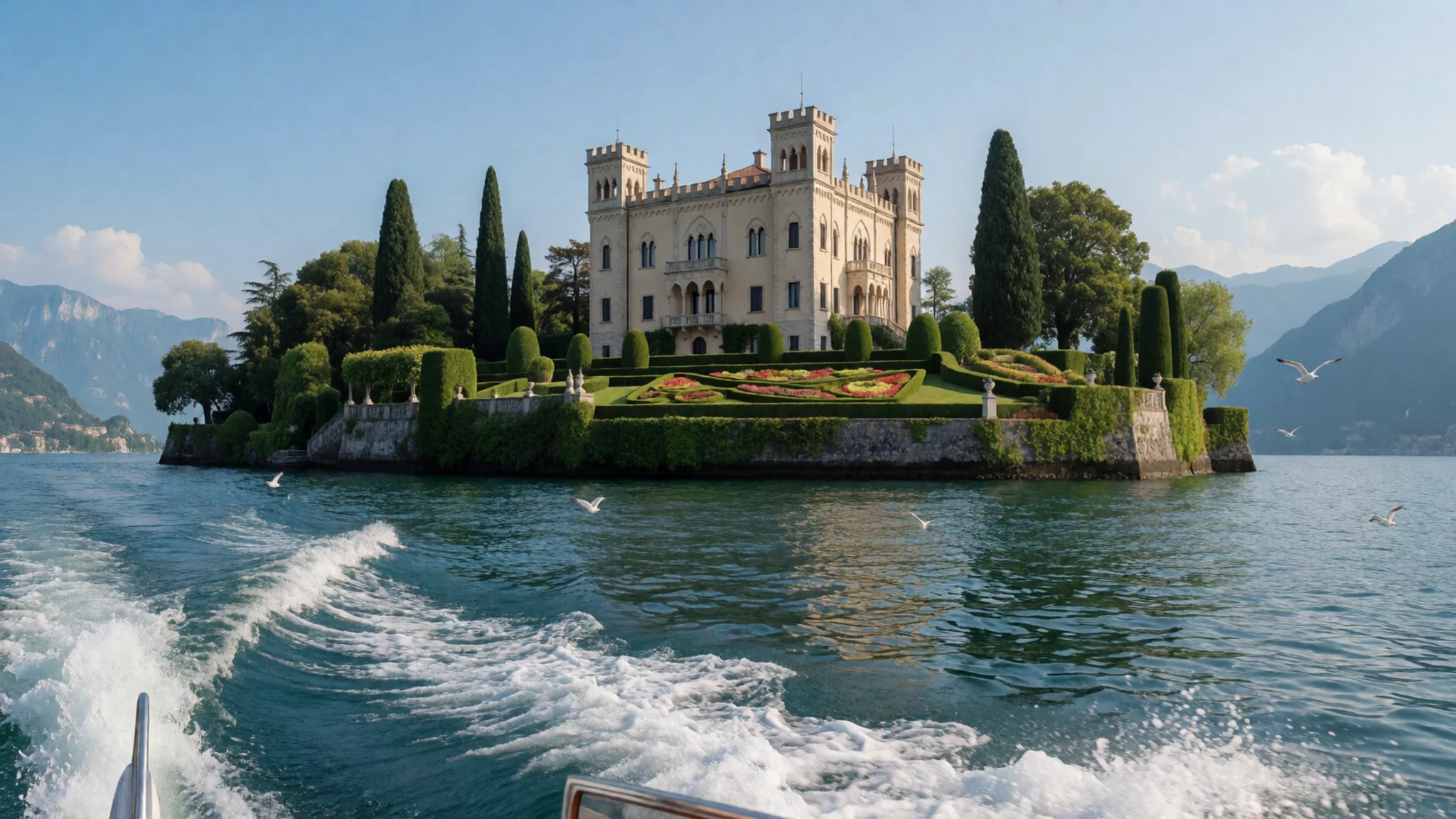
- Monte Baldo cable car from Malcesine — Malcesine, eastern shore
From Malcesine a cable car climbs Monte Baldo, and the upper station has a small shop and restaurant with wide views across the lake. Ride it on a clear morning, because haze and cloud can hide the water later in the day. The journey includes a halfway stop, which helps anyone nervous about heights, and the top is noticeably cooler than the shore, so a light layer is worth packing.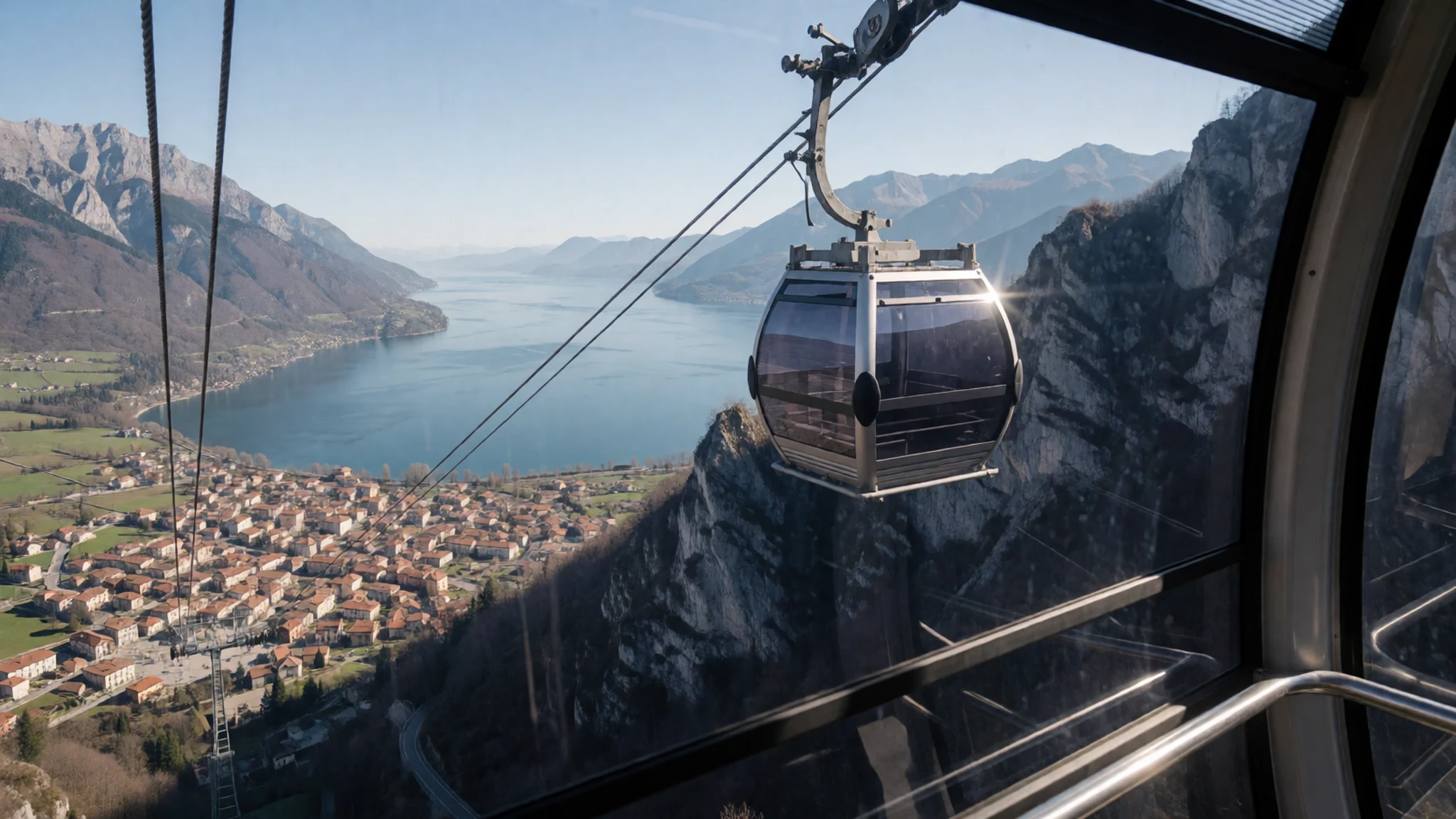
- Sirmione's peninsula and sulphur springs — Sirmione, south-west shore
Sirmione sits on a long, narrow peninsula in the south-west of the lake, and its old town is best explored on foot. The town is known for its sulphur springs, and it also has beaches where visitors swim and sunbathe. Mornings are usually calmer than afternoons, when day visitors arrive in numbers. Breakfast and lunch tend to be simpler than in northern Europe, so plan a proper meal before you set out.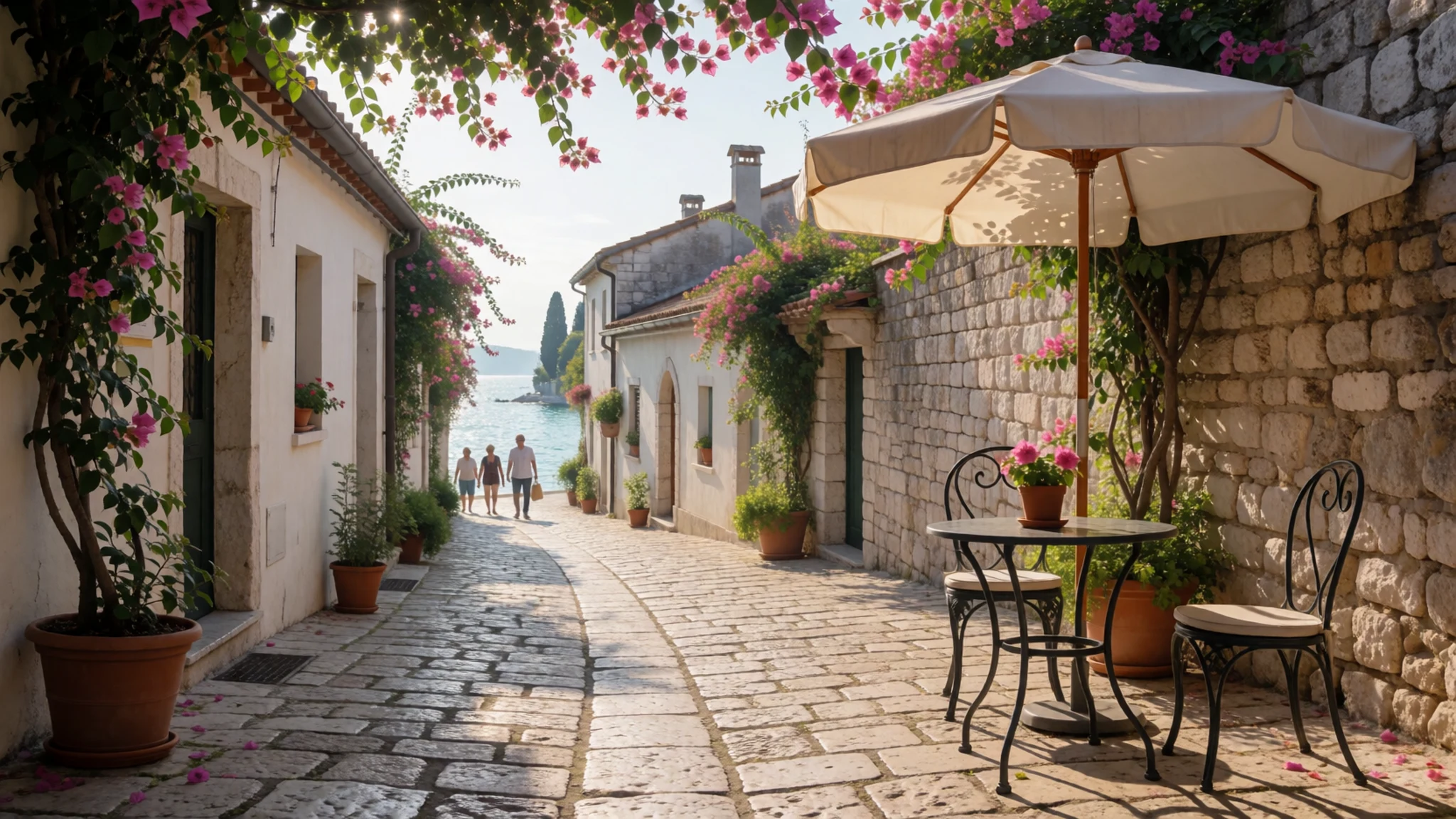
- Zeni Winery and Wine Museum — Bardolino, eastern shore
In Bardolino, the Zeni Winery and Wine Museum combines an introduction to the making of local wine with the chance to taste and buy. The museum explains how the region's wines are produced, and a visit usually ends at the shop. Booking a tasting ahead in summer is sensible, and the winery's own website is the place to check current opening times.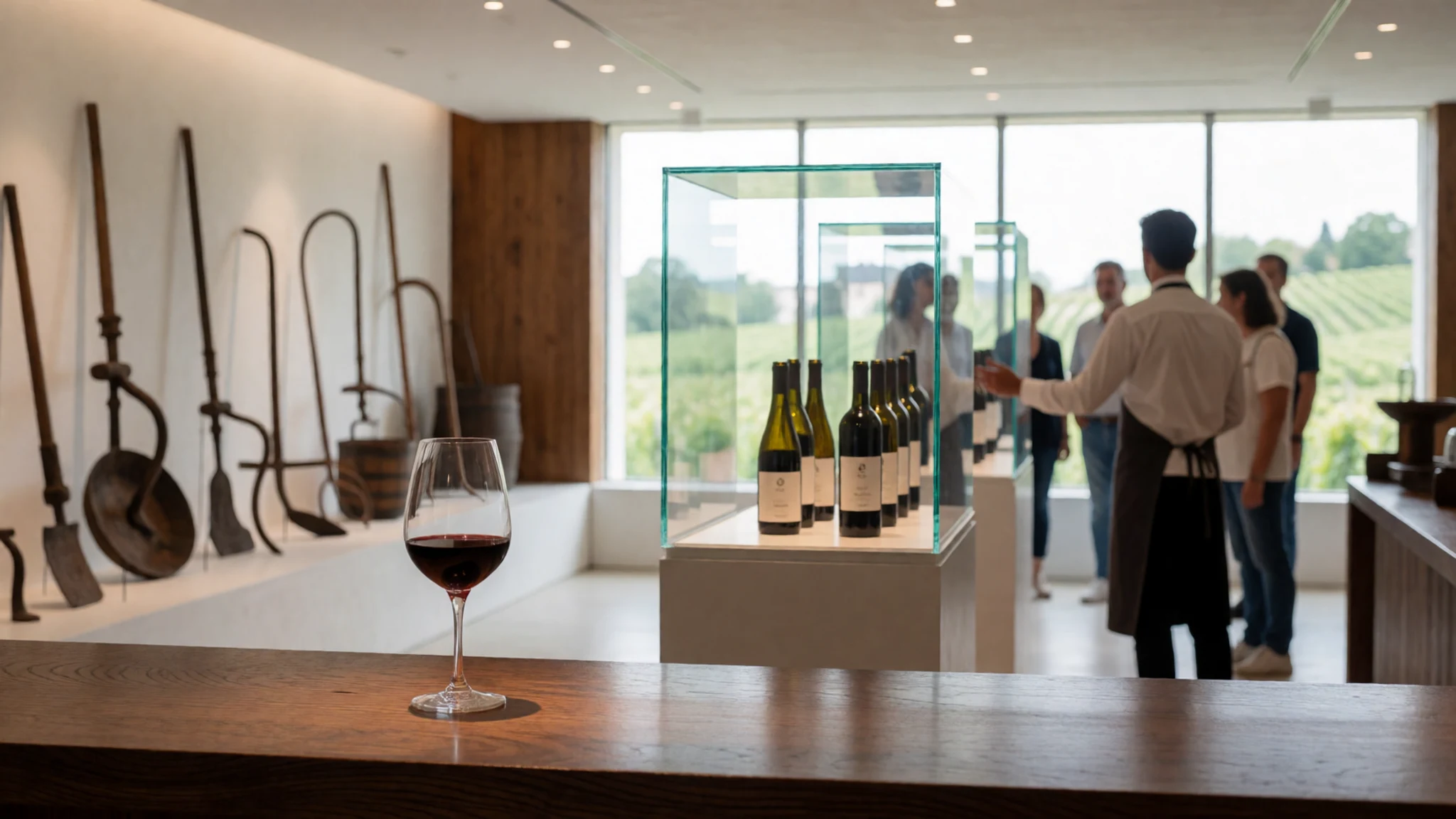
- Gardaland — Peschiera del Garda, southern shore
On the southern shore near Peschiera del Garda, Gardaland is a theme park suited to thrill-seekers, younger children and tired parents alike. It is a full day out in summer heat, so start early and plan the busiest rides for the first hours. Bags are a known problem in queues, where drop-off points can be left unattended, so keep valuables with you at all times.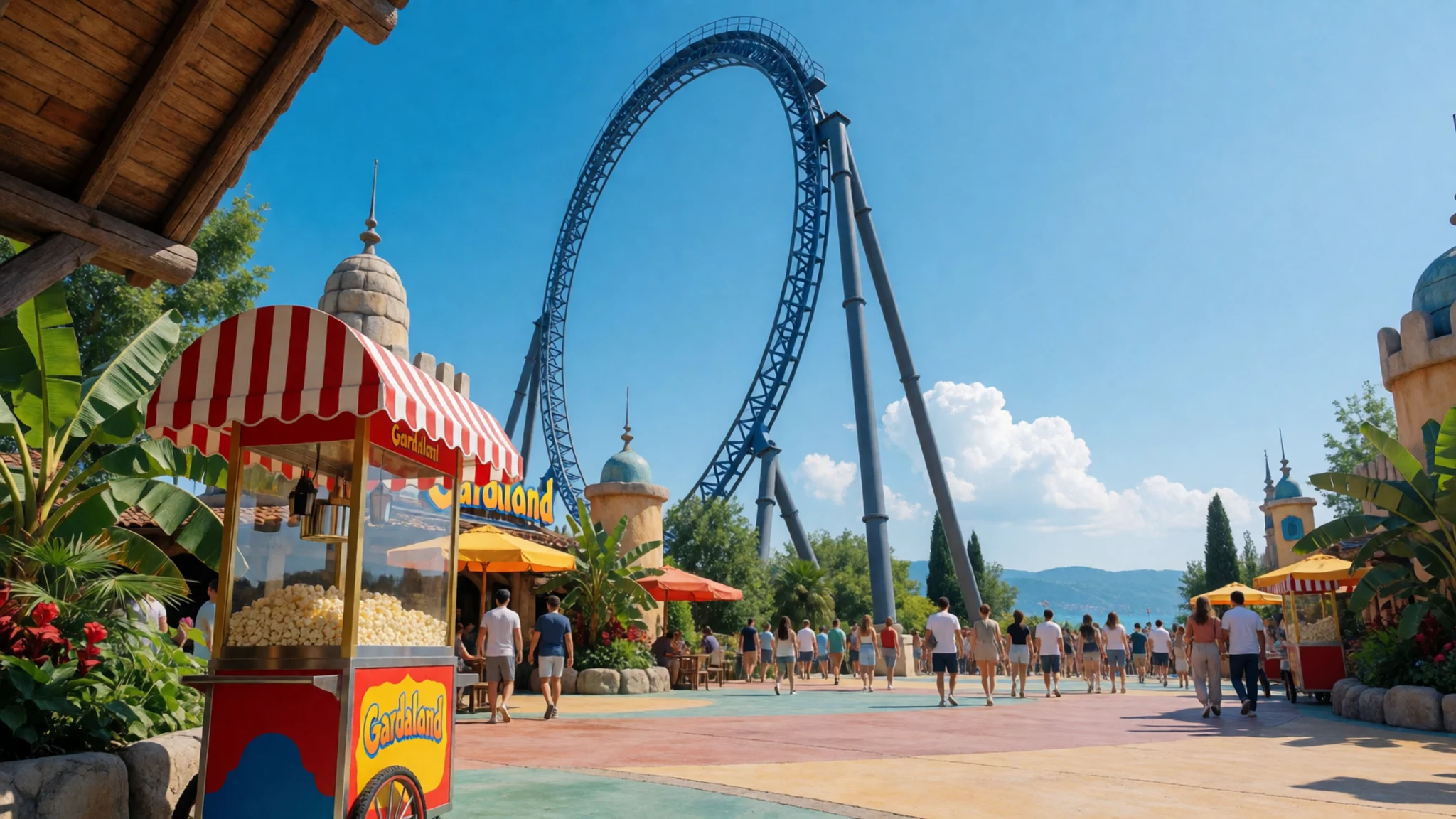
Culture
Lake Garda is a holiday region, and its towns follow Italian rhythms. Lunch runs long, and many small shops close for a few hours in the afternoon before reopening. Churches in the lakeside villages are working places of worship, so keep voices low and cover shoulders and knees before going inside. Shops with stalls set out front are common, and the receipt matters if you want to return something later. Boat noise and loud music on the water carry across the lake, so keep sound low on hired boats and in the evening. Tipping is not expected in bars, though leaving a little extra at a restaurant is a kind gesture. Lifeguards watch the swimming and boat hire zones, so keep inside the marked areas and do not walk through private gardens, including the grounds of the Isola del Garda, when hiring pedal boats or swimming.
What to wear
Lake Garda has no single traditional costume that survives in daily life. Regional dress from the surrounding Lombard and Veneto countryside was mostly rural working clothing, made from linen, cotton and wool, and it now appears mainly at local festivals and folk events rather than on the promenades. Textiles from that tradition are more often seen in local collections than in the shops.
What people wear now is relaxed and practical. Locals in the lakeside towns favour linen shirts, cotton dresses, light trousers and comfortable sandals in summer, with a neater jacket for dinner. Sunglasses and hats are common, and swimwear is worn on the beaches but rarely in the streets.
For a visit, pack light layers for cool mornings and for the breeze on the water, and comfortable closed shoes for cobbled lanes and steps in the old towns. Covered shoulders and knees are needed for churches, and a cover-up over swimwear keeps you comfortable away from the beach. A sun hat and sunglasses are useful on boat trips, where the glare off the water is strong.
What to eat
- Aperol Spritz — Lakeside bars and café terraces, especially in the early evening
The Aperol Spritz is the lake's classic summer drink, made from Aperol, Prosecco and sparkling water. It is served over ice in a glass, often with a slice of orange and green olives on the side. Order one at a waterfront café in the early evening.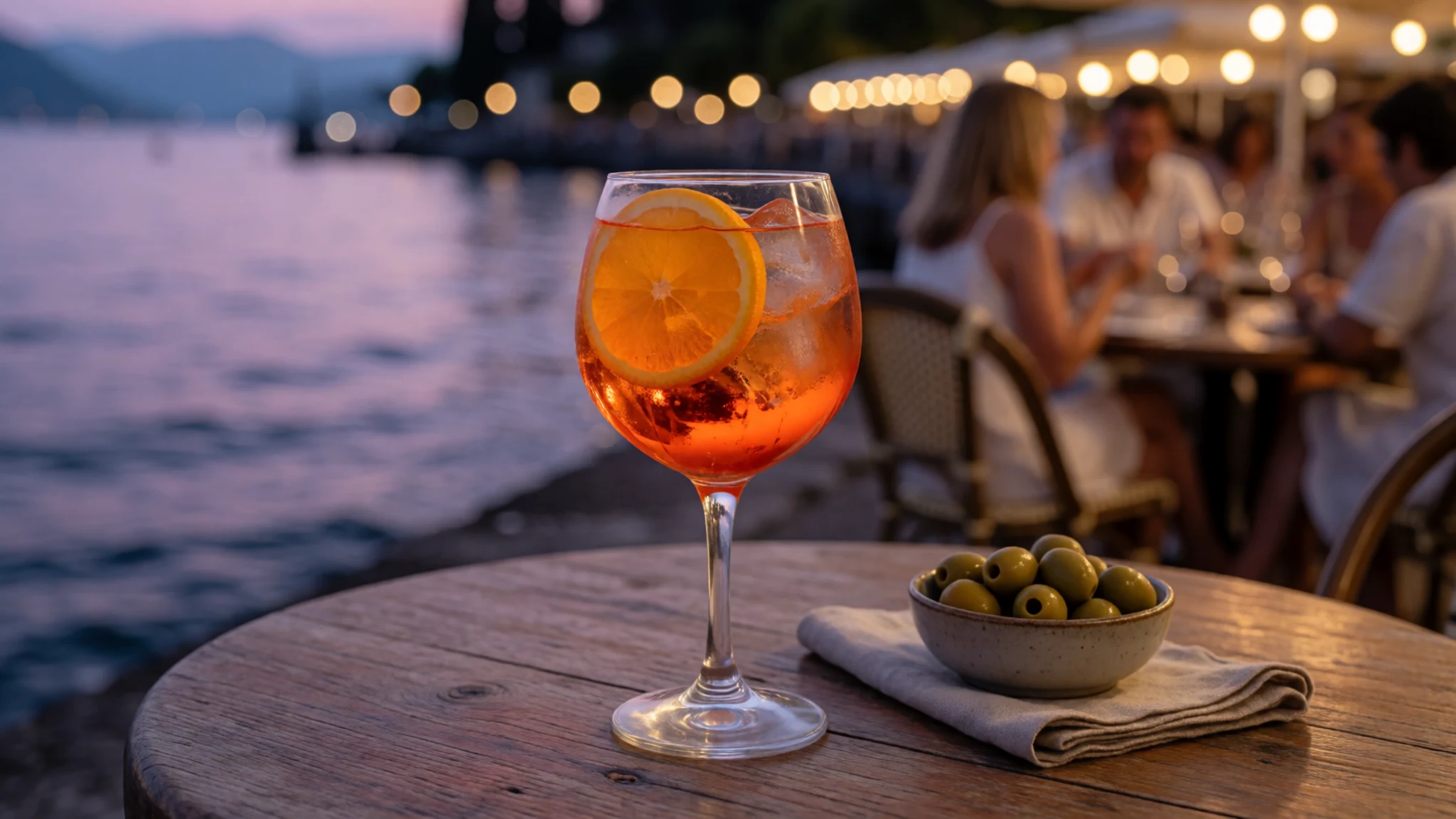
- Gelato — Small gelaterias in the lakeside towns, especially those with a short board of flavours
Italian ice-cream is made fresh in many shops around the lake, and some gelaterias offer many flavours. Smaller counters with only half a dozen choices are often better, since they focus on what they make well and help you decide quickly.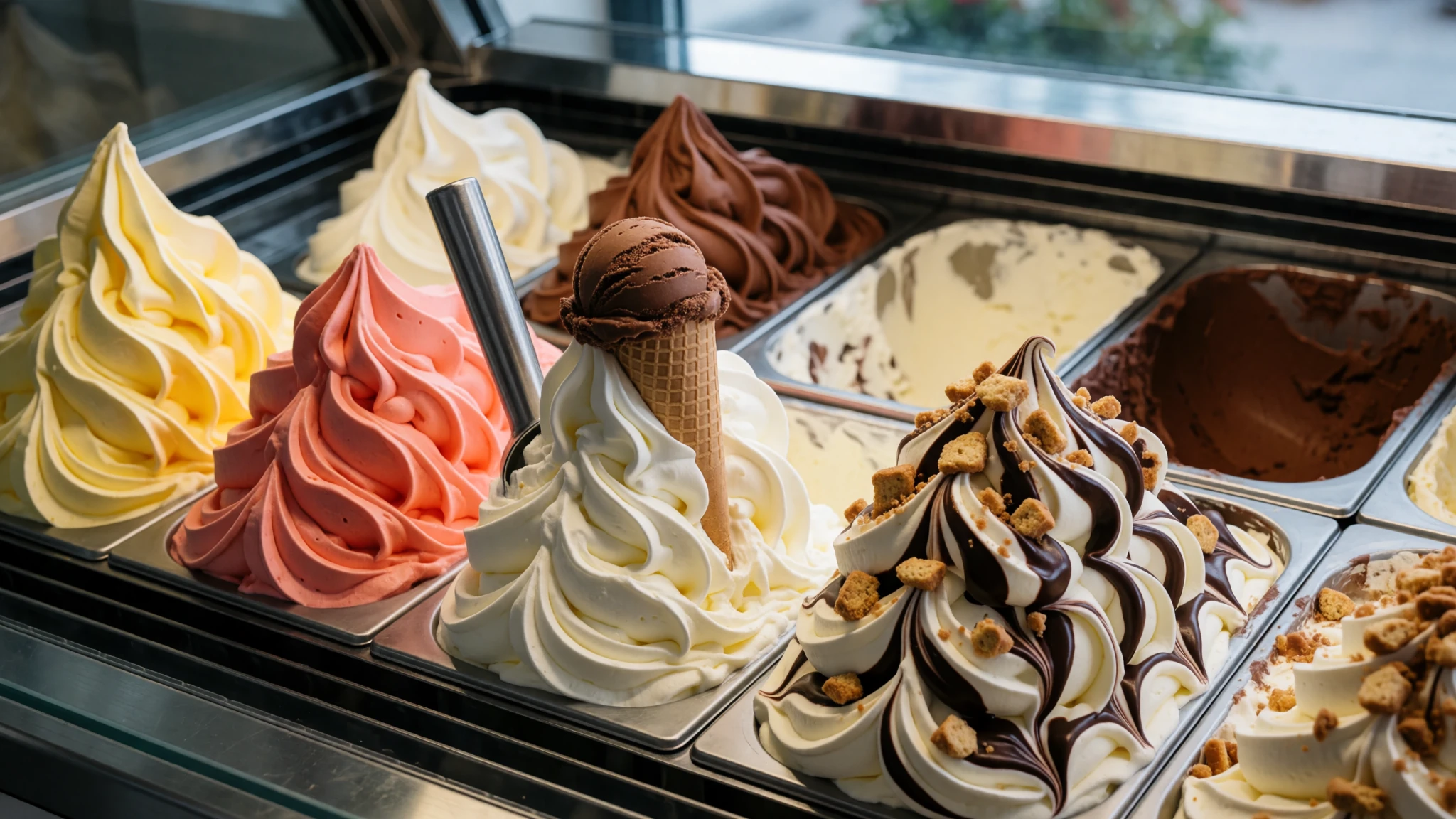
- Pasta and pizza — Trattorias and pizzerias in the old town centres, away from the waterfront
Pasta and pizza form the backbone of lakeside menus, and most restaurants serve both as they would across Italy. Many also offer German, American and British dishes for visitors who want something familiar. Pizza is usually a simple affair, while pasta menus change with the season. - Bardolino wine — Wine bars and enoteche in Bardolino, and shops along the eastern shore
Bardolino gives its name to a light red wine, usually served chilled, that suits long lakeside lunches. Wine bars and small shops sell bottles to take home, and the local winery museum makes a good stop for a tasting.
Plan it
Best time. April and October are the most comfortable months, with highs of 28 to 29 °C, while June to August are the hottest, with highs near 38 °C, and November is the wettest month. July and August are hot and crowded, and the roads and towns are busiest then.
How long. 3–4
Getting there. Verona Airport is the nearest, a short transfer south of the lake, and Milan, Venice and Bergamo are further away. Desenzano del Garda and Peschiera del Garda are the closest rail stations on the south shore, and the last leg is usually by bus, with services from Verona's Porta Nuova station.
Budget. mid
Tips
- Allow extra time on lakeside roads in summer, when traffic slows in the busiest weeks
- Start the busiest sights, such as Sirmione's old town, in the morning before the day visitors arrive
- Carry cash for small cafés and market stalls, and keep receipts for shop purchases
- Drink plenty of water, since the weather can be very warm
- Keep bags close in theme park queues, where unattended drop-off points are a known theft risk
Etiquette
- Keep to the marked areas when hiring pedal boats and swimming, as lifeguards patrol set zones
- Dress with covered shoulders and knees when you visit churches
- Stay on public lakeside paths rather than walking through private gardens or island grounds
Nearby
Sources
- Wikidata Q6414 (CC0)
- Wikipedia: Lake Garda (rev 1373153465) (CC BY-SA 4.0)
- Wikivoyage: Lake Garda (rev 5038784) (CC BY-SA 4.0)
- Punta San Vigilio, File:Punta San Vigilio.jpg (CC BY-SA 2.0)
- La Rocca di Manerba del Garda con l'isola dei Conigli, Guido Adler / Moroder (CC BY-SA 2.0)
- Gardasee, Lago di Garda - panoramio (8), qwesy qwesy (CC BY 3.0)
- Ciclopista del Garda 03, Davide Mauro (CC BY-SA 4.0)
- Italy - Sirmione, Arne Müseler (CC BY-SA 3.0 de)
- Malcesine, Castello Scaligero - panoramio, qwesy qwesy (CC BY 3.0)
- Benacus creino, Ampfinger (CC BY 3.0)
- Jezioro Garda - widok z Alp, Przemek P (CC BY 3.0)


