Komodo National Park
Komodo National Park, Indonesia
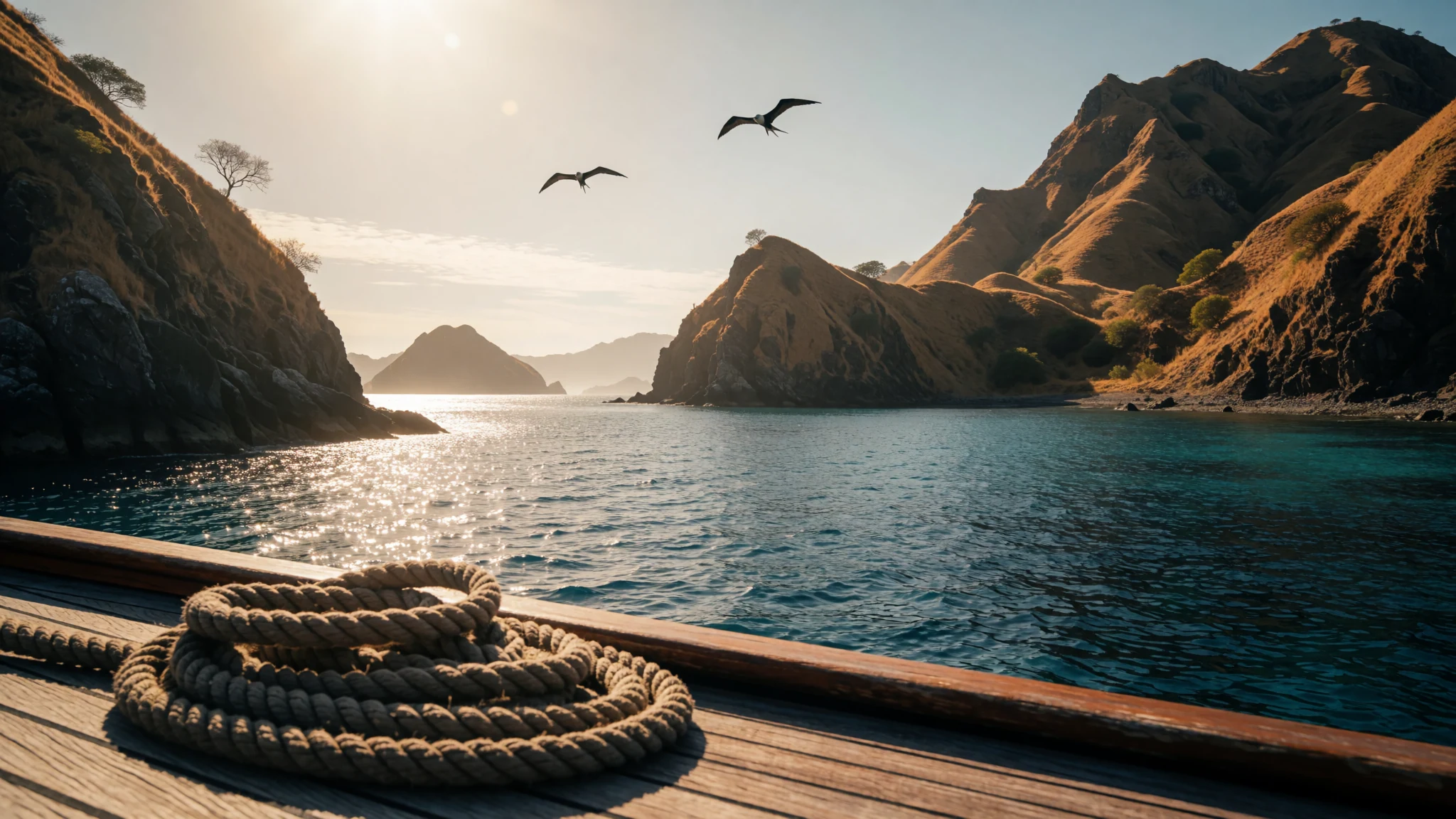
Come to Komodo National Park to encounter ancient giant lizards, sail volcanic archipelagos, and dive some of the richest coral reefs on Earth.
The place
Komodo National Park sits within the Lesser Sunda Islands, straddling the border between East Nusa Tenggara and West Nusa Tenggara in Indonesia. Established in the year founded in the facts block, the territory spans a collection of larger volcanic landmasses—most notably Komodo, Padar, and Rinca—alongside dozens of smaller islets and surrounding marine waters. The terrain is strikingly rugged, defined by dry, sun-baked hills that rise sharply above turquoise straits. Because the region experiences one of the driest climates in the country, the vegetation often takes on a tawny, savannah-like appearance for much of the year, contrasting vividly with the dark volcanic rock and the brilliant blue of the surrounding sea.
Beneath the surface, the park forms part of the Coral Triangle, an oceanic expanse renowned for containing some of the most concentrated marine biodiversity found anywhere on the planet. Strong tidal currents sweep through the straits between the islands, nutrient-rich waters that sustain vibrant coral gardens, manta rays, sharks, and countless species of reef fish. Above water, the islands are famously dominated by the world's largest living lizards, which roam freely across the dry ridges and sandy bays. Visitors arriving by boat navigate a seascape of dramatic headpoints, hidden coves, and sweeping vistas that feel remarkably remote and untamed, offering a raw glimpse into an ancient island ecosystem where terrestrial and marine wonders exist side by side.
Its story
Long before gaining international recognition, the islands of the park were managed primarily for local livelihoods and traditional fishing. Portions of Padar and Rinca were first designated as nature reserves during the colonial era, setting aside protected spaces within the rugged interior. Komodo Island itself followed decades later as a formal nature reserve, and the wider archipelago eventually achieved biosphere reserve status under UNESCO programmes to safeguard its unique terrestrial environments.
The modern national park was officially established in the year founded in the facts block, initially created to protect the remarkable population of giant monitor lizards that had captivated zoologists. Western science first encountered these creatures through a colonial civil administrator stationed on nearby Flores Island, whose report sparked global fascination with what quickly became known as the Komodo dragon. Over subsequent decades, the boundaries of the protected area were significantly expanded to incorporate surrounding marine zones, recognizing that the health of the terrestrial wildlife is deeply linked to the rich coastal waters.
In the final decade of the twentieth century, the area achieved designation as a UNESCO World Heritage Site and later joined the network of ASEAN Heritage Parks. Conservation priorities shifted over the years from a narrow focus on a single reptile species to safeguarding an entire marine eco-region and endemic bird area. Today, the park stands as a prominent global conservation zone, balancing the preservation of fragile coral reefs and endangered fauna with the realities of modern ecological tourism.
What to see
- Komodo Liveaboards — Various anchorages across the park
Cruising the park aboard a traditional wooden sailing schooner or motor yacht is the definitive way to experience the remote archipelago. Multi-day voyages allow travellers to wake up in secluded bays, access early morning dive sites before day-trippers arrive, and seamlessly navigate between distant islands like Padar and Rinca without returning to port each evening.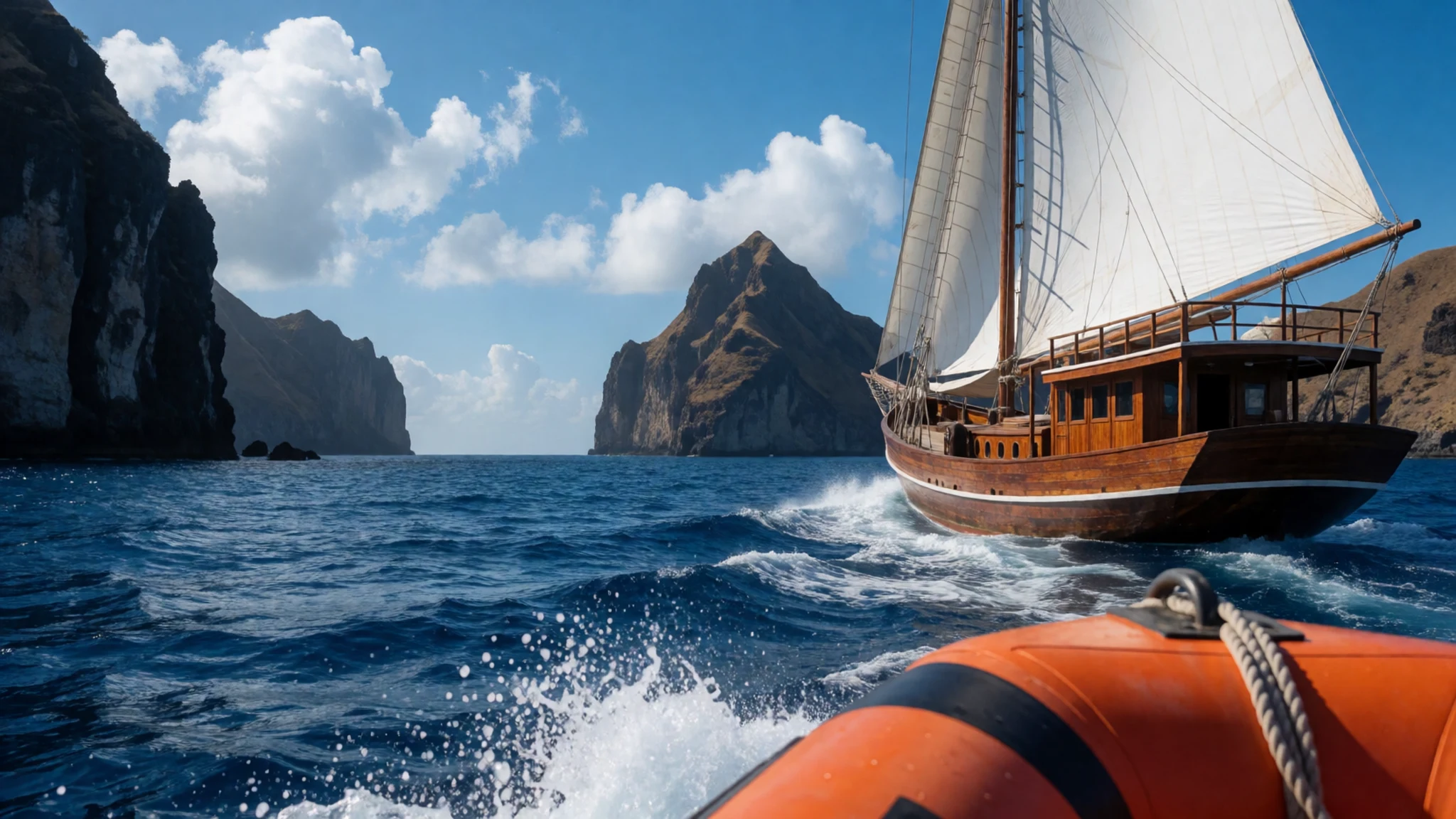
- Padar Island Viewpoint — Padar Island
A steep morning hike up the rugged volcanic slopes of Padar Island rewards visitors with one of the most iconic panoramas in Southeast Asia. From the high ridge, you look down upon three sweeping crescent bays, each featuring sand of a different colour—white, charcoal black, and soft pink—framed by dramatic dark cliffs and sparkling turquoise water.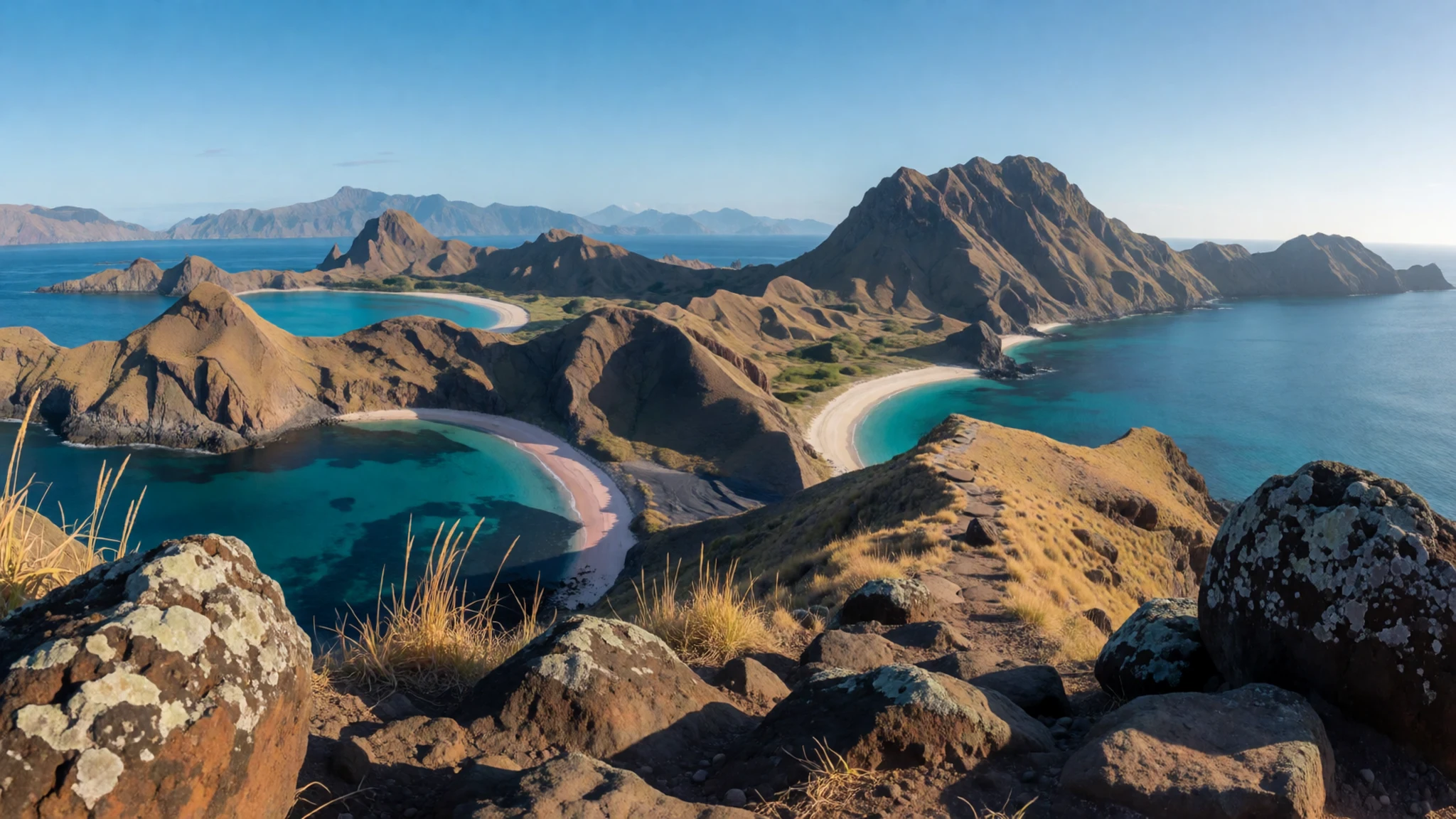
- Rinca Island Ranger Station — Rinca Island
Rinca offers one of the most reliable places to observe wild Komodo dragons in their natural habitat. Walking out from the main ranger station accompanied by armed park wardens, visitors traverse dry savannah paths where the giant lizards frequently congregate near watering holes, nesting grounds, and shaded areas around the historic settlement.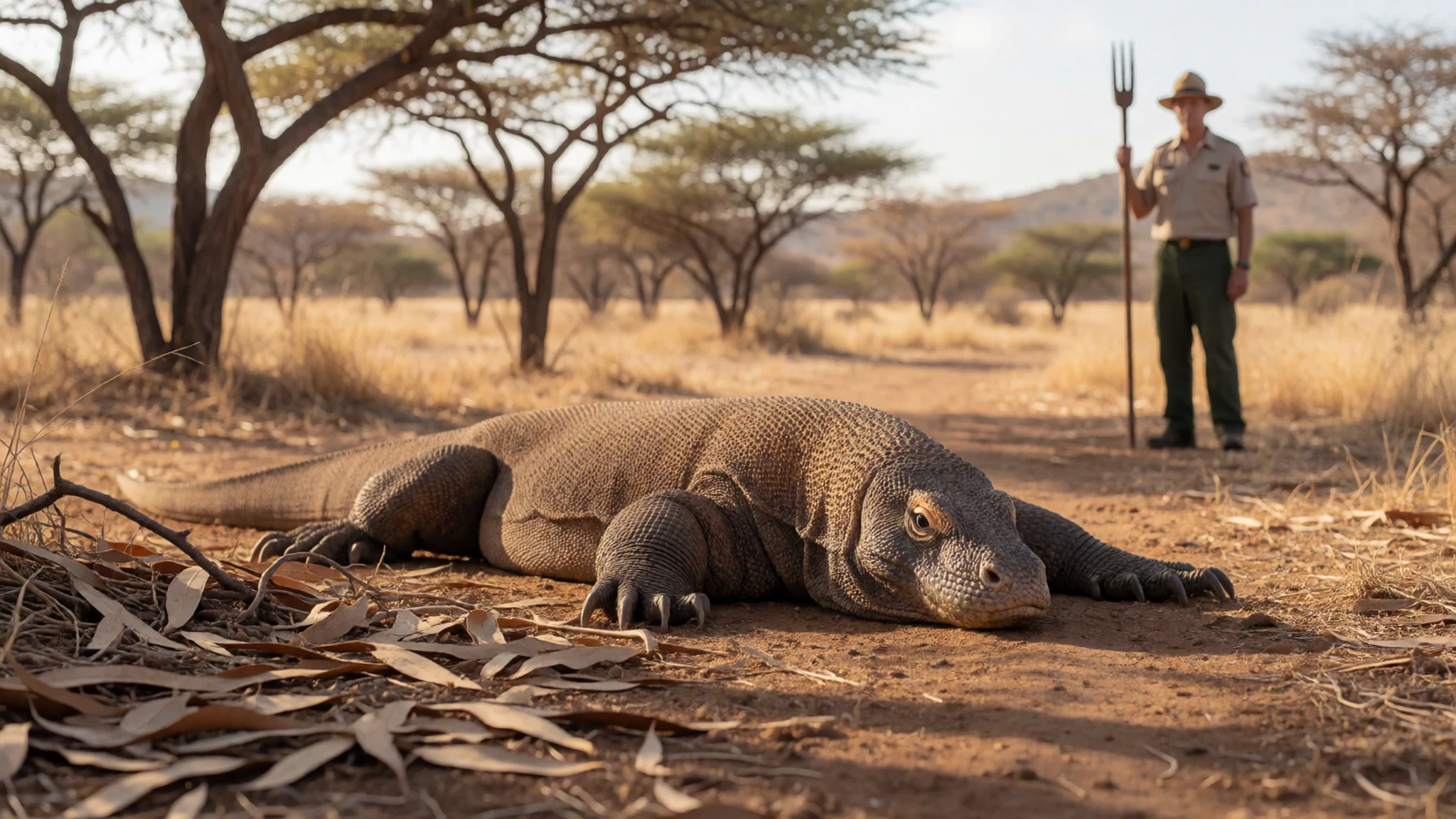
- Sea Kayaking Uninhabited Islets — Sheltered bays throughout the park
Paddling unmotorised sea kayaks or stand-up paddleboards through the quiet channels and sheltered lagoons provides an intimate perspective on the park's lesser-visited coastline. This slow style of travel allows you to glide close to mangrove fringes, discover hidden sandy pockets, and observe coastal birdlife without the hum of engines disturbing the pristine environment.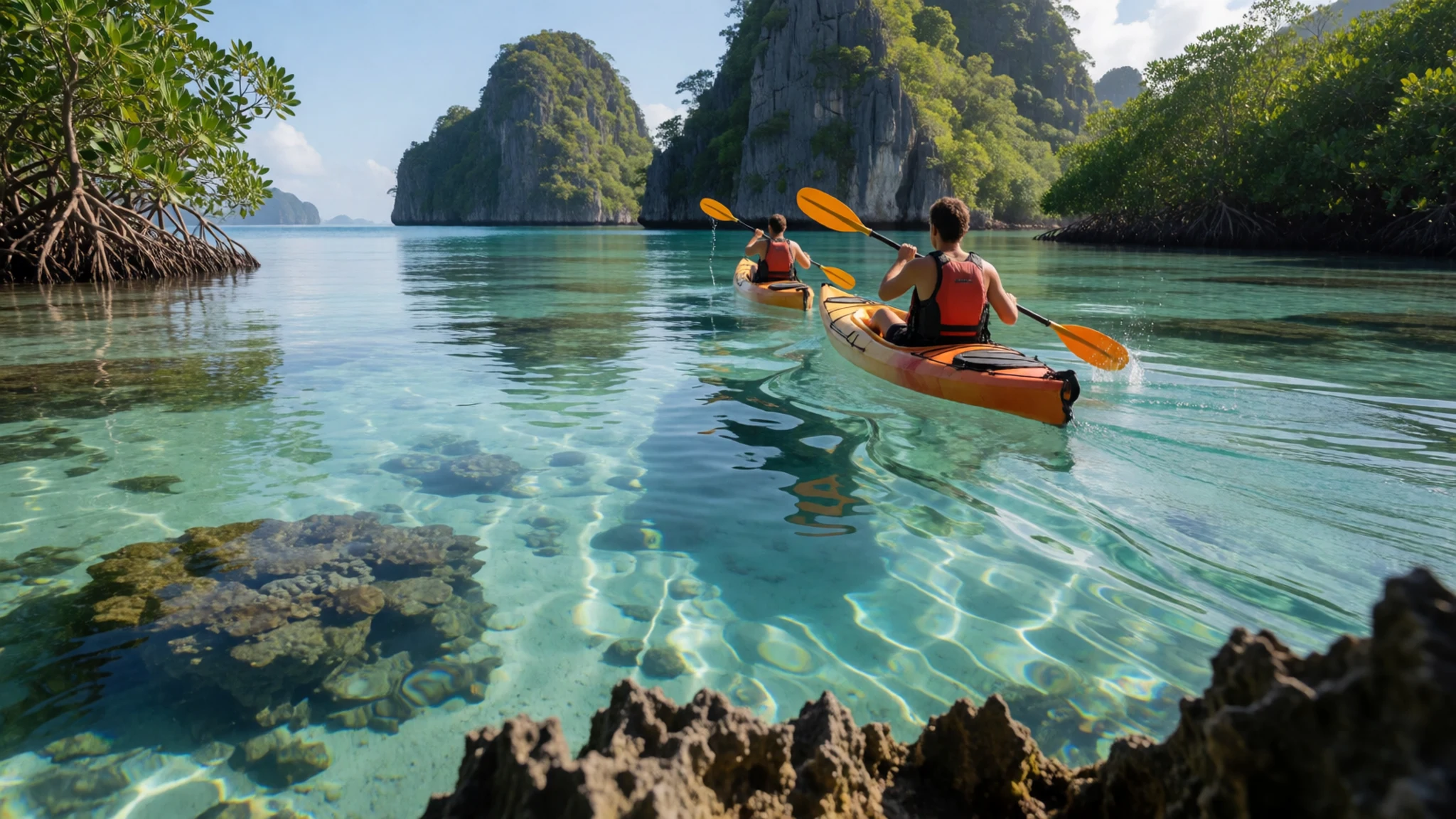
- Pink Beach (Pantai Merah) — Komodo Island coastline
Famous for its rosy sand, this picturesque coastal stretch owes its distinctive pastel colour to microscopic red-shelled marine organisms called foraminifera mixing with white shoreline grains. The shallow offshore waters shelter vibrant coral gardens that make it a popular spot for snorkelling directly from the shore or relaxing on the sun-drenched beach between boat excursions.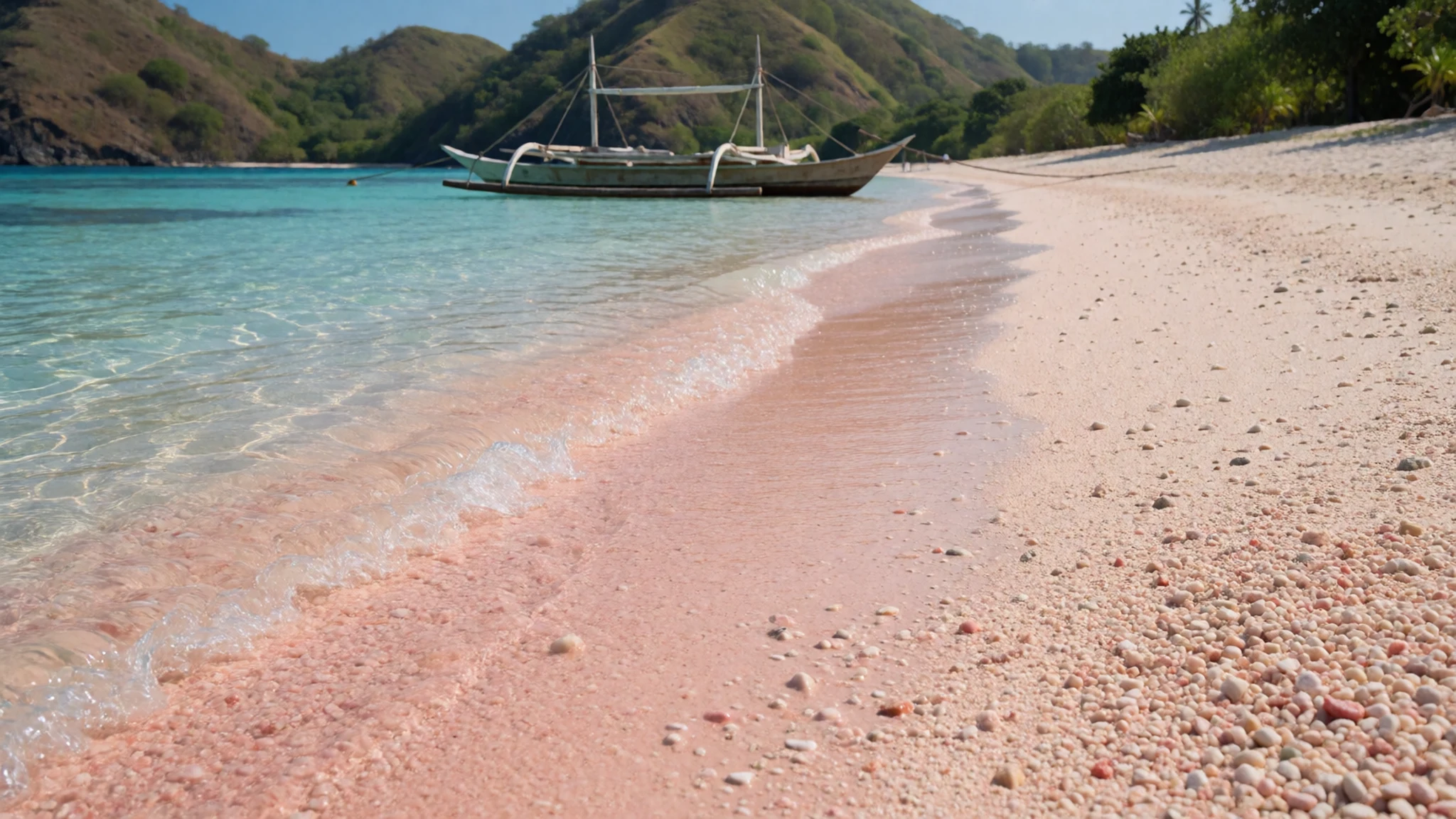
Culture
The traditional communities living on and around the fringes of the national park, particularly in settlements like Kampung Komodo, possess deep historical ties to the surrounding sea and islands. Many residents are descendants of traditional fisherfolk who have navigated these tricky straits for generations, maintaining maritime traditions, boat-building skills, and oral histories closely tied to the dragon-inhabited landscape. While tourism has brought new economic opportunities to gateway towns like Labuan Bajo, local families continue to practice traditional fishing and coastal trading methods that predate modern conservation boundaries. Visitors interacting with local villagers should show respect for traditional customs, modest community standards, and local authority structures. When visiting local villages or interacting with park rangers and residents, always ask permission before taking photographs of individuals or entering private residential areas.
What to wear
Traditional dress across the broader region of East Nusa Tenggara is celebrated for its intricate hand-woven textiles, known locally as ikat. Artisans use natural dyes derived from roots, bark, and leaves to colour hand-spun cotton threads before weaving them on traditional backstrap looms into striking geometric cloths featuring ancestral motifs. These ceremonial garments are traditionally worn during weddings, harvest celebrations, and important community rituals.
In daily life today, particularly in bustling port hubs like Labuan Bajo and among younger generations, casual tropical attire such as t-shirts, shorts, and sandals is standard. However, when visiting local island villages or administrative settlements, modest clothing that covers the shoulders and knees is appreciated out of respect for local cultural norms.
For travellers exploring the park, practical outdoor gear is essential. Lightweight, breathable fabrics help manage the intense tropical heat, while sturdy walking boots or trainers with good grip are necessary for navigating rocky, uneven hiking trails on Rinca, Padar, and Komodo. Sun protection, including a wide-brimmed hat and polarized sunglasses, is indispensable under the harsh equatorial sun.
What to eat
- Ikan Bakar (Grilled Fish) — Labuan Bajo harbourfront and night market
Freshly caught reef fish, often snapper or grouper, charred over coconut husk coals and brushed with a spicy sambal and sweet soy glaze. Find this at the evening night markets and seafood stalls along the harbourfront in Labuan Bajo.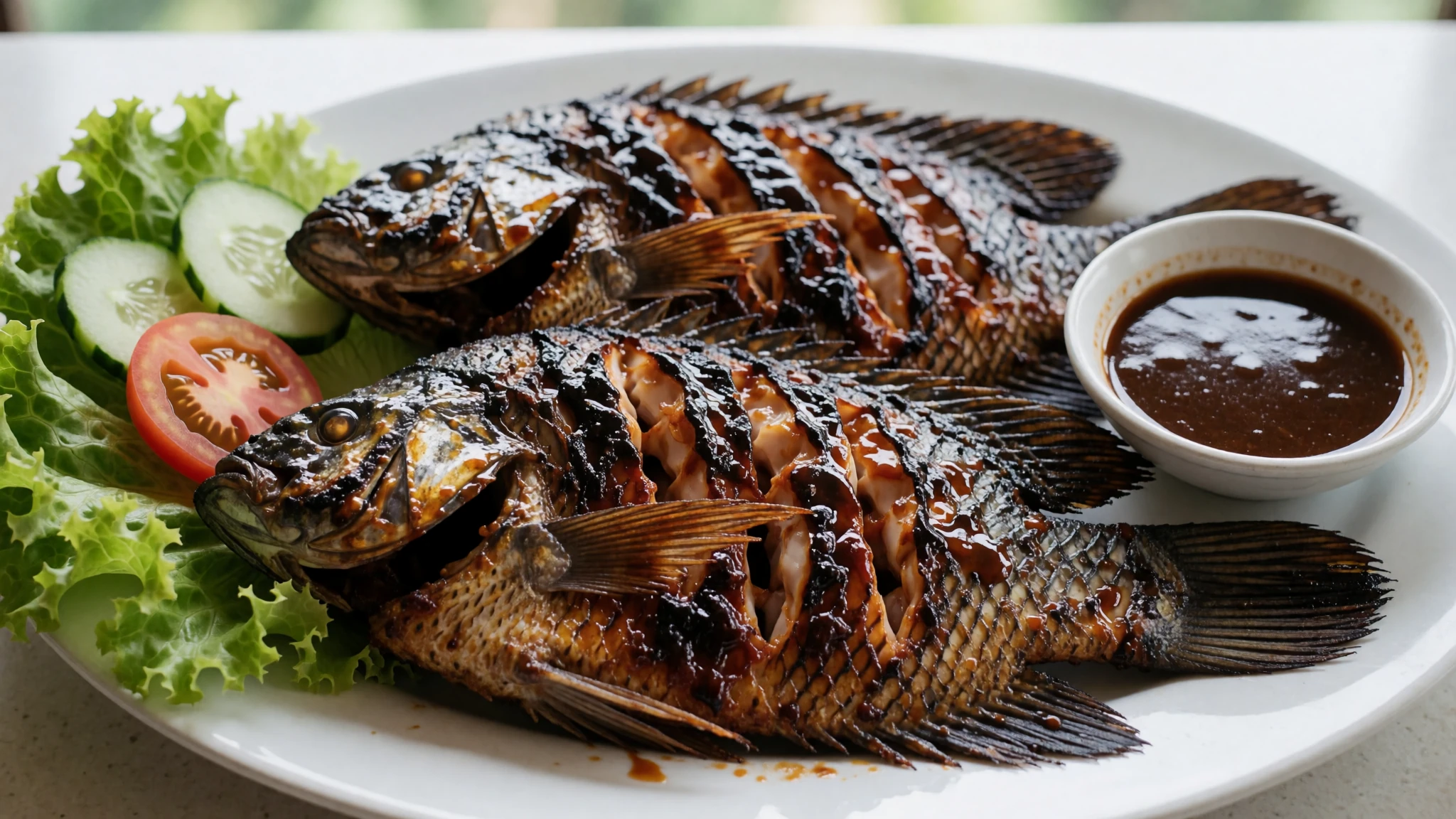
- Nasi Goreng Kampung — Local warungs across Labuan Bajo
Traditional Indonesian fried rice prepared with local aromatics, small dried fish, shallots, and chili, often topped with a fried egg and crisp shallots. This hearty staple is served at small local eateries and boat galleys throughout the islands.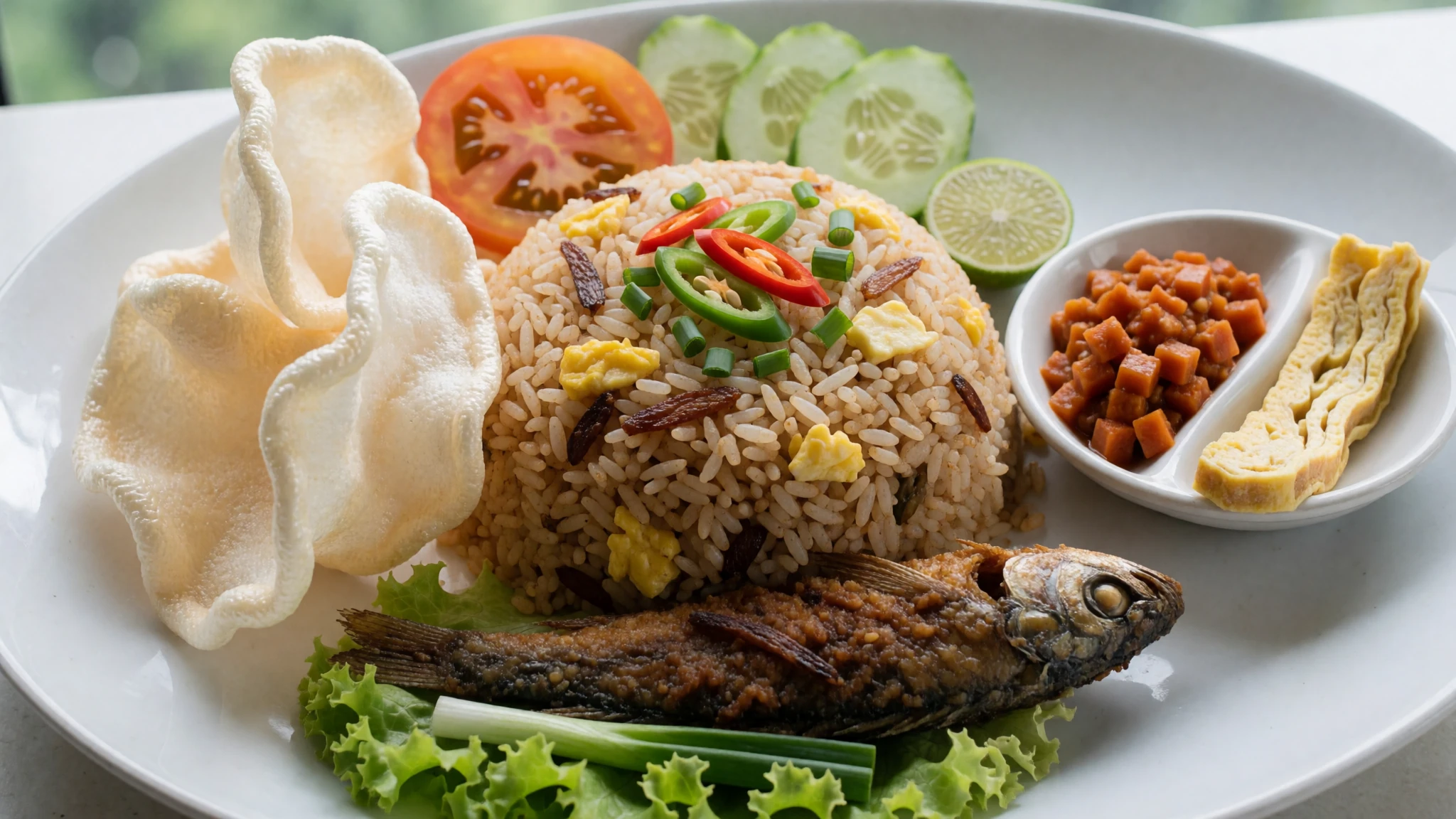
- Lawar Ikan — Traditional eateries in Flores mainland towns
A traditional regional dish combining finely minced fresh fish with grated coconut, young papaya, garlic, lime juice, and pungent aromatic spices. Sample this local specialty at family-run eateries specialising in East Nusa Tenggara cuisine. - Pisang Goreng with Sambal — Street food stalls near Labuan Bajo market
Crispy fried plantains or local bananas served warm, sometimes accompanied by a spicy sambal dipping sauce for a sweet and fiery snack. Enjoy these freshly fried treats from afternoon street food carts near the town centre. - Es Kelapa Muda — Kiosks near park headquarters and boat docks
Refreshing young green coconut water served chilled straight from the shell, often with soft coconut flesh scraped and mixed into the drink. This is the ultimate cooling refreshment available at simple kiosks near park checkpoints and harbour docks.
Plan it
Best time. The dry season from May to October offers stable weather, calm seas for sailing, and good underwater visibility, with June to August the driest and most comfortable months, avoiding the heavy monsoon rains of the wet season.
How long. 3–4
Getting there. Fly from Denpasar Ngurah Rai airport (DPS) to Komodo airport (LBJ) in Labuan Bajo, then board a liveaboard or day-trip boat into the national park.
Budget. mid
Tips
- Book liveaboard boats well in advance during peak dry season months
- Always hire an official park ranger before trekking on Komodo or Rinca
- Carry sufficient Indonesian rupiah cash as card facilities are rare outside Labuan Bajo
- Pack a large reusable water bottle and stay thoroughly hydrated during island hikes
Etiquette
- Never approach a Komodo dragon without an armed guide and maintain a safe distance
- Ask permission before photographing local villagers in island settlements
Nearby
Sources
- Wikidata Q4520 (CC0)
- Wikipedia (CC-BY-SA 4.0)
- Wikivoyage (CC-BY-SA 4.0)