Khirokitia
Khirokitia, Cyprus
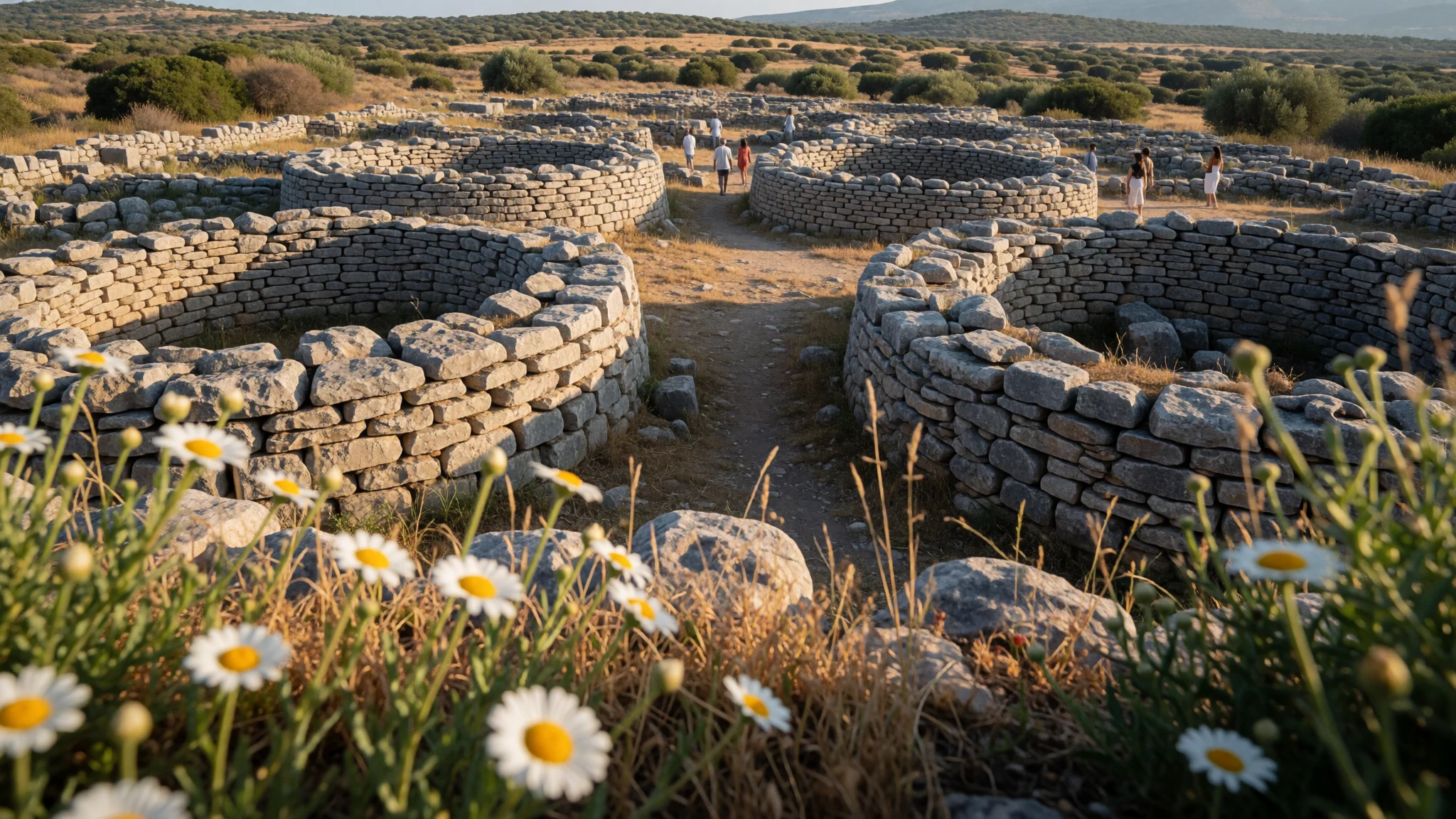
Khirokitia is a rare, preserved Neolithic settlement where circular domestic life and communal defence survive as clear archaeology.
The place
Khirokitia (often spelled Choirokoitia; Greek: Χοιροκοιτία) is an archaeological site in Cyprus that dates to the Neolithic age. It sits as more than a collection of ruins: the layout and surviving structures help explain how early communities lived, worked and protected one another. The site is associated with a striking settlement form made of many circular buildings, which archaeologists study to understand domestic routines and how space was organised.
What makes Khirokitia especially compelling is the sense of community planning. The settlement is linked with evidence of an organised functional society, and it’s paired with surrounding fortifications for communal protection. In other words, this isn’t just “people happened to live here”; it looks like a planned place, built to last and to keep people safe.
The name itself is sometimes suggested to mean “pig-cradle”, drawn from Greek roots that include χοίρος (pig or boar) and κοιτίς (place of origin, cradle). Beyond the wordplay, the atmosphere is calm and slightly time-warping. Walk the paths slowly and you get the impression of stepping between household units—low stone, circular footprints, and reconstructed structures that help you visualise what the original settlement may have looked like.
For visitors, it’s a good stop when archaeology feels more interesting than museums: you’re not only looking at artefacts, you’re reading the site as a whole. And because it’s on Cyprus, the light can be very forgiving—cooler mornings and late autumn visits tend to feel far more comfortable than the heat of high summer.
Its story
Khirokitia’s story starts with the Neolithic period and the simple fact that people chose to stay put. Around 7000 BCE, communities in Cyprus built a settlement with circular structures, and over time this place became a hub for daily life. Archaeologists treat the site as evidence for more than basic shelter: it reflects an organised functional society.
At Khirokitia, you can read the settlement’s “social geography” in the way buildings sit together and how protection is built into the broader landscape. The presence of surrounding fortifications points to shared concerns—defence wasn’t only an individual matter. It suggests a community that could coordinate, maintain boundaries, and keep the settlement functioning.
Reconstruction also matters for understanding the story. Several circular structures have been rebuilt to show how parts of the settlement might have looked, so the site doesn’t stay purely abstract. The reconstructed footprints help visitors connect what they see in plan with how people might have moved through a lived environment.
Khirokitia is also part of a wider archaeological picture across Cyprus: the Neolithic aceramic period includes this settlement plus about 20 other similar settlements spread around the island. That doesn’t make Khirokitia less special—it makes it a strong reference point. It becomes one of the best clues for how these early communities may have compared with one another.
If history usually feels distant, Khirokitia helps it feel physical: stones arranged in a pattern, households implied by layout, and community protection built into the plan. It’s the kind of place where you finish the walk thinking about routines—sleeping, eating, making and repairing—rather than just dates.
What to see
- Khirokitia (Choirokoitia) archaeological settlement — Khirokitia site area
Khirokitia’s core is the Neolithic settlement with circular building forms and reconstructed walls, letting visitors visualise household space. It’s the main place to go slowly and compare structure, layout and open areas.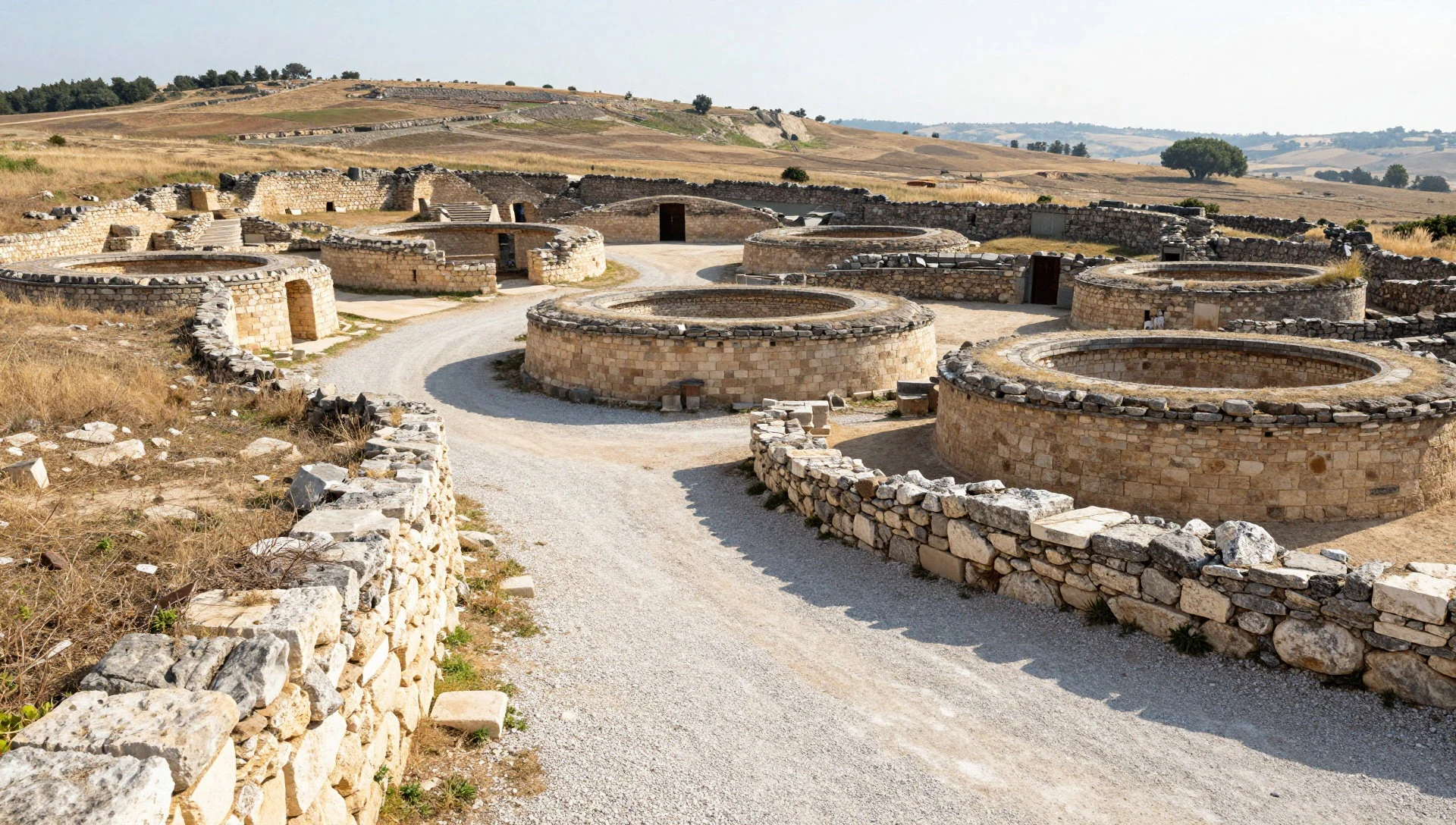
- St. Lazaros Church — nearby local area
St. Lazaros Church is a separate landmark associated with the broader region’s heritage. It’s a useful contrast to Khirokitia: after prehistoric settlement layouts, the church offers a later layer of Cyprus’s story.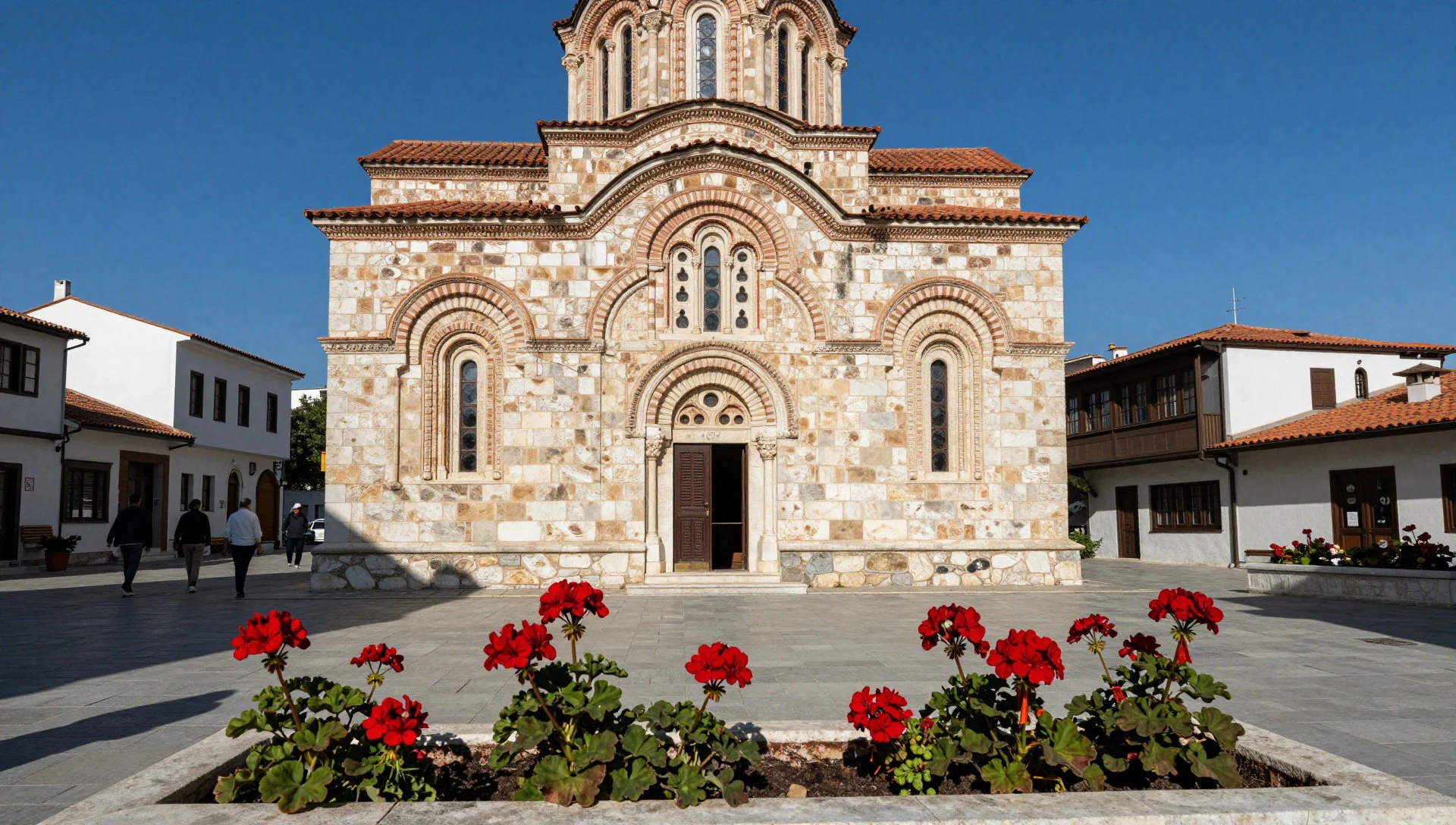
- Medieval Castle — nearby local area
The Medieval Castle adds a different time period to the trip. Pair it with Khirokitia to feel how ideas about defence persist, from early communal fortifications to later strongholds.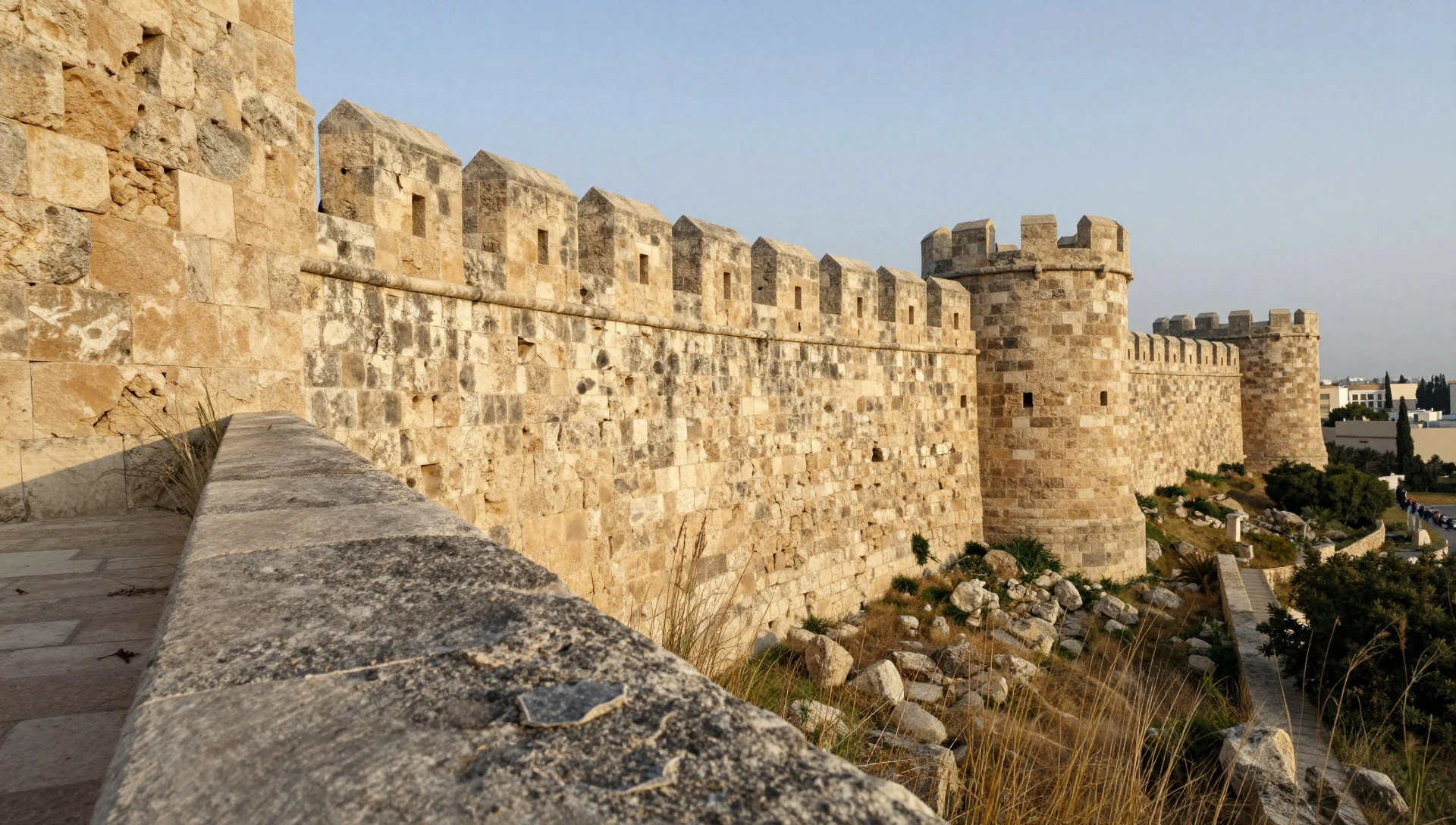
- Finikoudes area — Finikoudes area
The Finikoudes area is more of a day-after-the-sites option: an open, urban-feeling change from archaeological walking. It’s handy for resting, browsing and grabbing food after a historical morning.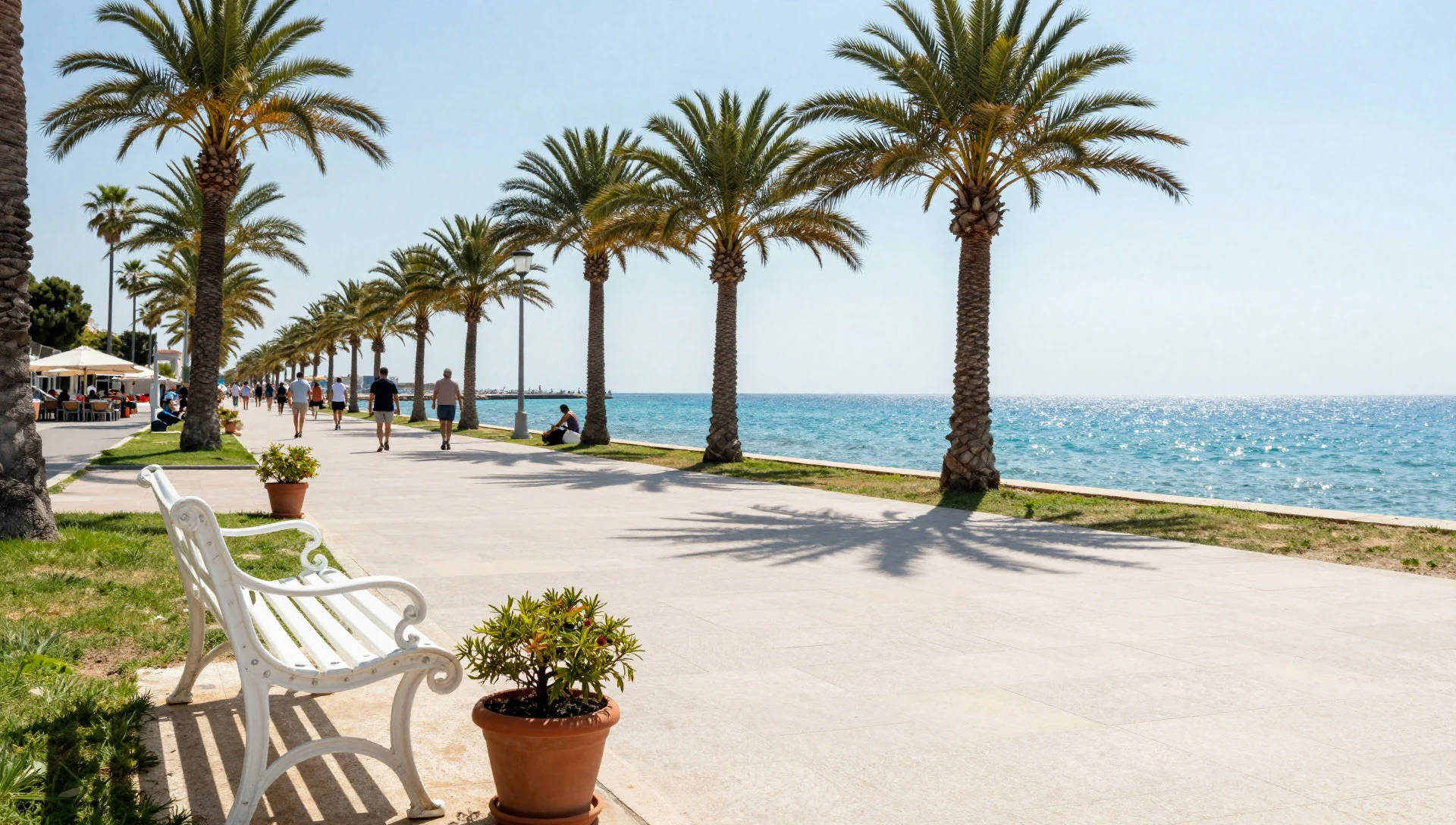
Culture
Khirokitia is an archaeology visit, so the culture here is mostly about respect for the ground. The settlement is treated as a heritage site, and parts of what visitors see include reconstructions meant to help understanding. That means the atmosphere tends to be quiet and “look, not touch”. Keep voices low near structures, and don’t wander off marked paths even if the landscape looks open.
It’s also a good place to manage photo habits. Many visitors come with the instinct to frame everything tightly, but the best photographs usually come when people move aside, let the shot clear, and then step back. If a photographer is setting up near a structure, wait a moment rather than squeezing past.
Because Khirokitia is on Cyprus, weather matters. In cooler months it’s comfortable to linger; in warmer spells the ground can feel unforgiving, so plan breaks and carry water. The site’s value isn’t in rushing; it’s in noticing how circular spaces repeat and how fortification ideas show up in the layout.
Finally, remember that you’re standing over evidence of Neolithic life. The goal is to observe carefully, appreciate the planning implied by the settlement, and leave the site in the same condition you found it—quietly and thoughtfully.
Visitor etiquette: stay on marked walkways, keep voices down near structures, and avoid touching reconstructions.
What to wear
Khirokitia doesn’t demand a costume, but it does demand sensible walking clothes. The settlement involves outdoor walking over uneven ground and close-up observation of stone structures, so comfortable trainers are the easiest win. In summer heat, light breathable layers help; in cooler months, a mid-layer makes lingering in the open parts feel pleasant.
Traditional dress isn’t the practical focus here, but Cyprus is a place where visitors still notice everyday modesty cues—especially when passing churches or local landmarks. If a stop includes a church, choose clothing that covers shoulders and keeps hemlines reasonably modest, and consider carrying a light scarf for quick coverage.
What people typically wear now is simple holiday wear: T-shirts, shorts or long trousers, and light outerwear. For a Khirokitia day trip, wear what you’d wear for an archaeological walk—closed footwear, a hat, and a layer for shade. Avoid sandals if the ground feels rocky.
When temperatures rise, dress for staying outside longer than expected: bring a water bottle, and choose fabrics that don’t cling. The goal is comfort and respect—so the site’s details stand out, without heat stress cutting the visit short.
What to eat
- Halloumi dishes — seaside restaurants and village tavernas around Cyprus
Look for halloumi in the usual Cyprus places: grilled halloumi starters at seaside eateries or village tavernas, and cheese plates in casual restaurants. It’s often served warm, sometimes with salad or herbs.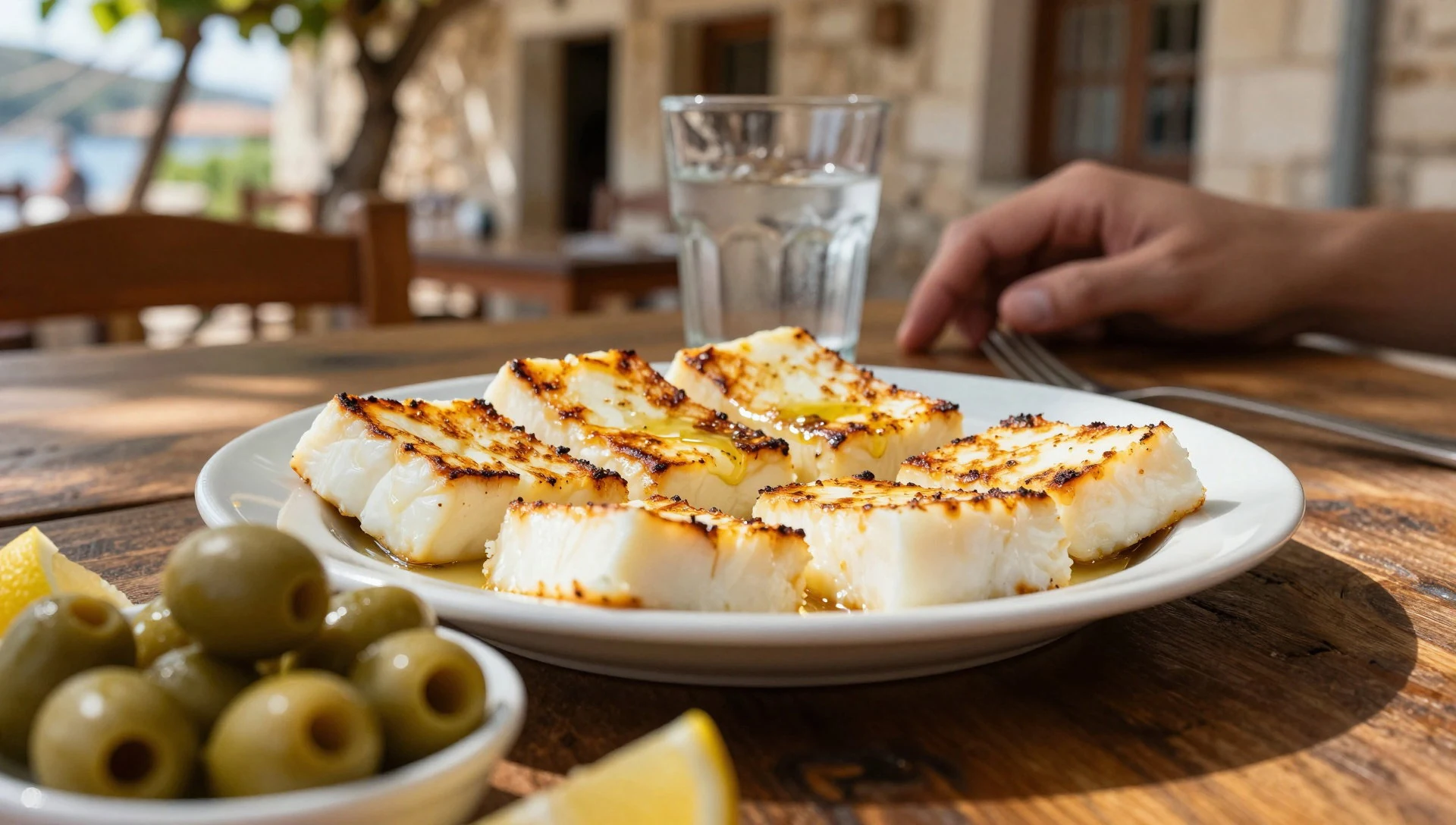
- Souvlaki and grilled meats — street-food stalls and casual local eateries
Souvlaki and other grilled meats are common street-style choices on Cyprus. Find them at casual street-food counters or small local eateries, usually served with bread and salad—easy fuel after a morning of archaeology.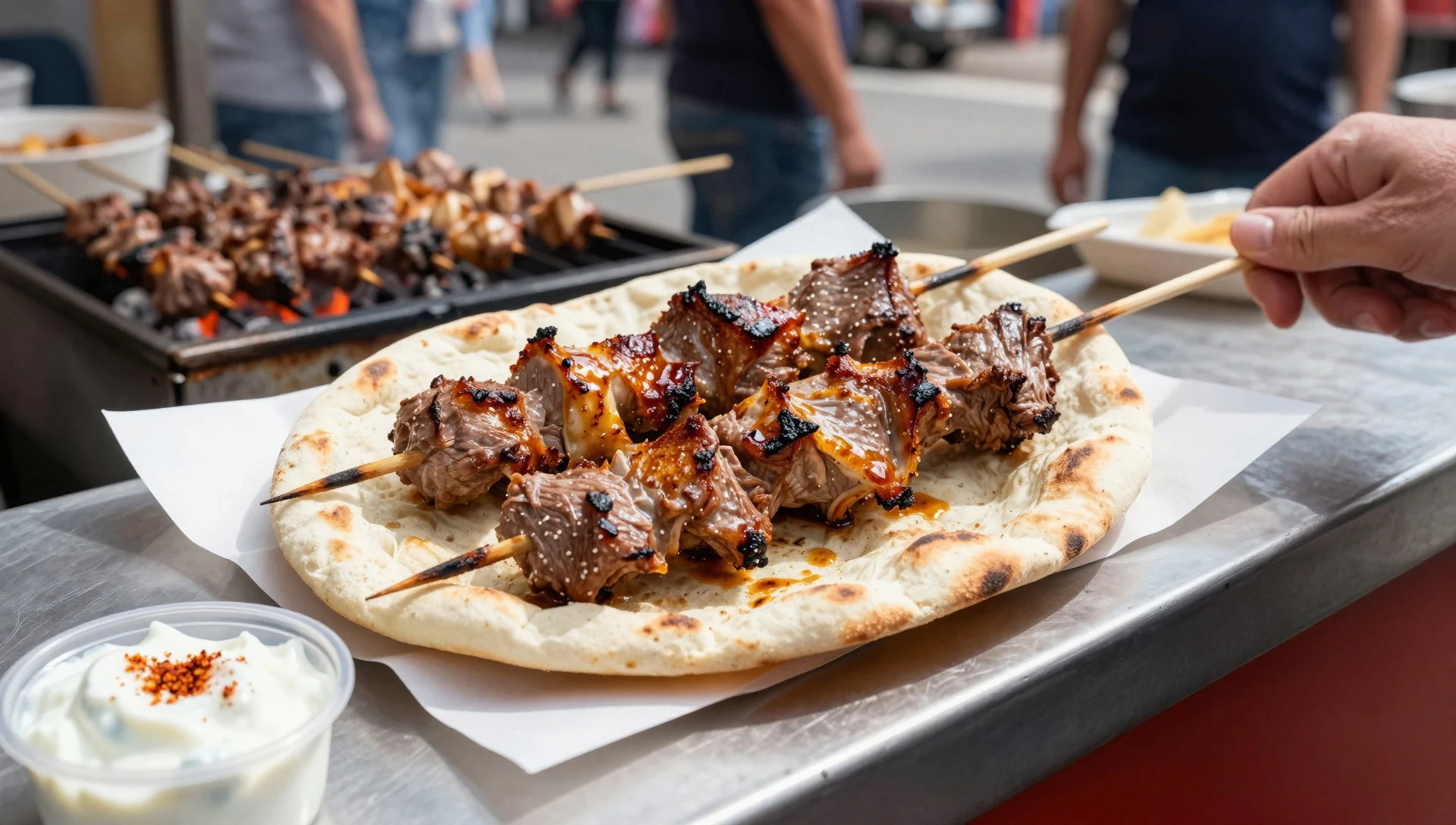
- Fresh meze-style starters — family-run tavernas and meze restaurants
After a historic morning, meze works well: a range of small plates such as dips, salads and seasonal bites. You’ll usually find meze at family-run tavernas, where the meal is shared and paced slowly. - Seasonal vegetable salads — local cafes and restaurants
Cypriot salads often show up as straightforward, fresh plates—tomatoes, cucumber, herbs and sometimes cheese. They’re easy to spot on menus at local cafes and restaurants, especially as a lighter option in warmer weather. - Sweet pastries — bakeries and dessert counters
For something sticky-sweet after walking, seek out Cypriot pastries at bakeries. Look for syrup-soaked or layered sweets served with coffee or tea—an affordable way to end a day without needing a big sit-down meal.
Plan it
Best time. March–April and late October–November for milder conditions; the site is outdoors, so avoiding the hottest part of the year makes it easier to linger. The warmest months are July and August, while the wettest months are December and January.
How long. 2–3
Getting there. Get to Cyprus (nearest major gateway by air), then take local transport to the Khirokitia site; the last leg is typically by taxi or bus from nearby towns.
Budget. mid
Tips
- Arrive early to enjoy cooler light and more relaxed walking conditions
- Wear shoes with good grip for uneven paths and stone surfaces
- Bring water and a hat in warmer months, since the settlement is largely outdoors
- Plan a slower circuit so circular structures and layout patterns stand out
- Keep some time spare for a second stop in the region if schedules are tight
Etiquette
- Stay on marked walkways and avoid stepping into protected areas
- Keep voices low when you’re close to reconstructed structures
- If photographing, avoid blocking other visitors at entrances or viewpoints
Nearby
Sources
- Wikidata Q385086 (CC0)
- Wikipedia (rev 1365403123) (CC BY-SA 4.0)
- Wikivoyage (rev 5235362) (CC BY-SA 4.0)
- photos/01-khirokitia2.jpg (CC BY-SA 2.5)
- photos/02-khirokitia3.jpg (CC BY-SA 2.5)
- photos/03-khirokitia4.jpg (CC BY-SA 2.5)
- photos/04-khirokitia1.jpg (CC BY-SA 2.5)
- photos/05-zypern-11-2013-choirokoitia-insides-of-reconstructed-huts-03.jpg (CC BY 3.0)
- photos/06-zypern-11-2013-choirokoitia-insides-of-reconstructed-huts-02.jpg (CC BY 3.0)
- photos/07-khirokitia-3.jpg (CC BY-SA 4.0)
- photos/08-chert-blades-khirokitia-ashmolean.jpg (CC BY-SA 4.0)


