Khao Sok National Park
Khao Sok National Park, Thailand
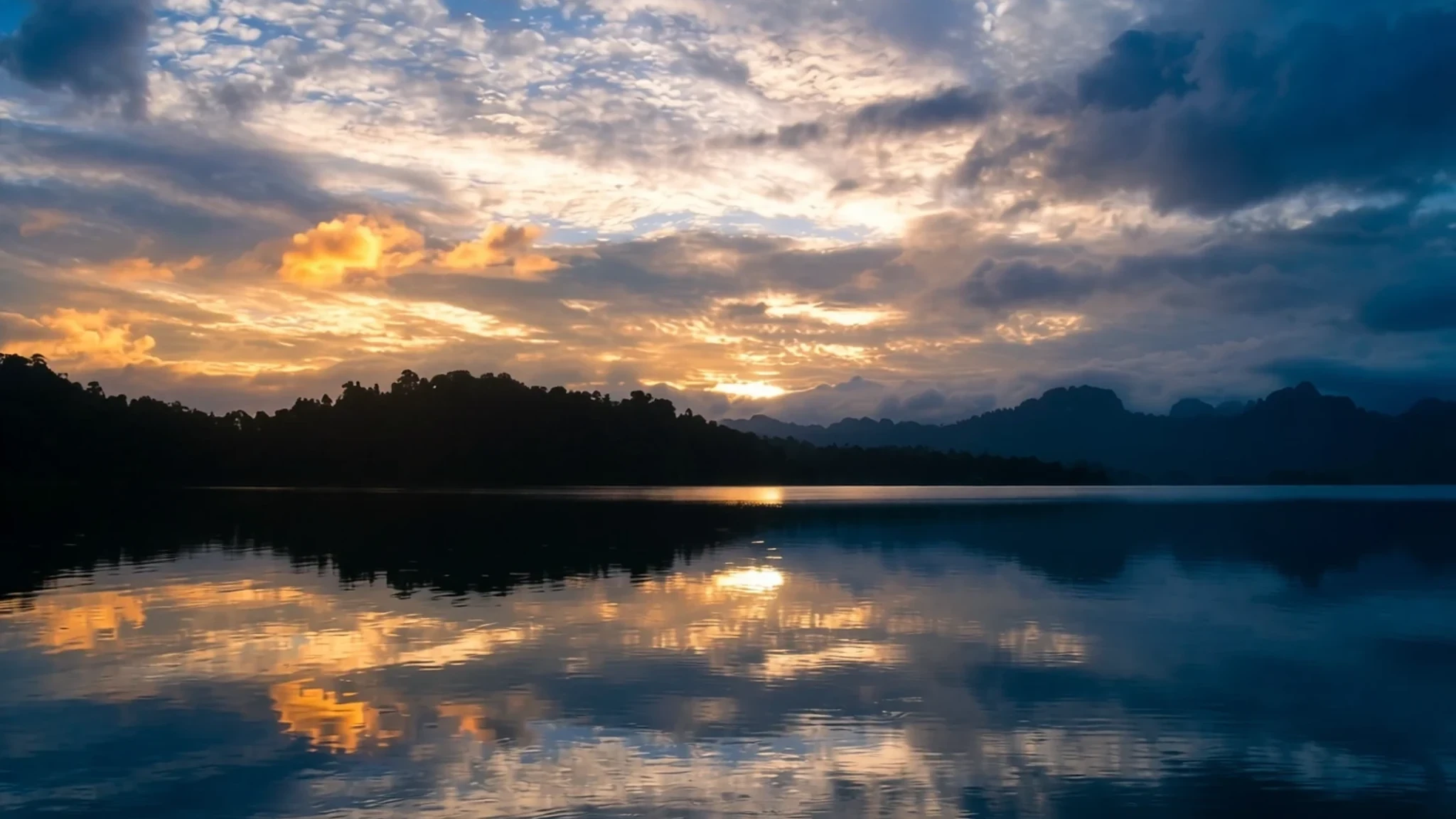
Experience one of the world's oldest rainforests and dramatic limestone cliffs reflecting in the still waters of a massive lake.
The place
Khao Sok National Park is a wild, emerald sanctuary located in Thailand's Surat Thani Province. It is renowned for possessing a primary rainforest that is remarkably ancient, with some experts suggesting it is more diverse than the Amazon. The landscape is defined by a striking contrast between dense, humid jungle and the jagged limestone peaks that soar above the tree line. Much of the park's fame comes from the Cheow Lan Lake, a vast body of water created by a dam that mirrors the surrounding karst formations in a way that feels almost otherworldly.
The park is effectively split into two distinct experiences. The west entrance is the hub for those seeking the deep jungle, housing the headquarters and a network of hiking trails through the rainforest. The east entrance leads to the pier for the lake, where visitors board long-tail boats to reach floating raft houses. It is important to note that these two areas are quite far apart, requiring over an hour of driving to transition from the forest trails to the lake's edge. This separation means the park offers two very different rhythms: the slow, humid trek of the jungle floor and the breezy, aquatic serenity of the lake. The weather is consistently warm and humid, which fuels the lush biodiversity but also means you should expect heavy rain, as this is one of the wettest parts of the country.
Its story
The story of Khao Sok National Park is told through the slow work of water and time. Long before it became a protected sanctuary in 1980, the region was shaped by the relentless forces of nature. The dramatic karst formations—those towering limestone cliffs that now define the skyline—were created over millions of years. Heavy monsoon rains, which still lash the region from both the Gulf of Thailand and the Andaman Sea, eroded the soluble limestone, carving out deep caves and vertical spires. This geological process created a sanctuary for species that evolved in isolation, far from the disturbances of the outside world.
In more recent history, the landscape was transformed by the construction of the Ratchaprapha Dam. The resulting flood created Cheow Lan Lake, drowning the valley floors and leaving only the highest limestone peaks poking through the surface like islands. This created a unique aquatic ecosystem where wildlife, including monkeys and hornbills, now navigate a world of water and stone. For the traveller, this history manifests as a feeling of prehistoric stillness. Whether you are floating through a morning mist on the lake or tracking the elusive Rafflesia flower through the undergrowth, there is a sense that Khao Sok is a remnant of an earlier earth, a place where the jungle still holds the upper hand over human development.
What to see
- Cheow Lan Lake — East entrance / Ratchaprapha Pier
The centerpiece of Khao Sok, this massive reservoir is famous for its towering limestone cliffs. Visitors typically explore by long-tail boat, staying in floating bungalows to witness the sunrise over the karst peaks in total silence.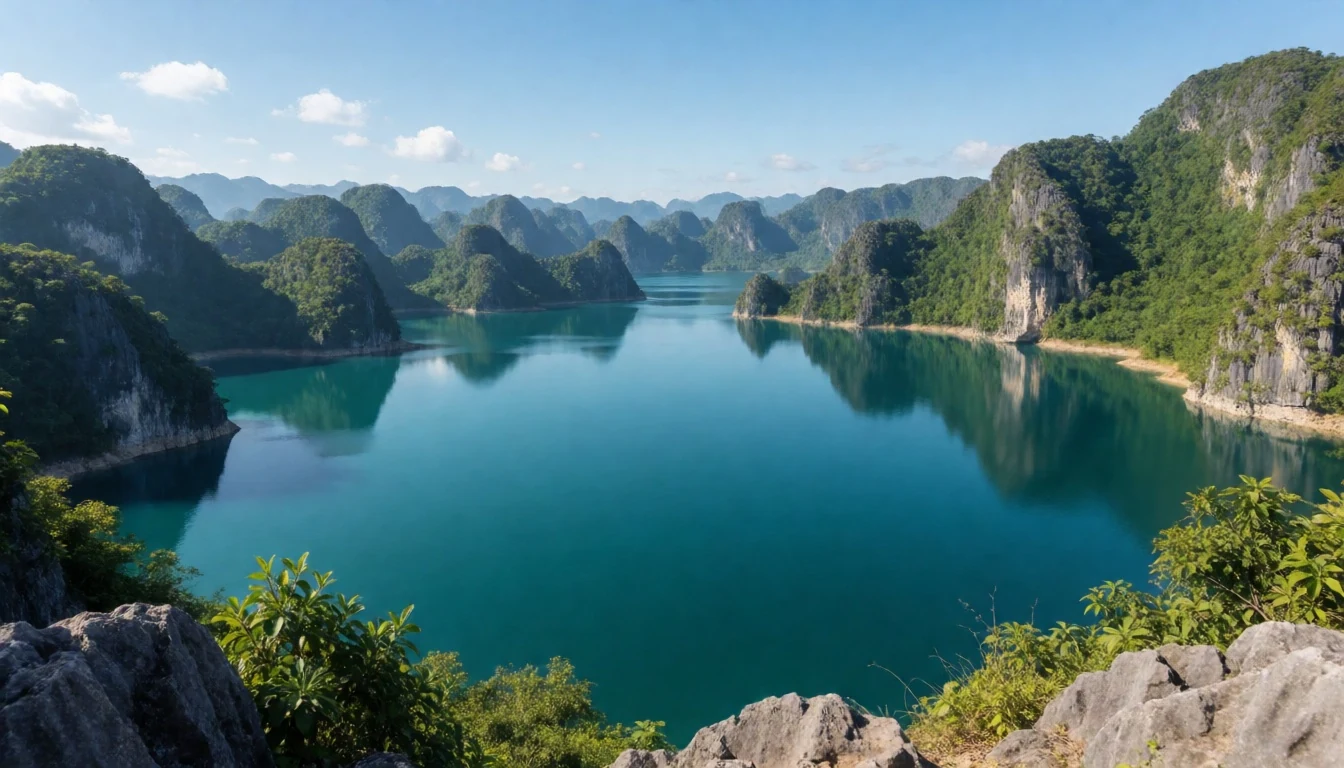
- Rafflesia Flower — West entrance / Jungle trails
One of the world's largest and strangest blooms, this parasitic plant lacks leaves and stems. It is only visible during a short window, roughly from December to February, and requires a guided jungle trek to find.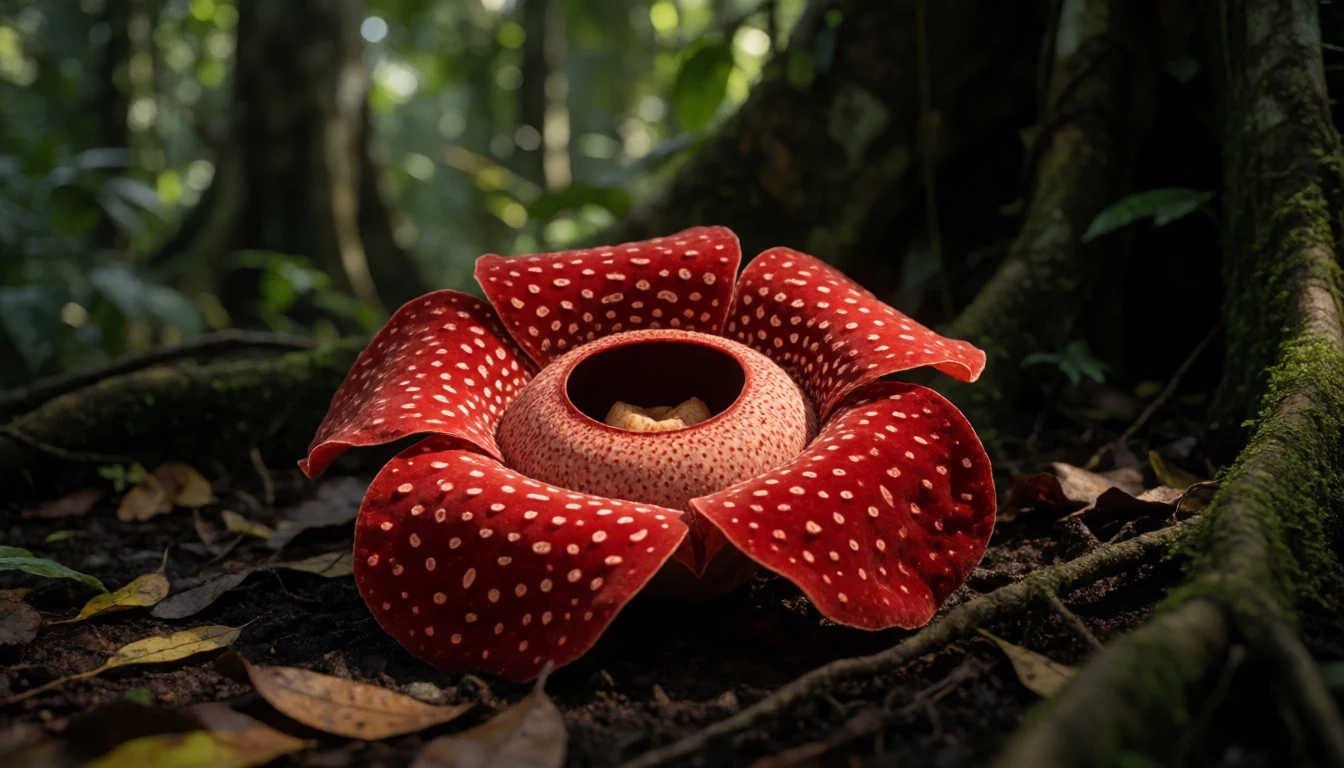
- Sip Et Chan Waterfall — West entrance / Park headquarters area
A striking waterfall that cascades down a cliff in layers resembling the steps of a staircase. The walk to the falls is an adventure through the forest, ending in a refreshing pool perfect for a swim.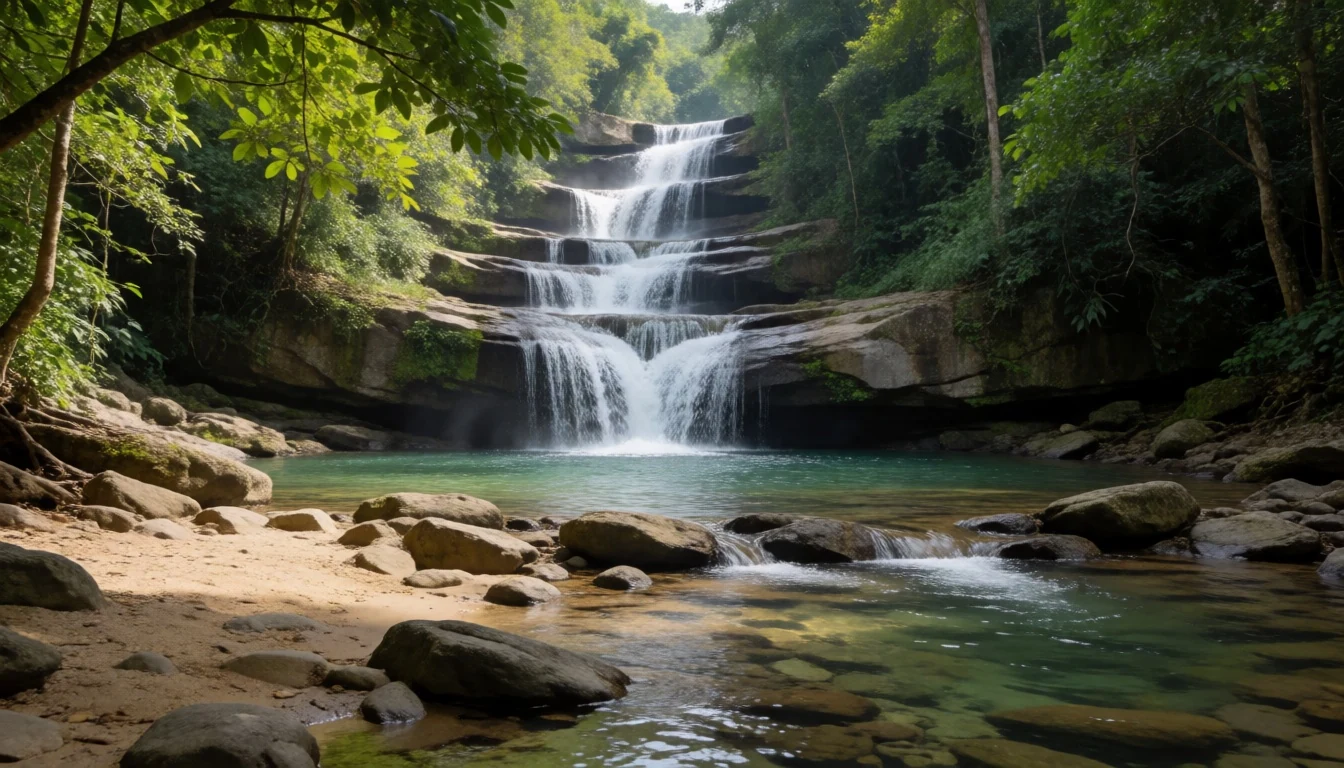
- Bang Hua Rat Waterfall — West entrance / near Visitor Centre
A popular spot for those who enjoy a mix of hiking and water activities. This site features small rapids and a waterfall located a short distance from the visitor centre, making it an accessible jungle experience.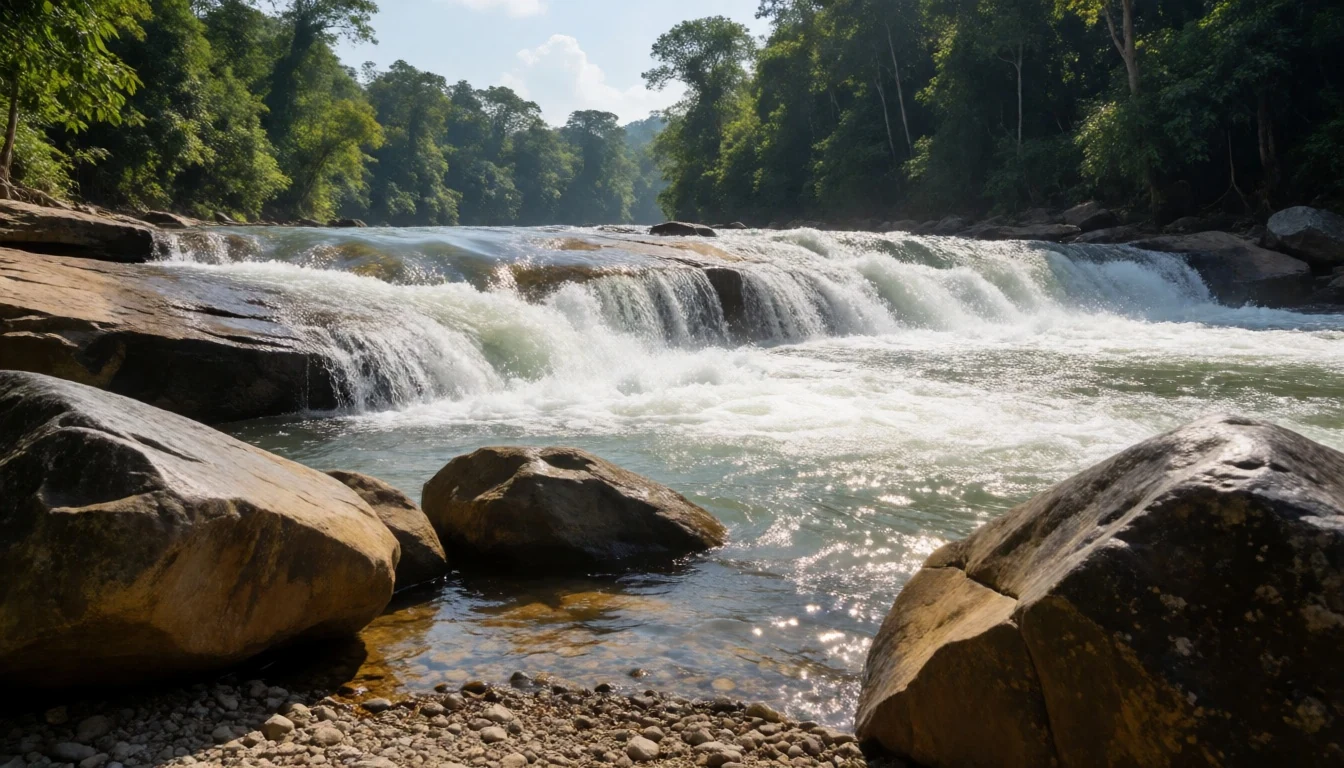
- Temple Cave — Khao Sok Marine Park / Lake area
A destination for the adventurous, this is one of the premier cave diving sites in the region. Divers must navigate a lagoon and a small island to enter the cavernous underwater system.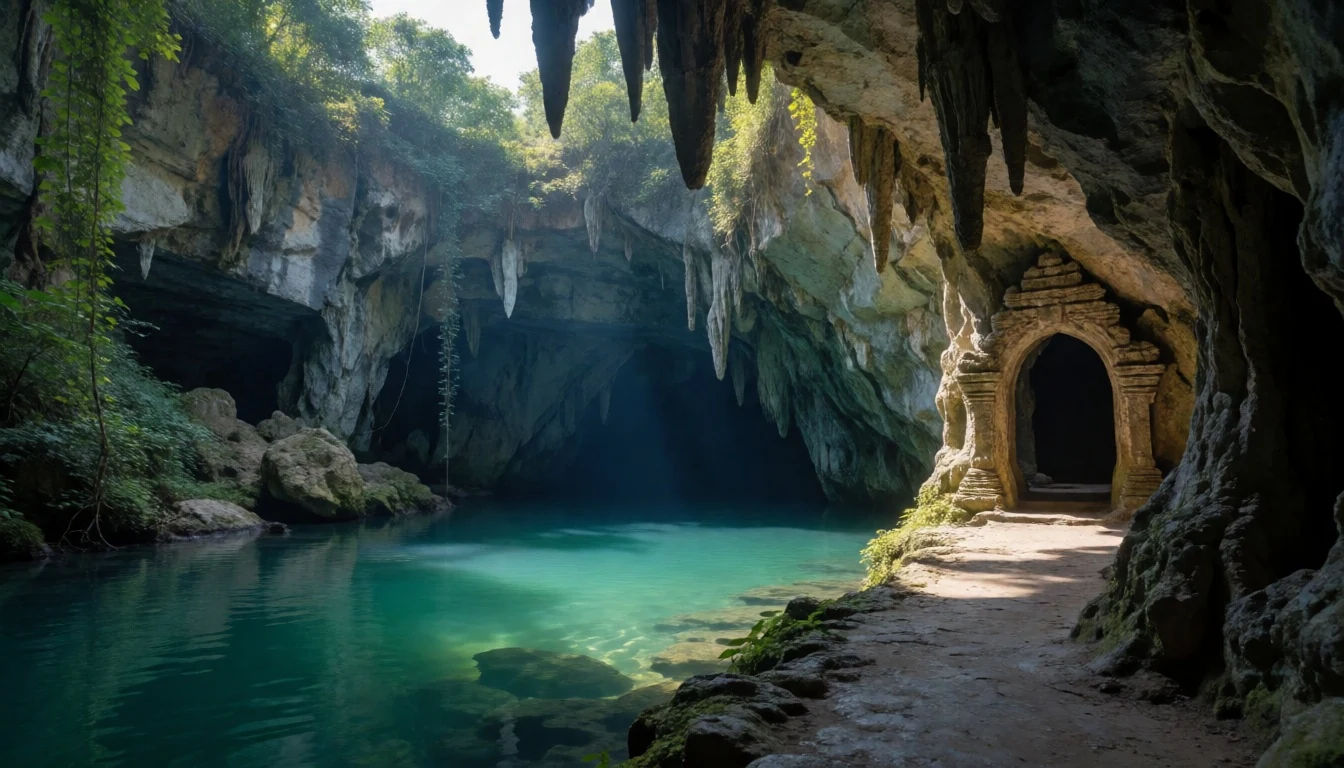
Culture
Life in Khao Sok National Park is closely tied to the rhythms of the rainforest and the tourism that sustains the local village. The culture here is a blend of rural Thai hospitality and a growing eco-consciousness. Much of the local economy is driven by the guides who possess an intimate knowledge of the jungle's secrets, from the scent of a blooming Rafflesia to the calls of the gibbons. In the village, the atmosphere is laid-back, with a strong influence of global backpacker culture blending with traditional Southern Thai ways of life. You will find a relaxed, almost bohemian vibe in the bars and guesthouses, where reggae music often drifts through the humid air. Respect for the environment is paramount here, as the local community understands that the park's pristine nature is its greatest asset. Visitors are encouraged to support local guides and be mindful of the delicate ecosystem they are entering. Please ensure you carry all your plastic waste out of the park and avoid feeding any wild animals.
What to wear
Fashion in Khao Sok National Park is dictated entirely by the environment. Traditionally, Southern Thais wear light, breathable cotton fabrics to cope with the intense humidity, often using sarongs or loose trousers for comfort. In the village today, you will see a mix of modern casual wear and the ubiquitous 'elephant pants' favoured by travellers for their airflow and comfort.
For visitors, the dress code is strictly functional. The humidity is oppressive and the rain can be sudden and torrential, so moisture-wicking, quick-dry clothing is essential. Heavy denim is a mistake as it takes forever to dry in the damp air. For jungle treks, long trousers and long-sleeved shirts are recommended to protect against insects and scratches. Sturdy, closed-toe hiking shoes or trekking sandals with good grip are necessary for the muddy trails. When visiting the floating houses on the lake, a swimsuit and a light rain jacket are the primary essentials. Footwear should be easy to slip on and off, as you will frequently be stepping in and out of long-tail boats.
What to eat
- Seasonal Tropical Fruits — Village road and convenience stores
Depending on the month, you will find rambutan, mangosteen, longan, and pomelo sold outside convenience stores or served in guesthouses. These are best enjoyed fresh and chilled to combat the heat.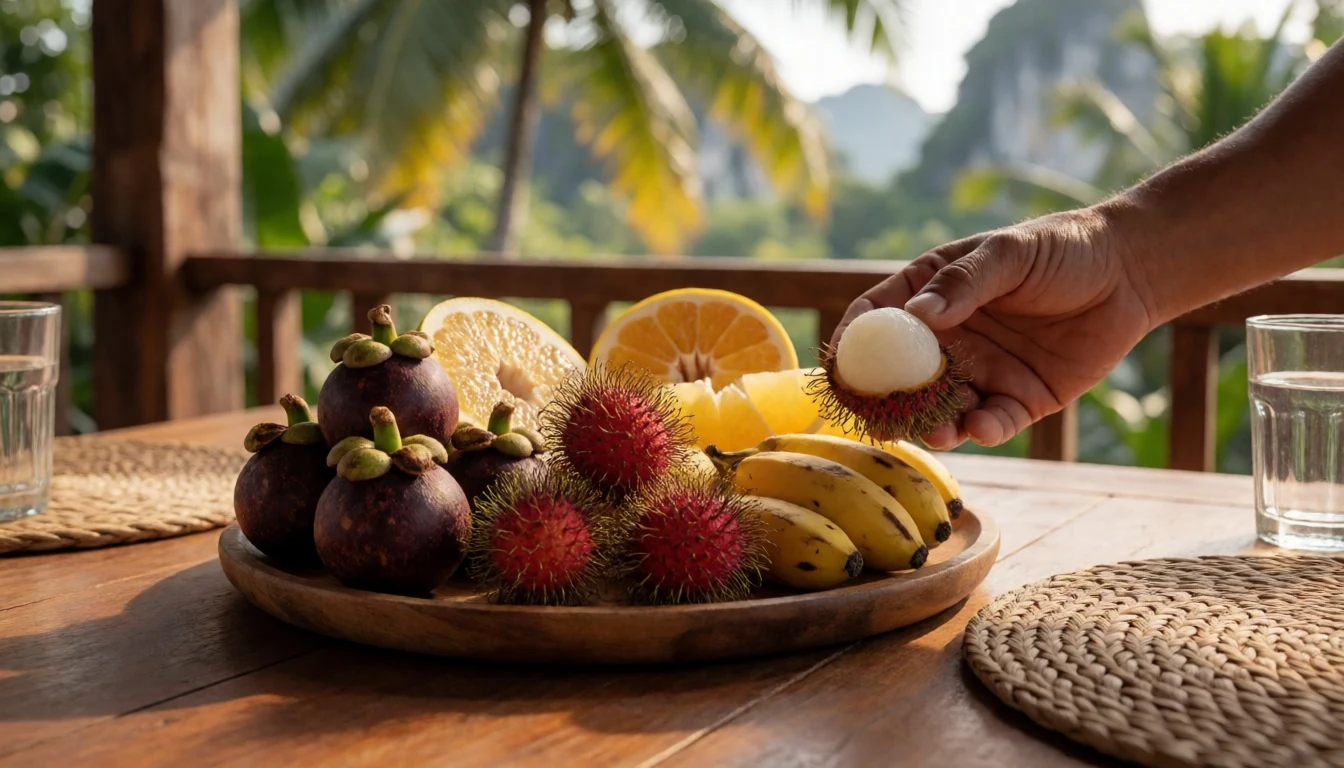
- Thai Curry and Rice — Any guesthouse restaurant in the village
Hearty, aromatic curries are the staple of most guesthouse restaurants. They typically offer a range of spice levels to suit international palates, served with fragrant jasmine rice.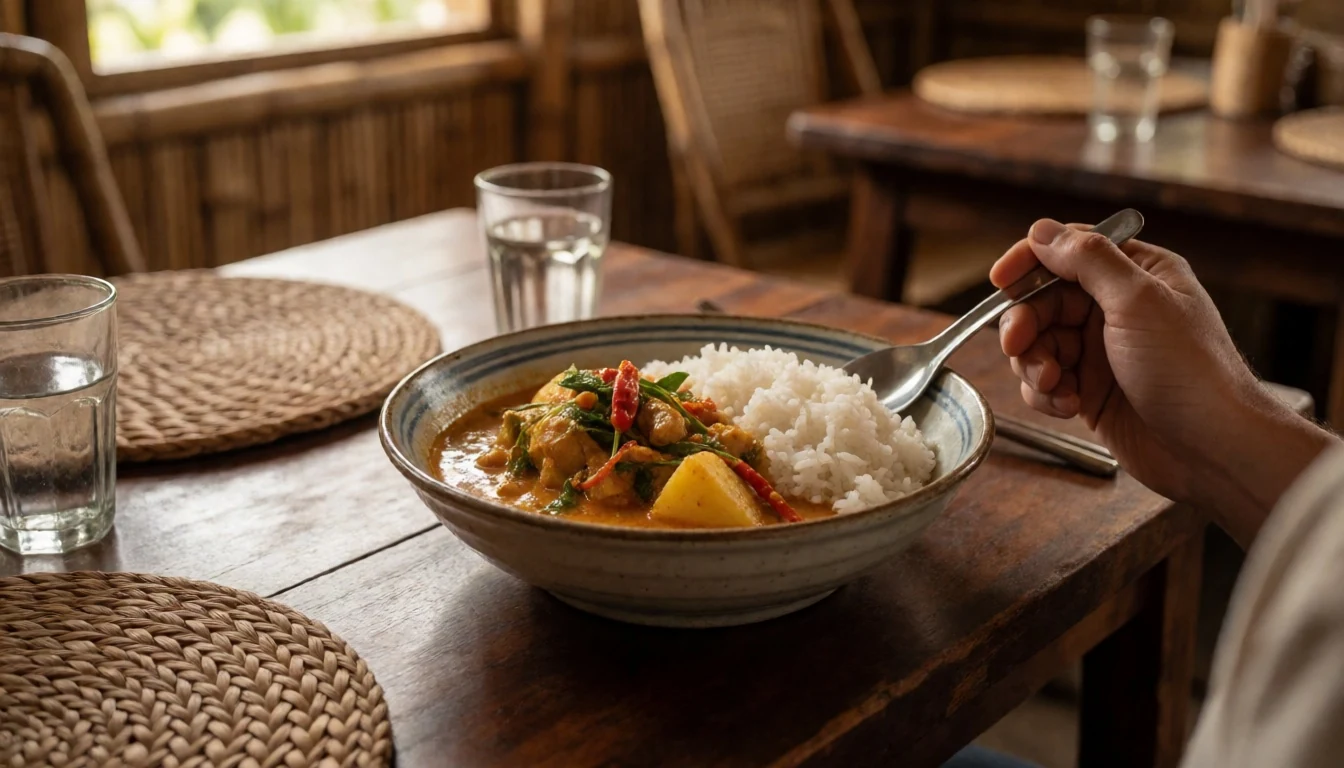
- Fresh Fruit Shakes — Village cafes and street stalls
Blended fruit with ice, such as mango or papaya shakes, are ubiquitous and provide a necessary burst of energy and hydration during a humid afternoon. - European Comfort Food — Guesthouse restaurants along the main road
Because of the international crowd, many eateries serve pasta, burgers, and salads. These are reliable options for those craving something familiar after a long day of trekking. - Cocktails and Reggae Beats — Chill Out Bar or Rasta Bar
While not a dish, the experience of sipping a cocktail while listening to Bob Marley is a local tradition. These spots offer a chilled atmosphere to unwind by the jungle.
Plan it
Best time. December to April for drier weather, with January and February the most crowded months, and the bloom visible from December to February. Late April to December is the wet season with heavy rain.
How long. 3–4
Getting there. Fly into Surat Thani International Airport (URT), then take a minivan or bus via Phantip Travel to either Khao Sok village or Ratchaprapha Dam.
Budget. mid
Tips
- Book your lake raft house in advance during peak season
- Carry a waterproof bag for your electronics on long-tail boats
- Hire a local guide for jungle treks to increase your chances of seeing wildlife
- Use cash for smaller guesthouses and village stalls
- Bring a high-quality insect repellent
Etiquette
- Keep noise levels low when staying in floating houses to avoid disturbing wildlife
- Do not enter restricted jungle areas without a licensed guide
- Dispose of all trash in designated bins or take it back to the city
Nearby
Sources
- Wikidata Q1760520 (CC0)
- Wikipedia (CC BY-SA 4.0)
- Wikivoyage (CC BY-SA 4.0)