Kenting National Park
Kenting National Park, Taiwan
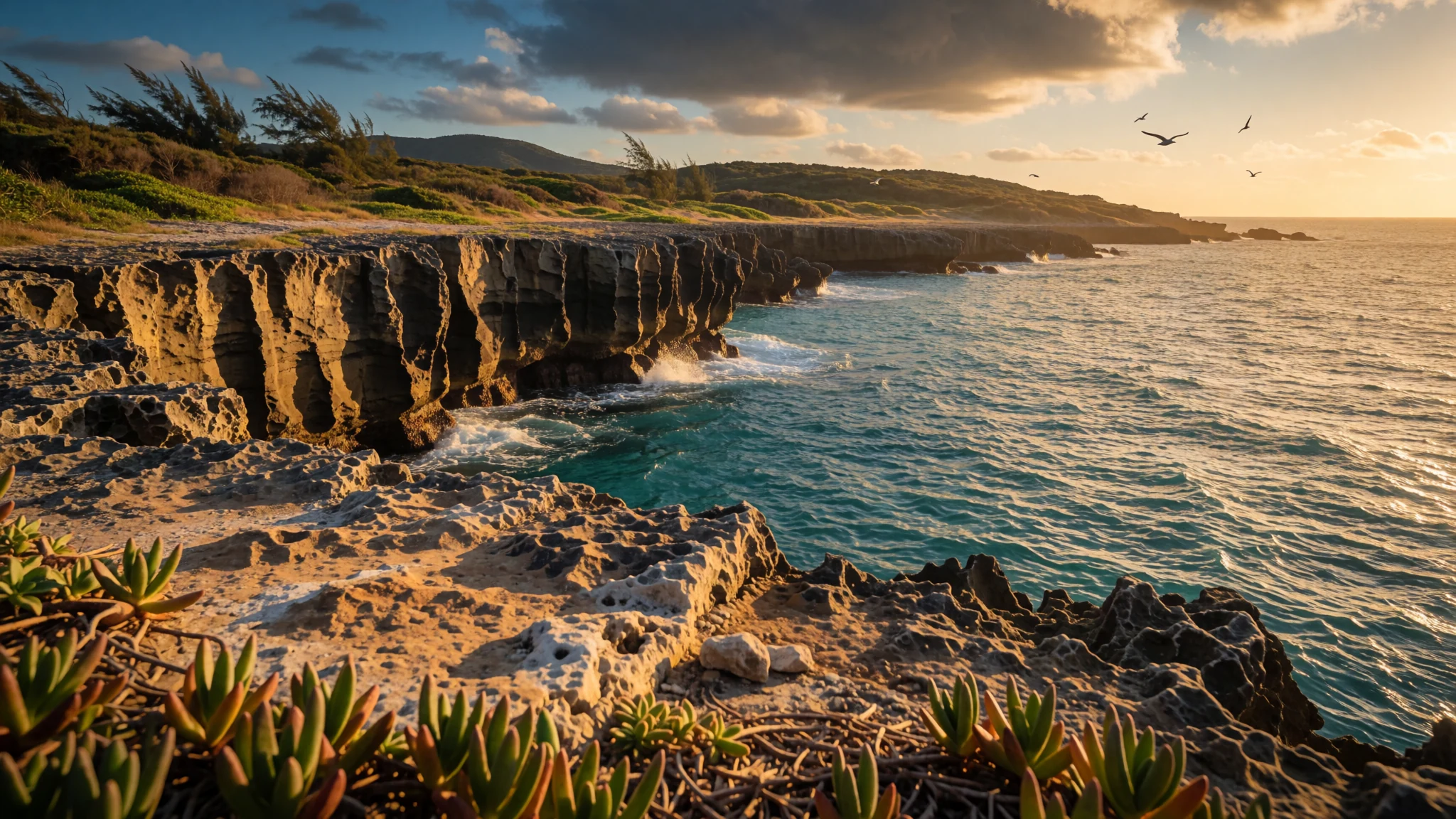
Taiwan's oldest national park, where coral cliffs, sand waterfalls and a warm sea make a long, sunny coastal break.
The place
Kenting National Park occupies the southern tip of Taiwan, on the Hengchun Peninsula in Pingtung County. Most people simply call it Kenting, which is also the name of the holiday strip on its edge, so the two get confused constantly. Established in 1984, it is the oldest national park on the island and the southernmost on the main island. Its land and sea areas together come to about 330 square kilometres, and the sea part matters as much as the land.
A long, narrow valley plain runs north to south and divides the park into two halves. On the west, coral cliffs fringed by reefs drop toward the water. The north is mountainous, while the south has coral tablelands, foothills and limestone caves. On the eastern side, wind and rivers have shaped sand rivers and sand waterfalls, and sunken caves and stalactites lie nearby. A large lake sits on the plain itself.
The climate is tropical and warm for most of the year, classed as a tropical monsoon climate like the rest of Pingtung. Expect strong sun and heat, and expect summer rain to arrive in heavy bursts. Visitor numbers are high, particularly in spring, and the sea views and sunsets draw most people. The main road turns into a night market after dark, which is part of the place's character.
Its story
Kenting National Park began as a protected area in 1984, when its coral cliffs, tablelands and beaches at the southern end of Taiwan were brought under formal park management. The protection came first; the crowds followed. By 2016 the park had recorded 5.84 million visitors, which makes it one of the island's most popular destinations. Much of that appeal rests on a landscape formed slowly. Coral that built up over long periods now forms the tablelands and caves, while wind and rivers have carved the eastern side into sand rivers and sand waterfalls.
A second strand of the story is the calendar. The Spring Scream rock-band festival is held every March, and for those days the beaches fill with music and visitors. People who come for that festival often remember the noise and the heat more than the quiet coast, so the rest of the year offers a different experience. Outside festival season, the appeal is simpler: a long coastline, sunsets from black cliffs, and an evening market that spills onto the main road.
Today the park sits between a resort strip and a wilder interior. Dunes, lighthouses and small harbours are all within a short drive, and the reefs and cliffs keep drawing walkers and photographers. The park is more than a beach. It is a mix of geology, sea and a town that has learned to feed its visitors well.
What to see
- Southernmost point of Taiwan — Eluanbi, southern tip
A sculpture marks the southern tip of Taiwan, and local people come here in particular for photographs. The spot is a popular place to watch the sun go down over the water, so arrive in the late afternoon if you want the light. It is a short stop, and it fits neatly alongside a walk to the lighthouse nearby.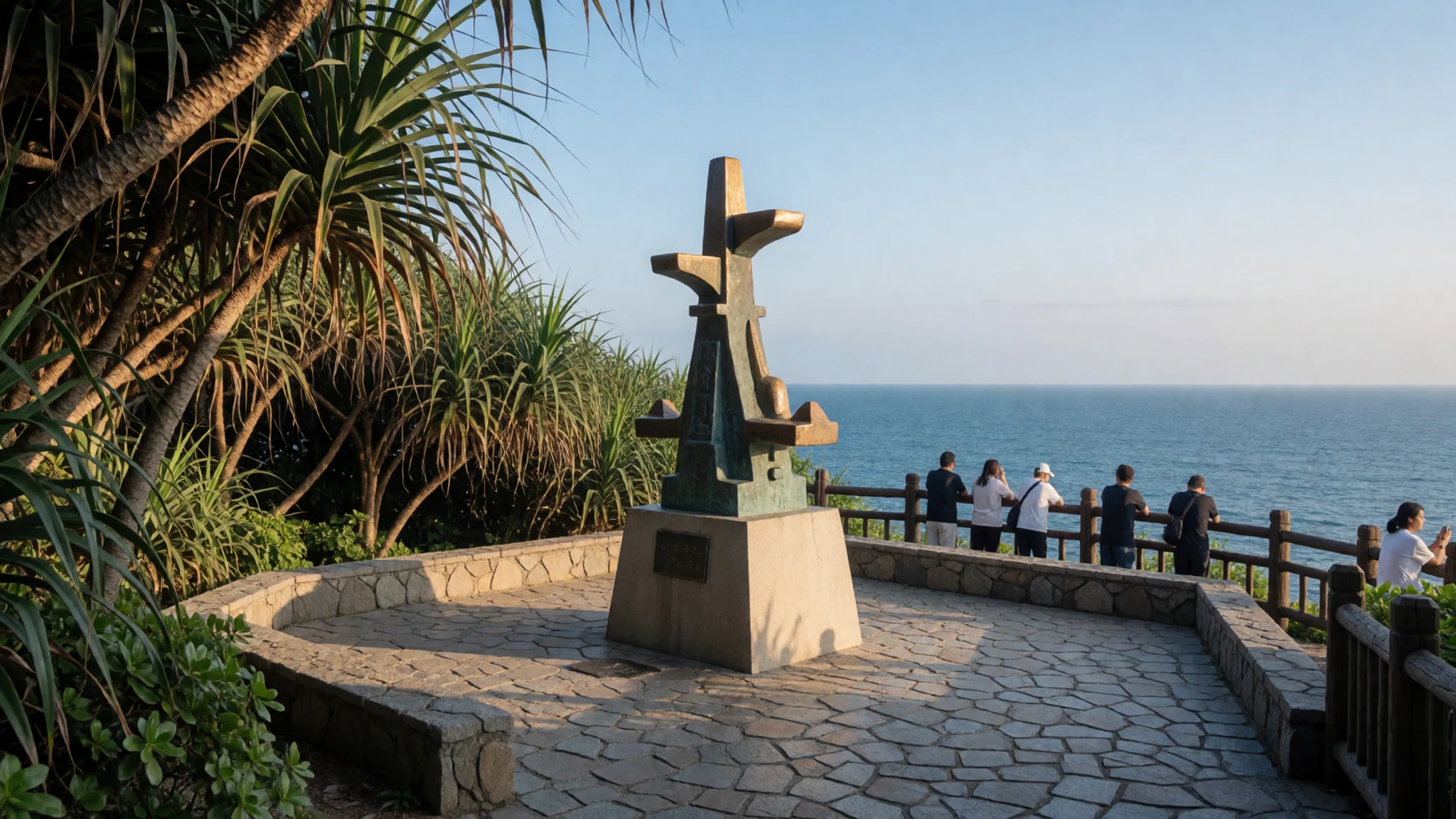
- Eluanbi Lighthouse — Eluanbi, park south
The lighthouse itself is modest, and some visitors find it less striking than its setting. The surrounding park is the real reason to come, because easy trails run close to the ocean and the walking is pleasant. Plan the visit for early morning or late afternoon, when the heat eases and the coast is at its best.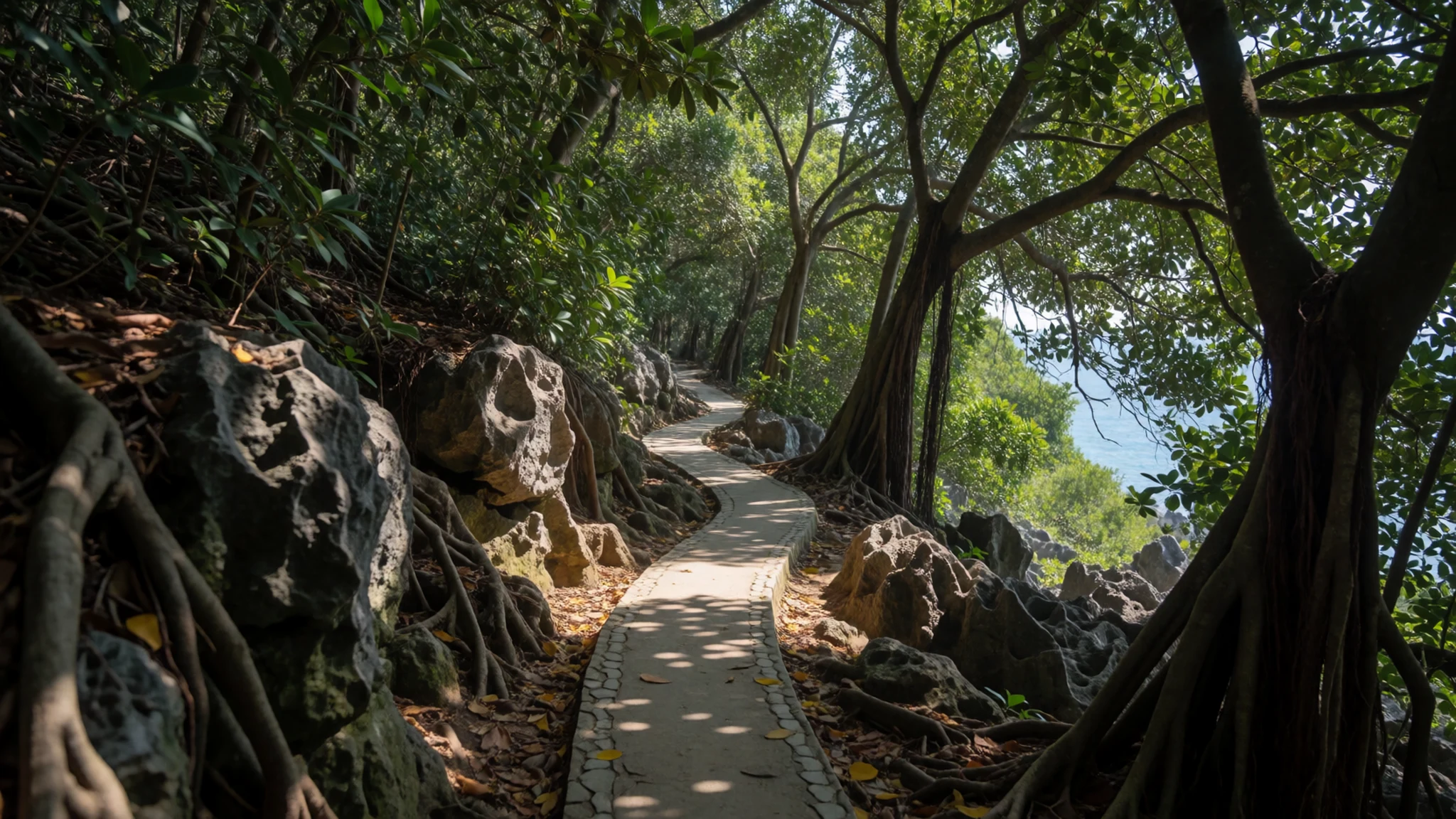
- Maobitou — Maobitou, western coast
A black cliff and coastal stretch on the western side, good for sunsets. The rock formation is said to look like a lying cat, which takes a bit of imagination but makes a good story while you watch the light change. There is little shade on the rocks, so bring water and a hat.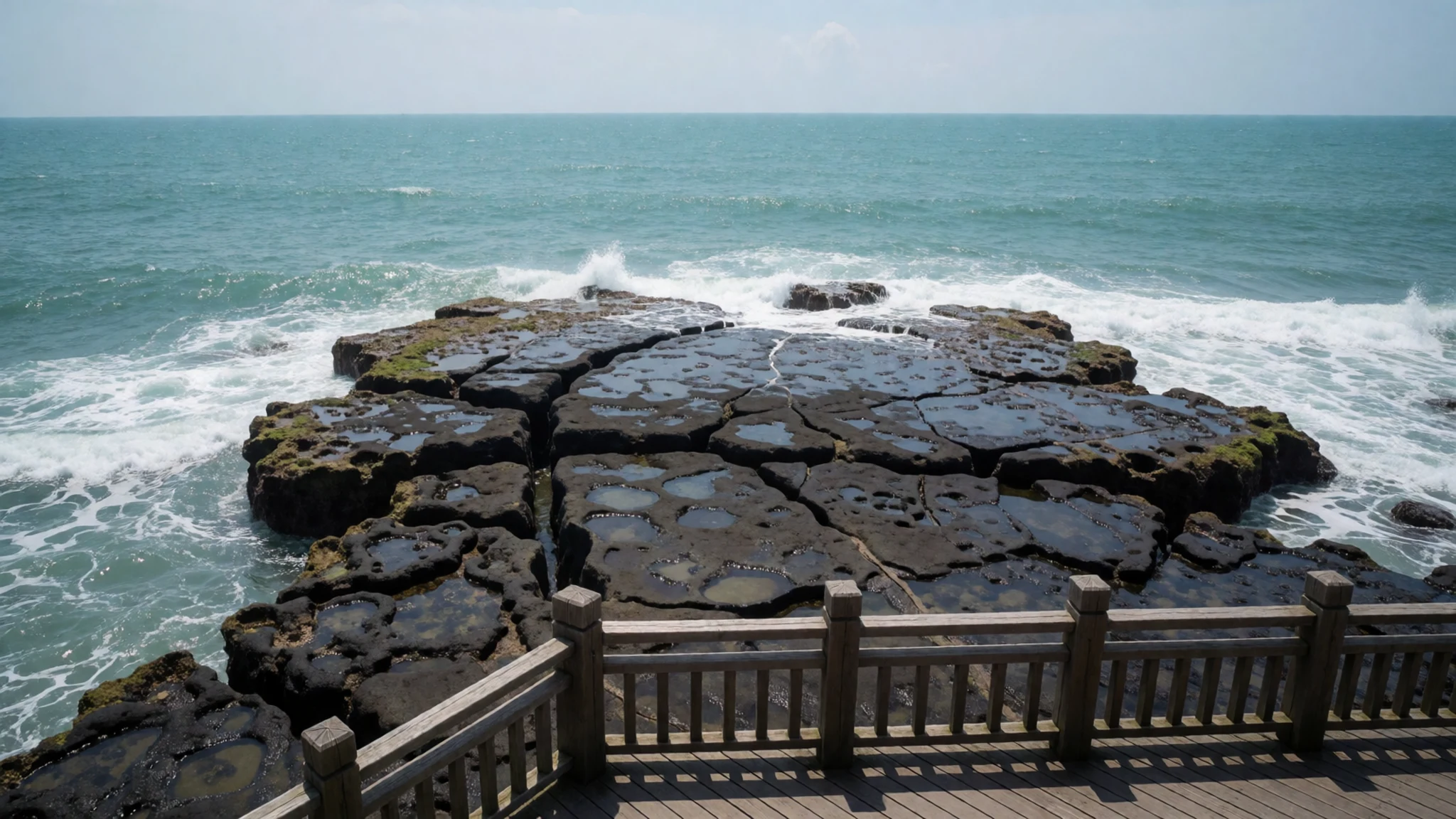
- Fongchueisha dune — Fongchueisha, south-east coast
A large and picturesque dune that you can walk down along its right flank. Climbing sand in the heat is tiring, so take water and footwear you do not mind getting gritty. The view from the top across the coast is worth the effort, and the descent is quicker than the climb.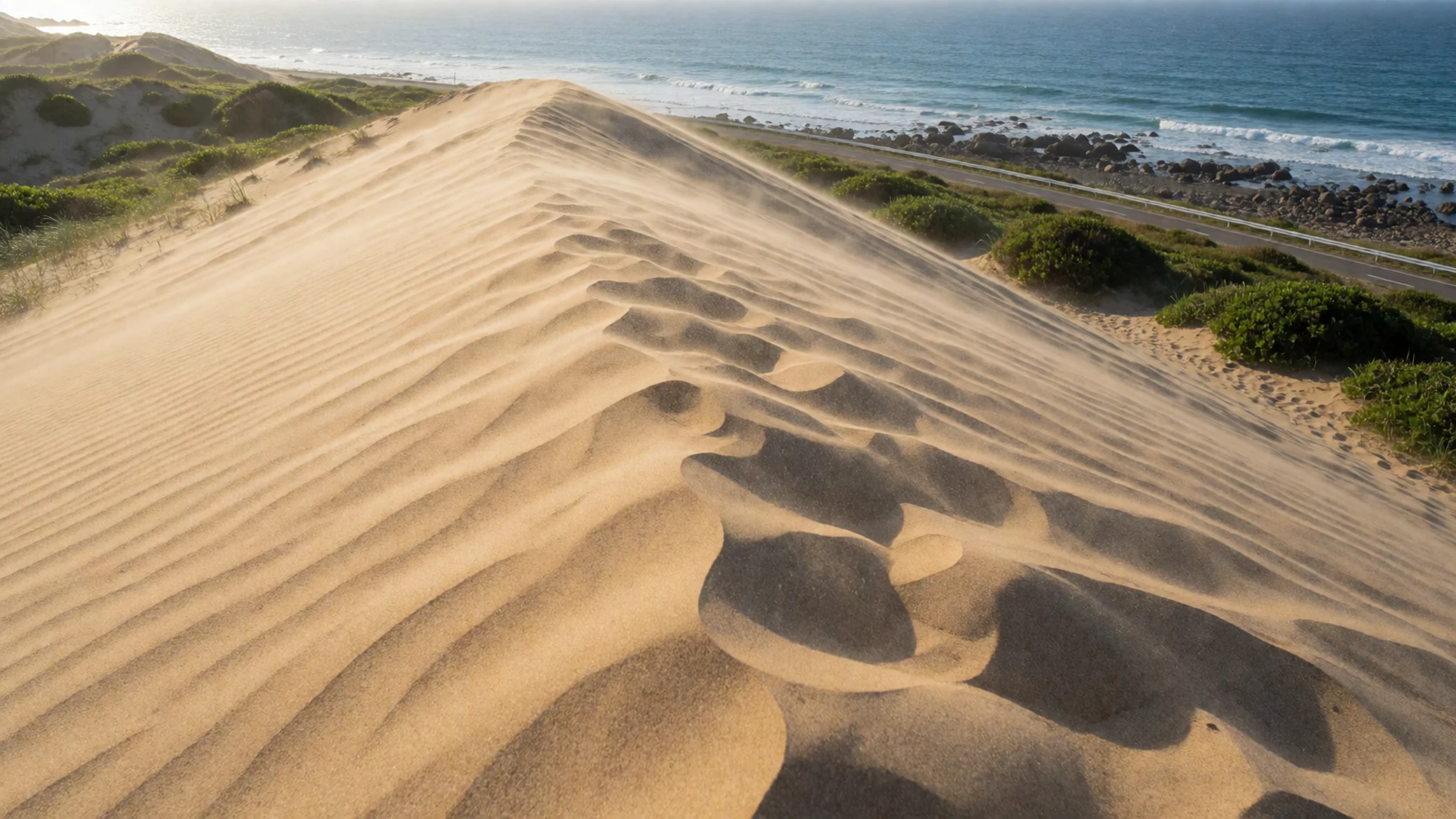
- Chuhuo Eternal Fire — Chuhuo, northern park
Natural gas seeps up through porous rock here and burns constantly, a small flame fed by the ground itself. It is an unusual sight rather than a grand one, so allow little time for it. It works well as a stop on a drive through the northern part of the park.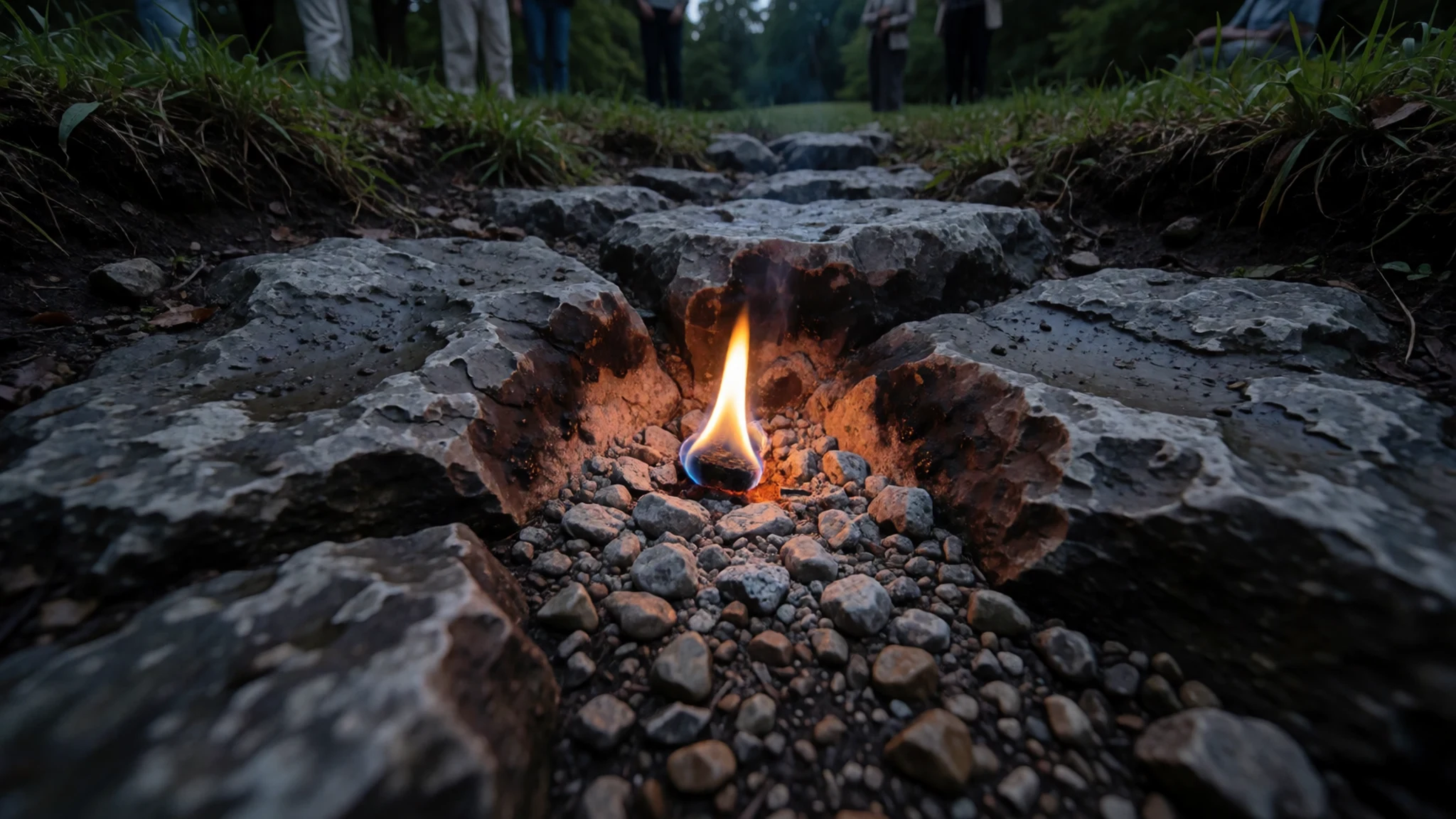
Culture
Kenting is a holiday place, but the town and the coast are also home to local families, temples and small shrines, and they deserve the same care you would give anywhere. Taiwanese temples are used for prayer, so speak quietly, dress with covered shoulders and knees, and check whether photography is allowed before you raise a camera. Ask before photographing people at market stalls or family gatherings, and accept a refusal gracefully.
The park's coral formations, cliffs and sand dunes are fragile and can be damaged in a single careless step. Stay on marked paths, do not climb on rock formations, and carry out everything you bring in, including bottles and food wrappers. Night market crowds are dense at the busiest hours, so queue in an orderly line at stalls and eat at the tables provided rather than blocking walkways.
Stray dogs wander the streets and beaches. They are not usually aggressive, but many carry disease and parasites, so keep your distance from them and never feed them.
What to wear
Pingtung is home to Indigenous communities, including the Paiwan and Rukai, whose traditional dress is known for beadwork, woven textiles and embroidery in strong geometric patterns. These garments are worn at ceremonies and festivals, and the materials most associated with them are hand-woven cloth and glass beads. Visitors are unlikely to see this dress on a beach, so look for cultural centres and organised events if you want to learn more.
Day to day, people in Kenting dress for the heat. Shorts, T-shirts, sundresses, sandals and flip-flops are the norm around town, and swimwear is confined to the beach and pool areas. Older residents often carry umbrellas or wear wide hats against the sun.
For a visit, pack light cotton or linen, a long-sleeved layer for midday sun, a wide-brimmed hat and sunscreen. Sturdy closed shoes or water sandals help on coral rock and sand dunes, where thin flip-flops slip or cut. At temples and shrines, cover your shoulders and knees, and leave the swimwear for the beach.
What to eat
- Kenting Night Market — Kenting main road, after dark
Along the main road in Kenting, stalls set up after dark and sell a wide range of snacks and small plates. Walk the length once before buying, then return to the stalls with the steadiest queues. Eat standing or at the tables provided, and carry small change for the vendors.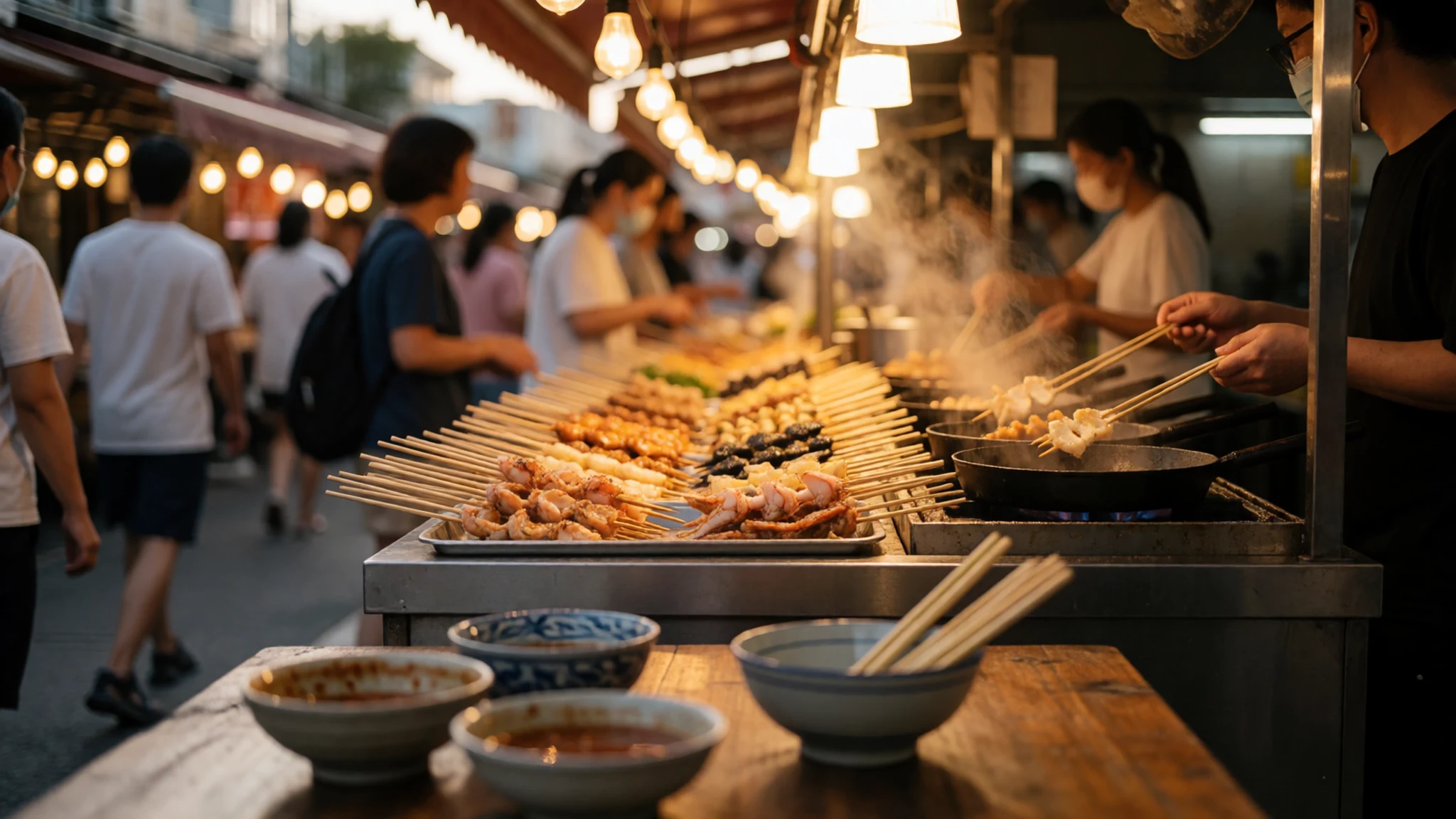
- Hengchun Night Market — Hengchun town centre
This market is quieter than the Kenting version, which suits people who prefer to take their time over a meal. It is a good choice if you are staying in the town rather than along the beach road. Go early in the evening, since the lively hours are shorter than at the bigger market.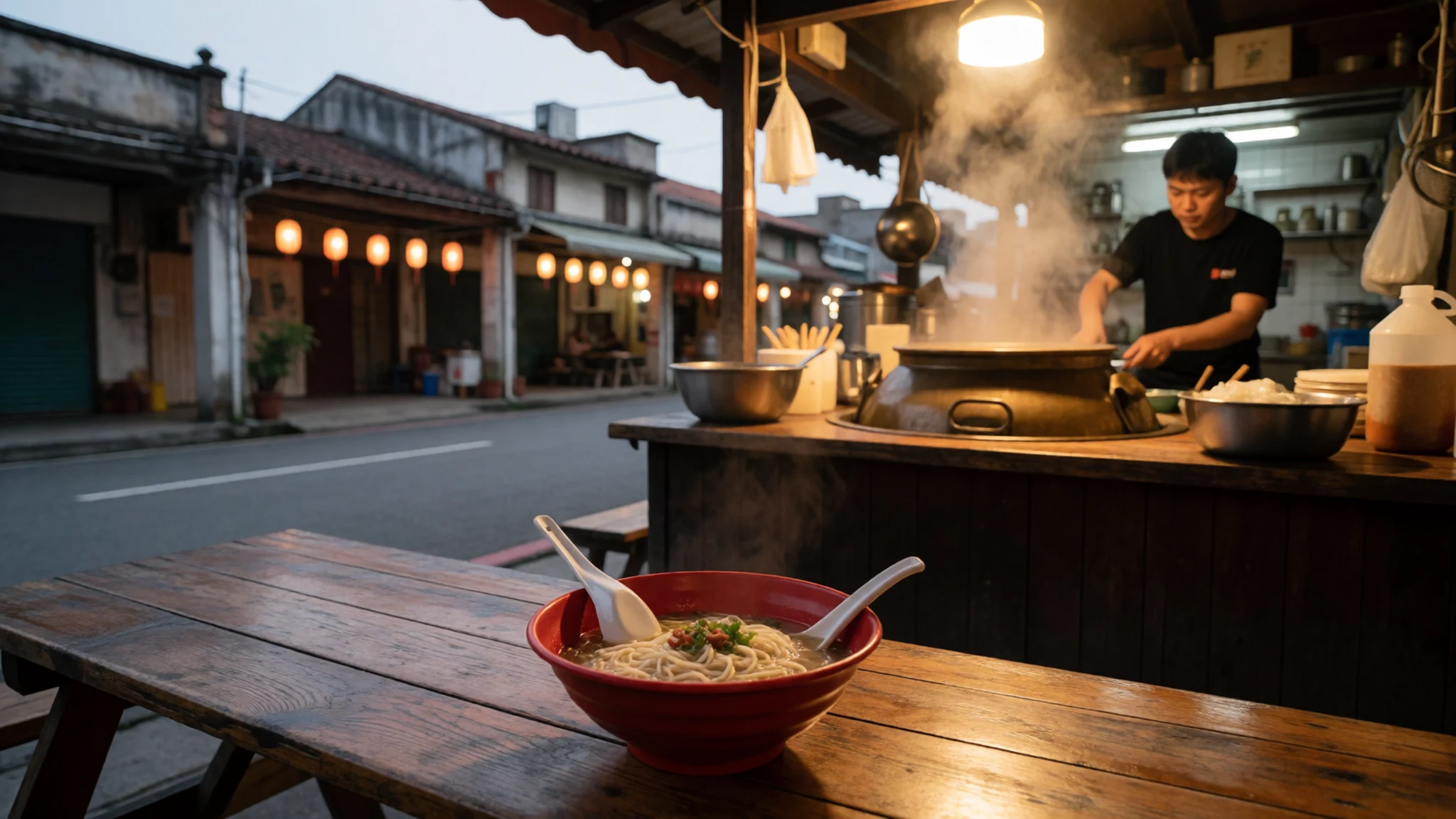
- Fish of the day — Seafood eateries along the west coast
Ask for the fish of the day at a seafood eatery near the coast, which is usually the freshest choice on the menu. Prices vary from place to place, so read the menu before you order. Live fish tanks can cost more than the fish the kitchen has already prepared, so compare before choosing. - Thai and seafood fried rice — Restaurants on the main roads and in town
Thai food is widespread here, and many eateries offer it alongside Chinese dishes. Seafood fried rice and basil chicken are dependable, filling and reasonably priced. Choose a busy, family-run place, since the kitchen is usually turning dishes out fresh. - Gelato and beach café — Main road gelato shops and beachfront cafés
Gelato shops along the main road make a good afternoon snack, many with seating outside. For a longer break, a beach café with an ocean view offers coffee, wine, desserts and a mixed menu covering Asian and Western dishes. Aim for the late afternoon, when the seats near the water are easiest to get.
Plan it
Best time. March, April, October and November suit most people, with warm, sunny days and less rain than the summer months. June to September is hotter and wetter, with the summer monsoon bringing heavy showers, though sea and sky can still be clear between storms. March brings the festival crowds, so expect higher prices and busier beaches then.
How long. 2–3
Getting there. Fly or take the train to Kaohsiung, then take the regular bus from the Kaohsiung bus terminal to Hengchun and Kenting; the trip takes roughly two and a half hours. From Taipei, coaches run every hour from Taipei Bus Station to Kaohsiung and take five to six hours.
Budget. mid
Tips
- Book beachfront rooms early for March and for summer weekends, when the festival and holiday traffic fill the area
- Start coastal walks early, before the heat builds, and save the sunset spots for the late afternoon
- Carry some cash for night market stalls and small shops, as not every vendor takes cards
- Take a sun hat, sunscreen and plenty of water, since shade is limited on the coral rock and dune walks
- On the Kaohsiung leg, watch out for the express bus, which is hard to tell apart from the regular service and whose driver may not speak English
- Check the official park site for current opening times, fees and transport before you travel: http://www.ktnp.gov.tw/en/
Etiquette
- Stay on marked trails and do not climb on coral or cliff formations
- Take all rubbish with you, including from the beaches and dune paths
- Do not feed the stray dogs, and give them space
Nearby
Sources
- Wikidata Q707982 (CC0)
- Wikipedia: Kenting National Park (rev 1362779443) (CC BY-SA 4.0)
- Wikivoyage: Kenting National Park (rev 5406989) (CC BY-SA 4.0)
- Photo: Maobitou Cape on South China Sea, Taiwan (Bernard Gagnon) (CC BY-SA 1.0)
- Photo: Pinding grassland, wild Formosan sika deer (李順發) (CC BY-SA 4.0)
- Photo: Kenting National Park (王毓勵) (CC BY-SA 4.0)
- Photo: Eluanbi lighthouse (Sgroey) (CC BY-SA 4.0)
- Photo: Beach view of Kenting National Park (Dharpo32) (CC BY-SA 2.5)
- Photo: Baishawan beach (Taiwanmag) (CC BY 3.0)
- Photo: Jialeshui surf beach (Taiwanmag) (CC BY 3.0)
- Photo: Eluanbi Lighthouse, Pingtung County (Venation) (CC BY 3.0)


