Kenozyorsky National Park
Kenozyorsky National Park, Russia
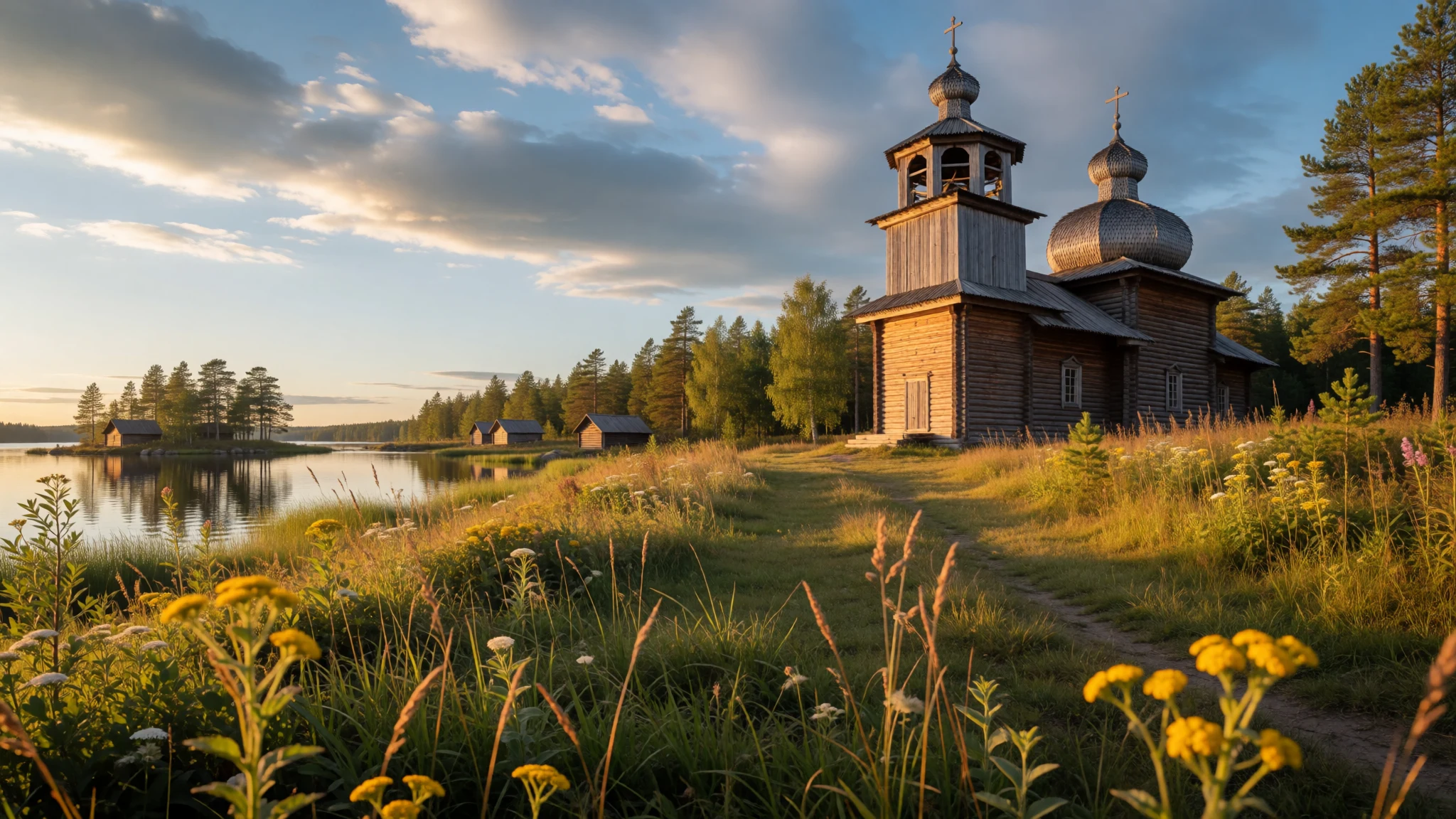
Kenozyorsky National Park is a lake-and-forest landscape in northern Russia where wooden churches, old villages and quiet water still sit together as they did centuries ago.
The place
Kenozyorsky National Park (Кенозерский национальный парк) lies in the Russian North, across the Kargopolsky and Plesetsky districts of Arkhangelsk Oblast, and takes its name from Lake Kenozero, the water around which it is organised. It is filed under mountains and parks, but it is not alpine: the land is low, wooded and threaded with lakes, rivers and gentle ridges, and the real draw is how people have lived on it. Villages, hayfields, chapels and footpaths still sit in the landscape in a pattern that large-scale industry never flattened. The park was founded in 1991, became a UNESCO Biosphere Reserve in 2004, and in 2024 its cultural landscape was added to the World Heritage list. The listing rests on the way Finno-Ugric forest culture and Slavic field culture blended here, with farmland and woods managed in common. Wooden churches and chapels, once decorated with painted ceilings called "heavens", act as landmarks and gathering points. This is a slow, quiet place. Distances are long, roads inside the park are few, and one famous church group can be reached only on foot. The park is built around ecotourism, with marked trails for walking, and in winter there are snowmobile rides and skiing. Fishing is also part of the offer. It suits people who prefer silence, water and old timber to headline sights, and who are happy to plan carefully, ideally with a local guide.
Its story
Kenozyorsky National Park sits in country that has always been remote. In the nineteenth century the area was split between two districts of the Olonets Governorate, one to the west and one to the east, and later Soviet administrative reshuffles left it inside Arkhangelsk Oblast. After the Second World War the Russian North lost a great many of its people, and every village between Lake Lyokshmozero and Lake Kenozero was abandoned. That emptying is part of the reason so much old timber architecture survived: with few residents and little industry, there was little pressure to pull buildings down and replace them. Protection came late. The decision to create a park was taken in 1991, and it was officially established on 28 December that year at the urging of Yelena Shatkovskaya, who has so far been its only director. The new administration took over responsibility for the historical monuments, and some of them have since been restored. Staffing grew quickly in the first years, from a very small team to a sizeable one. In 2004 UNESCO recognised the park as a Biosphere Reserve, and in 2024 the cultural landscape joined the World Heritage list. That last step matters because it values the lived-in countryside itself, meaning fields, paths, chapels and shorelines, and not just the lake or the forest.
What to see
- Lake Kenozero — Plesetsky District
Lake Kenozero is the freshwater heart of Kenozyorsky National Park, in the south-west of Plesetsky District. Its shores, islands and inlets are the best way to understand the park: low forest, open water and villages set back from the edge. Boat trips and shoreline walks give the clearest views.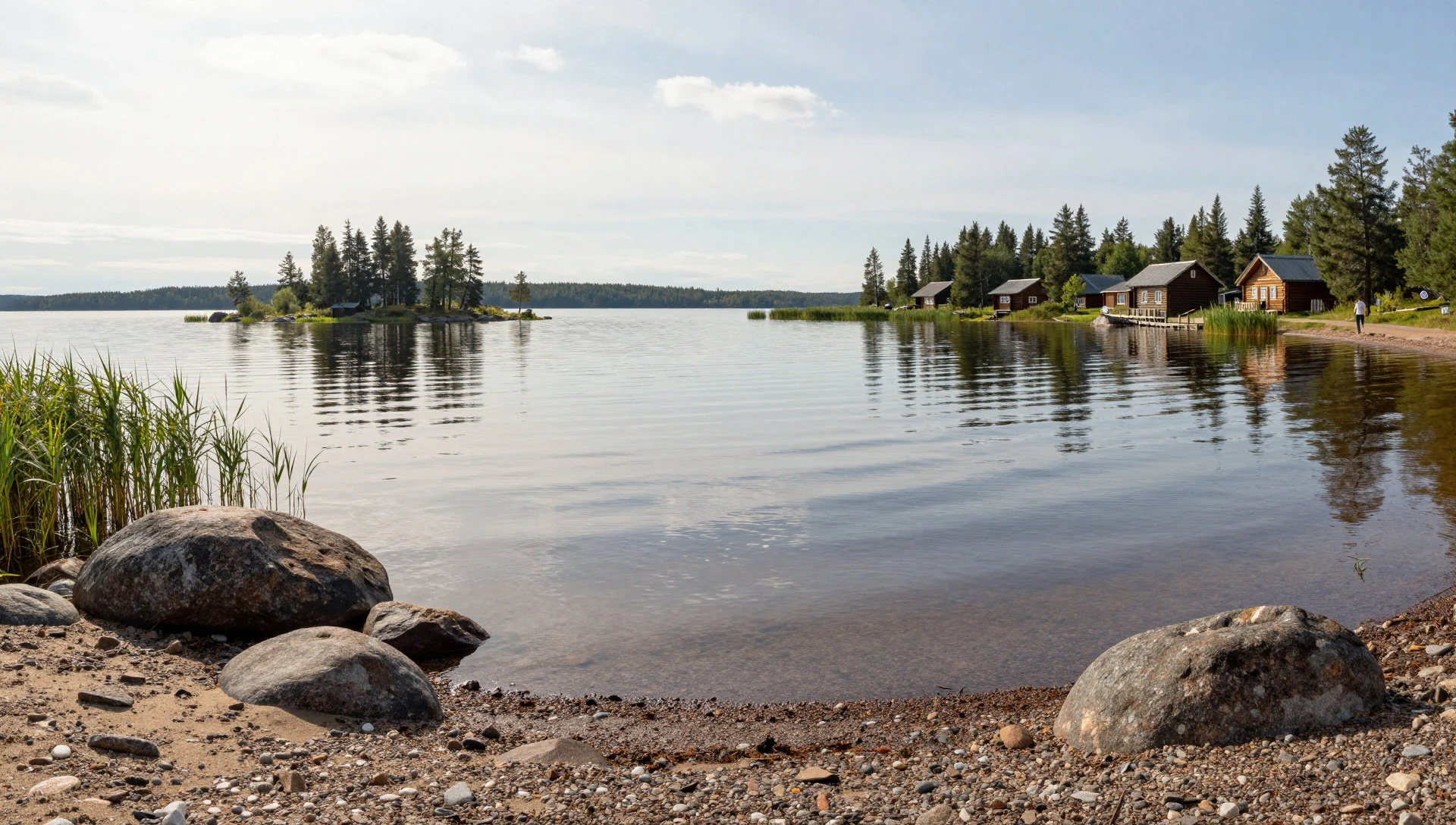
- Porzhensky Pogost — Western part of the park
This late eighteenth-century church ensemble in the western park has St George's church (dated 1782 in the photo caption), a bell-tower and a wooden wall with gates and towers. The nearby villages are deserted and no road reaches it, so the only approach is a walking trail, which is much of its appeal.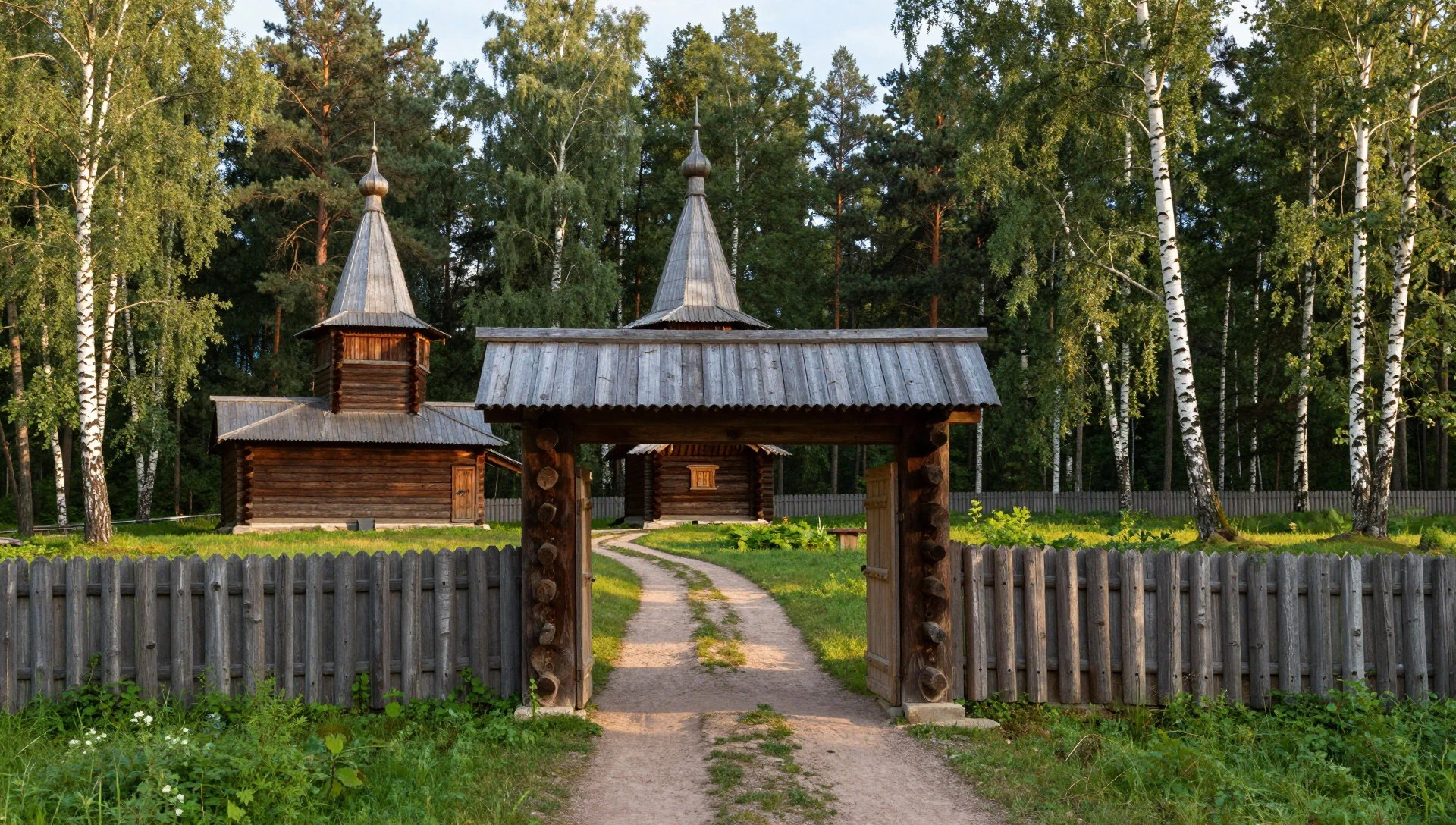
- Maselga esker ridge — Park interior
The Maselga ridge is a long, narrow glacial esker, a bank of sand and gravel left by ice. It forms part of the watershed between rivers draining towards the Arctic and those flowing towards the Atlantic. It is a gentle walk, but the geology gives the flat country a surprising sense of structure.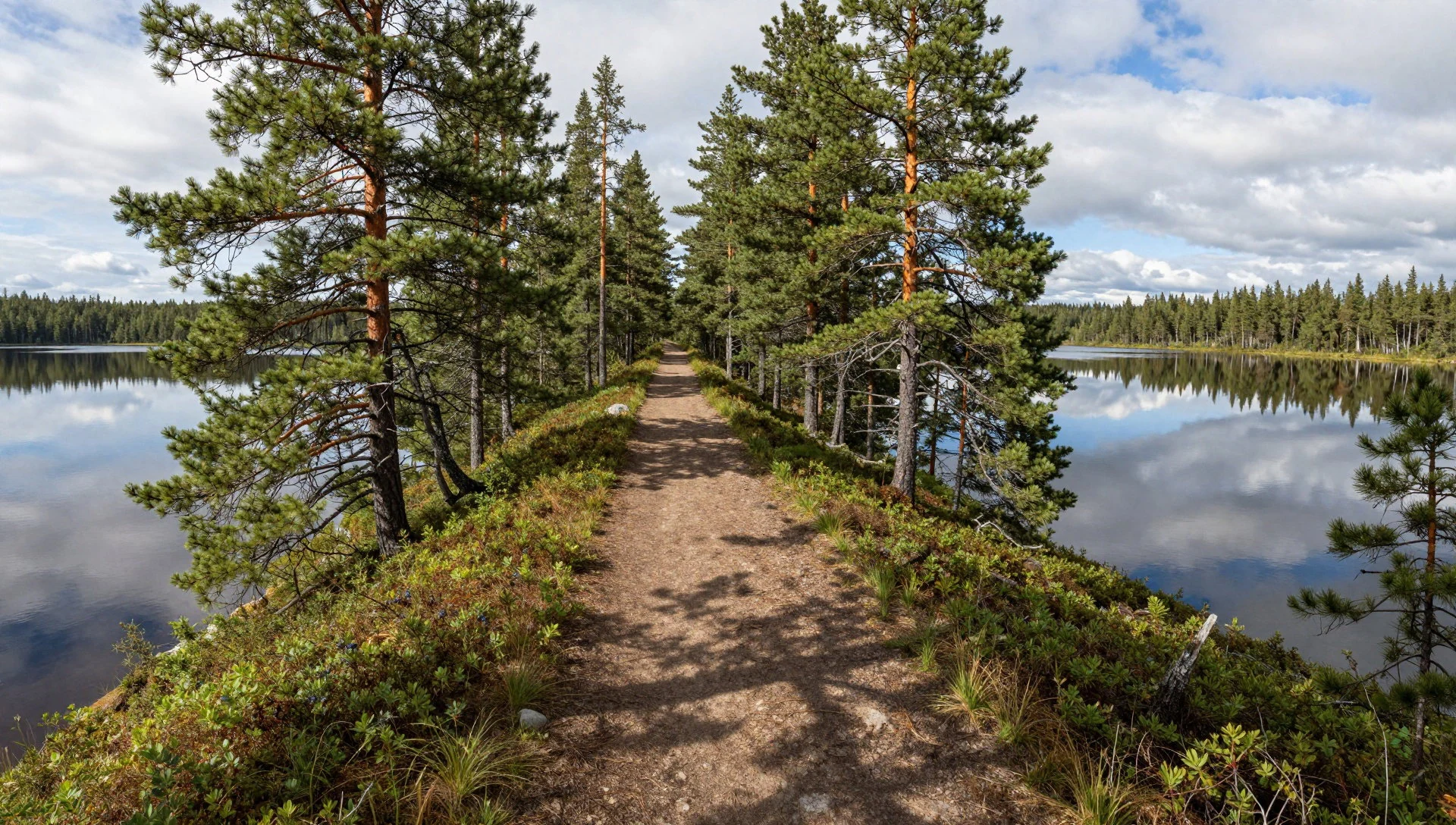
- Chapel at Glazovo — Arkhangelsk Oblast
Wooden chapels like the one at Glazovo stand at the edges of villages and fields, small, silvery with age and plainly built. They show how worship and everyday farming shared the same ground here. Look at the roof lines and the way each building sits in the open landscape.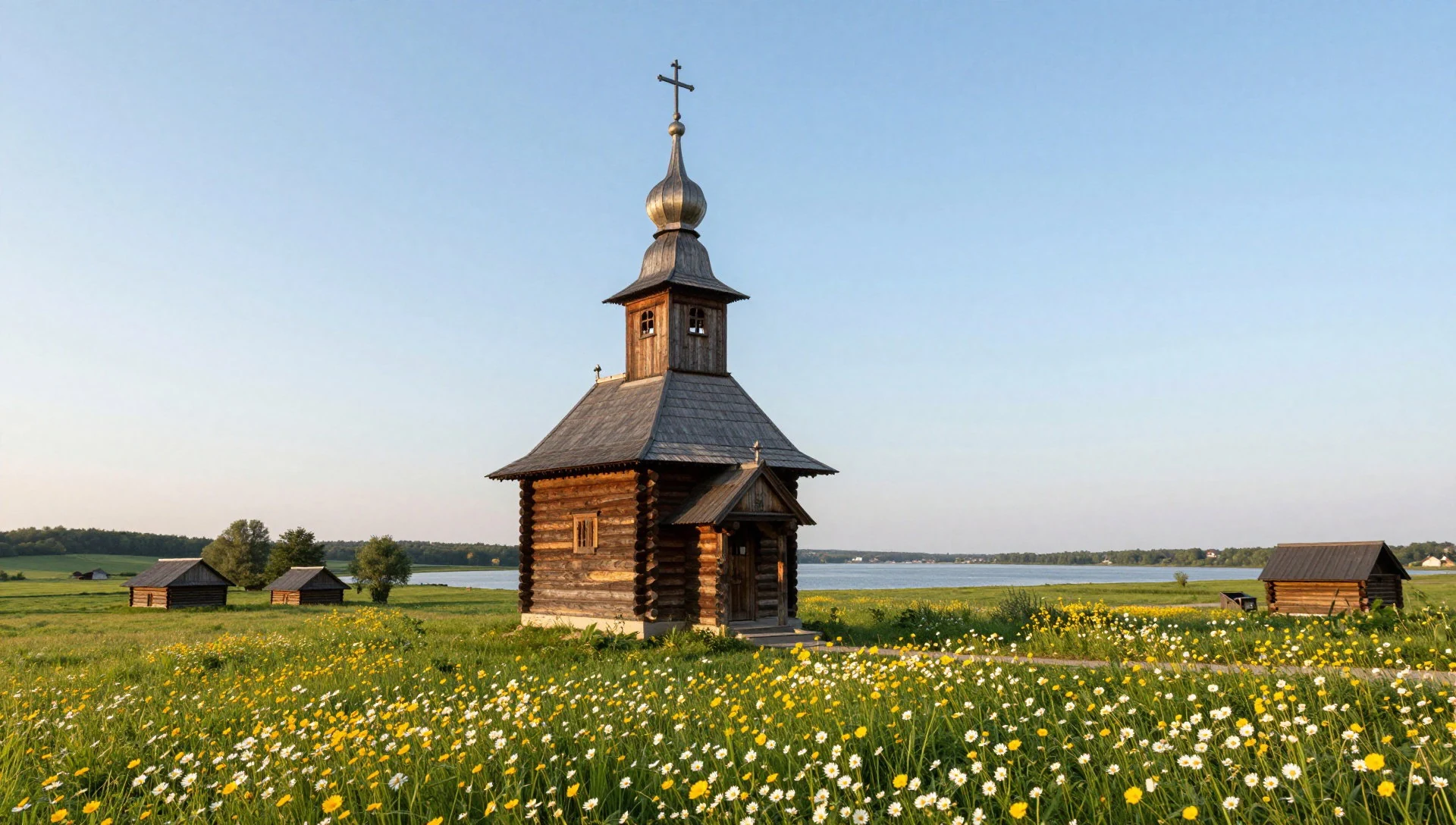
- The Babblers art object — Within the park
The Babblers is a playful modern sculpture set in the park, a reminder that Kenozyorsky National Park is a working cultural landscape and not a museum. It makes an easy, friendly stop on a longer day and a good subject for photographs, especially in soft evening light.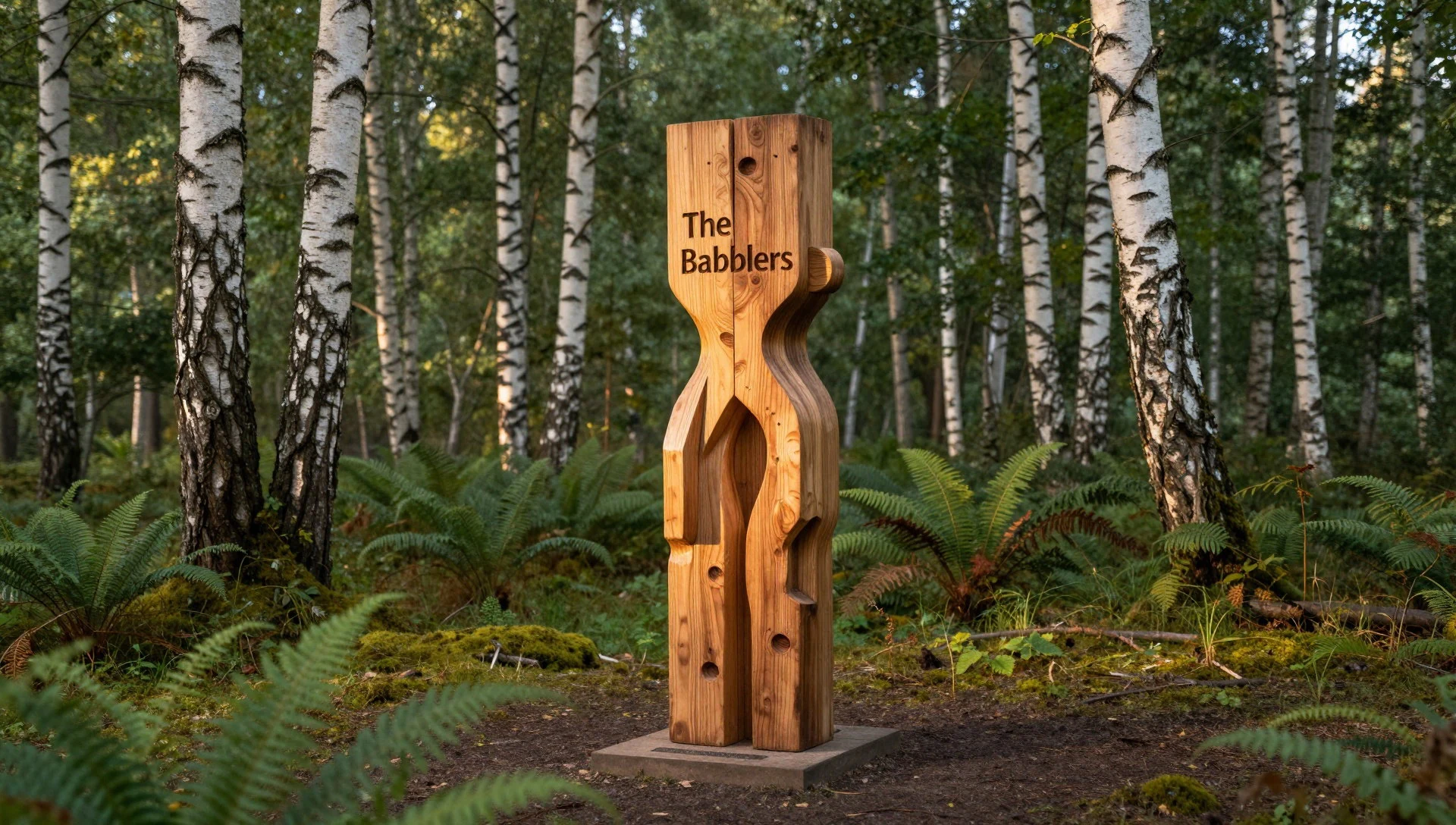
Culture
Kenozyorsky National Park holds a culture shaped by two older traditions: the Finno-Ugric people of the forest and the Slavic farmers of the open fields. Over time they fused into a way of life based on shared work, with hayfields, woods and water managed by whole communities rather than individual owners. The wooden church or chapel was the centre of each settlement, a place of worship but also a landmark, a meeting place and a marker of the village boundary. Many were once decorated with painted ceilings known as "heavens", and sacred sites, crosses and symbols were placed in the landscape so that faith and everyday work stayed connected. Because this corner of Russia escaped heavy industrialisation in the Soviet period, much of that older pattern survives, and the park administration now looks after the historic buildings. Traditional skills such as log building and woodworking are still part of how the place is understood and explained. Visitors often find that the most memorable moments are small ones: a conversation with a guide who grew up nearby, a chapel door opened for a few minutes, a path that follows the line of an old village road. The pace is unhurried, and local people are generally hospitable. In any church or chapel, dress modestly, speak quietly, ask before photographing inside, and never touch painted or carved surfaces.
What to wear
Kenozyorsky National Park belongs to the Russian North, where traditional dress was shaped by long winters and farm work. Women's festival clothing typically centred on the sarafan, a sleeveless dress worn over a linen shirt, with embroidered details, a headscarf or ornamental headdress, and woollen or knitted layers for cold. Men wore belted linen or woollen shirts and sheepskin in winter. Linen, wool and felt were the staples, and patterned weaving and embroidery marked holidays, weddings and church days. Today such dress mostly appears at festivals, in museum displays and in craft demonstrations, rather than on the street. Day to day, local people wear practical country clothes: padded jackets, rubber boots, knitted hats and work trousers, with a smarter outfit for church or a celebration. Visitors should dress for weather and terrain first. Bring waterproof layers, since showers can arrive quickly, and a warm layer even in summer because evenings by the water cool down. In summer, long sleeves and trousers help against insects, and a hat and sun cream are sensible on open shorelines. Sturdy waterproof boots are the best footwear, because trails can be wet or muddy and the walk to remote sites is on foot. In winter, proper insulated boots, gloves and thermal layers are essential. For churches and chapels, carry a light scarf or shawl and wear clothes that cover shoulders and knees.
What to eat
- Kulebyaka — Village guesthouses and local cafés
Kulebyaka is the local pie, filled with fish and baked until the crust is golden. It is hearty, simple cooking that suits cold weather and long walks. Look for it at village guesthouses, at café stops near the park, and at local celebrations.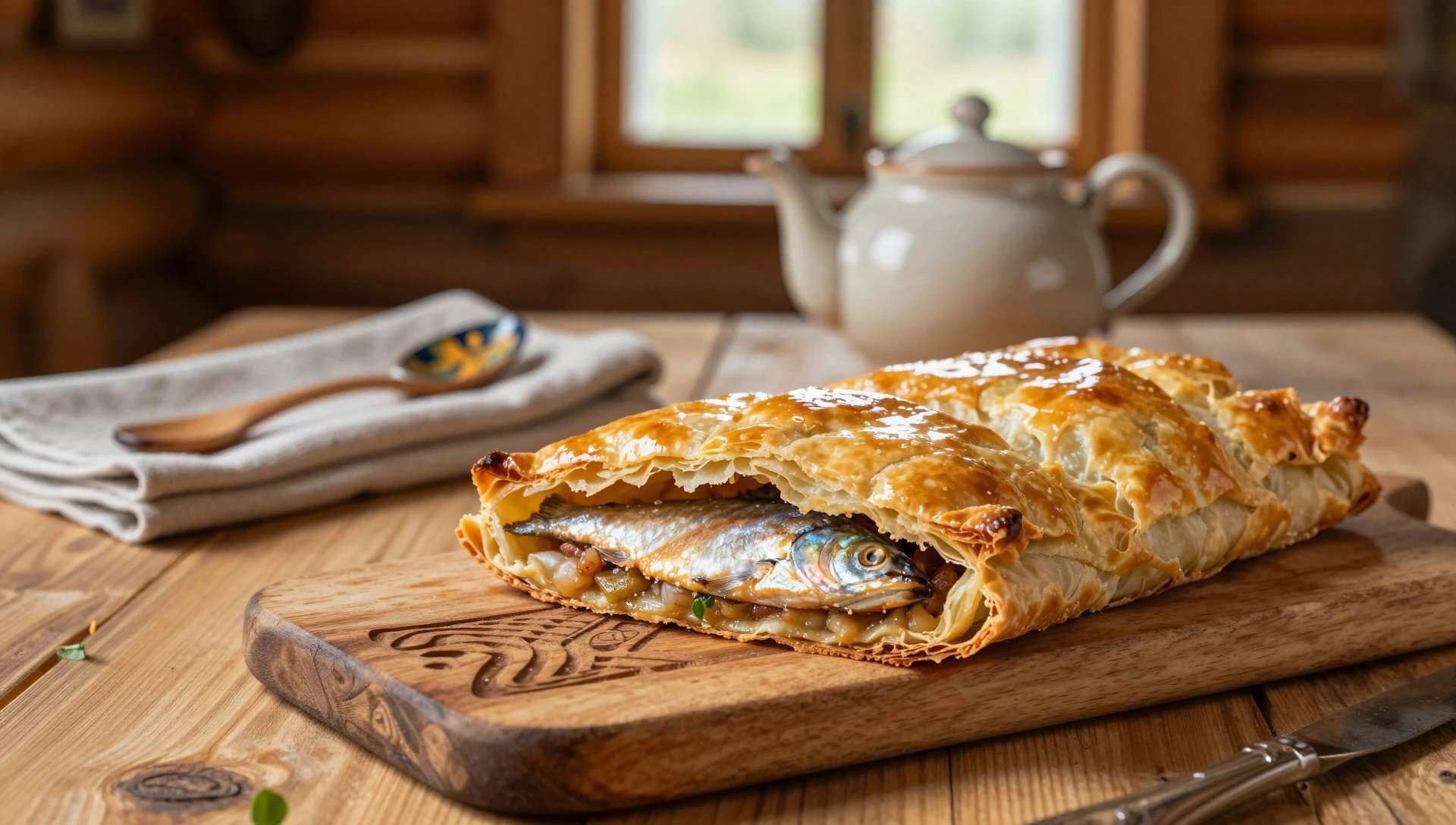
- Kozuly — Craft stalls and shops around Kargopol
Kozuly are the local sweets, often shaped by hand and associated with festive tables in this part of northern Russia. They make a good small gift or a snack with tea. Ask at craft stalls, small shops and park visitor centres.
- Ukha (fish soup) — Guesthouses and home-style eateries
Ukha is a clear, lightly seasoned fish soup, and with so many lakes and rivers nearby it is a natural meal here. It tastes best simple and hot after a day outside. Ask for it at guesthouses, where it is often made from the local catch. - Berry pies — Village bakeries and homestays
Northern forests give wild berries in late summer, and local bakers turn them into open or closed pies. They are sweet, slightly sharp and best eaten still warm. Check village shops and homestay kitchens during the berry season. - Pickled and salted mushrooms — Guesthouse tables and town markets
Mushroom picking is a seasonal habit across the Russian North, and salted or pickled mushrooms often appear beside the main dish. They are tangy, earthy and a good match for plain potatoes. Look for them on guesthouse tables and at local markets in towns.
Plan it
Best time. June to September is the most comfortable time for walking, boating and fishing; days are long, though insects can be a nuisance near water. Winter suits snowmobile rides and skiing but is cold and dark, so check conditions and road access first.
How long. 3–4
Getting there. Fly to Arkhangelsk airport from Moscow, Saint Petersburg or other connecting cities, or take the long overnight train from Moscow or Saint Petersburg, then continue by road towards Kargopol or the park. The unpaved road from Karelia is hard going without a high-clearance vehicle except in winter. Check the park's official site, kenozero.ru, for current access and visitor arrangements.
Budget. mid
Tips
- Arrange transport and a local guide before arriving, since public transport is thin and some sites are walking-only
- Carry cash, snacks and water, as shops and cafés can be far apart
- Pack insect repellent and waterproofs for summer, and serious cold-weather gear for winter
- Check the official site for permits, visitor centres and any changes to routes
- Keep a low profile and use ordinary safety precautions, especially in cities along the way
Etiquette
- Dress modestly and speak quietly in churches and chapels
- Ask before photographing people or the insides of religious buildings
- Stay on marked trails and take your rubbish with you
Nearby
Sources
- Wikidata Q738716 (CC0)
- Wikipedia: Kenozero National Park (rev 1365736560) (CC BY-SA 4.0)
- Wikivoyage: Kenozersky National Park (rev 5378021) (CC BY-SA 4.0)
- Photo 01, Mpr89 (CC BY-SA 4.0)
- Photo 02, Шелковников Евгений Анатольевич (CC BY-SA 4.0)
- Photo 03, Шелковников Евгений Анатольевич (CC BY-SA 4.0)
- Photo 04, Elvival (CC BY-SA 4.0)
- Photo 05, Atiliara2012 (CC BY-SA 4.0)
- Photo 06, Gusev Sergey (CC BY 3.0)
- Photo 07, Sergey Kolesnikov (CC BY 2.5)
- Photo 08, Николай Гернет (CC BY-SA 4.0)


