Kawah Ijen
Kawah Ijen, Indonesia
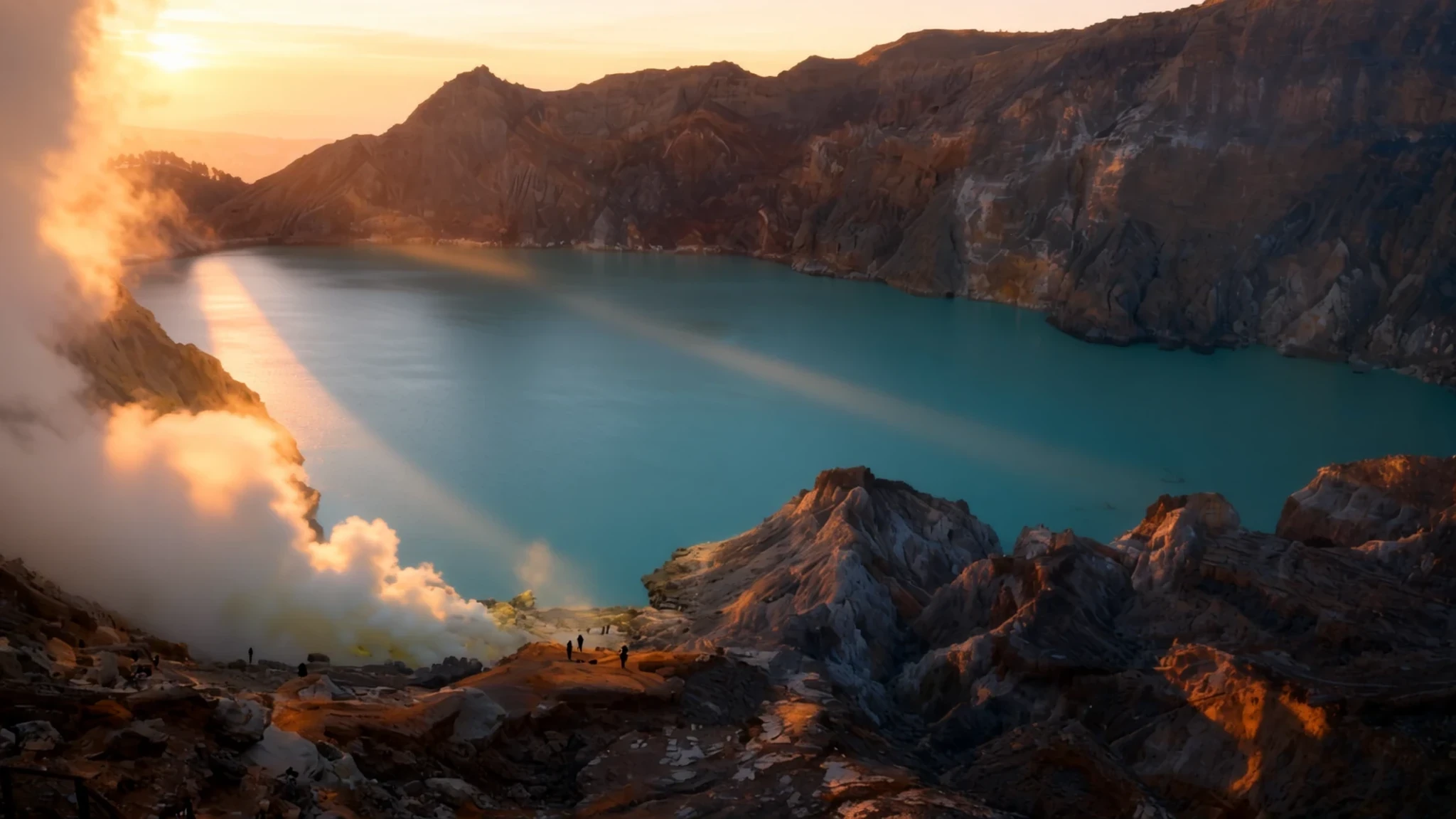
Experience the surreal electric-blue lake and the haunting glow of volcanic blue fire in the highlands of East Java.
The place
Kawah Ijen is a striking volcanic complex situated on the border of the Banyuwangi and Bondowoso regencies in East Java. The area is defined by a massive caldera and several composite volcanoes, with the high peaks of the region dominating the landscape. The most famous feature is the crater lake, a vivid turquoise body of water that is one of the most acidic in the world. This lake creates a stark, otherworldly contrast against the pale yellow sulfur deposits that cling to the crater walls.
The environment is as harsh as it is beautiful. The air around the rim is often thick with pungent sulfuric gases, requiring visitors to use protective gear. Below the rim, the landscape is a mix of rugged volcanic rock and steaming vents. Outside the immediate crater, the Ijen plateau transitions into lush coffee plantations and native casuarina forests, offering a softer side to the volcanic terrain. It is a place of intense geological activity where the earth feels alive, shifting between the deep blues of the lake and the bright yellows of the minerals. The site is a central part of a larger geological park that protects the unique biological and physical characteristics of this East Javanese highland.
Its story
The story of Kawah Ijen is inextricably linked to the sulfur that crystallises within its depths. For generations, local miners have descended into the crater to extract this bright yellow mineral by hand. The process is grueling; miners use basic tools to break the sulfur from the vents and then carry heavy baskets of the ore up the steep, rocky walls of the crater. These loads are then hauled several kilometres further to the valley to be sold. The work is physically demanding and exposes the miners to toxic fumes, yet it remains a vital source of income for many families in the surrounding villages.
Adding to the mystery of the mountain is the phenomenon of the blue fire. This is not lava, but ignited sulfuric gases that emerge from cracks in the earth at extremely high temperatures. When these gases meet the oxygen-rich air at night, they combust into electric-blue flames that dance across the crater floor. This sight is only visible in the darkness, making the pre-dawn ascent a ritual for those seeking the mountain's most secret spectacle. The contrast between the silent, shimmering blue flames of the night and the blinding turquoise of the morning sun creates a narrative of transformation that defines the experience of the mountain.
What to see
- Ijen Crater Lake — Ijen Crater
The centerpiece of the mountain, this lake is famous for its intense turquoise colour and extreme acidity. Visitors can stand on the rim to admire the scale of the cauldron or descend the steep path to get closer to the steaming, mineral-rich shores of the water.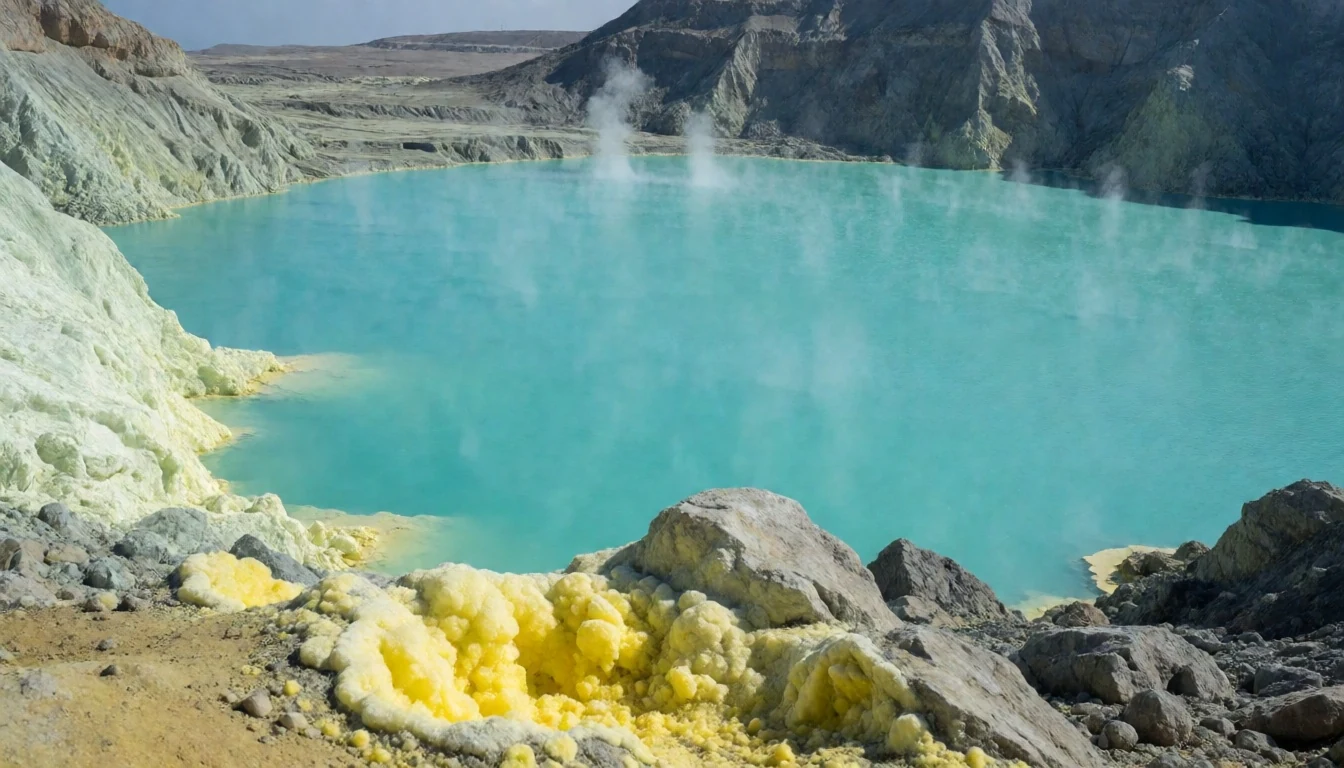
- The Blue Fire — Ijen Crater floor
A rare geological spectacle where sulphuric gases ignite into bright blue flames. To see this, you must descend into the crater in the middle of the night, as the flames are invisible once the sun rises over the East Javanese horizon.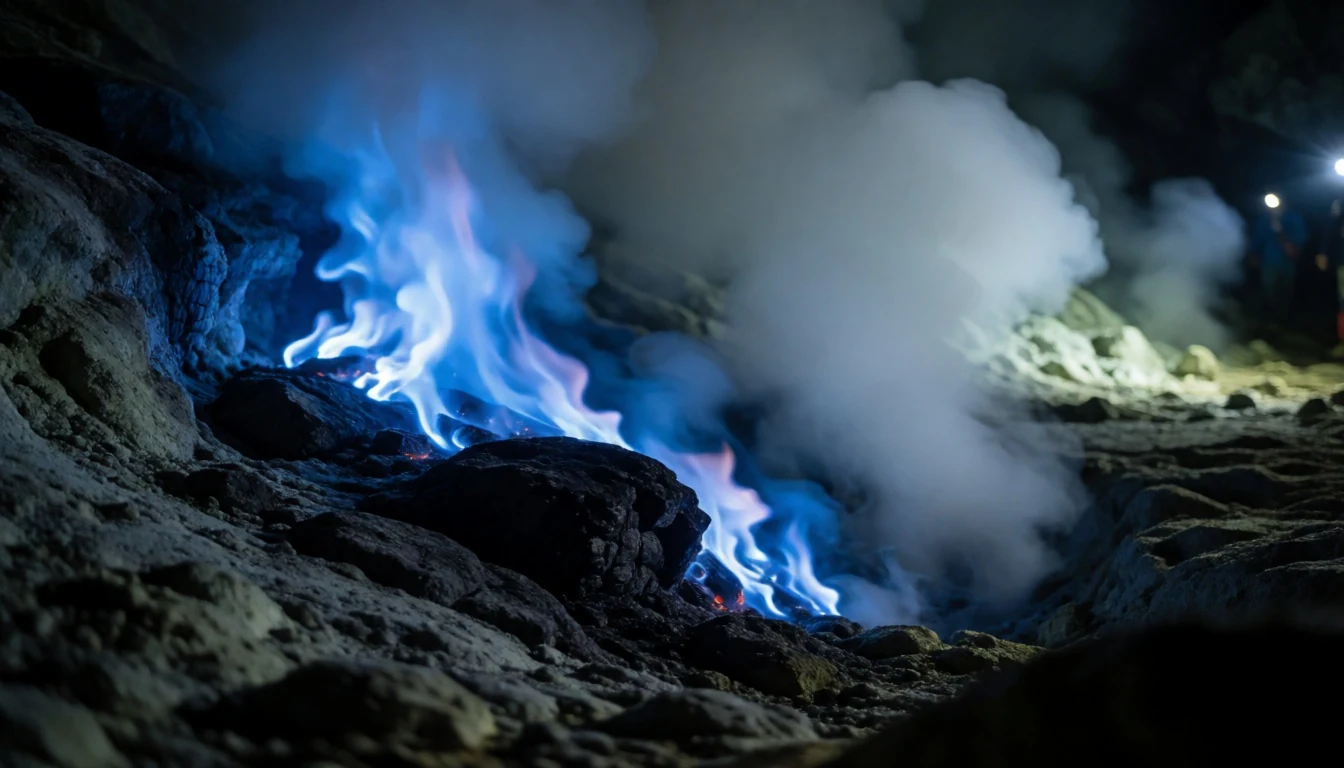
- The Miners' Trail — Ijen Crater walls
The rugged path used by sulfur workers to carry heavy baskets of ore. Watching the miners navigate the steep, sandy terrain with immense loads provides a sobering perspective on the human cost of the minerals extracted from the volcano's depths.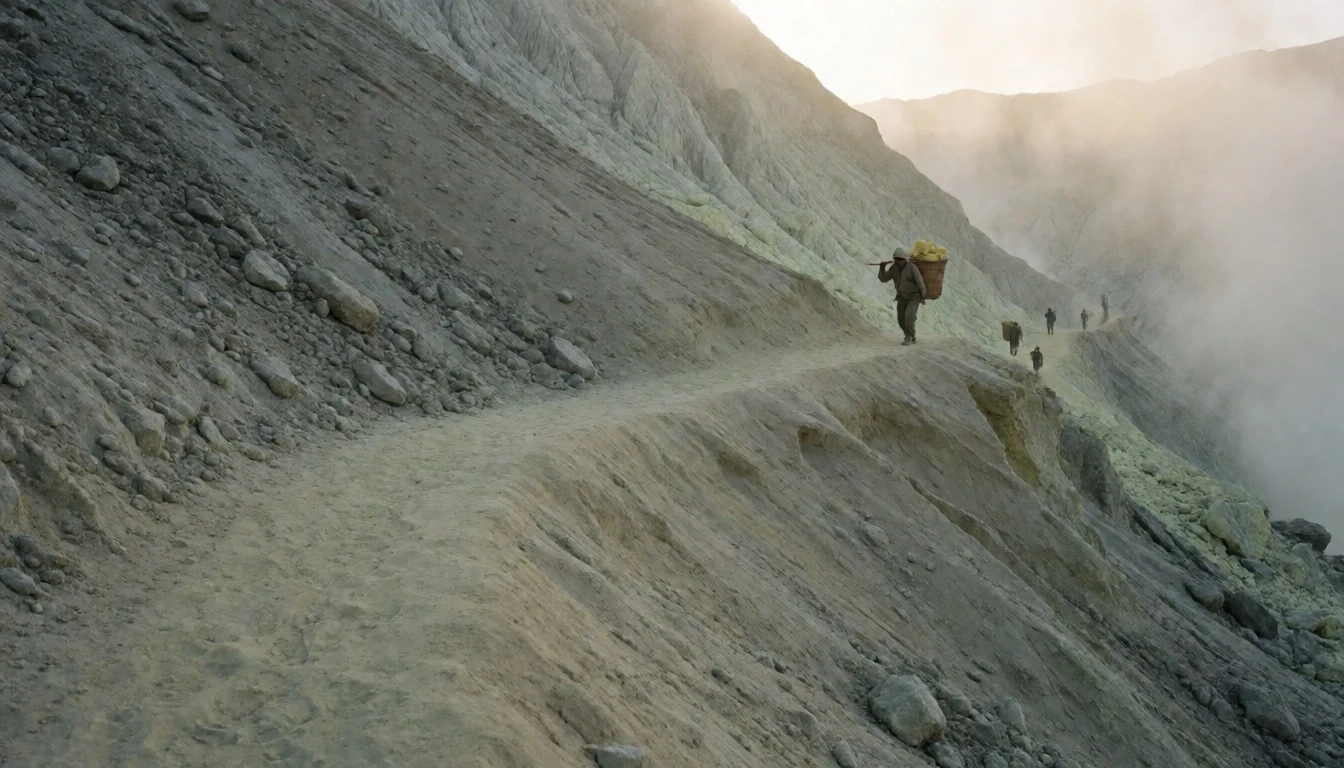
- Paltuding Valley — Paltuding Valley
The main staging area and trailhead where most journeys begin. This valley serves as the transition point between the coffee-scented forests and the barren volcanic slopes, providing essential shelter and a place to gather before the steep climb.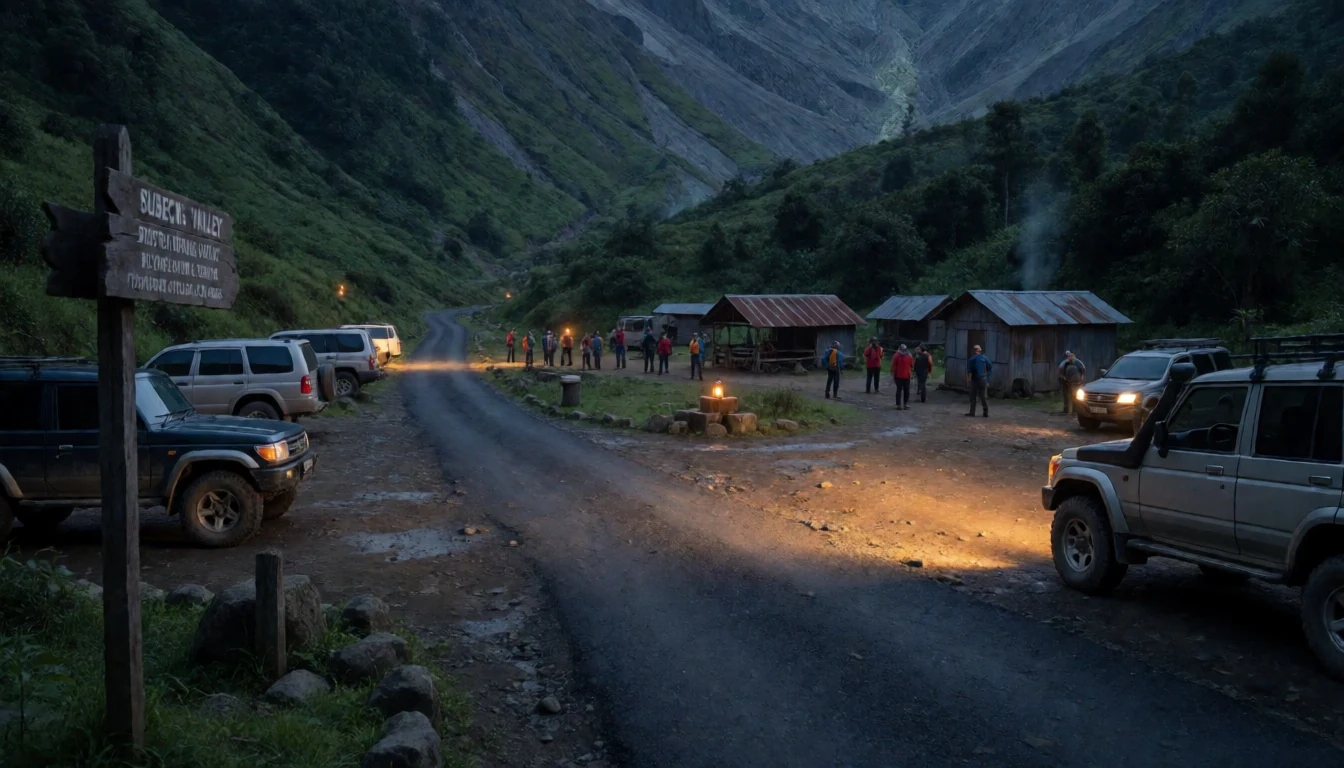
- Ijen Geopark Forests — Ijen Plateau
The surrounding woodlands of the Ijen plateau, featuring casuarina trees and aromatic coffee plantations. These forests provide a cool, shaded contrast to the sulfurous air of the crater and are home to various native East Javanese bird species.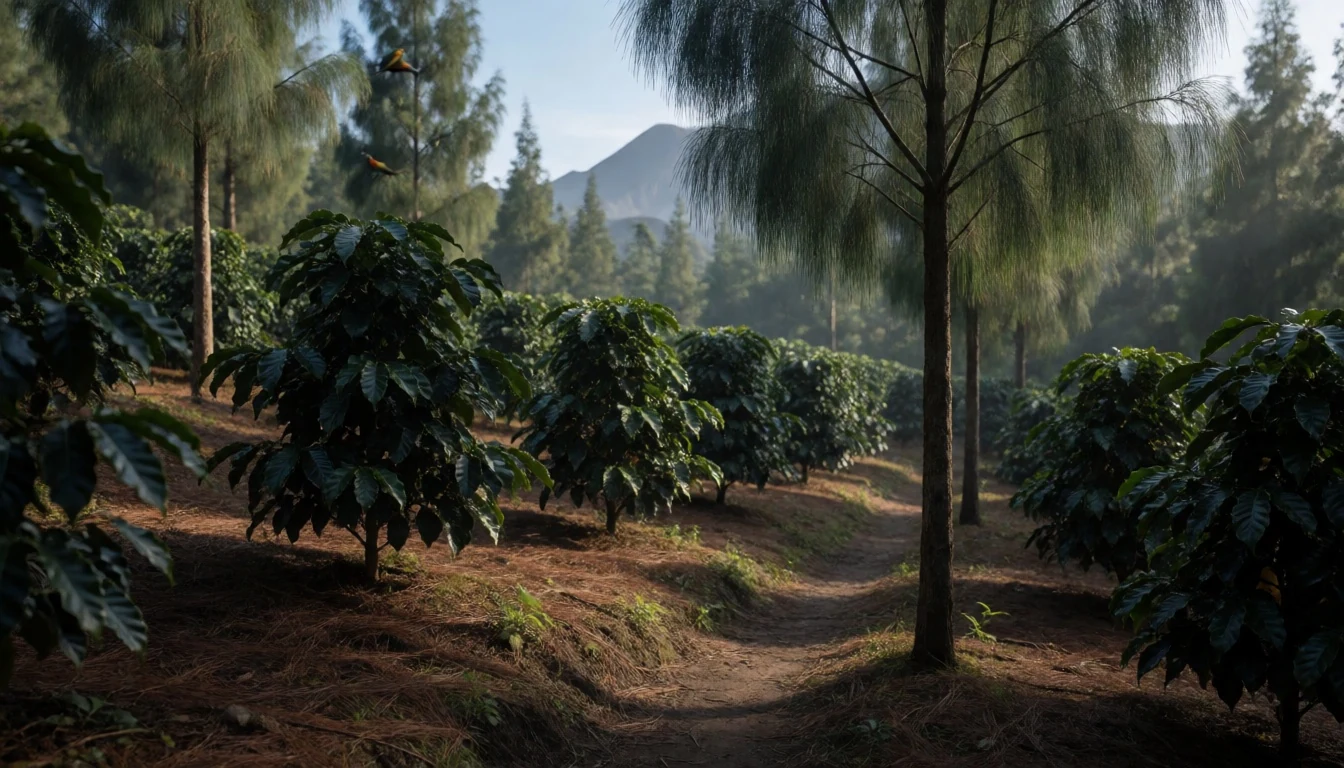
Culture
The culture around Kawah Ijen is shaped by the ruggedness of the volcano and the rhythms of agriculture. The local communities in Bondowoso and Banyuwangi have a deep resilience, mirrored in the endurance of the sulfur miners. There is a quiet pride in the land, and the relationship with the mountain is one of both respect and necessity. In the villages, life moves slowly, centered around the harvest of coffee and the trade of volcanic minerals. The presence of the mountain influences everything from the local architecture—designed to withstand highland chills—to the folklore of the region. Visitors will find the locals warm and hospitable, though the miners themselves are often focused on the urgent task of their labour. Understanding the hardship of the sulfur trade is essential to appreciating the cultural landscape of the plateau. Please be mindful of the miners' space and avoid blocking their path with cameras while they are carrying heavy loads.
What to wear
Traditional dress in the East Java highlands often involves the use of batik textiles, with patterns specific to the region, worn during ceremonies or formal gatherings. In daily life, however, the practicalities of mountain living prevail. Local residents and farmers typically wear lightweight cotton clothing, often paired with a sarong draped over the shoulder for warmth or utility. Modern attire in the nearby towns is a mix of casual wear and modest dress, reflecting Indonesian norms.
For visitors, the fashion is entirely dictated by the climate and the terrain. The temperature at the summit can drop significantly, making thermal layers, fleece jackets, and windbreakers essential. Sturdy hiking boots with good grip are non-negotiable due to the sandy and slippery nature of the trails. Because of the toxic sulfuric fumes, a professional-grade gas mask is the most important piece of equipment for anyone descending into the crater. A headlamp or powerful torch is also required for the midnight ascent, ensuring safety on the dark, rocky paths.
What to eat
- Javanese Coffee — local coffee plantations and cafes
Rich, aromatic coffee grown on the fertile volcanic soils of the Ijen plateau, often served black and strong to keep hikers awake during the early morning ascent.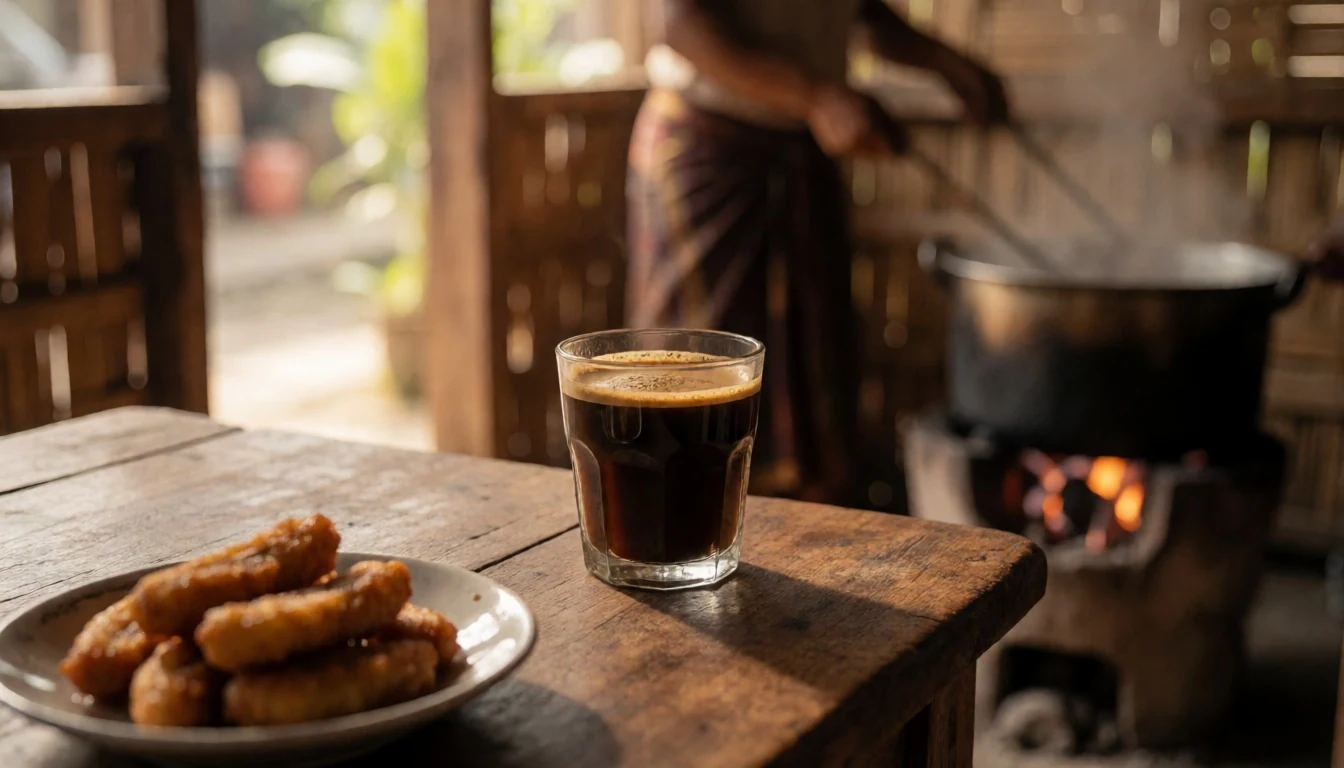
- Nasi Goreng — village eateries near the trailhead
A fragrant Indonesian fried rice dish, typically cooked with a sweet soy sauce and served with a fried egg and fresh cucumber slices for a hearty mountain meal.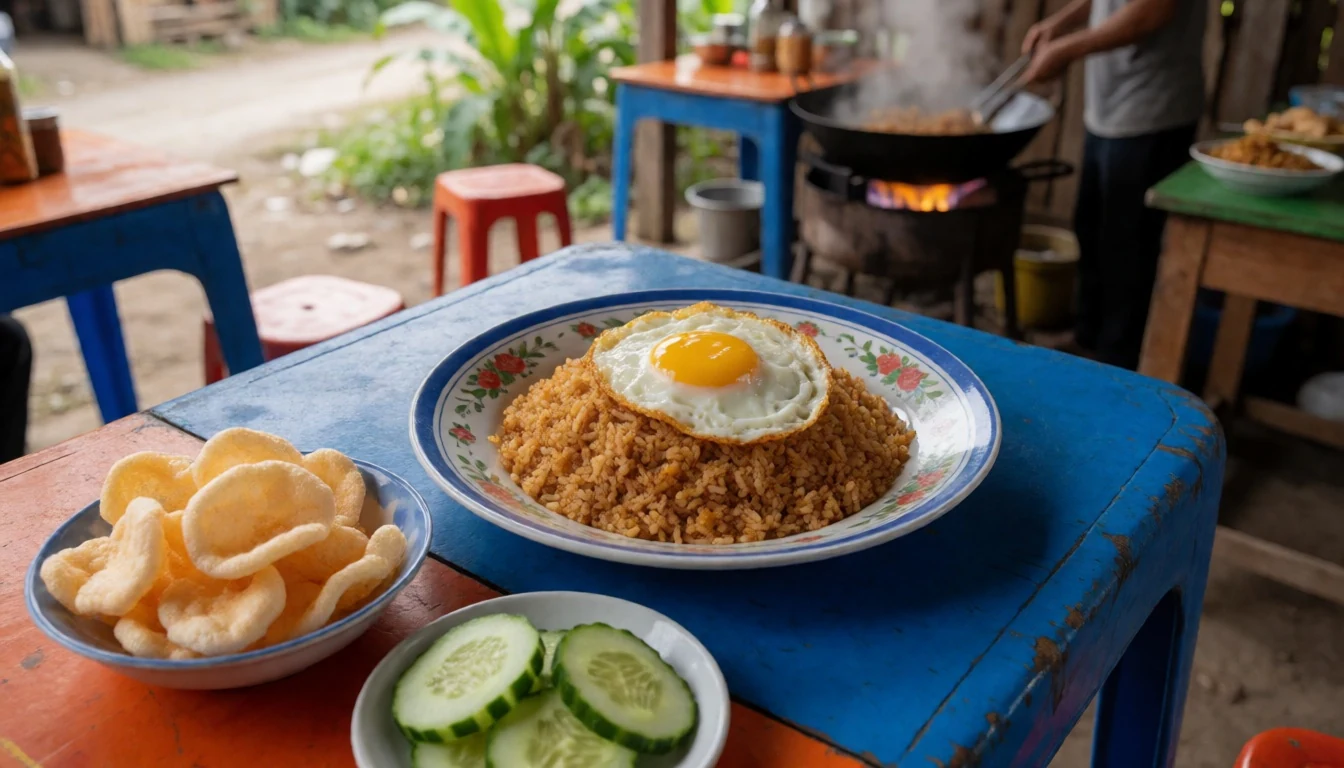
- Pisang Goreng — street stalls in Banyuwangi
Crispy, deep-fried banana fritters that provide a sweet, energising snack perfect for the chilly morning air on the way up the volcano. - Mie Goreng — roadside warungs
Stir-fried noodles with vegetables and protein, a staple comfort food found in small warungs across the highland region to fuel long days of hiking. - Wedang Jahe — homestays in the Ijen area
A warming ginger tea, often sweetened with palm sugar, which is traditionally drunk to soothe the throat and warm the body after a cold descent from the summit.
Plan it
Best time. June to September is the dry season, providing the clearest skies for sunrise views and safer hiking conditions on the sandy trails.
How long. 2
Getting there. Fly into Banyuwangi or take a train to the town, then hire a car for the drive to the trailhead car park.
Budget. mid
Tips
- Hire a local guide for the midnight ascent to avoid getting lost
- Rent a gas mask at the trailhead; the fumes are genuinely irritating
- Carry a warm jacket as it gets very cold at the summit
- Bring a headlamp for the trek from the car park to the rim
- Carry enough cash for entry fees and guide payments
Etiquette
- Keep your distance from miners carrying heavy sulfur baskets
- Do not litter in the geopark or the crater
- Follow the warnings of guides regarding volcanic activity
Nearby
Sources
- Wikidata Q548489 (CC0)
- Wikipedia (CC BY-SA 4.0)
- Wikivoyage (CC BY-SA 4.0)