Kamarina
Kamarina, Italy
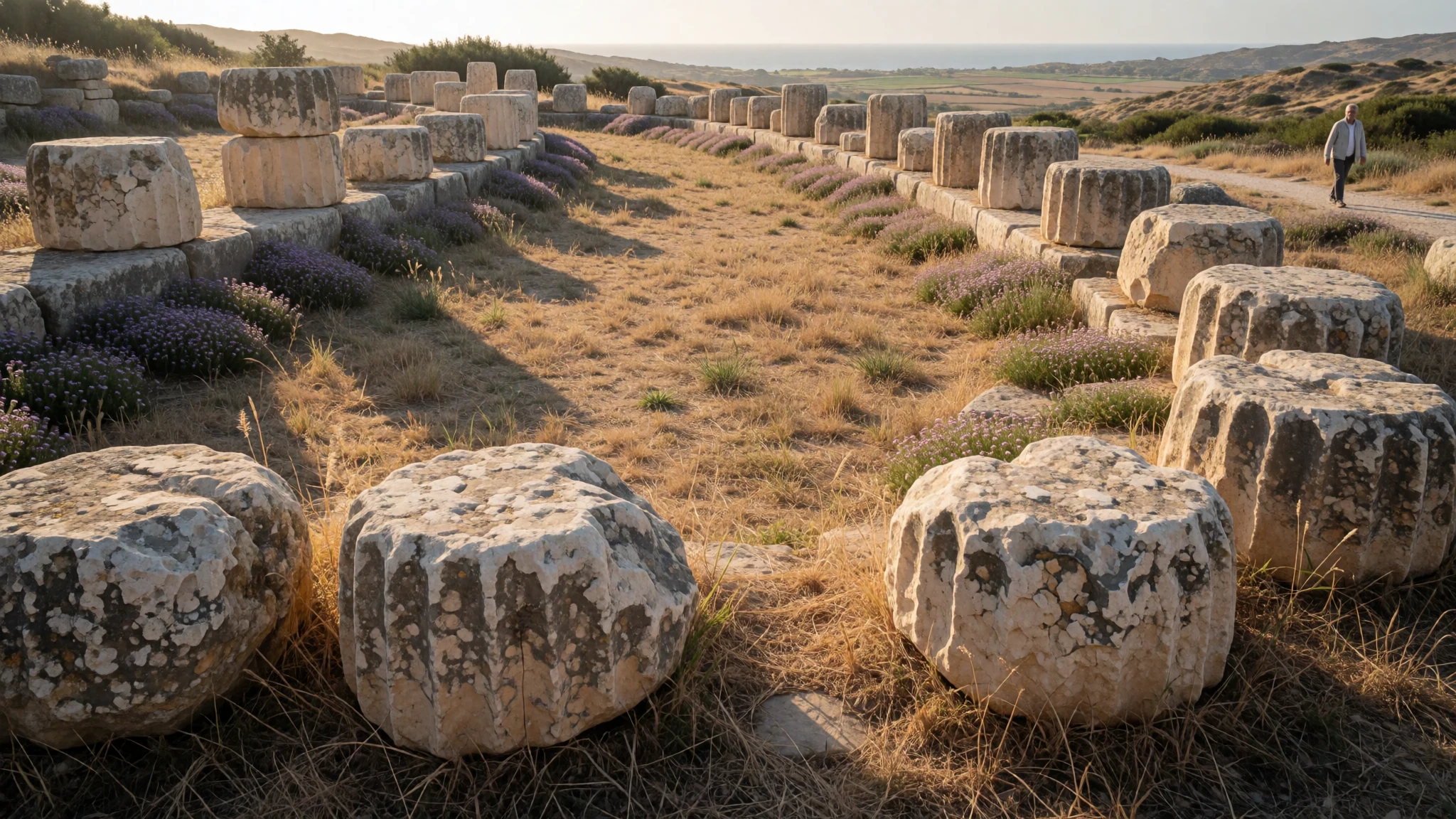
Kamarina is a ruined Greek colony on Sicily's southern coast, with an agora, a temple site and a museum beside the sea.
The place
Kamarina sits on the southern coast of Sicily, a Greek colonial city whose ruins now lie among farmland and dune scrub just south of Scoglitti, a seaside village in the municipality of Vittoria, in the province of Ragusa. Two rivers, the Hipparis and the Oanis, framed the ancient city, and the Hipparis doubled as a defensive ditch on its northern side. Each river mouth served as a harbour, but both were too modest for a big fleet, so ships simply came to rest on the sand. Marshy ground north of the river gave extra protection against attackers. Today the site is an archaeological park. Visitors find the foundations of the agora, the open civic square, with the bases of altars in front of it; the remains of a temple of Athena; stretches of fortification wall; houses in the quarter named for its altar; a necropolis; and traces of the old port. A regional archaeological museum stands beside the ruins and holds the finds. The setting matters as much as the stones. The land is low and open, the sea is close, and the valley of the Ippari runs inland from the temple terrace. There is no restaurant inside the park, so the place feels spare rather than polished, and the mood is closer to a coastal walk than a major sightseeing stop. It works best as a half-day, paired with the beaches and small towns around it, and with a bottle of water in hand.
Its story
Kamarina was founded by Syracuse in 599 BCE, and much of its history reads as a long quarrel with that parent city. With help from the neighbouring Sicel people, the settlers rebelled and were put down in 552 BC. Another revolt around 492 BC brought in Hippocrates, the ruler of Gela, who beat the Syracusan army at the Heloros river. He then agreed to call off his siege, and the price was Kamarina itself. Gela razed the city in 484 BC, then refounded it in 461 BC under Psaumis, a local winner in the Olympic chariot race. The new Kamarina had a democratic constitution. In 427 BC it sided with Athens against Syracuse, and in 425 BC it made an armistice with Gela. In 415 BC the historian Thucydides records a public assembly where citizens chose neutrality in the Athens–Syracuse war, before later reversing course. Over 140 lead tablets found near the Temple of Athena carry the names of citizens. Some scholars read them as evidence that jurors and officials were chosen by lot, as in Athens; others see a military register. Legend places the end in 405 BC. A plague struck, the marsh was blamed, and the people drained it despite an oracle's warning. The dry ground let Carthaginian troops walk in and sack the city. Timoleon revived it briefly in the 300s BC, but it was left to decline, and an Arab invasion in 827 AD delivered the final blow.
What to see
- Temple of Athena — Archaeological park
The Temple of Athena at Kamarina is the ruined sanctuary of a fifth-century BC temple, probably the city's main place of worship. It stands close to the agora on slightly higher ground, so the Ippari valley and the coastline are easy to take in from here. - Regional Archaeological Museum — Beside the park entrance
The regional archaeological museum at Kamarina reopened in 2022 after restoration, and spreads over three pavilions and seven rooms. Displays include underwater finds from the harbours, early painted vases and grave goods. It makes sense to go in before walking the ruins, so the foundations outside have some context.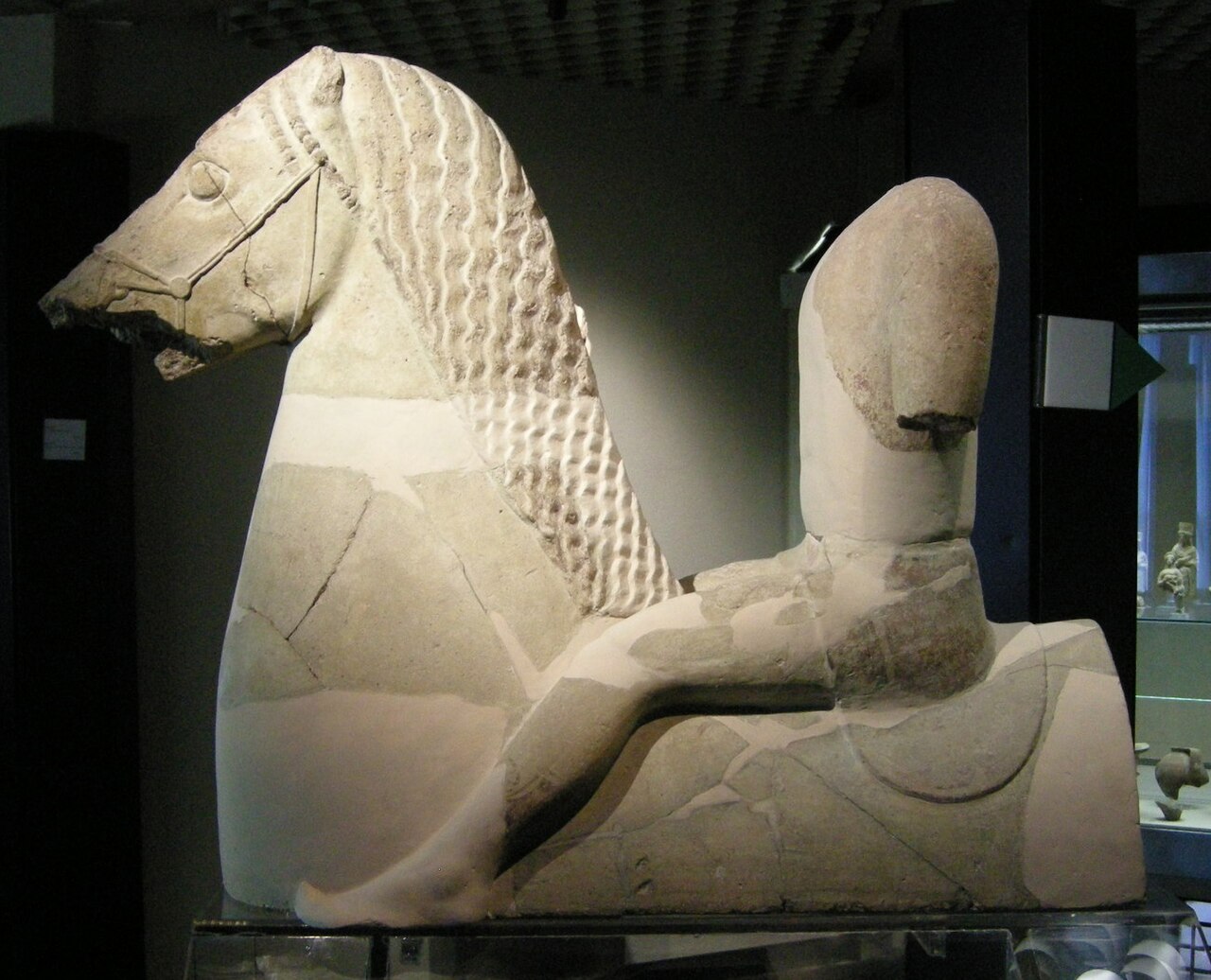
- The agora — Central part of the park
The agora of Kamarina was the civic heart of a city that voted on its own affairs. Low foundations mark the open square, and in front of them sit the bases of altars. Standing on the plaza and looking west gives a clear sense of the layout.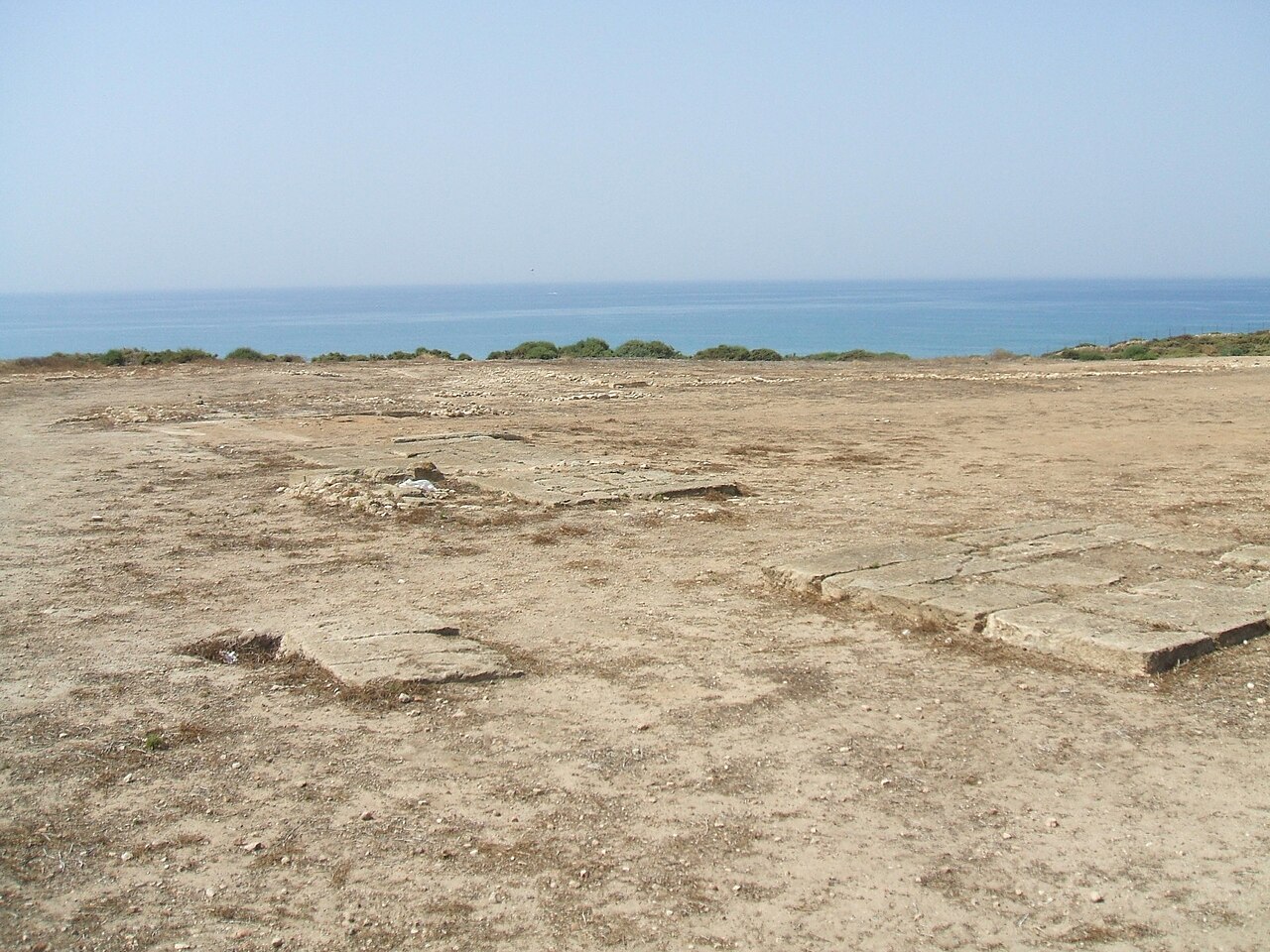
- House of the Altar quarter — Residential area of the park
Kamarina's House of the Altar quarter shows the street grid and room plans of ordinary dwellings, reduced now to knee-high walls. It is the best place on the site to picture daily life rather than temples and politics, and the stones catch good light early and late.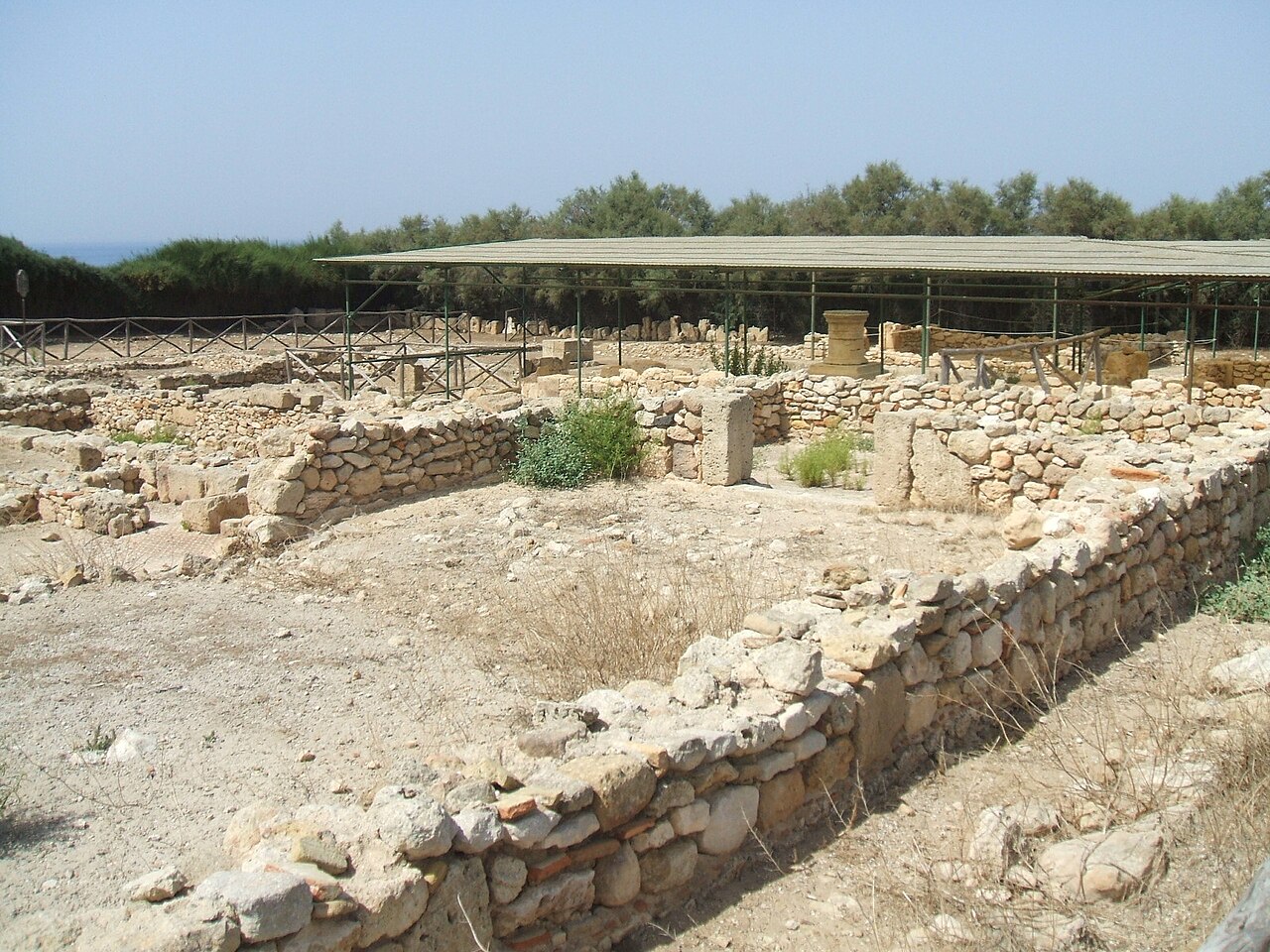
- Walls, necropolis and port remains — Edges of the park
Beyond the main square, Kamarina's park takes in stretches of fortification wall, a cemetery area and traces of the old harbour structures near the river mouths. These parts are less tidy and take more walking, but they explain why the site was chosen and how it was defended.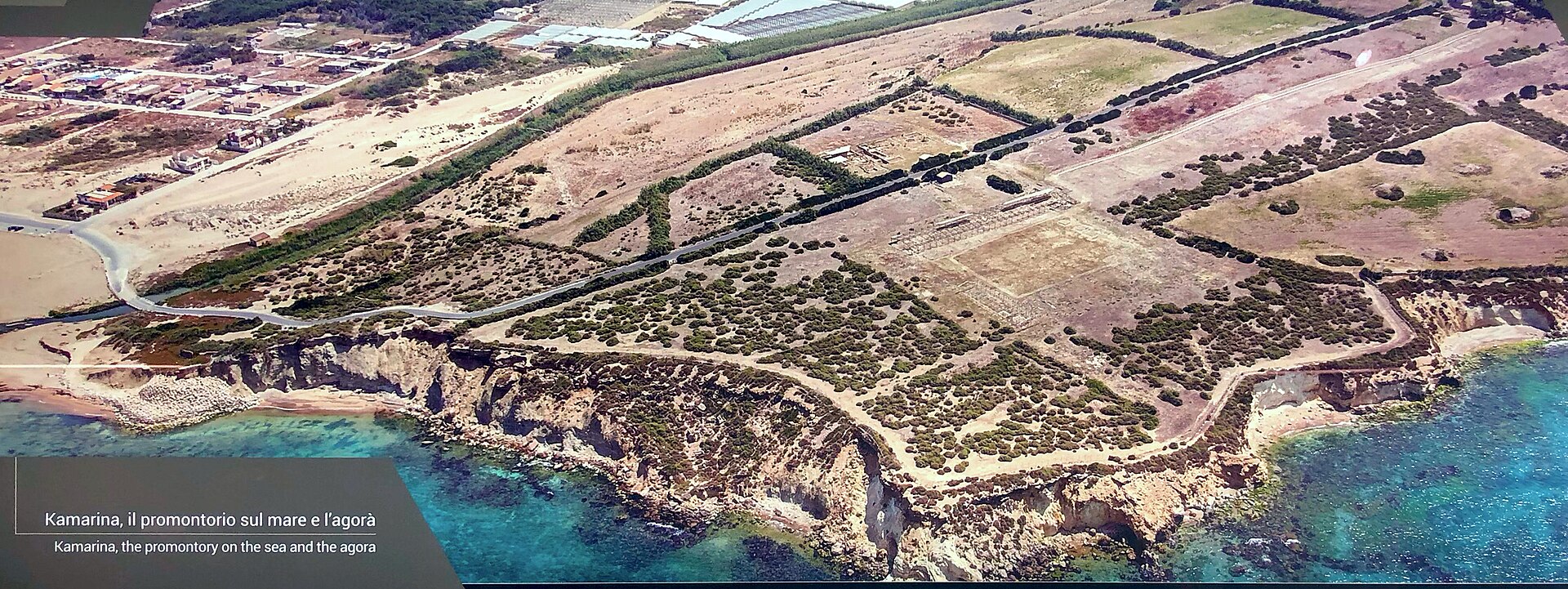
Culture
Kamarina belongs to the Greek world of Sicily, known as Magna Graecia, and its civic culture was proudly argumentative. The city had a democratic constitution, held public assemblies, and kept written records of its citizens on lead plates. Athena was honoured in the main sanctuary, and the altars in front of the agora are a reminder that politics and religion shared the same open ground. The Olympic connection mattered too: a chariot victor from Kamarina, Psaumis, was celebrated well beyond the city, and athletic fame was a form of civic pride in the Greek colonies. Over the centuries the place passed through Syracusan, Geloan, Carthaginian, Roman and Arab hands, which is why Sicilian culture here feels layered rather than purely Greek. The modern surroundings add their own character. Scoglitti is a working fishing village with a seaside summer life, and Vittoria is an agricultural town. Daily rhythm follows southern Italian habits: a late lunch, a slow evening walk, and shops that close in the afternoon heat. Visitors who read a little about the ancient democracy before arriving tend to find the empty plain far more eloquent. Stay on the marked paths and do not climb on the foundations or take any stone or pottery fragment away.
What to wear
Kamarina's ancient residents dressed as other Greeks did: a chiton of linen or wool, pinned at the shoulders and belted, with a heavier wool himation draped over it in cooler weather. Colonial Sicily was known for sheep and farming, so wool was central. Later Sicilian rural dress used embroidered bodices, lace, and the flat woollen coppola cap for men, though these are now mostly seen at festivals and folk events. What people wear today around Scoglitti and Vittoria is plain and practical: linen shirts, cotton dresses, shorts and sandals in summer, and jeans with a light jacket in the cooler months. Beachwear is common near the coast but is usually swapped for something tidier in town. For a visit to the site, comfortable closed shoes or trainers are sensible because paths are uneven and dusty, and the ground can be stony. The park is open and exposed, so a wide-brimmed hat, sunglasses, sunscreen and light long sleeves are better than a vest top in summer. A windproof layer helps in spring and autumn, when sea breezes cool the plain. If a visit also takes in a church in Vittoria or Ragusa, shoulders and knees should be covered, so a scarf or light shirt in the bag is useful.
What to eat
- Grilled catch of the day — Seafront eateries in Scoglitti
Fish and prawns landed along this coast are usually grilled simply with olive oil, lemon and salt. The straightforward preparation lets the freshness show, and it is the obvious order after a morning among the ruins. - Arancini — Bakeries and snack counters in Vittoria and Santa Croce Camerina
Fried rice balls with a crisp crumb, filled with ragù and peas, or sometimes ham and cheese. They are filling, portable and easy to eat standing up, which suits a road trip between sites. - Pasta alla Norma — Family-run trattorias in the nearby towns
Pasta with fried aubergine, tomato, basil and salted ricotta, a dish found all over Sicily. It is a reliable vegetarian choice and tastes best in summer, when the vegetables are at their peak. - Scacce — Bakeries in Vittoria and Ragusa
Folded, filled flatbreads from the Ragusa area, stuffed with tomato, onion, cheese or greens. They travel well and make a handy picnic for a park that has no restaurant of its own. - Modica chocolate — Chocolate shops in Modica
A grainy, lightly spiced chocolate made by a traditional cold method, often flavoured with cinnamon or chilli. A small bar is an easy souvenir, and a good reason to detour to Modica after the ruins.
Plan it
Best time. April–May and October–November. Spring and autumn are mild enough for walking an open site with little cover; summer is hot, so go early or late in the day and carry plenty of water.
How long. 1
Getting there. Fly to Comiso or Catania, hire a car and drive to the coast near Scoglitti, then follow the brown signs for the Parco Archeologico di Kamarina. Buses link Vittoria and Scoglitti but run rarely, so check local timetables first. For opening details, see the official site: http://www.regione.sicilia.it/beniculturali/dirbenicult/database/page_musei/pagina_musei.asp?ID=29&IdSito=121
Budget. low
Tips
- Bring your own water and snacks, as there is no restaurant inside the park
- Go early or late in summer, as the site is open and exposed
- Visit the museum first so the ruins make more sense
- Check opening days on the official site before driving out
- Stay in Scoglitti, Santa Croce Camerina or Vittoria, since there is nowhere to sleep at the site
Etiquette
- Stay on the marked paths and off the foundations
- Never remove stones or pottery fragments
- Take rubbish with you
Nearby
Sources
- Wikidata Q854843 (CC0)
- Wikipedia — Kamarina, Sicily (rev 1364715216) (CC BY-SA 4.0)
- Wikivoyage — Kamarina (rev 5100992) (CC BY-SA 4.0)
- Photo: Camarina archaeological site, House of the Altar quarter — LeZibou (CC BY 3.0)
- Photo: Veduta aerea di Camarina — Davide Mauro (CC BY-SA 4.0)
- Photo: Mappa di Camarina — Davide Mauro (CC BY-SA 4.0)
- Photo: Museo archeologico regionale Paolo Orsi, Kamarina — sailko (CC BY 3.0)
- Photo: Carte de la première guerre punique, 260-259 — Ursus (CC BY 3.0)
- Photo: Roman advance map, 260–256 BC (CC BY 3.0)
- Photo: Camarina archaeological site, House of the Altar quarter — LeZibou (CC BY-SA 2.5)
- Photo: Camarina archaeological site, agora — LeZibou (CC BY 3.0)


