K'gari
K'gari, Australia
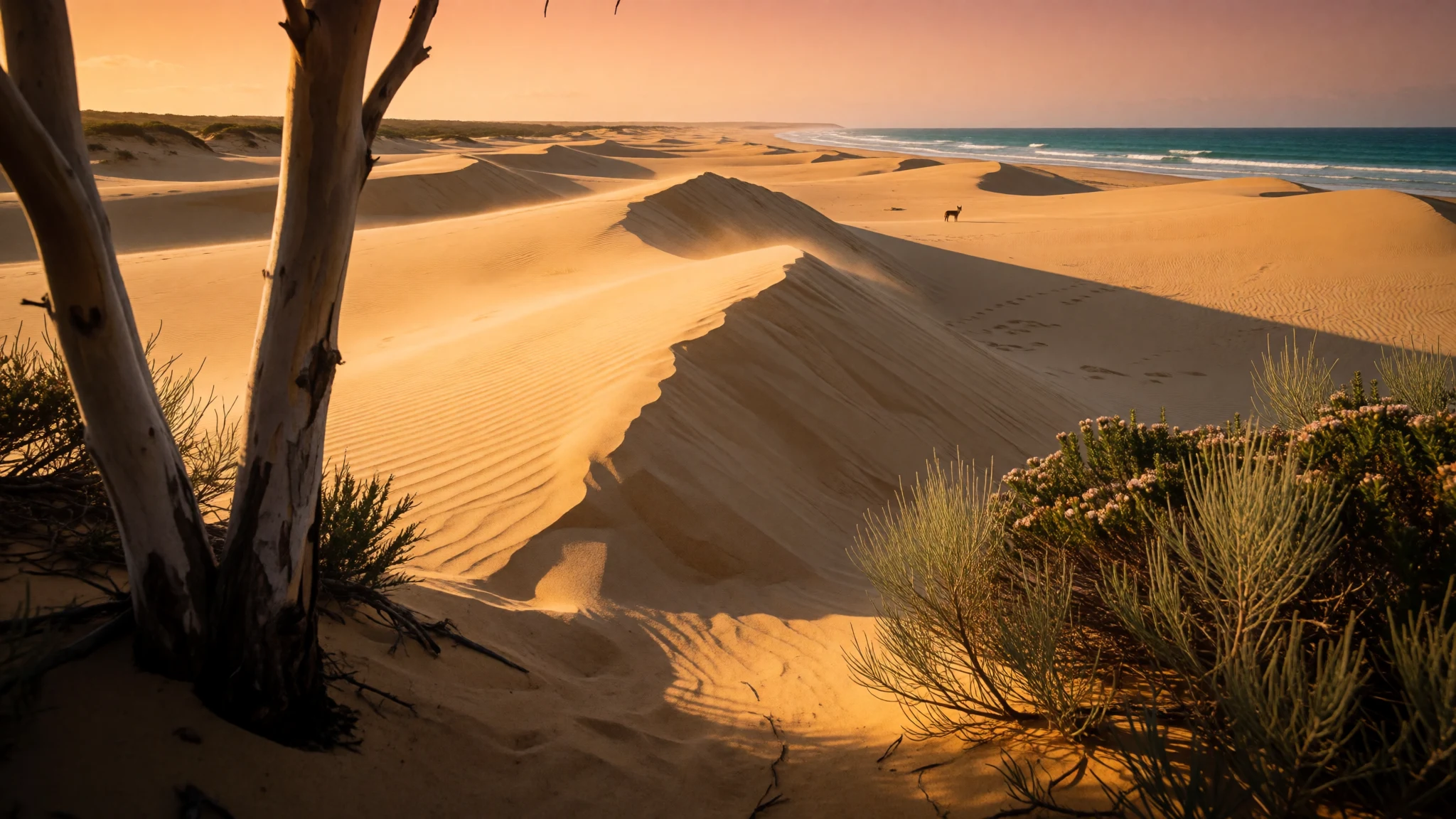
K'gari is a sand island where rainforest, dunes and famous swims all sit close together—easy to see, but the logistics need planning.
The place
K’gari (also known as Fraser Island) is a sand island on Queensland’s south-eastern coast, stretching along the Wide Bay–Burnett region. It’s widely visited because the scenery changes constantly: eucalyptus woodland, mangrove edges, low coastal heaths, and those famous dunes that make the island feel like a living landscape. The World Heritage listing covers not just the island itself but also surrounding waters and sections of nearby mainland within Great Sandy National Park.
Getting there is half the trip. Vehicular access is by ferry only, and once on island, movement is typically by four-wheel drive. That reality shapes the whole experience: the day’s “where” is often determined by the vehicle route, the tide, and the tour plan (or hire set-up). If the itinerary allows it, mornings can feel calmer, while afternoons tend to bring more people to the blue-water swimming spots.
Costs and crowds vary a lot with season. On busier weekends or peak holiday windows, car parks and picnic areas around the most popular lakes can feel busy, especially when people arrive together. The island is also not a place to dress thoughtlessly—there’s sand, creek crossings, and lots of outdoor time.
In the background of all that is the cultural layer: K’gari is part of Butchulla country under the traditional name “K’gari”. Visiting well means using the tracks and facilities, keeping wildlife at a distance, and remembering that this is living land, not just a photo backdrop.
Its story
K’gari’s story begins long before European place names. Butchulla people have lived in the lands that include the island for thousands of years, and the island’s island-ness connects to changing seas over time. The island later became the home of multiple ecosystems—rainforest patches, woodland, swamps and beaches—so even “one island” can feel like several environments stitched together.
In Butchulla creation tradition, elder Olga Miller describes Yendingie coming down from the sky to make the sea and then the land, with Princess K’gari by her side. When the spirit wants to stay, she is changed into a beautiful island. Yendingie then creates trees, flowers, lakes and mirrored waters, plus creeks, laughing waters, and animals and people so she won’t be lonely; he also gives knowledge and laws so communities and ancestors can remain connected to the land.
European contact brought a different story layer. Settlers arrived in the mid-1800s, and the island was named “Fraser Island” after Captain James Fraser, whose ship Stirling Castle was wrecked locally in the early part of the 1800s. More recently, the state government renamed the island to K’gari, aligning official naming with the traditional name.
That mix of geology, living ecology and living culture is what keeps K’gari from feeling like a single-theme attraction. It’s a place where the landscape explains itself—dunes, lakes and coastline first—and the human stories give it meaning.
What to see
- Lake MacKenzie — Central K'gari
Lake MacKenzie is known for its strikingly clear water and bright sand surrounds. It’s popular, so expect queues for viewpoints and a busier vibe in the middle of the day, especially in peak season.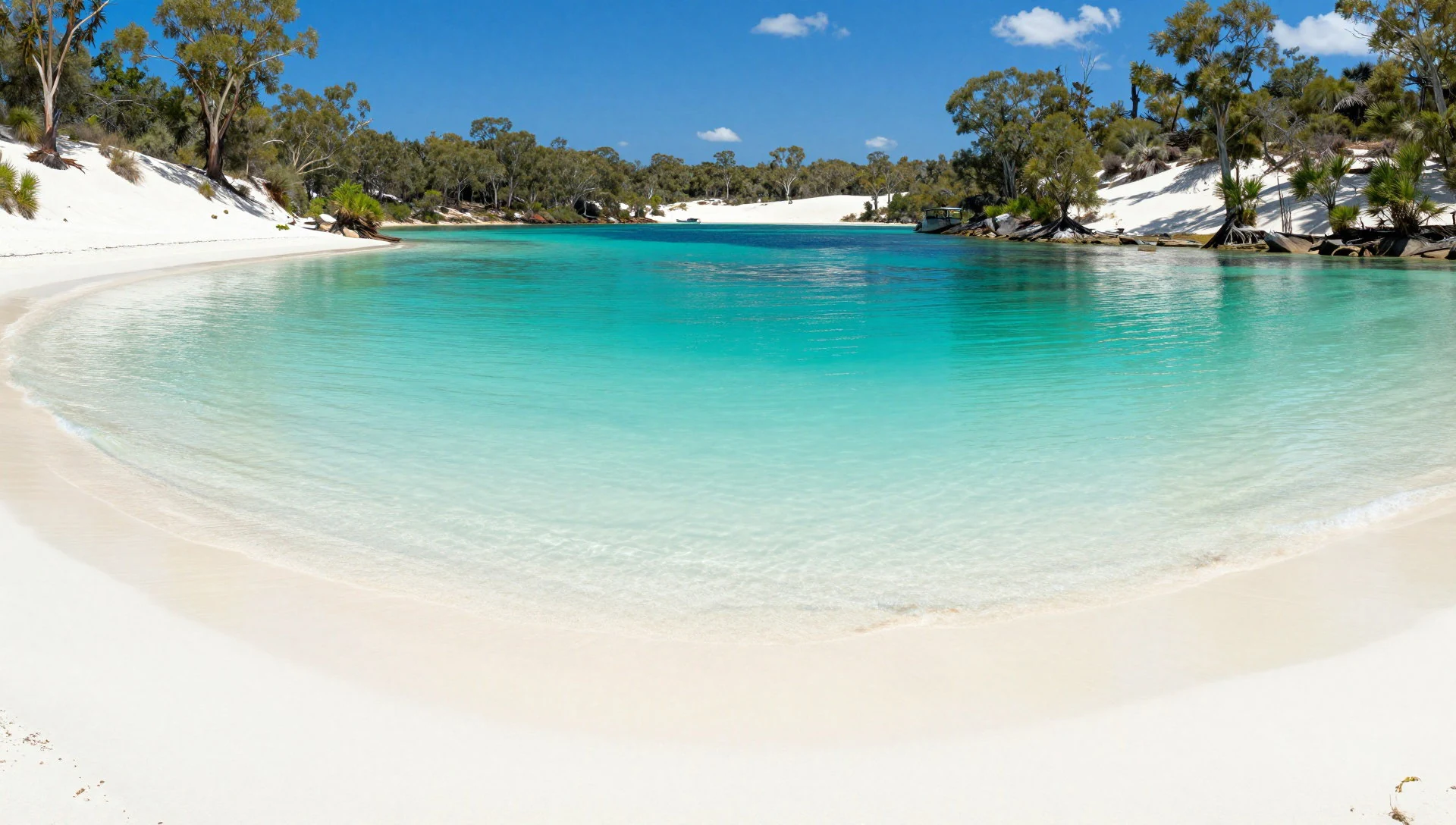
- SS Maheno shipwreck — Coastal areas around shipwreck sites
The SS Maheno shipwreck sits as a dramatic reminder of travel and trouble along the coast. It’s one of the island’s most photographed landmarks, and it makes a good “story stop” after a day of dunes and beaches.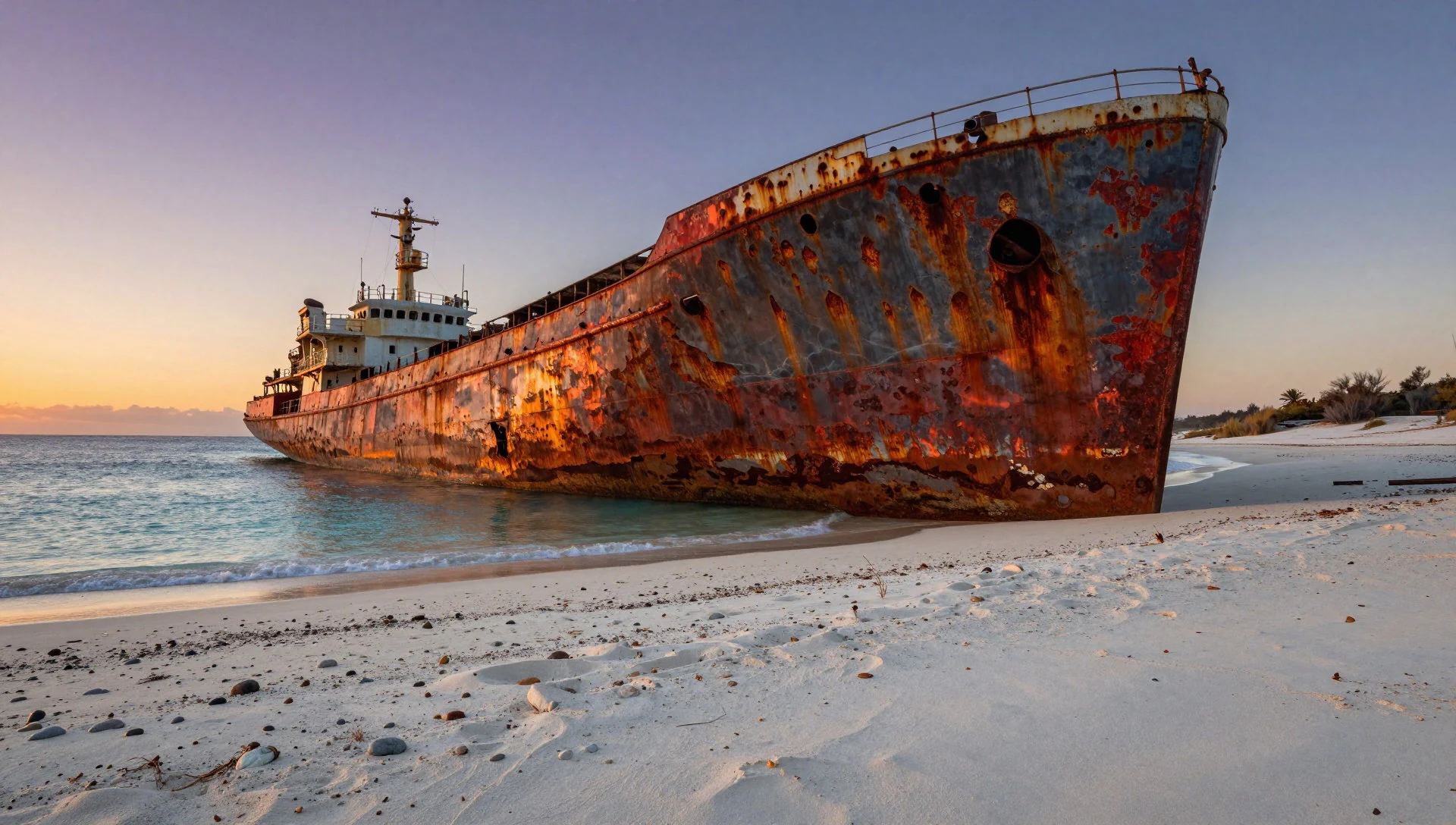
- Lake Wabby — Interior walking routes
Lake Wabby is a green-tinted lake reached by a walk from the beach. The route is part of the charm, and the landscape around the lake—plus the nearby sand features—gives it a more secluded feel than the top-lake swimming spots.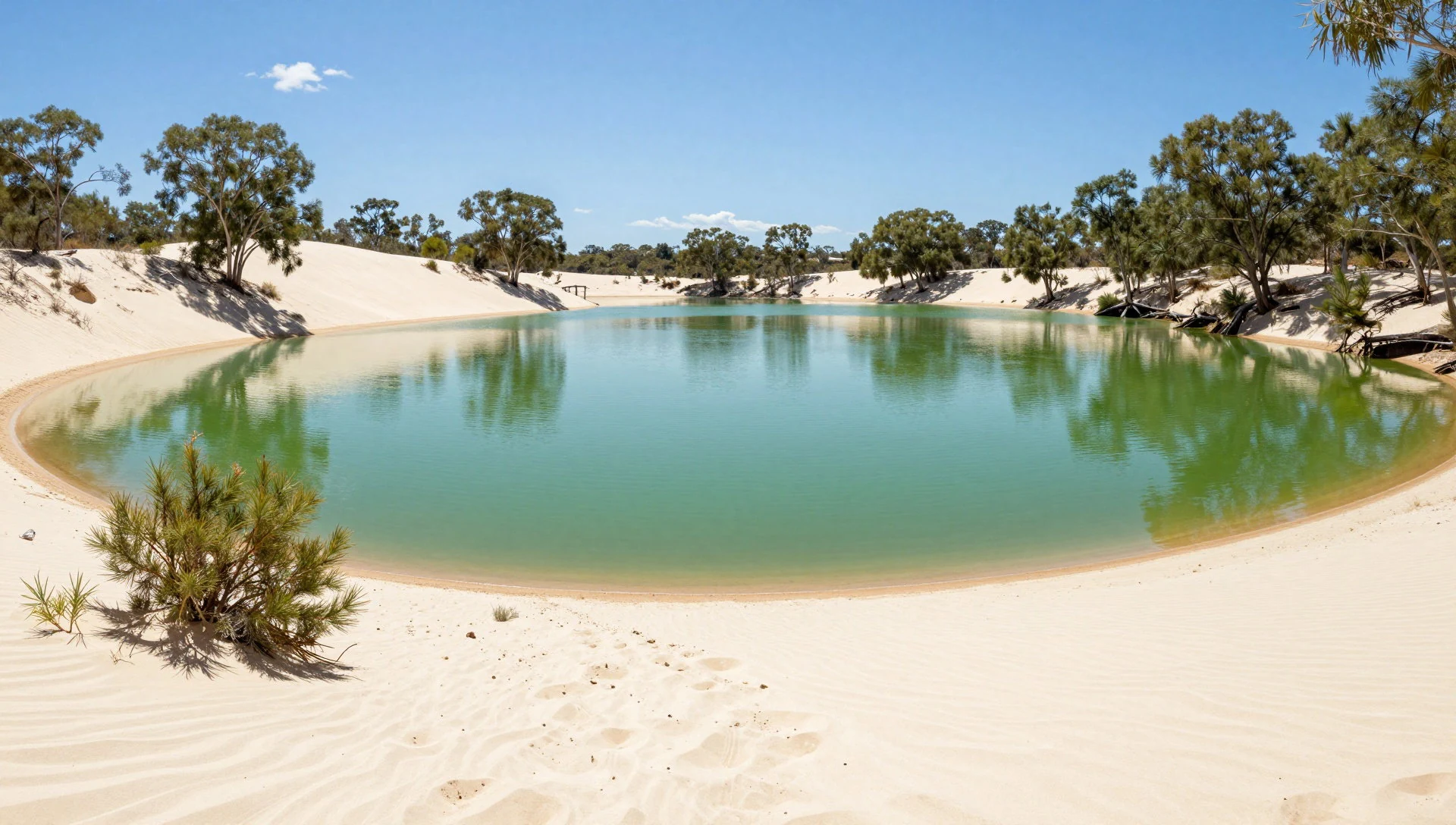
- Fraser Island dunes and coastal views (Indian Head area) — Eastern coastal viewpoints
Dune viewpoints like Indian Head deliver the classic “sand as far as the eye can see” effect. The beaches and dunes look different at different light levels, so aim for a slow route and proper time for photos.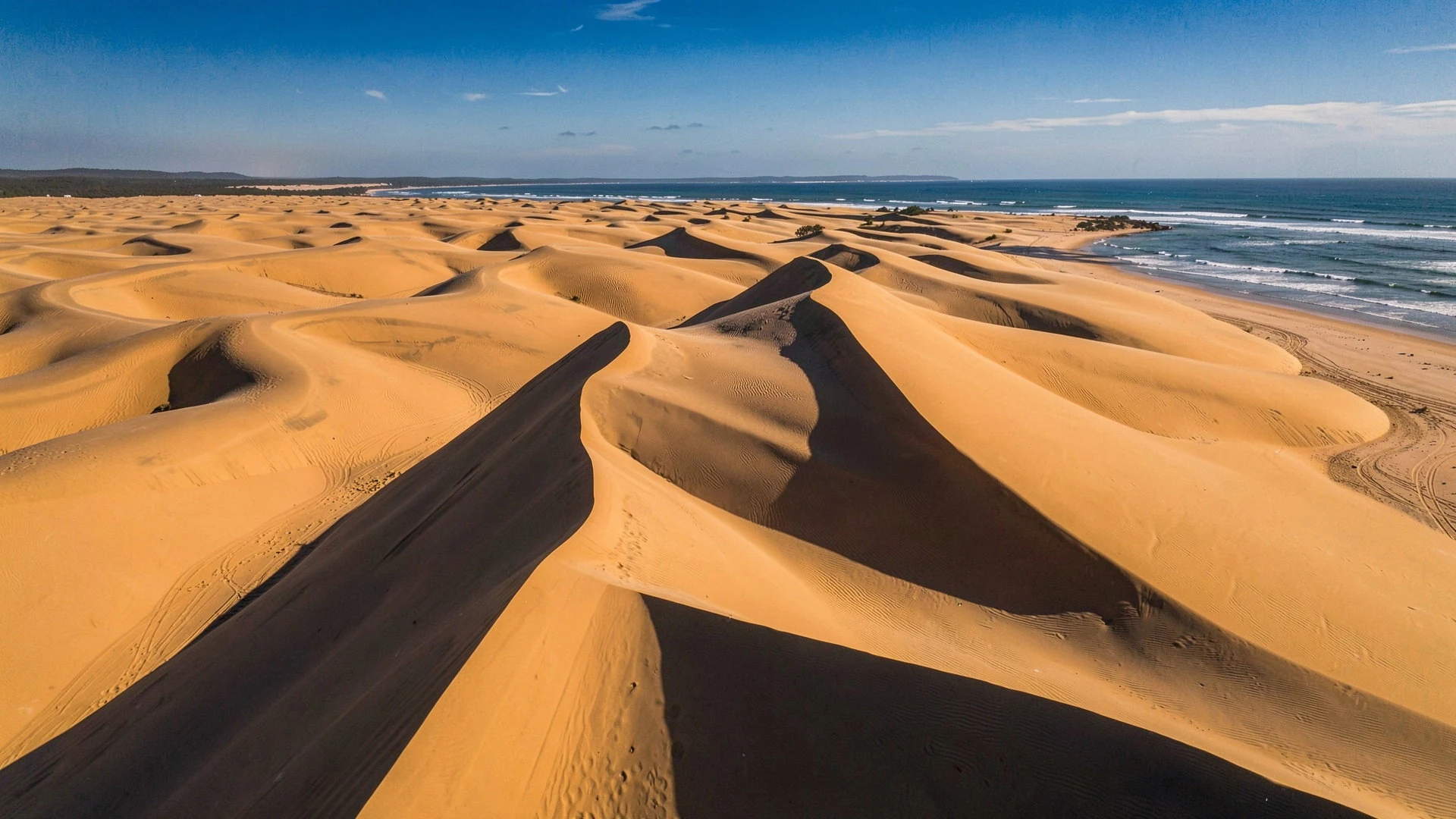
- Eli Creek — Eli Creek area
Eli Creek is a lush freshwater creek area within the island’s inland network. It’s a good place to break up the 4WD day with a calmer walk-and-boardwalk stretch.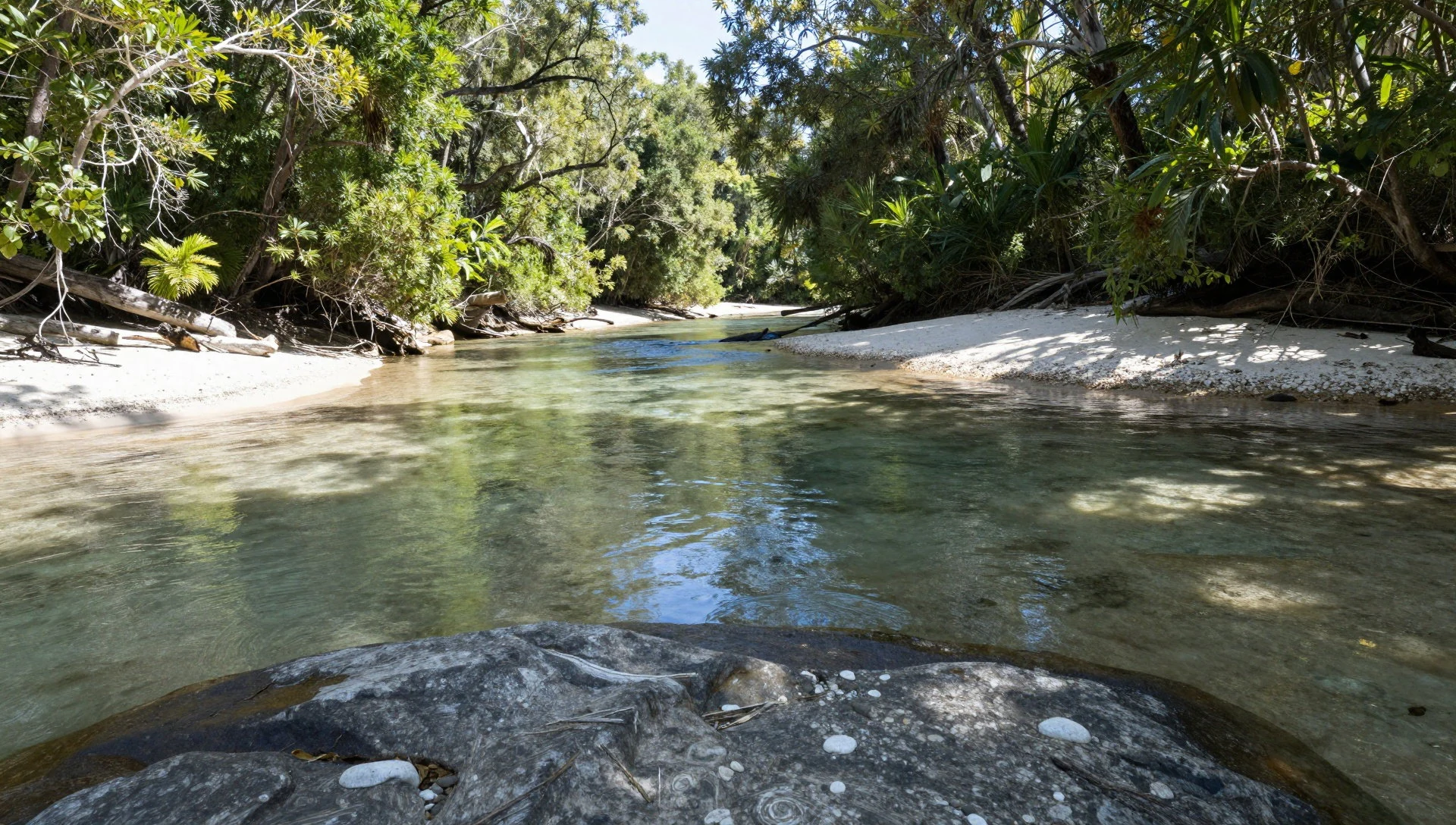
Culture
K’gari sits within Butchulla country under the traditional name “K’gari”, and that matters for how people behave on the island. The land isn’t just scenery: it’s connected to creation stories, knowledge and laws, and it continues to be cared for by those who know it best.
Because K’gari is a protected area, visitors tend to focus on viewpoints and swimming. Cultural good practice is mostly practical: follow the established tracks, use toilet facilities where they’re provided, and avoid treating wildlife like an attraction. Dingoes live here and can become aggressive, so feeding or approaching them isn’t a “cute encounter”—it’s a safety problem.
In practice, it also means being mindful with shared space. The most popular lakes draw crowds, and that can lead to careless littering or blocking access points. A calmer approach helps everyone—keep noise down around facilities, don’t step into restricted areas, and don’t take shortcuts that damage vegetation.
K’gari is also a place where naming and recognition have changed over time, so paying attention to the traditional name is part of respectful visiting.
Visitor etiquette: keep to marked paths and facilities, never approach or feed dingoes, and keep voices low around shared rest areas.
What to wear
K’gari’s clothing needs to handle sand, salt air and long outdoor stretches. Traditionally, Butchulla dress isn’t something visitors can copy in a respectful way, so the practical “theme” to aim for is modesty and comfort rather than costume.
What people wear now is straightforward: lightweight breathable tops, swimwear under quick-dry layers, and sun protection for the midday glare. Footwear is usually sandals or closed shoes that can handle wet sand—because creek areas and beach walks can mean your feet get unpredictable moisture. In warm conditions, lightweight long sleeves and a hat are common among people who want to keep sunburn away.
For a visitor, the best kit is simple: a hat, sunglasses, a rash-style top or T-shirt for swimming days, and quick-dry clothing for after the lake. Bring a light wind layer for cooler coastal evenings, and keep socks and a spare pair of shoes/towels if there’s any chance of creek crossings. If visiting religious or cultural sites isn’t part of the plan, modest everyday clothing still helps—particularly around community and ranger areas.
Most importantly: wear footwear that can grip sandy tracks, and keep spare water and sun protection accessible, because shade is limited.
What to eat
- Resort and on-island restaurant meals — Resort areas on K'gari
For when self-sufficiency runs out, K’gari’s resorts have restaurants that welcome visitors. This is usually the easiest way to eat without hauling supplies across the island.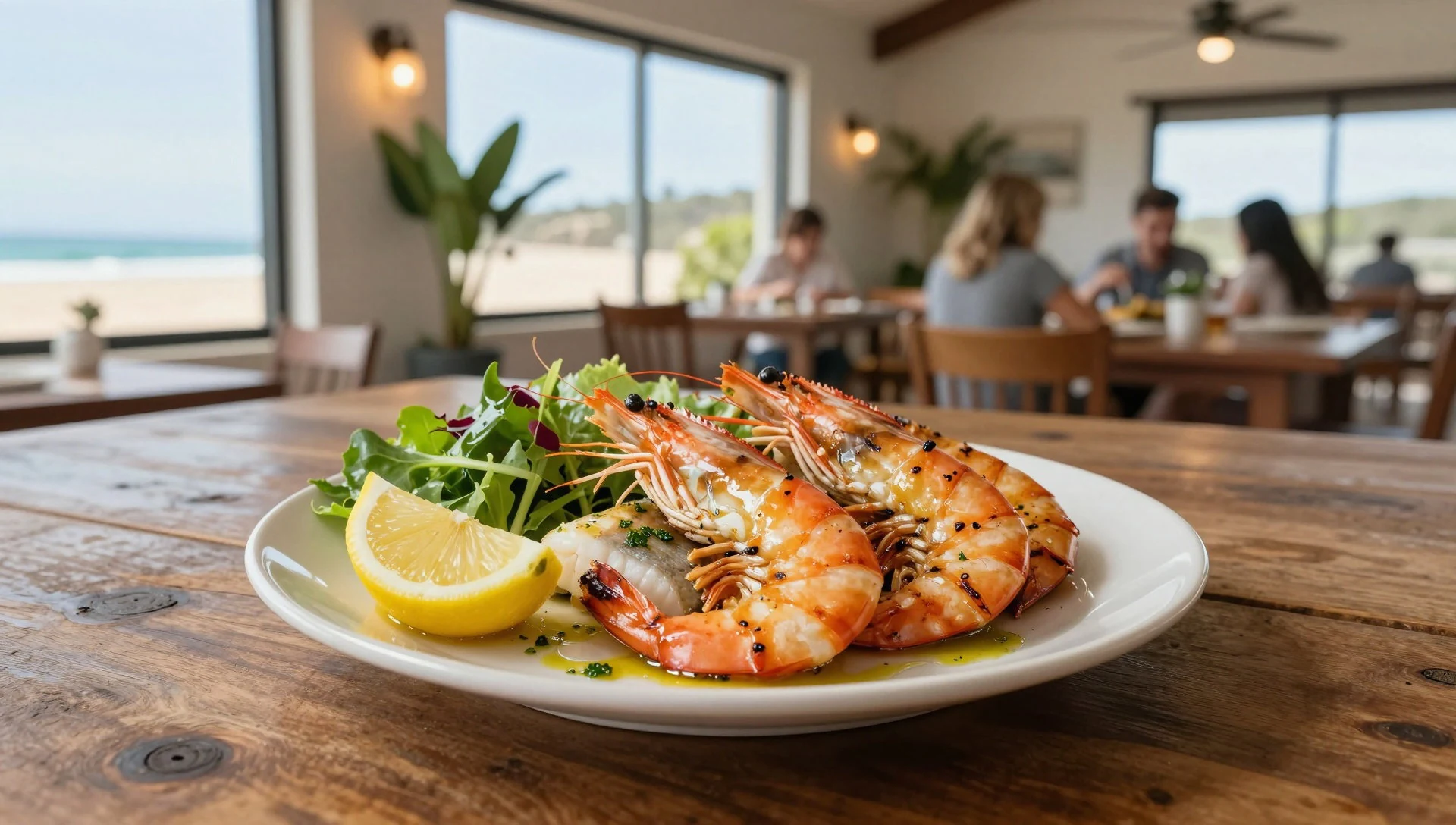
- Eurong bakery treats — Eurong Beach Resort / Eurong area
At Eurong Beach Resort, there’s a bakery serving simple grab-and-go options like pies, sausage rolls and sweet treats, plus fresh baked bread—useful for long vehicle days and quick picnics.
- Eurong and nearby shop essentials (basic groceries) — Eurong and surrounding shop areas on K'gari
If you’re staying more independently, the shops around Eurong and nearby settlements stock basic supplies. Think snacks, simple groceries and the kinds of items that prevent “we ran out” moments during day trips. - Fresh seafood and local-inspired dining — Eateries around the island’s accessible coastal areas
Seabelle Restaurant is a straightforward option for seafood and a bushtucker style approach. It’s also a place to slow down and eat inside when the weather turns or when everyone’s tired after driving. - Picnic time from supplies (with restrictions) — Designated picnic areas on K'gari
Many visitors plan picnics around the lakes, but there are rules on where food and drink can be consumed to help protect the island and manage wildlife. Bring a simple setup and use the designated areas. - Soft drinks and beer/spirits from shops (licensing rules apply) — Eurong and Happy Valley shop areas
Soft drinks and alcohol are sold in shop areas like Eurong and Happy Valley, but alcohol sales are limited before late morning due to state licensing rules. Plan accordingly if it’s part of the trip.
Plan it
Best time. May to August for the most comfortable outdoor conditions, with cooler temperatures; the driest stretch is around September to November, when rainfall is lowest for the year.
How long. 2–3
Getting there. To reach K’gari, take a ferry from the mainland (for vehicles) and then use four-wheel drive transport around the island; River Heads (near Hervey Bay) connects via Fraser Venture to Wanggoolba Creek, while other services run from Inskip Point to the southern point.
Budget. mid
Tips
- Choose an early-start plan on lake days; the middle of the day is when popular swimming areas feel busiest.
- If hiring a vehicle or joining a tour, confirm the 4WD arrangement before arriving at the ferry stage.
- Pack for wet sand: quick-dry clothing and footwear that can handle creek and beach conditions.
- Bring snacks and water if staying without full resort meals; shop supplies can be limited to the island’s key access points.
- Keep a wildlife-first mindset around dingoes—don’t approach, don’t feed.
Etiquette
- Stay within designated picnic and facility areas to avoid upsetting the wildlife and habitat around the lakes.
- Keep distance from dingoes and never try to make them part of a photo moment.
- Drive and walk slowly near people and wildlife; sand tracks can be loose and visibility is often shifting.
Nearby
Sources
- Wikidata Q134905 (CC0)
- Wikipedia (K’gari) (CC BY-SA 4.0)
- Wikivoyage (K’gari) (CC BY-SA 4.0)
- Photo: Fraser Island view from Indian Head (Public domain)
- Photo: Indian Head view on Fraser Island (May 2016) (CC BY-SA 4.0)
- Photo: Shelters at Boggimbah, Fraser Island, 1902 (Public domain)
- Photo: SS Maheno shipwreck at Fraser Island Australia (CC BY-SA 4.0)
- Photo: McKenzie’s Tramway Locomotive, Queensland, ca. 1920 (Public domain)
- Photo: Eli Creek Fraser Island Australia (CC BY-SA 4.0)
- Photo: Eli Creek mouth, Fraser Island (CC BY-SA 4.0)
- Photo: The Pinnacles, Fraser Island (May 2016) (CC BY-SA 4.0)


