Jiufen
Jiufen, Taiwan
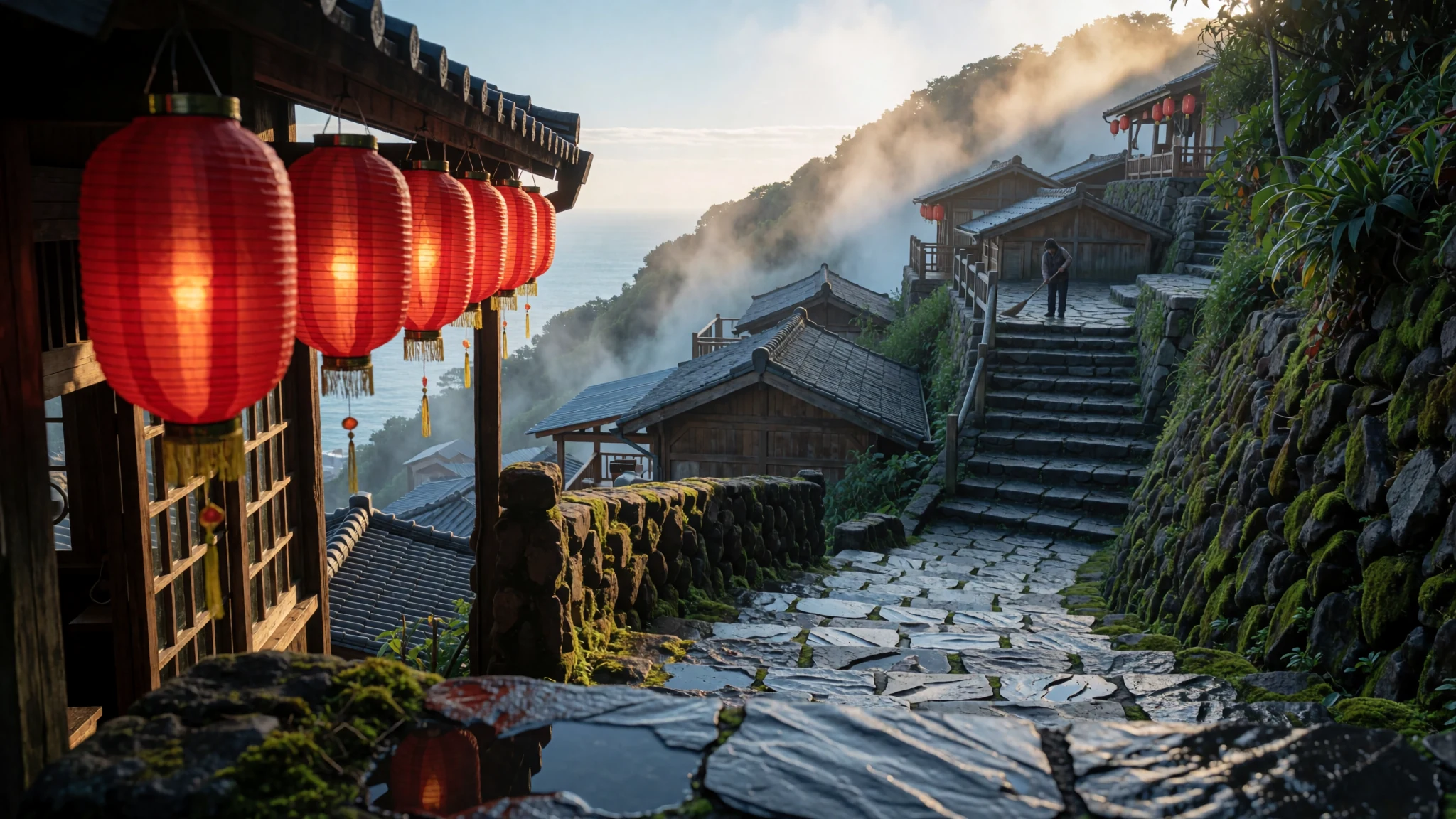
Jiufen offers a dramatic mountain escape with winding lantern-lit alleys, historic teahouses, and sweeping views over the Pacific Ocean.
The place
Jiufen is a historic hillside settlement clinging to the coastal mountains in Ruifang District, New Taipei City. Home to about sixteen hundred residents, the town spills down steep, curving slopes in a dense cascade of weathered stone walls and tiled roofs. It originally grew around a prosperous gold mining industry that flourished during the Japanese colonial era before closing down in the mid-twentieth century. Following the mines' closure, the settlement fell into steep decline until its quaint alleyways, traditional teahouses, and cinematic vistas were rediscovered by travellers seeking an atmospheric window into the past.
Today, Jiufen Old Street forms the main artery of the town, a narrow, covered alleyway packed with food stalls, artisan shops, and teahouses that draw heavy daytime crowds. Despite the tourist foot traffic, the location retains a remarkable sense of place, particularly as evening falls and hundreds of red silk lanterns illuminate the staircases and precipitous pathways. The Pacific Ocean spreads out endlessly below the ridges, while nearby peaks like Mount Jilong frame the dramatic landscape. Visitors arrive primarily as day-trippers from the capital, navigating the steep, twisting roads that lead up from the coast to experience a settlement that feels entirely detached from modern urban sprawl.
Its story
Jiufen traces its origin story back to the early Qing Dynasty, when the isolated mountain settlement consisted of just nine households. Because supplies were scarce and difficult to transport up the steep tracks, the villagers routinely requested provisions in portions of nine whenever shipments arrived from the valley below, giving rise to the name meaning nine portions. For centuries, the surrounding hills remained quiet until railway construction workers discovered flakes of gold in a local stream, sparking a massive gold rush that transformed the mountain hamlet into a booming mining town.
During the Japanese colonial administration, the mining operation expanded dramatically under corporate management. American diplomat James W. Davidson, writing in nineteen hundred and three, described the settlement as an astonishingly peculiar cluster of dwellings built so tightly together that buildings seemed to telescope into one another while mountain streams were cleverly diverted to run directly past doorways and through living spaces. The town reached its zenith during this period, leaving behind architectural remnants of Japanese inns and administrative offices that persist today. After mining operations ceased in the nineteen fifties, the settlement slipped into near-abandonment until director Hou Hsiao-hsien chose its melancholy streets as the backdrop for his award-winning film A City of Sadness, reviving the community's fortunes through cultural tourism and preserving its heritage.
What to see
- Jiufen Old Street — Central Jiufen
Jiufen Old Street runs through Jishan and Shuqi Streets, forming the central spine of the settlement. Built directly into the steep coastal hillsides, these narrow, covered passageways are packed tightly with traditional snack vendors, artisan souvenir shops, and open-fronted teahouses welcoming visitors exploring the historic district.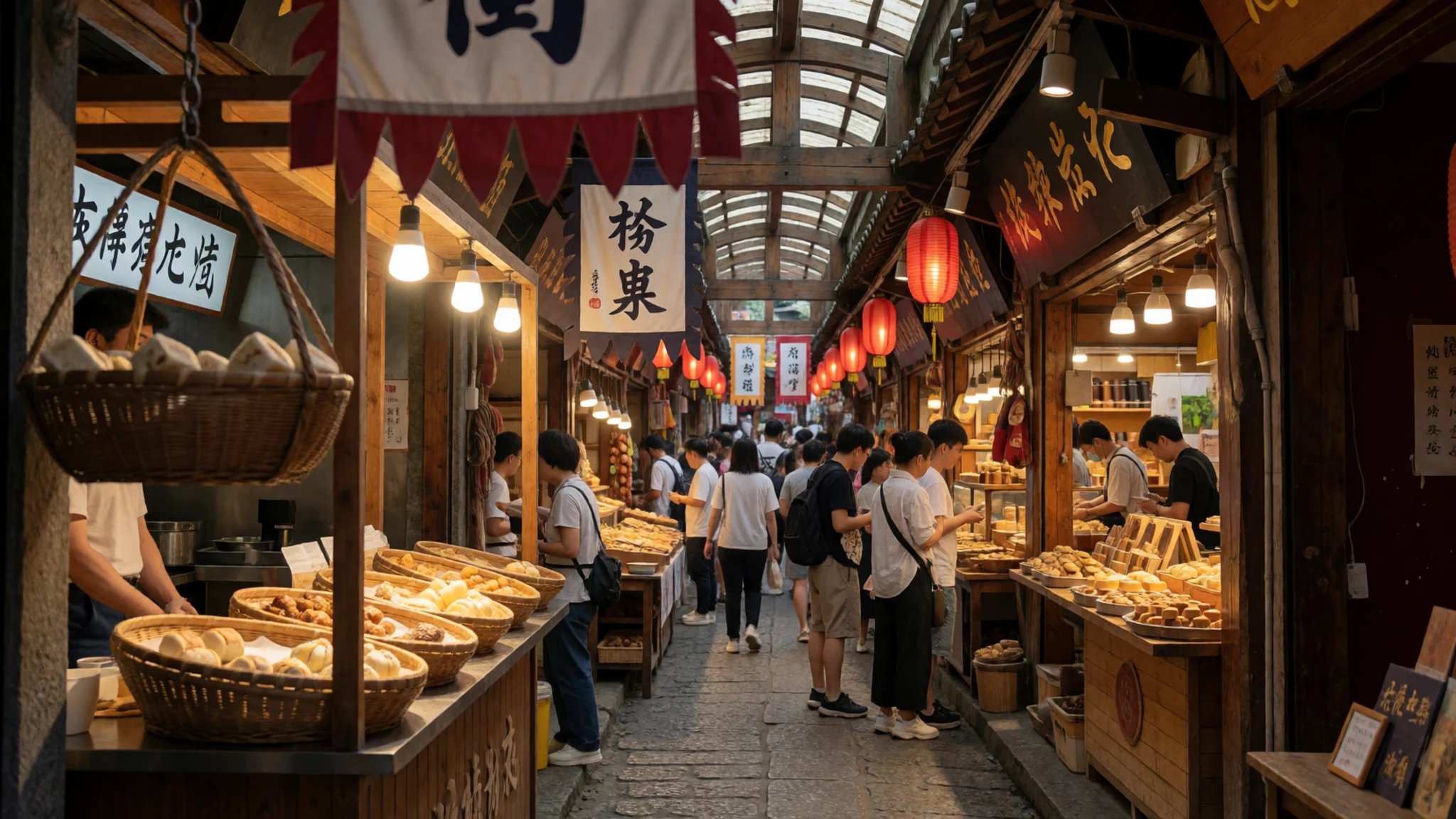
- Taiyang Co. Ruifang Mining Operation Office — Lower village entrance
Taiyang Co. Ruifang Mining Operation Office sits just below the stone steps of Shuqi Street near the main vehicle arrival area. This preserved administrative building commemorates the powerful corporate era when local merchants secured mining authority from Japanese industrialists during the colonial period.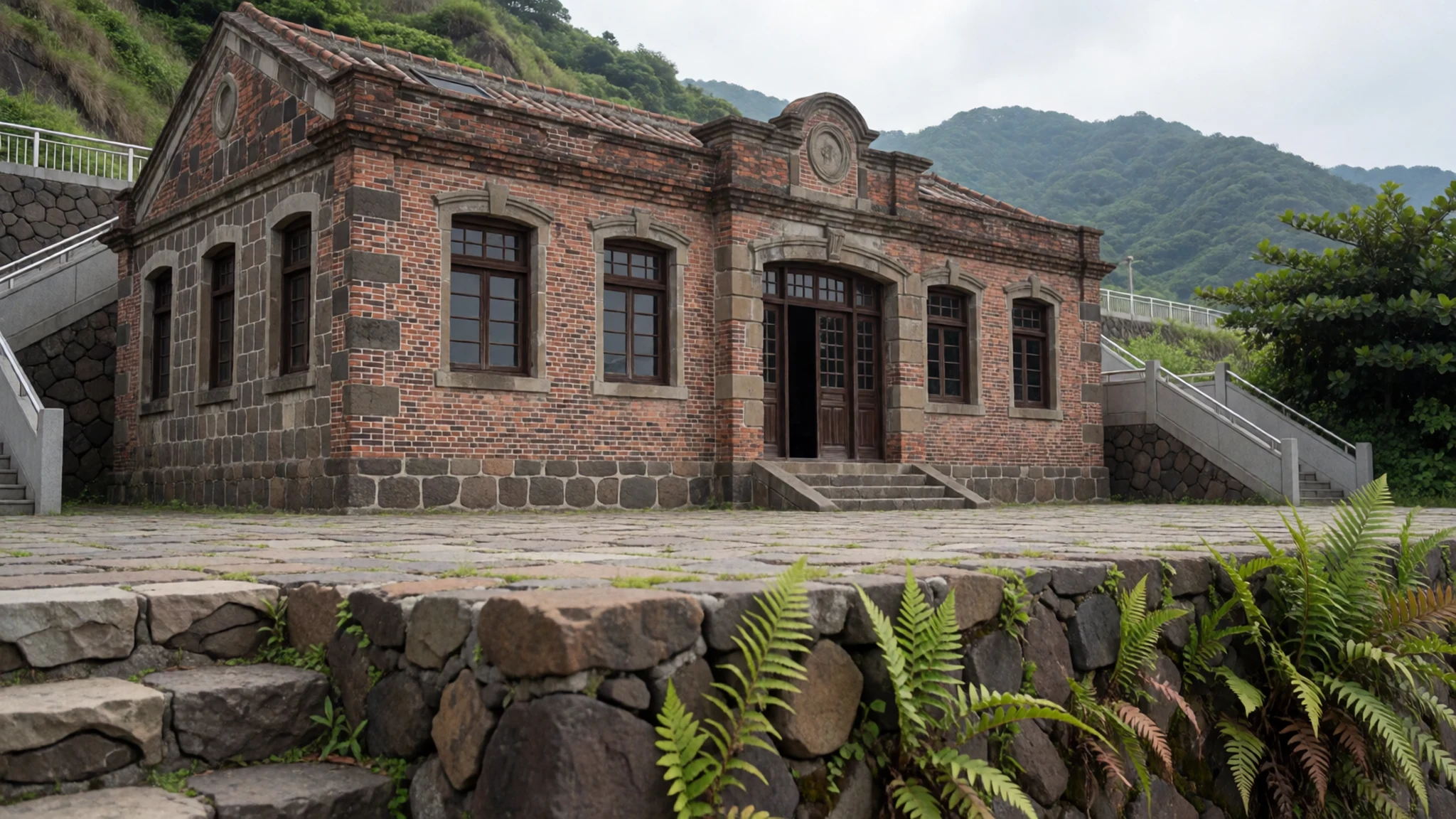
- Songde Park — Western edge
Songde Park is a quiet memorial space located on the western edge of the settlement. Dedicated to the pioneers of local industry, the park features artistic sculptures and monuments honouring the merchants who established the foundational mining culture of the mountain community.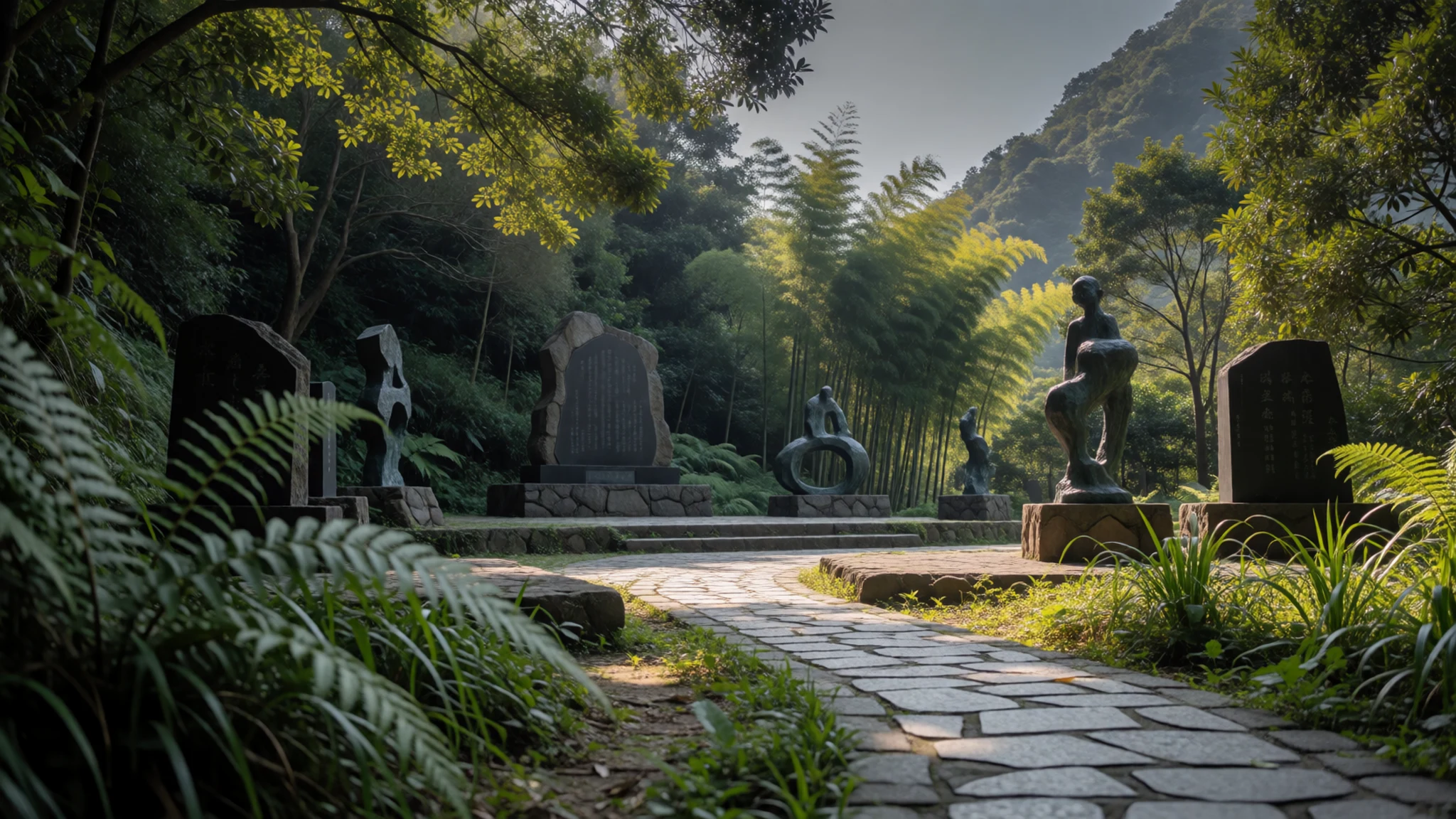
- Wufan Tunnel — Near Songde Park
Wufan Tunnel lies adjacent to the park and marks a preserved excavation site dating back to nineteen twenty-seven. Coal extracted from deep within the mountain was hauled through this bore before being processed in nearby crushing zones and transported downward via high-altitude pipes.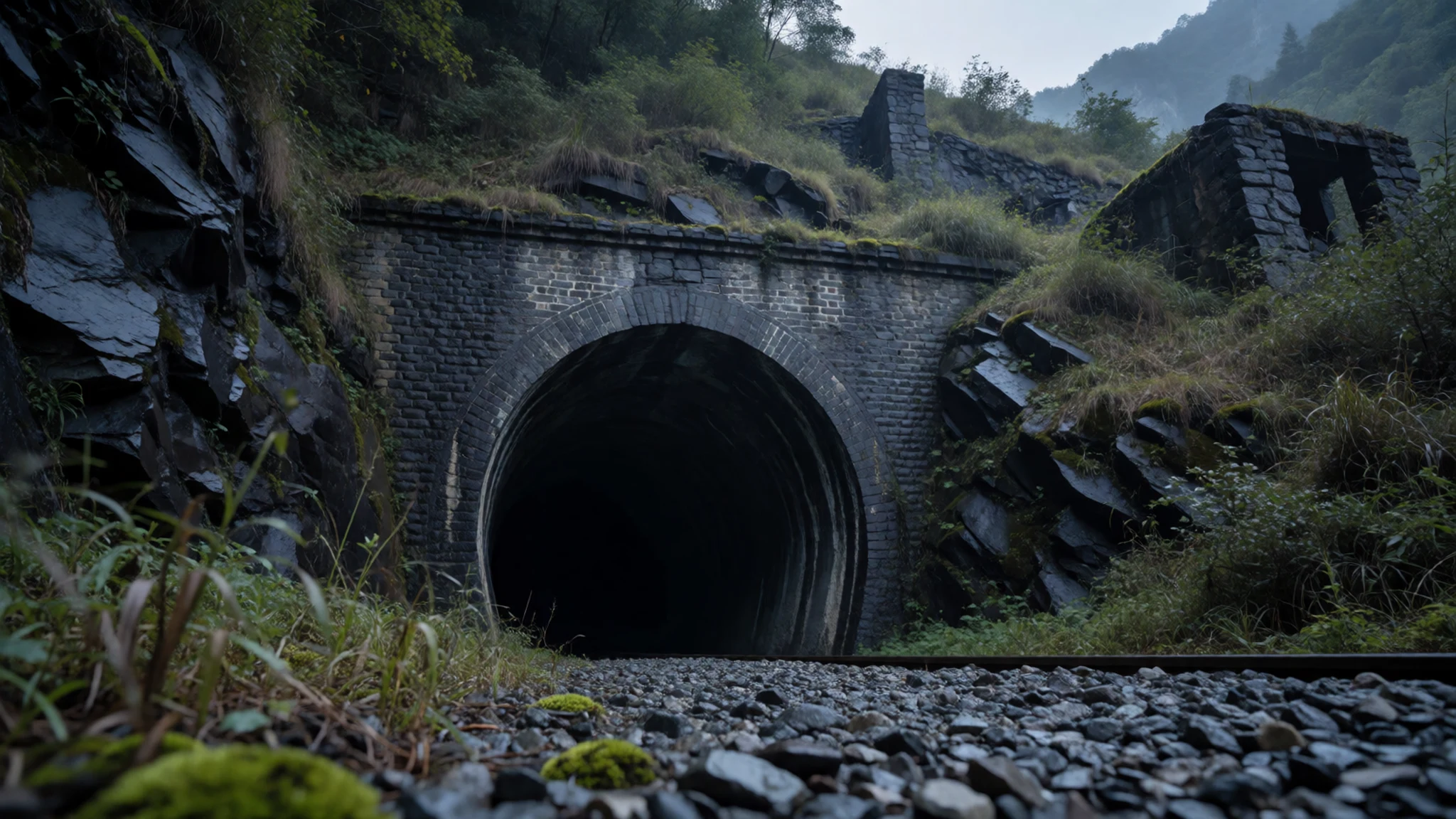
- Shengping Theater — Lower ridge area
Shengping Theater stands as the original entertainment hall of the community, featuring a restored heritage structure that anchors the lower ridge area. The restored hall regularly hosts vintage film screenings and traditional stage performances for visitors.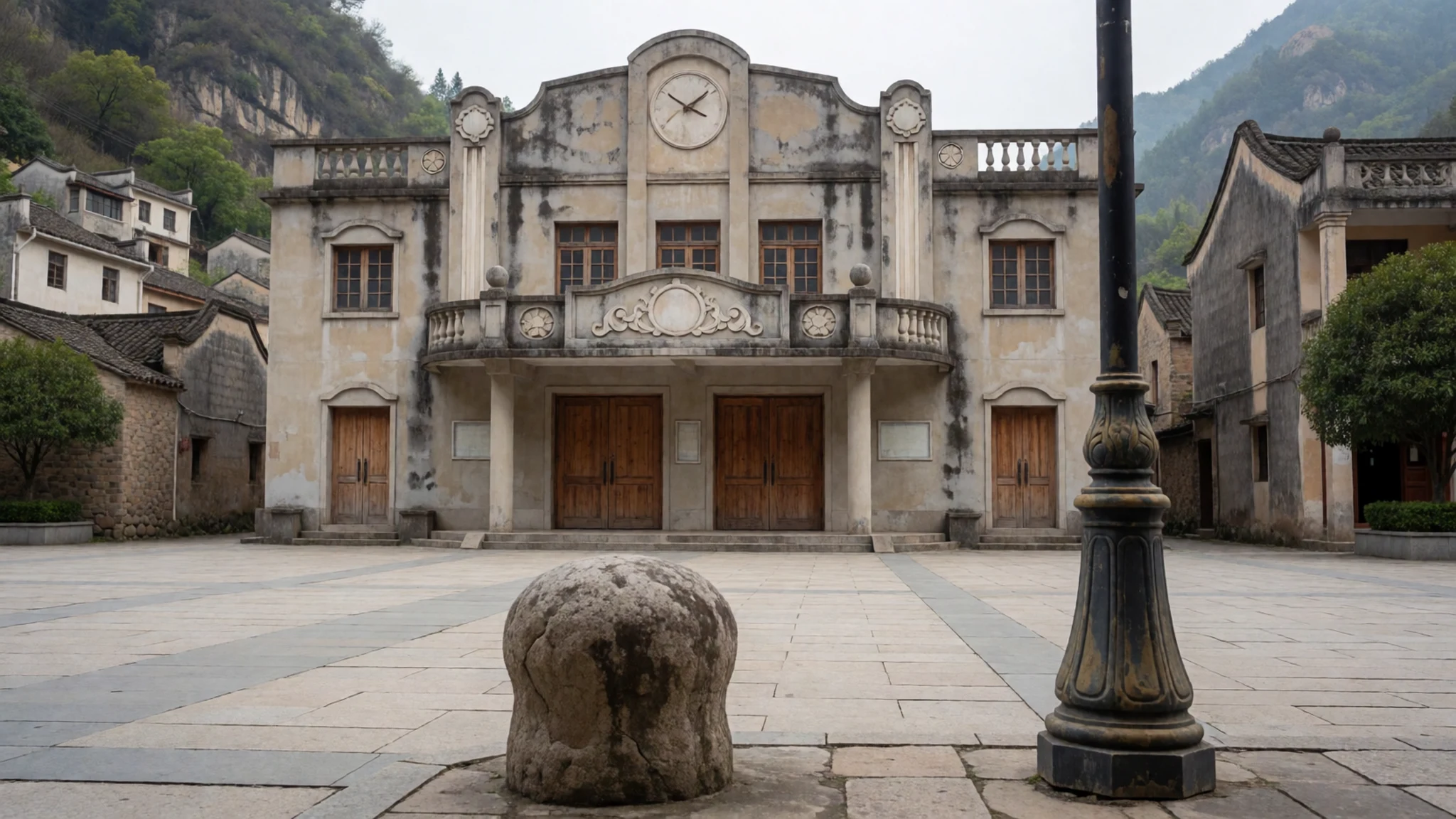
- Mount Jilong — Northern ridge
Mount Jilong rises prominently above the surrounding northern hills to frame the coastal landscape. The peak serves as a natural geographic boundary separating the historic mining settlements while offering challenging hiking paths and panoramic views.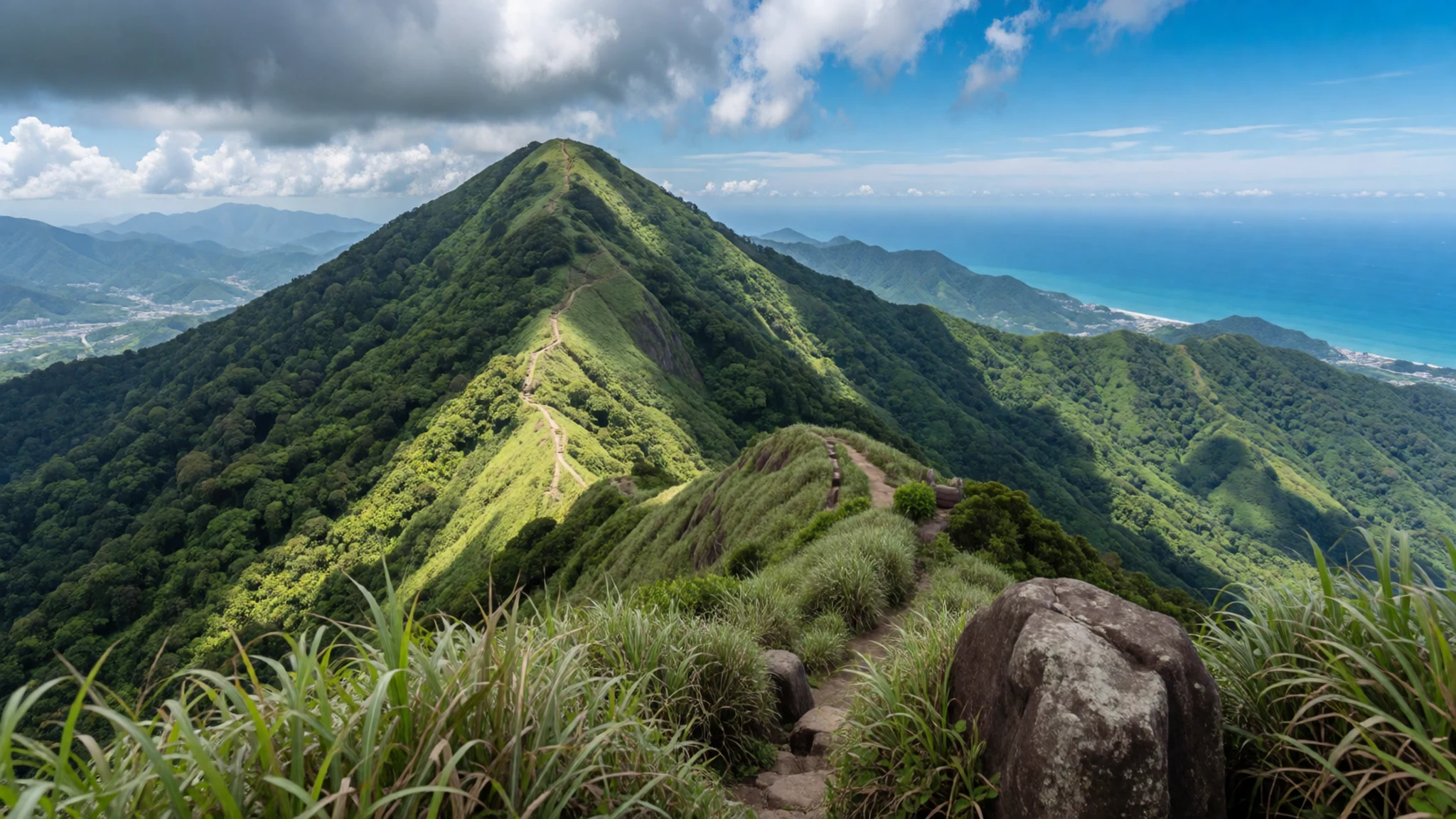
Culture
Jiufen carries a distinct cultural identity forged from its dual heritage as an isolated mountain farming hamlet and a fiercely competitive colonial mining hub. The social fabric of the settlement reflects generations of families who laboured in the dark quartz shafts, alongside the lasting influence of Japanese administrative architecture and tea-drinking traditions. Local residents maintain a strong sense of pride in their cinematic history, frequently celebrating the town's role in establishing Taiwan's independent film movement. Traditional customs centre around community ancestor veneration, temple festivals, and the unhurried ritual of preparing high mountain oolong tea while watching mist roll across the Pacific horizon. When navigating the narrow stone alleys and visiting residential thresholds, always remove footwear if entering temple halls or traditional indoor tearooms.
What to wear
Jiufen residents and historical miners traditionally wore practical, durable work clothing suited to damp underground conditions and steep mountain paths, often crafted from sturdy cotton and hemp textiles designed to withstand heavy mist and rainfall. Today, locals dress in casual, weather-appropriate modern attire, balancing contemporary Taiwanese streetwear with warm layers for the chilly mountain winds. Visitors walking the steep stone staircases should wear sturdy, comfortable walking shoes with reliable grip, as the slick granite steps become hazardous during frequent rain showers. Bringing a lightweight waterproof jacket or windbreaker is essential regardless of the season, given how rapidly mountain weather shifts from bright sunshine to heavy valley fog.
What to eat
- Grandma Lai's Yuyuan — Jishan Street
Grandma Lai's Yuyuan is the most celebrated spot in Jiufen for hand-rolled taro balls. These chewy, sweet morsels are served floating in hot ginger broth or piled over crushed ice with sweet red beans and mochi.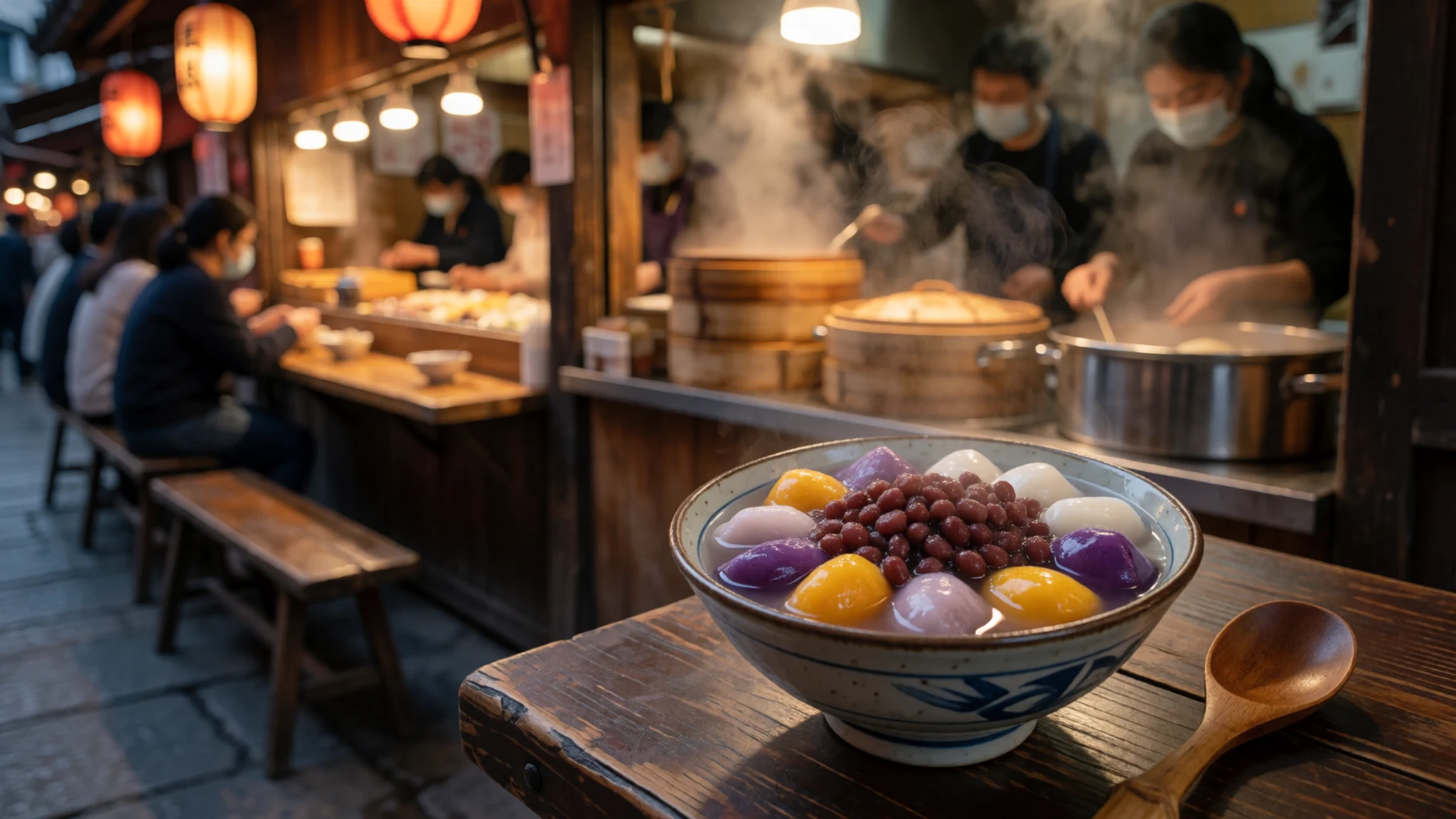
- Amei Tea House — Shuqi Street
Ameis Tea House clings dramatically to the cliffside, offering traditional oolong tea ceremonies accompanied by dried plum snacks. The multi-tiered wooden balcony provides iconic views over the lantern-strung alleys and the ocean below.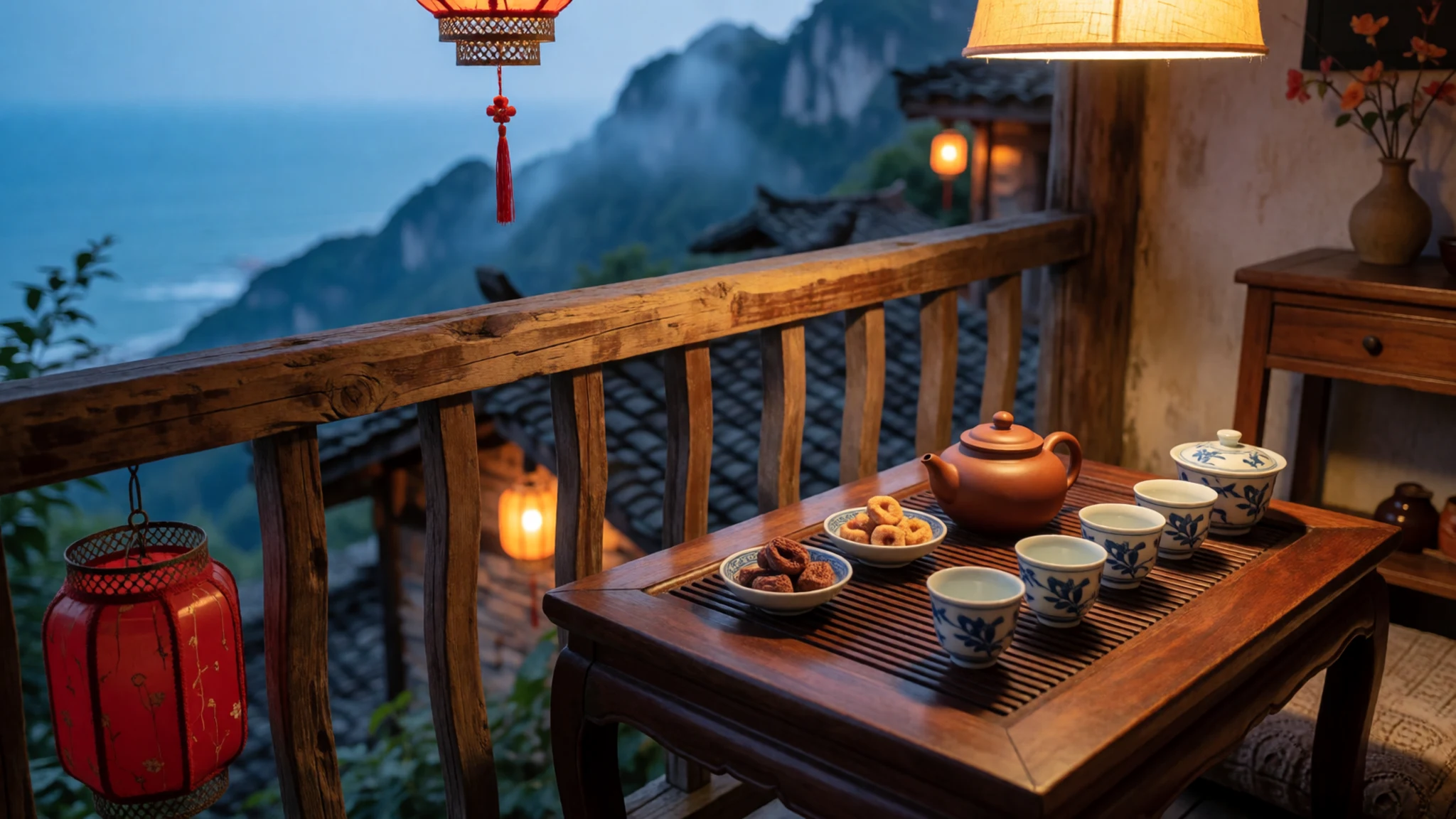
- City Of Sadness Restaurant — Corner of Shuqi and Qingbian Roads
City Of Sadness Restaurant occupies a historic corner building that gained fame after serving as a key filming location for Hou Hsiao-hsien's masterpiece. Diners can sample traditional braised pork rice and local mountain vegetable dishes. - Jioufen Teahouse — Jishan Street
Jioufen Teahouse operates inside a restored mining-era building that once served as a gathering salon for prominent Taiwanese artists and writers. Guests select artisan tea leaves to brew leisurely in heavy clay pots.
Plan it
Best time. March to April for pleasant spring conditions and mild weather, or October to November for clear autumn skies; June brings the summer rainy season while winter months can be persistently misty and damp.
How long. 1–2
Getting there. Take a train from Taipei to Ruifang Station, then transfer to a local bus for the final fifteen-minute winding mountain ascent to the entrance.
Budget. mid
Tips
- Arrive before noon or visit on a weekday to avoid the heaviest tour bus crowds on the narrow old street.
- Wear sturdy walking shoes with good grip for the steep, slippery granite staircases.
- Carry sufficient cash, as many smaller food stalls and traditional tea vendors do not accept cards.
- Pack a waterproof jacket or umbrella, as mountain mists and sudden rain showers are common.
Etiquette
- Remove your shoes when stepping inside temple halls or traditional tearoom tatami areas.
- Ask permission before photographing local residents or private residential doorways along the alleys.
Nearby
Sources
- Wikidata Q31093 (CC0)
- Wikipedia (rev 1376261258) (CC BY-SA 4.0)
- Wikivoyage (rev 5376574) (CC BY-SA 4.0)
- Photo 1 (CC BY 2.5)
- Photo 2 (CC0)
- Photo 3 (CC BY-SA 4.0)


