Jaú National Park
Jaú National Park, Brazil
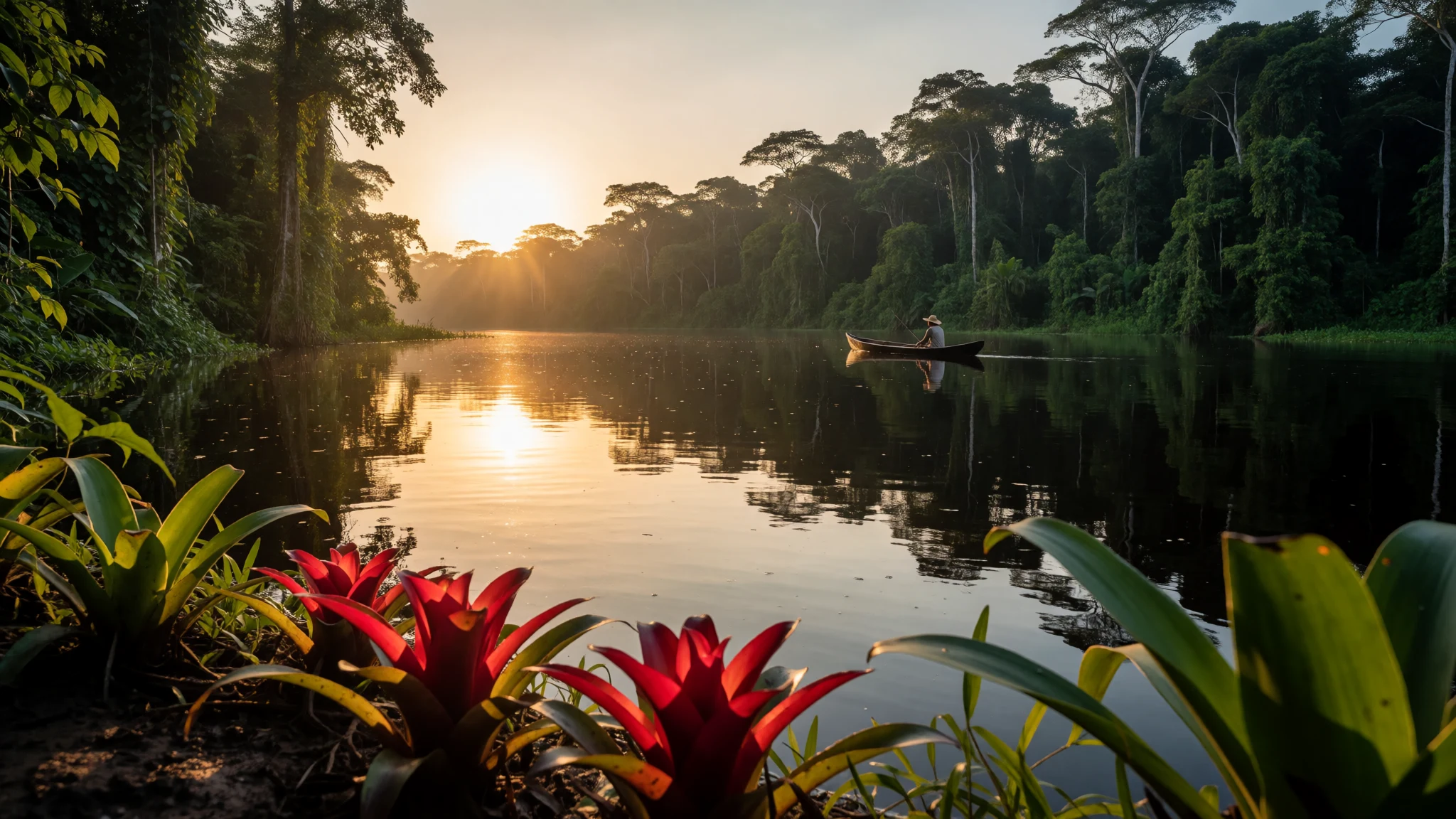
Jaú National Park is a remote Amazon river reserve where wildlife viewing feels like it happens around your boat, not at a viewpoint.
The place
Jaú National Park (Parque Nacional do Jaú) sits in Brazil’s Amazonas state, stretched across the Amazon biome and built around river life. The name “Jaú” comes from the jau fish, and the park’s main waterway reflects that focus: the Jaú River basin runs through the protected area, alongside other major rivers feeding east into the Rio Negro system.
This isn’t a park you “tour” on foot. It’s a place you move through, typically by boat and smaller craft, with the rainforest forming the backdrop—dense, wet, and always alive. The landscape is essentially the Amazon’s black-water world (slow, tea-coloured rivers and flooded forest edges), with water levels shaping what you can see day to day.
In terms of scale, Jaú is enormous: it covers 2,367,333 hectares, and the protected area keeps the whole river basin within it—from the Unini River to the north to the Carabinani River to the south. It also touches surrounding conservation units, with links to reserves on the northwest and adjoining sections nearer the Rio Negro.
Because it’s so remote, the “crowds” problem is usually replaced by a “logistics” reality. Facilities are limited and there’s an expectation that visitors plan around permits, transport by water, and time on the rivers. Weather is another constant: it stays tropical and wet for much of the year, with the rainiest months tending to be late in the calendar year and a relatively drier stretch in mid-year.
Jaú’s draw is simple: wildlife, water, and rainforest, in a protected setting where your itinerary is the river and the forest is the atmosphere.
Its story
Jaú National Park is the kind of destination that changes your pace. Away from the city rhythm, the days feel measured by light, water, and the practical bits—when boats leave, when they return, and how the forest looks after rain. Even when you’re not seeing animals every minute, you’re still in the “Amazon loop”: birds calling from the canopy, insects working through the air, and the river quietly doing its job.
A lot of trips start in the wider Manaus region, then move towards the park entrance area. Many travellers work with operators based in Manaus, while independent plans are possible, including boat travel that can take a few hours from Novo Airão into the park area. The difference between “good” and “great” days is often timing and patience rather than effort—getting out early, watching for movement along the river edges, and letting the boat drift through patches of forest instead of rushing from one stretch to another.
Wildlife encounters in Jaú tend to feel less like a checklist and more like chance plus geography. The park protects an Amazon black-water ecosystem, and that matters: it shapes the food web and the habitat you’re floating through. That’s also why there’s a stronger emphasis on responsible behaviour. Entering without a permit is a no-go, and damaging the park’s flora and fauna is treated seriously under federal law.
Once you accept those constraints, Jaú rewards you with a particular kind of immersion—rainforest that looks different in every hour of the day, and water that carries the landscape with it. It’s not a theme park. It’s conservation in action, with visitors there to learn and observe rather than to “consume” the place.
What to see
- Jaú River basin waterways
Jaú National Park is organised around the river system between the Unini River basin area to the north and the Carabinani area to the south. On the water, the rainforest edge and black-water look create changing horizons as the light shifts.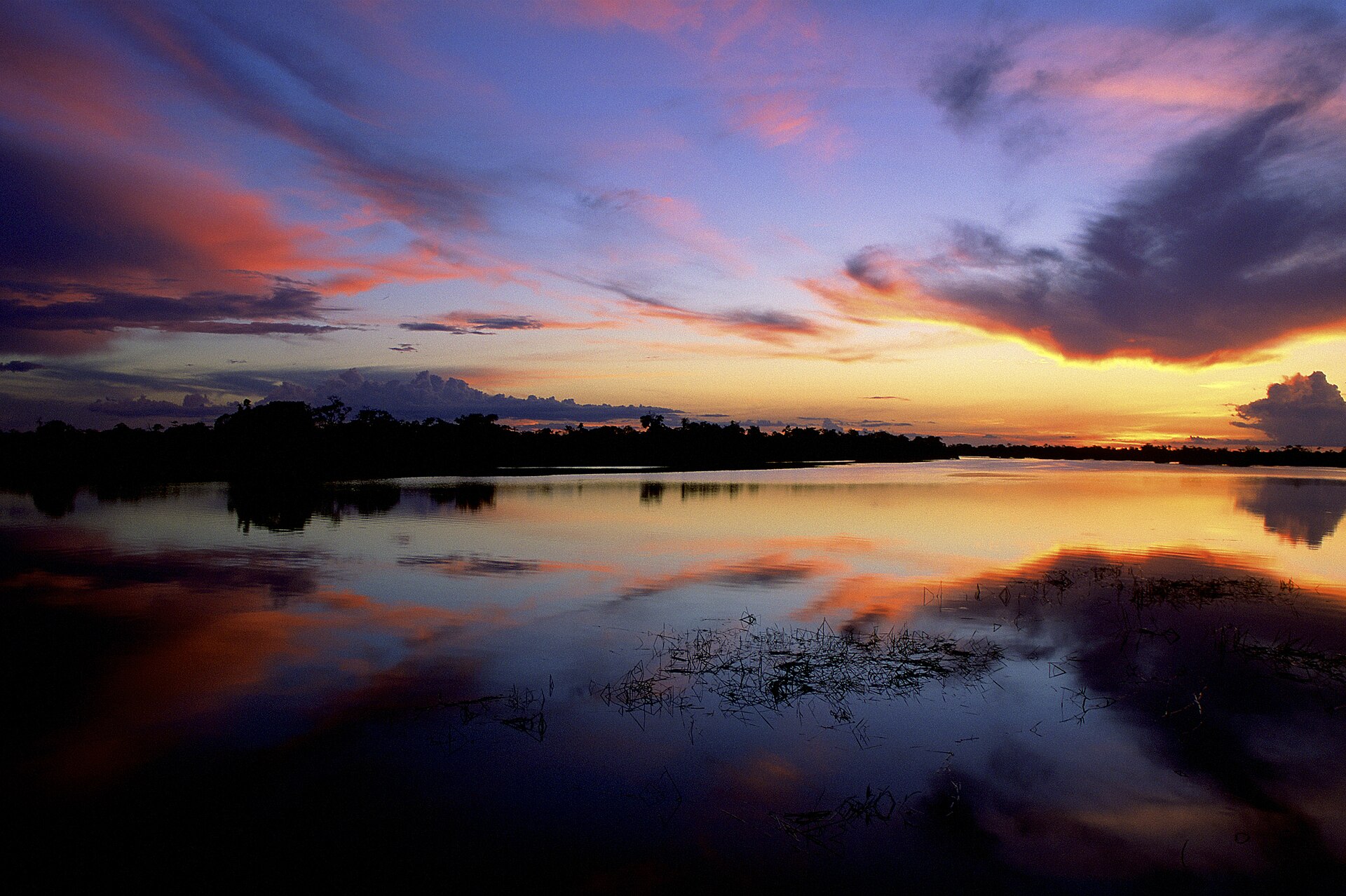
- Flooded forest (várzea and flooded edges)
In parts of Jaú, trees can sit partially submerged as tributary waters swell and recede. This creates a patchwork of land and water that changes what animals feel safe to move through and where you’ll spot them from the boat.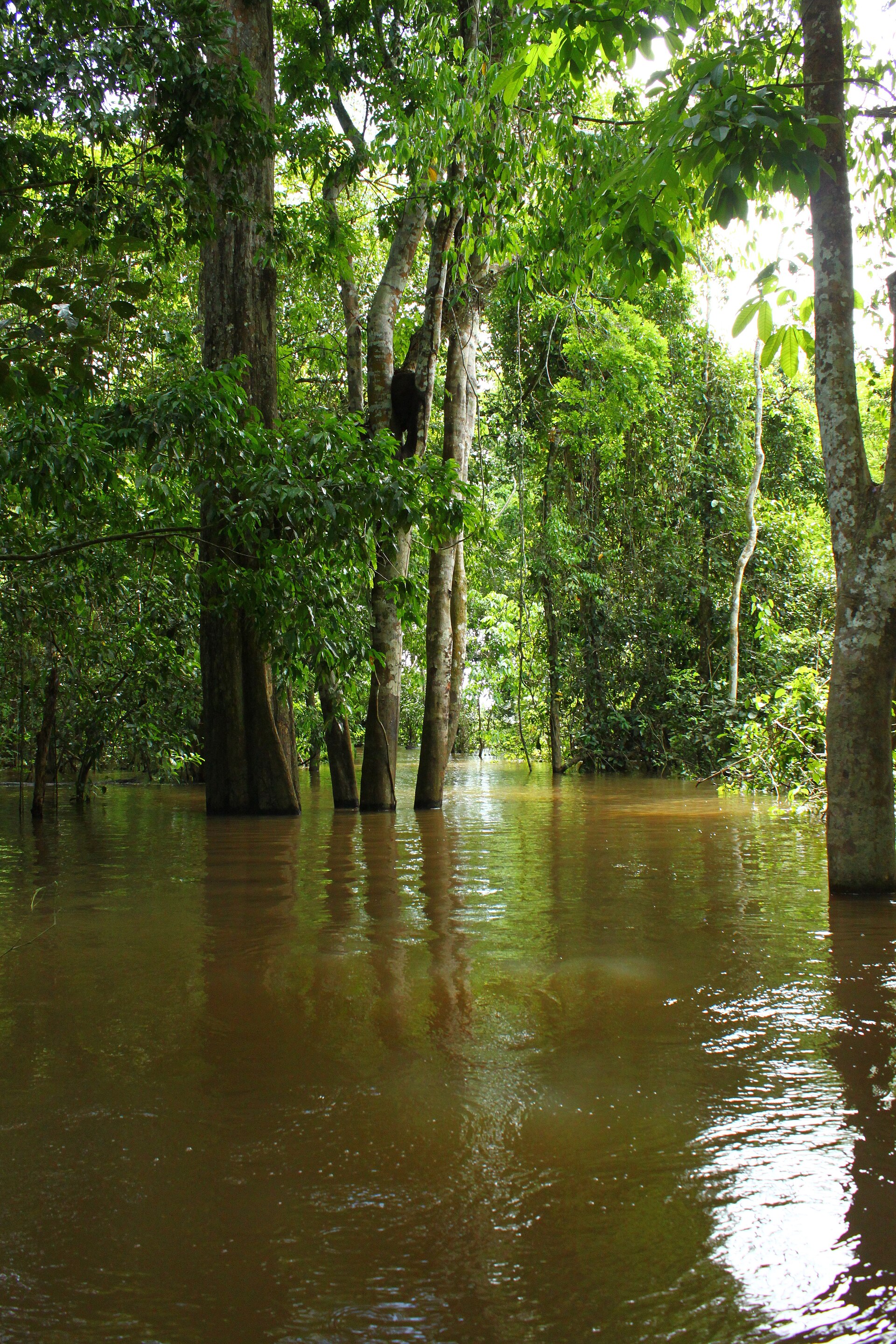
- Dawn river light
Many days feel built around sunrise: calmer water, cooler air, and the rainforest waking up. Watching the river in early light can make the forest feel closer—wood, birds, and mist sit together before the day heats up.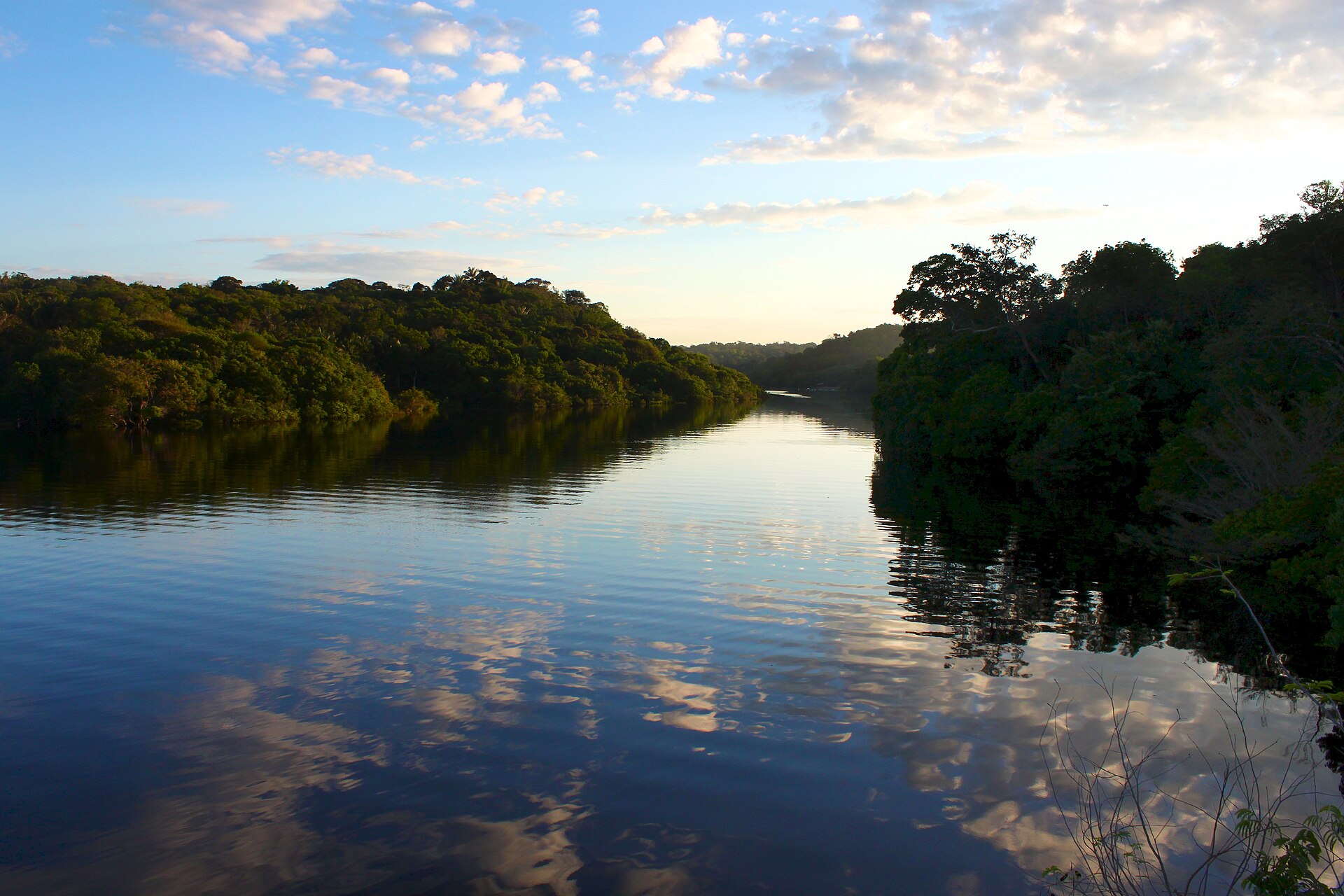
- Small-boat wildlife watching
Jaú is about moving slowly and looking carefully from a small craft. The river corridors help concentrate activity, and sightings can come as brief moments—movement at the edge, a flash of colour, then silence again.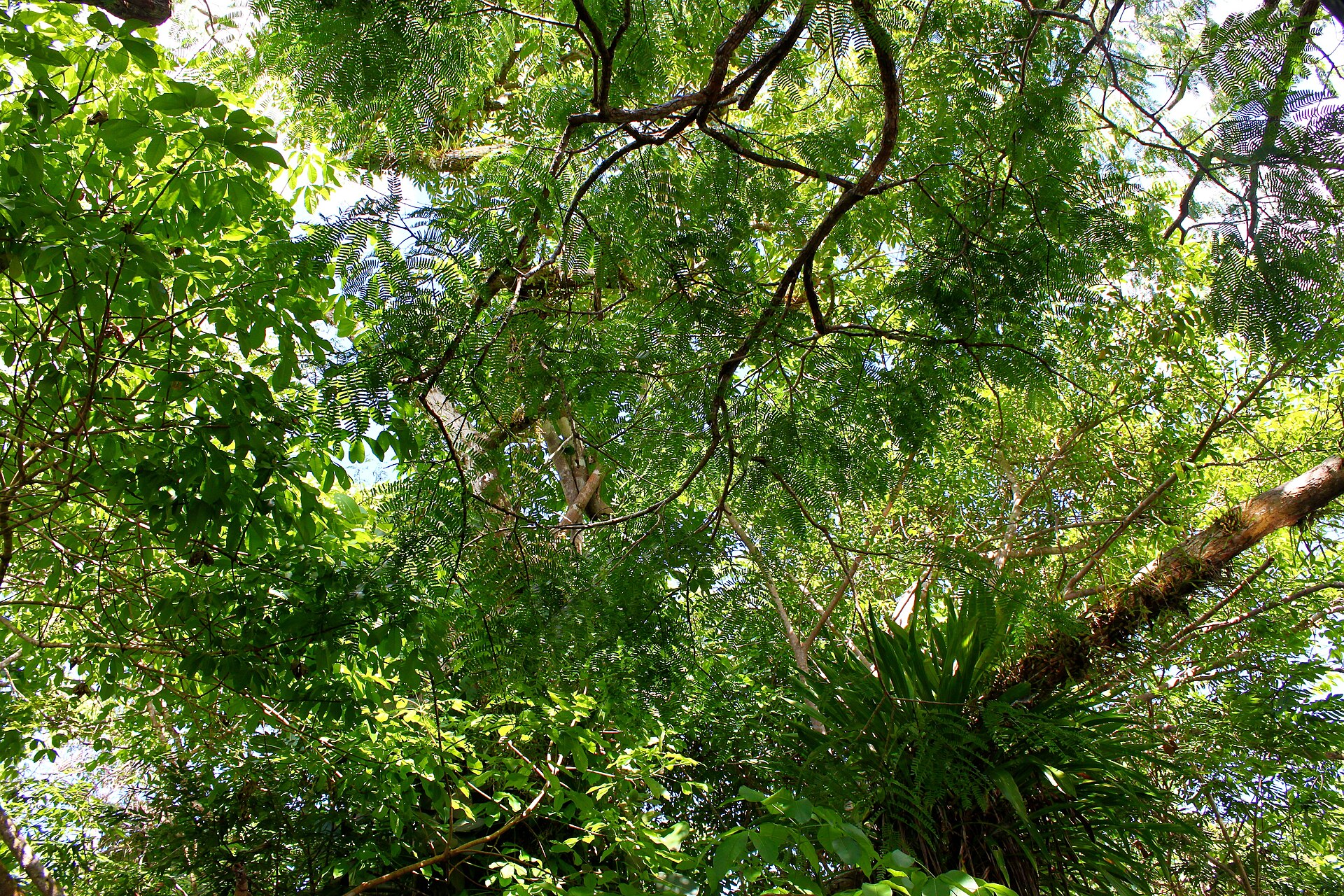
- Castanheira trees with climbing lines
Some large trees show signs of regulated tourism infrastructure, such as ropes used for climbing. It’s a reminder that even in a wilderness setting, visitor access is managed and concentrated, not spread out like a trail network.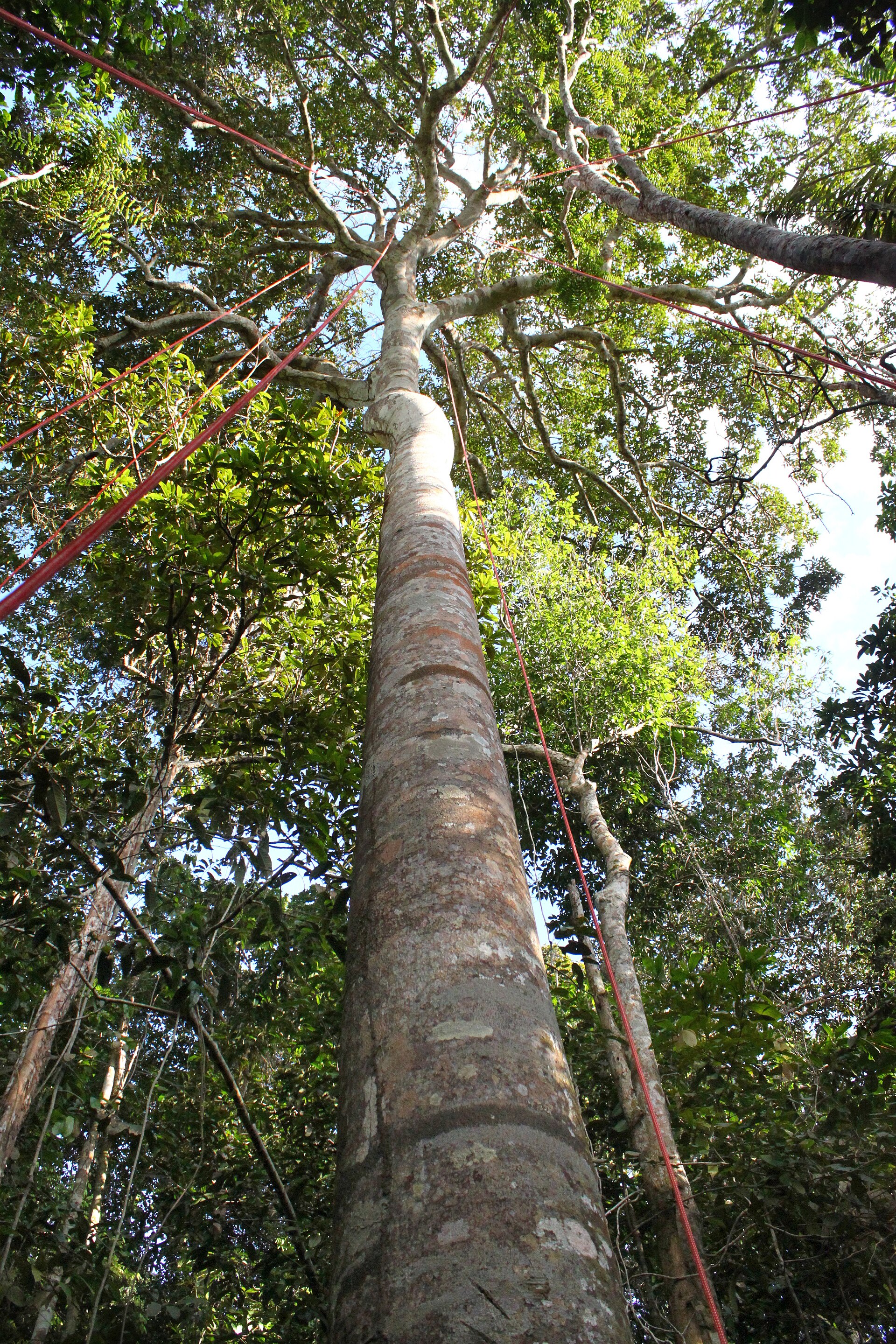
- Rio Jaú at golden hour
The river and forest keep their character even later in the day: reflected colours on the water, silhouettes of trees, and the sense of distance as the canopy closes in. It’s an easy setting to appreciate without needing a “big attraction”.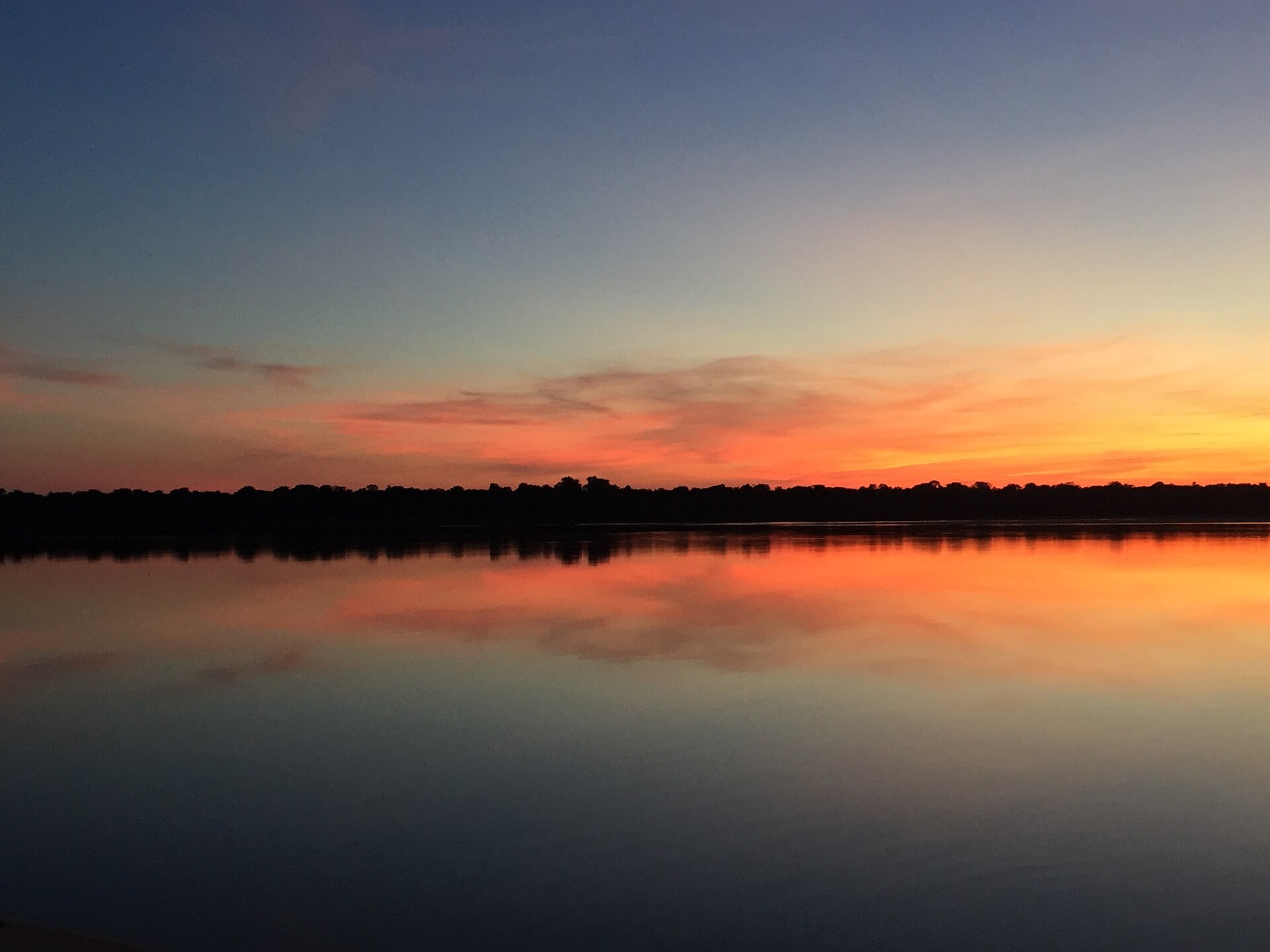
Culture
Jaú National Park sits within a conservation framework that treats wildlife protection as more than a guideline. Visitors are expected to have a permit before entering, because organised access is how the park manages impact across such a large area. Damage to flora and fauna is considered a federal crime, and authorities make regular visits aimed at stopping poaching.
That conservation culture shows up in the basics: you don’t wander off the “river plan”, you follow local instructions, and you treat animals as observers’ subjects, not something to chase. It’s also normal to rely on lodging in nearby towns like Novo Airão and Barcelos, or to stay on the boat (for example in hammocks or cabins) where that’s part of your organised route.
Because Jaú is also designed as a mega-reserve and is linked to World Heritage recognition, the emphasis tends to be on education, interaction with local communities, and sustainable tourism rather than spectacle. In practice, that means a trip can feel structured: there’s a reason schedules revolve around access points, and there’s a reason guides and operators are important.
If the rain starts, it’s not a “weather inconvenience” so much as a normal Amazon condition. Plan to stay flexible and keep your behaviour quiet and careful; the rainforest is not a backdrop—it’s the home of the species you came to see.
Visitor etiquette: keep your group together and handle nothing—don’t touch wildlife, plants, or river edges unless your guide explicitly directs it.
What to wear
In Jaú National Park (Parque Nacional do Jaú), the practical wardrobe matters more than style. The climate is tropical and persistently wet, with daily temperatures typically staying high and rain shaping most days. Traditional dress isn’t a defining part of park visits, but modesty and coverage are still important because you’ll be around guides, boats, and occasional protected-access areas.
What people actually wear now is mostly lightweight, quick-drying clothing: breathable long sleeves to reduce insects, water-resistant footwear, and a hat or cap for sun and rain. Many visitors also bring a light rain layer, because “tropical shower” can turn into steady rainfall.
For a visitor packing list: choose fast-drying trousers or shorts, moisture-wicking tops, and a waterproof jacket or poncho. Use shoes with grip for damp decks and muddy riverbanks; sandals can feel tempting but are risky on wet surfaces. Bring a dry set of socks and a small dry bag for phone and documents.
If you’re joining any activity that involves climbing or getting close to trees, prioritise secure footing and clothing that won’t snag. Keep colours relatively neutral and avoid anything too delicate—this is a place where you’re going to get wet, and you’ll want clothes that survive it.
What to eat
- Fish dishes brought from Manaus or Novo Airão — Before you enter the park: Manaus or Novo Airão
Food in and around Jaú trips often isn’t stocked on-site like a restaurant scene, so fish meals are commonly planned with supplies sourced from Manaus or Novo Airão. Expect fish to feature heavily in menus because it’s a practical staple for river routes. - River-borne cassava sides (staple foods) — Boat meal stops and lodging bases in Novo Airão
On many Amazon river itineraries, starchy sides made from cassava are a common way to round out fish-heavy meals. These are usually basic, filling accompaniments suitable for days on boats when you need steady energy. - Local fruit and juice — Local eateries and markets around Novo Airão
Tropical fruit is a reliable way to get something fresh that also helps with hydration and energy between river activities. In practice it’s often offered as sliced fruit or as juice alongside main meals. - Rice and beans with Amazon-style seasonings — Simple restaurants and communal meals in nearby towns
Rice and beans-style plates are common across Brazil and show up well on travel menus because they store well for multi-day trips. Look for hearty combinations served with fish, vegetables, or simple sauces.
Plan it
Best time. June to September for relatively drier conditions; December to April is typically rainier, so plan for wetter travel days and persistent humidity.
How long. 3–4
Getting there. Reach Manaus first (by air), then follow the regional route into the park area; many visitors use Novo Airão as a starting point, with flyer boats travelling from Novo Airão in about 3 hours to the park area.
Budget. mid
Tips
- Build your trip around river travel timing rather than expecting lots of on-land options
- Aim for early starts when possible—light and wildlife activity often feel better in the morning
- Plan for rain in the rainiest months and keep a dry bag for essentials
- Don’t enter without a permit; organise access through approved channels
- Arrange food logistics in advance since food is typically brought from Manaus or Novo Airão
Etiquette
- Keep to the permit and operator rules, especially when it comes to protected-area access
- In Manaus, skip tours offered by touts at the airport or on the street—use reputable arrangements
- Treat wildlife and vegetation as protected: no touching, chasing, or damaging habitats
Nearby
Sources
- Wikidata Q332381 (CC0)
- Wikipedia (rev 1365736290) (CC BY-SA 4.0)
- Wikivoyage (rev 5212575) (CC BY-SA 4.0)
- Photo photos/01-jau-national-park.jpg (CC BY-SA 4.0)
- Photo photos/02-floresta-alagada-parque-nacional-do-ja.jpg (CC BY 3.0)
- Photo photos/03-amanhecer-no-amazonas.jpg (CC BY 3.0)
- Photo photos/04-diversidade-amaz-nica.jpg (CC BY 3.0)
- Photo photos/05-castanheira-amaz-nia.jpg (CC BY 3.0)
- Photo photos/06-alvorada-no-ja.jpg (CC BY-SA 4.0)
- Photo photos/07-amanhecer-no-amazonas-ii.jpg (CC BY 3.0)
- Photo photos/08-amazonas-rio-jau-2017-30.jpg (CC BY-SA 4.0)


