Jasna Góra
Jasna Góra, Poland
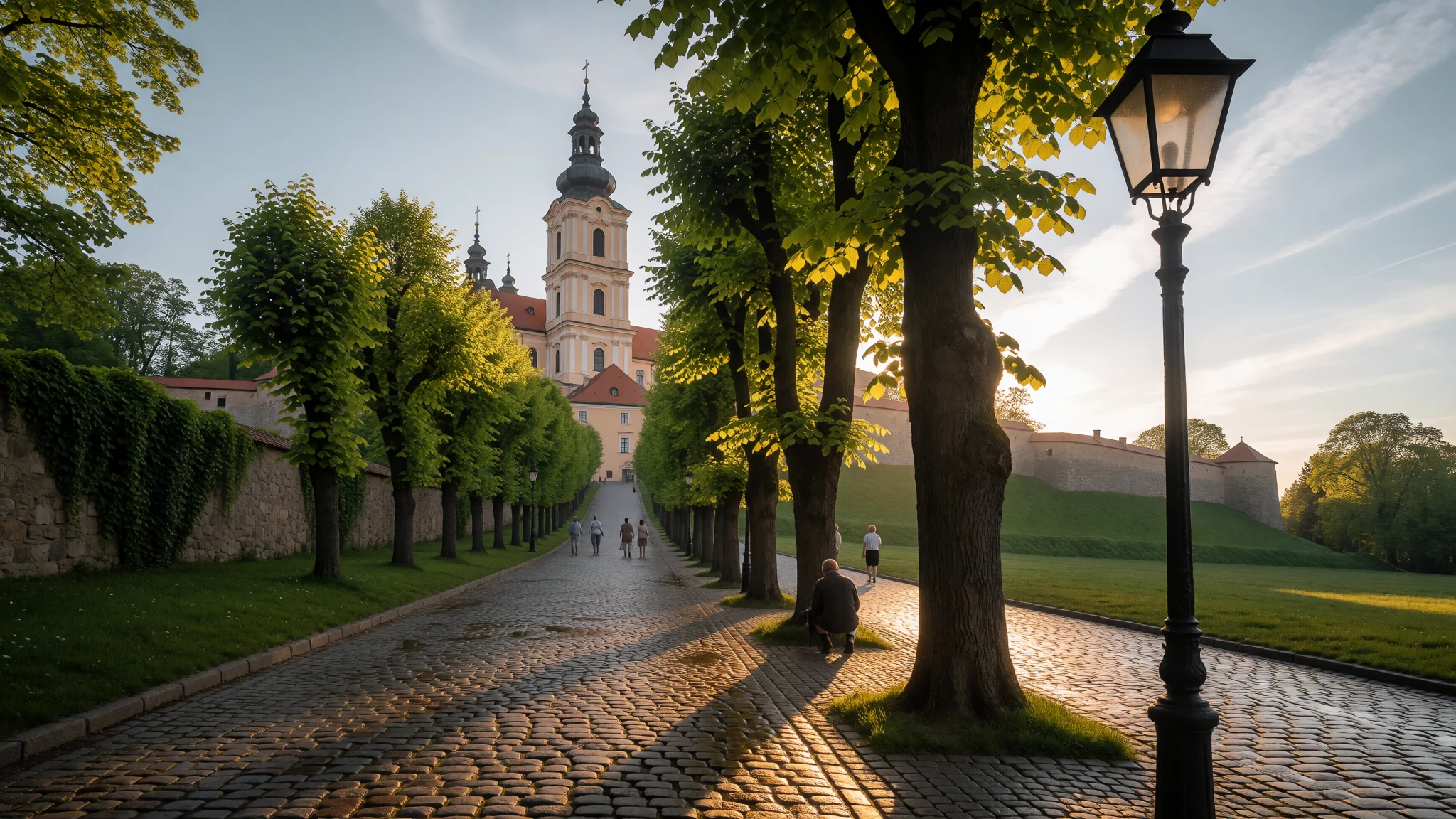
Jasna Góra is a working monastery and Poland's great pilgrimage shrine, where a dark, scarred icon of the Virgin draws crowds all year.
The place
Jasna Góra sits on a low hill in the city of Częstochowa, southern Poland, and its name means Luminous Mountain (Latin: Clarus Mons). It is a monastery of the Pauline order and, for many Poles, the country's central place of pilgrimage. The site is listed as a national Historic Monument and is tracked by the National Heritage Board of Poland.
The reason for the crowds is a single painting, the Black Madonna of Częstochowa, also called Our Lady of Częstochowa. The Virgin is shown in the Hodegetria pose, pointing towards the child on her arm, who raises a hand in blessing. A gilded cover hides almost the whole panel, leaving only the two faces and hands visible. Believers attribute miraculous powers to the image, and it is regarded as the monastery's greatest treasure.
Where the icon came from is not settled. One view places its making in Byzantium or Constantinople, somewhere between the sixth and ninth centuries; it then reached Poland either with the Hungarian monks or as a gift from a local duke. Its darkened faces carry slash marks from a robbery, which restorers deliberately left visible.
The complex is a cluster of church, chapel, museum rooms and pilgrim lodgings rather than a single building. Pilgrims approach the complex along the main avenue from the city centre. Mass days and Marian festivals bring dense crowds, while ordinary weekdays are noticeably calmer. Founded in 1382, the monastery still runs on the rhythm of prayer, and visitors move through it alongside people who have walked for days to arrive.
Its story
Jasna Góra was founded in 1382 by Pauline monks who travelled from Hungary at the invitation of Duke Vladislaus II of Opole. The community was given the icon of the Virgin and Child, and the shrine grew around it.
The first great blow came when Hussite raiders sacked the monastery and damaged the painting. A clumsy repair failed, so the panel was cleaned back and repainted, but the robbers' sword cuts were kept as part of the image. The church itself began as a single-nave building and was later widened into a three-nave Gothic hall. A Baroque rebuilding at the end of the seventeenth century raised the walls and turned the hall into a basilica, which is the look it largely keeps today.
The event that fixed Jasna Góra in national memory was a winter siege by the Swedish army, during the war Poles call the Deluge. The monastery held out. The failure of the siege lifted Polish morale, and soon afterwards King Jan Kazimierz stood in the cathedral of Lwów (now Lviv) and vowed to place the whole kingdom under the Virgin's protection, naming her its Queen and Patron. Later, he came to Jasna Góra to pray in person.
The Swedes came back several more times in the following decades and failed each time. In the early eighteenth century the icon was crowned by decision of Pope Clement XI, a ceremony that sealed its role as the spiritual heart of Polish Catholicism.
What to see
- The Black Madonna chapel — Jasna Góra monastery, south entrance side
The icon has its own chapel inside the monastery, and this is the reason most people come. Queues move slowly and quietly, with many pilgrims kneeling or praying as they pass. Expect to shuffle rather than linger. Mass times and festivals bring the heaviest crowds, so weekday mornings suit a calmer look.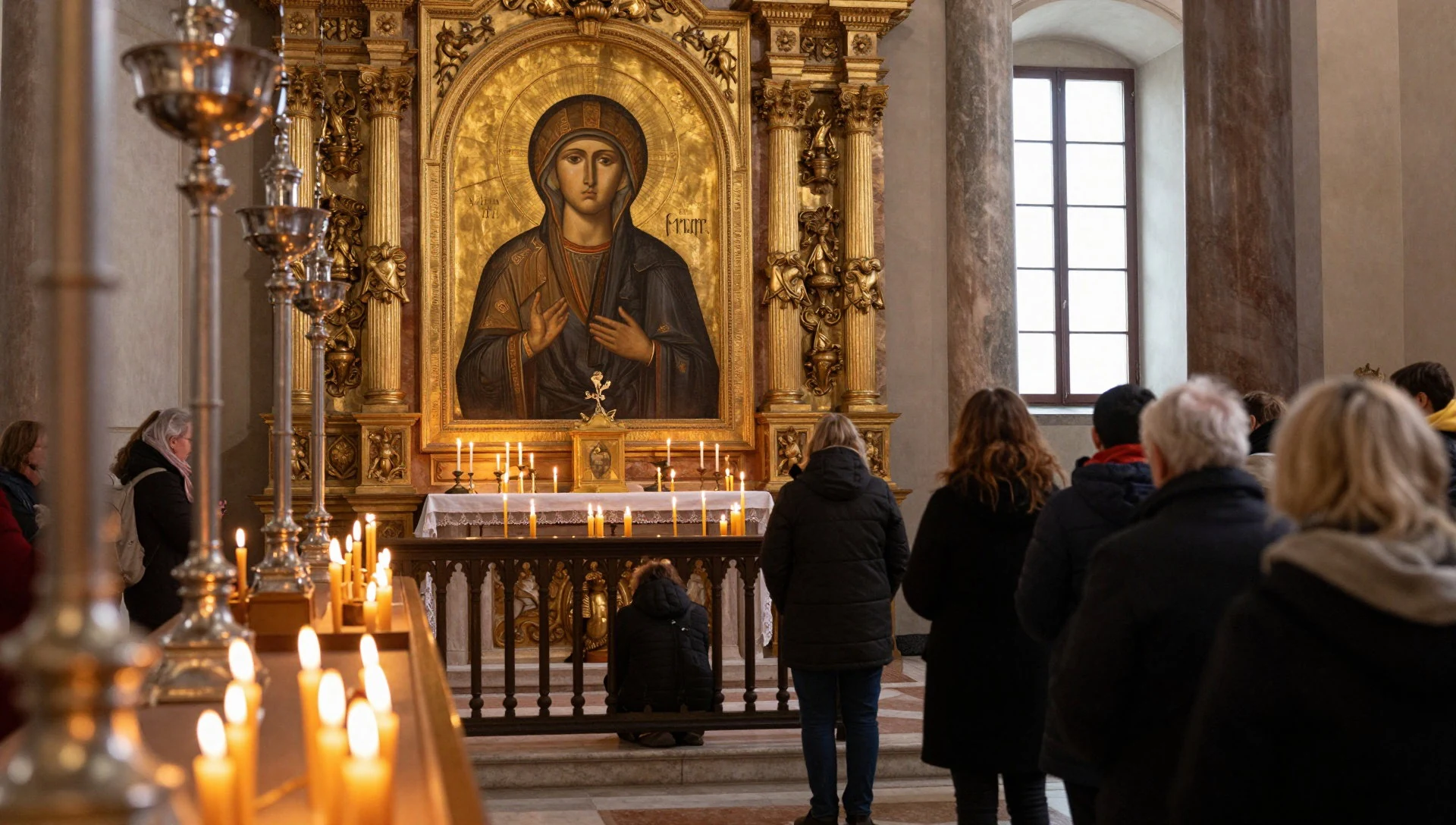
- The basilica — Jasna Góra monastery
The main church is a Baroque basilica, rebuilt from its older Gothic hall, with a tall tower that dominates the skyline of Częstochowa. Inside, the decoration is rich and dark gilt. It is an active place of worship, so sightseeing is secondary to services and quiet prayer.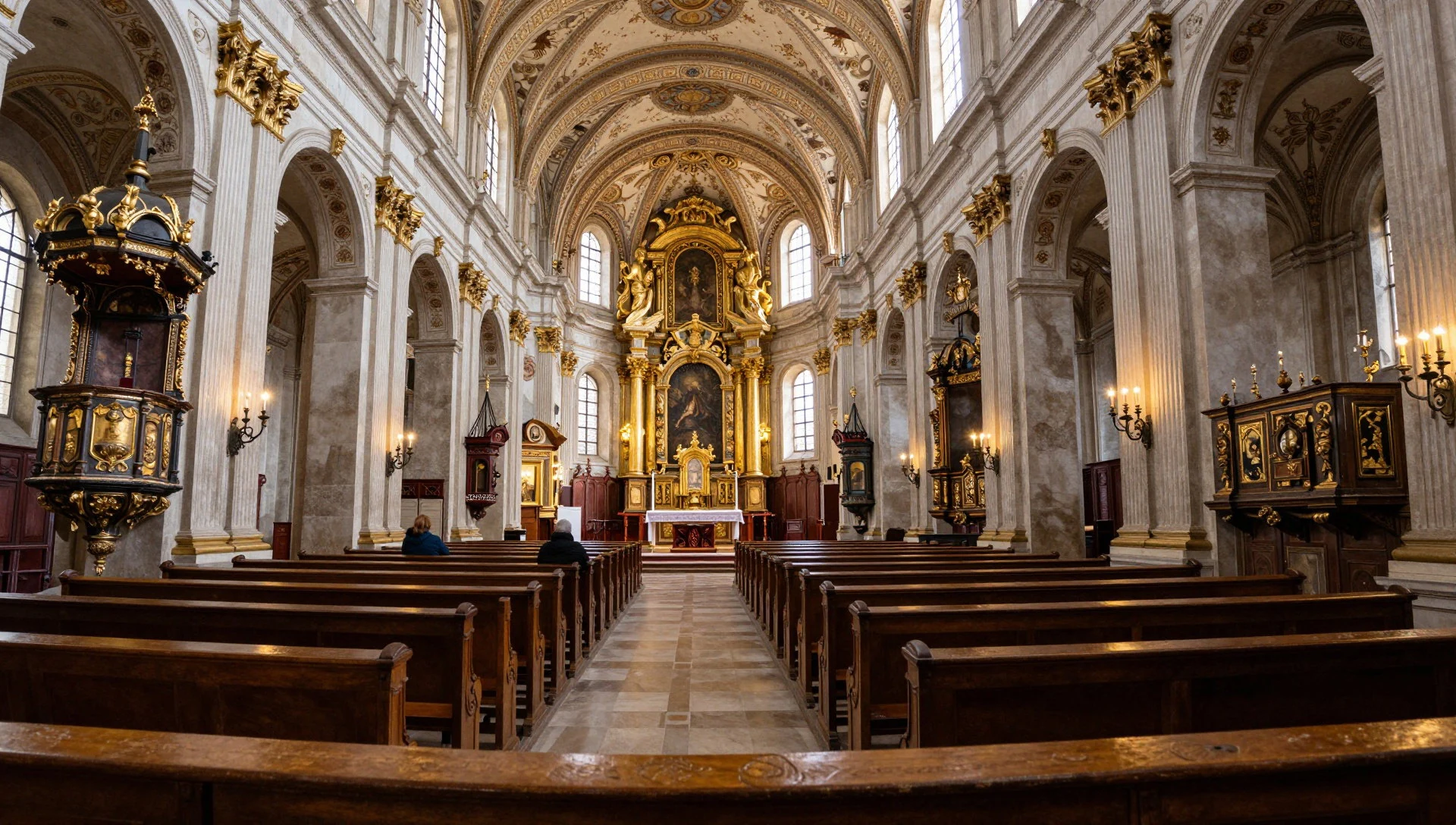
- Cathedral Basilica of the Holy Family — City centre, Częstochowa
A sturdy neo-Gothic redbrick church built in the early twentieth century, with its towers added much later. Inside it is cavernous and surprisingly empty compared with the shrine. It is a good counterweight to Jasna Góra, showing everyday parish life in the city rather than pilgrimage.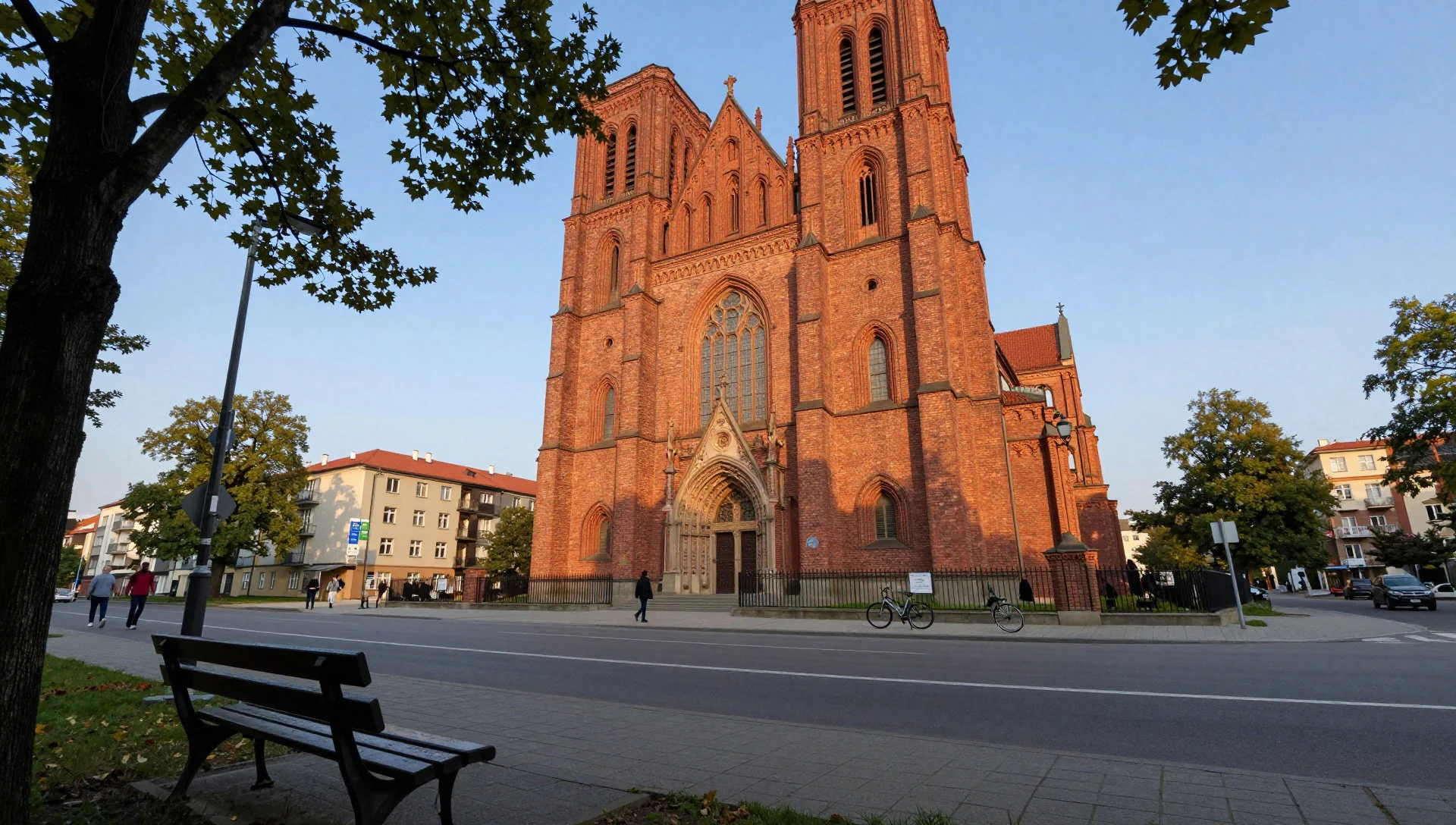
- City Hall museum and clock tower — Old centre, Częstochowa
The city's main museum sits in the old City Hall and tells the story of Częstochowa and its people. A viewing gallery at the top of the clock tower gives a useful sense of how the town spreads out below the monastery hill. Check opening arrangements locally before going.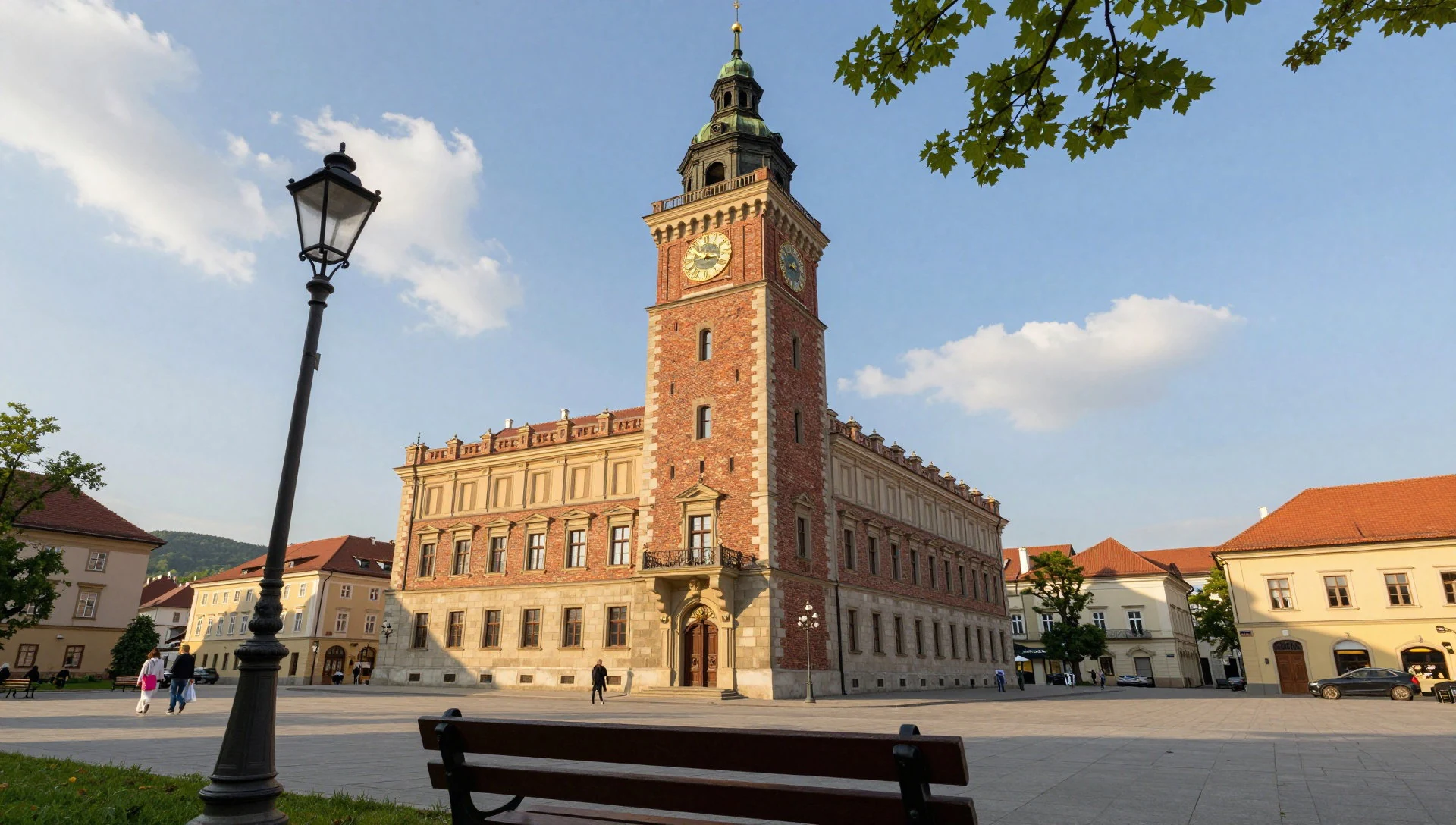
- Jewish Museum — Central Częstochowa
Częstochowa had a large Jewish community in the Middle Ages and later. The museum is a reminder that the city's history extends well beyond the shrine, including a period when it was a centre of the radical Frankist movement. It suits visitors who want the town's wider story.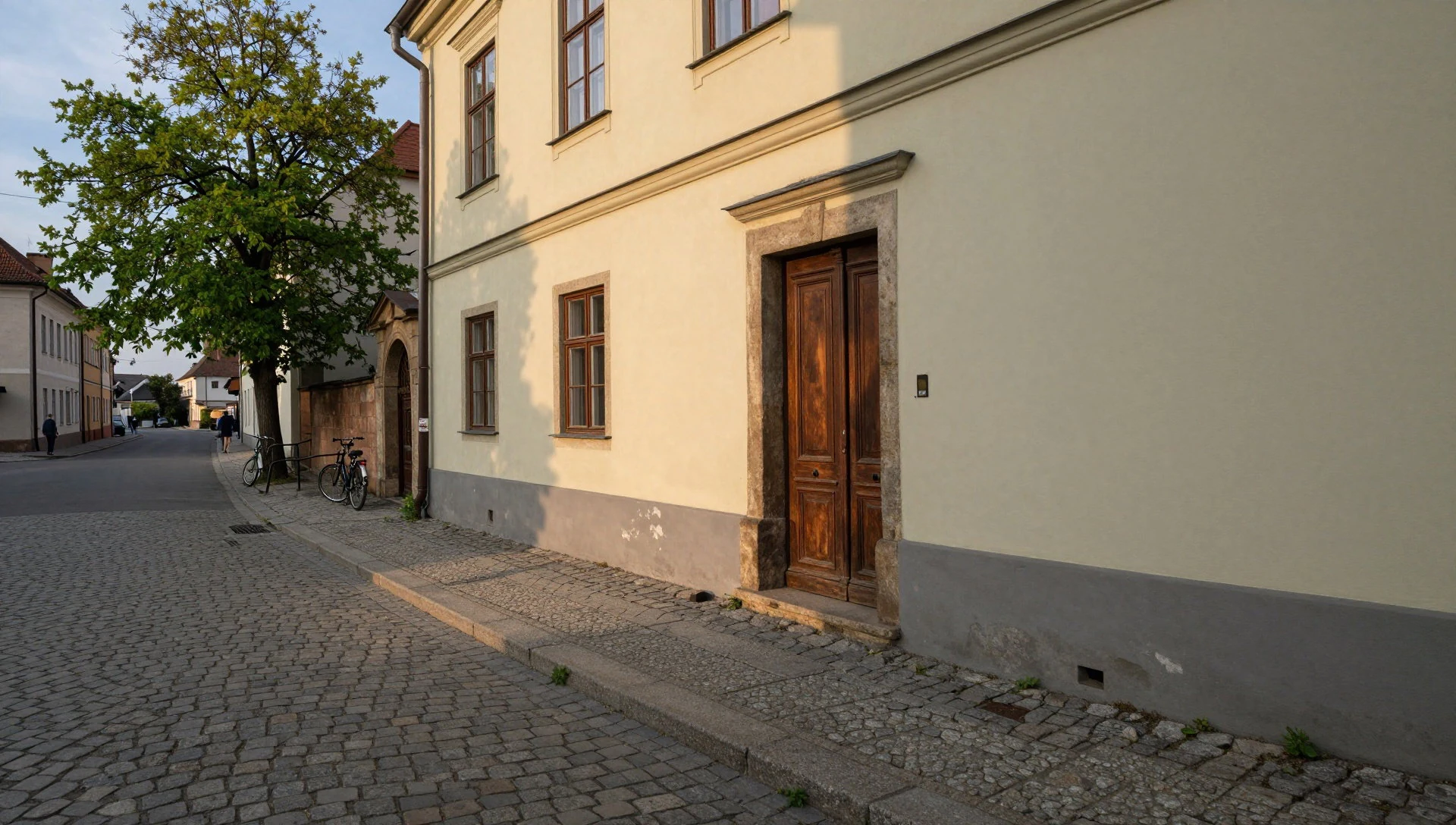
- Museum of Iron Ore Mining — Częstochowa
Iron ore was mined around Częstochowa from medieval times, later than in other parts of Poland because the deposits lie deep underground. This small museum explains the industry behind the town beyond its religious fame, and works well as a rainy-day stop away from the pilgrim crowds.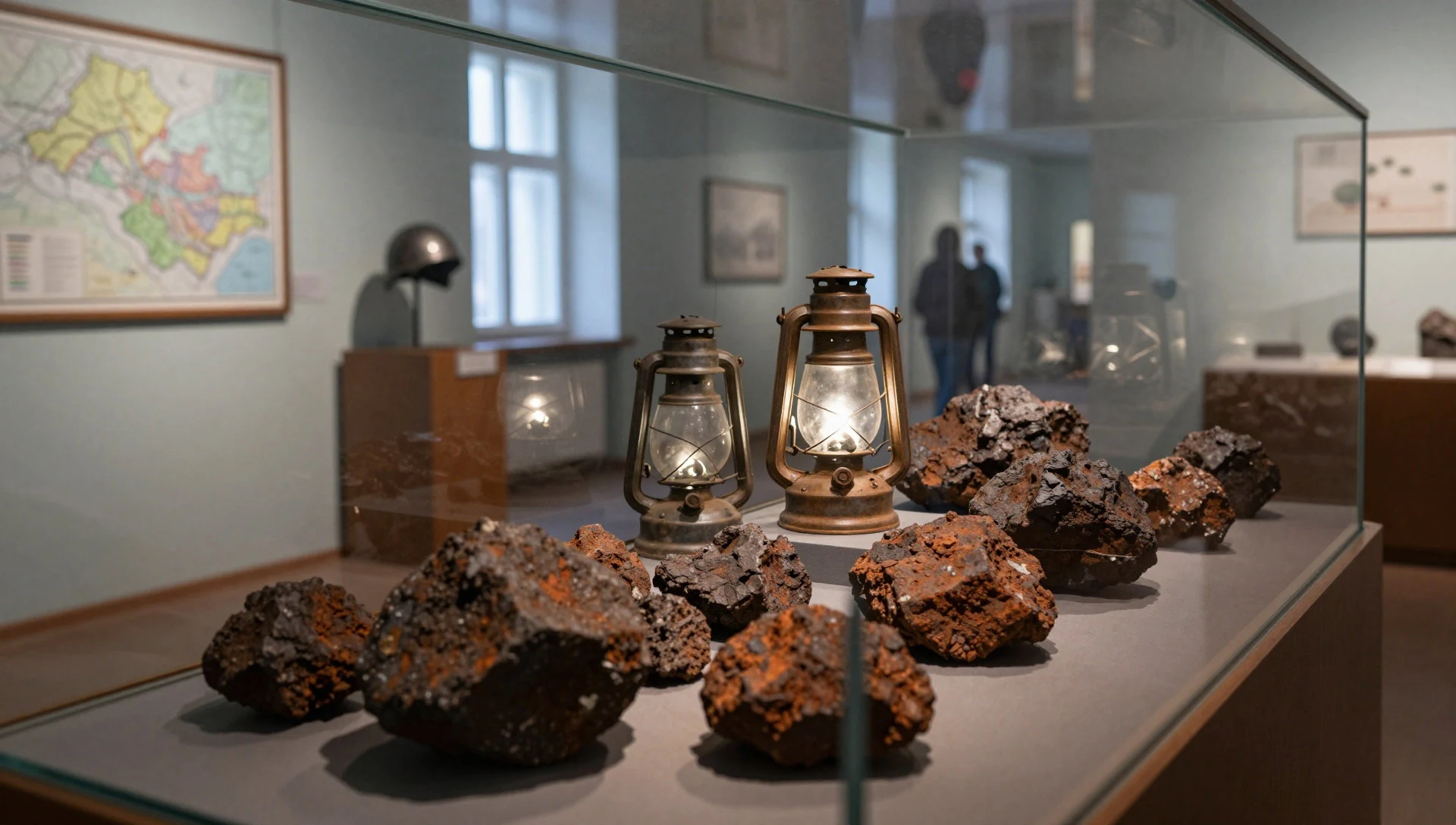
Culture
Jasna Góra is first of all a place of devotion, and Polish Catholic practice shapes everything about the visit. Pilgrims arrive on foot in organised groups, often carrying banners from their parishes, and many make the final approach kneeling. Services run through the day in the basilica and the Black Madonna chapel, and the atmosphere is serious rather than touristic, even when crowds are large.
The annual calendar matters. Marian festivals, especially the August feast of the Assumption, bring huge numbers from across Poland and abroad. The shrine also holds a place in Polish national identity because of the failed Swedish siege and the king's vow of protection, so for many visitors the monastery is as much about the country as about religion.
Pilgrim culture here is also practical and communal. Food stalls, souvenir shops selling rosaries and devotional images, and lodgings such as the Pilgrim House facing the shrine all serve people who have come for days at a time. Non-Catholic and non-religious visitors are welcome to look around, and most staff and worshippers are used to curious outsiders, provided they follow the tone of the place.
While the Black Madonna chapel is in use, keep your voice low, do not step in front of people praying, and follow the signs about photography rather than assuming pictures are allowed.
What to wear
In Częstochowa, traditional dress is a matter of regional Polish folk costume rather than a single local garment. Historically such outfits were made from linen and wool, with embroidered bodices, layered skirts and bright ribbon trim for women, and waistcoats and felted or woollen trousers for men. They are now mostly seen at festivals, parish celebrations and folk performances, and sometimes among pilgrim groups who carry banners and wear sashes or badges.
Everyday dress at Jasna Góra is simple and practical. Pilgrims wear walking shoes, rain jackets and rucksacks, since many have travelled long distances on foot. On Sundays and feast days, local families dress more formally for Mass, with neat shirts, dresses and jackets. Younger residents wear what they would in any Polish city: jeans, trainers and casual layers.
Visitors should dress for a church as well as for the weather. Cover shoulders and knees in the monastery buildings, and carry a scarf or light shirt to put on if needed. Avoid beachwear and slogan T-shirts. Comfortable, closed shoes are wise because the grounds involve walking on stone paving and long queues. Summer can be warm, so take light fabrics and water, while winter is cold and damp enough to need a proper coat, hat and gloves, especially when waiting outdoors for services.
What to eat
- Pierogi — Polish restaurants along Aleja Najświętszej Maryi Panny
Dumplings filled with cheese and potato, cabbage and mushroom or meat, boiled and often finished in butter. They are a dependable choice for vegetarians. Look for them in the traditional Polish eateries along the avenue leading towards the monastery.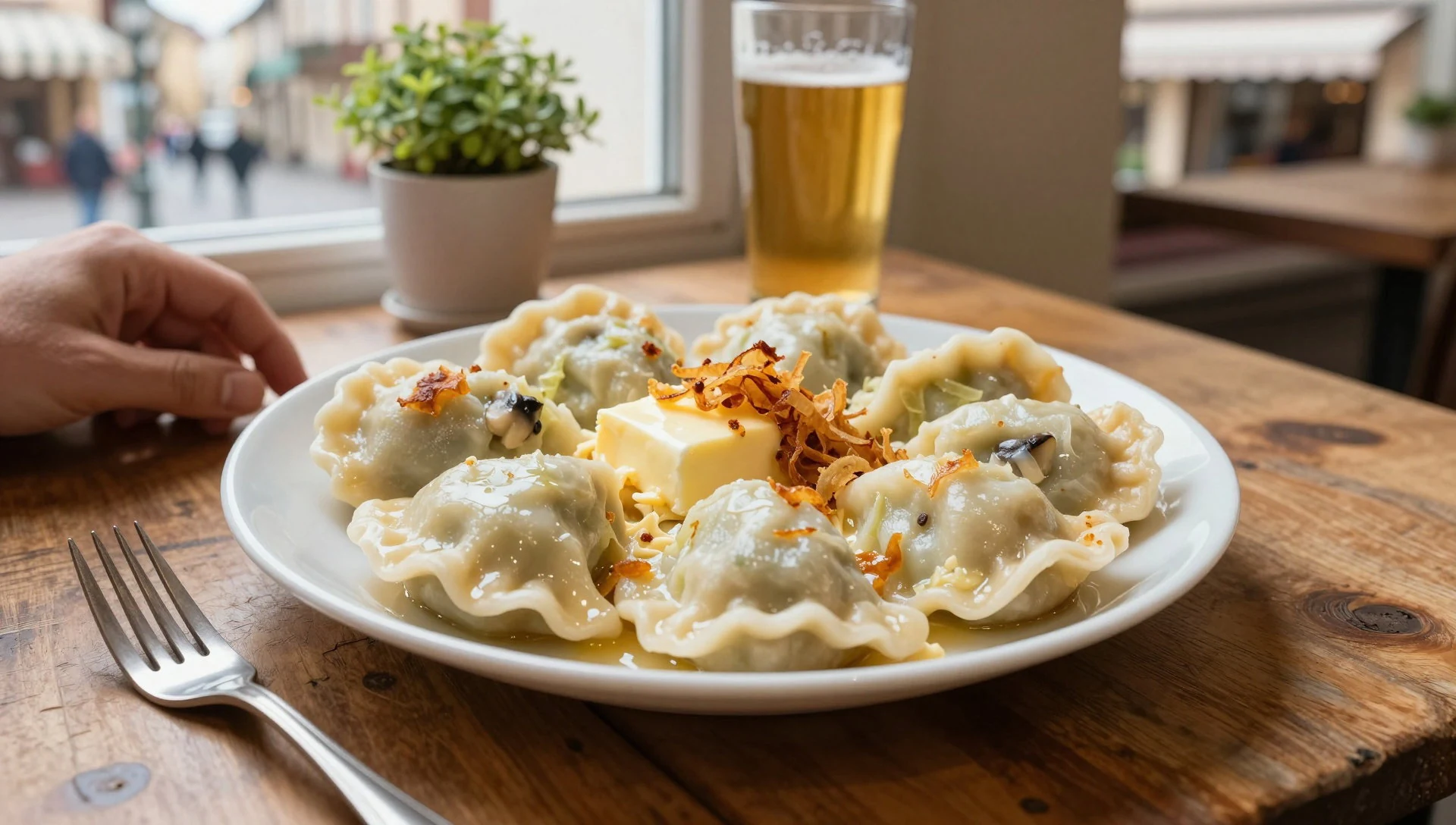
- Żurek — Restaurants near the monastery and the strip along Wieluńska
A sour rye soup, usually served with sausage and egg, sometimes in a bread bowl. It is tangy, filling and well suited to a cold day after hours outdoors with pilgrim crowds. Ask for it in any ordinary Polish restaurant near the shrine.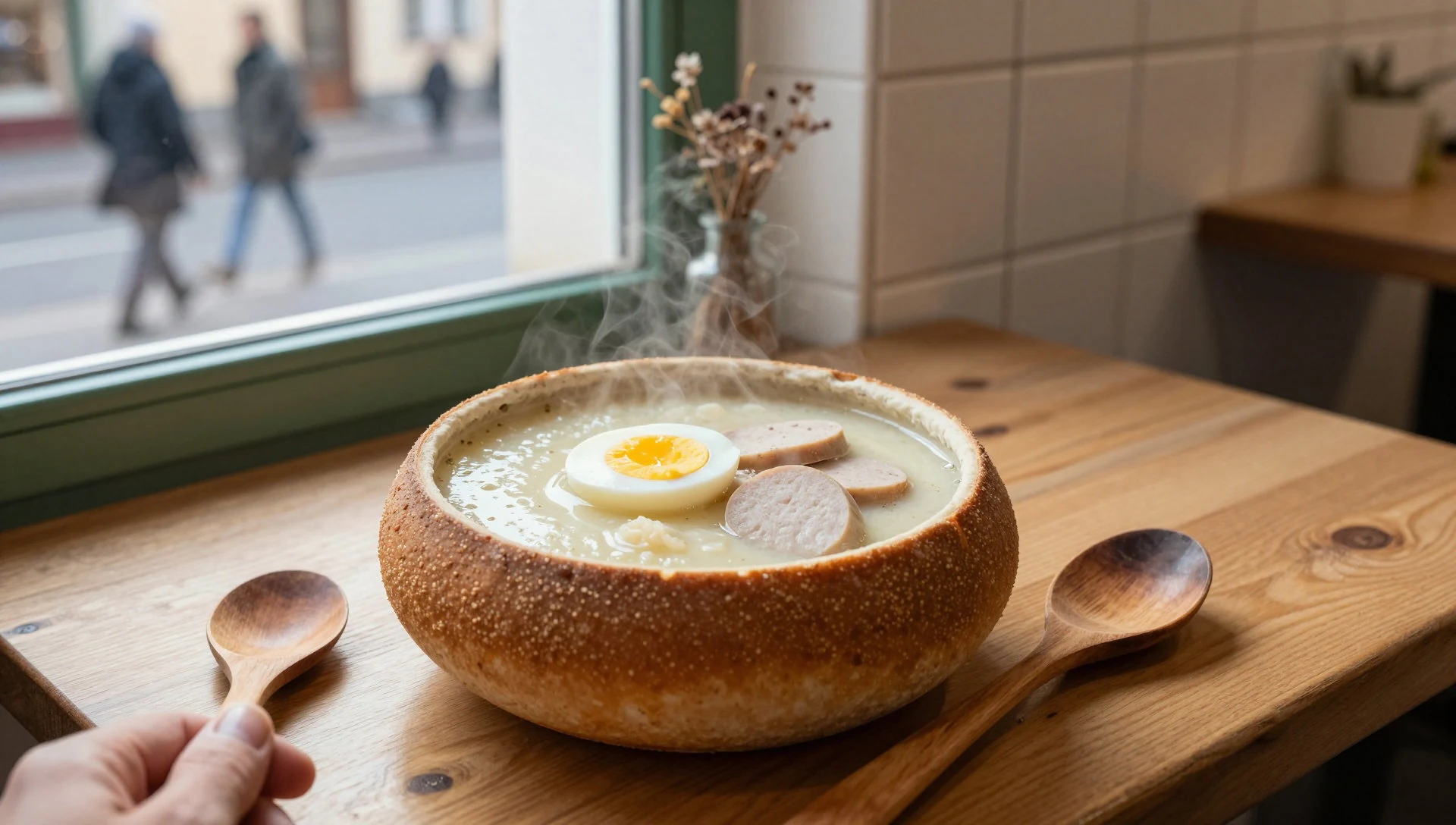
- Kwaśnica — Traditional eateries near the pilgrim district
A sour cabbage soup, often cooked with pork, with a sharp, hearty flavour. It is a traditional comfort dish and a good test of regional cooking. Several traditional-style eateries in the pilgrim district serve it, usually with bread. - Kotlet schabowy — Everyday restaurants in the centre
A breaded pork cutlet served with potatoes and a cabbage or beetroot salad. It is a standard Polish main course and appears on almost every menu. Order it in a simple restaurant rather than a tourist-oriented one for better value. - Polish craft beer — Pubs and microbreweries on the avenue towards Jasna Góra
Częstochowa has pubs and small breweries pouring regional ales, often with unusual flavours. After a day of queuing and walking, they are a relaxed way to end the evening. The pub strip along the main avenue towards Jasna Góra has the widest selection.
Plan it
Best time. April and October are the most comfortable months, with highs of about 25 to 28 C, while July and August are the hottest and July is the wettest. August is busy because of the Assumption festival and the pilgrim season. Winters are cold and damp, with January lows near -30 C.
How long. 1–2
Getting there. Fly to Katowice Airport, the closest with flights from across Europe, then take a Flixbus or shuttle to Częstochowa. Trains reach Częstochowa Osobowa from Katowice, Warsaw and Łódź, while trains from Kraków arrive at Częstochowa Stradom. The monastery is a short walk or local ride from the centre, and is signposted along the main avenue.
Budget. low
Tips
- Visit on a weekday morning to avoid the heaviest crowds, and expect much larger numbers on Marian festivals
- Check the official site, http://www.jasnagora.pl/, for service times, museum hours and any entry arrangements before travelling
- Book lodgings early if arriving near a major feast day, as pilgrim groups fill many rooms
- Wear comfortable shoes and carry water, since queues and walking are mostly outdoors
- Carry some cash and a card for small shops, snacks and local transport
Etiquette
- Dress modestly and cover shoulders and knees in the monastery buildings
- Keep quiet in the Black Madonna chapel and follow signs on photography
- Do not walk in front of people who are praying or kneeling
Nearby
Sources
- Wikidata Q573920 (CC0)
- Wikipedia: Jasna Góra Monastery (rev 1383610392) (CC BY-SA 4.0)
- Wikivoyage: Częstochowa (rev 5400721) (CC BY-SA 4.0)
- Photo: Częstochowa, zespół klasztorny oo. Paulinów na Jasnej Górze — Ebielmaj (CC BY-SA 3.0 pl)
- Photo: Częstochowa, zespół klasztorny paulinów na Jasnej Górze — Jerzy Szota (CC BY-SA 3.0 pl)
- Photo: Jasna Góra 1655 — January Suchodolski (Public domain)
- Photo: Głębocki-JasnaGora — Adrian Głębocki (Public domain)
- Photo: Zespół klasztorny oo. Paulinów — Rafał Peplinski (CC BY-SA 3.0 pl)
- Photo: Jasna Góra Basilica — Skarabeusz (CC BY-SA 1.0)
- Photo: Assumption festival at Jasna Góra — Reytan (Public domain)
- Photo: B16 Jasna Góra 2006 — Unknown author (CC BY 3.0)


