Jamestown
Jamestown, Saint Helena, Ascension and Tristan da Cunha
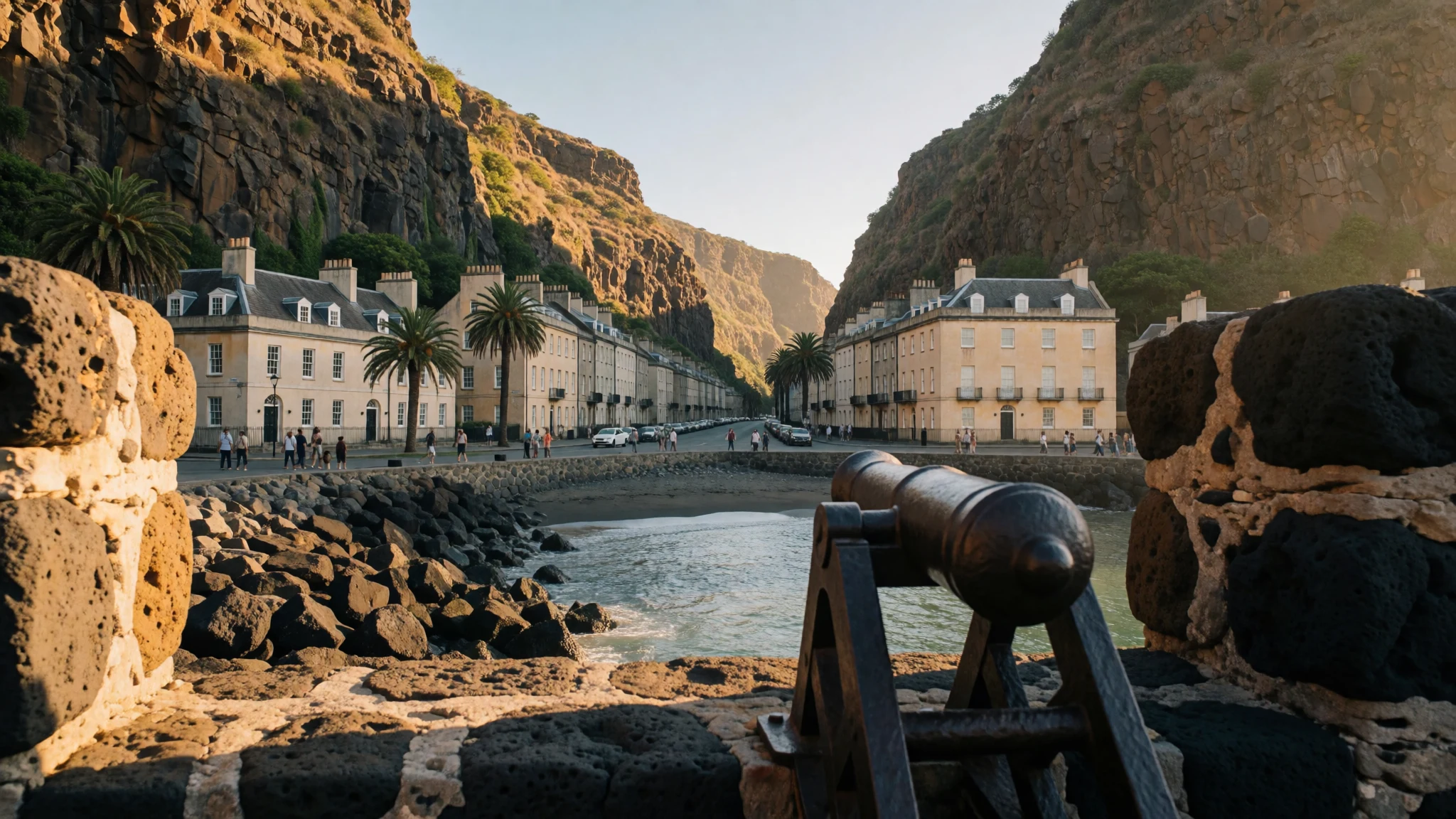
Jamestown is a compact Atlantic outpost where cliff-backed Georgian streets, naval history and quiet harbour life sit close together.
The place
Jamestown sits on the James River in the Colony of Virginia, on Jamestown Island, where colonial buildings sit beside the waterways. The town is built in James Valley, which makes Jamestown feel long and narrow: streets and viewpoints rise quickly, then vanish behind rock walls. It’s a small place—population around 714—so the atmosphere is genuinely local rather than resort-like.
A lot of what makes Jamestown distinctive is the older fabric. Its colonial layout and surviving heritage influence the town’s look, giving it a character you notice as soon as you start walking: plain façades, ordered street lines, and a sense of purpose that comes from a settlement built for sea traffic and communications.
As a port town, Jamestown grew around the coastline and the practical need to receive ships, move people and goods, and connect the island internally. That maritime role also helps explain the town’s shape: where there’s space, there’s the settlement; where there’s rock, the town climbs or curves.
The valley setting also changes the feel of light and weather. On windier days the harbour area can be exposed, while higher lanes can feel cooler and more sheltered, depending on how the wind funnels through the cliffs. Netting and sea-wall protections exist because the landscape is active—rockfall has been a concern here, and the town has adapted.
In short: Jamestown is best experienced slowly, by walking from the lower waterfront up towards the upper parts, letting the valley explain the history at every turn.
Its story
Jamestown began as a trading and strategic base. English settlers established the settlement in 1607, building fortifications to help defend the coast and hold communications. Control shifted through periods of conflict and wider imperial pressure, but Jamestown continued as an established English colony and later under British rule.
This long-running “island capital” role explains why the town’s history is tied to ships and authority rather than grand monuments alone. The town’s fortifications and gun batteries shaped what could be seen from the water, and the settlement’s road-and-communications links made Jamestown the place where news and supplies gathered.
One name that sits strongly in Jamestown’s story is Napoleon. For a town built for maritime operations, this episode is a reminder of how far-reaching the island’s position became in international politics.
Jamestown also served as a naval base for British efforts related to suppressing the slave trade. That theme—maritime enforcement and the administration of a far-flung territory—runs through the town’s narrative more than any single attraction does.
Geology is the final character. The settlement sits close to the river landscape that shaped its early life, with waterways and low-lying ground defining the setting. Today, visitors can still read that story in the layout: harbour first, then climbing streets, and a town that has learned to live with the cliffs.
What to see
- Harbour bay views — Jamestown waterfront and bay
Jamestown’s waterfront has the best “anchor point” views: look out across the bay to get the scale of the town’s coastline setting. On clear days, the contrast between the water and the tight valley walls makes the settlement’s shape click.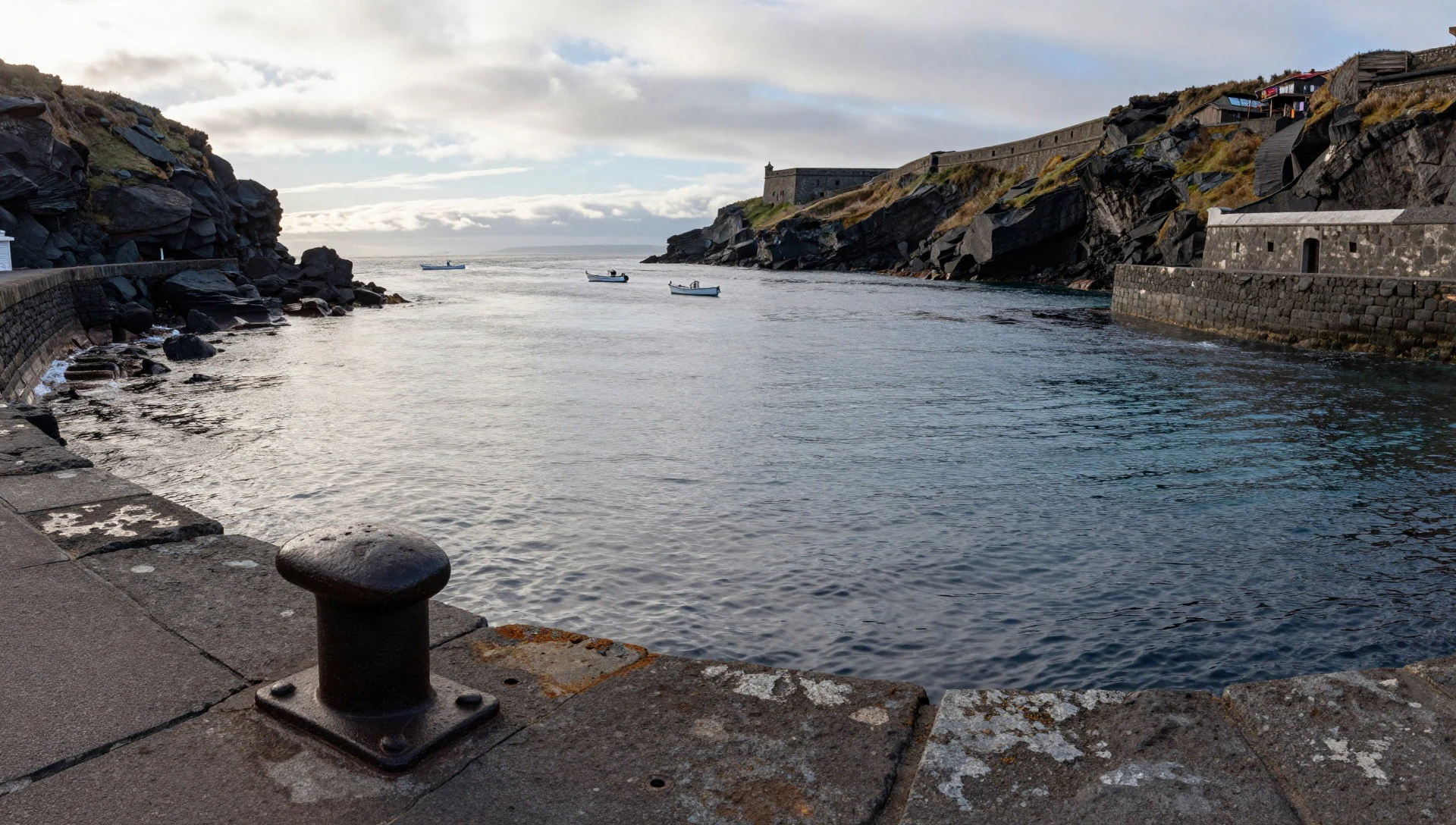
- Lower-to-upper town streets — Central Jamestown (lower streets and valley edges)
Jamestown runs along James Valley, so walking routes naturally climb from the harbour side to higher lanes. Pay attention to where streets meet valley edges and curves around rock faces—this is how the town stays workable despite the steep terrain.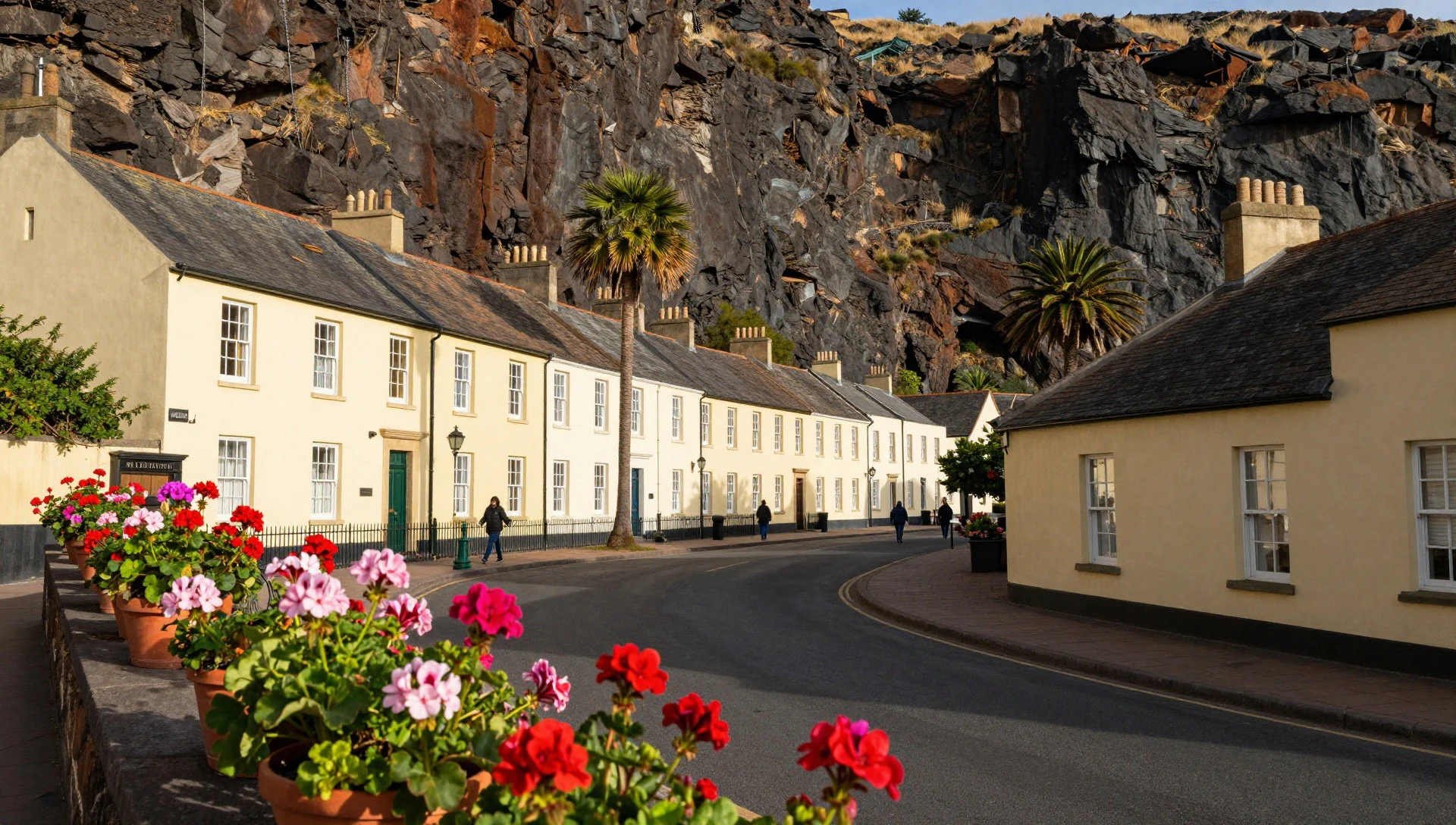
- Jacob’s Ladder viewpoint climb — Jacob’s Ladder (route up into central Jamestown)
For perspective on how tightly Jamestown fills the valley, Jacob’s Ladder is the payoff. The steps bring a steady sense of height gain; at the top, the town’s narrow layout and the valley walls become obvious in one glance.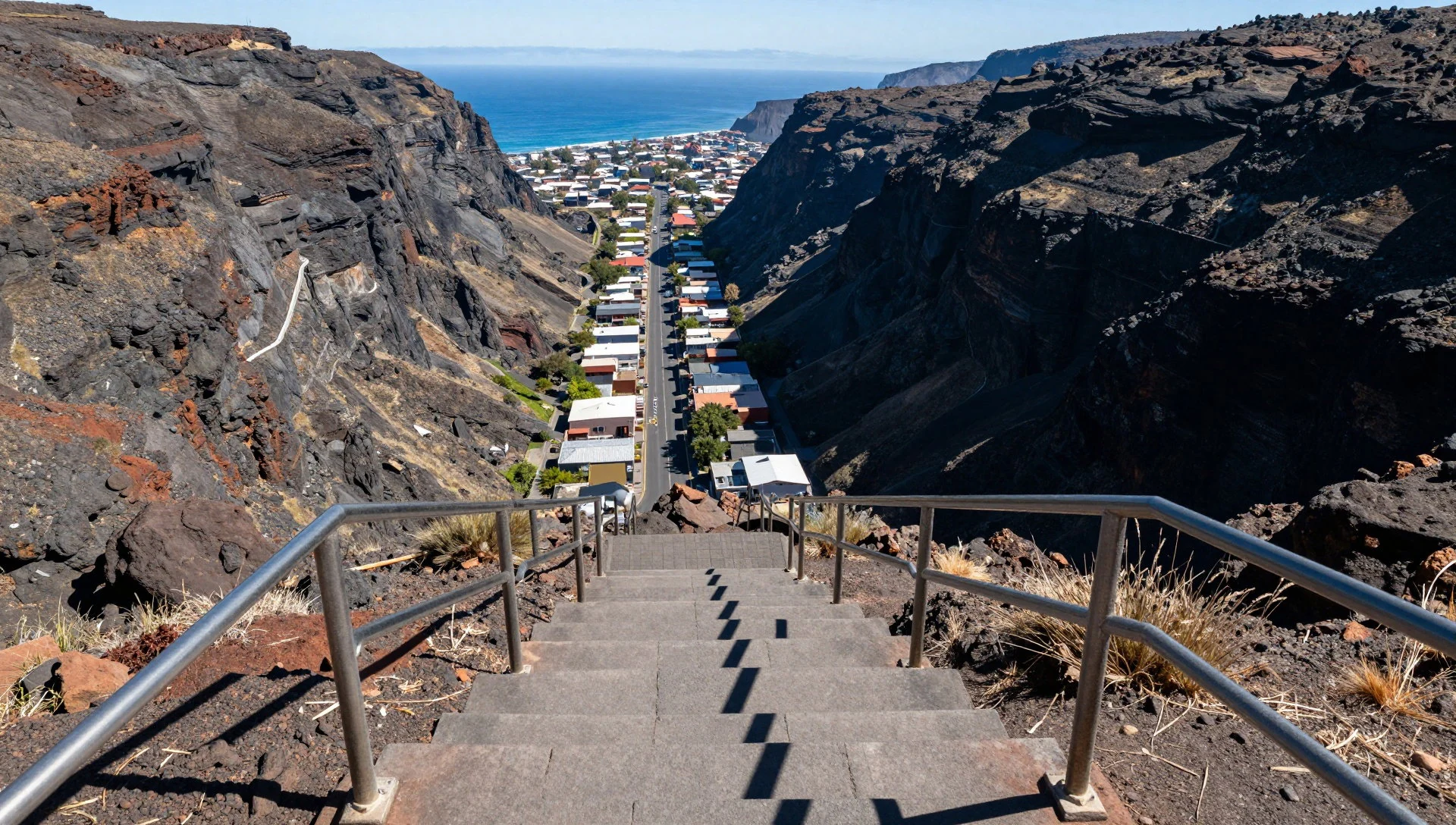
- Anglican Church of St James — St James’ Church area, Jamestown
St James’ Anglican Church is a key heritage stop in Jamestown. Even without rushing, the exterior reads as an old institution in an island capital, and it’s a straightforward place to pause before continuing up or back down the valley streets.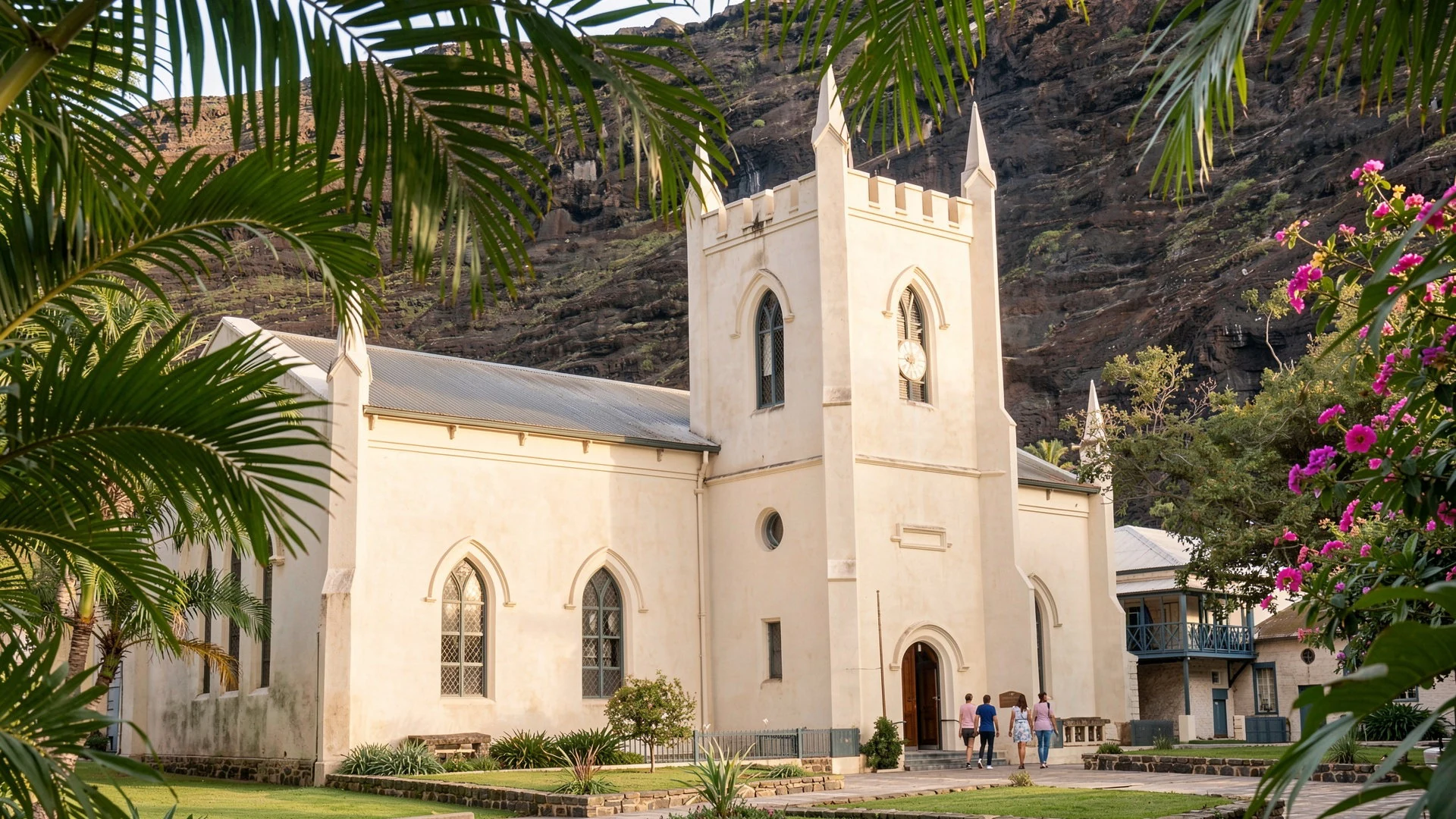
- Parish church network across the island — Jamestown parish area (Upper Jamestown, the Briars, Rupert’s Valley)
Jamestown’s religious life links to nearby daughter churches in different parts of the parish, including Upper Jamestown and areas such as the Briars and Rupert’s Valley. Use this as a loose theme for a day—short walks and views, then drive when the valley turns steep.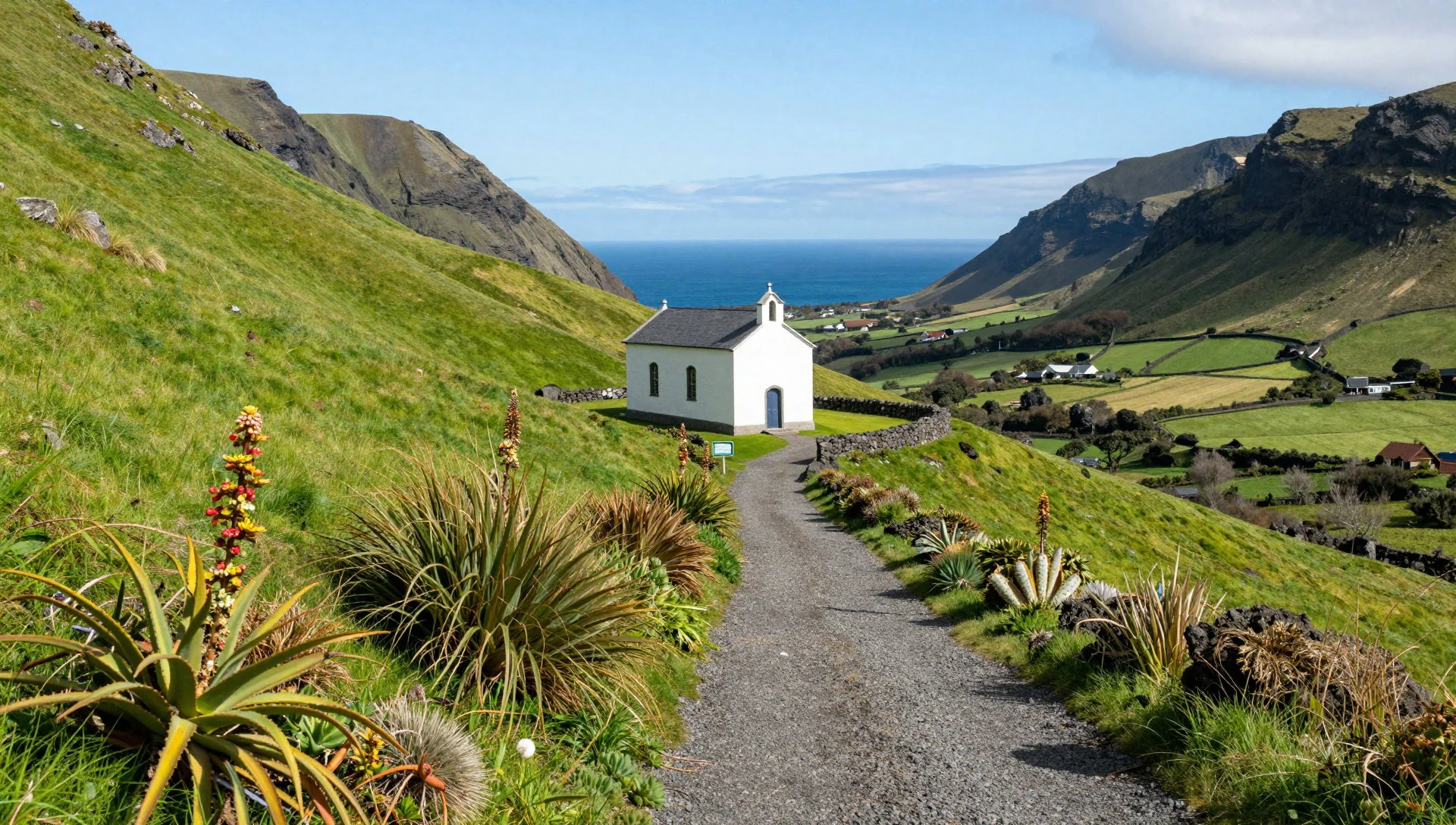
Culture
Jamestown’s culture is small-town Anglican and multi-faith in a way that feels practical rather than performative. The Anglican Parish of St James is part of the Diocese of St Helena, and St James’ Church functions as the main church for that parish. From there, the parish network stretches out to daughter churches across the island, including St John’s in Upper Jamestown, St Mary’s at the Briars, and St Michael’s in Rupert’s Valley.
There’s also the Sacred Heart Church in Jamestown, the island’s sole Catholic church, plus a Baptist church. In other words: even in a town with limited size, religious communities are clearly organised and embedded in local geography—church locations help you understand where people live across the island’s valleys.
Because Jamestown is centred on a working harbour town and a network of hill-side settlements, visitors often find services and community events tied to specific days rather than casual sightseeing windows. The best approach is to treat places of worship as part of the island’s everyday rhythm, not as photo sets.
Visitor etiquette: keep voices low inside church buildings, dress modestly, and ask before photographing worshippers or ceremonies.
What to wear
In Jamestown, traditional dress is not about daily streetwear; it’s more likely to be seen during church events, community gatherings, and cultural occasions. On Saint Helena, British-linked heritage and local island identity tend to show up in neat, modest styles—think long skirts or dresses and smart shirts, often with light layers for cool coastal evenings.
What people actually wear day to day is practical: comfortable trousers or skirts, light breathable tops, and a light jacket or jumper for breezier, cooler conditions created by the ocean and the valley. Because Jamestown is set into a steep-sided valley, footwear matters more than fashion headlines—good grip shoes help on uneven streets and steps.
For a visitor, the simplest kit is: breathable clothes for walking, a light waterproof layer for sudden sea wind, and modest coverage when entering churches. If planning an ascent such as Jacob’s Ladder, wear proper walking shoes rather than sandals.
Heat is usually tempered by the surrounding ocean, but the town’s vertical layout means conditions can shift quickly between the harbour and higher lanes, so packing a layer for variation is the difference between an easy day and a sweaty one.
What to eat
- Island staples at local eateries — Local restaurants and town eateries
In Jamestown, the easiest way to eat well is to choose a local restaurant or eatery and go for familiar plate-based meals—comfort food matters on an island trip. Ask what’s being served that day, as options can be limited and seasonal.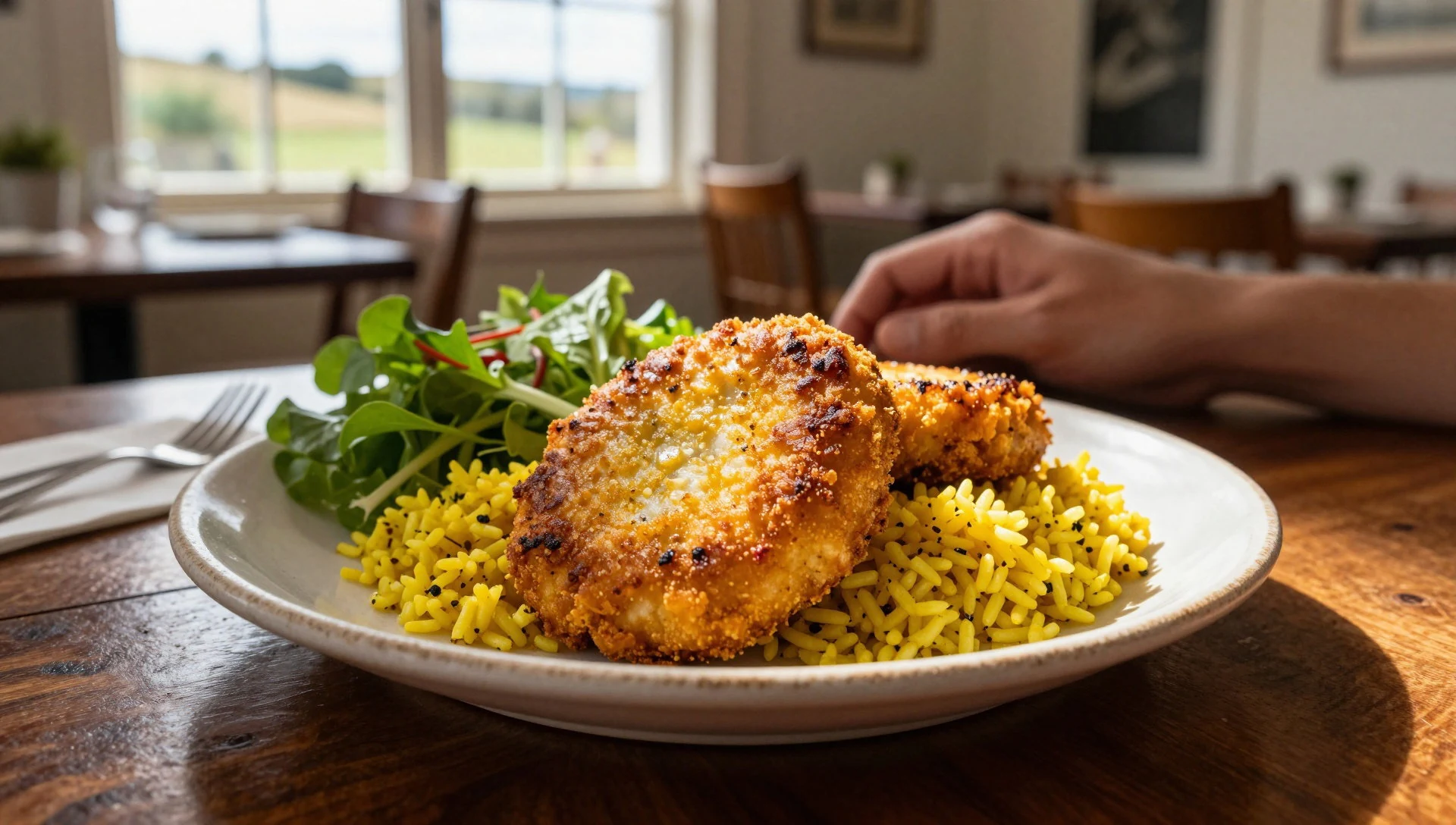
- Bakery goods and tea breaks — Shops and bakeries around central Jamestown
Jamestown’s smaller scale makes bakery-style snacks a reliable mid-walk option: simple pastries and sweet treats pair naturally with tea. Look for them in town for a quick break between valley viewpoints.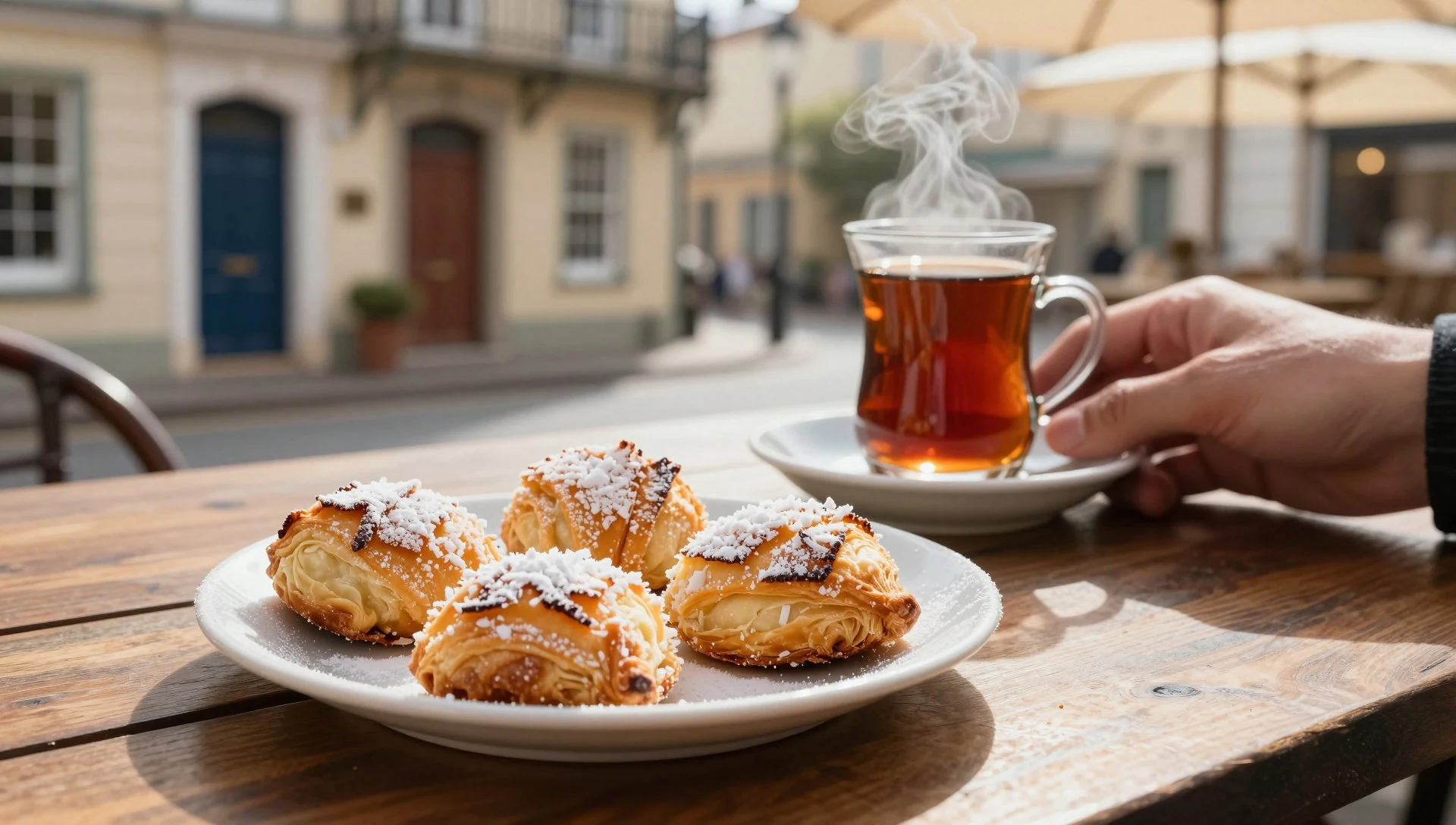
- Seafood when available — Menu-led harbour-side restaurants
With the harbour close by, seafood shows up when supplies allow—think fish-focused meals alongside sides. The best strategy is to look at menus locally and order what’s freshest on the day. - Pub-style comfort meals — Local pubs and casual dining spots
For an easy, low-effort evening, Jamestown’s pub-style meals are a common choice: hearty mains and warming sides that fit the walking-heavy pace of the valley.
Plan it
Best time. February–March tend to feel the warmest, and rainfall peaks in the wettest months, which are May through August by the numbers; for generally drier, more comfortable conditions, plan for January or December. Temperatures stay fairly steady through the year and avoid extreme highs.
How long. 2–3
Getting there. Fly to a nearby airport and then travel to Jamestown by the most practical ground route for your itinerary. If arriving by sea, plan the final leg into Jamestown around the port landing arrangements.
Budget. mid
Tips
- Ask for entry approval in advance through the Administrator’s office, and organise full medical insurance that covers medical evacuation.
- Plan at least one early outing for valley viewpoints, since the town’s narrow layout can make you want a clear view before cloud and wind move in.
- Wear shoes with grip for steps and steep streets, especially if walking up towards Jacob’s Ladder.
- Keep some cash for small island purchases and places that may not be card-friendly.
- Carry water and a light layer for cooler air between the harbour and higher lanes.
Etiquette
- Remove shoes where required and follow any cues at church doors or inside worship spaces.
- Dress modestly for church visits and avoid loud behaviour around services.
Nearby
Sources
- Wikidata Q30970 (CC0)
- Wikipedia (rev 1381553195) (CC BY-SA 4.0)
- Wikivoyage (rev 5263671) (CC BY-SA 4.0)