Isle of Wight
Isle of Wight, United Kingdom
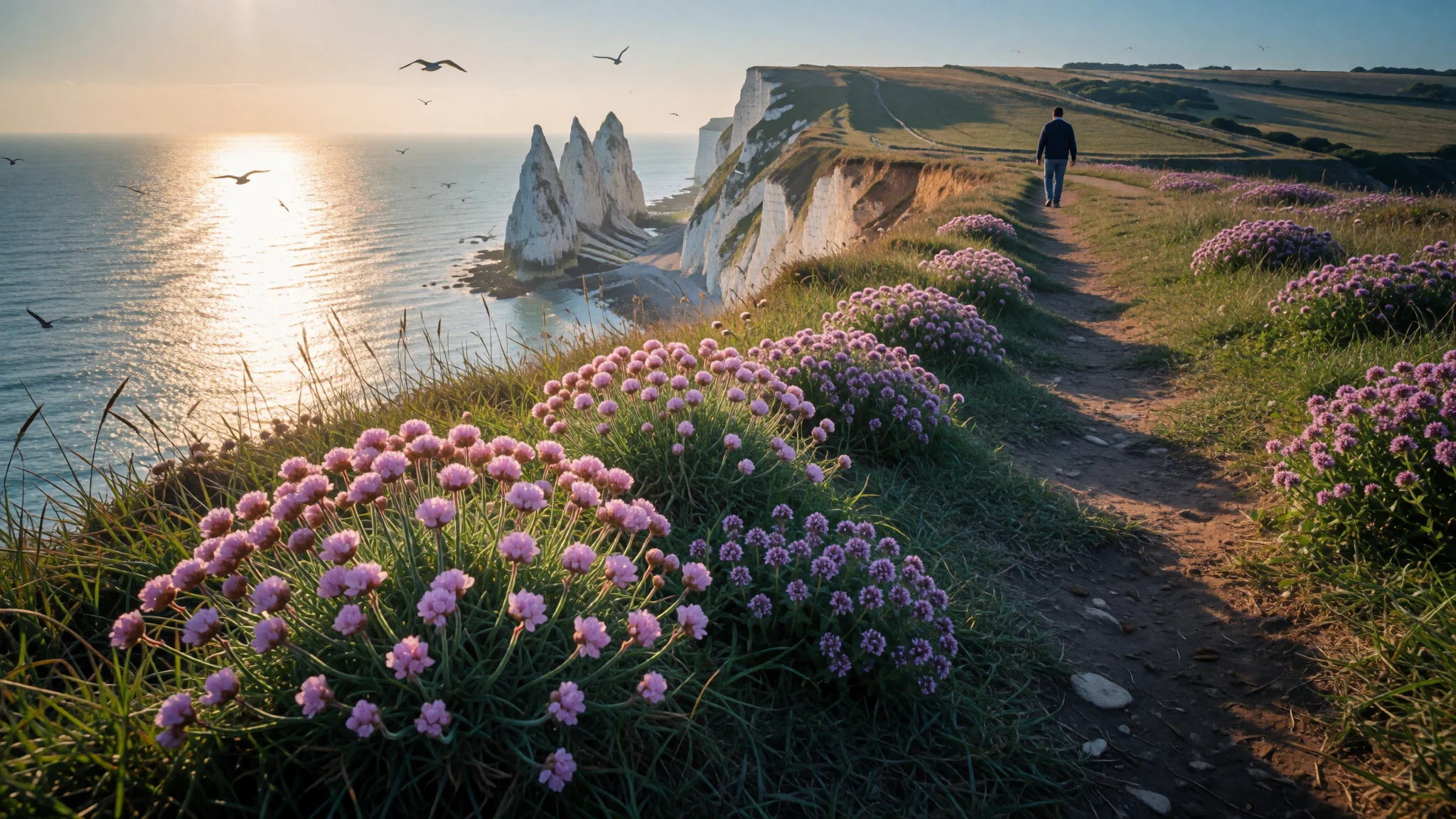
The Isle of Wight packs chalk cliffs, sandy bays, royal history and a mild south-coast climate into an island a short ferry ride from the mainland.
The place
The Isle of Wight is a diamond-shaped island off England's south coast, divided from the mainland by the Solent, a narrow and busy strait, and open to the English Channel on its other sides. It is both a county and a single local authority, and it belonged to Hampshire until relatively recently. About 140,000 people live here, and the number of people on the island rises noticeably in summer.
Most of the land is farmland, chalk downs and quiet lanes, while the towns cluster along the shore. Ryde, the biggest, sits in the north-east and is where many ferries arrive. Sandown and Shanklin share a long sandy bay in the south-east, Totland and Freshwater lie towards the western tip, and Cowes and East Cowes face each other across the mouth of the River Medina on the north coast, with sailing as their identity. Newport, the administrative centre, stands inland where the Medina widens into its estuary.
Between the settlements the coast is cut by chines, steep little ravines carved through soft cliffs by streams running to the sea. The south coast is sheltered and mild enough that palms and banana plants grow in gardens around Ventnor. The island is a UNESCO Biosphere Reserve, a status that reflects how much working countryside and wild shoreline survives in a small area.
Distances are short, but without a car, buses and the island railway decide what can be reached in a day, and quiet beaches take planning. Summer weekends bring crowds to Cowes and to the ferries.
Its story
The Isle of Wight was not always an island. During the cold stretches of the Ice Age, sea level fell and the Solent was a river valley, a long watercourse flowing eastward from Dorset and leaving behind gravel terraces that are still traceable in the landscape. When warmer periods returned, the sea rose and laid down silts, clays and beach gravels, much as happens in estuaries today.
People arrived very early. Near Priory Bay, on the north-east coast, hundreds of stone handaxes have been collected from the beach and cliff slopes, tools made when the gravels there were laid down, several hundred thousand years ago. That is where the island's human story first becomes solid. Later ages left flint arrowheads, Bronze Age axeheads, Anglo-Saxon pins and medieval silver pennies, many of them recorded through the island's finds scheme and photographed for public use.
In the Middle Ages, Carisbrooke Castle, near Newport, anchored defence of the island's interior. In the nineteenth century Queen Victoria and Prince Albert made Osborne House, near East Cowes, a family retreat, which helped turn a farming and fishing island into a fashionable place for a holiday. Steamers and railways followed, and with them the seaside resorts of Ryde, Sandown and Shanklin.
The outline is simple: a river valley drowned, a stretch of land cut off, and a long line of defenders, royals and holidaymakers arriving by sea.
What to see
- Alum Bay and the Needles — Totland, west Wight
At the western tip, the cliffs of Alum Bay show bands of coloured sand in steeply tilted rock, and beyond them the Needles run out to sea as a row of chalk stacks. Go on a clear day, expect crowds in summer, and walk the downs above for wider views. - Carisbrooke Castle — Carisbrooke, near Newport
Carisbrooke Castle crowns a hill above the village near Newport, a medieval fortress with a imposing front gatehouse. Walk the walls for views across the island's rolling interior. Check the official site before travelling, as opening and booking arrangements change through the year.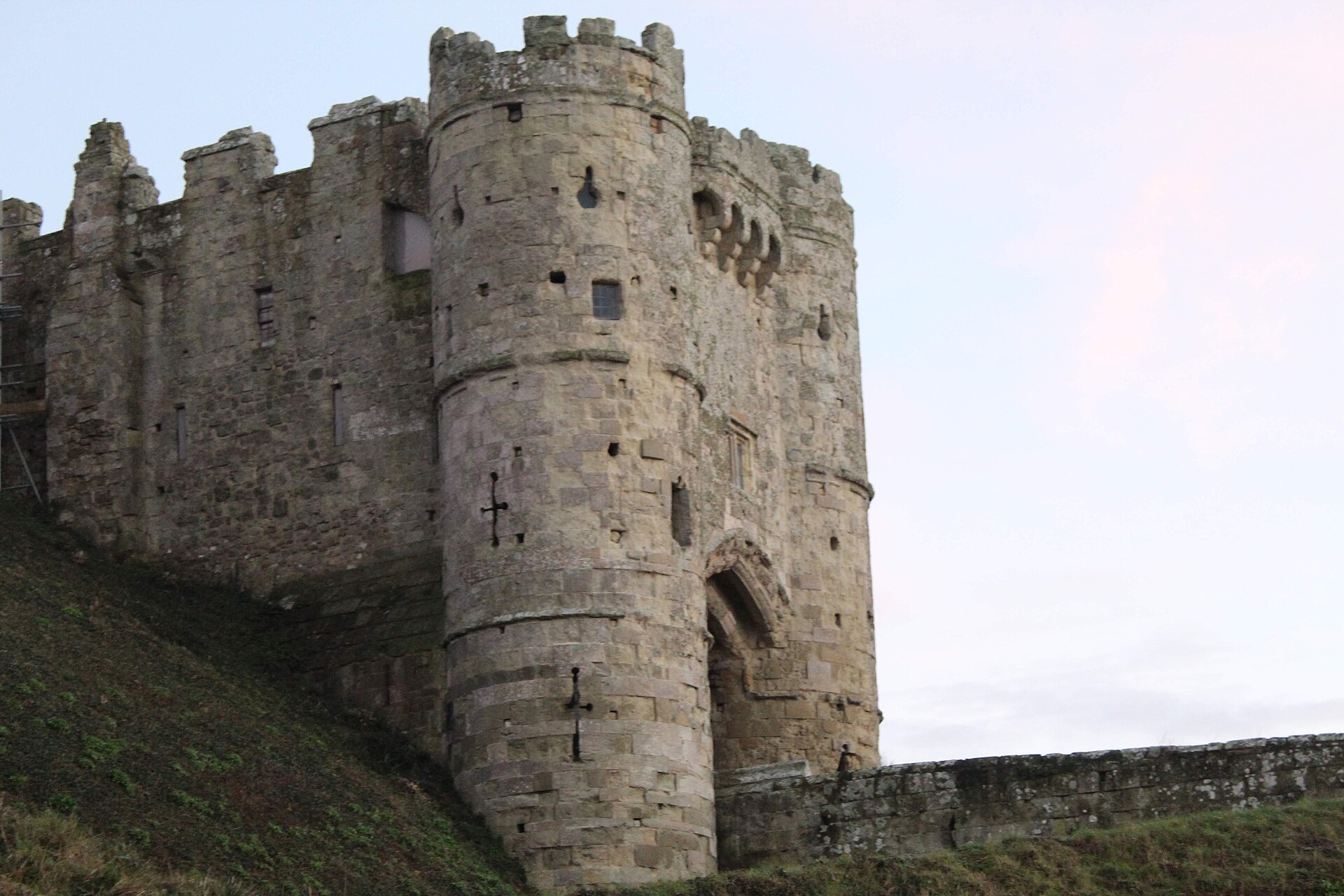
- Osborne House — East Cowes
Osborne House, near East Cowes, was the seaside family home of Queen Victoria and Prince Albert. The Italianate house looks down an ornamental drive and over gardens towards the Solent. Allow half a day, check the official site about booking, and expect coach parties around midday; mornings are calmer.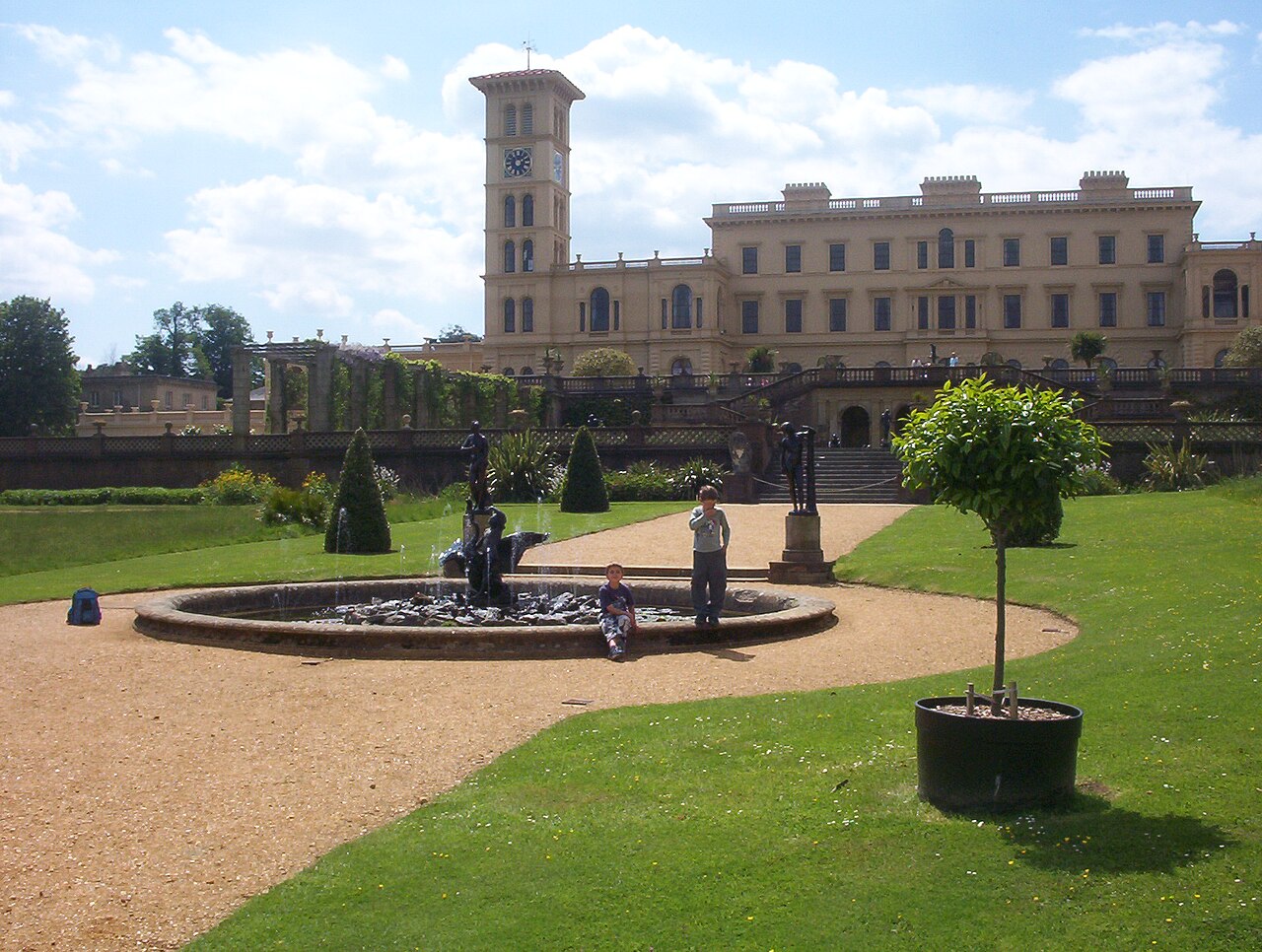
- Steephill Cove — near Ventnor, south coast
Steephill Cove, below Ventnor on the south coast, is a tiny sheltered inlet of cottages, a small beach and simple cafés, reached on foot from the cliff above. It suits a slow afternoon of swimming and sitting. Bring a towel, sun protection and patience for the steep path back. - Ventnor Botanic Garden — Ventnor
Ventnor Botanic Garden takes advantage of the warm, sheltered south coast to grow palms, bananas and cacti outdoors, an odd sight on an English island. It is a good choice on a day when sea mist or wind makes the beaches less appealing. Check the official site for visiting details.
Culture
The Isle of Wight has a quiet, island-minded culture shaped by farming, boats and seaside holidays. Church towers still mark most villages, though the most recent census found fewer than half of residents identifying as Christian, with a growing share saying they have no religion. The island's religious life is now mixed and largely low-key.
Sailing is the best-known pastime, centred on Cowes, where the Solent fills with boats on summer weekends and the town's streets turn busy and cheerful. Beyond the water, the island has a lively summer calendar of festivals and local shows, while out of season many seaside businesses shorten their hours and the pace slows considerably.
Islanders are used to visitors but tend to prefer being treated as neighbours rather than scenery. Pubs are real social centres, serving local ales and food, and country pubs are the easiest places to fall into conversation. Queueing for ferries, buses and counters is orderly and taken seriously.
Conservation is part of daily conversation. The Biosphere Reserve status depends on farmland, chalk grassland and sea cliffs staying in good condition, and the cliffs are soft and unstable after wet weather. Local people are protective of seabirds, seals and the white-tailed eagles now being reintroduced.
On beaches and cliff paths, take all rubbish home, keep to marked paths well back from crumbling edges, and give nesting birds and resting seals plenty of space.
What to wear
Fashion on the Isle of Wight has no formal regional costume; the island's clothing tradition is practical and maritime. Fishermen and boatmen historically wore close-knit wool jumpers, oilskins and sturdy boots, and that working look lives on in the navy jumpers, canvas jackets and waxed coats still common in coastal towns.
What people wear now is casual and weather-led. In Cowes, sailing gear is everyday dress in summer: deck shoes, windproof jackets and cotton shirts. Elsewhere, locals wear jeans, fleeces and waterproofs, and beach towns lean towards shorts, sandals and sunhats on warm days. Smarter clothes appear for weddings, regatta events and evenings at upmarket restaurants, but nothing is strict.
For visitors, layers matter more than style. The island is mild, but wind off the Solent and the Channel can turn a sunny afternoon cool, so carry a light waterproof even in summer. Comfortable walking shoes or trainers suit the chalk downs and coastal paths, which turn slippery after rain, while sandals or water shoes help on pebbly beaches. Bring sun protection, because breezy weather can hide strong sun. Modesty rules are relaxed; for a church or a memorial, covering shoulders and removing hats is a simple courtesy. Swimwear belongs on the beach, not in town centres.
What to eat
- Fish and chips — chip shops in seaside towns
Fish and chips eaten by the sea is the island's default meal. Look for chip shops and takeaways in the seaside towns such as Ryde, Sandown and Shanklin, then find a bench on the front. Gulls are bold, so keep a grip on the paper. - Fresh crab and lobster — harbour villages in the east, such as Bembridge and St Helens
Crab and lobster come from the boats along the coast and appear as sandwiches, salads and whole shellfish. The villages around Bembridge and St Helens are well known for them. Popular spots fill up in summer, so booking ahead is sensible. - Local fish at a country pub — village pubs near the coast
Many island pubs serve locally caught fish alongside traditional pub dishes in a relaxed, old-fashioned setting. Shalfleet, on the north-west coast, is a typical village for it. Ask what came in that day and choose the daily special. - Garlic — garlic farm near Newchurch
Newchurch has a farm devoted to garlic, with a shop of garlic-based products and a restaurant. Expect chutneys, sauces, black garlic and sweet surprises. It is an easy stop between Ryde and Ventnor, and a good place for presents. - Island ale and English white wine — country pubs and island vineyards
Island breweries have returned after earlier closures, and many country pubs pour local real ale. Vineyards such as Adgestone make English white wine, and tasting is possible at some. Drink slowly, and choose a designated driver or the bus.
Plan it
Best time. May, June and September for mild weather and lighter crowds; July and August are warmest and busiest, with fuller ferries and beaches. Winter is quiet and often windy, and some seaside businesses shorten their hours or close.
How long. 2–4
Getting there. Fly to Southampton or one of the London airports, then reach Southampton or Portsmouth by rail or road. Cross the Solent by car ferry, passenger ferry, fast catamaran or hovercraft. On the island, continue by bus, the island railway line or car.
Budget. mid
Tips
- Book car ferries early for summer weekends, and compare two single tickets against a return.
- Leaving the car on the mainland is possible, but buses and trains limit access to rural beaches.
- Carry layers and a waterproof, as the weather can change quickly between the Solent and the downs.
- Check the official site, https://www.iwight.com, for events, transport and attraction details before travelling.
- Tap water is good, so bring a refillable bottle for coastal walks.
Etiquette
- Keep to marked paths on cliffs and downs, as the edges are soft and can collapse.
- Take rubbish home from beaches and give nesting birds and seals space.
- Queue patiently for ferries and buses, and book popular restaurants in summer.
Nearby
Sources
- Wikidata Q9679 (CC0)
- Wikipedia: Isle of Wight (rev 1380717001) (CC BY-SA 4.0)
- Wikivoyage: Isle of Wight (rev 5324121) (CC BY-SA 4.0)
- Photo: Isle of Wight from the ISS (NASA/Chris Hadfield) (Public domain)
- Photo: Upper Palaeolithic flint handaxe (Isle of Wight Council, Frank Basford) (CC BY-SA 2.0)
- Photo: Neolithic arrowhead (Isle of Wight Council, Frank Basford) (CC BY-SA 2.0)
- Photo: Early Bronze Age flat axehead (Isle of Wight Council, Frank Basford) (CC BY-SA 2.0)
- Photo: Anglo-Saxon pin (Isle of Wight Council, Frank Basford) (CC BY-SA 2.0)
- Photo: Carisbrooke front gate (Ericderekwilliams) (CC BY-SA 4.0)
- Photo: Penny of Edward I (Isle of Wight Council, Frank Basford) (CC BY-SA 2.0)
- Photo: Osborne House (Naturenet) (CC BY 3.0)


