Iguaçu National Park
Iguaçu National Park, Brazil
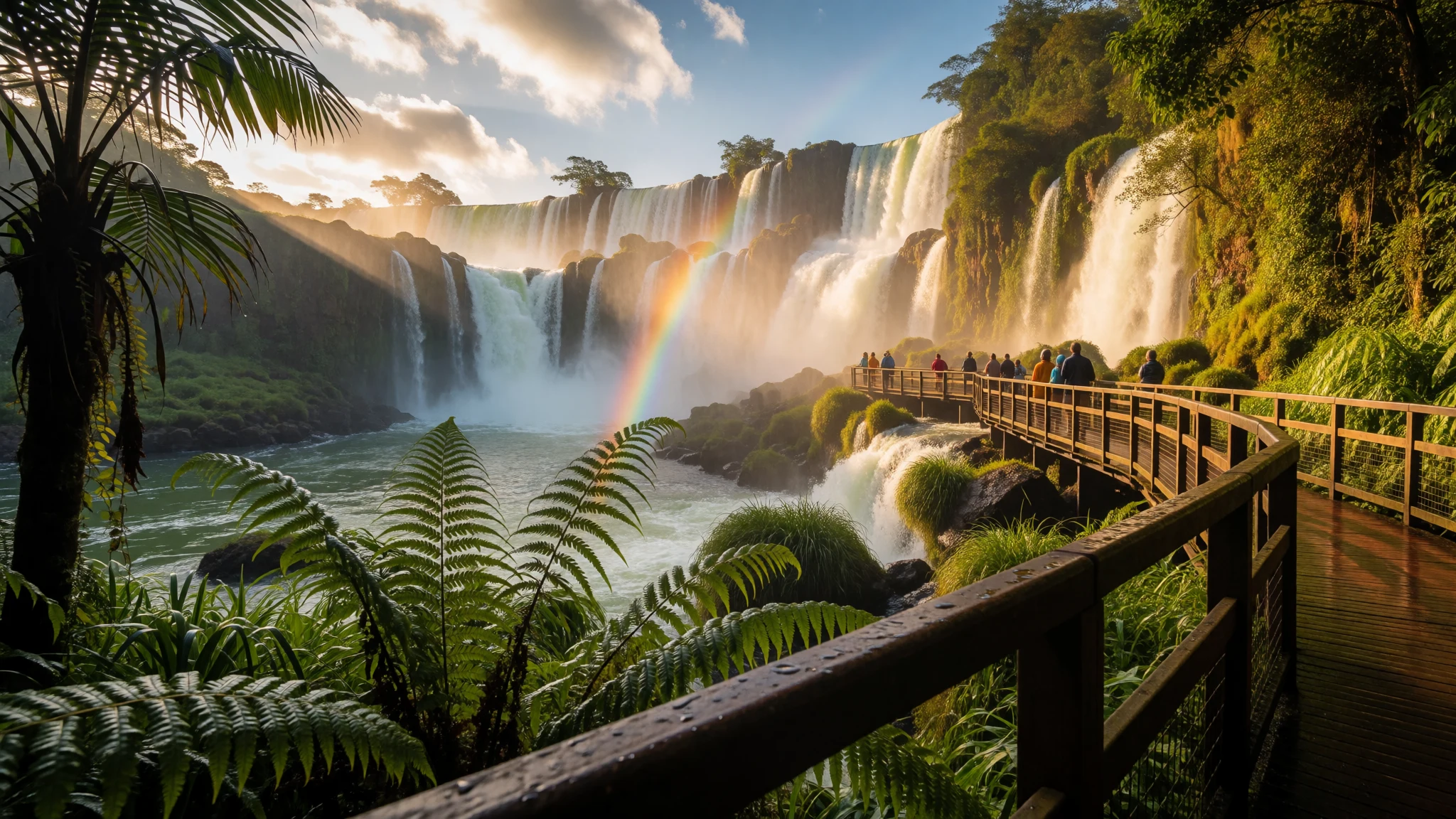
Iguaçu National Park is where rainforest and water collide, with huge falls spread across viewpoints on both sides of the border.
The place
Iguaçu National Park (Parque Nacional do Iguaçu) sits in Paraná State, Brazil, in the Iguaçu River basin near Foz do Iguaçu. It was founded in 1939 and sits at about 265 m elevation, with the park’s core identity tied to the river and the waterfalls it feeds. The landscape is set up like a natural amphitheatre: you approach from the Brazilian side through forest paths and then step into a network of lookouts where the sound arrives before the sight.
What makes the place feel different from “a waterfall stop” is the scale and the way the water is broken into many falls and channels rather than a single drop. The park is part of a World Heritage listing (UNESCO is true in the facts), and it borders Iguazú National Park in Argentina, so the experience is naturally split between countries. Even when the official infrastructure is the same idea—paths, platforms, viewpoints—the air changes as the spray hits: damp clothes, cooler shade, and that constant roar.
Wildlife and plants do their own quiet work here. The mist supports lush vegetation, and the park is managed for biodiversity conservation. Expect a rainforest environment that is alive in the daytime: insects, birds, and occasional bigger sightings if you slow down and listen. The year’s seasons shape what it feels like underfoot—hot rainier stretches versus more comfortable dry periods—so planning around weather matters as much as choosing where to stand.
Its story
Iguaçu National Park’s name comes from Rio Iguaçu, and that river is the main character. The falls are not just scenery; they form a dramatic boundary between landscapes and countries. Historically, the idea of protecting the area took shape with Brazil’s national-park system, and this one became official in 1939. From there, the park grew into a managed landscape aimed at preservation, with work that includes research and environmental education as part of the day-to-day.
A useful way to picture it is as a living system built around water. The spray rising from the falls helps maintain thick, green growth around the gorge, so the forest doesn’t sit “behind” the waterfalls—it’s in the same weather. That moisture also shapes animal life, giving you a better chance of seeing birds and other wildlife when you’re willing to spend time in the misty areas rather than only collecting a quick photo at the first viewpoint.
Even the visitor logistics tell the story. In practice, most people plan around two sides of the same natural feature: the Brazilian park experience is complemented by the Argentine one, across the border. The parks share the broader ecosystem, but the angles differ, so the day can feel like a set of complementary lenses. If the journey begins in a town like Foz do Iguaçu, the park then turns the pace down: you walk, you wait for light, you re-route based on crowds, and eventually the falls stop being “a place you go” and become a constant soundscape that edits the whole day.
What to see
- Garganta del Diablo (Devil’s Throat)
Garganta del Diablo is the standout drop in the Iguazu Falls system, where tonnes of water drive spray into the air. Standing close to the viewpoint feels louder and colder, and the surrounding jungle frames the main curtain.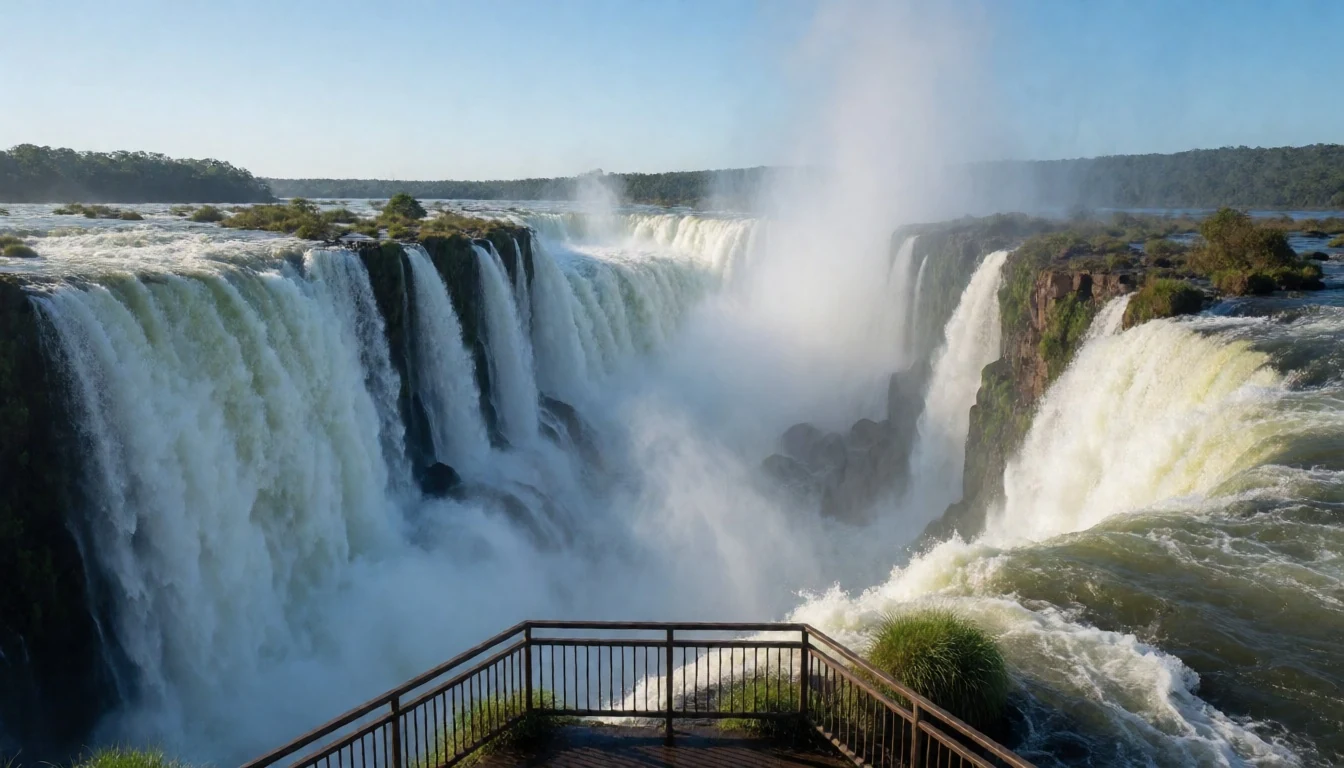
- Aerial views and panorama viewpoints — main falls area
Aerial and panorama perspectives help you understand how the falls spread across a wide, broken front of water. From high points, you see channels and mist curtains layering over rainforest, making the scale click into place beyond any single viewpoint.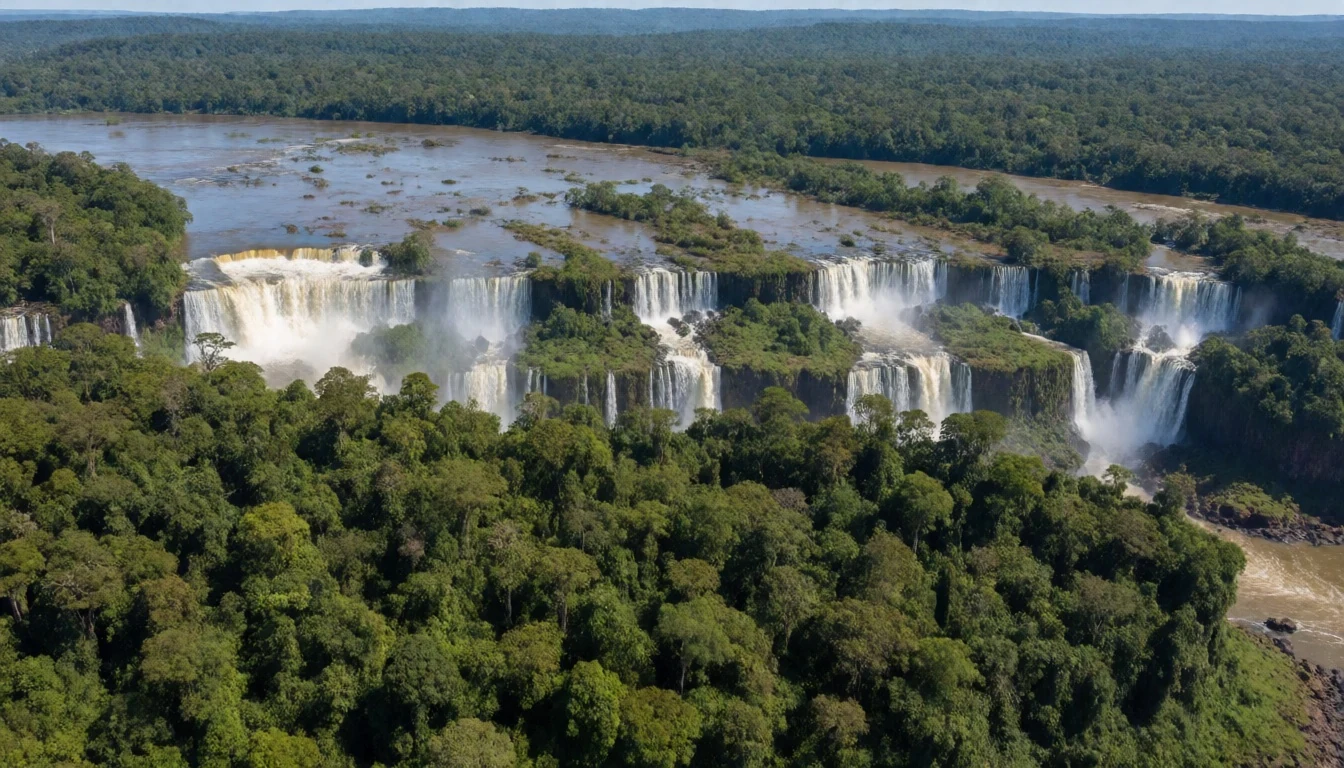
- Park entrance and setting up your day — park entrance area
Start at the park entrance where you’ll get oriented for the trails and viewpoints. The key move is simple: arrive early enough to move calmly onto the main paths, then choose a route that accounts for crowds building around popular lookout points.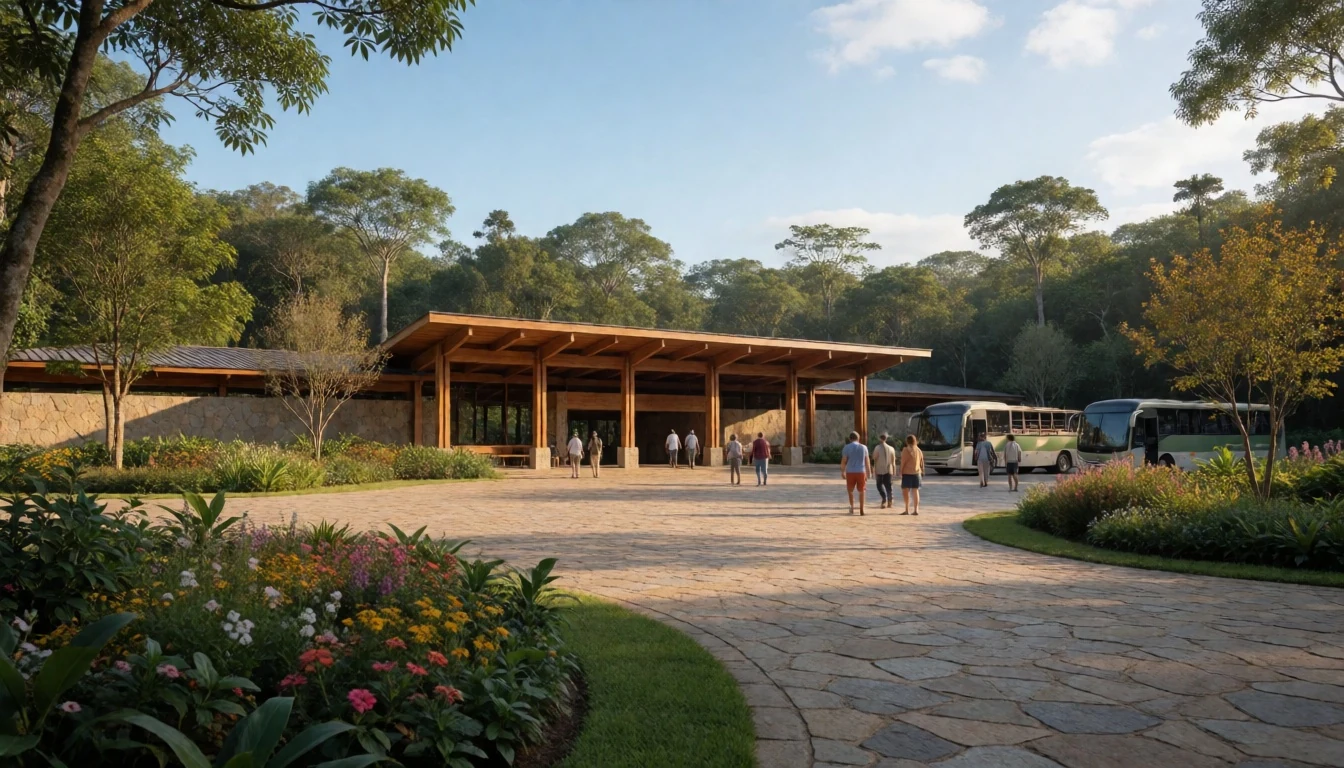
- Ticket area and river-name context — ticketing area
The ticketing area is where the day’s rhythm begins—pay attention to signage and follow the directions into the correct circuits. It also helps to remember the name comes from Rio Iguaçu, so the river and falls form one linked system all the way through the park.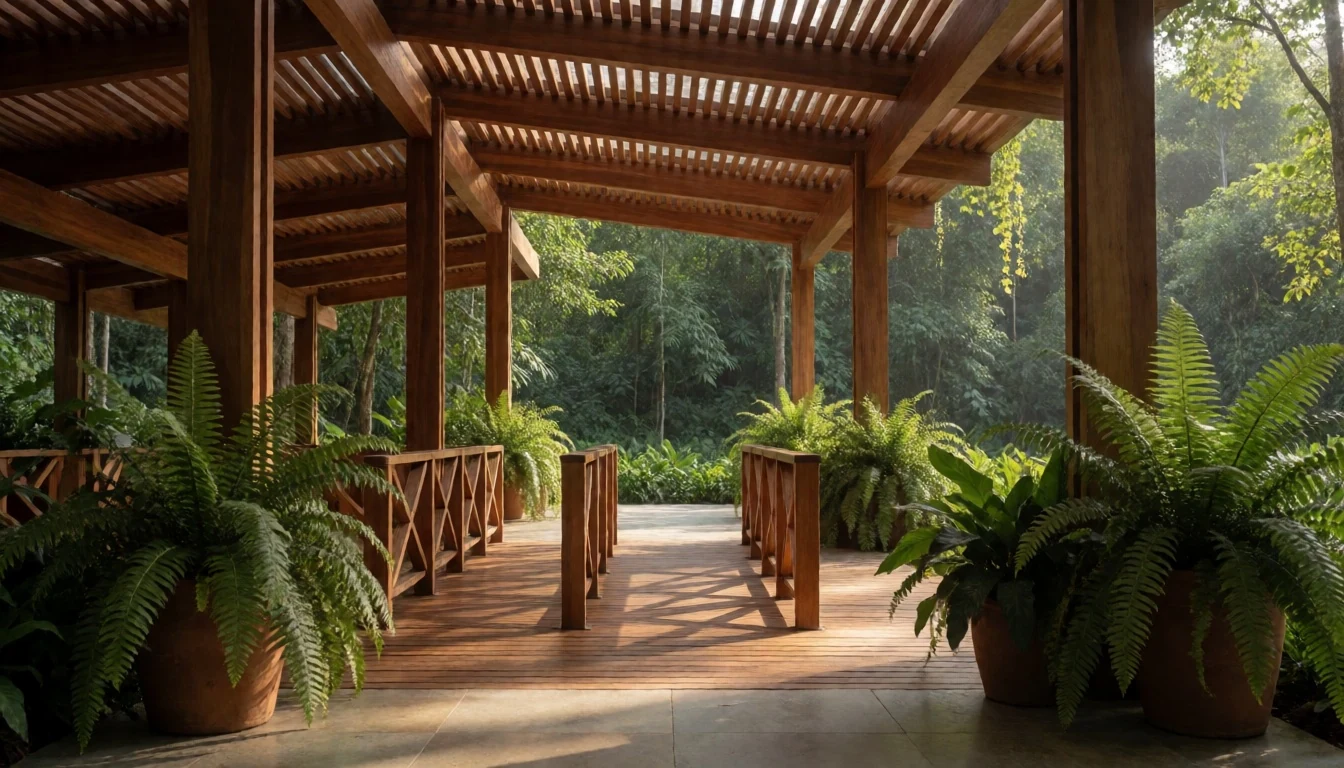
- Macuco Safari (boat to the base) — lower falls access zone
Macuco Safari is a boat experience aimed at getting close to the falls from the water. Expect a jungle run and then a boat ride designed for the misty, dramatic close-up—one of the most memorable ways to feel the force.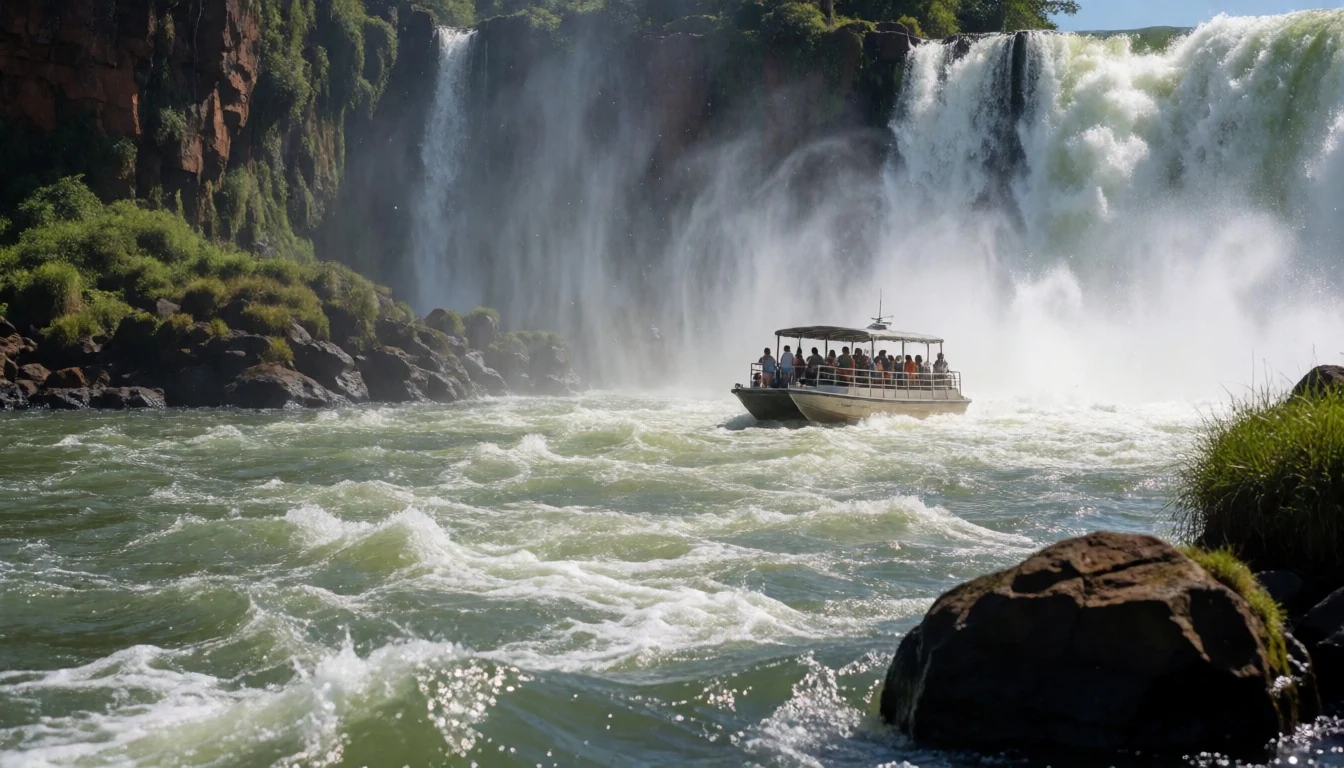
- Parque das Aves (bird park, nearby) — Brazilian side entrance area
Parque das Aves sits across the road from the Brazilian side of the park and works as a good complement if you want animals without only chasing waterfalls. It’s known for a range of birds, and you can regroup before heading back to the river and viewpoints.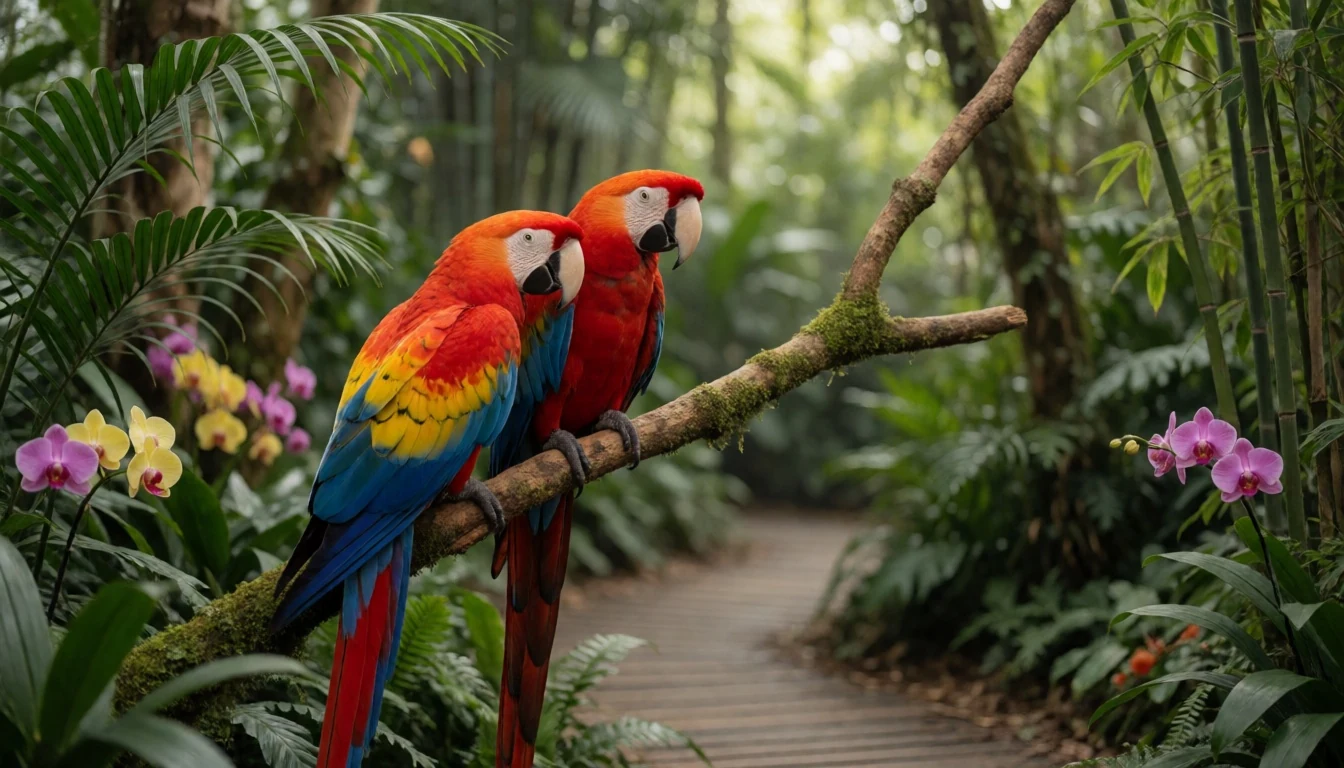
Culture
Iguaçu National Park is a rainforest environment, and that affects how visitors move, behave and prepare. The falls create constant mist, so anything you take out of a bag gets damp quickly—phones, cameras and even shoes if you linger. On top of that, the busiest lookout points can bunch crowds together, especially around the main viewpoints, so it helps to expect slow foot traffic at peak times.
Respect the fact this is a protected area managed for biodiversity conservation. Stay on marked routes and platforms, keep a steady pace, and give others room when people stop for photos or for the sound-and-spray moment. Wildlife sightings are never guaranteed, so don’t crowd animals or push past families who are simply enjoying the scenery.
If you’re crossing between Brazil and Argentina as part of a “both sides” day plan, remember that border formalities happen and lines can form depending on time of day and holidays. Bring the kind of paperwork and preparation that makes those checkpoints calm rather than stressful.
Visitor etiquette: keep to paths and barriers, and avoid loud shouting in the misty viewpoints so you don’t disturb other people or wildlife.
What to wear
In and around Iguaçu National Park, clothing is mostly about moisture and comfort. There isn’t a single “park uniform”, but the local style and practical needs overlap: airy layers, because it can get warm in the rainforest belt; quick-drying fabrics, because spray is part of the experience; and footwear with grip for wet walkways and steps.
Traditional dress in the region of Brazil is diverse (there isn’t one single outfit tied only to this park), but visitors should follow the same principle as at any Brazilian outdoor site: wear what won’t restrict movement and won’t mind getting wet. For religious or formal occasions off the trail, people typically choose lighter, modest clothing; in the park itself, the focus is function.
What to wear now: a light rain layer or poncho, a spare top, and waterproof or water-resistant shoes/sandals with secure straps. If you’re doing boat-based activities, treat your clothes as splash-worthy rather than “delicate”. Bring sunglasses for brightness when the cloud breaks, and a small dry bag for electronics so you can enjoy the spray without panic.
Visitor packing tip: wear layers you can peel off and re-wrap, because rainforest weather can change rapidly around the falls.
What to eat
- Casual snacks and stalls inside the park area — throughout the park
Iguaçu National Park has straightforward, grab-and-go options around the circuits, mostly aimed at visitors who want a quick bite between viewpoints. It’s convenient when you’re already moving through the trails and don’t want a long detour.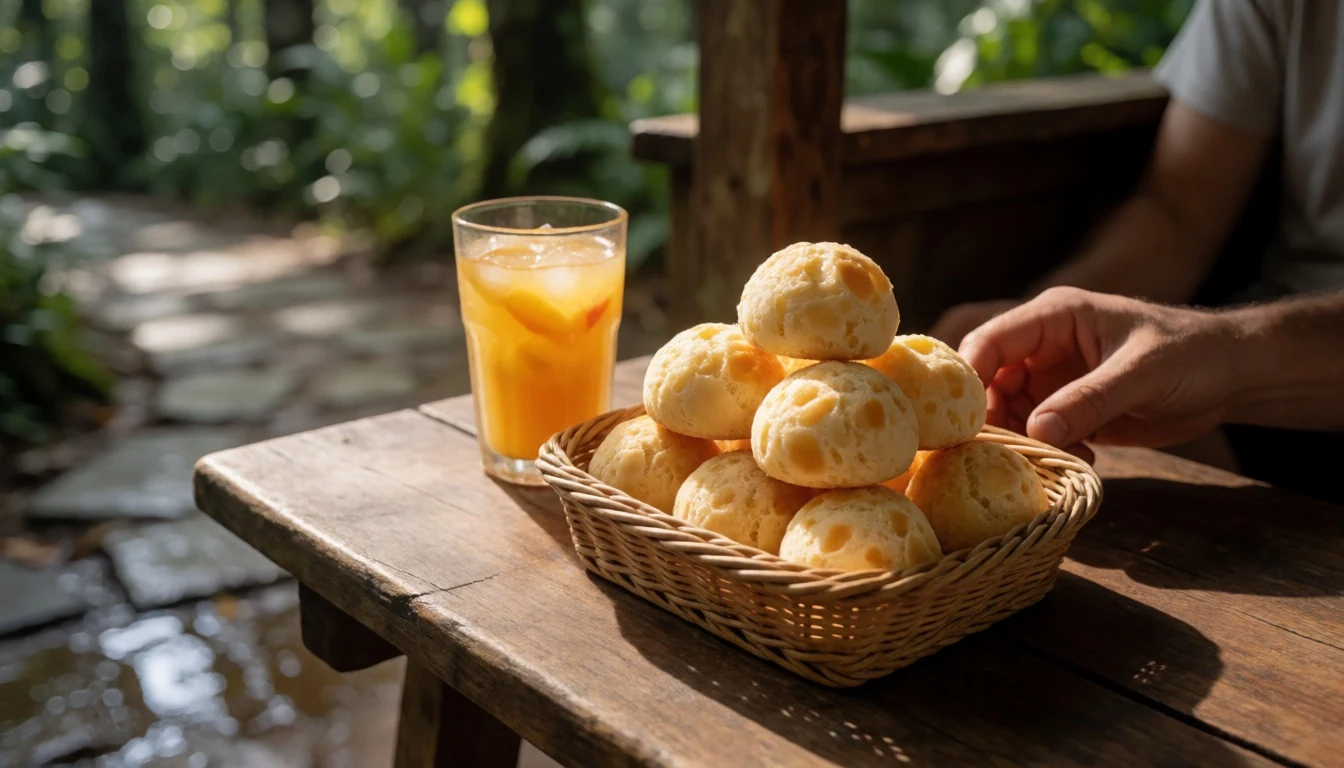
- Buffet near the falls on the Brazilian side — Porto Canoas area (Brazilian side)
On the Brazil side, there’s a buffet right by the Porto Canoas stop at the end of the walking trail. The food is serviceable, and the real draw is the surreal proximity to the roar and mist.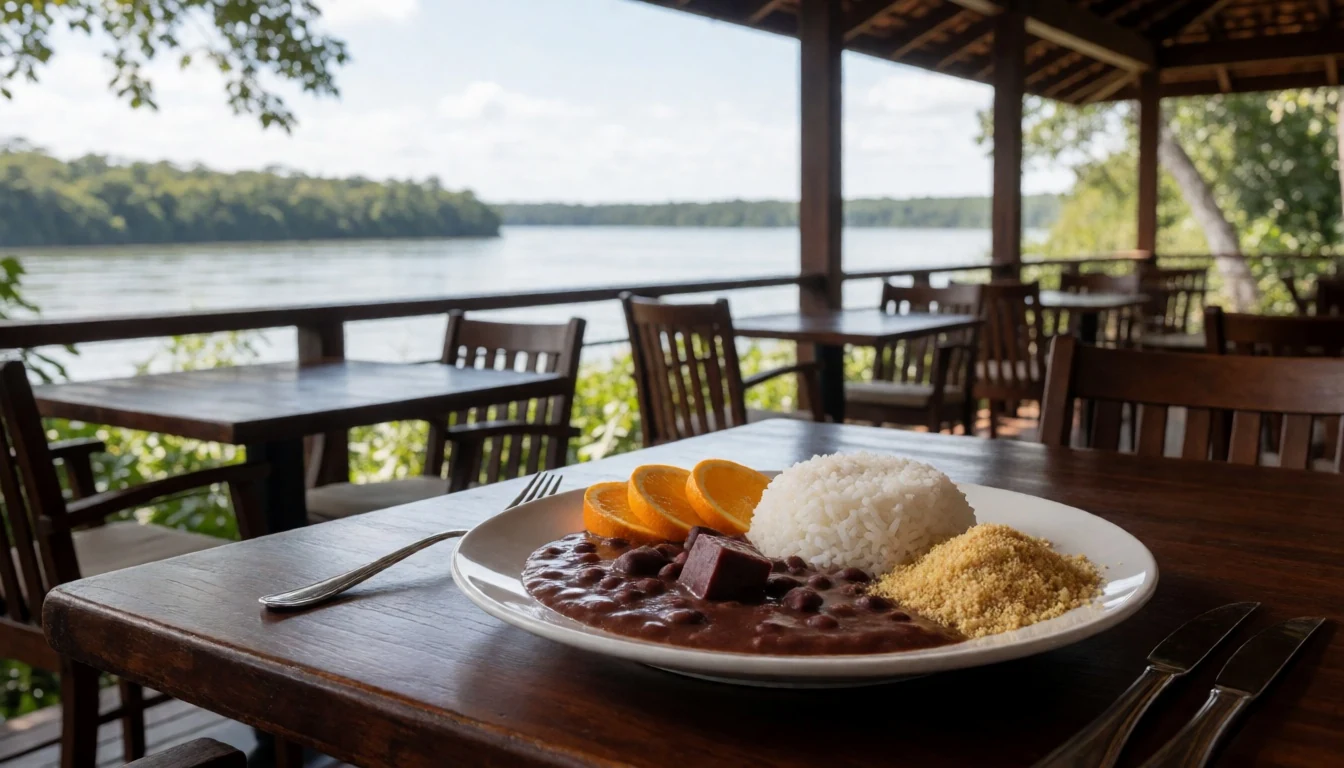
- Break-by-break meals at a hotel option near the park — inside the park (Meliá hotel area)
The Meliá hotel in the Argentine-side Iguazú National Park provides an alternative to the simpler stalls, including an eatery setup where you can pause and watch the mist move. It can be a calmer choice when you want a proper meal without navigating every snack stop. - Breakfast timing in town — Foz do Iguaçu (town)
In and around Foz do Iguaçu, breakfast can be harder to find early, because some places open later. If you’re doing an early start for park access, plan to eat first at your accommodation or later when more options are operating.
Plan it
Best time. For the most comfortable conditions, aim for the cooler months of July through September; the hottest months are December through March. Rainfall peaks in October and December, so those periods are usually the wettest—choose your walking time in the mist accordingly.
How long. 3–4
Getting there. Fly into Foz do Iguaçu (Brazil), then take local transport to the park entrance; many visitors also organise a separate day trip across the border to the Argentine side.
Budget. mid
Tips
- Build your day around the falls: spend longer at the main viewpoints rather than only hopping between them
- Plan for mist—bring a dry layer and protect your camera as you move from forest shade into spray zones
- If crowds build, adjust your route and spend more time on secondary lookouts before returning to the busiest areas
- For boat-based experiences, book or arrange close to where the park activities start so you can match timing to your route
- Keep some cash for small purchases and snacks, but carry cards too for flexibility
Etiquette
- Use the marked paths and viewing platforms; don’t step off into wet vegetation
- Be considerate with your camera angles at crowded viewpoints—hold positions, don’t block others
- If you’re doing border logistics between parks, allow extra time for potential queues
Nearby
Sources
- Wikidata Q742315 (CC0)
- Wikipedia (rev 1384547570) (CC BY-SA 4.0)
- Wikivoyage (rev 5388382) (CC BY-SA 4.0)
- Photo photos/01-garganta-del-diablo-or-devil-throat-iguazu-falls-argentina-l.jpg (CC BY-SA 2.5)
- Photo photos/02-iguazu-cataratas2.jpg (CC BY 3.0)
- Photo photos/03-entrada-do-parque-nacional-do-igua-u.jpg (CC BY-SA 4.0)
- Photo photos/04-parque-nacional-do-igua-igua-u-national-park-bilheterias-tic.jpg (CC BY 2.5)
- Photo photos/05-iguazu-d-cembre-2007-panorama-7.jpg (CC BY 3.0)
- Photo photos/06-igua-u-national-park-puma.jpg (CC BY 3.0)
- Photo photos/07-1-parque-nacional-do-igua-u-matheus-neumann.jpg (CC BY-SA 4.0)
- Photo photos/08-2-parque-nacional-do-igua-u-matheus-neumann.jpg (CC BY-SA 4.0)


