Ichkeul National Park
Ichkeul National Park, Tunisia
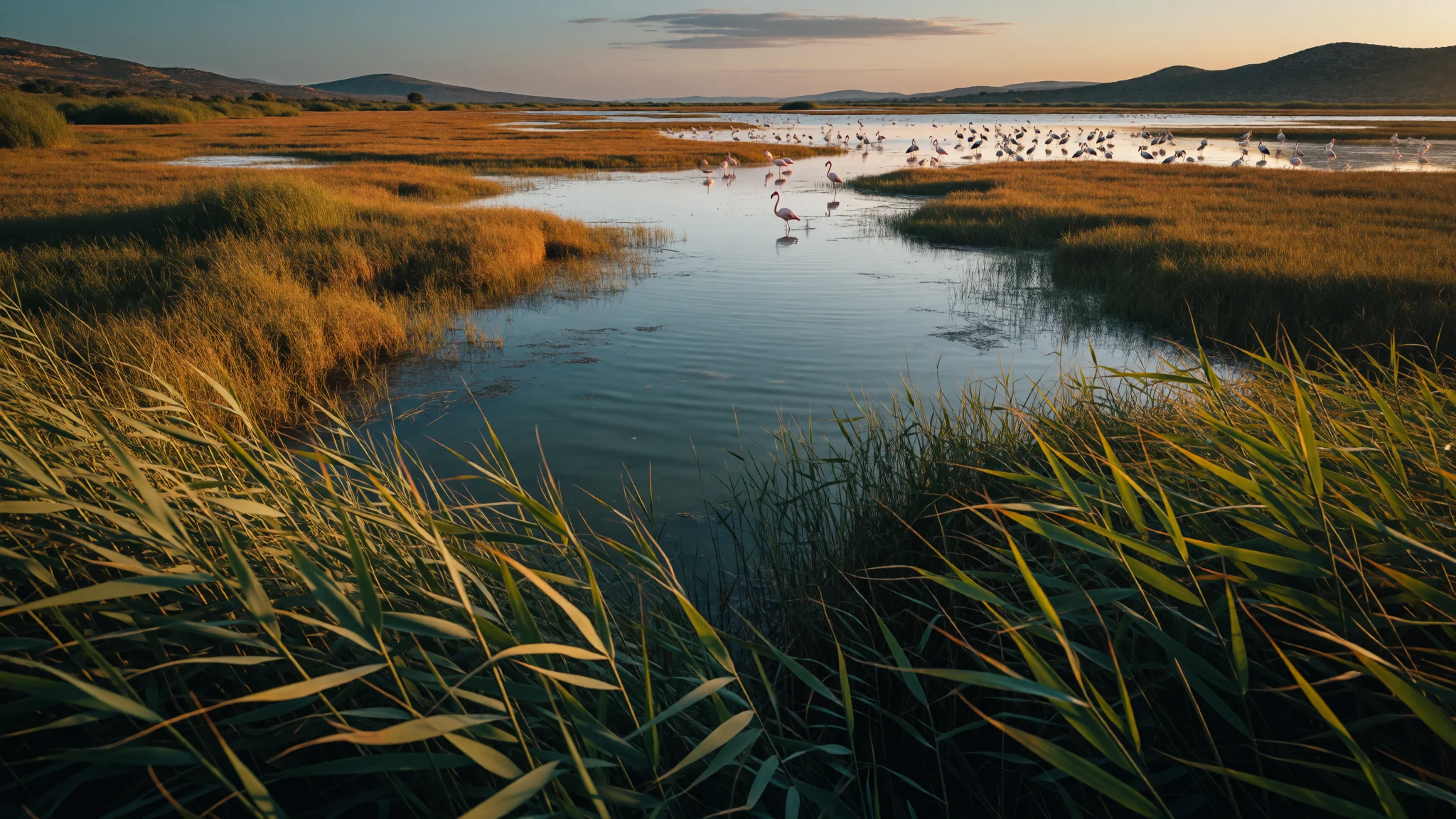
Ichkeul is where water and wildlife meet, with migratory birds stopping in great wetland habitats just outside Bizerte.
The place
Ichkeul National Park sits in northern Tunisia, centred on Lake Ichkeul and the marshes that ring it. This is a “wetlands with seasons” place: in summer the lake is more connected to the Mediterranean, while fresh water feeding comes mainly in winter through seasonal channels. That shifting mix is part of the story of the park’s ecology, and it’s also what makes day-to-day bird activity feel so variable.
Most visits begin with the geography: low water, reeds, and channels; then, as the light changes, the land reads like a living map. The park’s reputation comes from migration. Lake Ichkeul and its wetland habitat have long been valued as a stopping-over point when birds move between regions, and you’ll commonly hear and look for the kinds of waterbirds that thrive in open water and marsh cover.
There’s also a human layer here. Ichkeul has been shaped by water management: changes to how freshwater reaches the lake have affected the balance of plants in the reedbeds and marshes, which in turn influences which birds can find the conditions they need. That means the park feels practical rather than purely scenic—walk slowly, watch what’s growing and where water pools, and you’ll understand why the ecology is the main attraction.
Crowds are usually not the point at Ichkeul; it’s more about timing and attention. Arriving with a plan for where to stand and when to look makes a bigger difference than chasing landmarks.
Its story
The history of Ichkeul is closely tied to changing uses of land and water. In the 13th century, Lake Ichkeul functioned as a reserve during the Hafsid dynasty. Much later, in the early 20th century under French rule, the area became part of the public domain. From there, the park’s conservation status evolved: it became a biosphere reserve in 1977 and was designated a world heritage site in 1980.
What really marks the story, though, is how hydrology controls everything. Reports describe how dams affecting rivers feeding the lake have changed the freshwater inflow to the lakes and marshes. When that mix shifts, reedbeds and freshwater plant communities struggle, and salt-tolerant vegetation can take over. Since migratory birds rely on the combination of habitat types and food sources, those vegetation changes can translate into noticeable differences in which birds show up and in what numbers.
There were also periods when the site’s conservation situation attracted international concern. Between 1996 and 2006, the park was considered at risk, with upstream dam construction linked to rising salinity and ecosystem disruption. Later actions by Tunisian authorities aimed to protect freshwater inputs and reduce salinity, including ending agricultural use of the lake’s waters. As a result, the park’s listing status was adjusted after that 2006 period.
For travellers, the takeaway is simple: Ichkeul isn’t only “a bird place”; it’s a water-and-plant place. The best experiences tend to come when people slow down, accept that nature is dynamic, and use the day’s light to read the wetlands.
What to see
- Lake Ichkeul wetlands — around Lake Ichkeul
Lake Ichkeul is the heart of the park, where marsh habitats support migrating waterbirds. Ducks, geese, storks and pink flamingoes are among the visitors that can appear when conditions suit them.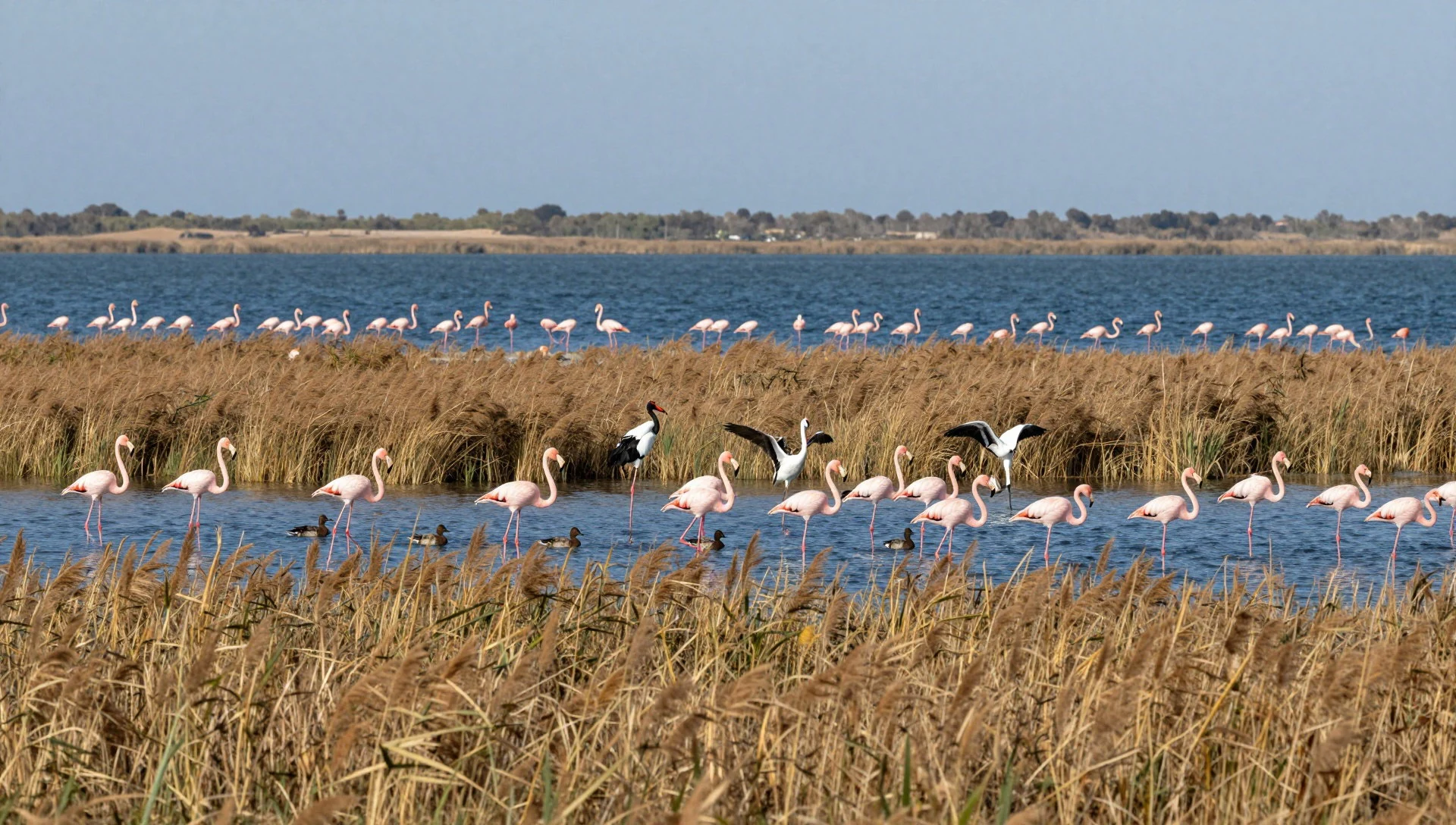
- Musée Ecologique du Parc National d’Ichkeul — near the park area (museum grounds)
Musée Ecologique du Parc National d’Ichkeul is an ecological museum focused on local flora and fauna and what the protected wetland means for the wider environment. It’s a useful stop before heading out to read the landscape.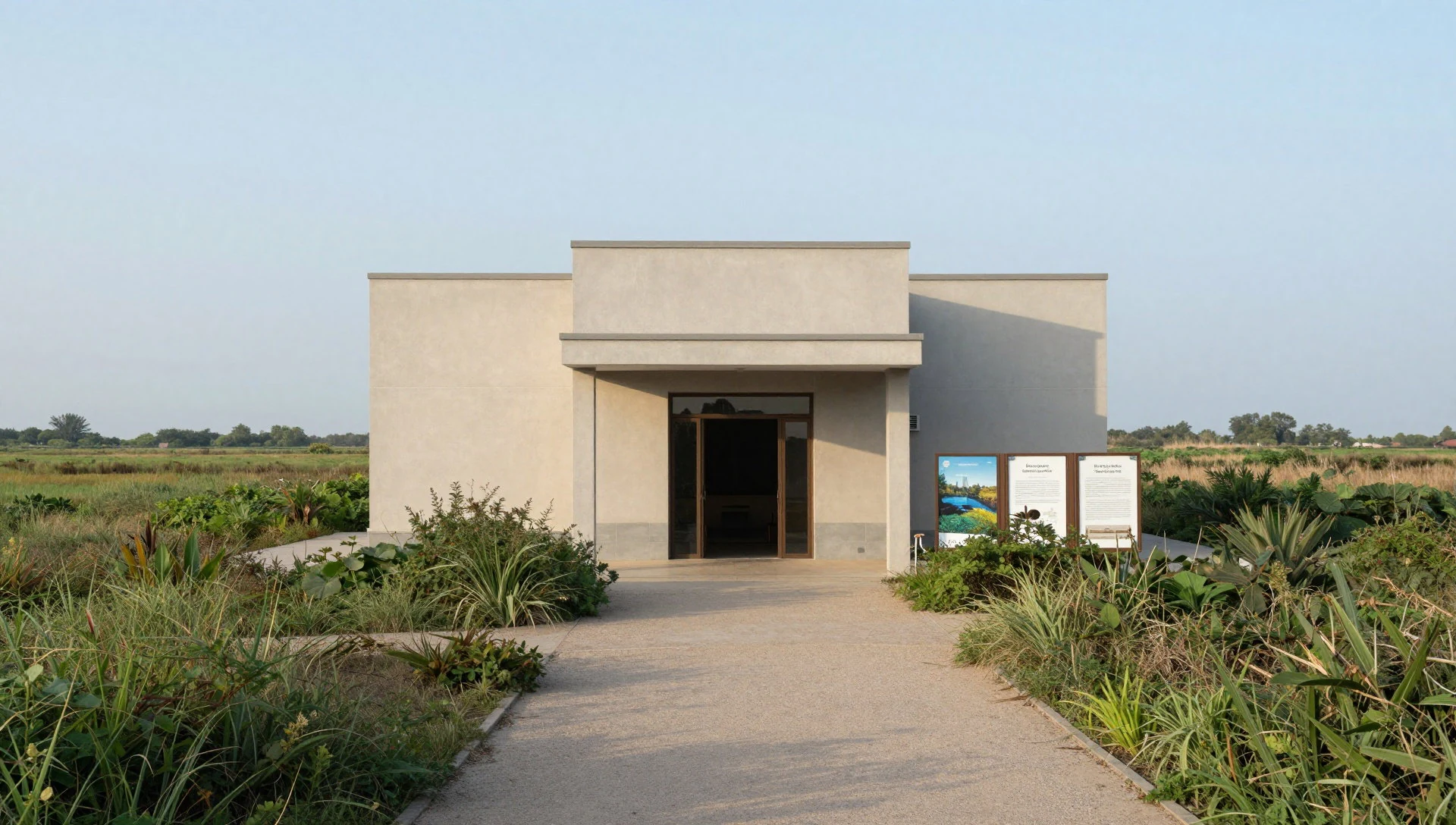
- Reedbeds and wetland channels — marsh zones around the lake
Ichkeul’s reedbeds and marshy channels are where the wetland “texture” becomes obvious—dense cover in places, open water in others. The balance between freshwater and salt influence what grows and, indirectly, what birds feed.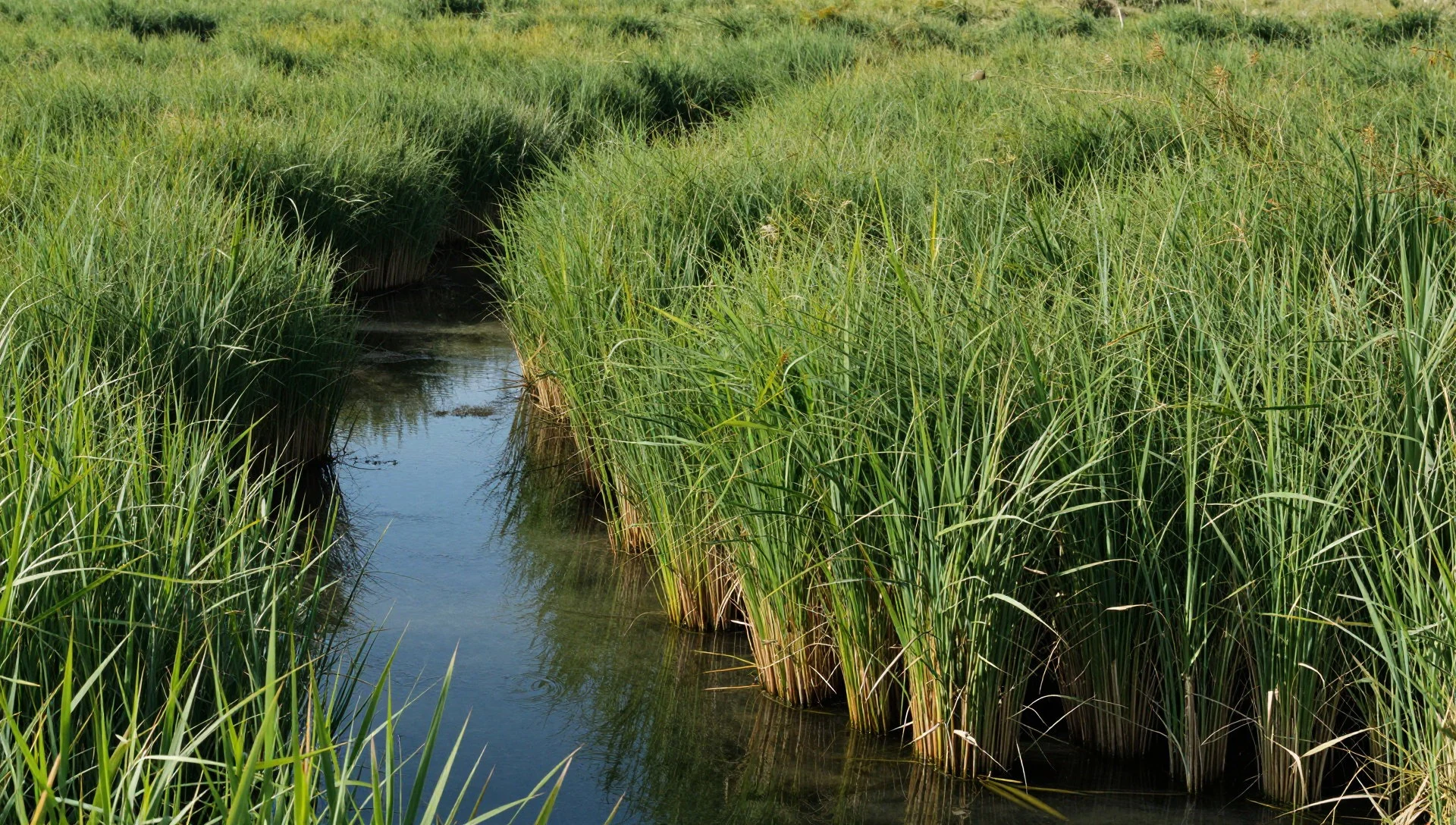
- Low hills and viewpoint walks — edges and elevated spots around the park
The park rises around Lake Ichkeul and you can find viewpoints over the low terrain, especially where the land gives a clearer line of sight across water and vegetation. It’s good for scanning patterns in the habitat.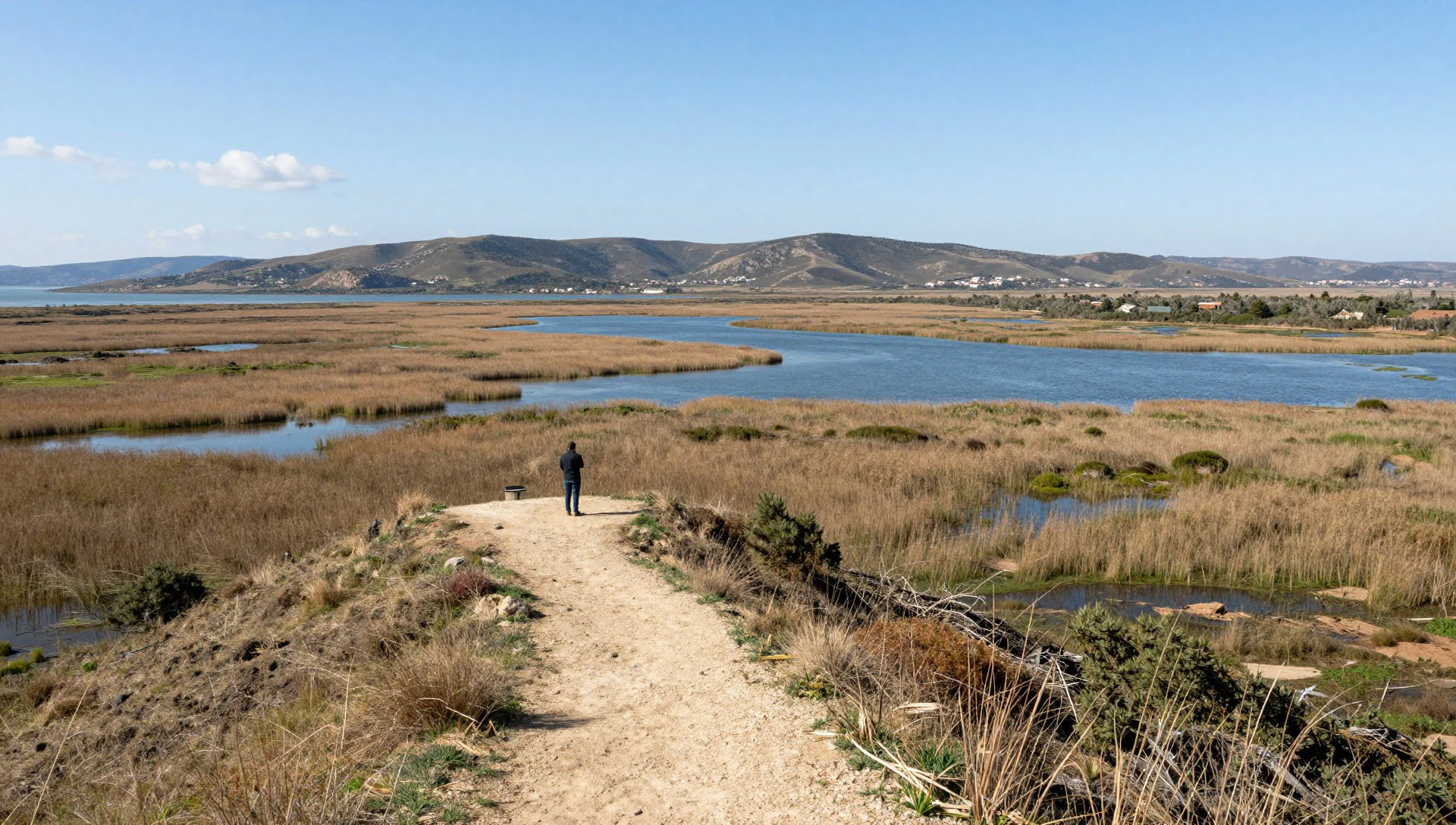
- Birdwatching during migration windows — lake margins and marsh observation areas
Bird activity at Ichkeul is tied to migration timing, and that can mean dramatic differences over the year. Bring patience: watch for movement across open water and in marsh cover rather than only focusing on one shoreline.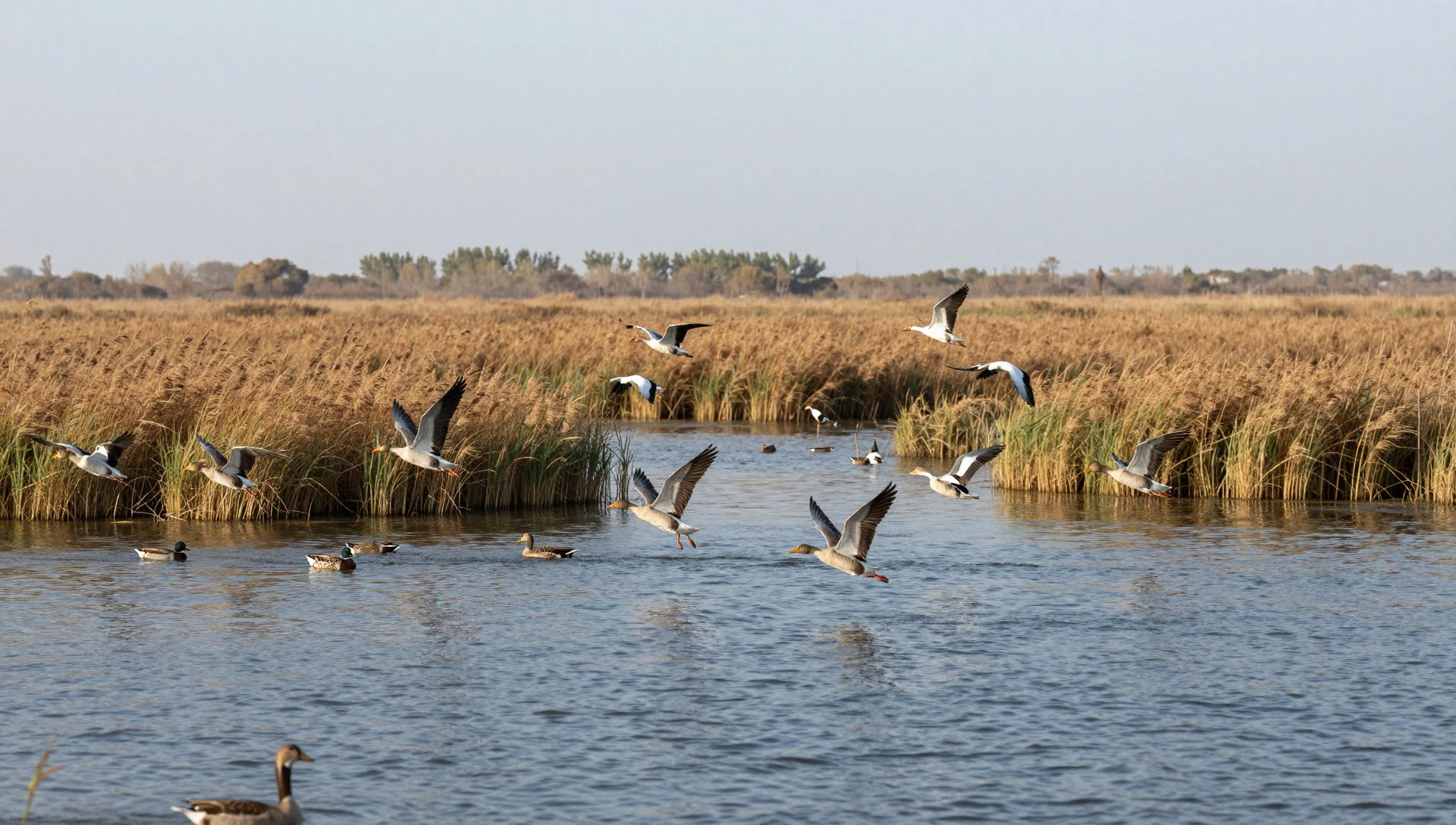
- Water buffalo ponds and marsh edges — shallow wetland pockets near the marsh
Some wetland areas can look like a mosaic of water pools and marsh edges, with large animals sometimes seen around these calmer water zones. It helps to keep an eye on the waterline and what surrounds it.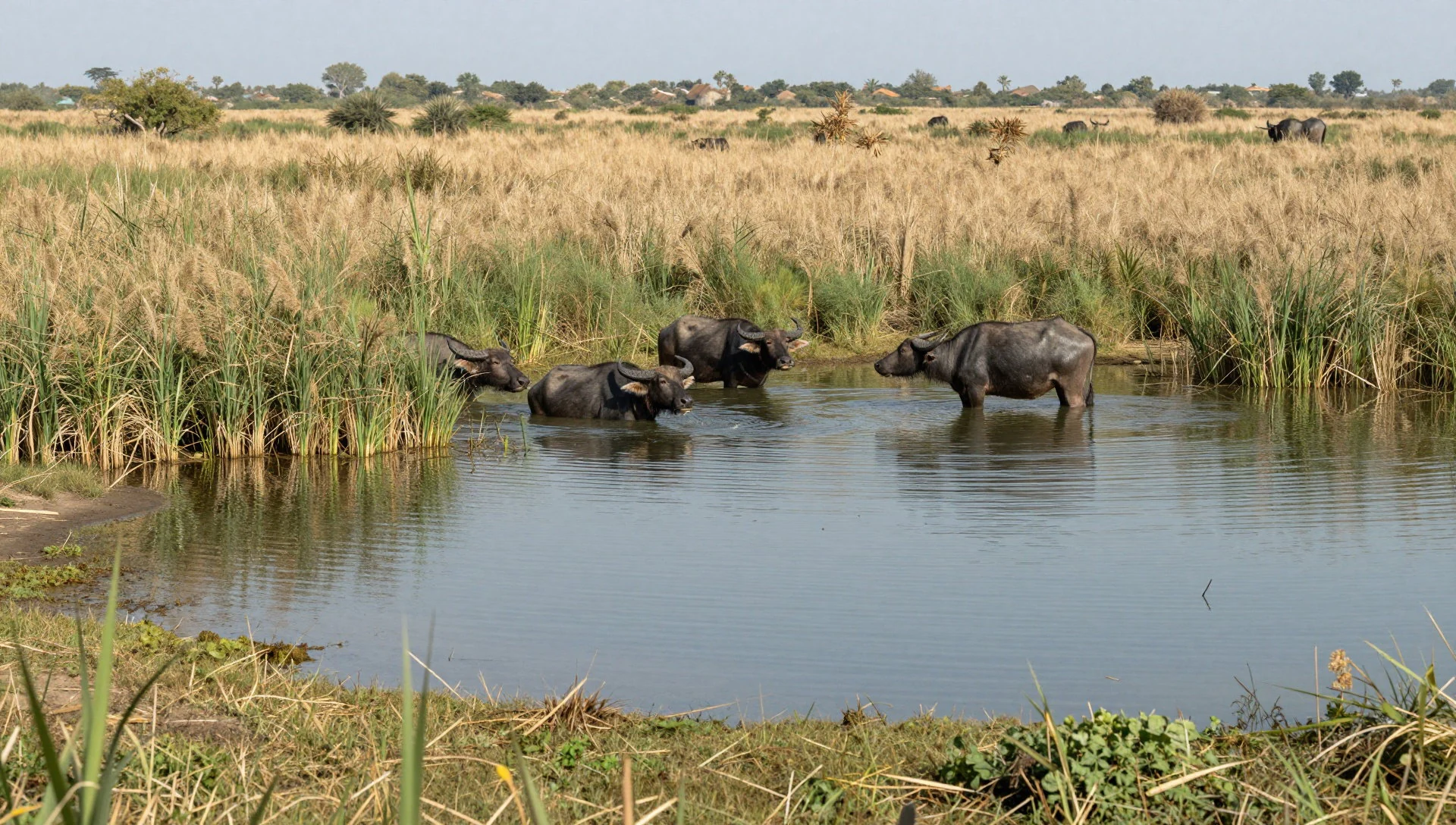
Culture
In and around Ichkeul National Park, daily life is shaped by water—where it flows, where it pools, and what people can (and can’t) do with it. That’s why conservation here feels grounded rather than abstract: the park’s ecology depends on freshwater arriving in the right season, and on the overall balance between lake and wetlands.
When visiting, it helps to treat the wetlands like a working landscape. Birds move because the habitat changes, plants shift with salinity and inflow, and even a short walk can change what’s visible. A museum stop, then a slow loop outside, tends to make everything click: visitors often leave with a better sense of why “the mix” matters.
Respect local rules and the rhythm of the place. Keep noise down so calls from birds aren’t drowned out, stay on any marked paths, and avoid trampling reedbeds that can be fragile. If people are working nearby, don’t block access and don’t wander into restricted areas just for a better view.
Ichkeul is also a place where you may share space with wildlife—use optics if available and keep a calm distance so you’re watching, not interfering with feeding and resting behaviour.
Visitor etiquette: keep to paths, stay quiet while birds are active, and do not walk into reedbeds or fenced/restricted areas for photos.
What to wear
Tunisia’s north can feel hot and bright even when the landscape is cooler at dawn, and Ichkeul’s wetland paths can be muddy. Traditional dress you’ll see in the region includes garments like a long robe (often called a haik or similar outer wrap in different forms), paired with head coverings in more conservative settings, and it’s commonly worn for everyday modesty and at community gatherings.
Textiles matter here: you may spot woven cottons and other breathable fabrics in local colours, and the way they drape helps with sun and modesty. That said, most visitors around the park wear practical clothing rather than formal outfits.
For now: light breathable tops, trousers or long skirts, and a hat help with glare. For religious sites and any village stops, covering shoulders and choosing longer lengths is a good default. Footwear matters more than fashion—choose closed shoes or walking sandals that can handle damp ground, because paths near the wetlands can be uneven.
If visiting during cooler morning hours, carry a light layer: the air can feel crisp before the sun warms the low terrain. A small day bag for water and a basic rain layer can also be useful if weather turns.
What to eat
- Vegetable and herb salads — cafés and roadside eateries around Bizerte and the park approach roads
Expect simple salads built around seasonal vegetables, olive oil, and chopped herbs. It’s the kind of easy, cooling bite that works well after a wetland walk when the light has been harsh.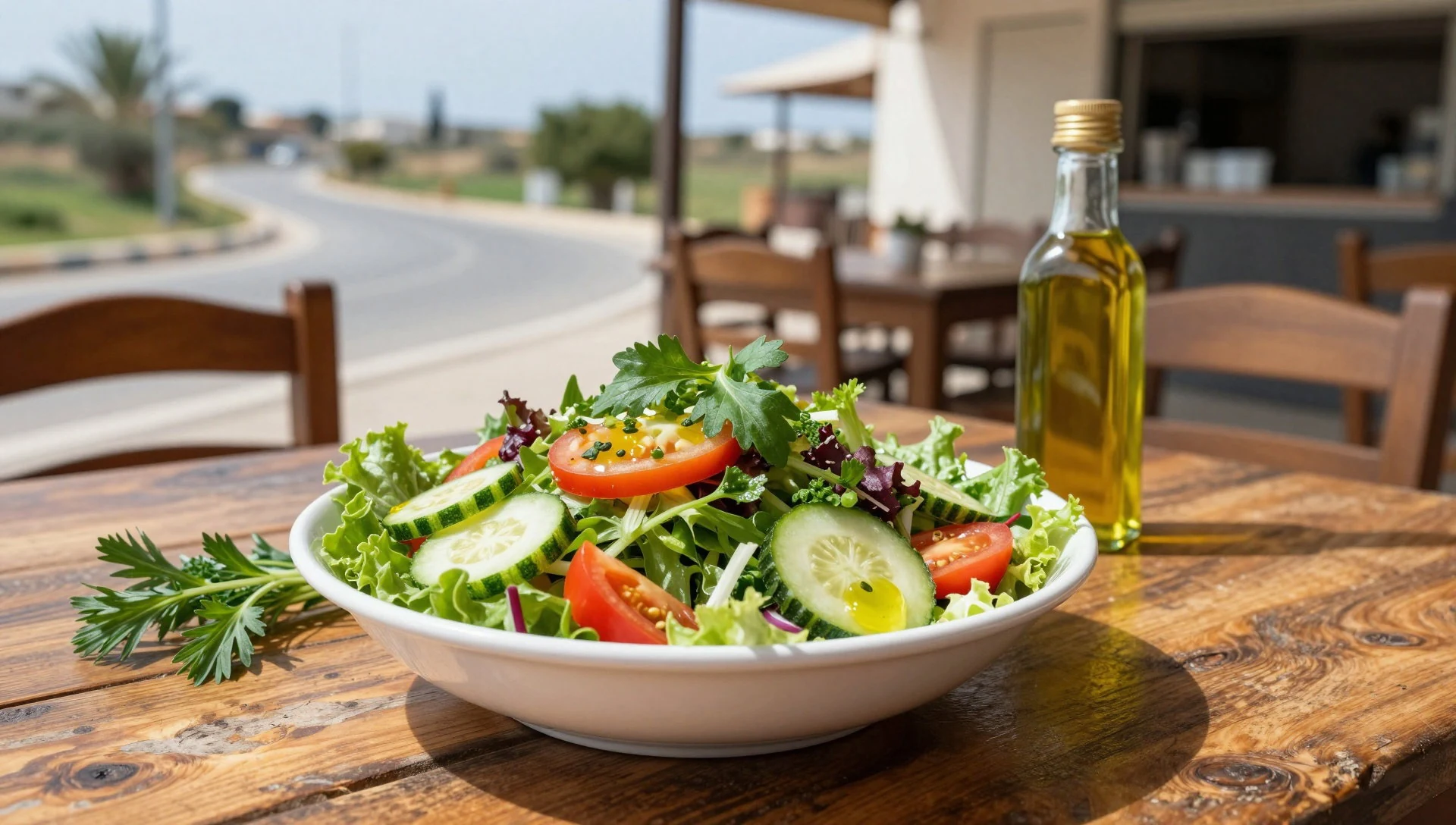
- Couscous-style grain dishes — local restaurants in Bizerte and nearby towns
Couscous-style grain dishes often show up with stews or vegetables, making them filling enough after a long day of walking and birdwatching. Ask what’s seasonal in the kitchen rather than hunting a specific variation.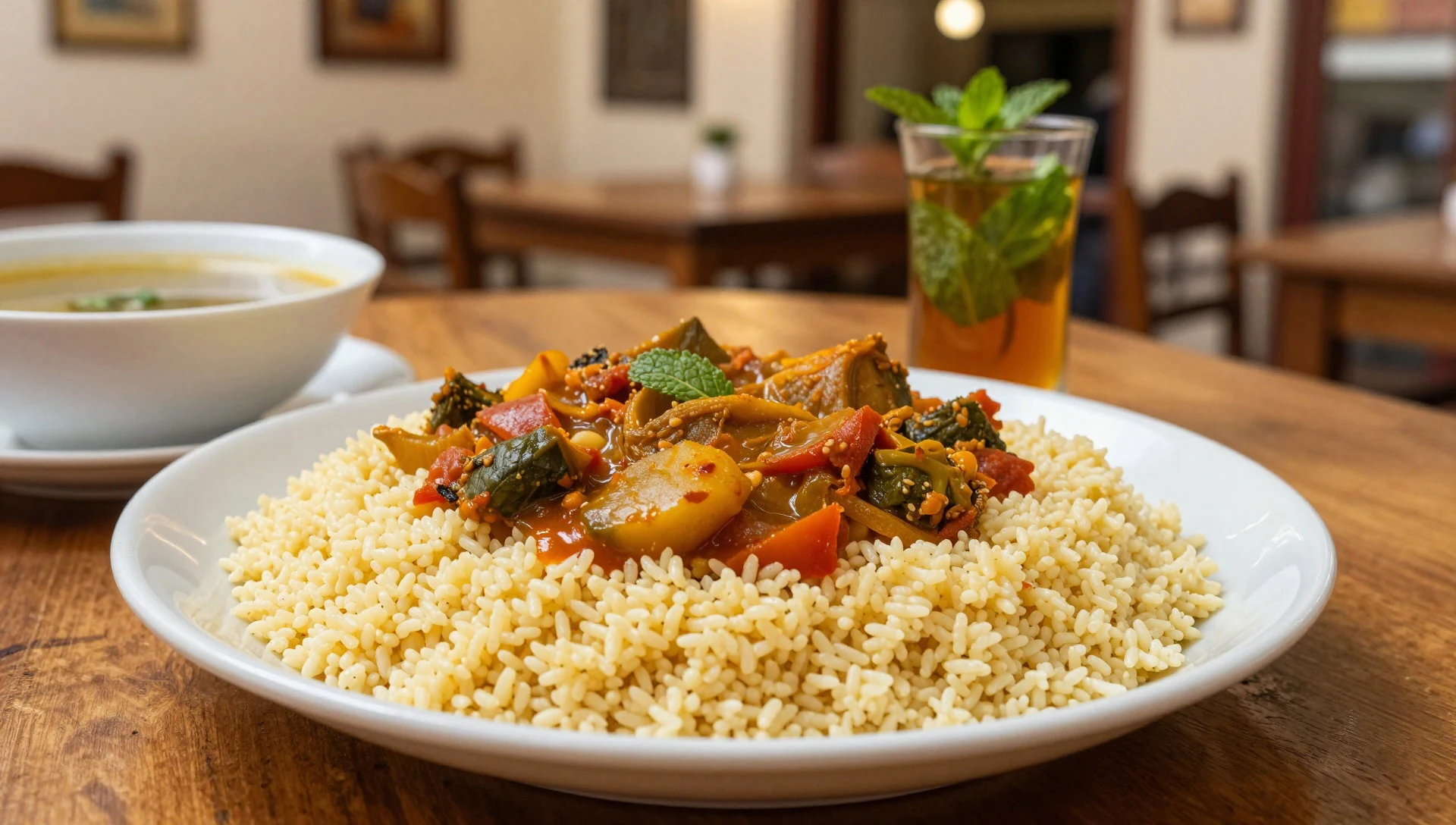
- Fresh fruit with mint tea — hotel lounges and cafés near the main roads
Look for seasonal fruit platters and mint tea served to cool down. It’s a common pairing for post-excursion rest, especially when the day has been sunny and the air has dried out. - Grilled meats or kebabs — street food counters and restaurants in Bizerte
Grilled meat dishes and kebabs are common across Tunisia, often offered as plates or in sandwiches. They’re an easy dinner option if the park day runs long and you want something straightforward. - Bread, olives and spreads — family-run restaurants and local cafés
A Tunisian-style meal frequently starts with bread and a selection of olives and spreads. It’s a good way to nibble while waiting for a main, without committing to something heavy.
Plan it
Best time. Late October–November brings milder, drier outdoor conditions and good chances of seeing migrating birds; March–April can also be productive. The hottest months are June through August, with the most rain in December to February, so summer heat can be intense and you’ll want to start early.
How long. 2–3
Getting there. From Tunis, take RN 7 to Mateur, then turn onto RN 11 heading north towards Bizerte; from Bizerte, take RN 11 south-west towards Mateur and approach via Tinja. Follow road directions to the park entrance as you cross the Mateur–Tinja railway and continue to the entrance.
Budget. mid
Tips
- Start early for better light and steadier wildlife spotting before the day warms up.
- Build in a museum visit first so bird sightings have context when you step outside.
- Use the day’s wind and water visibility: look across open water as well as into marsh cover.
- Carry water and basic sun protection; the park sits in open, bright wetland terrain.
Etiquette
- Keep voices low and give birds space—don’t step into reedbeds for a closer shot.
- Stay on paths and respect any restricted zones around the wetland edges.
Nearby
Sources
- Wikidata Q13220079 (CC0)
- Wikipedia (rev 1372225609) (CC BY-SA 4.0)
- Wikivoyage (rev 5405736) (CC BY-SA 4.0)
- Photo photos/01-.jpg (CC BY 3.0)
- Photo photos/02-vue-matinale-de-la-montagne-dominant-le-parc-ichkeul.jpg (CC BY-SA 2.5)
- Photo photos/03-ichkeul-national-park-130277.jpg (CC BY-SA 3.0 igo)
- Photo photos/04-ichkeul-national-park-0001.jpg (CC BY-SA 4.0)
- Photo photos/05-201echkkell5.jpg (CC BY 3.0)
- Photo photos/06-buffles-d-eau-ichkel.jpg (CC BY-SA 4.0)
- Photo photos/07-echkel935.jpg (CC BY 3.0)
- Photo photos/08-echkkell5003.jpg (CC BY 3.0)


