Huế
Huế, Vietnam
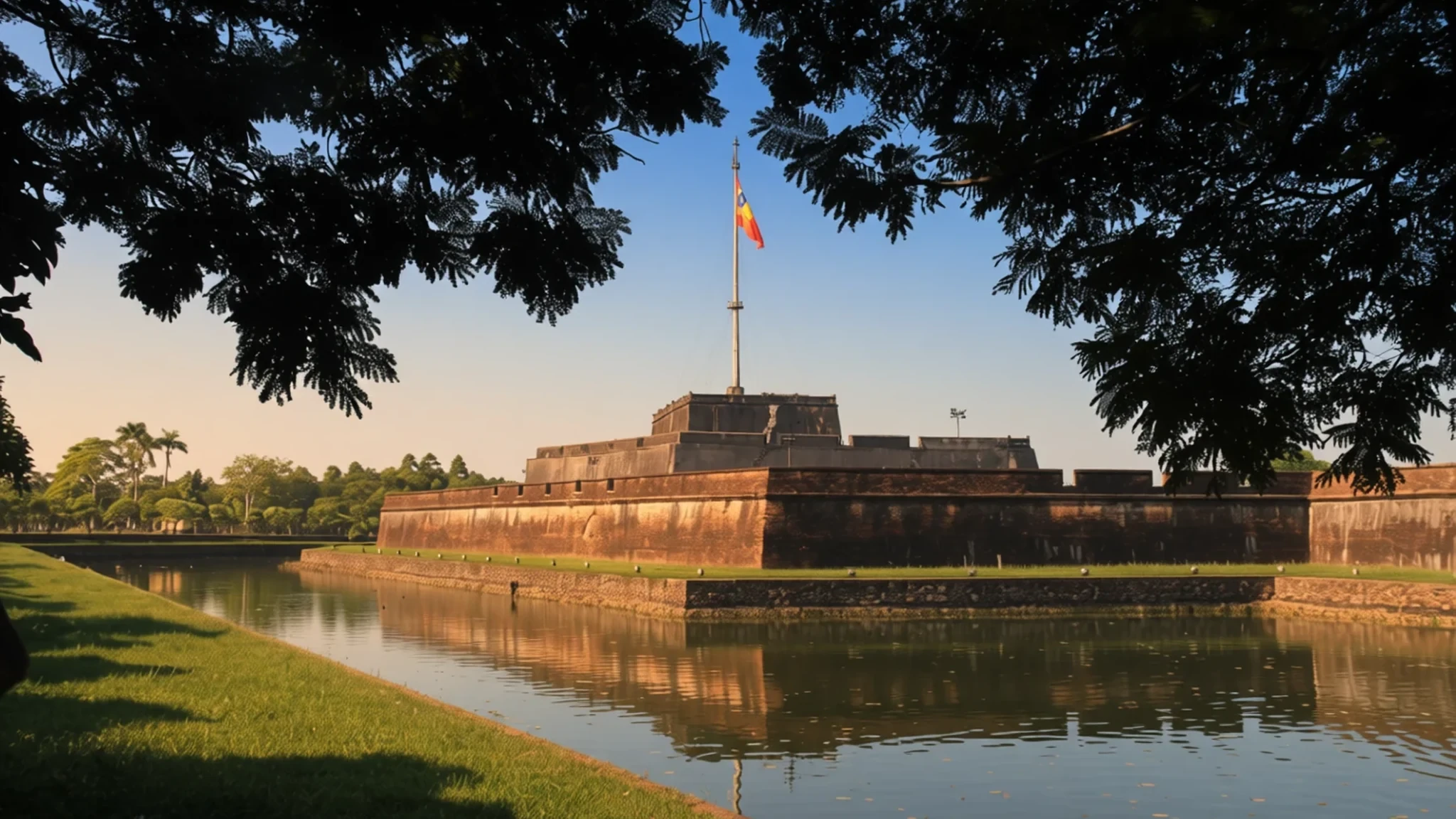
Huế's imperial citadel, tombs and pagodas make it a rewarding stop in central Vietnam, best seen slowly along the Perfume River.
The place
Huế is a city of about 1.2 million people in central Vietnam, close to the middle of the country's long coastline. It is an educational, medical and cultural hub, and it sits where the North Central and South Central regions meet, so its geology, weather and local customs mix influences from both. The city lies about 85 m above sea level. Its wider area runs from the South China Sea across lagoons and coast to forested hills near the Laos border, and that range shapes daily life as much as the monuments do. The Perfume River (Sông Hương) cuts through the middle, and most of the sights lie on its banks. Huế has long been a popular stop because of its large complex of imperial palaces, tombs and temples. The monuments are spread out, so the city works best as a stay of two or three days, with one day for the citadel, one for the tombs and a slower afternoon on the river.
Its story
The Huế area has a human history of roughly 2,800 years, according to archaeological finds from the Sa Huỳnh culture and other relics in the region. The oldest ruins in the city belong to the Kingdom of Lâm Ấp, dating from the 4th century AD. Its capital, Kandarpapura, is thought to lie on Long Thọ Hill about three kilometres west of the present city, though the name may have honoured a later king rather than the first capital. A Champa city at Hoa Chau dates from the 9th century, and independent Đại Việt emerged in 938, after which centuries of conflict with Champa followed.
The land that became Thuận Hóa changed hands through a marriage. In 1306, the Champa king Chế Mân offered two prefectures, Ô and Lý, in exchange for marrying Huyền Trân, a princess of the Trần dynasty. The Vietnamese king accepted, and the prefectures were renamed Thuận and Hóa, together known as the Thuận Hóa region.
Under the Nguyễn, the settlement, then called Phú Xuân, grew into a political centre. The dynasty made it the national capital in 1802, and the Imperial Citadel became the seat of government for the court. Later, under French colonial rule, the city also served as the capital of the protectorate of Annam. The walls, gates and tombs visible today are the product of that long, contested history.
What to see
- Imperial City — North bank of the Perfume River, inside the citadel walls
The former seat of the Nguyễn court is Huế's prime attraction, a large walled complex of temples, pavilions, moats, gates and museums. Allow at least half a day, since the enclosure is spread out and the open courtyards can be draining in the heat. Early morning is calmer, and the Ngọ Môn gate is a good place to start. Expect a lot of walking on uneven stone.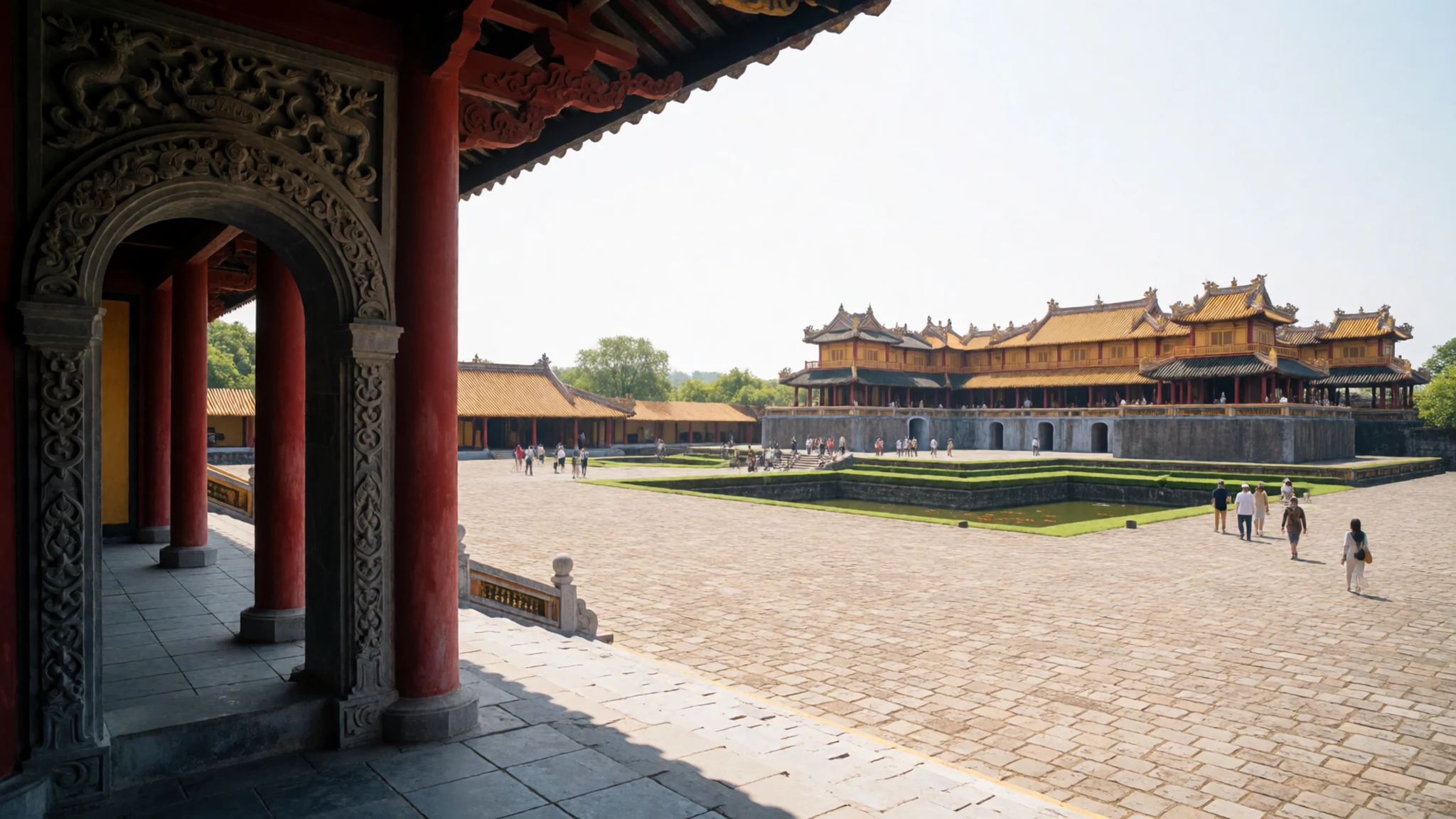
- Thiên Mụ Pagoda — Bluff on the Perfume River, west of the city centre
Perched on a bluff above the Perfume River, this pagoda is the official symbol of Huế. It houses fine gold and silver Buddha images and offers good views along the water. Visit in the morning or late afternoon, when the light on the river is kind and the grounds are quieter. A taxi is easier than walking in the heat.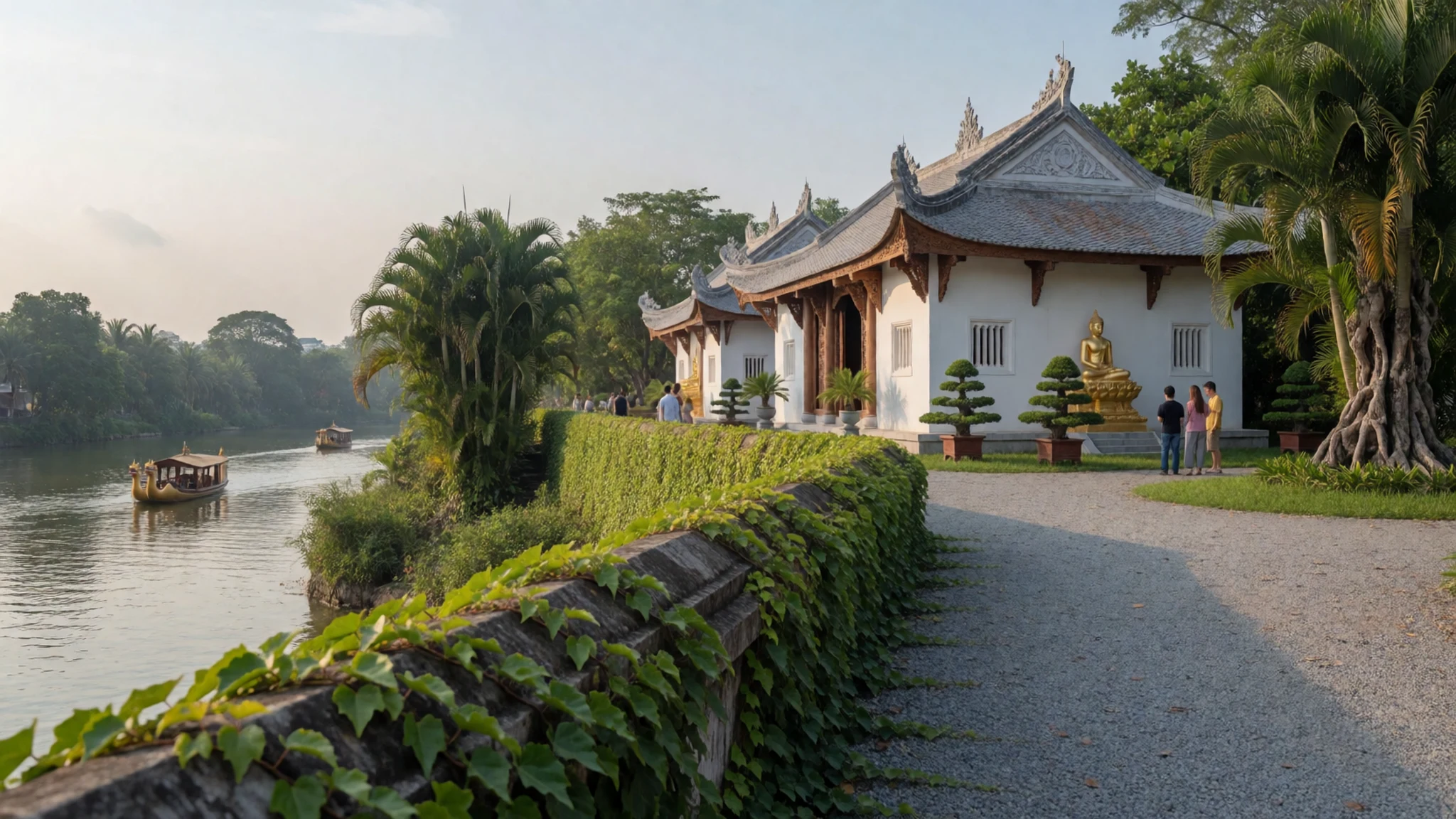
- Tomb of Gia Long — South-west of the city, outside the centre
The most remote of the royal tombs sits quietly and shows signs of neglect. Gia Long, the first Nguyễn emperor, is remembered as a notoriously despotic ruler, and the tomb's stillness suits visitors who want less crowded ground. Allow an hour or two, and arrange a driver for the round trip, as the journey out is longer than the others.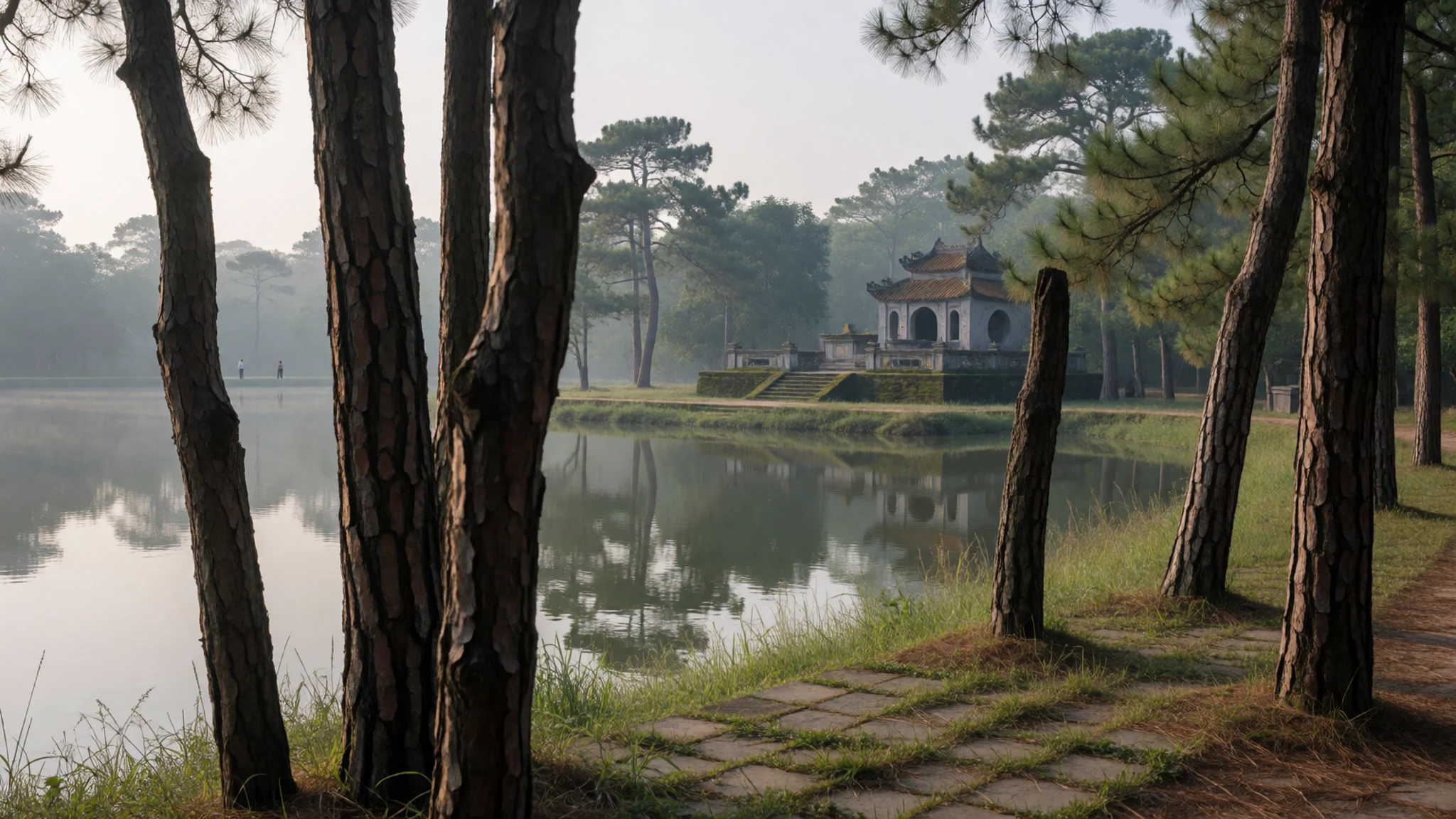
- Ho Chi Minh Museum — Central Huế, close to the citadel
This museum holds photographs and information about Ho Chi Minh, along with a photographic history of Huế itself. It gives useful context on the twentieth century before you see the monuments. Opening times change, so check the official site before going.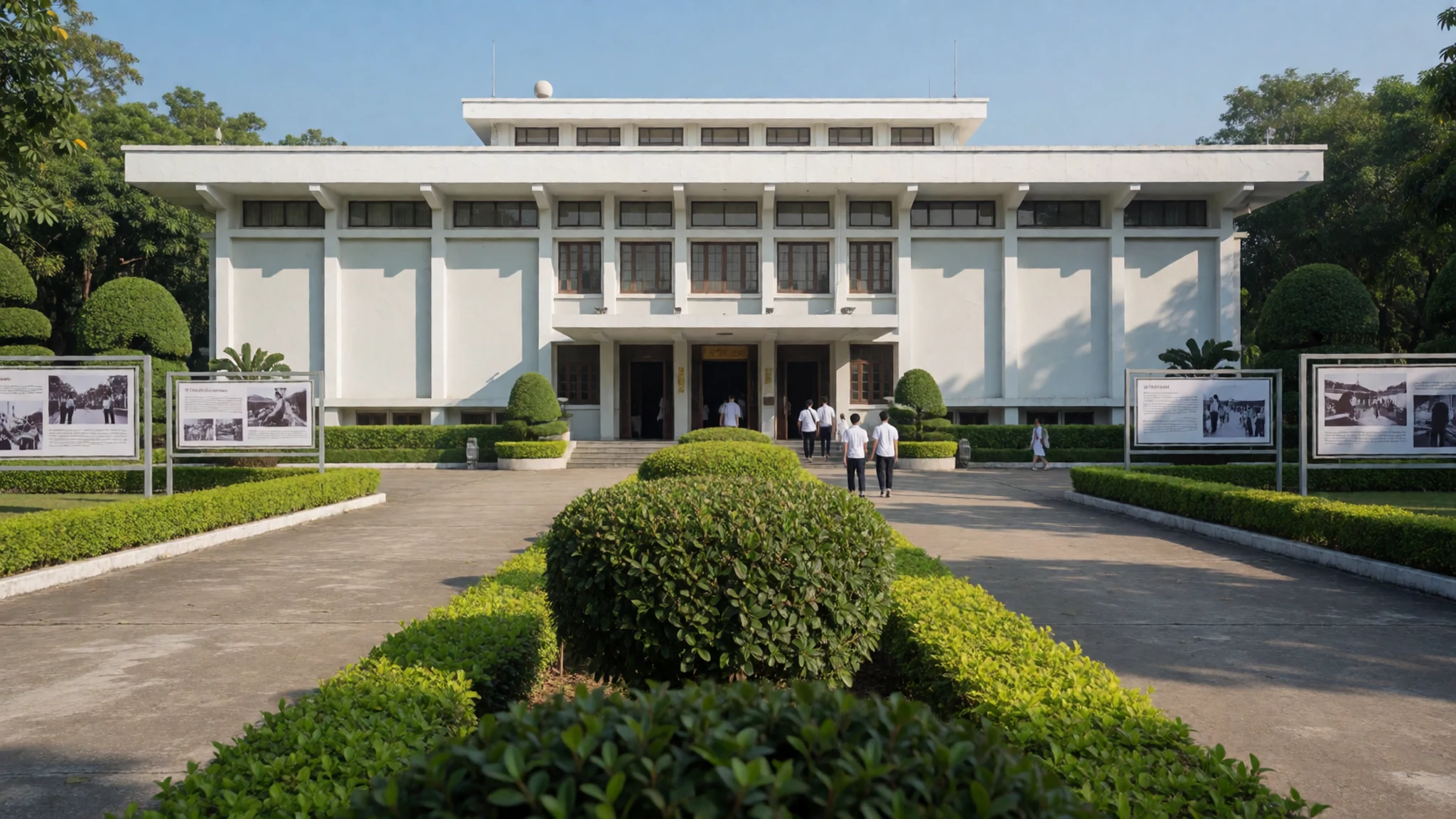
- Trường Tiền Bridge — Across the Perfume River in the city centre
Crossing the Perfume River on foot or by motorbike gives the clearest sense of how the city is laid out. The citadel lies on one bank and the newer streets on the other. It is a practical way to move between the monuments and the restaurants of the city centre.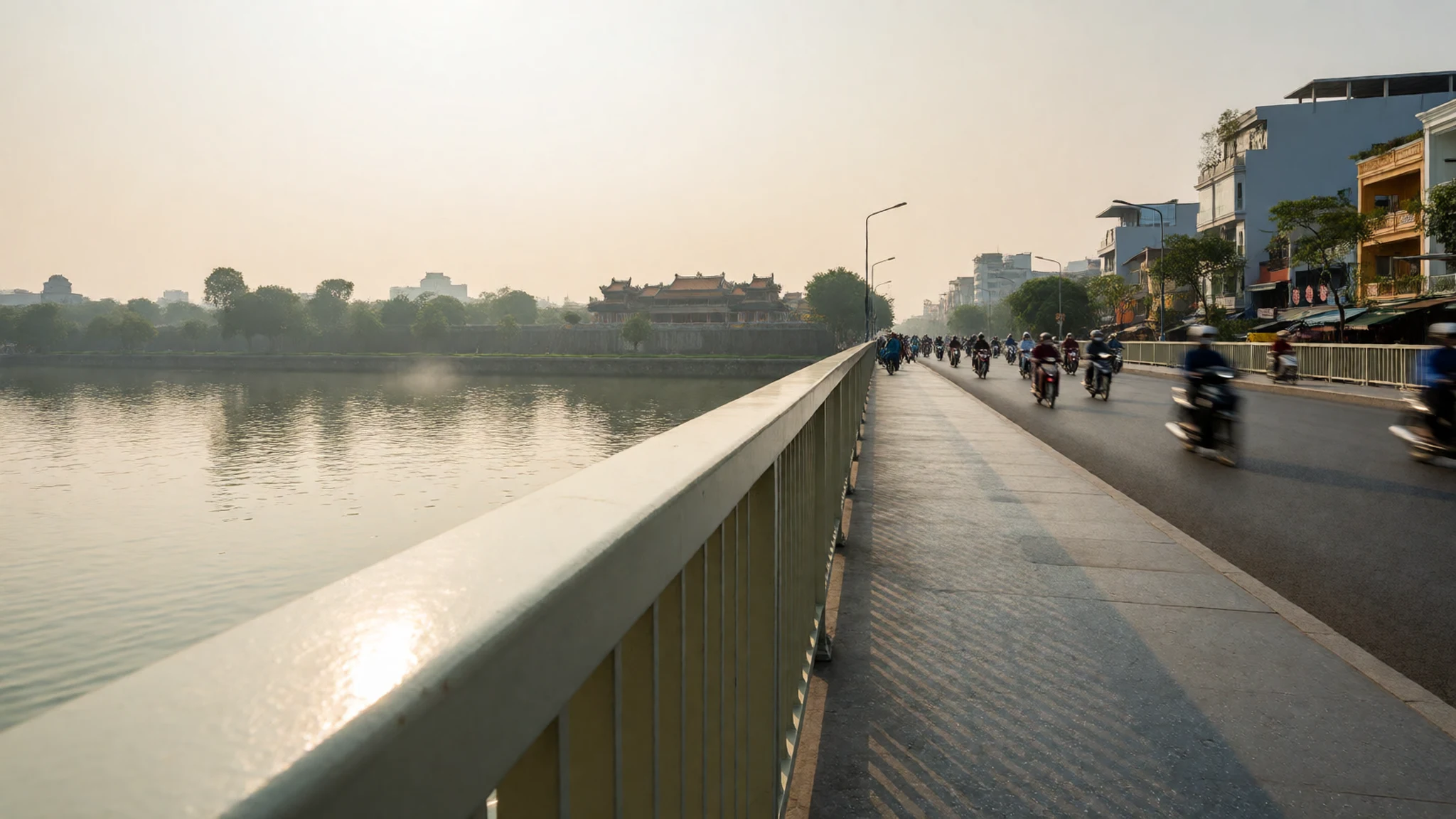
Culture
Huế's customs grew up around the Nguyễn court, and many of them still carry a sense of ceremony. Correct forms of address and respect for elders shape everyday conversation, and older residents are often careful and courteous with visitors. Buddhism is part of daily life, and pagodas work as active places of worship as well as sights. Ancestor worship is kept alive in family homes and at the royal tombs, which are treated as places of respect rather than backdrops. Visitors should keep voices low inside temples, stay on marked paths in the citadel and avoid climbing on monuments or statues. At pagodas and tombs, dress with covered shoulders and knees, remove hats indoors, and ask before photographing monks or worshippers.
What to wear
Huế's traditional dress is the áo dài, a long tunic worn over trousers, whose modern form grew out of the costumes worn in Đàng Trong in the 18th century. A court historian of the time described ordinary dress as gowns with straight collars and short sleeves, with seams running down the sides so the gown stayed closed. Men could choose a round collar and narrower sleeves for work. Later, the áo ngũ thân, a five-part costume, was popular through the 19th and early 20th centuries. Silk was the fabric of formal and court wear, while cotton and silk blends served for everyday use.
People in Huế wear mostly Western clothes now, including jeans, T-shirts, light jackets and motorbike helmets. The áo dài still appears on school days, at weddings, at Tết and at festivals, and many young women wear it for photographs near the citadel and along the river.
A visitor should pick loose cotton or linen, since the climate is hot and humid for much of the year. Cover shoulders and knees for pagodas and tombs, and carry a light scarf to drape over your arms. Wear sturdy closed shoes for the uneven stone paths of the citadel and tombs, and a hat with sun protection. In the wetter months, a light rain layer is worth packing.
What to eat
- Bánh bao — Street carts near the riverfront in the morning
Bánh bao, soft steamed buns sold by street vendors, make a filling breakfast in Huế. Look for a cart near the riverfront in the morning, when the buns come out of the steamer hot. Fillings vary, so ask what is inside before you buy.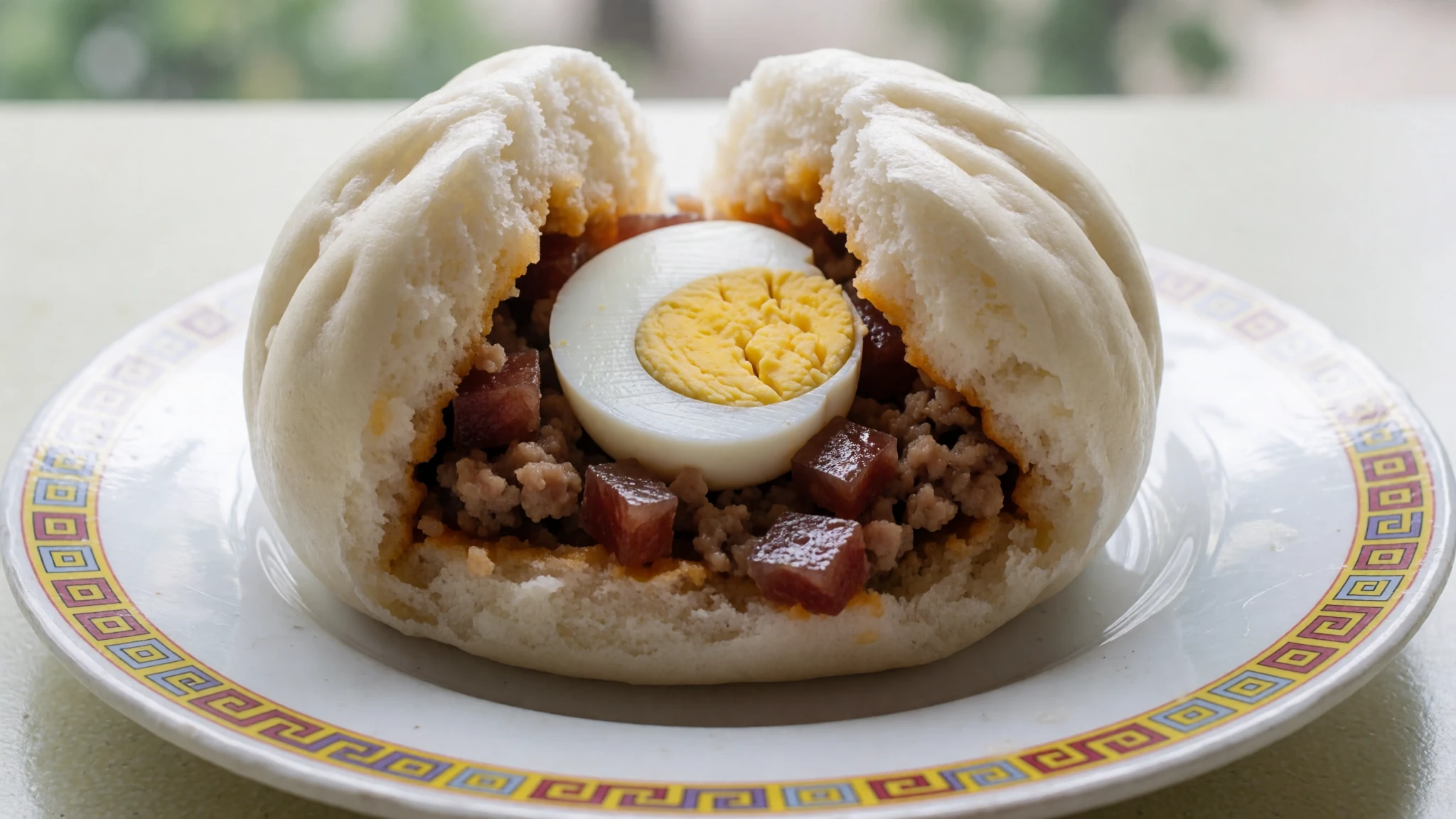
- Lẩu chay — Vegetarian eateries in the city centre
Lẩu chay, a vegetarian hot pot, is a good choice for anyone avoiding meat in Huế. Vegetarian eateries in the city often serve it as a shared pot with tofu, mushrooms and greens. Expect to cook much of the meal yourself at the simmering pot.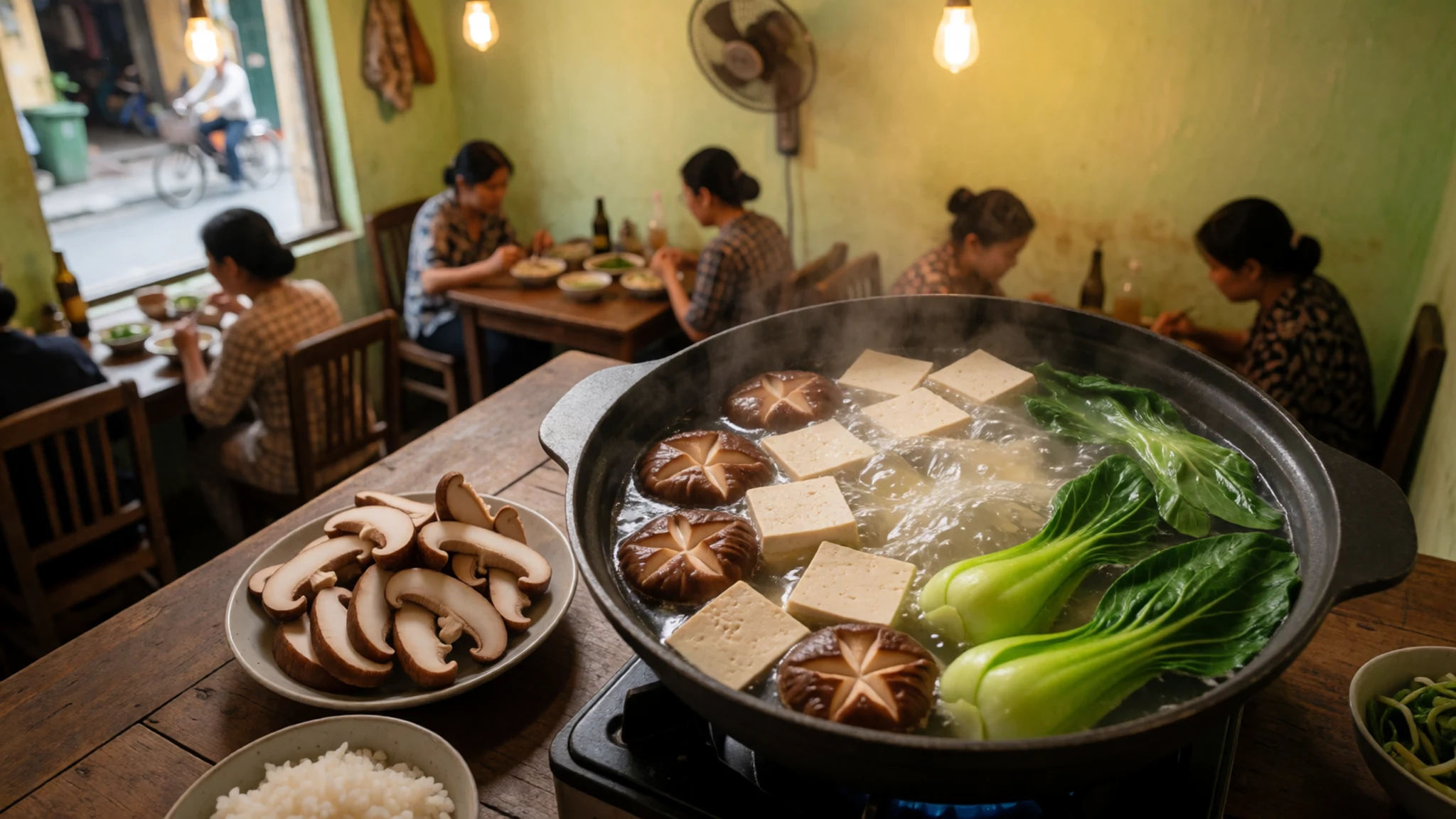
- Bún bò Huế — Roadside stalls and family eateries across the city
Bún bò Huế is the spicy beef noodle soup linked with the city, built on a lemongrass broth with chilli and shrimp paste. It is eaten for breakfast or lunch at low stools by the roadside. Ask for less chilli if you need it, and add lime from the table.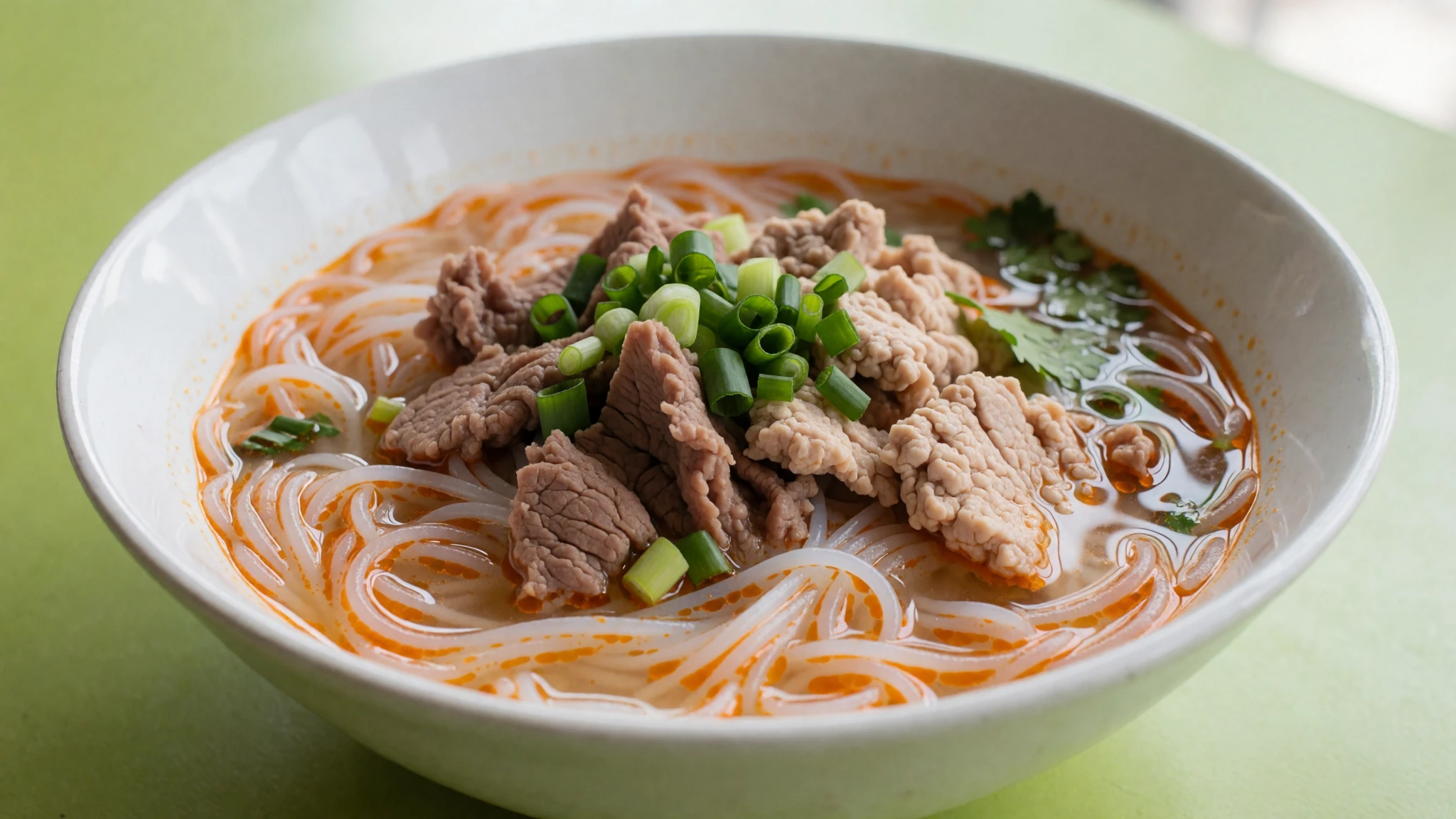
- Bánh bèo — Small stalls near the citadel and the river
Bánh bèo, small steamed rice cakes topped with shrimp, pork crackling and a spoon of fish sauce, is a traditional Huế snack. Vendors serve it in shallow dishes, so you eat it at once while the cakes are still warm. Locals often order several plates.
Plan it
Best time. January to March is the cooler stretch, with February the driest month, though winter rain can linger for weeks into late March. The rains run roughly from September to December, and heavy downpours can disrupt river and outdoor visits.
How long. 2–3
Getting there. Da Nang airport is about two hours by car, and a pre-arranged transfer or metered taxi is the simplest last leg. Several trains a day run from Da Nang (about 4 hours) and Hanoi (about 14 hours), and the journey through Lang Co and the Hai Van Pass is scenic.
Budget. mid
Tips
- Hire a driver for a full day to cover the tombs, which are spread out
- Start at the Imperial City before the heat builds
- Carry cash for small eateries and drivers
- Bring water and a hat, as the citadel has little shade
- Book sleeper train tickets early if you travel from Ho Chi Minh City
Etiquette
- Dress with covered shoulders and knees at pagodas and tombs
- Ask before photographing worshippers
- Remove hats inside temple buildings
Nearby
Sources
- Wikidata Q36399 (CC0)
- Wikipedia: Huế (rev 1382946451) (CC BY-SA 4.0)
- Wikivoyage: Hue (rev 5404330) (CC BY-SA 4.0)
- Photo: Bờ Nam của thành phố Huế nhìn từ trên cao, Lê Huy Hoàng Hải (CC BY-SA 4.0)
- Photo: Trường Tiền Bridge, Huế, Chainwit. (CC BY 4.0)
- Photo: Thien Mu Pagoda, Wolkenkratzer (CC BY-SA 4.0)
- Photo: Lăng Khải Định, NKSTTSSHNVN (CC BY-SA 4.0)
- Photo: Ngọ Môn kinh thành Huế, NKSTTSSHNVN (CC BY-SA 4.0)
- Photo: Bach Ma National Park, Duncan Wright (CC BY 3.0)
- Photo: Lang Co beach, Khoitran1957 (CC BY-SA 4.0)
- Photo: Province de Thua-Thien (1909), Chabert-Ostland and Gallois (Public domain)


