Huangguoshu Waterfall
Huangguoshu Waterfall, People's Republic of China
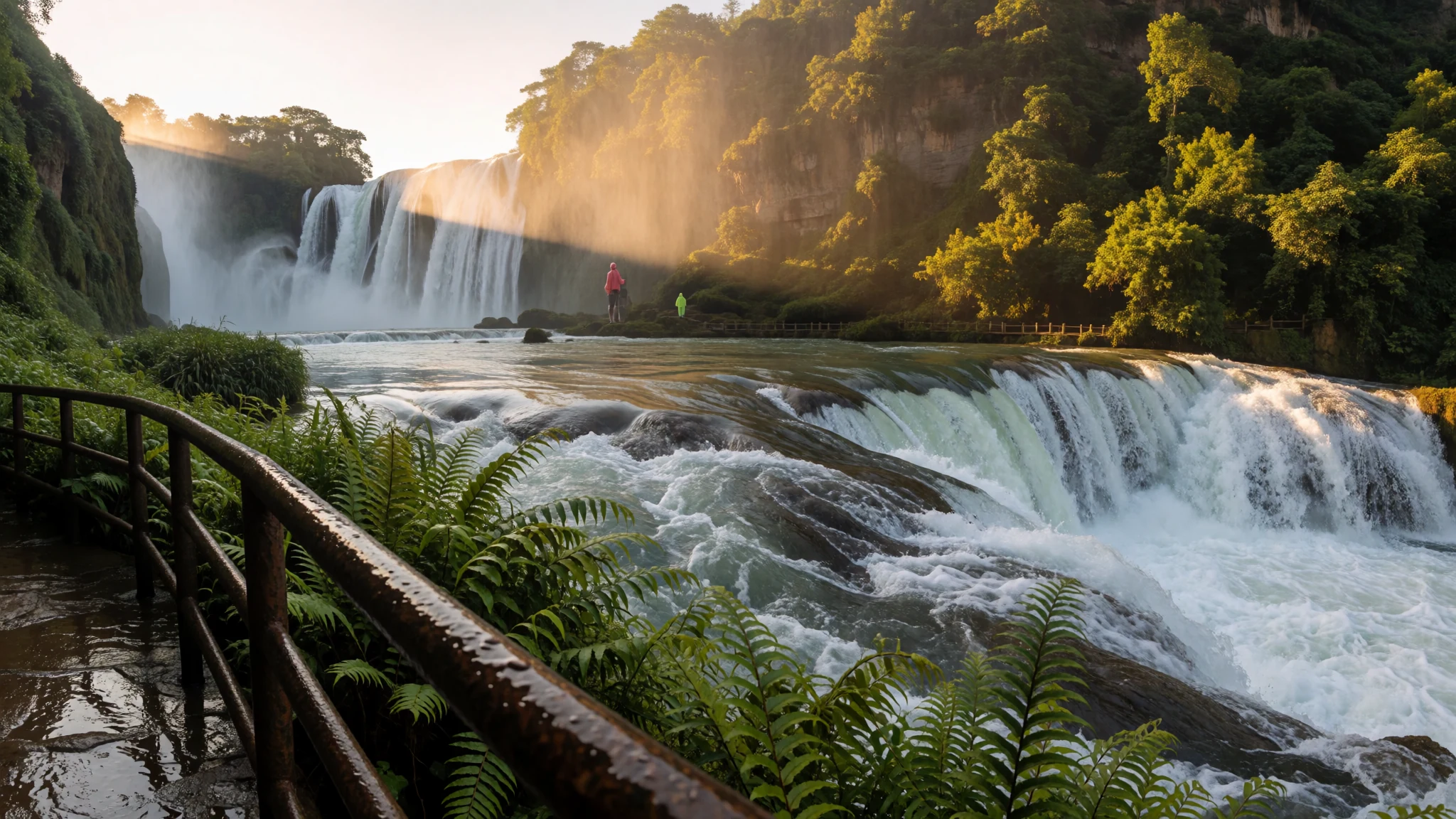
Experience one of East Asia's most massive water curtains set within the lush, karst landscapes of Guizhou province.
The place
Huangguoshu Waterfall is a site of immense scale located on the Baishui River in Anshun, Guizhou province. It is the largest waterfall in China and holds a place as one of the biggest in East Asia. The site is a complex of several falls, but the main attraction is a towering wall of water that creates a constant, heavy mist around the base. Because of the high elevation and the natural cooling effect of the water, the area remains significantly fresher than the surrounding lowlands, making it a preferred summer escape for visitors from across China.
The surrounding landscape is typical of the region's karst topography, featuring steep limestone cliffs and verdant greenery. The experience of visiting Huangguoshu Waterfall is highly managed, with a system of walkways, escalators, and shuttle buses to move crowds through the park. While the scale of the falls is genuinely impressive, the sheer volume of tourists during peak months can make the experience feel crowded. However, the walk through the river valley and the opportunity to stand behind the falling water provide a sensory experience that feels disconnected from the urban bustle of nearby Guiyang. It is a place where the raw power of nature is presented in a highly organised, accessible package for the modern traveller.
Its story
The story of Huangguoshu Waterfall is intertwined with both the natural history of the Guizhou plateau and the literary traditions of China. Geologically, the falls are a result of the Baishui River carving through the limestone of the Anshun region, creating a dramatic drop that has persisted for millennia. The site has long been a point of fascination for those exploring the rugged interior of the country, serving as a symbol of the wild, untamed beauty of the southwest.
In the annals of Chinese travel writing, the waterfall gained significant fame through the accounts of Xu Xiake, a renowned Ming dynasty traveller and geographer. In his detailed journals, Xu Xiake captured the ethereal quality of the site, describing how the foams would rise from the rocks like a mist. His observations helped put the falls on the map for the scholarly and elite classes of his time, transforming a regional natural wonder into a recognized landmark of national significance. This legacy continues today, as the site is not just a tourist destination but a point of pride for the local Bouyi minority and the people of Anshun. The intersection of the natural geological force and the centuries of human observation has created a narrative of awe and exploration that still defines the visit for many today.
What to see
- Huangguoshu Waterfalls
The primary draw of the park, where the main falls create a massive wall of water. Visitors can explore the area via shuttle buses and take an escalator to reach the heights. A unique highlight is the path that allows you to walk directly behind the cascade, feeling the spray and vibration of the water.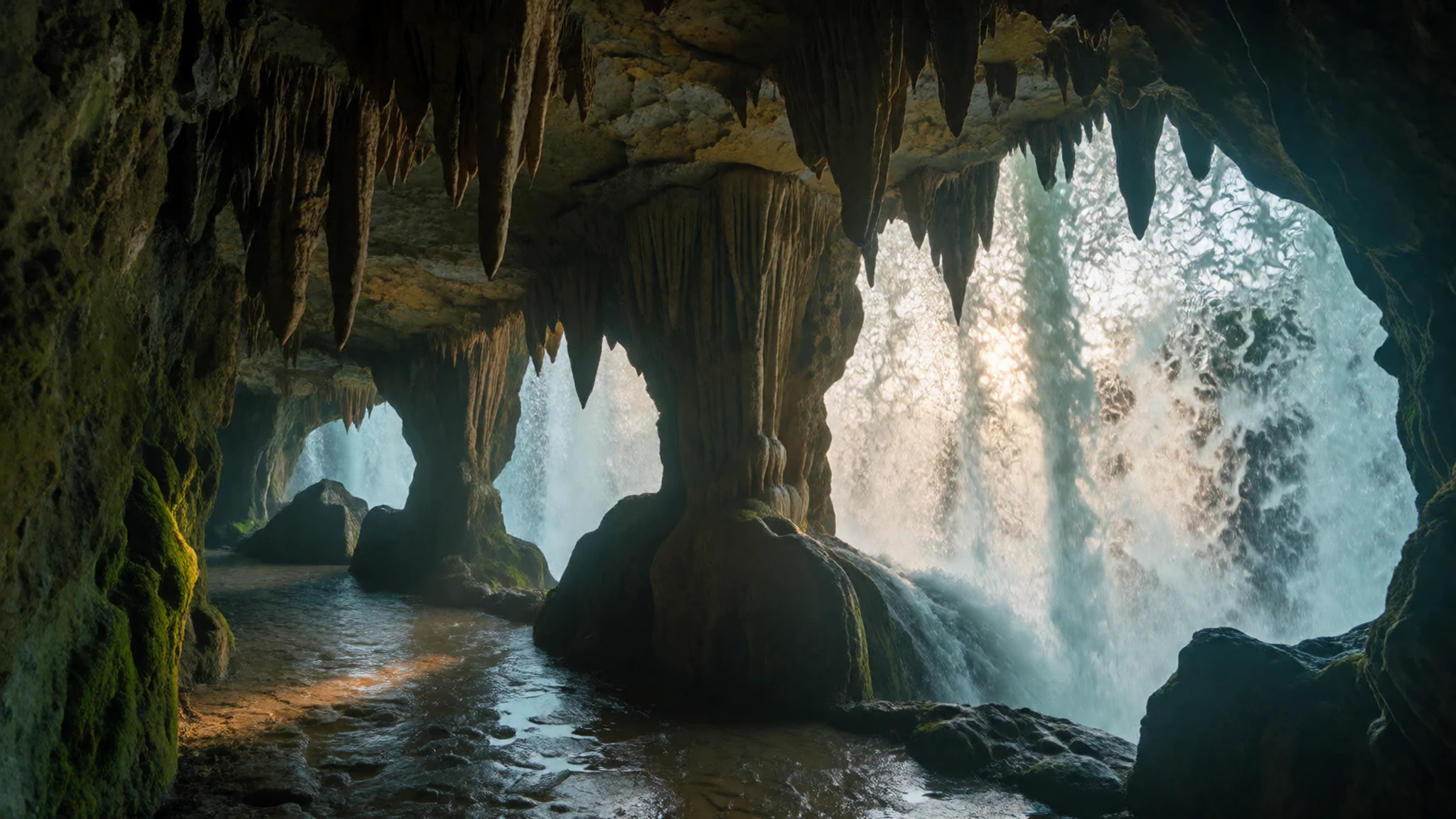
- Longgong Caves
Located a short distance from Anshun, this is a vast network of limestone caverns that winds through twenty different hills. The caves are filled with intricate stalactites and stalagmites, offering a cool, subterranean contrast to the humid outdoor climate and showing the region's complex karst geography.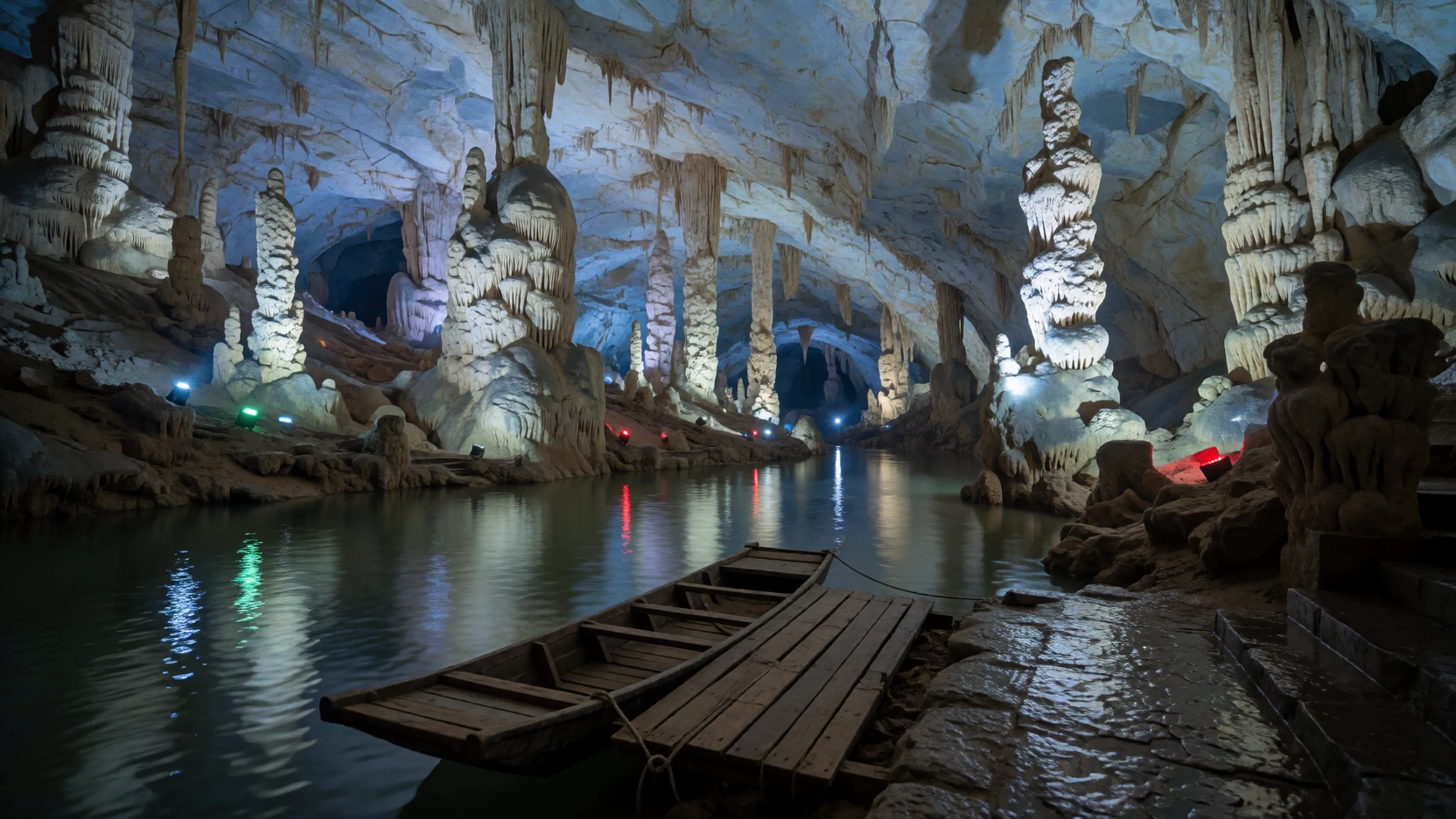
- Shítouzhai Stone Village
A traditional Bouyi hamlet consisting of small stone houses and cobbled lanes. This village provides a glimpse into the local minority culture and traditional architecture, situated in a quiet, picturesque setting not far from the main waterfall complex, far from the heaviest crowds.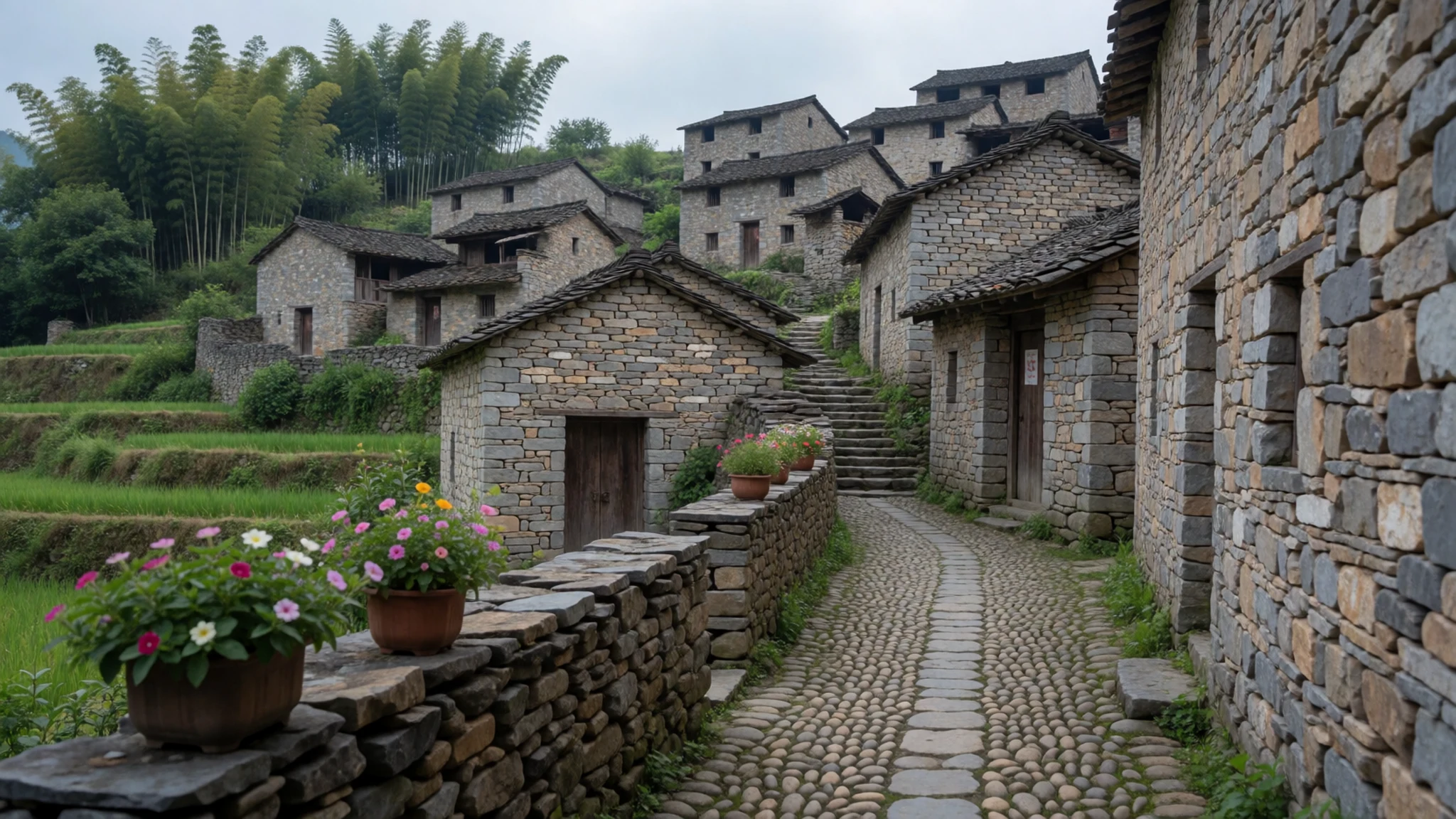
- Tun Bu Villages
These villages are home to descendants of Ming dynasty soldiers. The local architecture is a testament to the residents' expertise in stone masonry, with fortified walls and traditional layouts that reflect a military history blended with rural Guizhou life over several hundred years.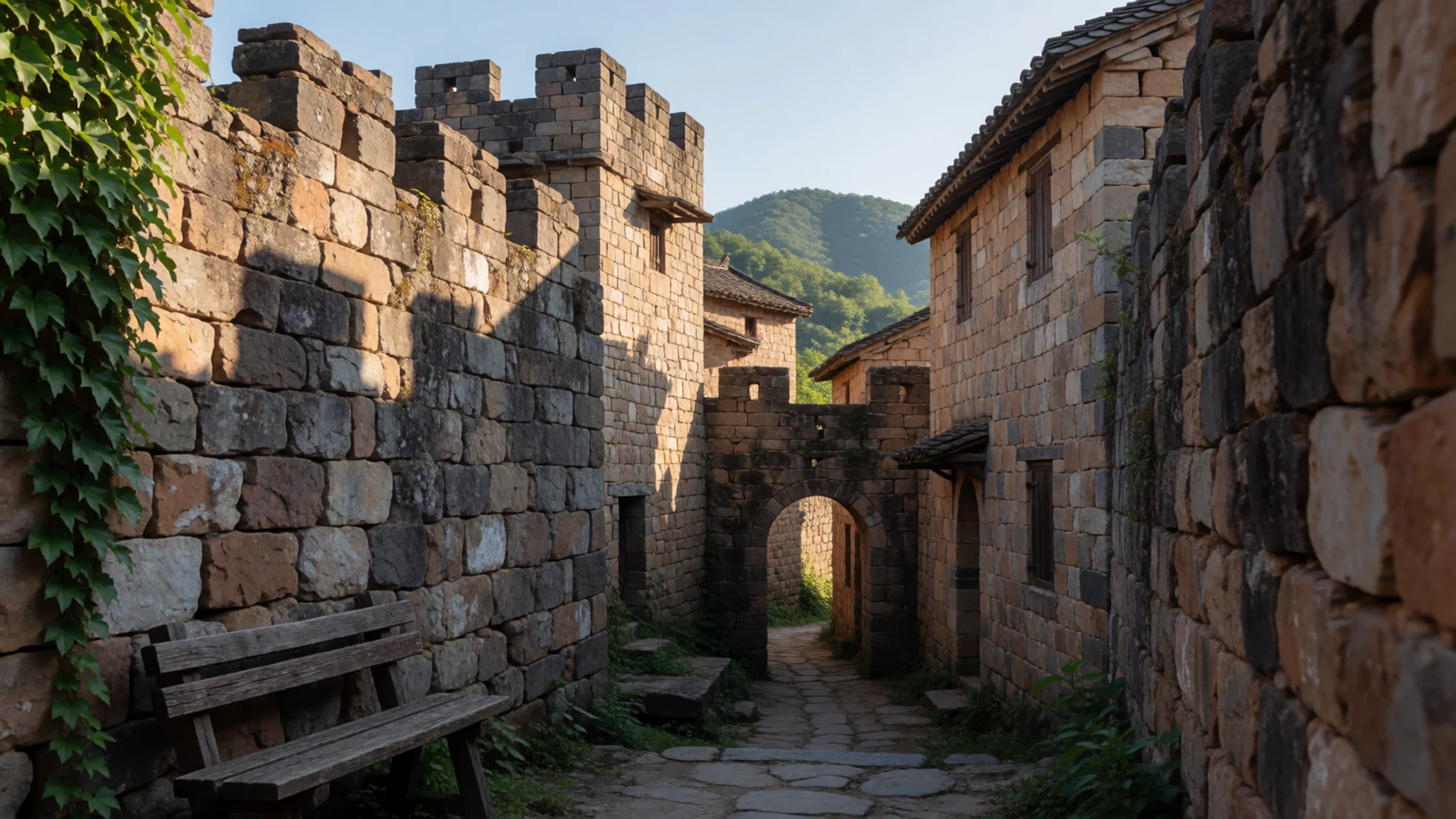
- Anshun Confucian Temple
A historic site dedicated to the teachings of Confucius that has been adapted for modern visitors. The temple now functions as an elegant tea house, allowing guests to enjoy local brews in a serene, traditional environment that emphasizes scholarship and quiet reflection.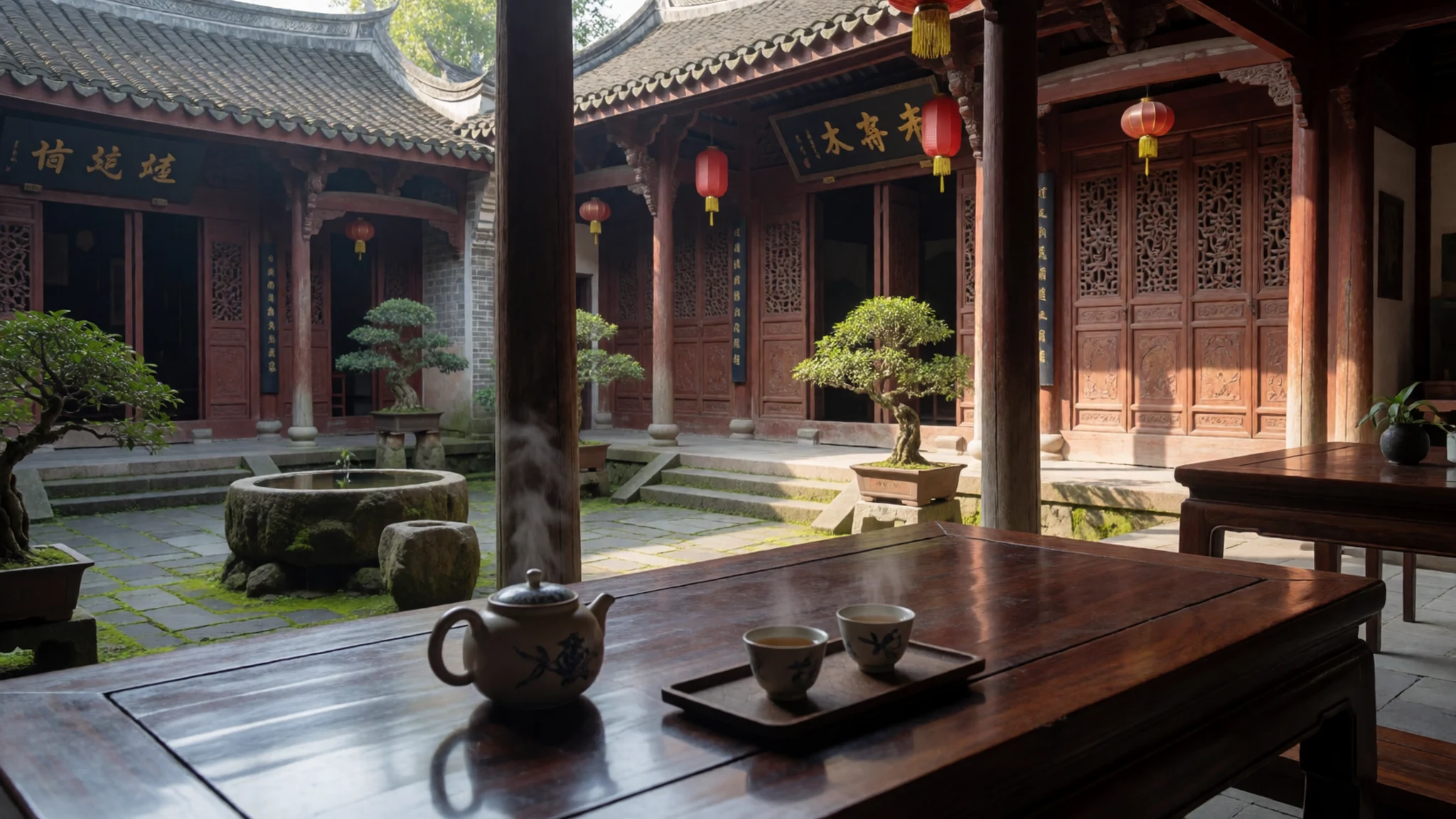
Culture
The culture surrounding Huangguoshu Waterfall is deeply influenced by the Bouyi minority, one of the significant ethnic groups in western Guizhou. The Bouyi are known for their rich folk literature and a distinct language for which a writing system was developed in the 1950s. They possess highly developed textile skills, particularly in the art of batik, which remains a vital part of the local economy in Anshun. This traditional wax-resist dyeing produces intricate patterns that reflect the natural world and ethnic identity.
Beyond the minority influences, the area retains a strong connection to the Ming dynasty, visible in the fortified villages and the practice of 'ground opera' (dixi). This open-air performance style is a local variation of Chinese opera, bringing theatrical storytelling to the public squares. The combination of these ethnic traditions and historical military legacies creates a cultural landscape that is as varied as the terrain. When visiting these sites, please be mindful of local customs and avoid loud noise in the traditional villages.
What to wear
Traditional dress in the Huangguoshu Waterfall region is defined by the Bouyi minority's mastery of textiles. Their clothing often features batik-dyed fabrics, created using beeswax and indigo to produce white patterns on a deep blue background. These garments are typically worn during festivals and cultural celebrations, though simplified versions are seen in rural areas. The textiles are prized for their durability and the symbolic meanings embedded in the patterns.
In contemporary Anshun and the tourist areas, most people wear practical, modern clothing. You will see a mix of casual sportswear and city wear. For visitors, the primary concern is the terrain and the moisture. The area around the falls is constantly damp, and the paths can be slippery. Sturdy, waterproof walking shoes or hiking boots are essential. Given the humidity and the potential for sudden rain, a lightweight waterproof jacket or a sturdy umbrella is a necessity. Dress in breathable layers, as the temperature can drop near the water and inside the caves.
What to eat
- Bing Fen — street stalls in Anshun
A refreshing, jelly-like dessert made from seeds and served with syrup and fruit, often found at specialty stalls like Xiaoshu Bing Fen in the city.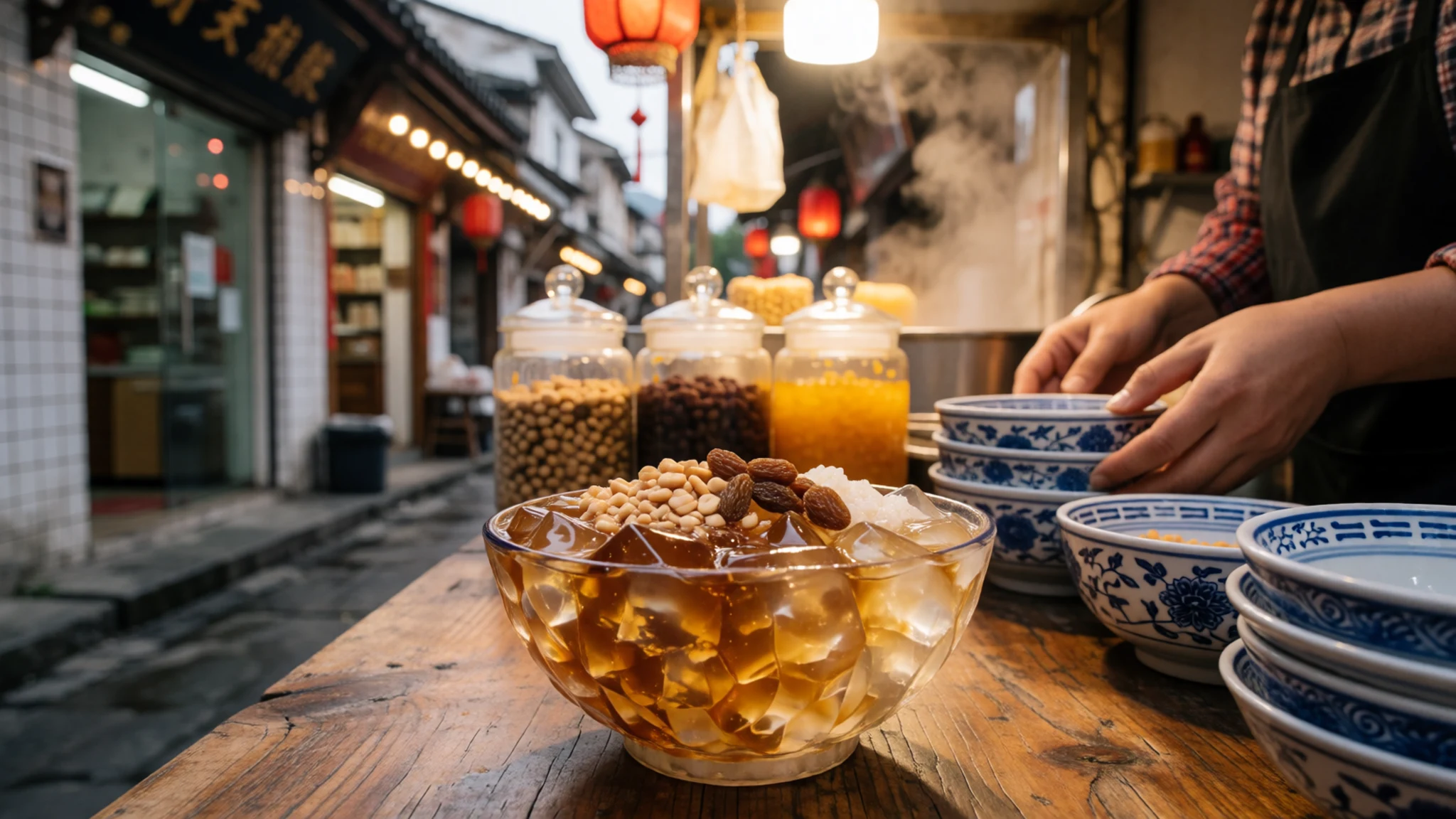
- Local Batik-themed Tea — the Confucian Temple tea house
Traditional tea services often paired with local snacks, served in the quiet atmosphere of the city's tea houses.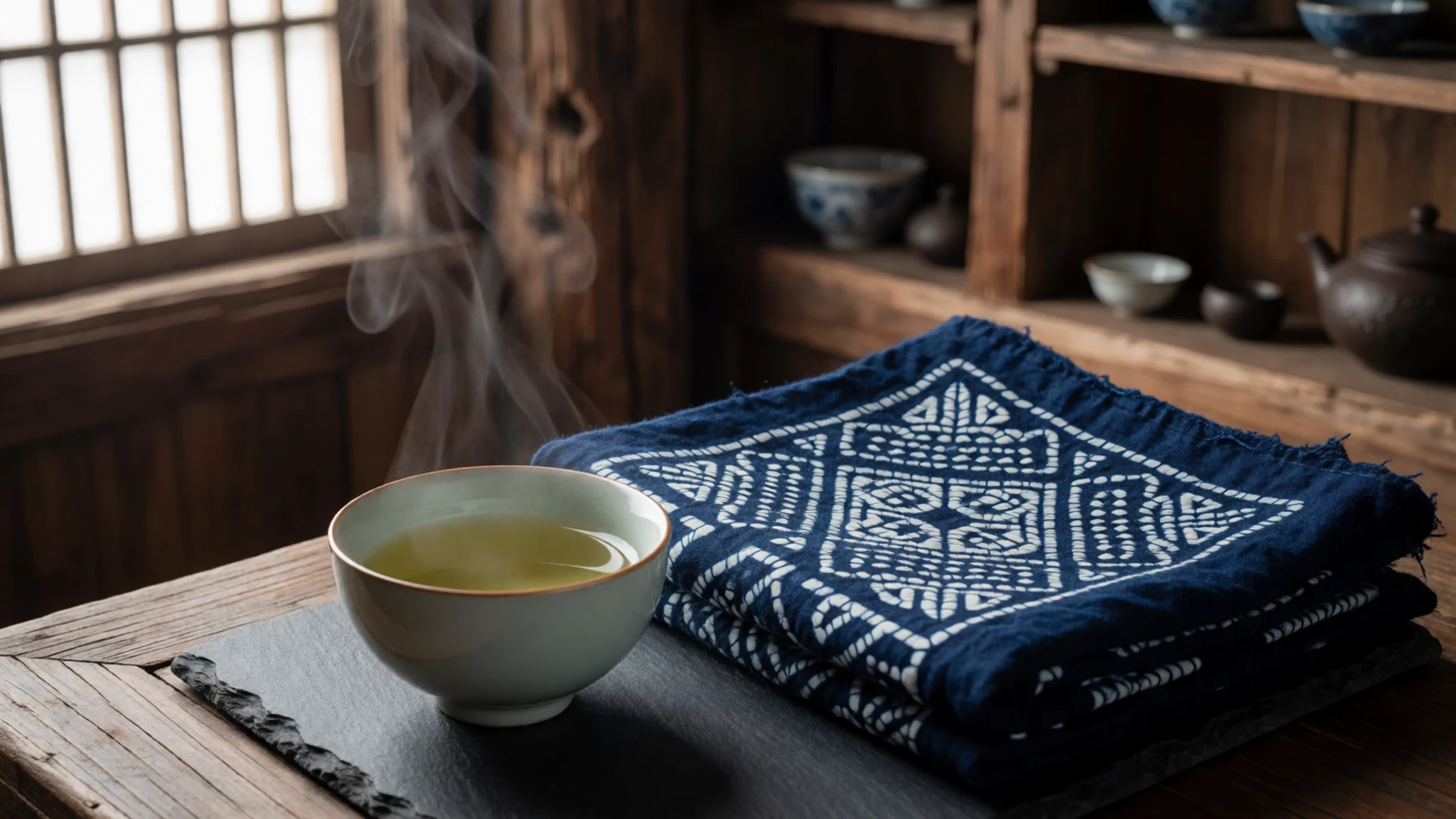
- Fresh Seasonal Produce — the food market off Zhonghua Nanlu
Highland vegetables and fruits sourced from the surrounding Bouyi farming communities. - Regional Bakeries — hole-in-the-wall bakeries on Gufu Jie
A variety of local breads and steamed buns that are staples for the morning commute.
Plan it
Best time. May to October is the wettest and warmest period with temperatures peaking between 34 °C and 37 °C, while December and January are the chilliest months with daily lows dipping to -6 °C.
How long. 2–3
Getting there. Fly into Guiyang, then take a bus to Anshun (about 2 hours). From Anshun, take a local bus or taxi for the final hour to the waterfall park.
Budget. mid
Tips
- Arrive at the park gates as early as possible to beat the tour bus crowds
- Buy the three-day sightseeing bus pass to save on transport within the park
- Carry a waterproof bag for your electronics and phone due to the heavy mist
- Use the escalator for the descent to save time and energy
- Bring a reusable water bottle and plenty of snacks for the long walks
Etiquette
- Keep noise levels low when walking through the stone villages
- Do not touch the ancient textiles in the batik workshops without permission
- Follow the designated paths strictly to protect the karst environment
Nearby
Sources
- Wikidata Q38432 (CC0)
- Wikipedia (CC BY-SA 4.0)
- Wikivoyage (CC BY-SA 4.0)