Hoover Dam
Hoover Dam, United States
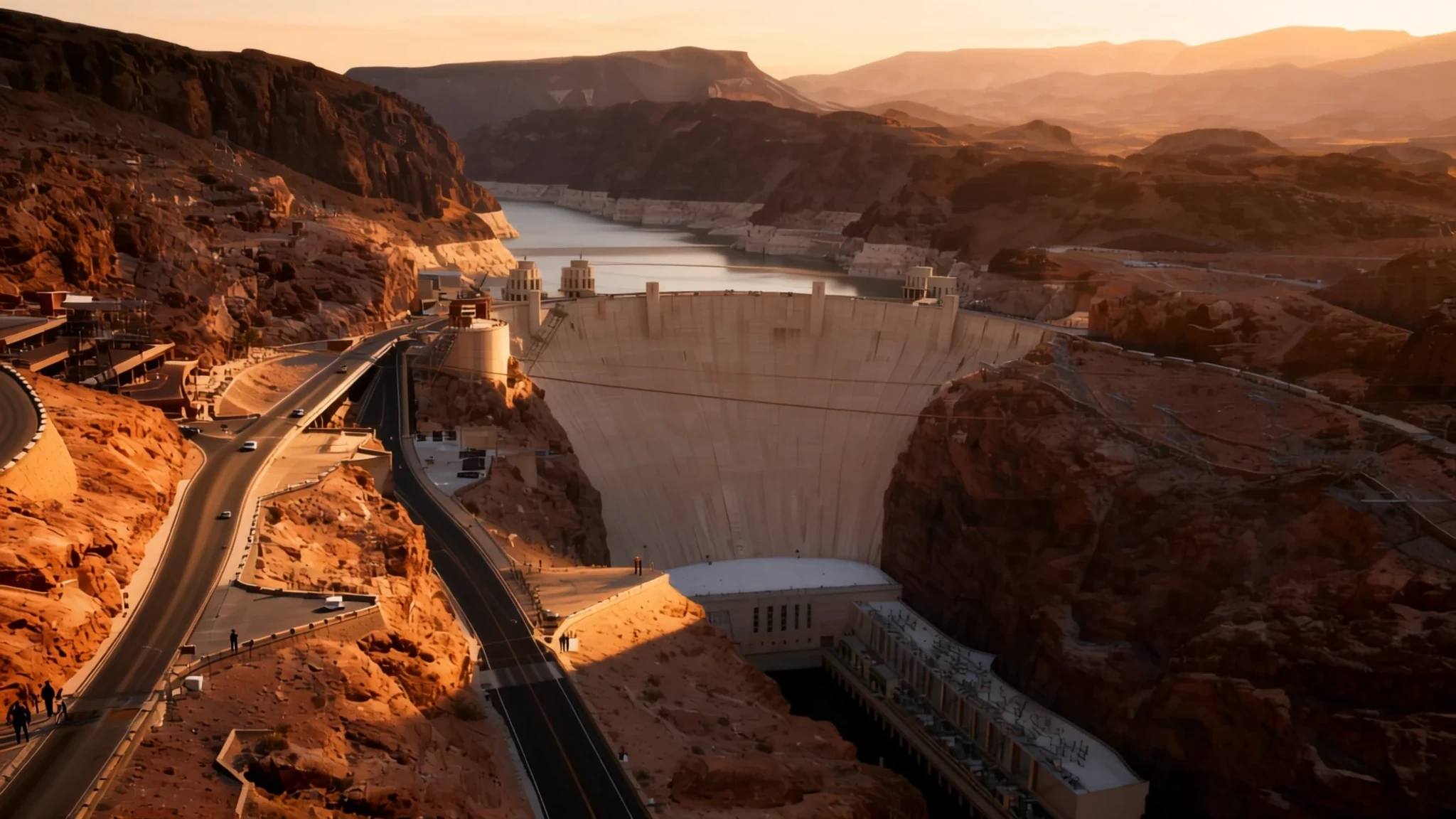
Visit Hoover Dam to witness an extraordinary engineering feat wedged into the dramatic red rock walls of the Colorado River canyon.
The place
Hoover Dam spans the rugged Black Canyon of the Colorado River, forming the boundary between the states of Nevada and Arizona. This massive concrete arch-gravity structure holds back the vast expanse of Lake Mead, creating a striking contrast between deep blue water and arid desert canyons. Originally constructed to tame floods, store irrigation water, and generate hydroelectric power, the dam now draws millions of visitors annually who come to marvel at its sheer scale and industrial design.
The surrounding terrain is intensely hot and dry, characterized by steep rock faces and sparse vegetation typical of the American Southwest. Nearby Boulder City, established specifically to house the workforce during construction, offers a quieter municipal atmosphere just a short drive from the site. While the upper walkways and viewpoints bustle with travelers taking in panoramic vistas of the river and powerhouses, the remote canyon depths retain a harsh, primordial beauty. Navigating the area requires careful attention to hydration and sun exposure, particularly during the fierce summer months when temperatures soar well above comfortable levels.
Its story
The story of Hoover Dam began in earnest around the turn of the twentieth century, as planners surveyed the Black Canyon and nearby Boulder Canyon for a site to control the unpredictable Colorado River. Congress finally authorized the monumental undertaking in nineteen twenty-eight, setting the stage for one of the most ambitious engineering projects in modern history. A consortium known as Six Companies, Inc. secured the winning bid, and construction officially commenced in the early months of nineteen thirty-one, unfolding during the profound economic hardship of the Great Depression.
Building an arch-gravity dam of this magnitude had never been attempted before, forcing engineers to pioneer unproven construction techniques on the fly. Workers faced punishing conditions, battling torrid summer heat and a complete lack of existing infrastructure in the remote canyon. The human toll was heavy, costing over ninety lives before the project was completed. Despite these immense hurdles, the consortium delivered the dam to the federal government well ahead of its original schedule. President Franklin D. Roosevelt dedicated the structure in September nineteen thirty-five. Political debates initially surrounded its name, shifting between Boulder Dam and Hoover Dam until Congress permanently restored the designation Hoover Dam.
What to see
- Upstream Face and Intake Towers — Upstream side of the dam
View the massive intake towers rising from the waters of Lake Mead, designed to regulate the flow of water into the enormous penstocks that feed the hydroelectric generators below.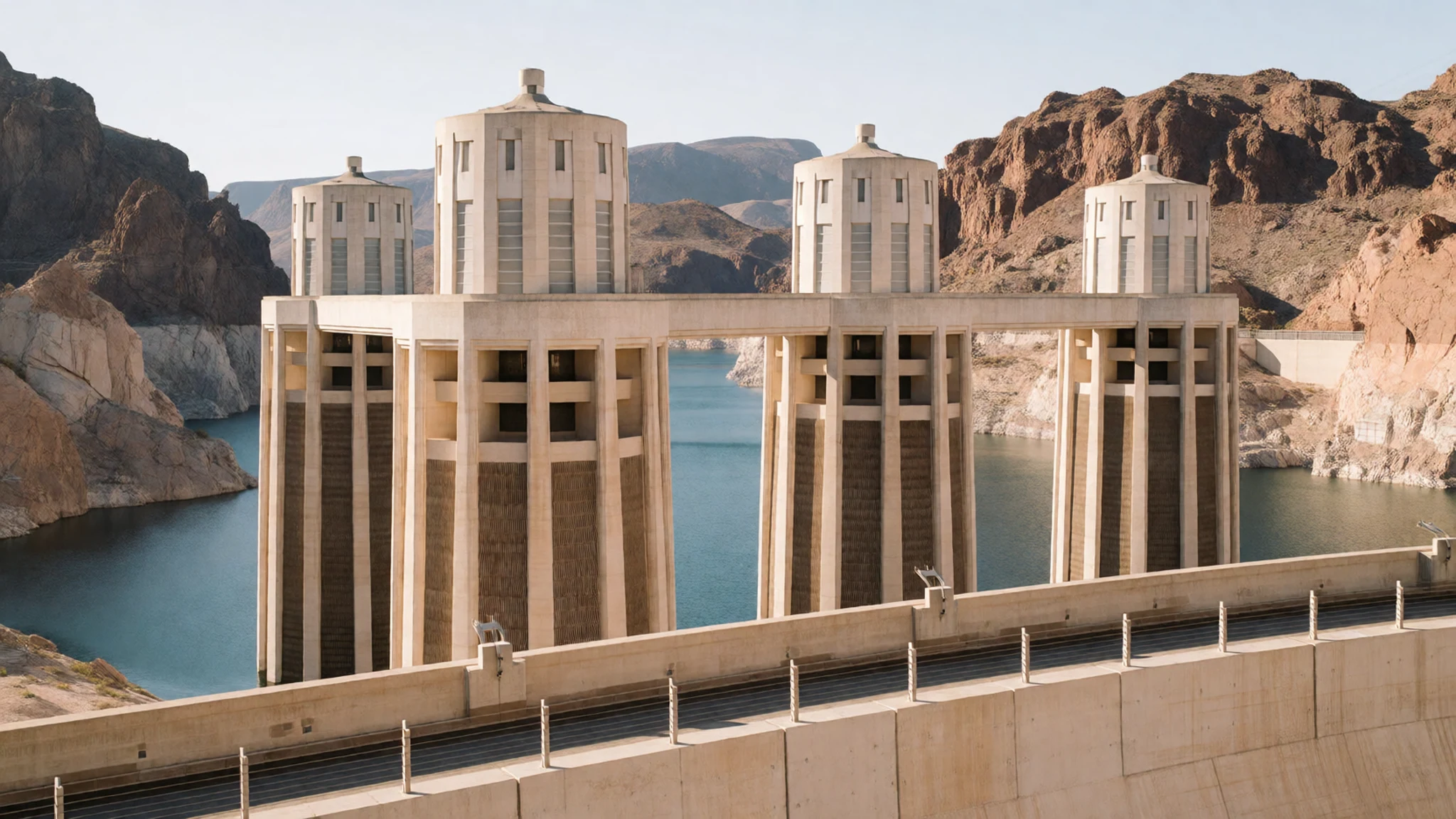
- Main Turbine Hall — Inside the power station
Step inside the cavernous interior of the power plant to observe the gleaming industrial generators and control equipment that harness the immense kinetic energy of the falling water.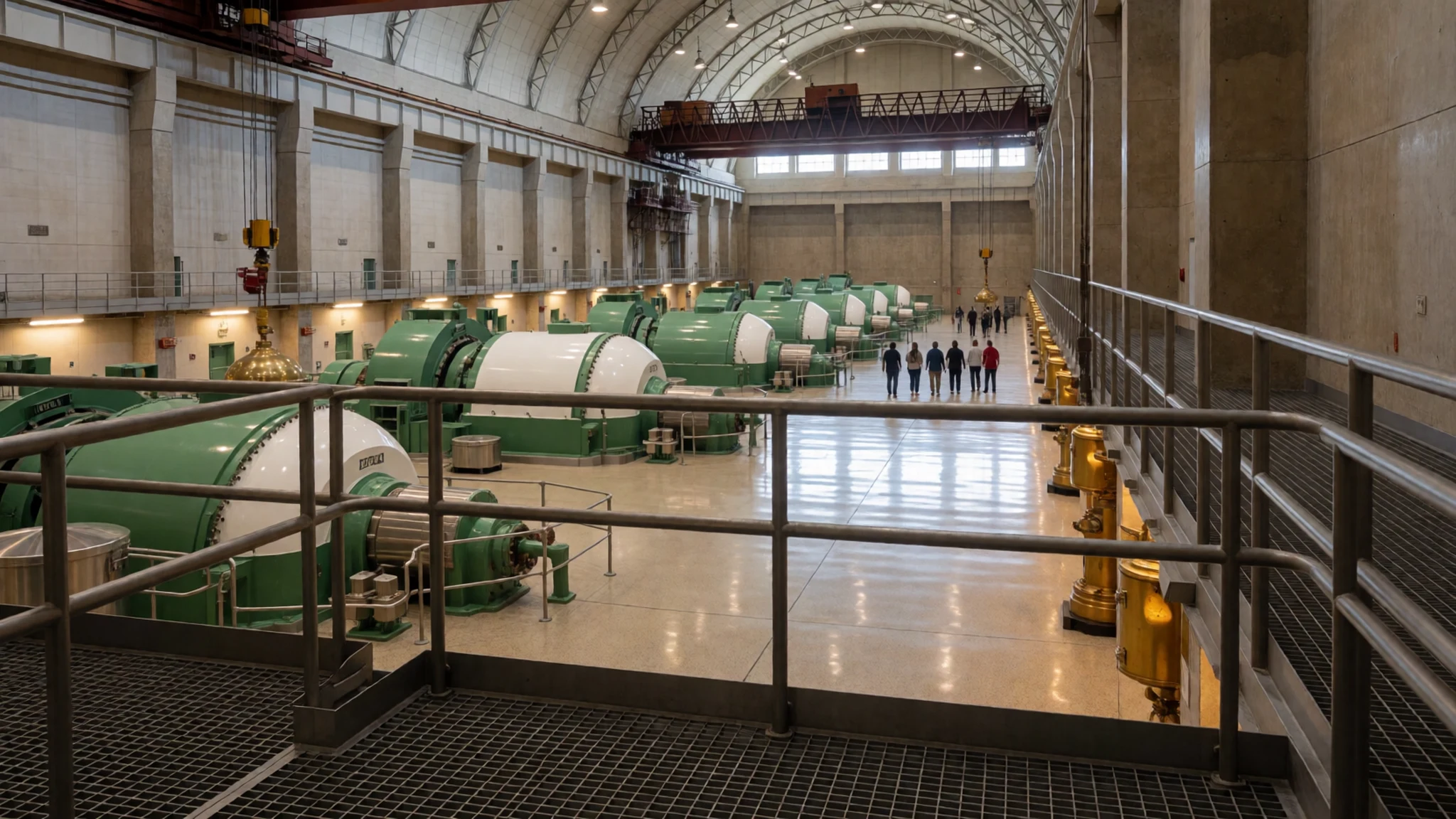
- Oskar Hansen Memorial and Star Map — Nevada side memorial plaza
Inspect the commemorative plazas featuring allegorical sculptures and intricate terrazzo floor designs that mark astronomical alignments as a tribute to the workers.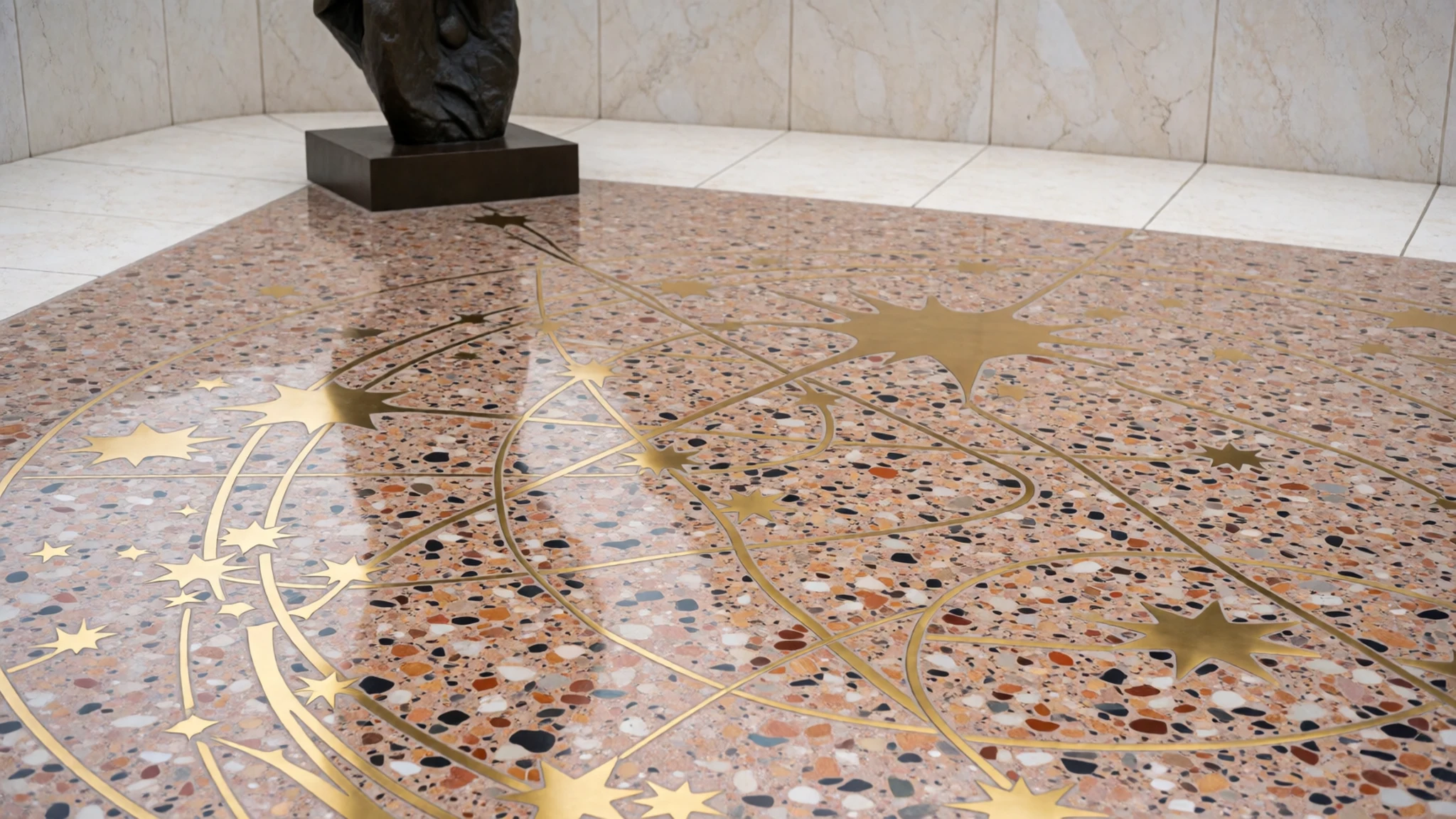
- Mike O'Callaghan–Pat Tillman Memorial Bridge — Downstream crossing overlooking the canyon
Walk along the high-level pedestrian span crossing the gorge downstream for sweeping, elevated panoramic views of the entire dam structure and the plunging canyon walls.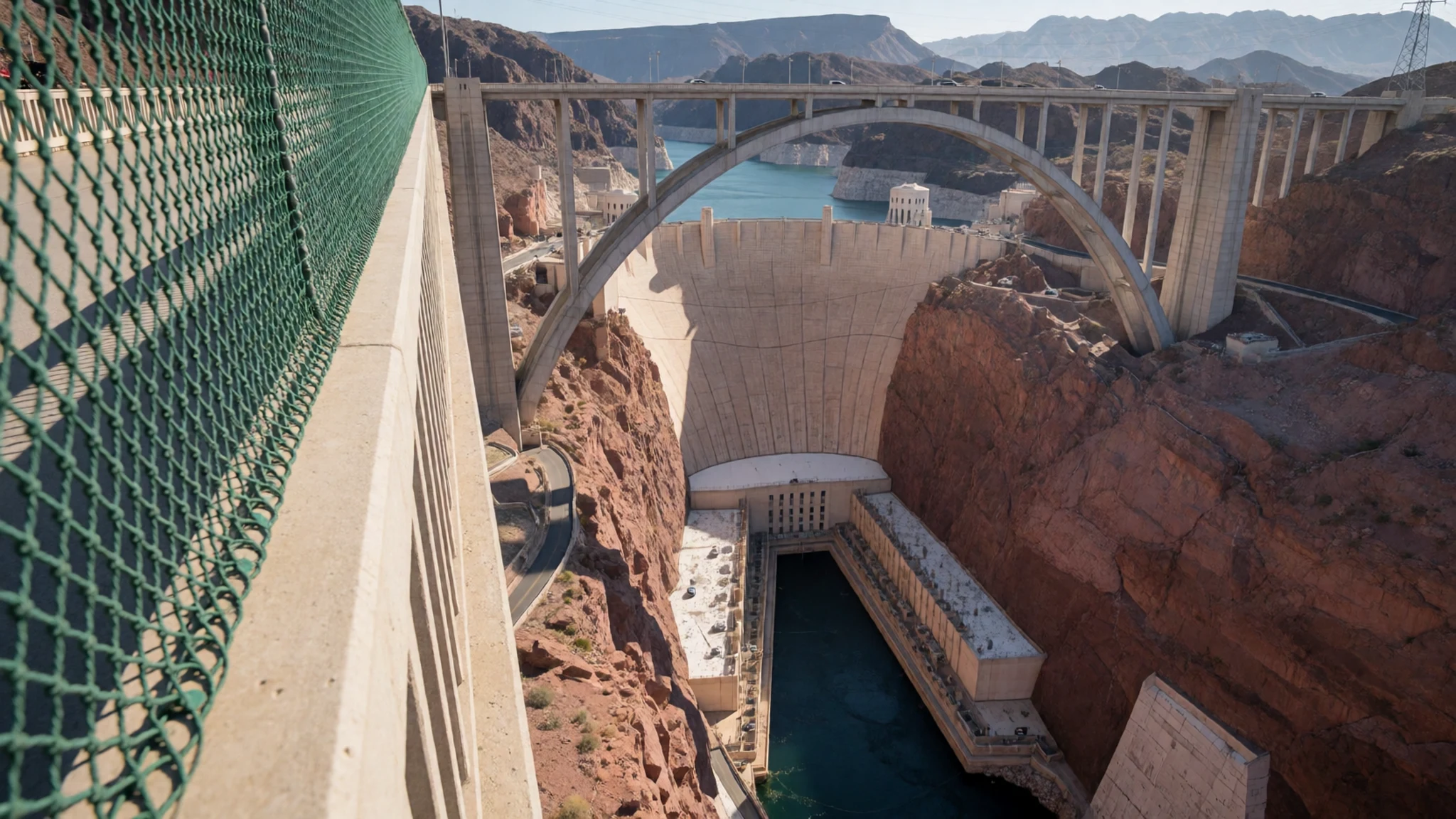
Culture
The cultural fabric of the region blends deep-rooted Southwestern traditions with the pragmatic, resilient spirit of communities built around major infrastructure projects. Many residents across the surrounding area hold traditional Christian or conservative beliefs, shaping a polite and community-focused local atmosphere. Conversations about politics, religion, and regional land use can touch upon sensitive local perspectives, so it pays to approach such topics with respectful curiosity rather than assumptions. The desert environment itself fosters a distinct culture of self-reliance, where neighbors look out for one another against the harsh realities of extreme heat and remote geography. Respect local sensibilities and maintain polite decorum when discussing regional development or heritage.
What to wear
Traditional attire in the broader Southwestern region draws heavily on practical desert wear, featuring durable denim, leather boots, and wide-brimmed hats designed to fend off intense sunlight. Indigenous nations in the wider area also preserve rich textile traditions, crafting intricate woven blankets, silver jewellery, and turquoise ornaments that reflect generations of artistry.
Today, locals and visitors alike dress for comfort and climate, favouring lightweight, breathable fabrics such as cotton and linen. Casual wear dominates daily life, from simple t-shirts and shorts to athletic gear suitable for outdoor exploration.
Visitors heading to the dam should prioritise sun protection and practicality. Wear sturdy walking shoes with good grip for exploring concrete walkways and metal gratings, and pack a hat, UV-blocking sunglasses, and lightweight layers. Because temperatures can shift dramatically between glaring sunshine and air-conditioned visitor centres, having a light jumper or jacket is always useful. Always apply high-factor sunscreen before stepping out into the open canyon.
What to eat
- Sonoran Burritos — Local roadside eateries and casual diners
Savour flour tortillas packed with tender grilled meats, beans, and fresh salsa, representing the rich culinary heritage of northern Mexico handed down across generations in the region.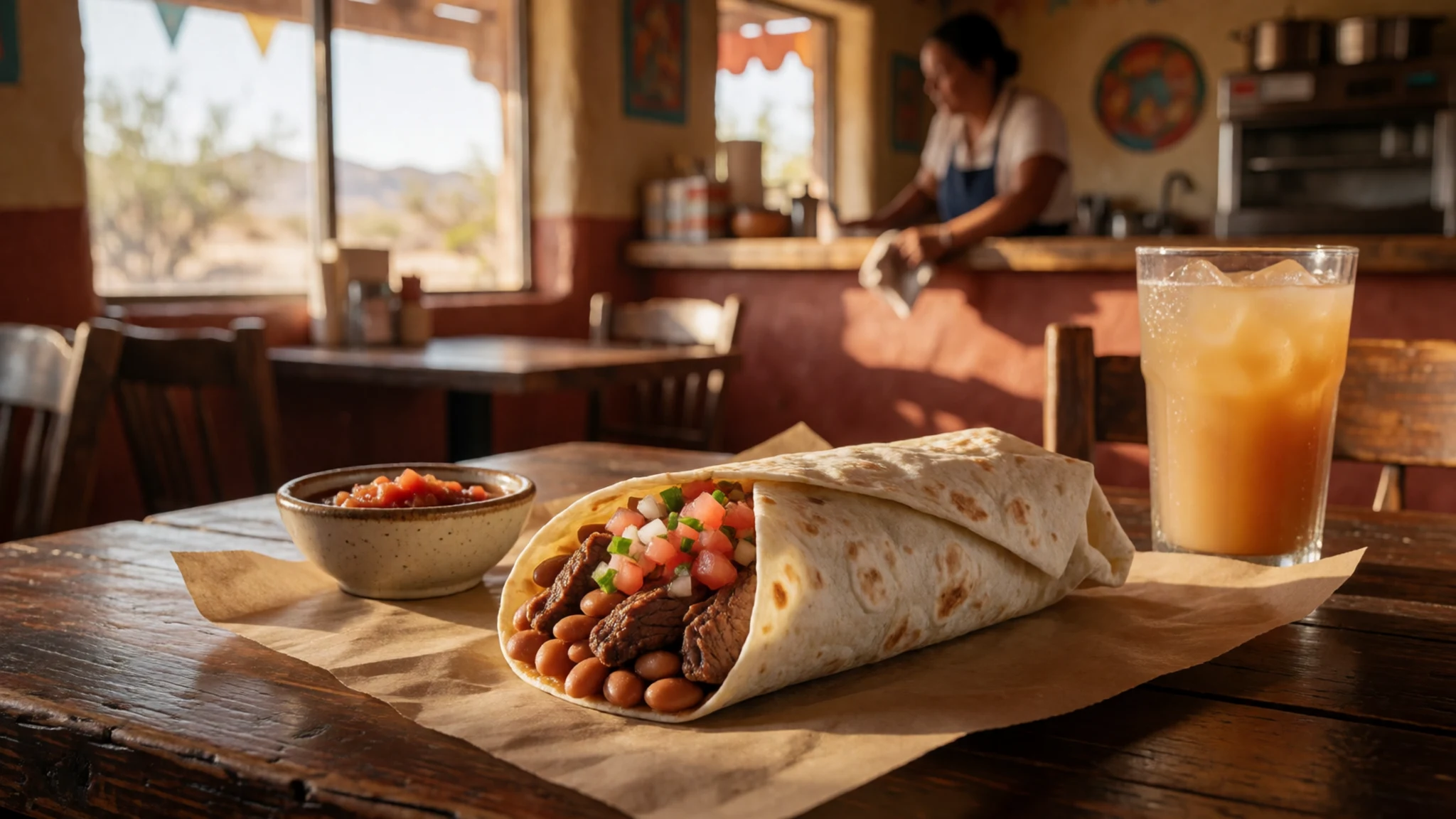
- Chimichangas — Traditional Southwestern restaurants
Try this regional classic consisting of a deep-fried burrito loaded with spiced meat or beans, often served smothered in savoury green or red chilli sauce and melted cheese.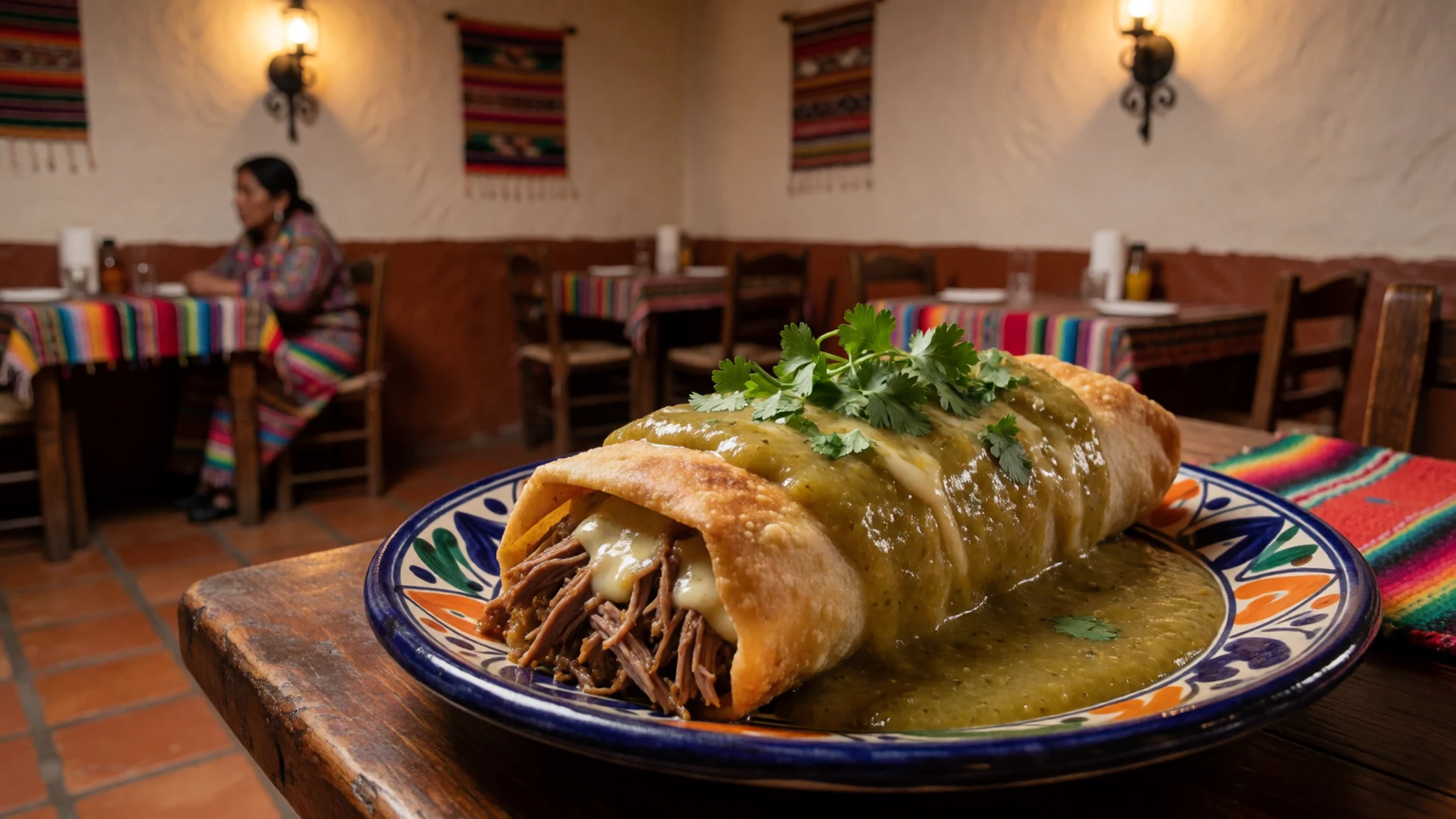
- Prickly Pear Cactus Dishes — Specialist regional cafes and markets
Sample innovative culinary creations featuring edible cactus pads or sweet fruit nectar, incorporated into salads, dressings, or refreshing beverages for a distinctly desert flavour.
Plan it
Best time. March to April and October to November offer pleasant daytime temperatures, avoiding the extreme heat of the summer months.
How long. 1–2
Getting there. Fly into Harry Reid International Airport in Las Vegas, then rent a car for the drive southeast toward the dam.
Budget. mid
Tips
- Arrive early in the morning to beat the heaviest crowds and midday heat
- Carry plenty of drinking water at all times
- Check official site guidelines for tour schedules and security protocols
- Wear supportive footwear for walking across long expanses of concrete
Etiquette
- Respect restricted operational areas and follow all security instructions
- Keep noise levels moderate in memorial spaces and indoor exhibition halls
Nearby
Sources
- Wikidata Q172822 (CC0)
- Wikipedia (CC-BY-SA 4.0)
- Wikivoyage (CC-BY-SA 4.0)