Hollókő
Hollókő, Hungary
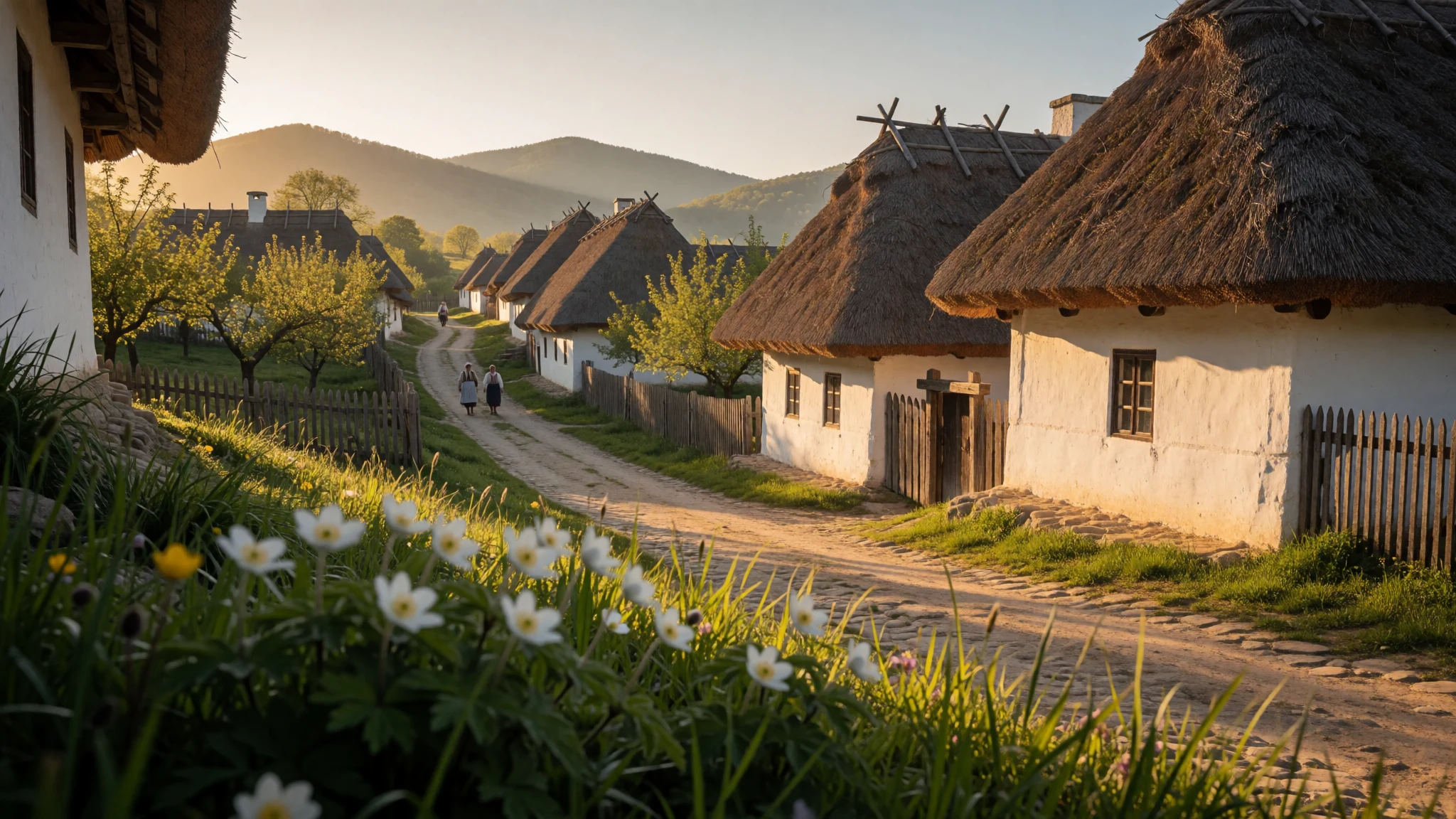
Hollókő is a Palóc ethnographic village where wooden village life and castle history sit together, still readable in the street plan.
The place
Hollókő is a small village in northern Hungary, in Nógrád County, set in a valley of the Cserhát Mountains. The landscape matters here: low peaks close in around the settlement, and the natural environment is treated as something worth protecting, not just scenery. Walking the village feels like stepping into an older way of arranging daily life—houses, farms and orchards laid out with a clear logic, rather than a random sprawl.
What makes Hollókő stand out is the preservation. The village is described as an ethnographic settlement of the Palóc people, with traditional wooden architecture that reflects rural practices before modern farming became the norm. The village also includes the castle area and the surrounding protected zone, so you’re not only looking at buildings—you’re seeing how a community lived alongside the land.
Expect a compact, walkable place, with most visitors clustering along the main street and around the historic sites. During busier periods the atmosphere can feel “tour-group steady”, especially around museums and the big viewpoints; in quieter hours, the lanes and courtyards feel much more intimate. Weather shapes the experience too: spring and autumn are the easiest seasons to enjoy long walks, while summer can be warmer and the mountains can make evenings feel brisk.
A visit works best when you’re patient: take time with the folk museums and craft displays, then look for how the village layout changes from the lower houses towards the castle hill.
Its story
Hollókő’s story begins in the middle of the 13th century, when the area responded to the fear that followed the Mongol invasion. Castle building started as a defence measure, tied to the Kacsics noble clan holding the surrounding land. Hollókő Castle later entered written records in 1310, and the original village sat just below the castle walls—an arrangement that made sense if you needed people close to protection.
Power shifted in the following centuries. Ottoman troops seized the fortification in 1552, after which control shifted back and forth between Ottoman and Hungarian armies. When the Ottoman era ended (in 1683), the castle and the settlement were abandoned. Over time, today’s town grew in their place, and many of the houses were first built around that later period.
Life wasn’t easy, and the wooden construction that gives Hollókő its look also demanded constant rebuilding. The village’s houses include wood in their structure, so periodic fires meant repairs and reconstruction were a recurring reality, with the last noted fire in 1909.
The modern chapter is about recognition and preservation. In 1987, the village, castle ruins, and the surrounding area were listed as a UNESCO World Heritage Site, locking in protection for the character that visitors come for: a Palóc ethnographic village where rural life is still legible in the street plan, buildings and craft spaces.
What to see
- Hollókő Castle — Castle hill
Hollókő Castle sits on the hill above the village, with the original settlement once tucked close to its walls. It’s known from records that date back to 1310, and you can connect the castle’s defensive past to the way the village is laid out below. Take your time for views over the valley.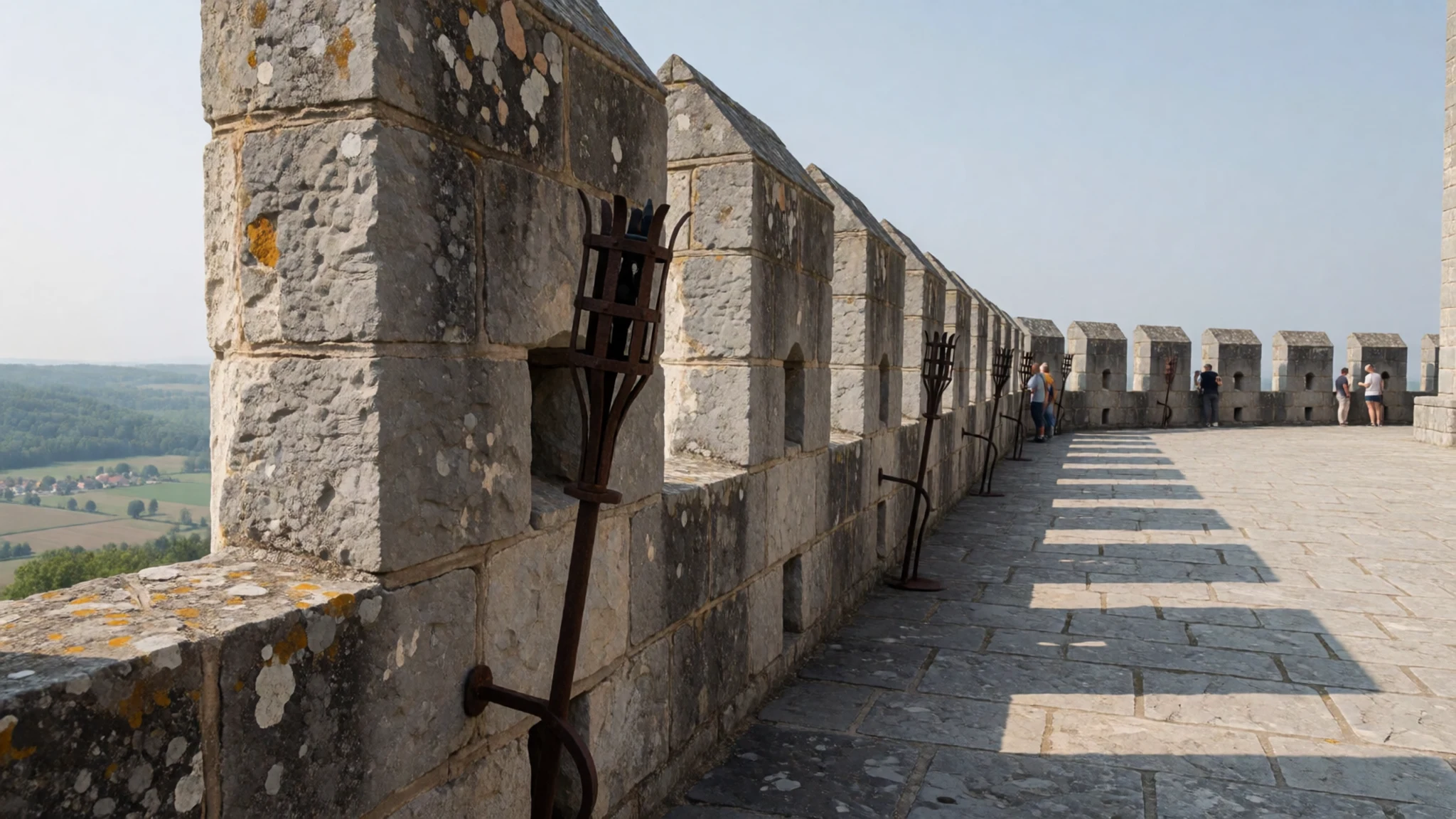
- Hollókő St. Martin's Church — Church district
Hollókő St. Martin’s Church anchors the village with a wooden towered church built in the folk-art style. It connects the everyday rhythm of the settlement with the religious life of the community, and it’s a good stop for slowing down and noticing materials. Look around the church area before moving back to the street.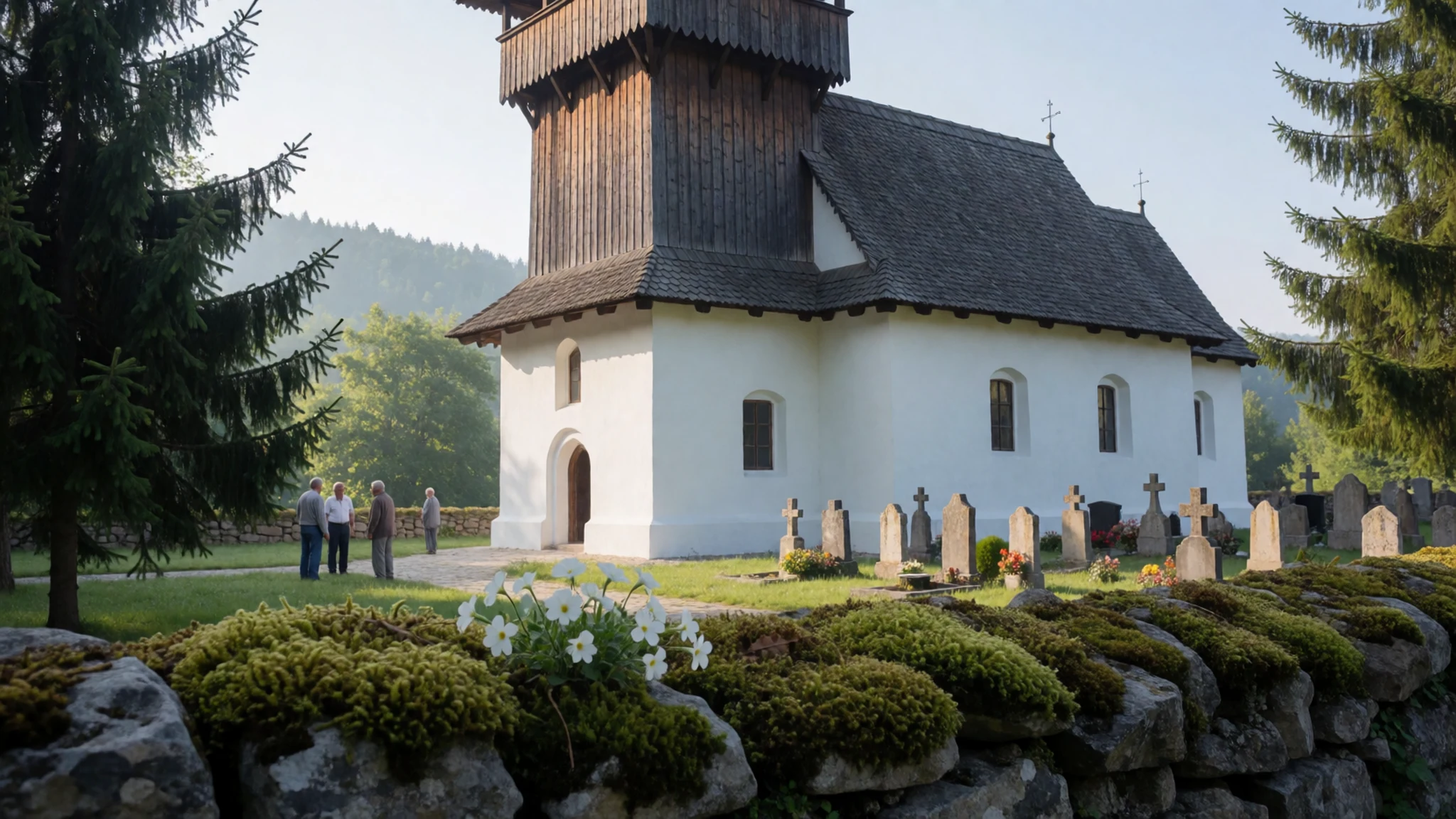
- Village Museum and folk houses — Village centre
Hollókő’s houses double as folk museums kept in an “original state” feel, so you can browse rooms that show how village life was arranged. The Village Museum is one of the centrepoints, and it’s the easiest way to get context before you wander the rest of the lanes. Pair it with a craft space for a fuller picture.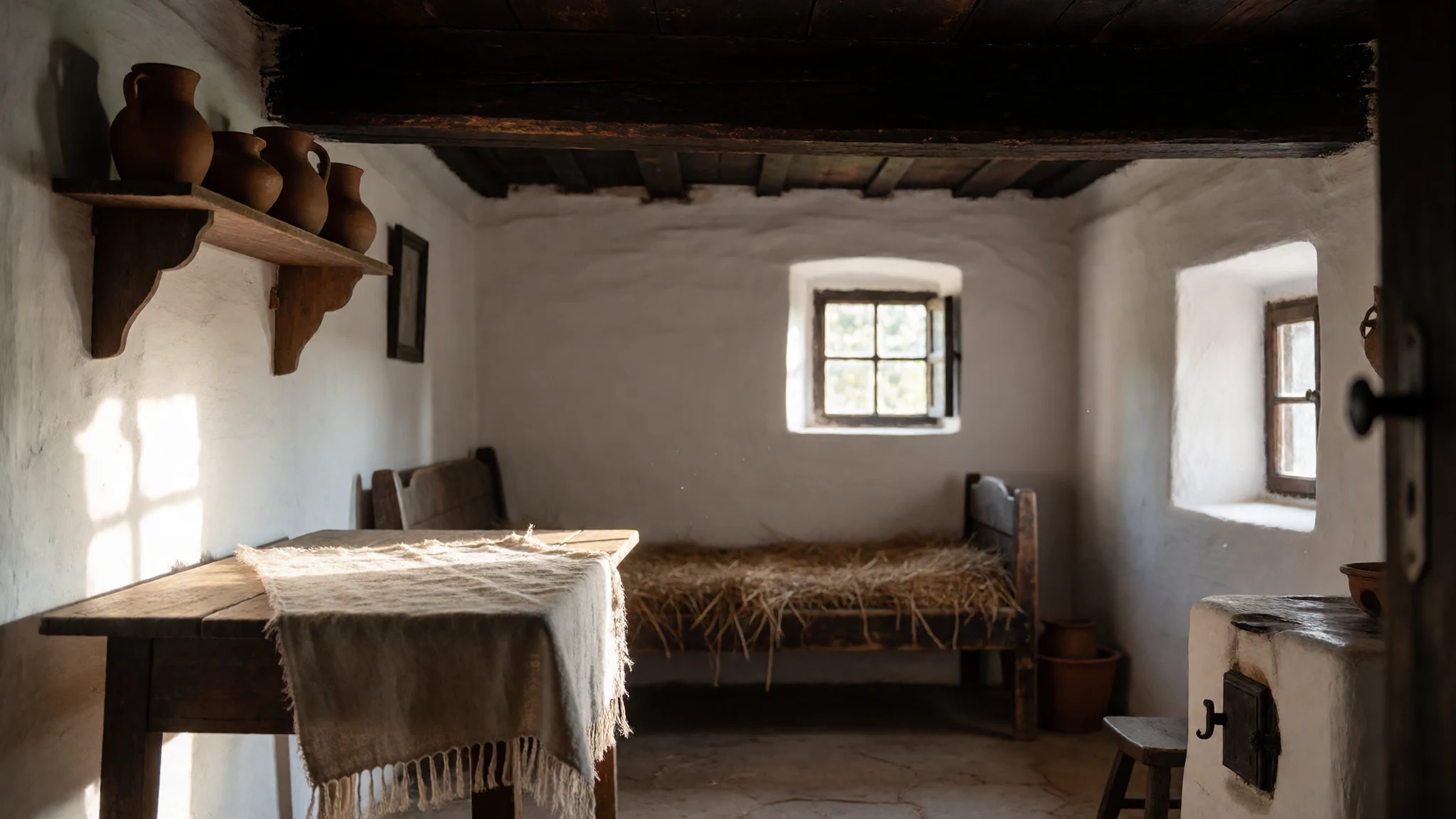
- Palots Doll Museum — Museum cluster
The Palóc Doll Museum focuses on porcelain dolls dressed in traditional attire, which makes the village’s cultural details easy to spot at a glance. It’s a compact, surprisingly engaging visit if you like costumes, textures and the story behind everyday objects. It also gives you a neat bridge to festival traditions.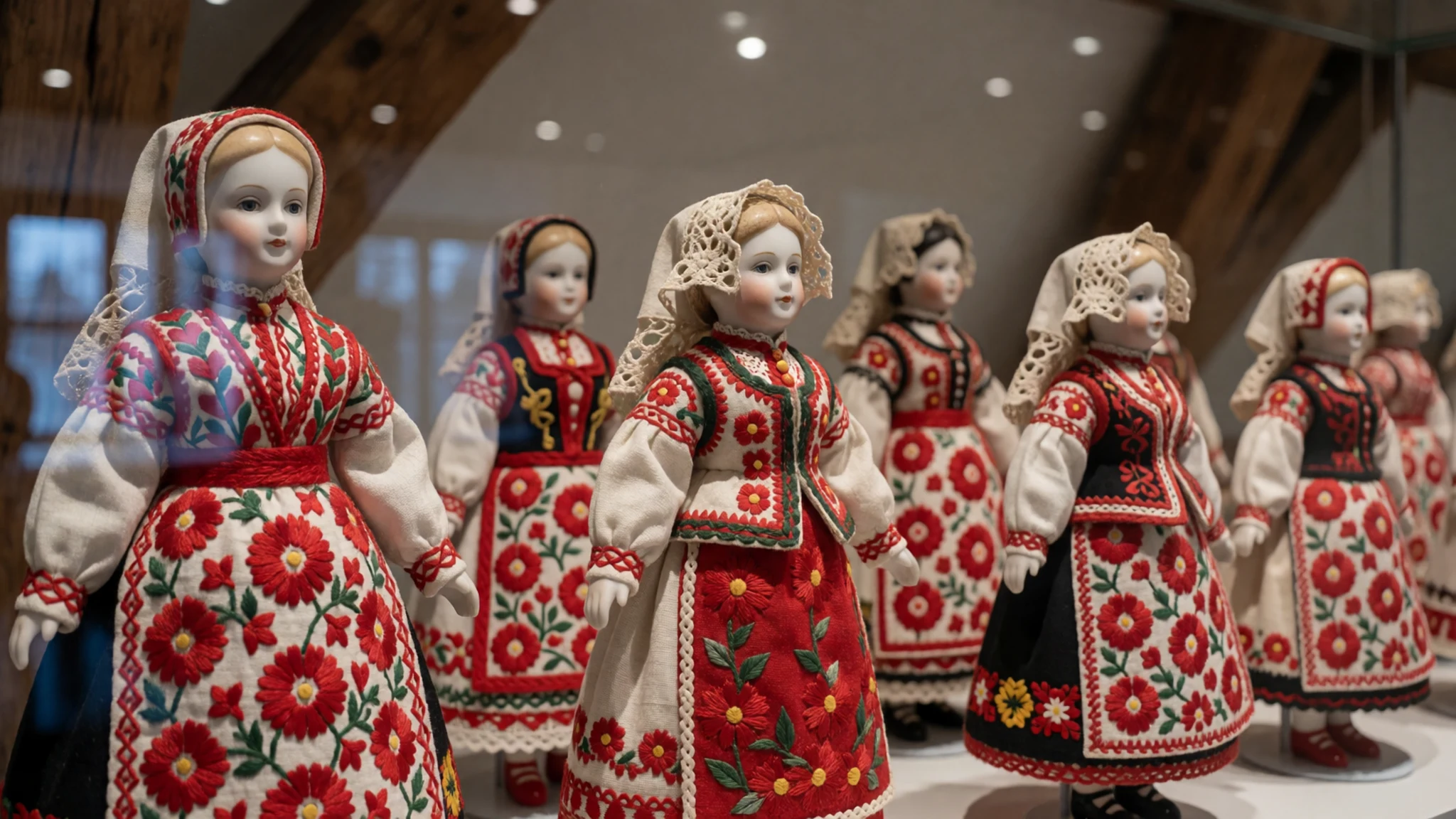
- Craft workshops (printing, weaving, spectacle & post) — Kossuth utca corridor
Around the village you’ll find rooms dedicated to craft and trades, including a Craftsman Printing Workshop, a Weaving Workshop, and museum-like stops such as the Post Museum and Spectacle House. These places help explain what “traditional” meant in practice, not just as decoration. Go in order and you’ll feel the village’s skills build on each other.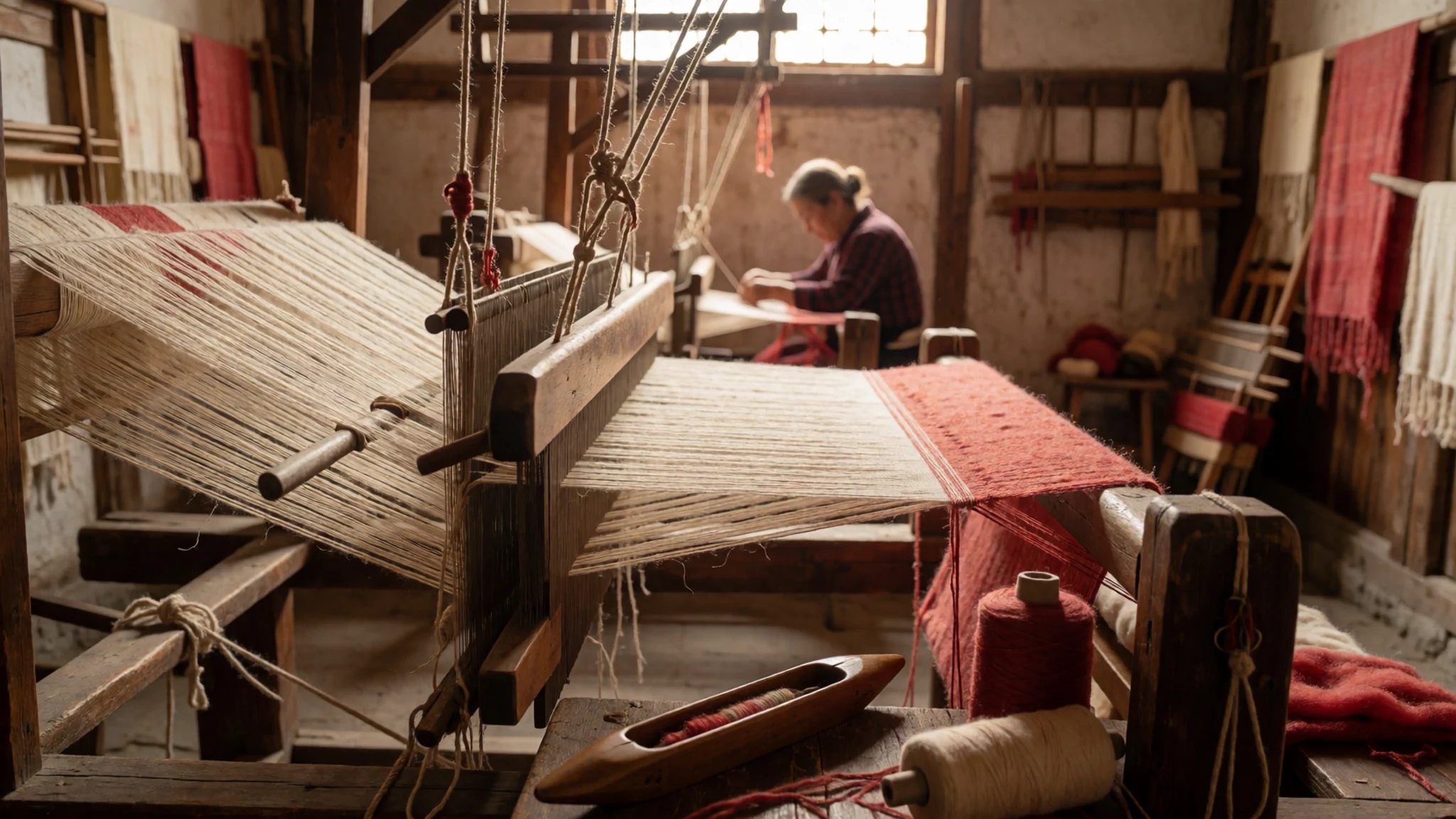
Culture
Hollókő’s culture is tightly linked to Palóc rural life, and you can see it in how the village keeps its wooden architectural style and uses its buildings as folk museums. Many houses work like small museums or craft spaces, so “culture” here isn’t just a show—it’s embedded in the rooms where you’ll spot tools, displays, and costume references.
The village calendar also brings culture into the open. Easter is the headline moment, with residents wearing richly decorated folk costumes and showing Easter customs and crafts. Later in the year, there’s a Raspberry Festival in July, a Castle Tournament in August, and a Grape harvest in August, with concerts staged in the castle and church.
Visitor-wise, Hollókő is approachable, but it can get busy when those seasonal events draw crowds. If you’re visiting outside festival periods, aim for a slow rhythm: read the context in the museums first, then walk the streets again with fresh eyes.
A practical tip: keep your voice down near church and museum interiors, and watch for where locals guide foot traffic.
Please keep noise low inside church and museum spaces and follow signs about photography and where you can step.
What to wear
At Hollókő, traditional dress is most vividly seen during festival seasons, especially Easter, when the village’s residents wear richly decorated folk costumes. The look is associated with Palóc culture, and it’s the kind of clothing where details matter—structured elements, patterned textiles and careful coordination that turns everyday people into a living “display” of heritage.
Day-to-day, most visitors and locals will dress normally for rural travel: light layers in warm weather, warmer clothing when the mountain air cools down, and sturdy footwear for walking. Even on a short village walk, the ground can be uneven or a bit dusty, so trainers or walking shoes make sense.
If you visit in cooler months (spring or autumn), bring a jacket you can layer and a hat or scarf for breezy moments around the hill. For modesty, remember that the village includes churches and indoor museum spaces: choose clothing that covers shoulders if you’re heading into religious buildings, and keep hats and big bags tucked away where they might block doorways.
Footwear should prioritise grip and comfort—you’ll enjoy the folk-house courtyards more if your feet are happy.
What to eat
- Katalin — Village restaurants and eateries
Katalin is a traditional Hungarian food you’ll see referenced as part of the local menu culture. Look for it at village eateries that focus on regional plates, where you can also expect other Palóc-style dishes alongside it. Ask staff what’s available that day.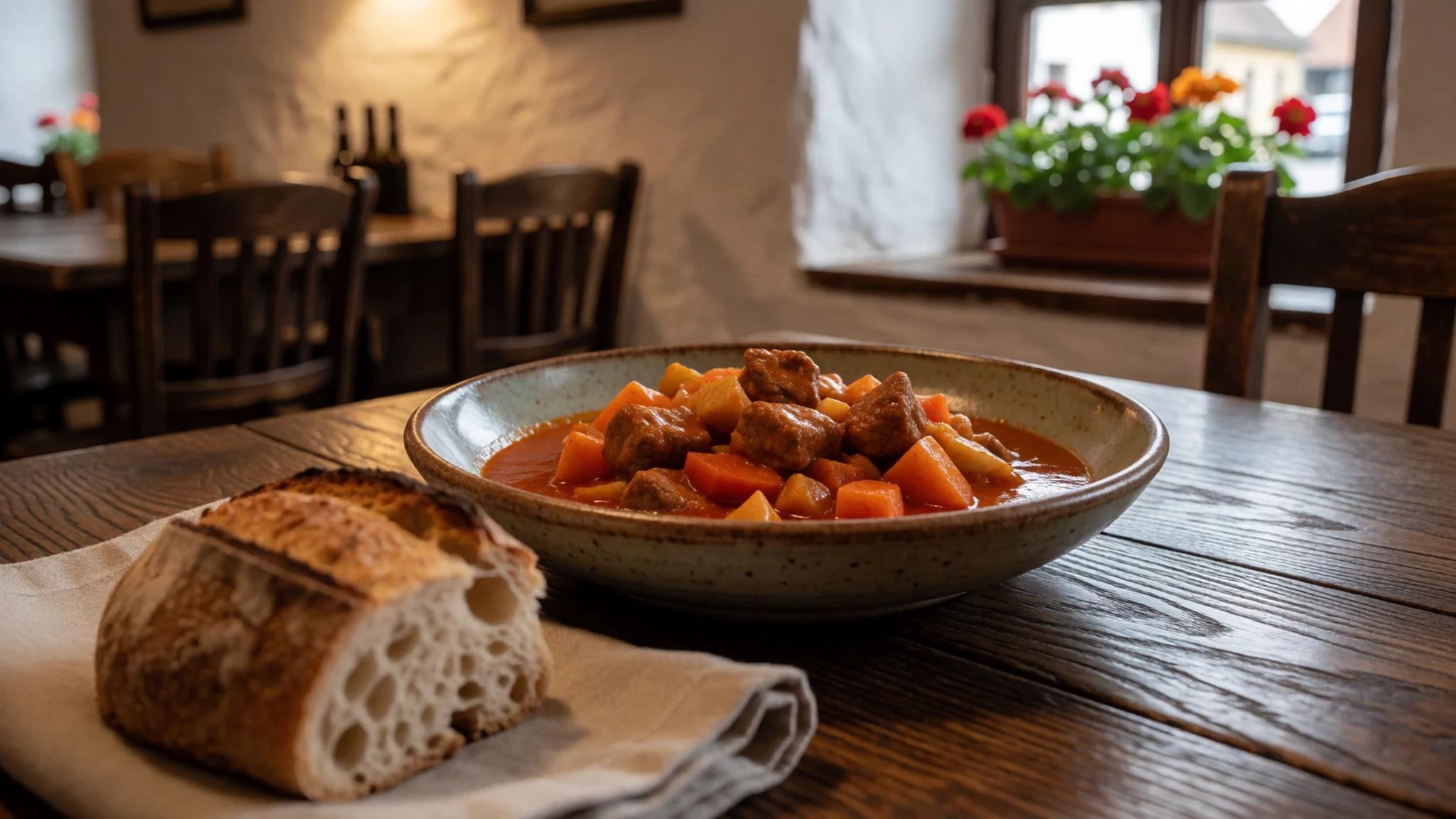
- Palóc traditional cuisine at a tea-house — Village centre eateries
Some Hollókő restaurants blend dining with tea-house culture, offering traditional Palóc-focused choices rather than only generic Hungarian fare. It’s a good option when you want a warm break after museum hopping. Check what dishes are currently on the board at the entrance.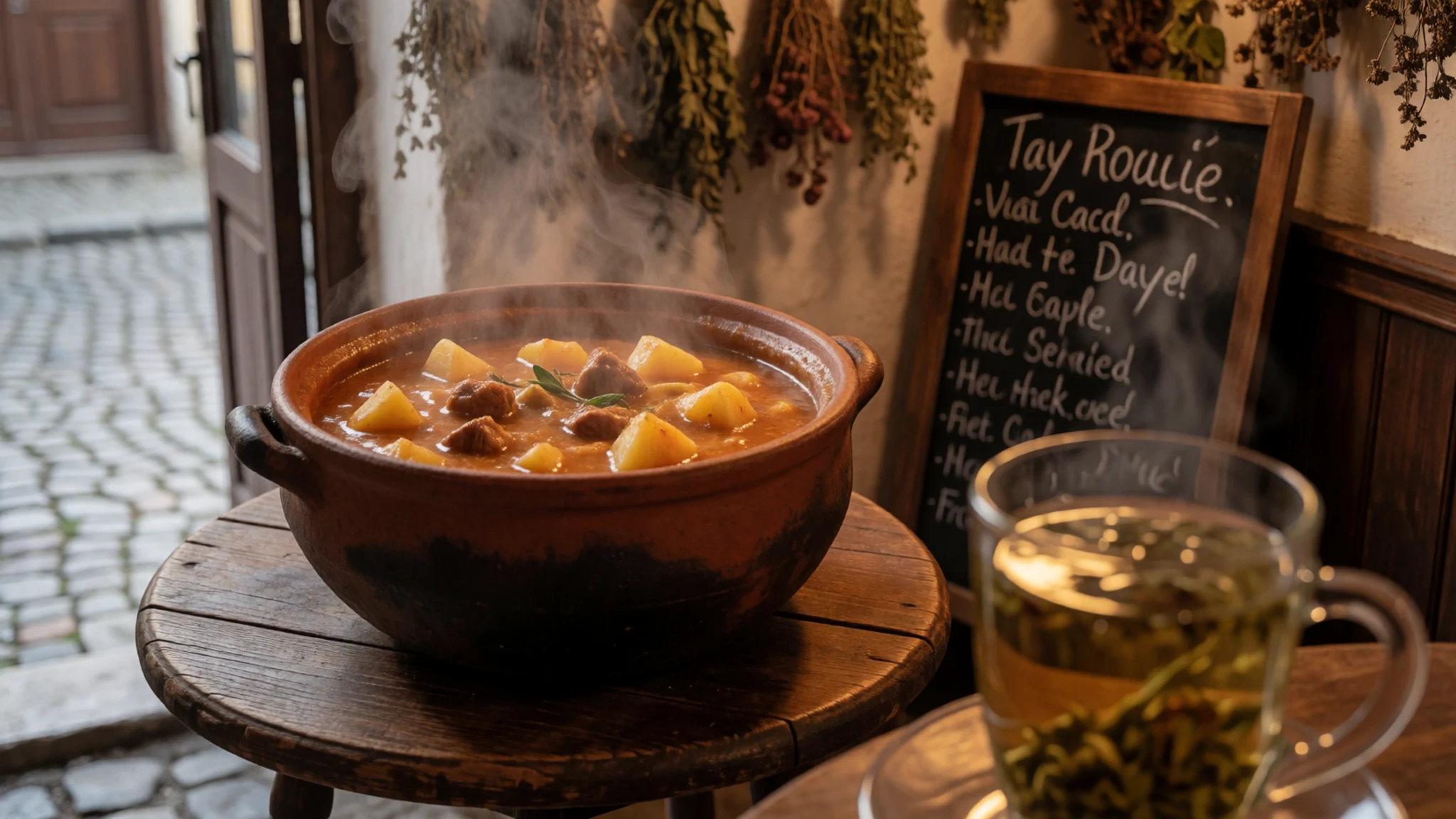
- Palóc cuisine with live music — Village restaurants
Certain restaurants serve traditional Palóc cuisine and pair it with live music, which turns dinner into a more “in-place” experience. This is the kind of evening stop where you can stay longer and listen, not rush back straight away. - Garden-variety traditional plates at local cafés — Near the main visitor areas
Infocafe is listed as a place to eat, and it fits the “quick sit-down” role during a village walk. Think of it as a place for coffee or lighter meals between exhibitions, rather than a formal dinner destination. - Restaurant-style Hungarian dining at Vár — Hollókő village centre
Vár is one of the village dining options associated with traditional Hungarian food experiences. If you prefer a more straightforward restaurant set-up, this is an easy bet for a meal between castle views and the museum cluster. Ask about regional specials.
Plan it
Best time. March–April and October–November are comfortable for village walking, with pleasant daytime temperatures for museums and courtyard visits; June is rainy and August can be hot and humid.
How long. 3–4
Getting there. From Budapest, take the M3 motorway as far as Hatvan, then route 21; before Pásztó the road branches towards Hollókő. By bus, services leave Budapest from Puskás Ferenc Stadion, with journeys taking about 1½–2 hours; buses also go to Szécsény and onward connections are typically needed.
Budget. mid
Tips
- Plan for at least one full morning around the castle hill and main museum cluster to avoid rushing
- If you’re travelling by road, leave extra buffer for mountain-valley weather and narrower junctions near Pásztó
- Check the local official website before you go, especially around festival weeks
- Carry some cash for small purchases inside craft-focused houses and workshops
- Start earlier in the day to enjoy quieter lanes before groups build up
Etiquette
- Follow any signage about where you can step inside folk houses and museum rooms
- Keep your voice low inside church and indoor exhibitions
- Ask before photographing people in costume during festival periods
Nearby
Sources
- Wikidata Q622865 (CC0)
- Wikipedia (rev 1377790054) (CC BY-SA 4.0)
- Wikivoyage (rev 5404154) (CC BY-SA 4.0)
- Photo photos/01-holl-k-falu-f-utca-r-szlet-002.jpg (CC BY 3.0)
- Photo photos/02-holloko-village-center.jpg (CC BY 3.0)
- Photo photos/03-holloko1.jpg (CC BY 3.0)
- Photo photos/04-castle-of-holloko-with-panorama.jpg (Public domain)
- Photo photos/05-costume-traditionnel-lowicz-poland.jpg (CC BY-SA 2.0)
- Photo photos/06-cserhats-near-holloko.jpg (CC BY-SA 2.0)
- Photo photos/07-cserh-t-mountains-north-of-holl-k.jpg (CC BY 3.0)
- Photo photos/08-csert-lgy-levele-holl-k.jpg (CC BY 3.0)


