Holbox
Holbox, Mexico
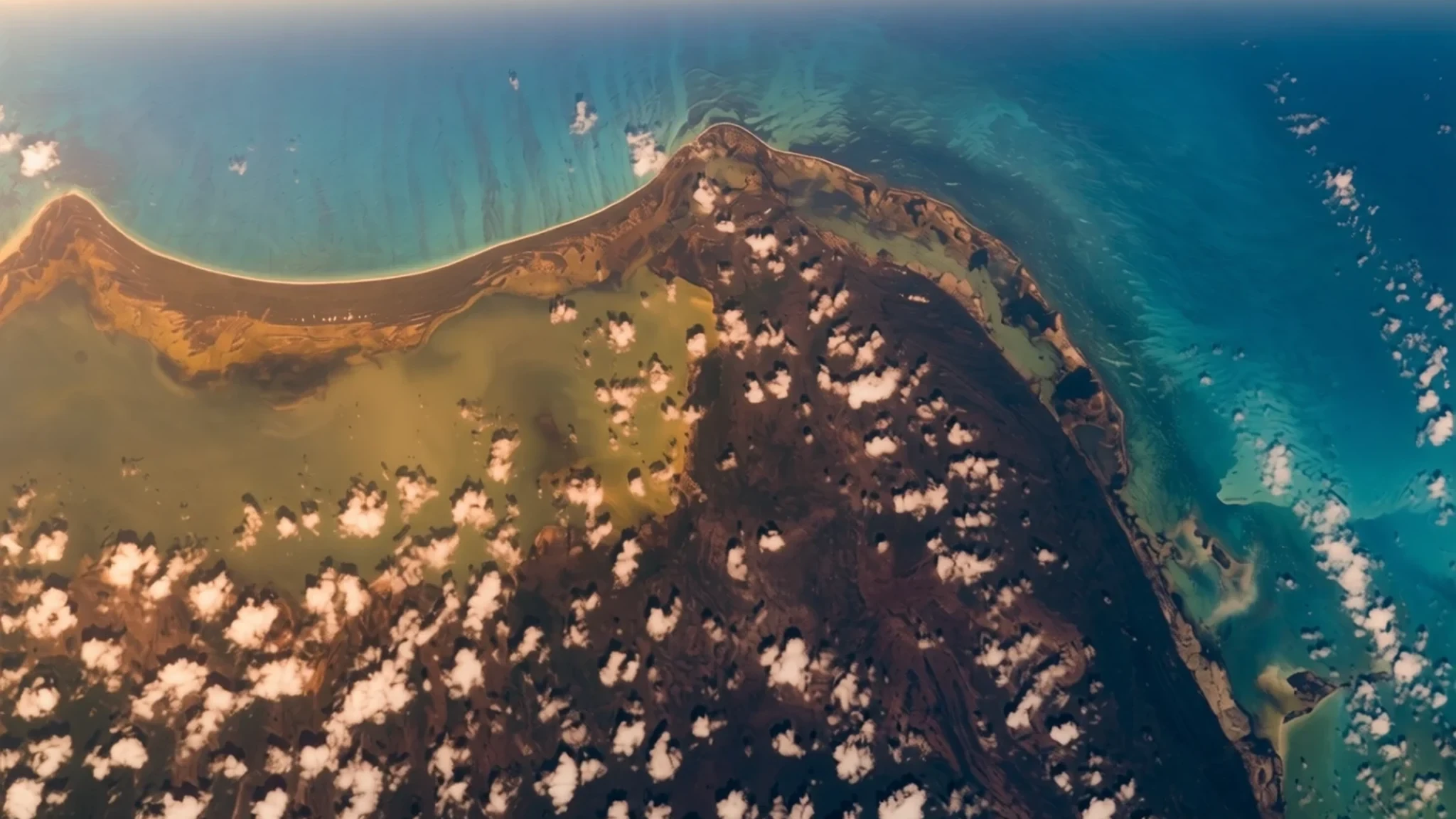
Holbox is a sandy island off Mexico's Caribbean coast where golf carts and mopeds replace cars, and whale sharks visit from June to September.
The place
Holbox sits on the north coast of the Yucatán Peninsula in the Mexican state of Quintana Roo, a long, narrow island roughly 42 km end to end and only about 1.5 km across. The town is a loose grid of sandy streets, and most of the island is sand, scrub and mangrove rather than built-up land. Across a 10 km shallow lagoon lies the mainland, and that water is home to flamingos, pelicans and a great deal of other birdlife. Holbox belongs to the Municipality of Lázaro Cárdenas and is part of the Yum Balam Biosphere Reserve, so conservation rules matter here. Fishing is still the island's main industry, and lobster is the main product of the boats; whale shark viewing is the newer draw. Tourism has grown alongside fishing, drawn by the island's remoteness and its quiet beaches. Cars are not allowed, partly to protect the environment and partly to stop the streets filling with sand, so most people travel by golf cart or moped. The usual way in is the ferry from the mainland town of Chiquilá, though a few charter flights from Cancún and Playa del Carmen land at a small airstrip. Visitors tend to stay several nights, because the crossing and the lagoon set a slow pace for the day.
Its story
The first written mention of the island dates from 1852, in a document sent by Bartolomé Magaña to the governor of Yucatán. Raids on the nearby mainland pushed people out to the island, where the water offered some protection. Authorities of the day tried to discourage settlement, but families stayed put. Storms in 1886 wiped out the island's community, which was then built up again. Electricity arrived in 1987, a late date that shows how remote the island remained into the late twentieth century. In 1994 the island was entered into the Yum Balam Biosphere Reserve as an ecological reserve. From the 2000s, a property boom reshaped the local economy, drawn by the island's remoteness and its low-key character. That growth has not been uncontested. In 2020, El País reported twenty ongoing legal actions aimed at dismantling the island's protected status. The question of how far development should go is still live, and it shapes local debate about the island. Fishing families, guesthouse owners and conservation groups do not always agree on what the island should become. Much of the island's story is therefore about the tension between a small fishing community and an outside demand for land and holiday homes. The early story rests on a few documents, which is why many details remain uncertain.
What to see
- Swimming with whale sharks — Open water off the island
The island's signature experience is swimming beside whale sharks from June to September. Boats leave from the island, and the animals are large, slow-moving filter feeders, so the rules are simple: keep the distance your guide sets, do not touch, and wait your turn. Choose an operator that follows those rules, and expect the sea and the season to decide the timing.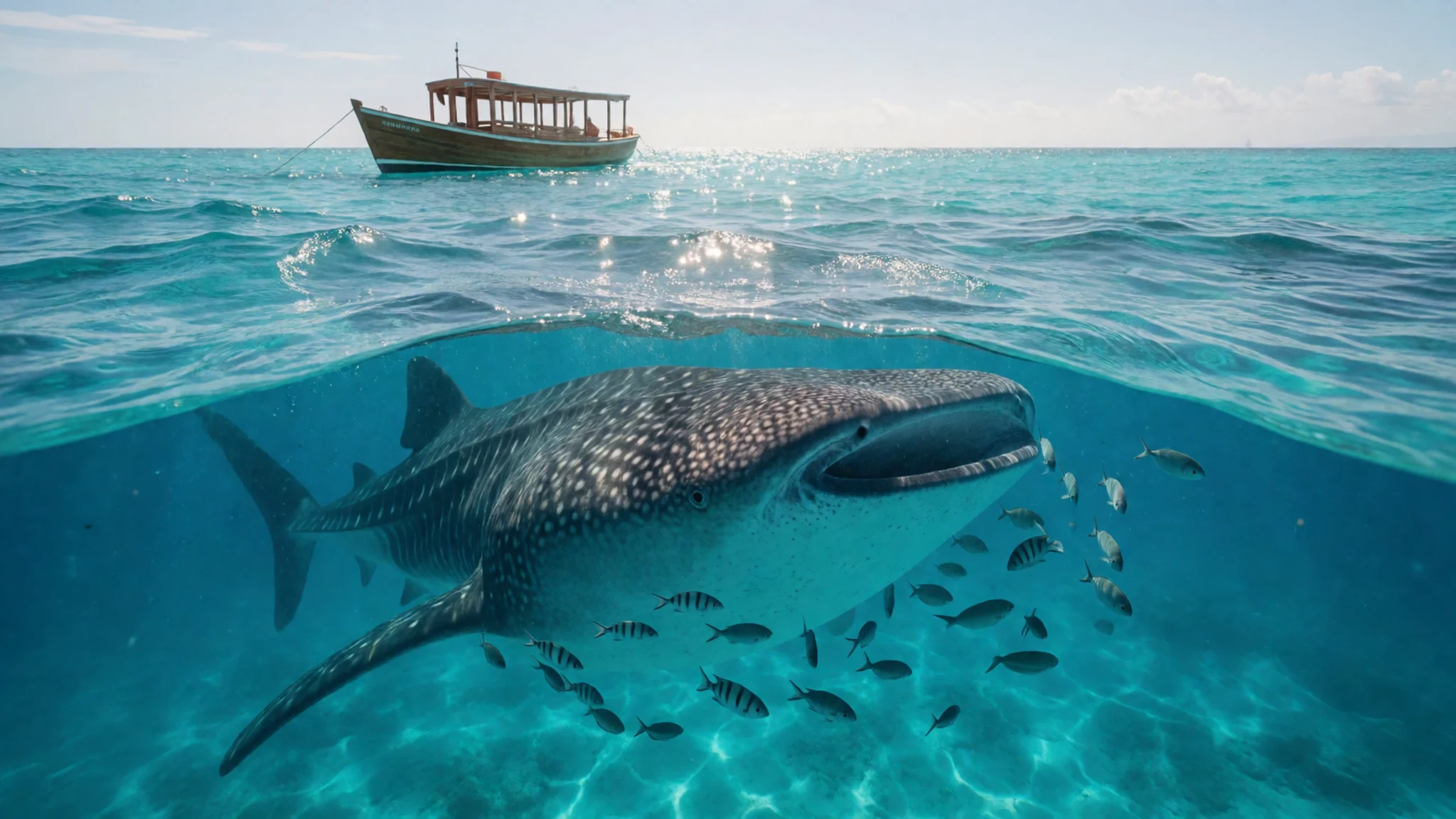
- The lagoon and its birds — Lagoon between the island and the mainland
The shallow lagoon between Holbox and the mainland is about 10 km of calm water, and it draws flamingos, pelicans and many other birds. Early and late in the day are the quietest times to see them. Stay in a boat or on the lagoon edge rather than wading into feeding areas, so the birds are not disturbed.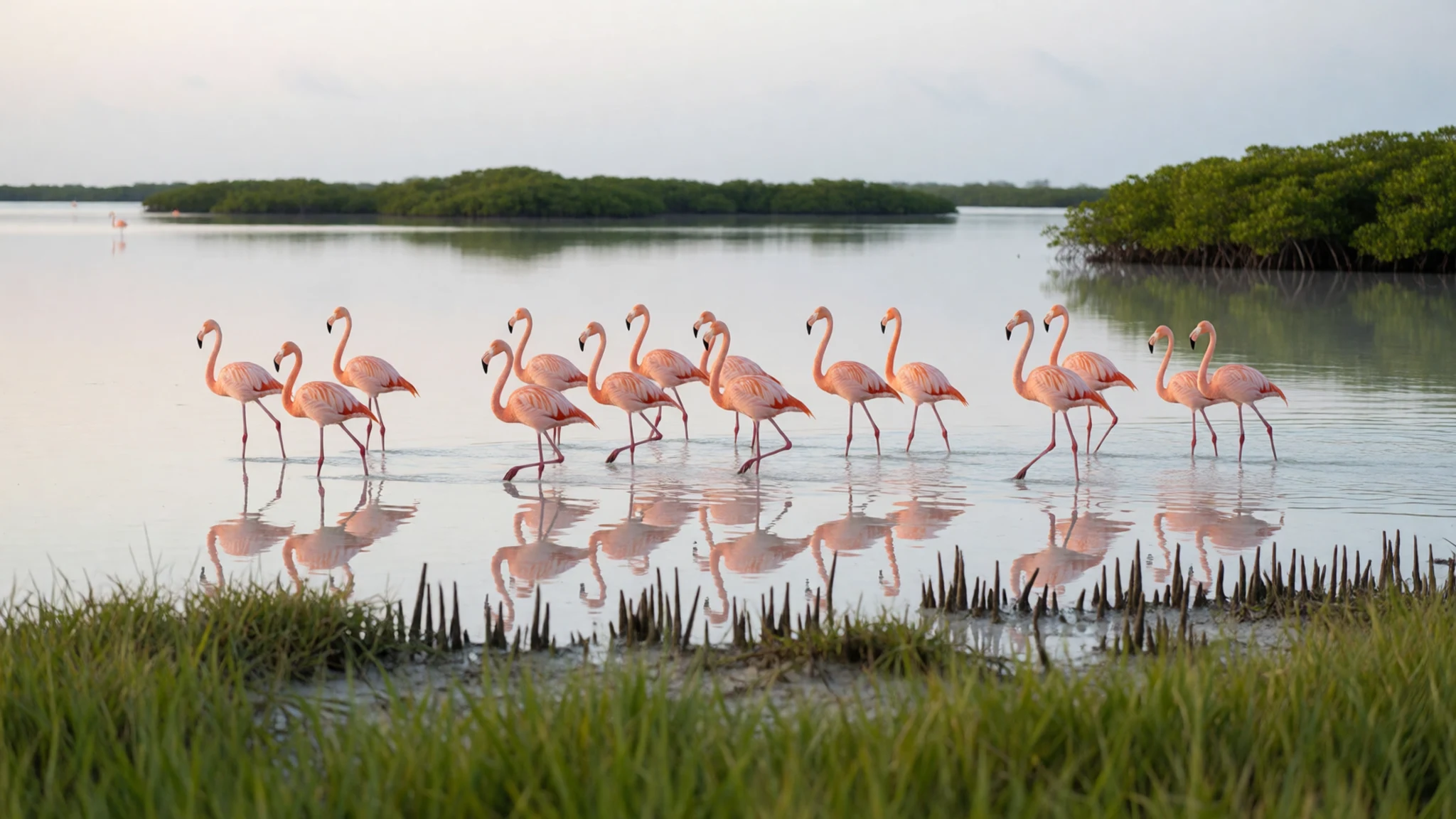
- Reefs just offshore — Waters off the north-east coast
The Mesoamerican Reef runs along the whole Quintana Roo coast, a few hundred metres offshore, and it draws divers and snorkellers. Dive operators know the local rules, which can restrict visits to protected sites. Pack a sunscreen labelled reef safe, because many products are banned here since their chemicals harm coral.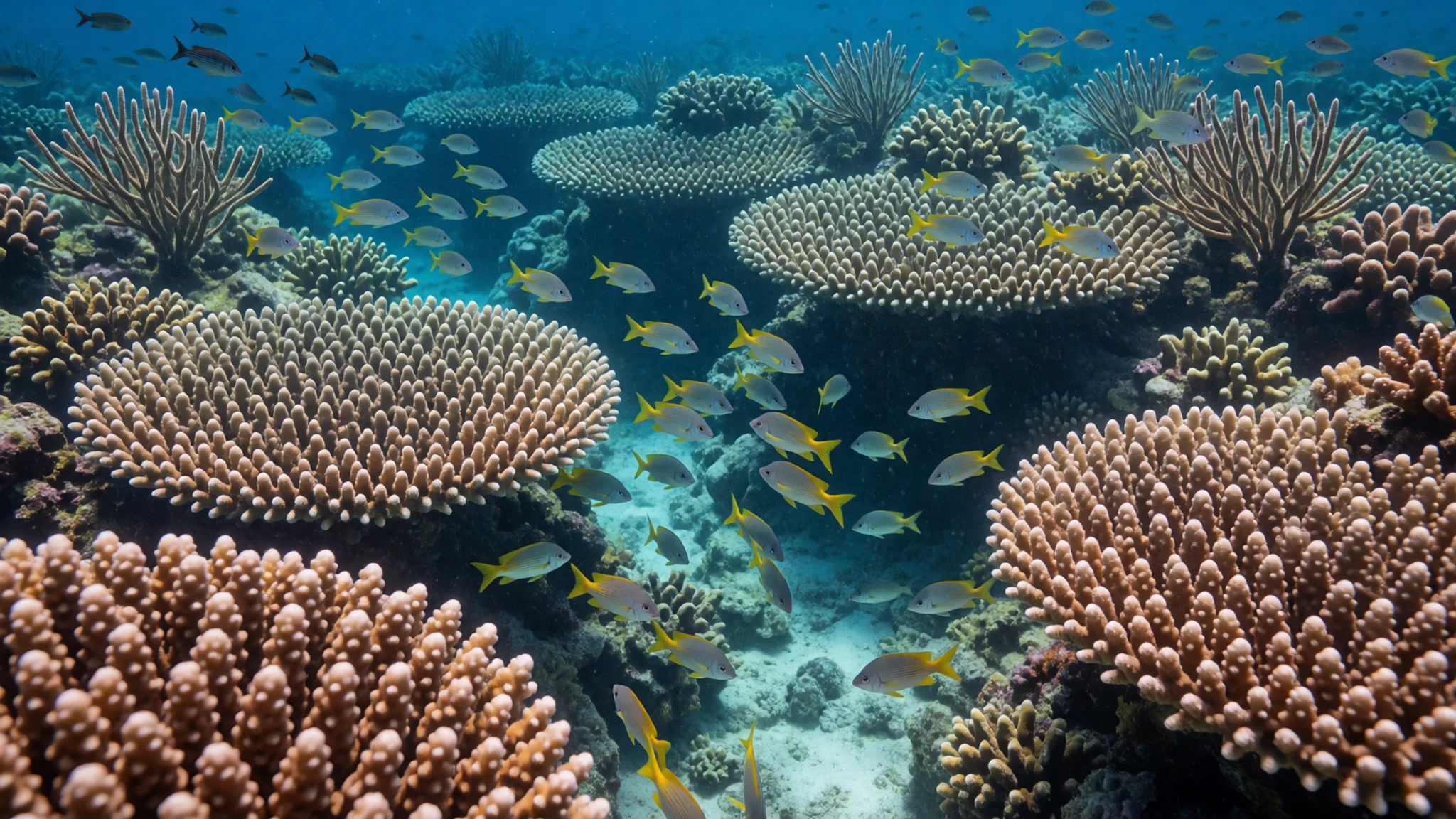
- The town and its sand streets — Island town centre
The town is a grid of sandy streets with small guesthouses, cafés and seafood kitchens. Golf carts and mopeds share the lanes with pedestrians, and the sand gives a soft, slow feel to the walk. Evenings are the best time for a stroll, when the light is low and the streets quieten.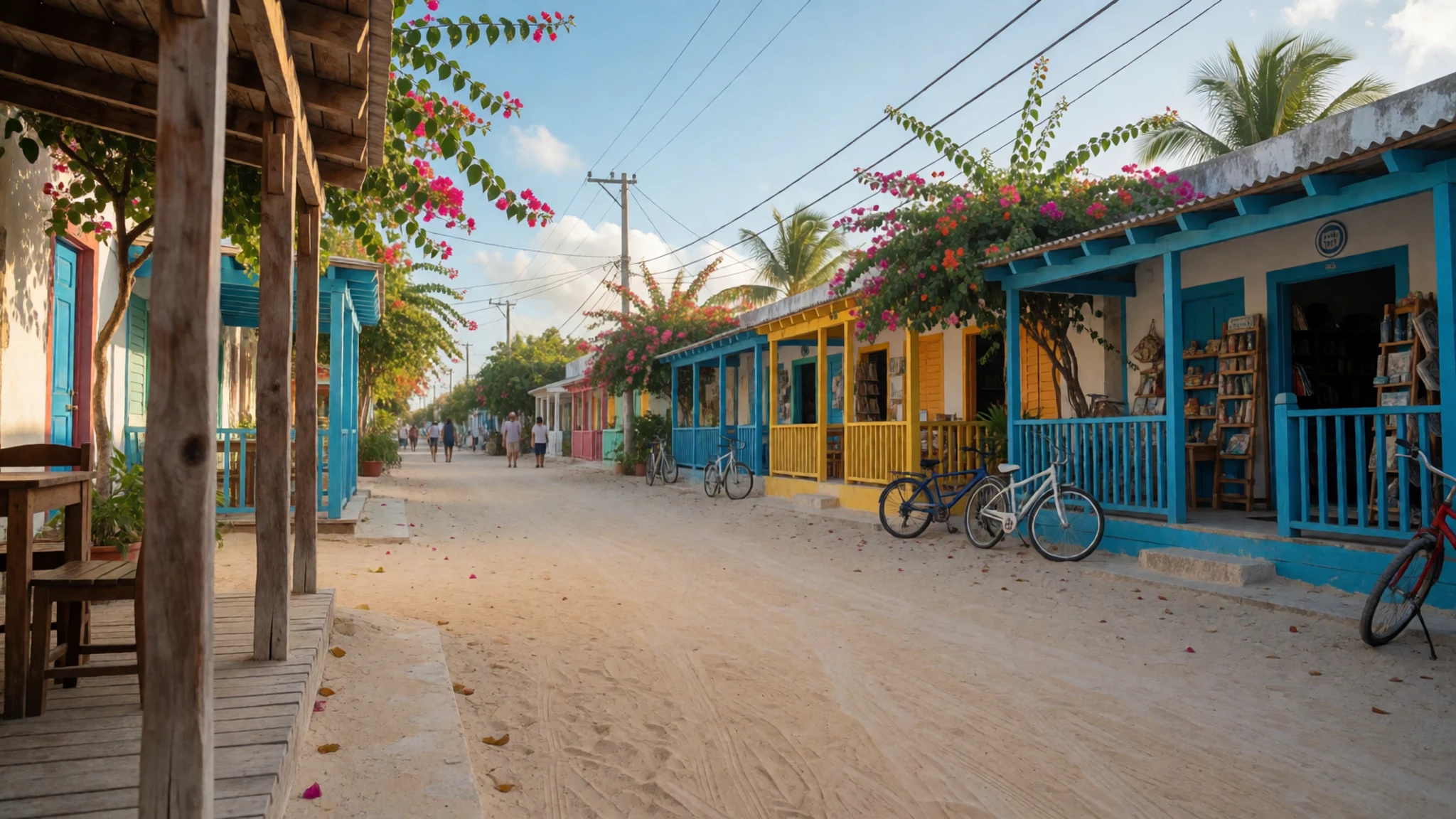
- The Yum Balam reserve — Island and surrounding lagoon
The island is part of the Yum Balam Biosphere Reserve, which was registered as an ecological reserve in 1994. Its mangroves, lagoon and coastal scrub are the habitats that make the birds and turtles of the area worth protecting. Visitors can learn more about the reserve's rules from local tour operators and official reserve information.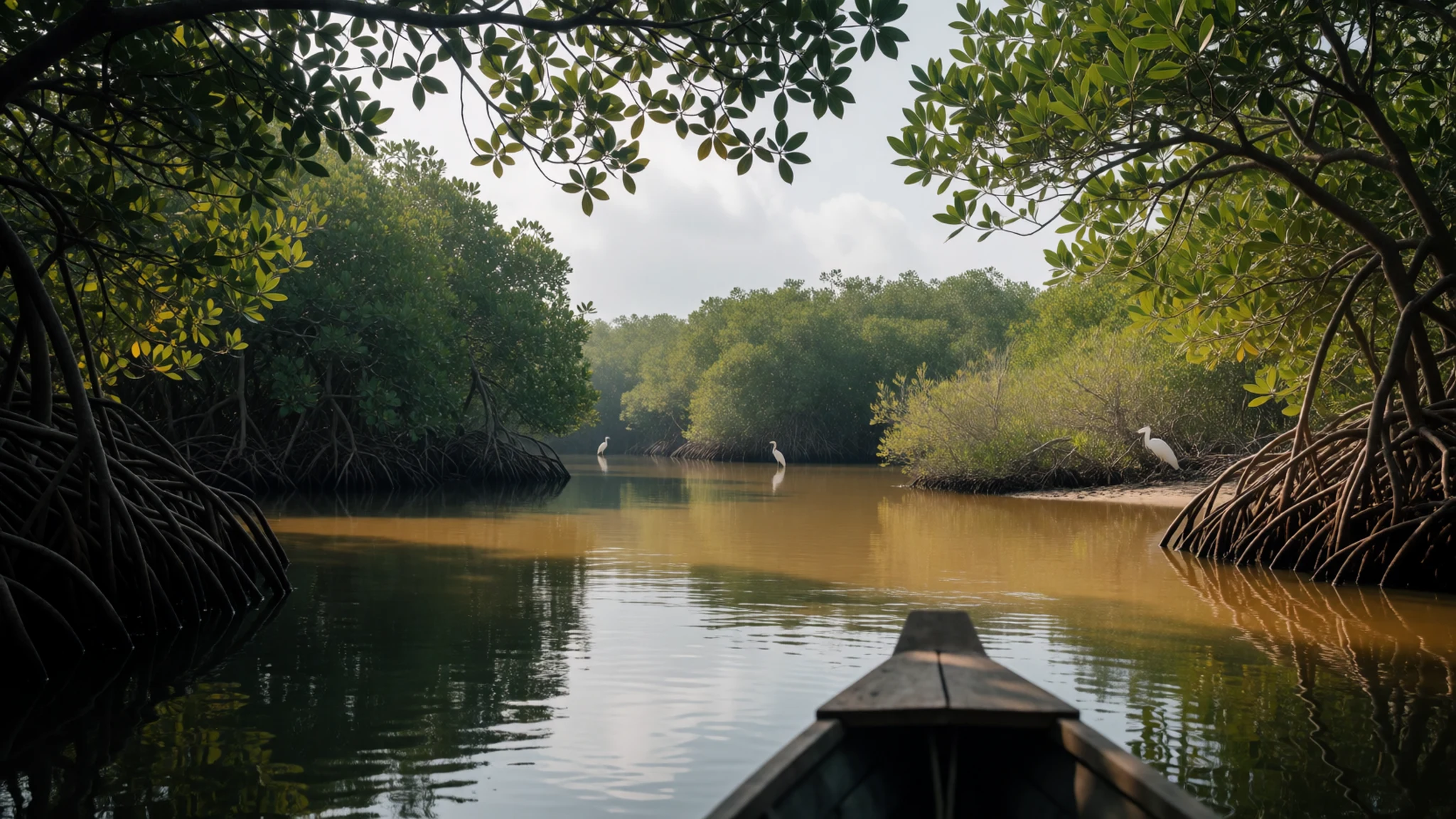
Culture
Holbox is a small community first and a holiday island second, and daily life still follows the fishing boats. Pedestrians share the sandy streets with golf carts and mopeds, so people tend to keep to the edges and step aside. Conversation is relaxed, and a greeting before asking for something is a courteous habit across Mexico. Many families depend on fishing or on services for visitors, so decisions about new buildings and tour boats are discussed openly and often with strong feelings. Protected status matters locally, and the reserve's rules cover the lagoon and its birds, which are best watched from a distance. Noise carries far on still evenings, so quiet near houses is appreciated. On a whale shark trip, keep the distance your guide sets, never touch the animal, and wait for your turn rather than crowding in.
What to wear
Holbox has no single dress of its own, but the wider Yucatán peninsula gives the island its clothing traditions. The best-known women's garment is the huipil, a loose embroidered dress, often in white cotton, with bright thread worked across the chest and hem. For festivals and formal occasions the terno, a fuller embroidered dress, is worn across the peninsula. Men traditionally wear the guayabera, a pleated shirt in cotton or linen that is still common across Mexico in warm weather. Day to day, islanders wear light cotton, T-shirts, shorts, sundresses and sandals, since heat and sand dictate most choices. Visitors do well to pack light, breathable cotton or linen, a wide-brimmed hat and a cover-up for walking from beach to town. Sturdy sandals suit sandy streets better than flat flip-flops, and a light long layer helps in the evening and when visiting churches or community events, where a little more covering is respectful.
What to eat
- Lobster — Seafood kitchens around the town centre
Lobster is the island's main catch, and many dishes are built around it. It is usually grilled with butter and garlic, or served in a simple plate with rice and salad. Fishing boats supply the kitchens, so the lobster you find is typically fresh from the local waters.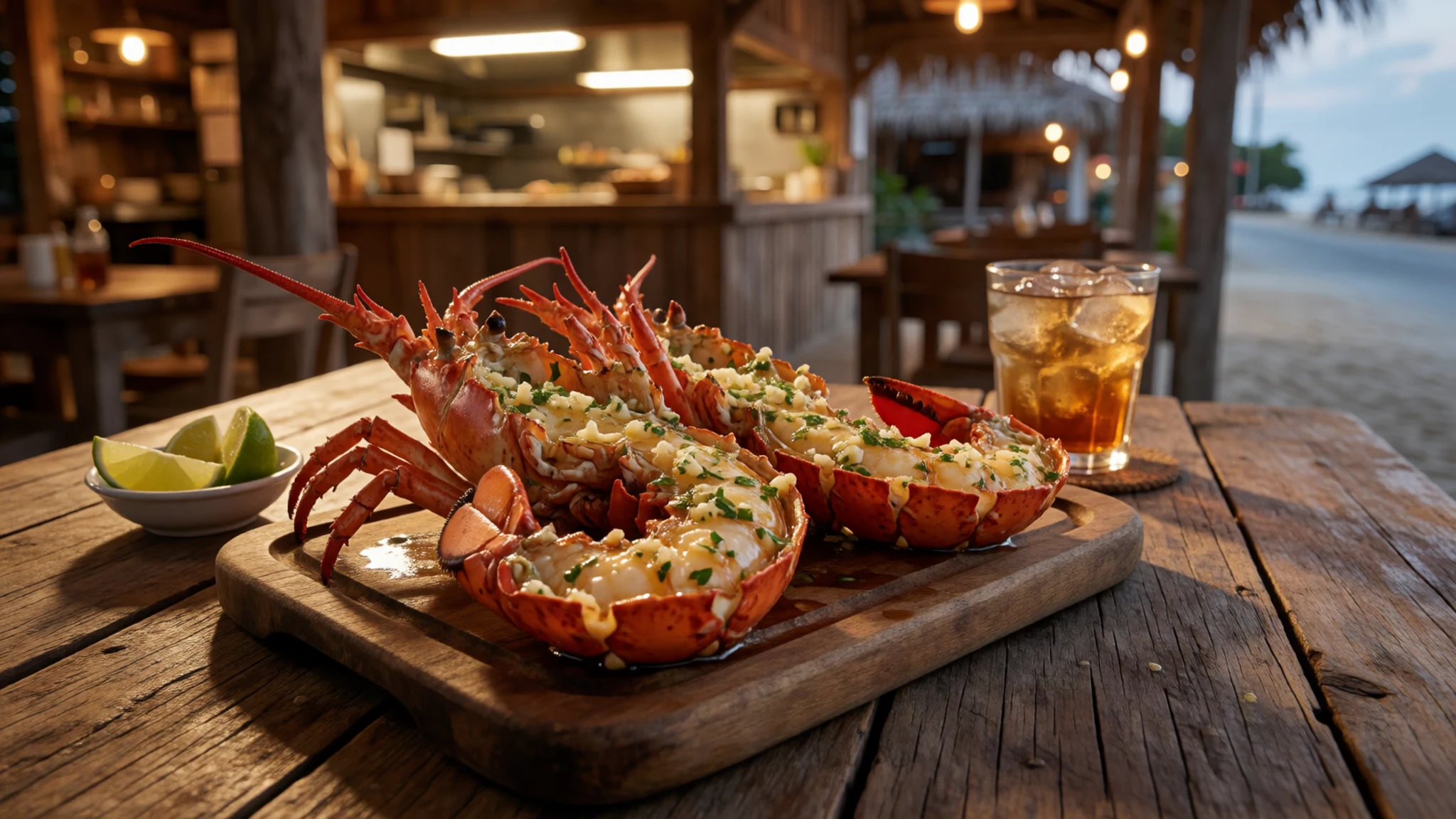
- Grilled fish and seafood — Beachfront eateries and the town's grill kitchens
Grilled fish is the everyday seafood dish, often snapper or another local fish cooked over charcoal with lime, chilli and salt. Plates usually come with beans, rice and tortillas. Ordering the catch of the day is the easiest way to taste what the boats brought in.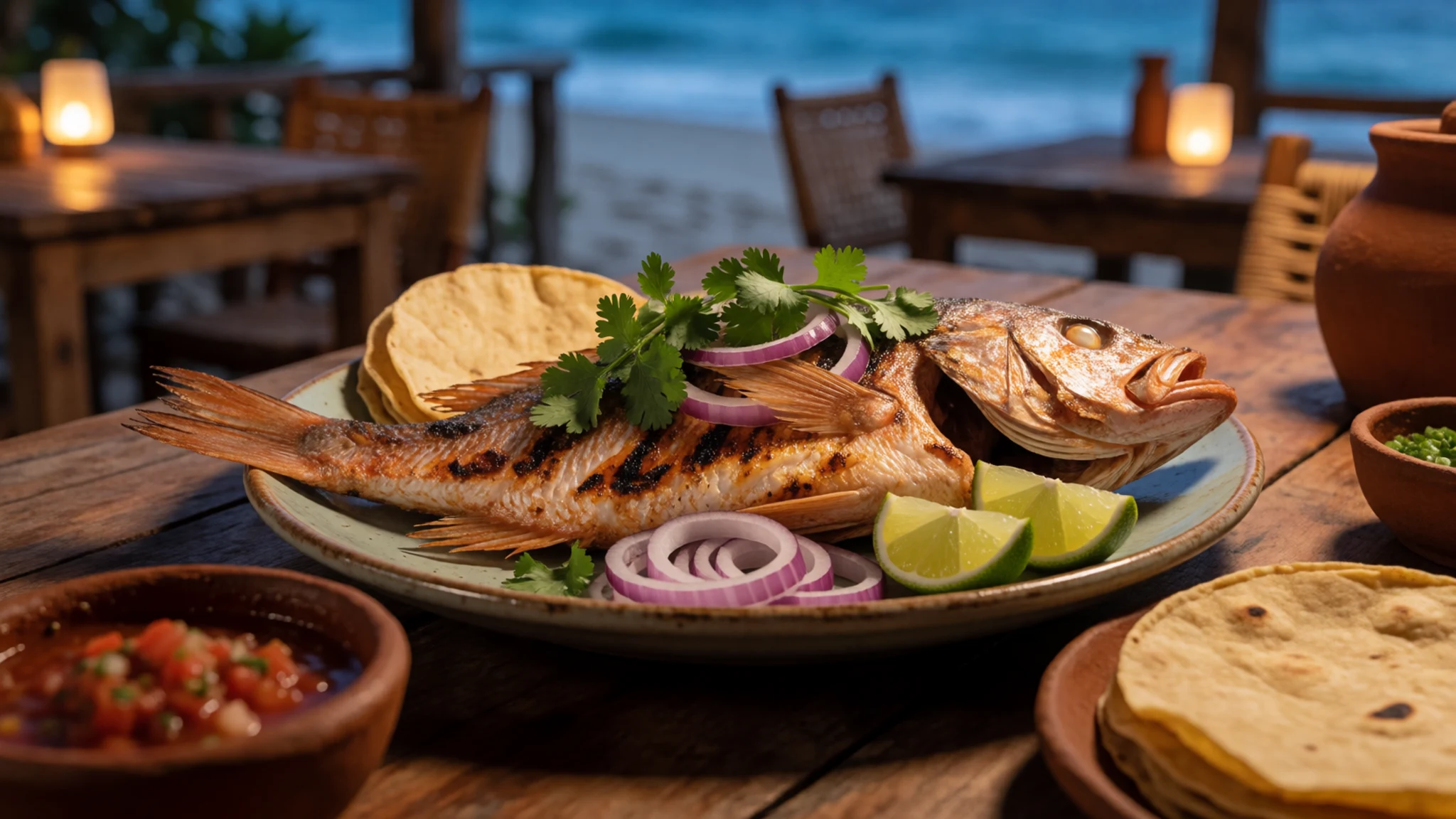
- Ceviche — Small seafood counters near the market street
Ceviche is raw fish or shrimp cured in lime juice with onion, tomato, chilli and coriander. It is a light lunch and a cooling dish in the heat. Ask for it fresh, since it is best eaten soon after it is prepared. - Fish tacos — Street stalls in the town centre
Fish tacos are a casual option, with battered or grilled fish in soft corn tortillas, topped with cabbage and a creamy or spicy sauce. They are a good choice for a quick meal between swims. Look for stalls where the fish is cooked to order.
Plan it
Best time. June to September is the whale shark season, and it is the island's main draw. Outside that window, the trip is about beaches, birds and a slower pace. Plan around the weather: the heat peaks from March to September, with highs above 34°C, and the rain is heaviest from June to October, so January to March offers the driest and most comfortable days for beaches and birds.
How long. 3–4
Getting there. Take the ferry from the mainland town of Chiquilá, the usual route to the island. A few charter flights from Cancún and Playa del Carmen land at a small airstrip, which takes only light aircraft.
Budget. mid
Tips
- Book whale shark trips ahead of the season, since the timing depends on the animals and weather
- Carry some cash for small restaurants, stalls and boat operators
- Use golf cart or moped to reach the beaches and the lagoon edge
- Pack reef-safe sunscreen, a hat and water for the heat
- Check the official site for current ferry timetables before you travel
Etiquette
- Keep the distance your guide sets from whale sharks and never touch them
- Leave birds and their feeding areas undisturbed on the lagoon
- Use reef-safe sunscreen before entering the sea
Nearby
Sources
- Wikidata Q61306477 (CC0)
- Wikipedia (rev 1376241351) (CC BY-SA 4.0)
- Wikivoyage (rev 5401013) (CC BY-SA 4.0)
- Holbox island Mexico - Ort (CC BY 2.5)
- A beach in time of high tide on Holbox Island, Mexico (CC BY-SA 2.0)
- A beach of Holbox Island (CC BY-SA 2.0)
- A beach resort on Holbox Island, Quintana Roo, Mexico (CC BY-SA 2.0)
- A beach resort with palm trees on Holbox Island, Quintana Roo, Mexico (CC BY-SA 2.0)
- A beach with shrubs on Holbox Island, Mexico (CC BY-SA 2.0)
- Isla Holbox (Mexico, November 2018) - 98 (CC BY-SA 2.0)
- A sunset on the beach of Holbox Island, Mexico (CC BY-SA 2.0)


