Hamilton
Hamilton, Canada
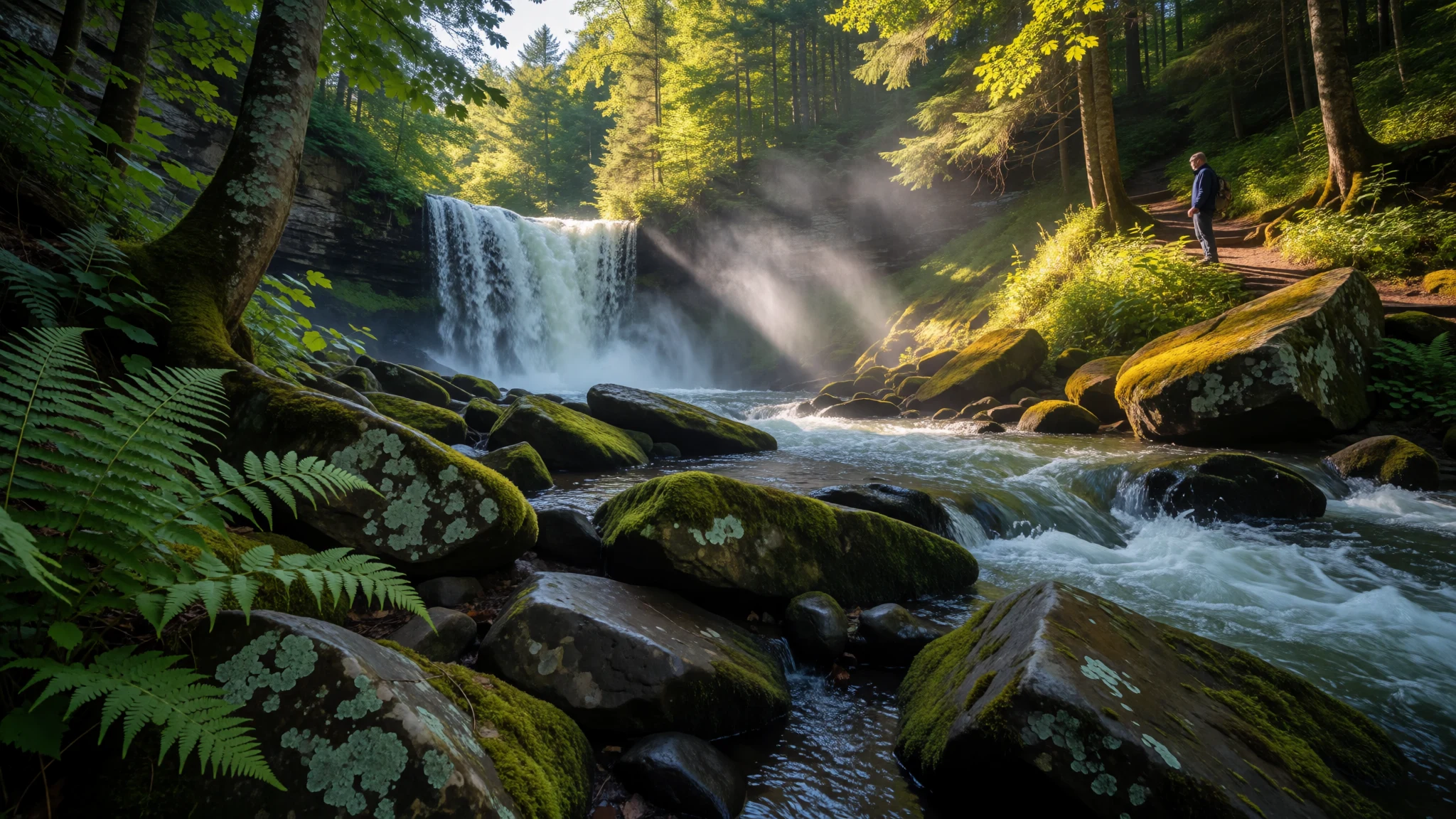
Hamilton offers an industrial heritage paired with green conservation areas, public galleries, and local eateries near the western end of Lake Ontario.
The place
Hamilton operates as a major port city situated in the Canadian province of Ontario. Positioned at the western end of Lake Ontario, the settlement developed into the core of a heavily populated and industrialized region known as the Golden Horseshoe. Founded through private land acquisition following the conclusion of early conflicts, the town grew outward from the Durand farm. Over successive decades, manufacturing and steel production defined the local economy, driving employment and urban expansion across the area. In more recent years, economic activity has diversified to include service sector enterprises, healthcare, and scientific research. Modern municipal boundaries were established through the amalgamation of the original city with surrounding towns and townships within the regional municipality. Residents of the area are known locally as Hamiltonians. Geography plays a distinct role in shaping the layout of the settlement, featuring a sharp escarpment locally referred to as the mountain, which divides the lower urban core from the upper suburban plateaus. Parks, conservation areas, and public art installations punctuate the urban landscape, providing green spaces alongside the historic commercial corridors and residential neighbourhoods that define the municipality today.
Its story
In Hamilton, long before European arrival, the land was used and cared for by the Neutral First Nation. These communities were gradually displaced as regional power dynamics shifted among the Haudenosaunee Confederacy, who maintained alliances with British interests against the Wendat and their French allies. Early European accounts noted settlements such as Tinawatawa, a Seneca Haudenosaunee village visited by explorers during the late seventeenth century. Following the American Revolutionary War, thousands of United Empire Loyalists crossed northward into Upper Canada, seeking new tracts of land under Crown grants. The Crown subsequently secured formal title to the territory through treaties negotiated with local Indigenous groups, opening the region to wider agrarian settlement. Additional waves of immigrants arrived from the south, drawn by the availability of inexpensive soil and expanding commercial opportunities around the Great Lakes. At the same period, groups of Haudenosaunee people who had aligned with Britain during the revolutionary conflict were established on designated reserves to the west of Lake Ontario. This complex history of displacement, migration, and treaty-making laid the demographic foundation for the modern southern Ontario landscape, shaping the cultural identity and community traditions that persist across the region to this day.
What to see
- Art Gallery of Hamilton — Downtown Hamilton
Established to showcase creative works, this prominent public institution features thousands of pieces focusing on historical Canadian artists, nineteenth-century European paintings, and contemporary exhibitions. Visitors can explore permanent and rotating displays housed within a spacious downtown facility that has served the cultural community for generations, reflecting the region's artistic evolution through diverse mediums and curated collections.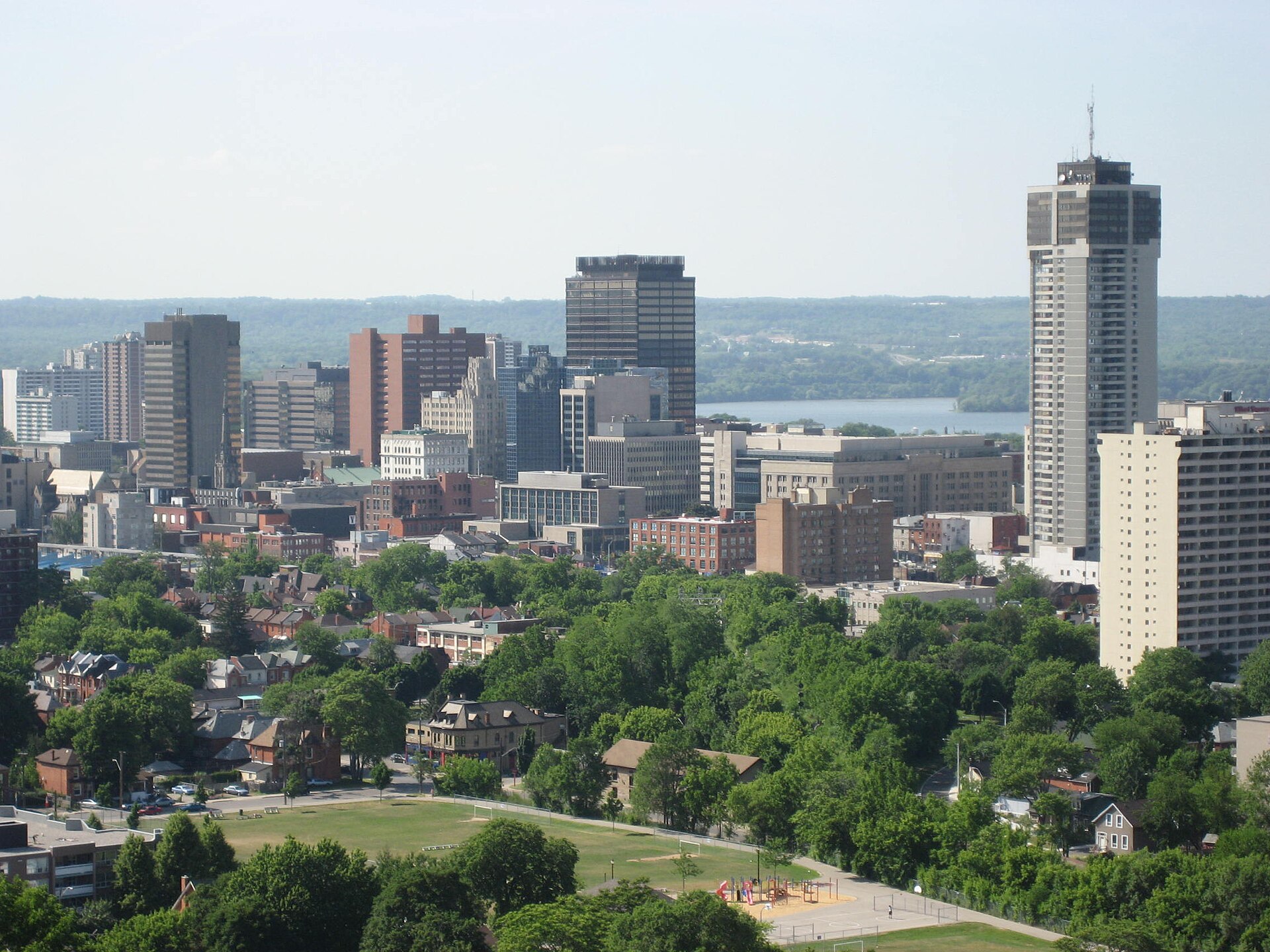
- Battlefield House Museum — Stoney Creek
Preserving a historic rural homestead dating from the late eighteenth century, this museum commemorates a significant armed engagement fought during early regional conflicts. Costumed interpreters demonstrate daily domestic tasks, giving visitors insight into pioneer life, military strategy, and the hardships faced by early settlers in the southern Ontario wilderness through preserved artifacts and guided tours of the grounds.
- Canadian Football Hall of Fame — Central Hamilton
Celebrating the storied history of gridiron sport in Canada, this specialized facility offers interactive displays, extensive archives, and dedicated exhibits honouring legendary players and builders. Fans can examine memorabilia associated with the championship trophy and explore the triumphs of national teams through engaging multimedia presentations located near the central stadium grounds.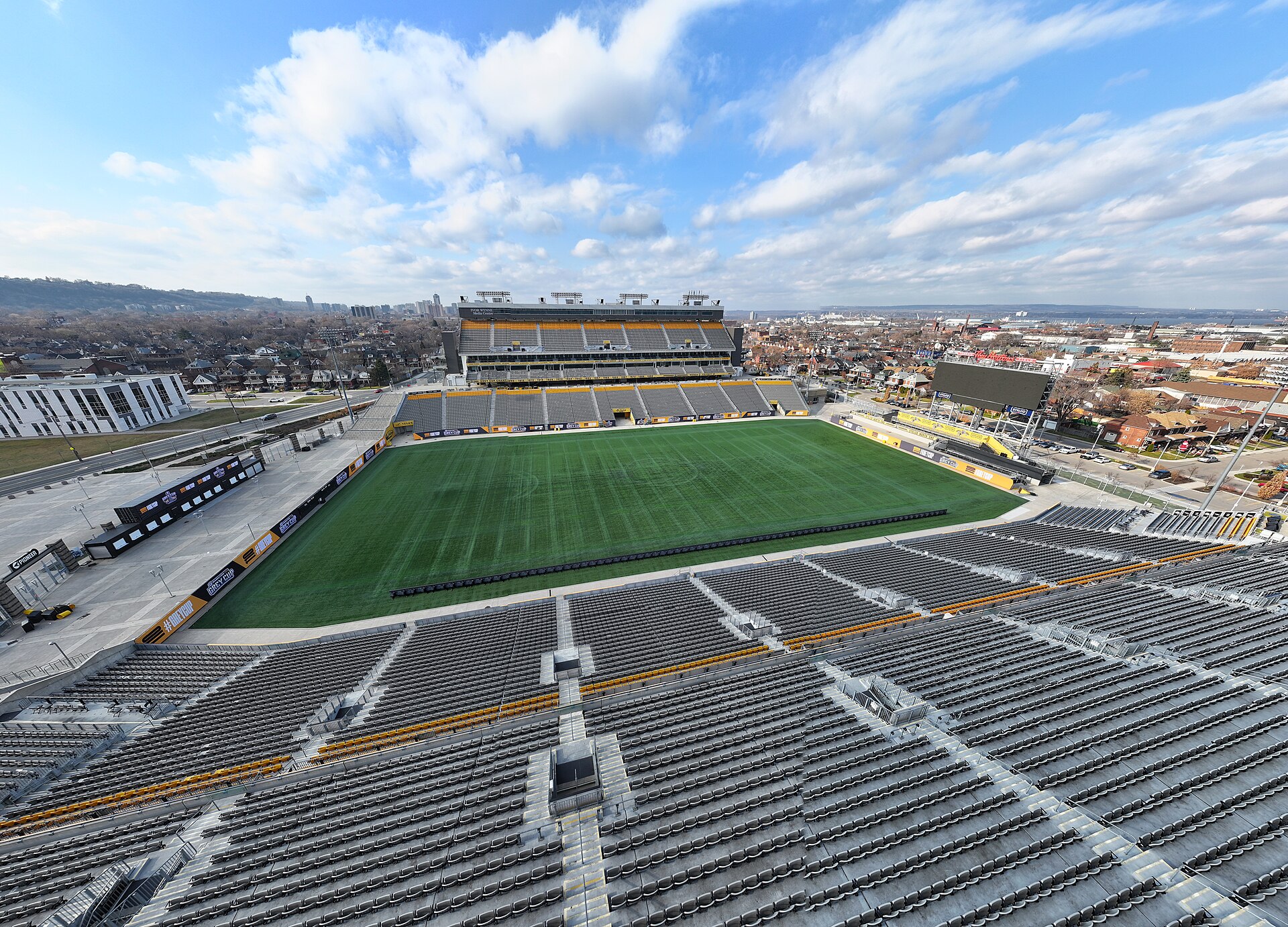
- Canadian Warplane Heritage Museum — Mount Hope
Operating as a living aviation museum, this large hangar houses a remarkable collection of vintage aircraft flown by Canadian military personnel from the Second World War onward. Many of the historic planes remain in airworthy condition, offering enthusiasts a rare opportunity to inspect classic engines, military hardware, and restored airframes up close during regular hangar visits.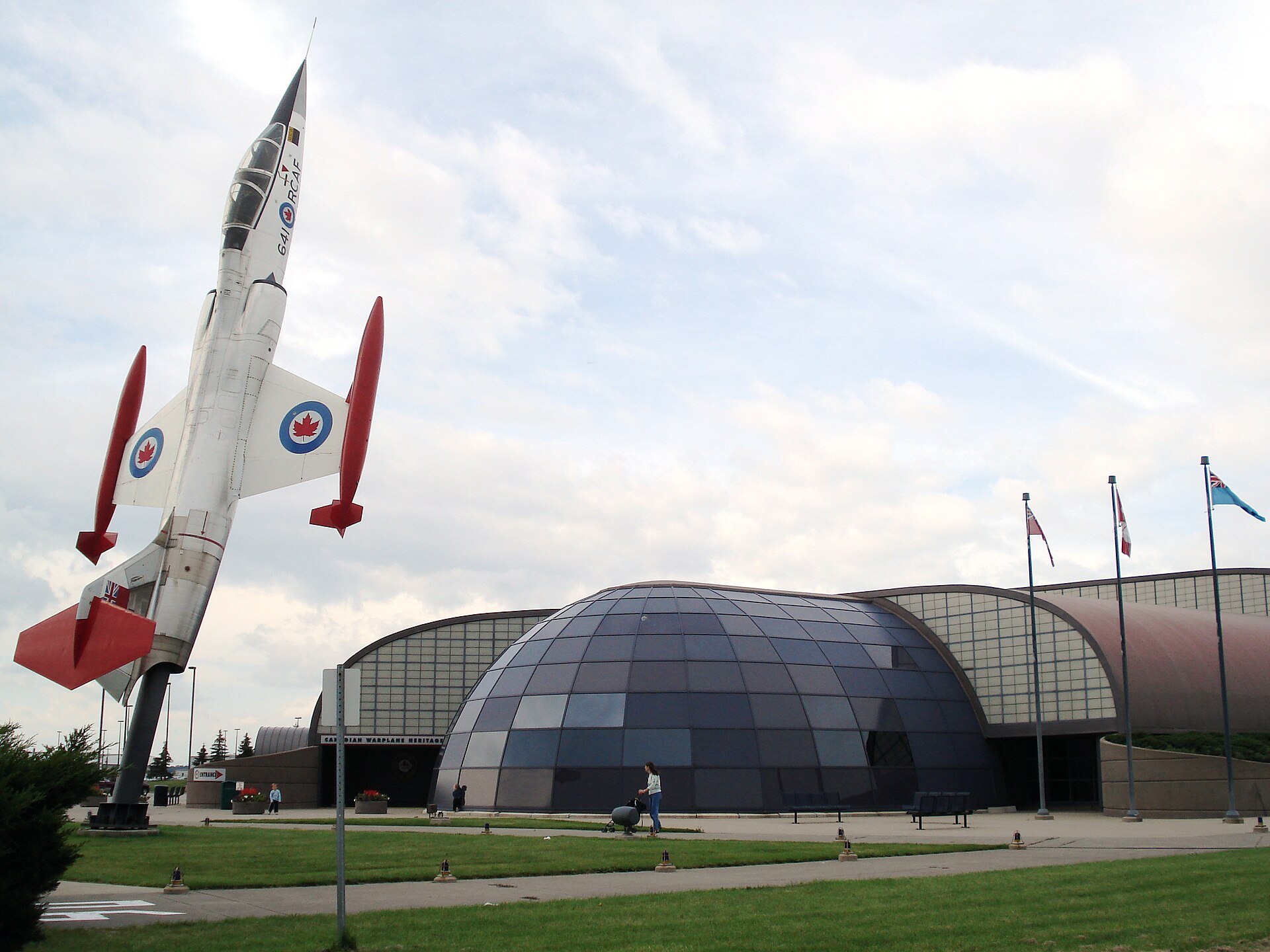
- Dundurn Castle — York Street
Overlooking the harbour waters, this grand neoclassical mansion was constructed as the private residence of a prominent nineteenth-century political figure and military commander. Guided tours take visitors through lavishly restored rooms, kitchens, and servants' quarters, illuminating the domestic hierarchy, social entertaining, and elite lifestyle characteristic of upper-class colonial society during the Victorian era.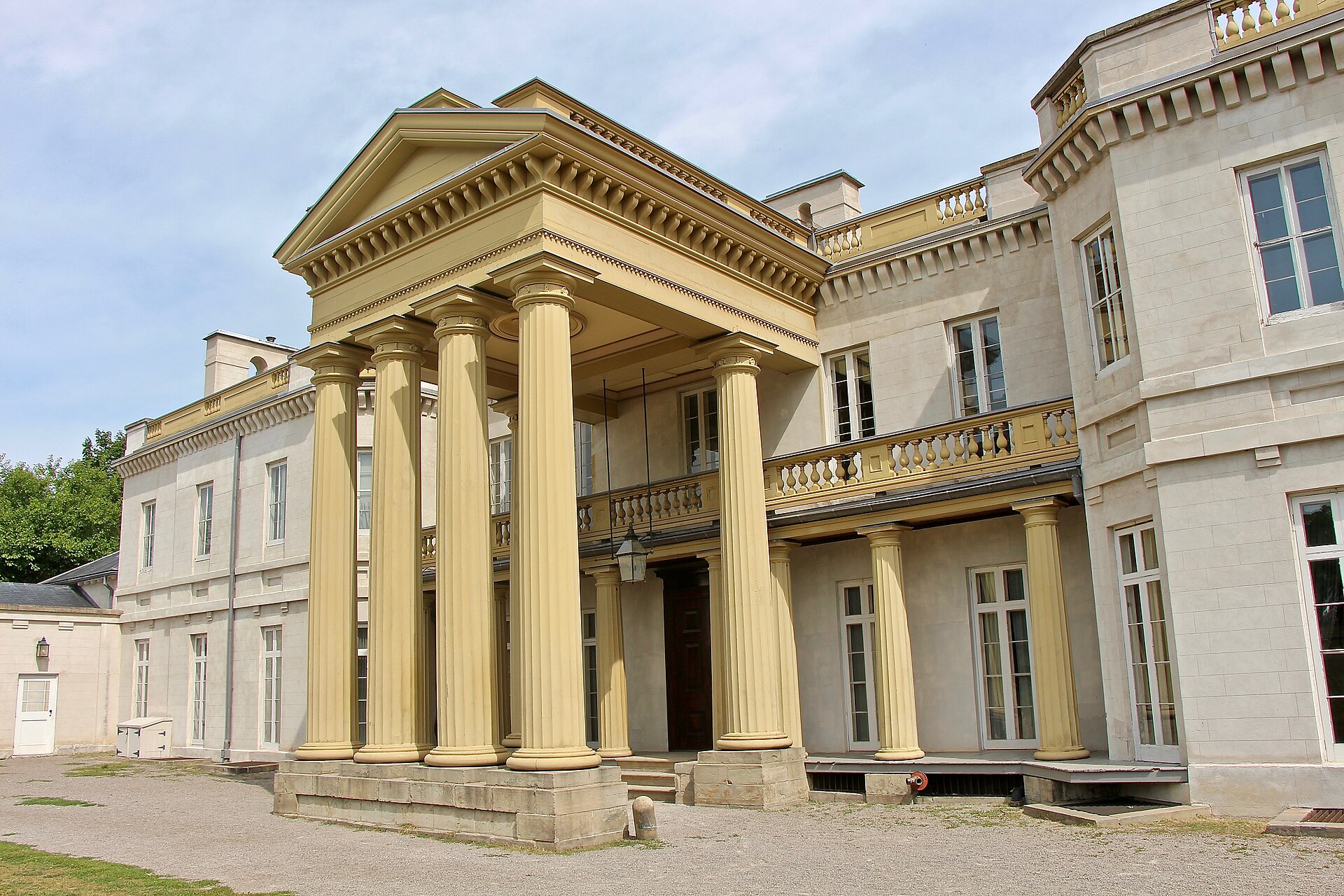
Culture
Hamilton exhibits a diverse cultural fabric shaped by generations of industrial workers, European immigrants, and more recent international newcomers. Community identity blends blue-collar traditions with a growing appreciation for the arts, reflected in numerous public sculptures, local galleries, and community heritage centres. Residents take pride in their industrial roots while embracing modern culinary and creative movements across the urban core. Public spaces, parks, and conservation areas encourage outdoor recreation, from hiking the escarpment trails to exploring botanical gardens. When visiting local historical sites, museums, and community spaces, always follow posted photography guidelines and respect designated exhibition boundaries.
What to wear
Daily attire in Hamilton is generally practical, comfortable, and casual, reflecting the city's working-class heritage and active outdoor lifestyle. Jeans, durable footwear, layered jackets, and weather-resistant coats are standard for navigating the variable climate, particularly during cooler autumn and winter months. Professional settings and upscale dining venues call for smarter casual wear, but formal dress is rarely required for everyday activities. Visitors should pack sturdy walking shoes suitable for exploring rugged escarpment trails, conservation areas, and city pavements. When visiting places of worship or heritage buildings, modest dress covering shoulders and knees is appreciated out of respect for local customs.
What to eat
- Vida-la-Pita — Downtown Hamilton
A small basic eatery known for preparing satisfying chicken shawarmas with fast and friendly service at an accessible price point. - Bronzie's Place — King Street area
A modest Italian restaurant serving generous portions of comfort food classics in an unpretentious atmosphere where patrons frequently request takeaway containers for leftovers. - Steve's Open Kitchen — Central Hamilton
Operating as a classic neighbourhood breakfast diner, this long-running establishment offers traditional morning fare prepared in full view of diners by friendly staff. - Westdale Delicatessen — Westdale neighbourhood
A traditional Jewish deli operating as a local culinary fixture, offering classic comfort foods and baked goods within a welcoming neighbourhood commercial district. - Bangkok Spoon — Dundas
A popular neighbourhood restaurant offering flavourful Southeast Asian dishes prepared with fresh ingredients in a relaxed suburban setting.
Plan it
Best time. May to September offers warm weather and accessible conservation trails, while autumn brings colourful foliage to the escarpment.
How long. 2–3
Getting there. Arrive via intercity train or bus to the central transit hub, or drive via major regional highways from Toronto or Niagara Falls.
Budget. mid
Tips
- Wear sturdy footwear for exploring the escarpment trails and waterfalls
- Check local transit schedules when planning cross-city journeys via bus or train
- Carry a mix of payment cards and cash for small independent eateries
- Allow extra travel time during peak commuter hours on regional highways
Etiquette
- Tip servers around fifteen to twenty percent in restaurants and cafes
- Respect quiet hours in residential neighbourhoods and heritage sites
Nearby
Sources
- Wikidata Q133116 (CC0)
- Wikipedia (rev 1384935481) (CC BY-SA 4.0)
- Wikivoyage (rev 5403632) (CC BY-SA 4.0)