Hainich National Park
Hainich National Park, Germany
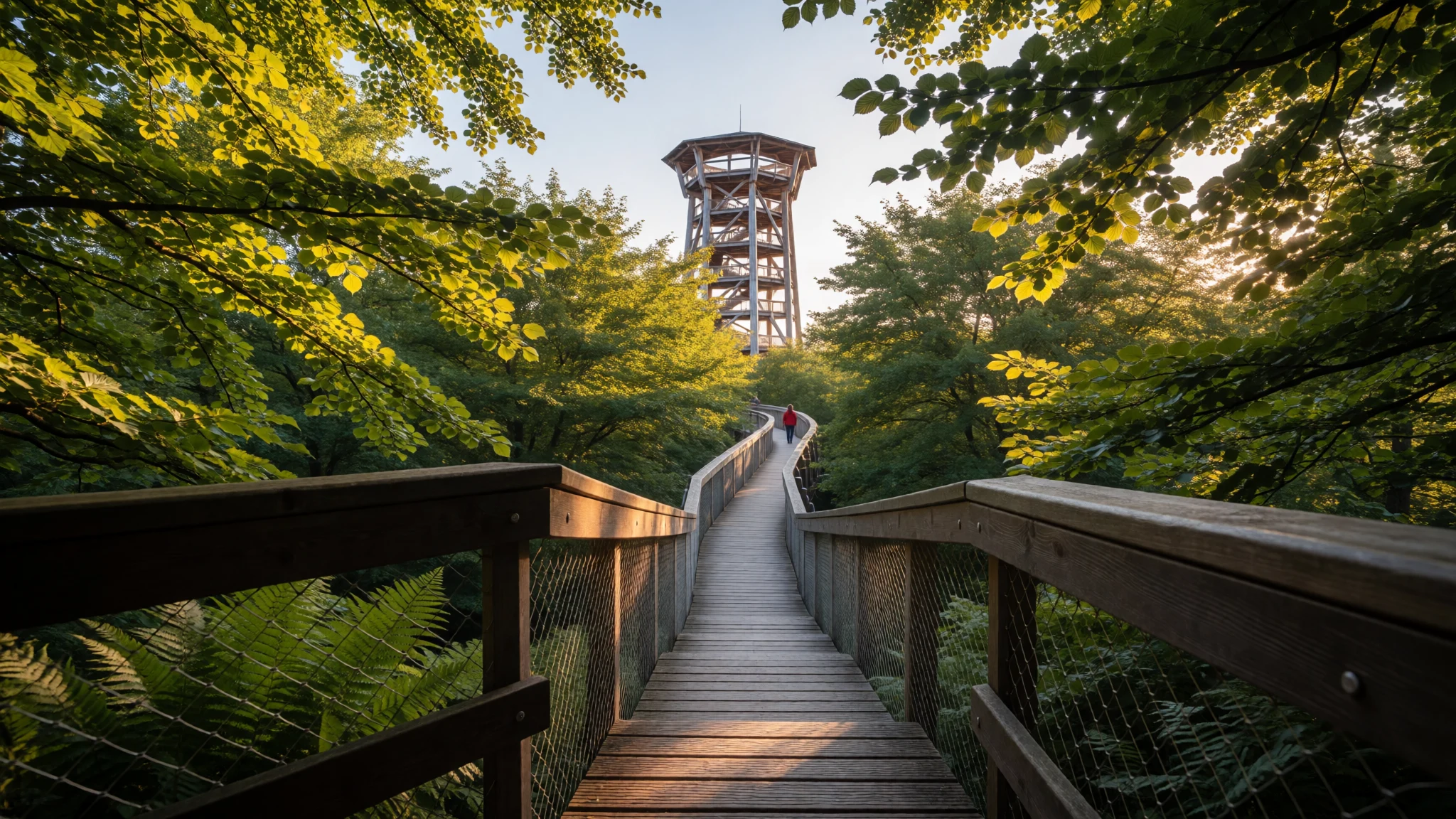
Go for forest walks that feel quietly timeless, plus treetop viewpoints over an ancient beech landscape.
The place
Hainich National Park (Nationalpark Hainich) sits in Thuringia in central Germany, in the broad triangle between Eisenach, Mühlhausen and Bad Langensalza. It’s a mountain-and-woods kind of trip: no huge skyline drama, just an old, living forest, shaped by time and the way Europe’s beech woods have moved since the last Ice Age.
The park’s main story is the beech forest itself. Much of Hainich is protected because it’s a representative example of an ancient native woodland, and because the ecosystem shows how European forests have changed over long stretches of time. If forests are your thing, the feeling here is different to a manicured park: the light changes constantly under the canopy, the path can feel soft and leaf-swept, and you’ll start noticing textures rather than landmarks.
There’s also an accessible “wow” angle for less patient walkers: viewpoints from a treetop walkway. From up there, the forest reads like a single living surface—layers of branches, mistier distances, and the occasional glimpse of life happening far above eye level.
Crowds are usually manageable compared with Germany’s top city sights, but weekends and school holidays can bring more families to the entry areas and the most popular routes. Plan for damp weather to be a possibility most of the year, and for the fact that weather here directly affects how slippery and muddy the forest floor feels.
Its story
Hainich National Park is one of those places where the “history” is the landscape itself. The forest you walk through is protected not just because it’s pretty, but because it helps tell a long ecological story about beech trees and how European forests have reorganised over thousands of years.
One way to understand why that matters is to zoom out to Thuringia. Before today’s boundaries, the region was a patchwork of small territories and shifting control, which meant people moved through borders, rules and allegiances that changed often. For today’s visitor, that old complexity is oddly useful: it helped create a region where towns with distinct identities sit close together—so an easy day trip can turn into a mix of nature time and cultural time.
The “nature” side of the trip doesn’t feel separate from “culture”. Hainich gives you the quiet contrast: forest sounds instead of city noise, leaf litter instead of pavement, and the slow rhythm of walking rather than checking off sights. Meanwhile, the towns around it are where you can refuel—good bread-and-supper energy, local character, and the kind of regional calm that makes evening walks feel pleasant.
Even if the park itself is the centrepiece, the bigger arc is that Germany’s protected landscapes are often close to places with human stories too. Hainich is proof that a short distance can switch you from trail-level time to book-and-theatre time, without needing to travel far.
What to see
- Baumkronenpfad treetop walkway area — Near Schönstedt (Thuringia)
Hainich National Park’s treetop route lifts the viewpoint above the regular forest view. The experience is less about rushing and more about looking—overlapping branches, changes in colour with light, and a different sense of scale as you move along the canopy.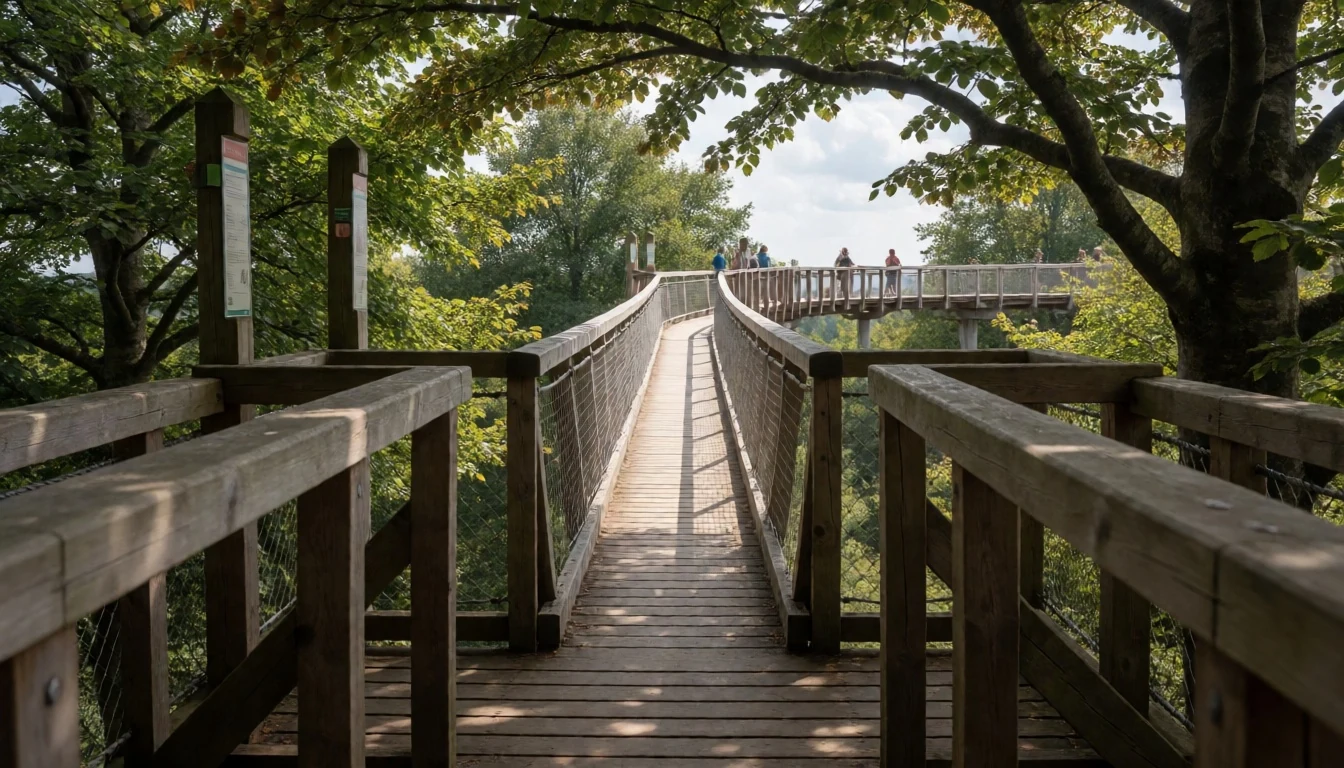
- Main park forest trails — Across the park near the forest interior
For most visitors, the heart of Hainich is still simply walking through the beech woodland. Expect a soft, leaf-covered feel and frequent changes in ground conditions after rain. It’s the sort of route where stopping for five minutes to listen pays off.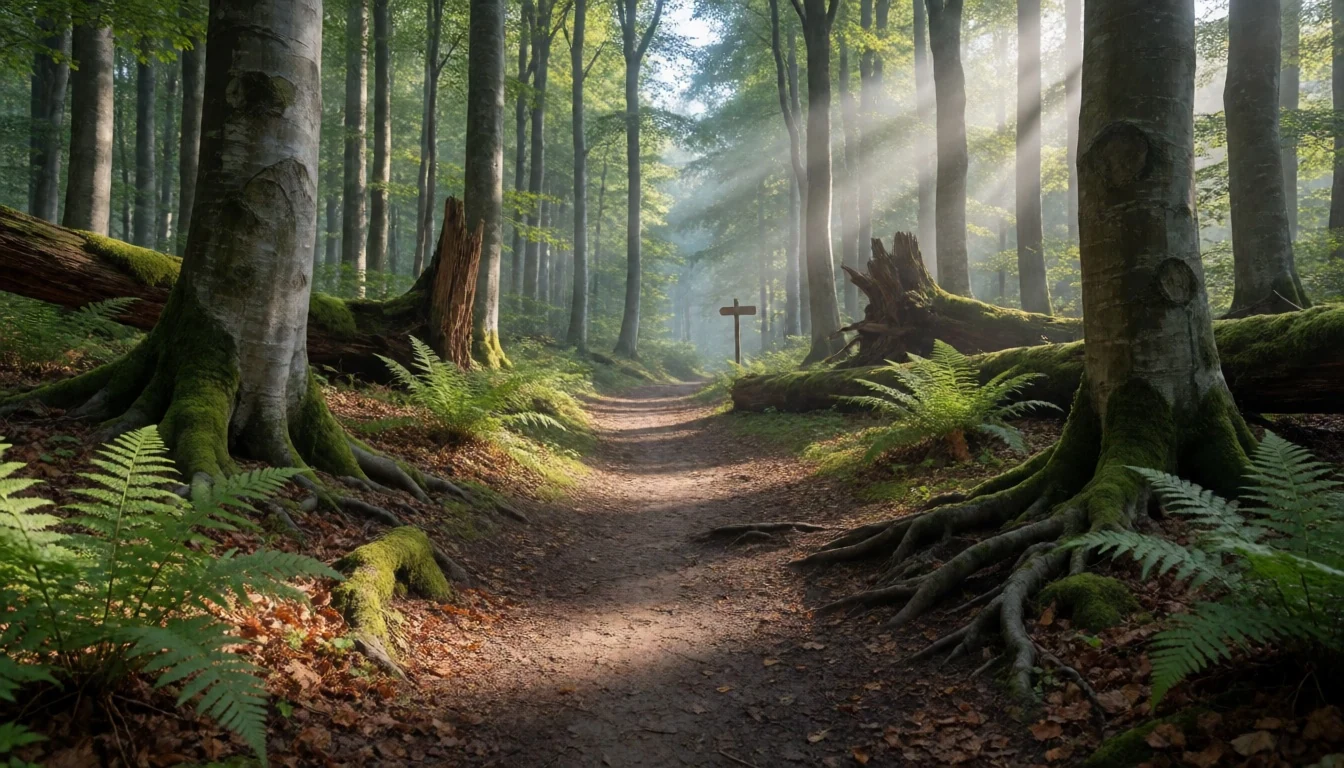
- Park entrance area at Lauterbach — Lauterbach
Starting at the park’s entry helps set the pace: you can orient yourself before heading into the forest, and it’s a practical place to regroup after getting turned around by forest paths. The entry area also works well for a first-time orientation walk.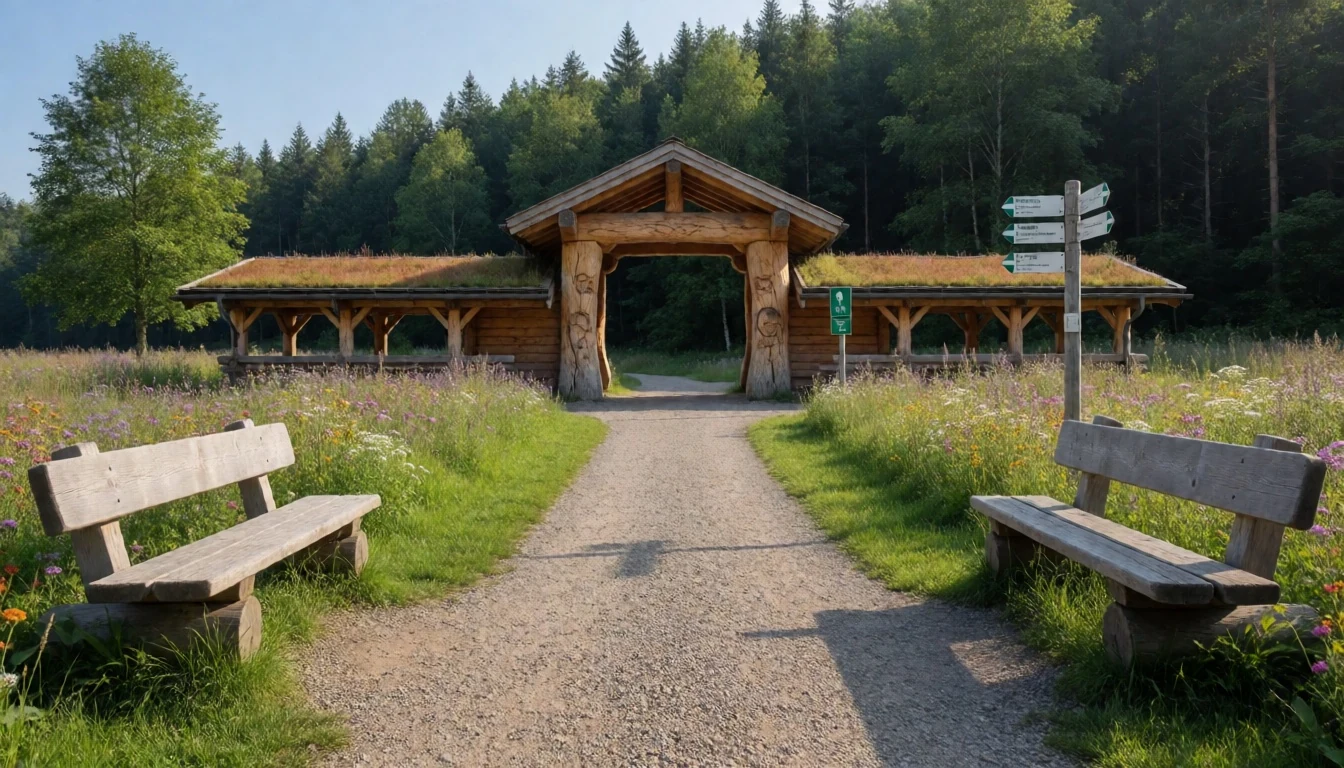
- Visitor-facing facilities in Bad Langensalza — Bad Langensalza
If you prefer a calmer day with fewer moving parts, base time around the visitor-side infrastructure and then pick a trail from there. It’s a convenient way to keep the outing flexible—especially when weather is moody in the forest.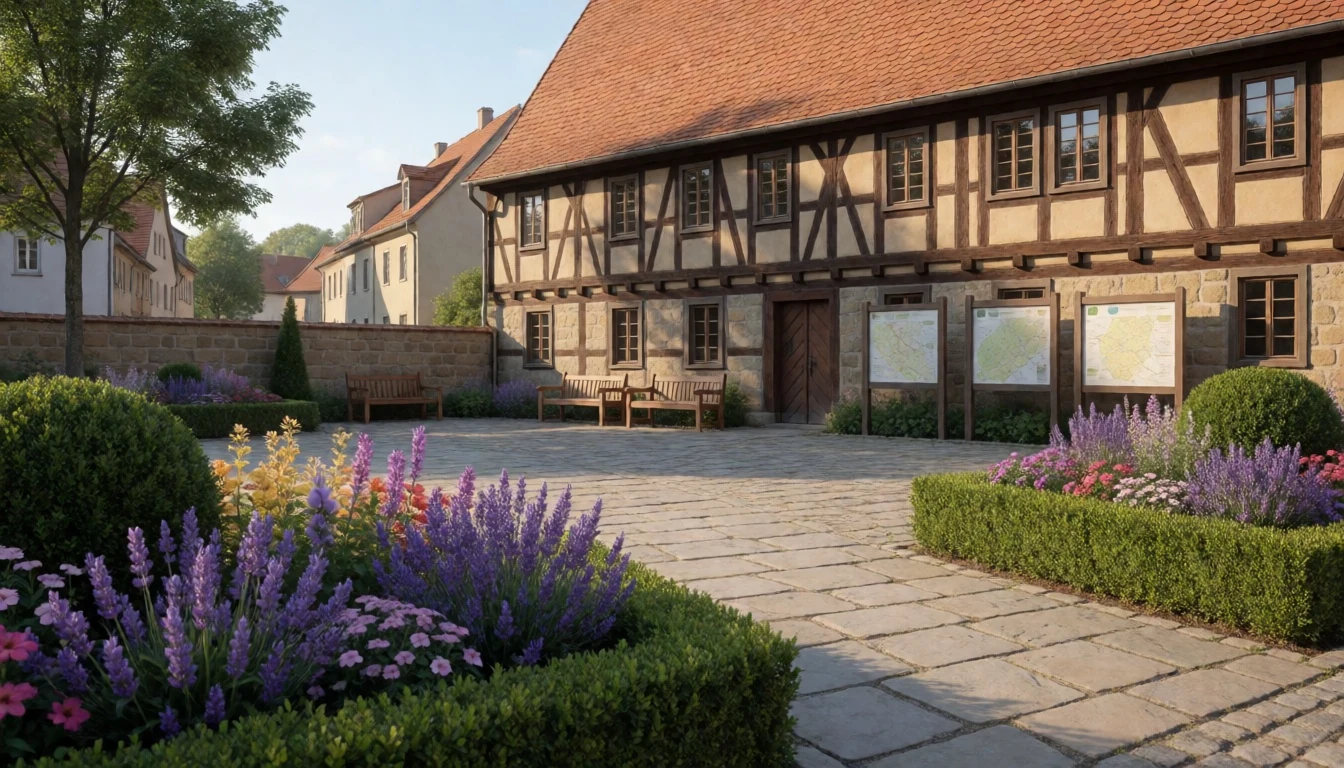
- Wildlife and fungi spotting viewpoints — Baumwipfelpfad surroundings (forest floor and canopy edges)
Hainich is also about small things. Keep an eye on the details: insects and the shapes of fungi can be easier to notice when you slow down, especially on humid days. Early mornings tend to feel calmer and often make the forest feel fresher.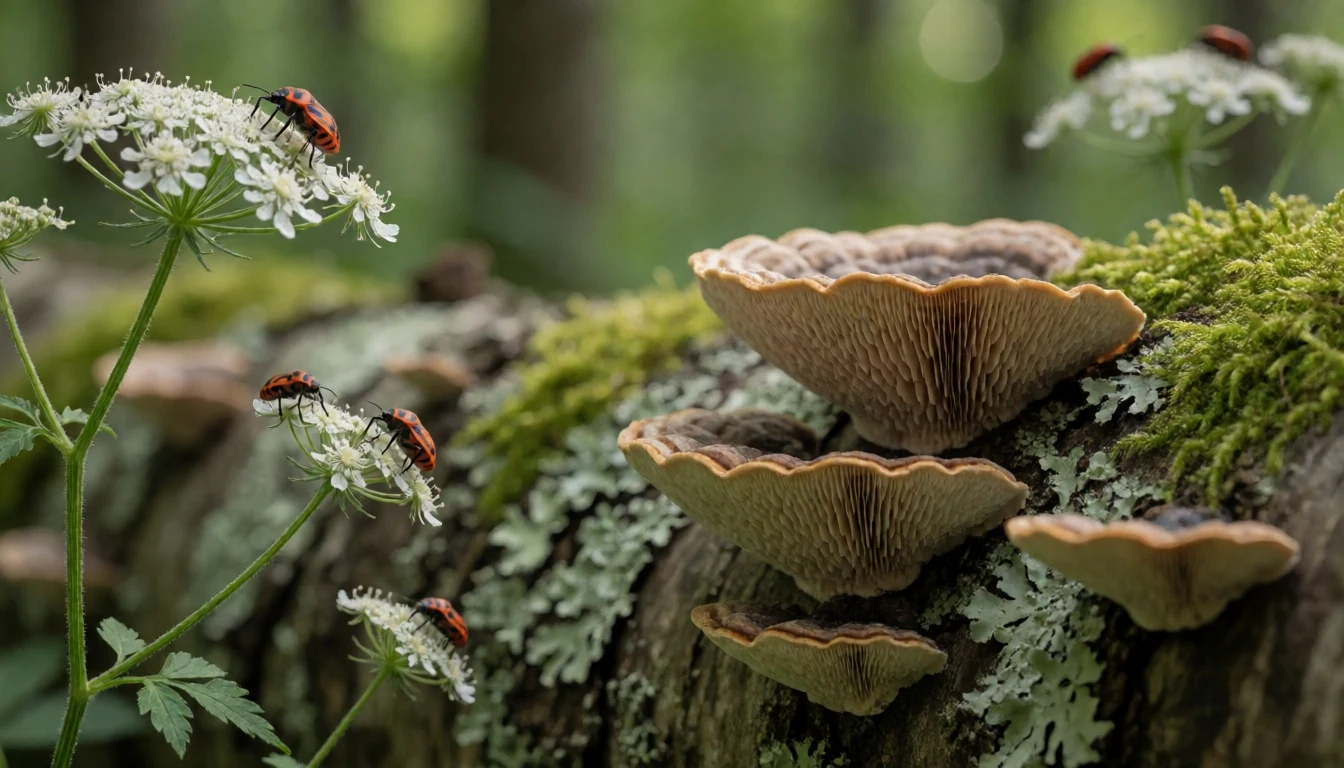
Culture
Hainich National Park is a forest landscape, so “culture” here is mostly how visitors move respectfully through a protected habitat. Germany’s parks and protected areas usually expect low-impact behaviour: stay on marked paths, don’t pick plants or disturb fungi, and keep noise down so the forest atmosphere stays intact for everyone. If a viewpoint or walkway has designated routes, treat them as the only safe places to stand and photograph—wet boards and slick edges can be unforgiving. In the surrounding towns, you’ll also find a more traditional pace of life: shops and eateries can close earlier than some bigger-city schedules, so it’s wise to plan meals around typical local rhythms.
Visitor etiquette: Stay on marked trails, keep to designated viewing spots on the treetop walkway, and don’t pick anything from the forest floor.
What to wear
In Hainich National Park, what people wear is practical rather than traditional. Locals on everyday errands may be in jeans, knitwear and sensible shoes, because Thuringia weather can shift quickly and forest paths can turn damp. For traditional dress in the broader region, you might see colourful garments during seasonal events, but on park days most residents and visitors look geared for walking.
For a visitor, the key is footwear and layers. Choose closed, grippy shoes (trainers can work only if the soles grip well on wet ground), and bring a waterproof jacket or compact rain layer. When it’s cooler, add a warm mid-layer; when it’s mild, a light fleece and breathable top helps avoid overheating on longer walks. If visiting the park in wetter months, consider quick-dry socks and a small pack cover for your bag.
If any stop involves local churches or cultural buildings in nearby towns, it’s sensible to dress modestly (shoulders covered, no overly short hems) and keep footwear neat—conditions can be different from the forest, especially indoors.
What to eat
- Thüringer Klöße (dumplings) — Traditional German restaurants around Thuringia’s towns near the park
Thuringia’s signature dumplings are a comforting, local plate for lunches and dinners. Look for them in regional German restaurants and traditional eateries around Thuringia’s towns near the park, especially where seasonal home-style menus are common.
- Thüringer Rostbratwürste (roast pork sausages) — Local pubs and regional eateries in Thuringia
These sausages are often served simply and are easy to find across the region. They’re a solid, low-fuss meal after a hike—seek them at regional pubs, local eateries and market-style food stops in Thuringia.
- Seasonal forest-foraging sides — Smaller eateries and local menu specials in nearby towns
When fungi season or cool, damp weather hits, you may see mushroom-based sides on menus. Don’t expect a single named dish everywhere; ask what’s seasonal and prepared locally, particularly at smaller restaurants. - Regional bread-and-cheese plate — Bakeries and delicatessens in towns such as Eisenach and Bad Langensalza
For a lighter, practical meal between trail sections, keep it simple: bread, cheese and maybe a pickled side. You’ll find this style of eating in bakeries and deli counters around Thuringian towns. - Apfel-based desserts or cakes — Town cafés in the surrounding region
In Thuringia, apple desserts show up often, especially around cooler months when bakes are comforting. It’s a good “cold day” treat after time outdoors—look for apple cakes and similar bakes in town cafes.
Plan it
Best time. March–April and late October–November suit Hainich well because temperatures are generally milder for walking and the forest atmosphere is easier to enjoy; June can be wet, while August is typically hot and humid.
How long. 2–3
Getting there. Fly into a major airport in Germany (for example Frankfurt, Leipzig/Halle, Nuremberg or Munich), then travel onward by train or bus/car depending on where you’re staying; from nearby hubs, take rail to Erfurt, then connect regionally toward Thuringia’s park area.
Budget. mid
Tips
- Aim for a first trail early in the day so the forest feels quieter
- Pack a waterproof layer and plan for muddy sections after rain
- Keep the treetop visit flexible—if weather is miserable, shift time to lower-level trails
- Use your base town for meals and refills rather than relying on long drives between short walks
- Carry some cash for smaller purchases in local shops and markets
Etiquette
- Stay on marked trails and don’t step into off-path vegetation
- Keep voices low, especially near viewpoints, so the forest stays calm for others
- Don’t pick plants or fungi from the ground
Nearby
Sources
- Wikidata Q702528 (CC0)
- Wikipedia (rev 1339897388) (CC BY-SA 4.0)
- Wikivoyage (rev 5283993) (CC BY-SA 4.0)
- Photo photos/01-sch-nstedt-nationalpark-hainich-baumkronenpfad-2017-7458.jpg (CC BY-SA 4.0)
- Photo photos/02-hainich-fg03.jpg (CC BY-SA 2.5)
- Photo photos/03-bad-langensalza-verwaltungsgeb-ude-np-hainich-2004.jpg (Public domain)
- Photo photos/04-wak-lauterbach-camp.jpg (CC BY 3.0)
- Photo photos/05-eingang-hainich.jpg (CC BY 3.0)
- Photo photos/06-hainich-fg02.jpg (CC BY-SA 2.5)
- Photo photos/07-hainich-fg08.jpg (CC BY-SA 2.5)
- Photo photos/08-hainich-fg09.jpg (CC BY-SA 2.5)


