Guanajuato City
Guanajuato City, Mexico
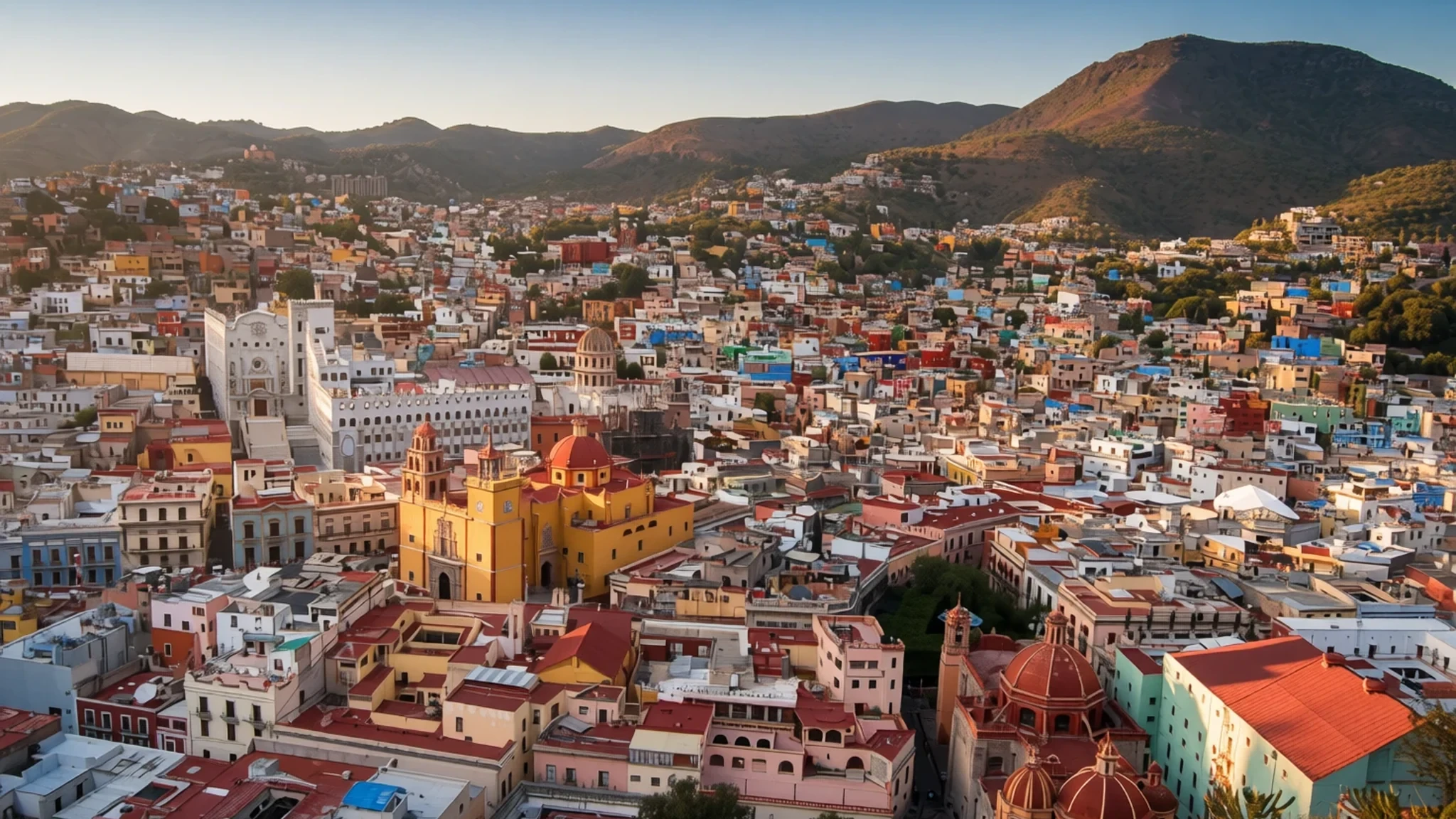
Come for a steep, colourful silver-mining town of narrow lanes, underground roads and student energy, best explored slowly on foot.
The place
Guanajuato is the capital of the Mexican state of the same name, set in the Bajío region of central Mexico at about 2,045 metres above sea level. The city fills a narrow valley, so its streets bend and climb rather than running in straight lines. Many lanes are too tight for cars, and some routes are long staircases up the hillsides. Several main roads run through tunnels, which means a busy avenue can pass directly beneath a plaza.
The historic centre is compact enough to cover on foot. Small squares open between colonial mansions, churches and civic buildings, most built from pink or green sandstone that glows in the late afternoon. The centre and the nearby mines have been a UNESCO World Heritage Site since 1988, so the old quarter is protected and worth respecting when you visit.
The university shapes daily life. Students fill the cafés, bookshops and theatres, and the population of about 70,000 gives the place a town feel rather than a metropolitan one. In the evenings the plazas fill with families, musicians and vendors. Expect cobbles that turn slippery after rain and plenty of stairs. The altitude is noticeable for the first day or two, so take the hills at a gentle pace.
Its story
Guanajuato's story begins long before the Spanish. The Otomi were among the first people in the valley, later pressed by Chichimeca groups, while Purépecha traders passed through on long routes. Its oldest recorded name meant something like place of metals, and the Aztecs later knew it by a name linked to Spanish moss. The modern name comes from a Purépecha phrase usually translated as frog hill. Mining here predates the Spanish arrival, and some accounts describe gold nuggets lying on the ground.
The Spanish found gold in the 1540s and built forts to hold the ground. An outpost grew quickly despite raids by Chichimeca groups, drawing Spanish and Creole settlers along with mestizo traders and workers. Silver became the real engine of the town. At its peak, the Valenciana mine produced around two-thirds of the world's silver, and the wealth that flowed out paid for the churches and mansions that still define the centre.
The town's role in independence is equally important. The first battle of the Mexican War of Independence was fought here, with insurgent forces attacking royalist troops holed up in the Alhóndiga de Granaditas. A local miner, El Pípila, is remembered for carrying a stone slab on his back to shield himself while setting fire to a door. Today his statue overlooks the city, and the granary building remains a museum.
What to see
- Basilica of Our Lady of Guanajuato — Historic centre
Built between 1671 and 1696, the basilica is one of the city's most important religious buildings. Its interior holds a very old statue that local accounts say was a royal gift, meant to keep it safe during the Moorish conquest of Spain. It is still an active place of worship, so visit quietly and check the service times before you go.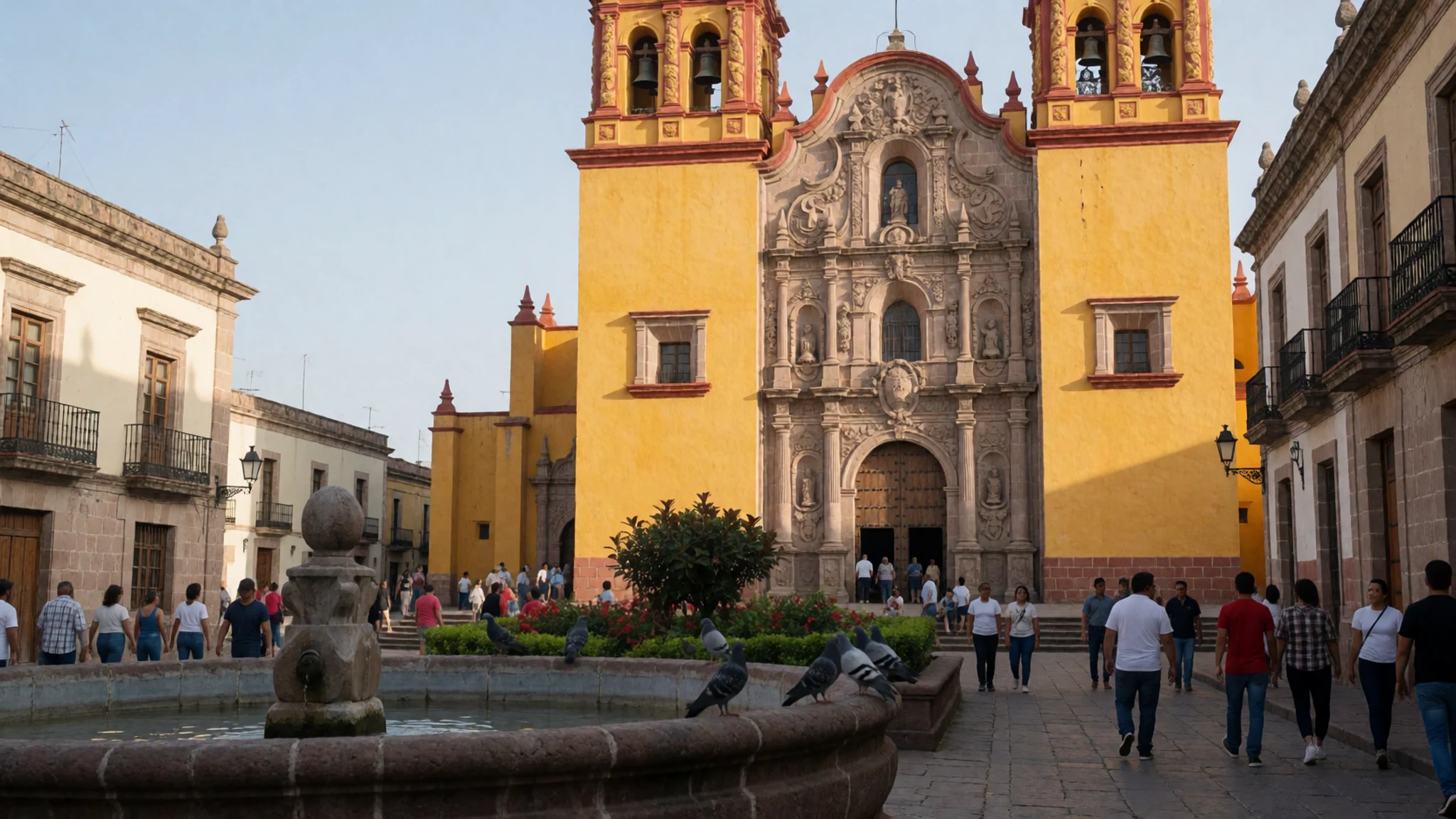
- Church of San Cayetano — North of the centre
Built from 1765 to 1788 with money from the silver mines, San Cayetano is often cited as one of the finest examples of Mexican Churrigueresque architecture. Its facade is dense with carved detail that rewards a slow look in the morning light. It sits a short way north of the centre, so a taxi is the easiest option for the trip.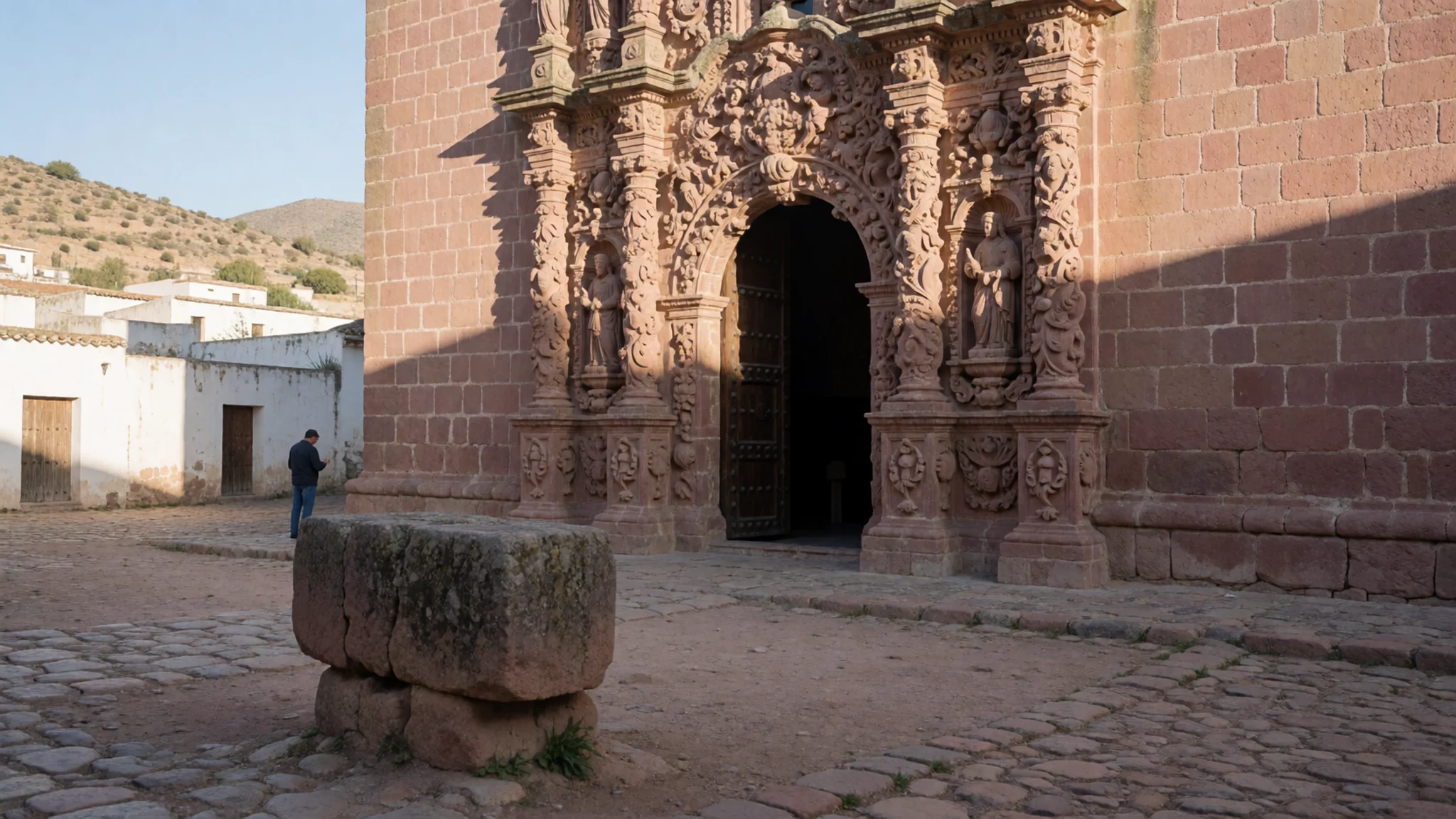
- El Pípila monument — Hillside above the centre
A 28-metre statue of the independence hero stands on the hill above the centre. The climb is steep, so go on foot in the cooler hours or take a taxi. The view back over the terraced rooftops and the valley is the reason most people make the trip, and it is best near sunset when the sandstone warms.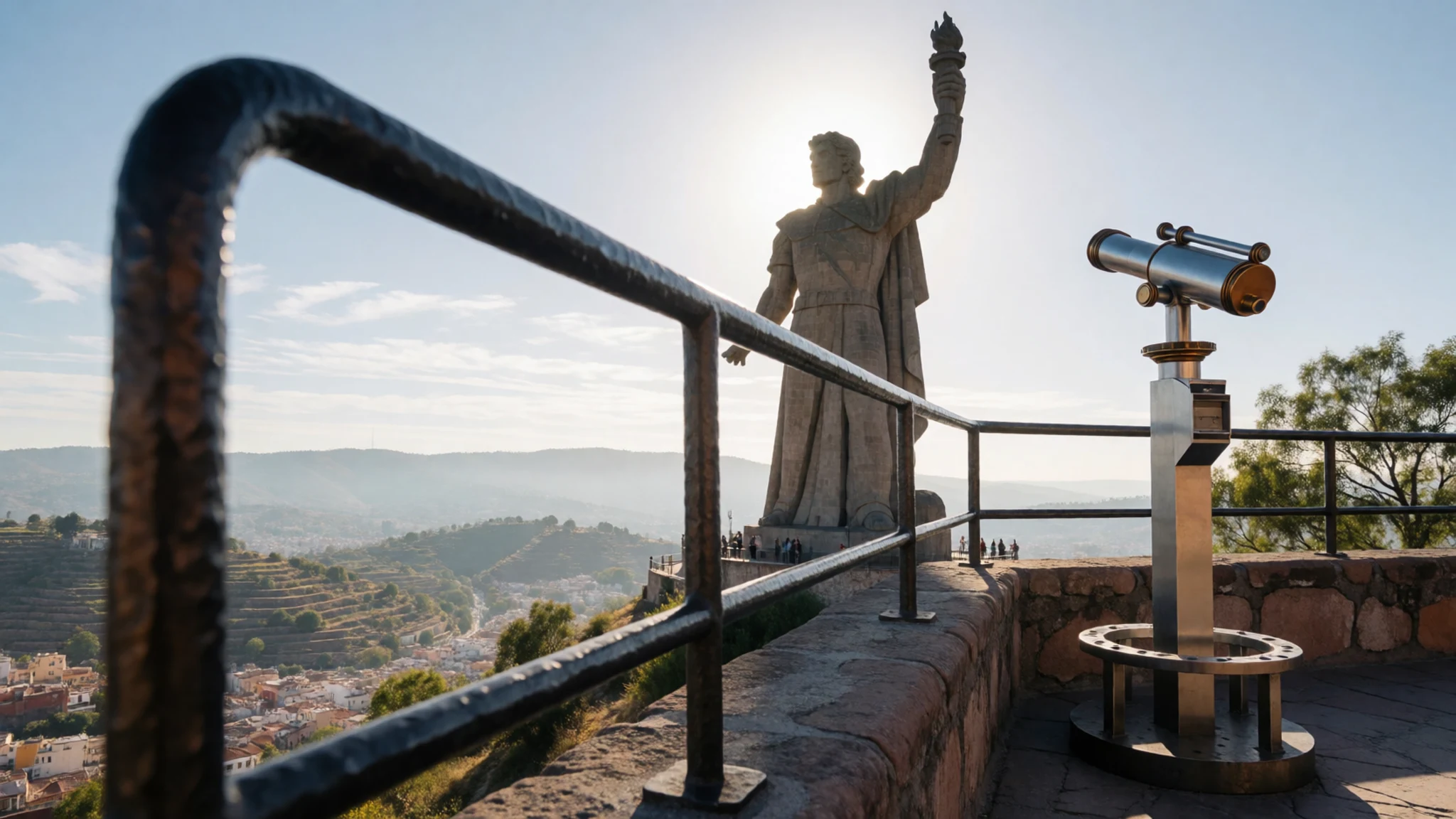
- Teatro Juárez — Historic centre, a short walk from the Alhóndiga
The theatre blends Neoclassical and Moorish styles, which gives its facade and interior an unusual character. It is one of the most photographed buildings in the centre. Check the official site or the posted schedule for performances and tours, since opening times vary and are not something to assume.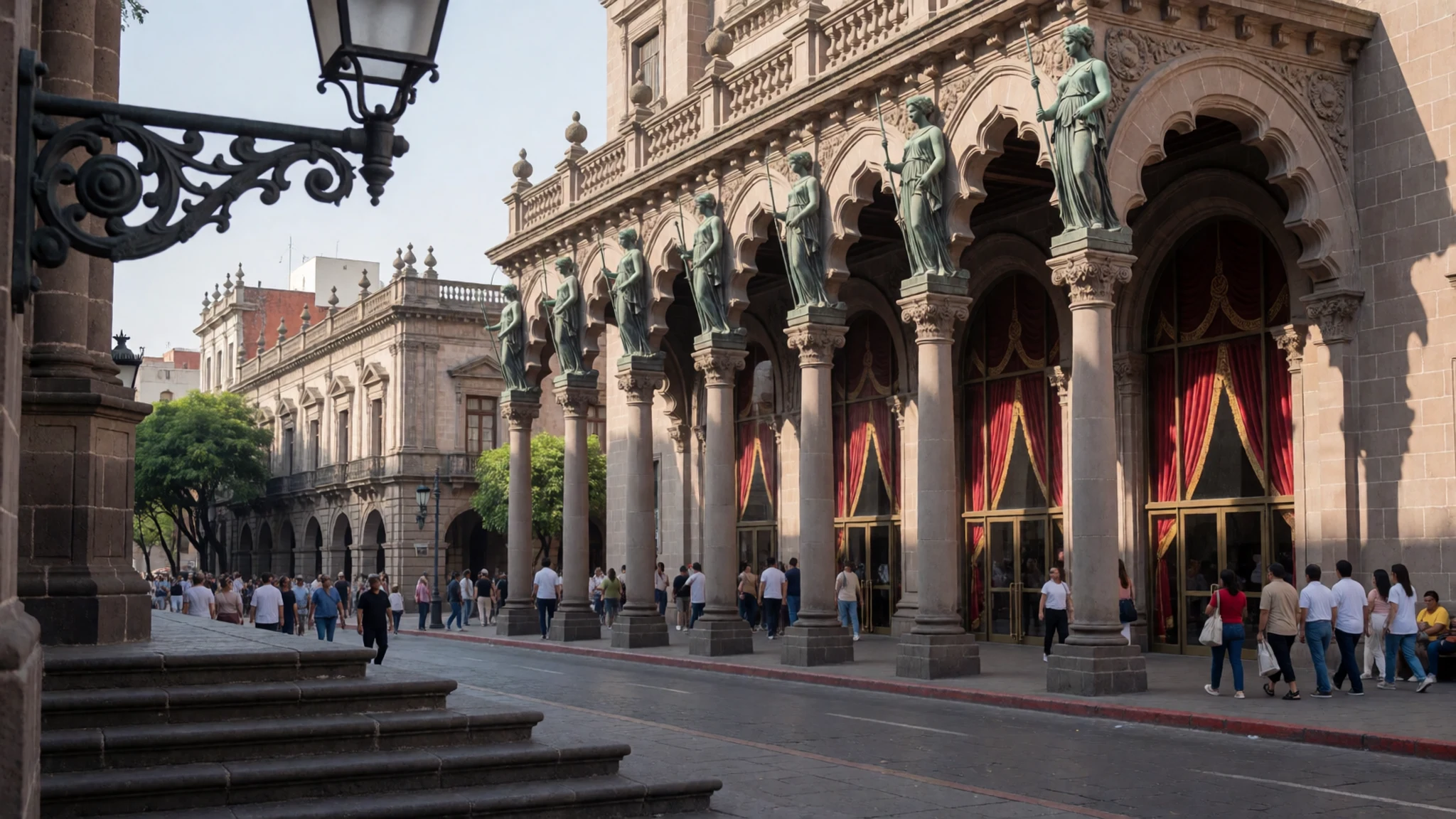
- Church of San Diego — Historic centre
This is the only surviving building from the original 17th-century convent here, and its rococo exterior is the highlight. The ornate facade contrasts with the plainer streets around it. Look up at the detail above the entrance, then wander the nearby alleys, which show how tightly the city is packed.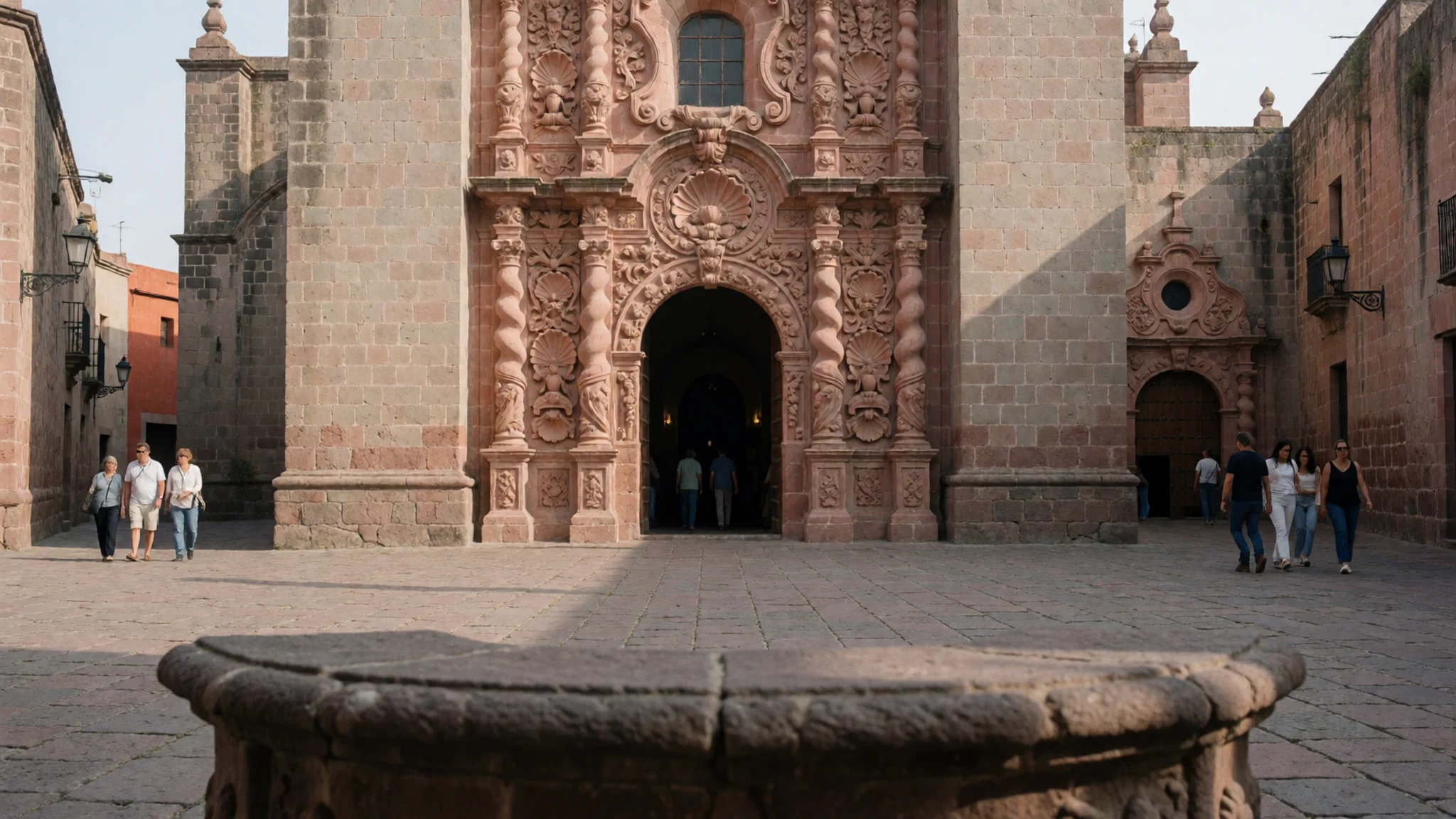
Culture
Guanajuato is a university city with a strong sense of civic pride, and much of its social life happens outdoors in the plazas and along the lanes. Its international arts festival draws performers from across Mexico and abroad, so the theatres and streets can feel crowded during those weeks. Music and street performance are part of everyday evenings, and people tend to be relaxed and welcoming to visitors.
The Mummy Museum needs a different kind of attention. It displays naturally mummified bodies taken from the municipal cemetery, and many visitors find it moving rather than thrilling. Treat it as a serious display about the people who lived and died here. Local families and older residents often visit the churches for daily prayer, so keep conversations low and avoid treating the interiors as a backdrop for busy groups.
Greetings matter. A simple buenos días when you enter a shop, market stall or café is warmly received. Tipping in restaurants is customary, typically around ten per cent of the bill when service is not included. When you photograph people at the market or inside the Mummy Museum, ask first and respect a refusal, and inside churches cover your shoulders and never take photographs during a service.
What to wear
Traditional dress in Guanajuato follows the wider Mexican tradition. Charro outfits, with embroidered jackets, close-fitting trousers and wide-brimmed hats, are worn for ceremonies and the rodeo-style displays associated with the countryside. Women's festive dress often draws on the china poblana style, with richly embroidered blouses and full skirts. The rebozo, a long woven shawl, is still used for carrying and warmth. Many of these pieces are made from cotton and wool, and embroidery is the main decorative skill.
What people wear now is mostly practical and modern. You will see students in jeans and sneakers, office workers in neat trousers, and older women in cardigans and skirts. Shawls and light jackets are common in the cooler evenings, because the city sits at high altitude and nights can be chilly even when days are warm. Smart casual is the norm in restaurants and theatres.
For a visit, pack layers that handle warm days and cool nights. Shoes matter most: the cobbles and steep stairs reward flat, grippy soles with good ankle support, and heels are a poor choice on uneven stone. Dress modestly for churches, with covered shoulders and knees, and bring a light scarf that doubles as a shawl. Waterproofs help during the rainy months from June to September.
What to eat
- Regional plates at Mercado Hidalgo — Mercado Hidalgo, in the centre
The covered Mercado Hidalgo is the place to sample a wide range of regional dishes at modest prices. Stalls serve hearty plates, soups and snacks, and the atmosphere is busy at lunchtime. Go in the morning for the freshest produce, and ask a vendor what the house specialty is before choosing.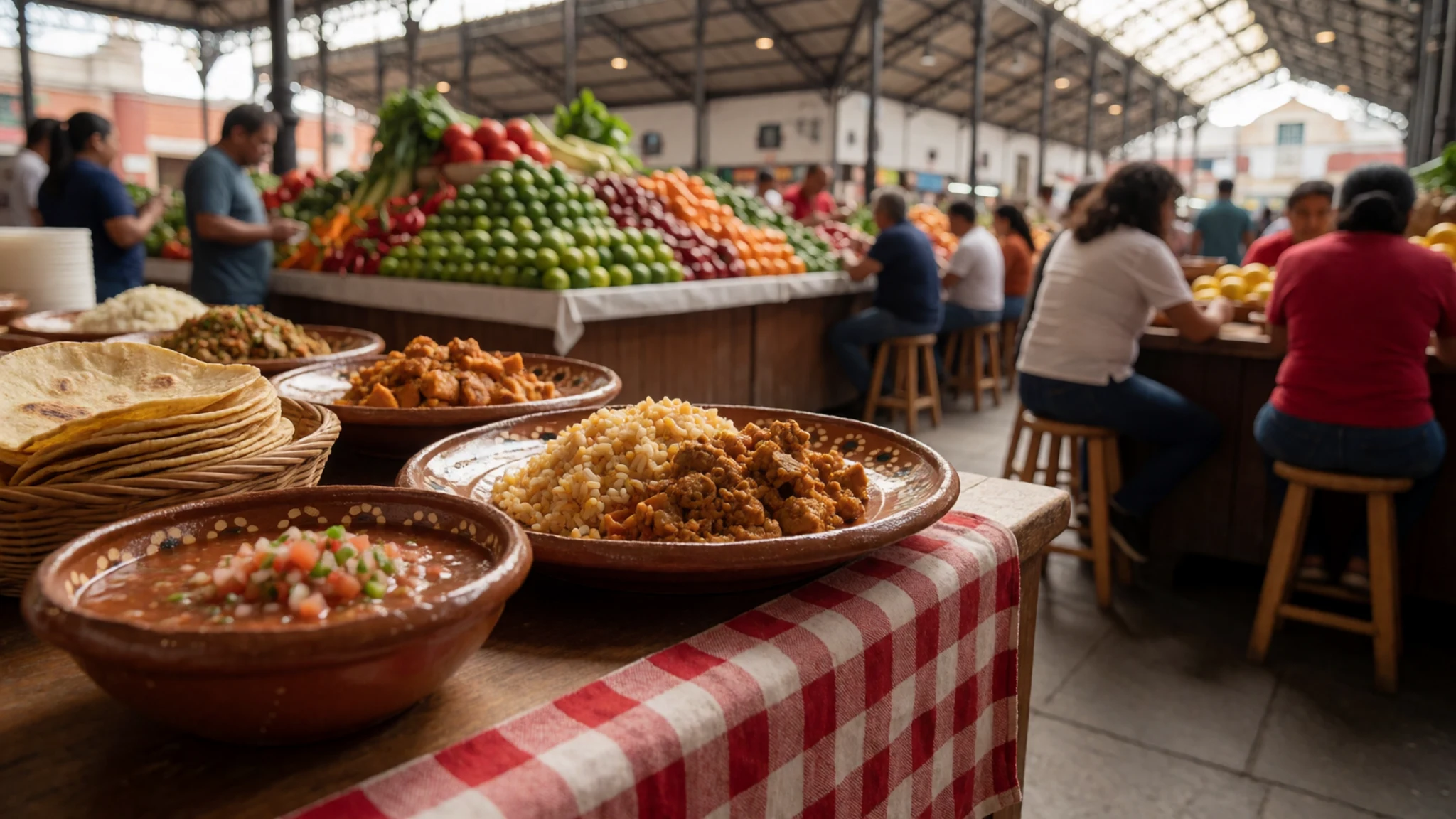
- Gorditas and quesadillas — Stalls around the Mercado Embajadoras, east of the centre
The food stalls around the Mercado Embajadoras, east of the centre, serve everyday Mexican food at local prices. Gorditas are thick corn cakes split and stuffed, while quesadillas come folded and grilled. Pick a stall with a steady queue of local customers, which is usually the best sign of freshness.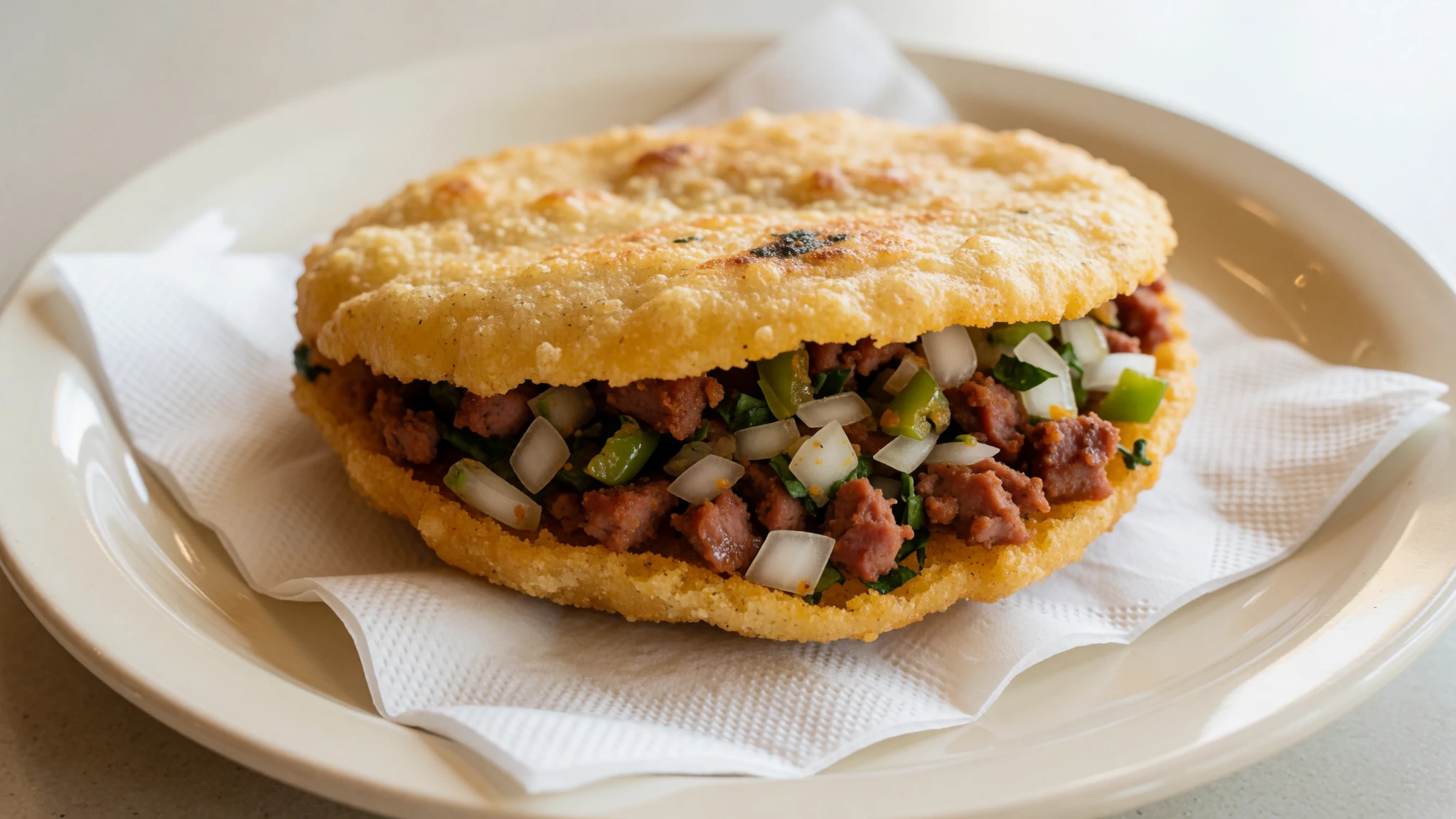
- Tlacoyos and sopes — Small street stalls near the Embajadoras market
Tlacoyos are oval masa cakes filled with beans or cheese and cooked on a griddle, and they are soft and filling. Sopes are thick corn bases topped with beans, meat and salsa. Small stalls near the Embajadoras market are the usual place to try them, and black-maize gorditas are a local find.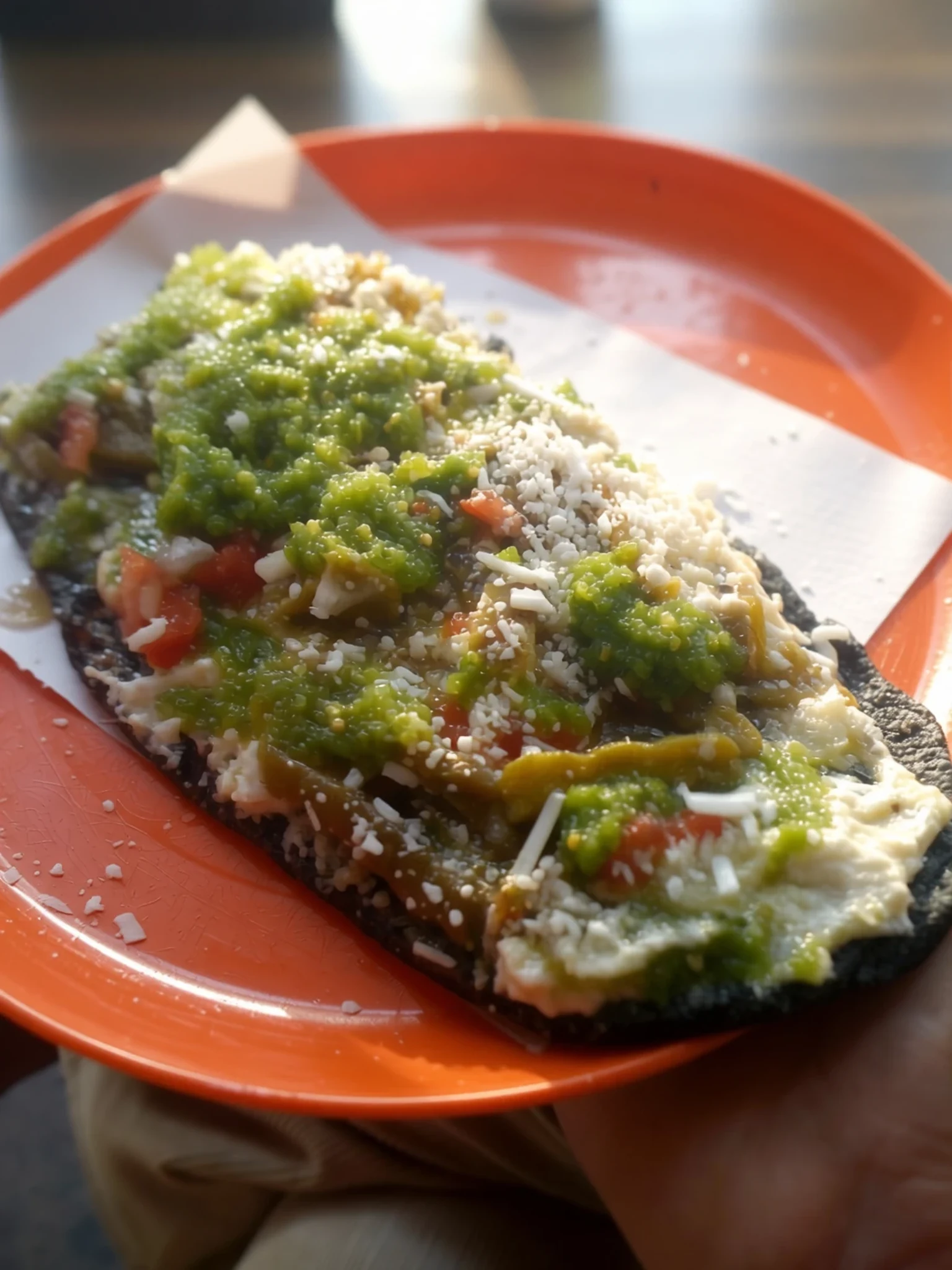
- Tamales from street carts — Street carts in the historic centre, near the Quijote museum
Tamales wrapped in corn husks come in pineapple, mole, chicken, cheese and pressed pork. Carts in the historic centre, near the Quijote museum, sell them for breakfast or a late snack. Choose a freshly steamed one and add a little salsa if the filling is mild.
Plan it
Best time. November to April brings dry, mild days that suit the steep walking. The rainy season runs roughly June to September, when afternoon storms are common, and the high altitude keeps nights cool year-round.
How long. 2–3
Getting there. Fly into León (Del Bajío) airport, which has no direct bus to Guanajuato, so take a bus into León and then a second bus onward. Alternatively, fly into Mexico City and take a bus via Querétaro, which is the longer but more dependable route. Check the official site or local bus operators for current timetables.
Budget. low
Tips
- Stay in or near the historic centre so you are not hauling luggage up the stairs
- Carry cash for market stalls and small bus fares
- Walk the steep routes in the cooler morning or early evening
- Allow a day or two for the altitude, around 2,045 metres, and drink water
- Check the official city site for festival dates and museum opening hours before you go
Etiquette
- Dress modestly and speak quietly when you enter a church
- Ask before photographing people at the market or in the Mummy Museum
- Greet shopkeepers with buenos días before asking for anything
Nearby
Sources
- Wikidata Q61306 (CC0)
- Wikipedia: Guanajuato (city) (CC BY-SA 4.0)
- Wikivoyage: Guanajuato (CC BY-SA 4.0)
- Photo: Guanajuato (Anders Lagerås) (CC BY 3.0)
- Photo: Vista aérea de Guanajuato (Carlos ZGZ) (CC0 1.0)
- Photo: Basílica Colegiata de Nuestra Señora de Guanajuato (Sandra Dominic Saldaña Garcia) (CC BY 3.0)
- Photo: Universidad de Guanajuato (Comisión Mexicana de Filmaciones) (CC BY-SA 2.0)
- Photo: Explanada de la Alhóndiga de Granaditas (ProtoplasmaKid) (CC BY-SA 4.0)
- Photo: Teatro Juárez, Guanajuato (Peter K Burian) (CC BY 4.0)
- Photo: Cayetano de Valenciana facade (AlejandroLinaresGarcia) (CC BY-SA 2.0)
- Photo: Hidalgo Market entrance (AlejandroLinaresGarcia) (CC BY-SA 2.5)


