Gros Morne National Park
Gros Morne National Park, Canada
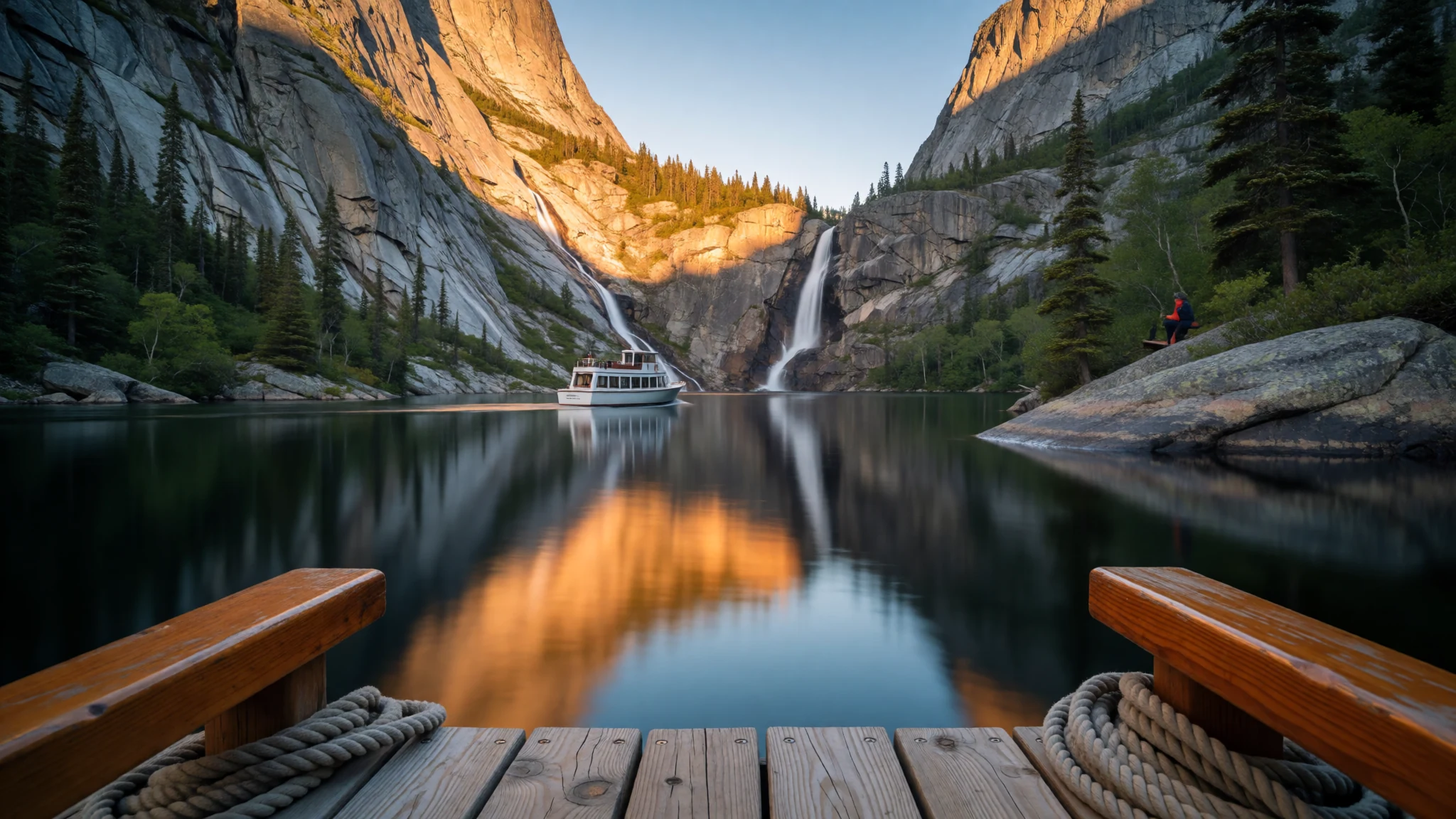
Gros Morne National Park presents exposed earth mantle, freshwater fjords, sheer granite cliffs, and coastal fishing communities along Newfoundland's wild western coast.
The place
Gros Morne National Park stretches along the rugged western shore of Newfoundland, where tectonic forces have lifted ancient oceanic crust onto the North American continent. The park encompasses stark tabletop barrens, deep glacial fjords, dense boreal woodland, and sweeping coastal marshes. At its heart lies a dramatic landscape sculpted by ice and water over hundreds of millions of years, framed by the sheer rock walls of the Long Range Mountains.
Near the shore, coastal villages nestle into protected inlets where fishing boats bob alongside colourful wooden houses. Inland, freshwater lakes cut deep inland between towering granite precipices, creating inland fjords where waterfalls tumble hundreds of metres into dark waters below. The vegetation shifts dramatically across short distances: stunted spruce forests known as tuckamore cling to wind-blasted ridges, while rare serpentine plants eke out a living on the toxic, iron-rich rocks of the Tablelands.
Atmospheric conditions along this northern coast change rapidly, turning from bright sun to dense Atlantic fog within minutes. Maritime winds sweep across the barrens, bringing salt spray from the ocean into the high plateau valleys. Wildlife thrives throughout this wilderness, from moose browsing in willow thickets to black bears roaming river valleys and bald eagles soaring over coastal headlands. Gros Morne National Park remains one of North America's most geologically significant and visually striking mountain coastal environments.
Its story
Gros Morne National Park holds an extraordinary chapter in Earth's geological story, preserving a complete cross-section of the planet's oceanic crust and upper mantle. Over one billion years ago, ancient tectonic collisions smashed continental plates together, forcing sections of the ocean floor up onto the land in a rare geological process known as obduction. Deep mantle rocks that usually lie miles beneath the ocean seabed were pushed high into the open air, where weathering turned them into the distinctive yellow-orange landscape visible today.
Long after these tectonic collisions formed the base rock, massive continental ice sheets carved deep gouges through the mountains during successive ice ages. As glaciers gouged out river valleys and retreated, rising ocean levels filled the carved basins, creating deep fjords. Over time, post-glacial land uplift sealed off some of these marine arms, transforming them into landlocked freshwater ponds surrounded by vertical cliff faces.
Human history in the area spans thousands of years, beginning with Indigenous maritime hunters who utilised the rich coastal waters and quartz rocks for tools. European fishermen established seasonal stations along the inlets centuries later, founding small coastal outposts focused on cod fishing. In the twentieth century, conservation efforts gathered momentum as geologists recognised the international scientific significance of the rock formations, leading to official park status and global recognition for its geology.
What to see
- Western Brook Pond — Northern inland fjord
This freshwater fjord features steep cliff walls rising directly out of clear, dark water. A scenic boat trip glides between towering granite rock faces and tumbling waterfalls, offering views of cliff-nesting seabird colonies. Wildlife seekers can spot Atlantic salmon swimming in the clear lake and Arctic char in the deeper waters.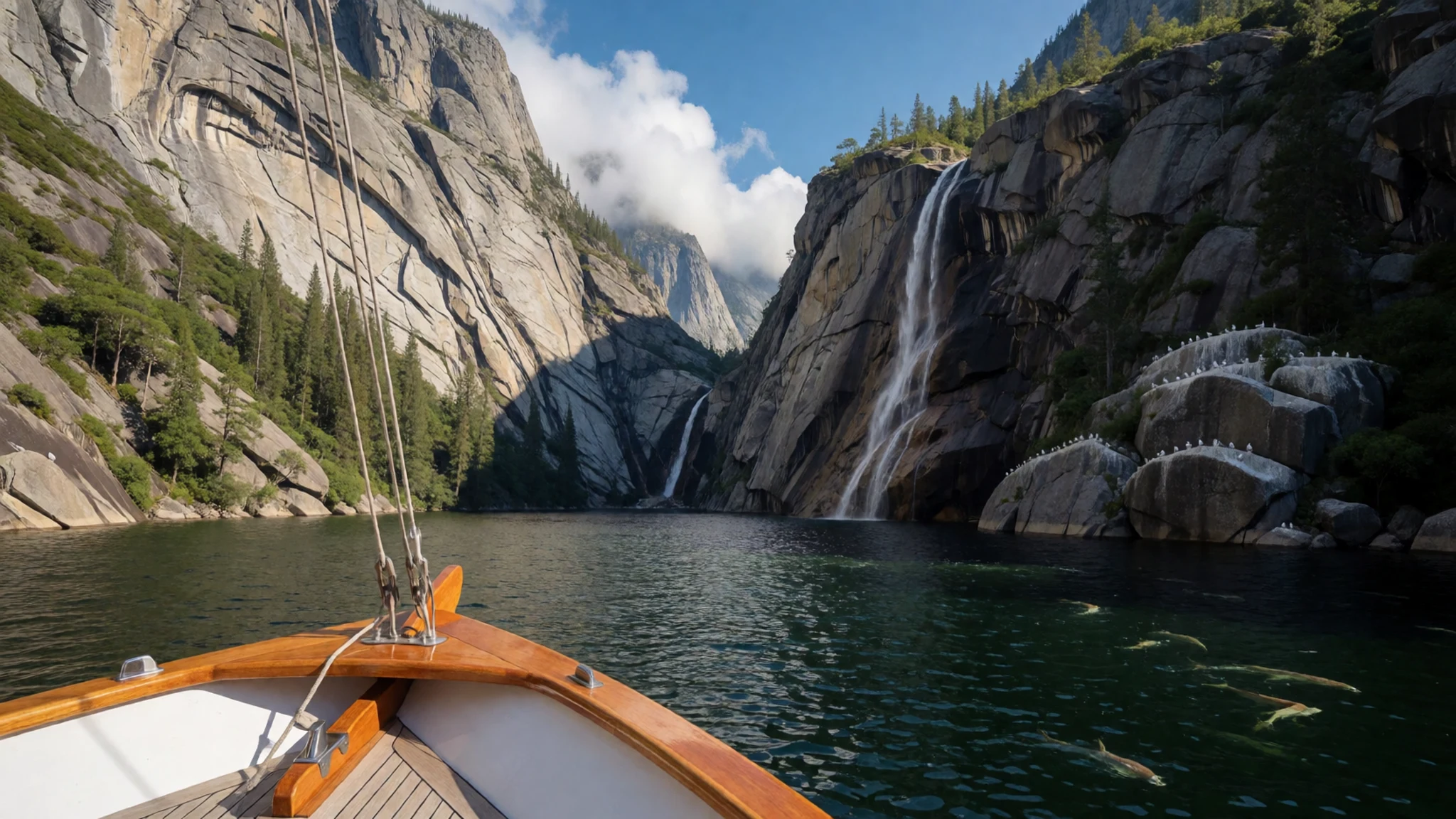
- The Tablelands — Southern park plateau
Walking across the Tablelands reveals a rare expanse of exposed earth mantle rock that appears orange and barren. This toxic, iron-rich rock prevents most plant life from growing, creating an otherworldly desert-like plateau. Marked trails guide visitors across the orange scree and weathered slopes.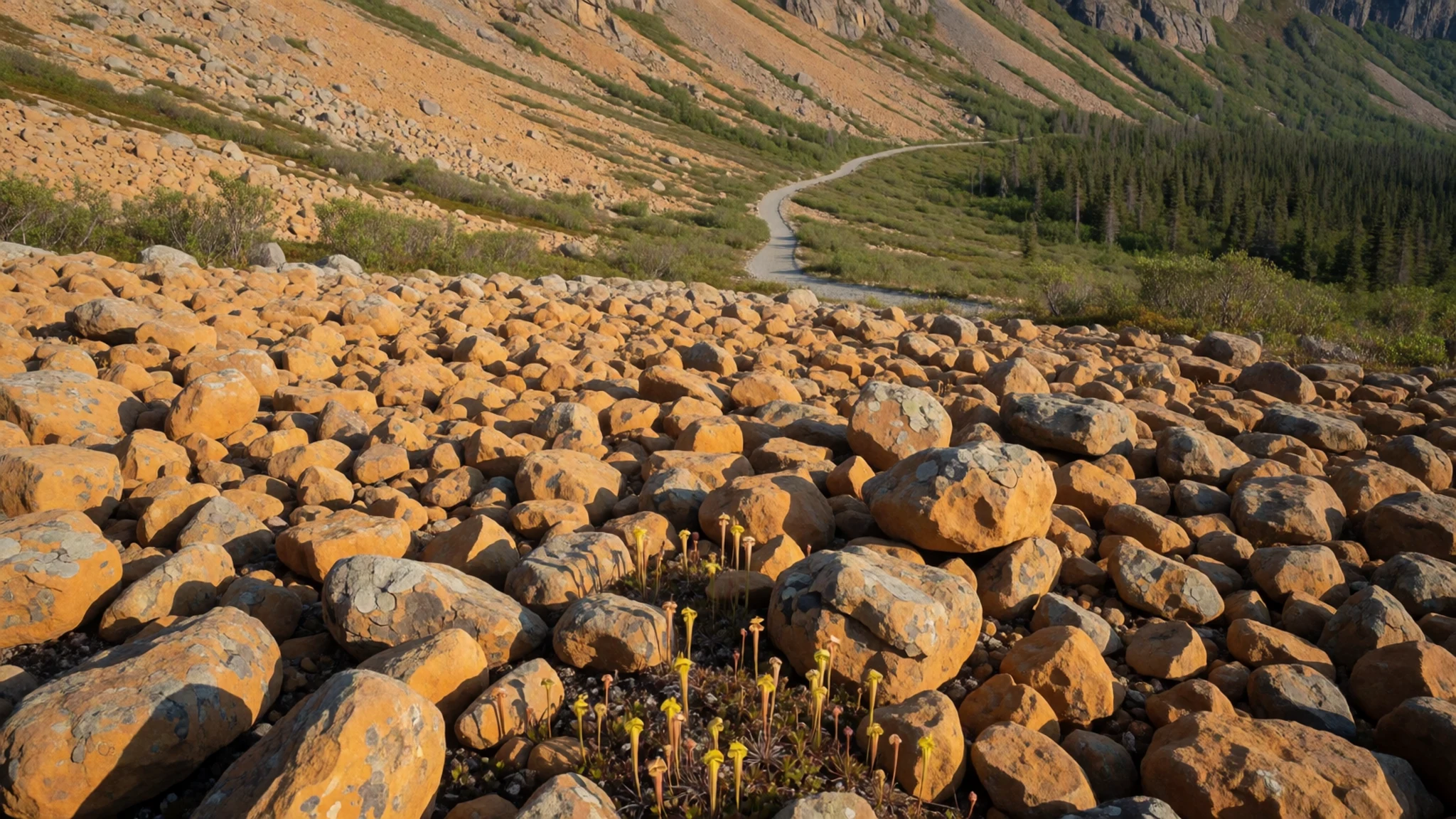
- Gros Morne Mountain Trail — Central mountain summit
Climbing the park's namesake peak offers panoramic views across Ten Mile Pond and the surrounding Long Range Mountains. The demanding trail ascends through boulder fields and alpine tundra, crossing delicate arctic-alpine vegetation before reaching the flat summit plateau.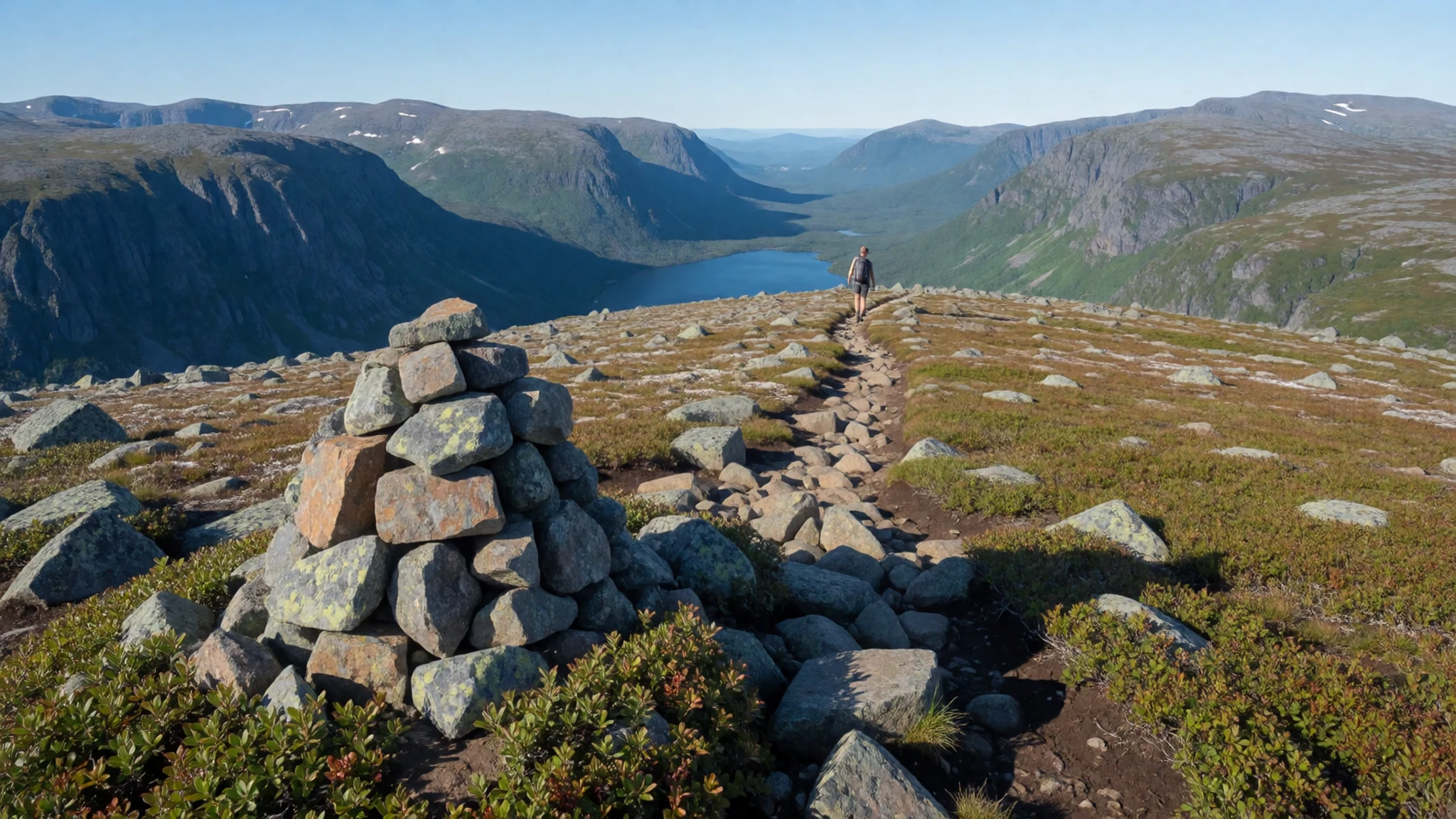
- Bonne Bay Boat Excursions — Central coastal bay
Exploring the double-armed fjord of Bonne Bay by boat provides close views of forested shorelines and dramatic sea cliffs. Coastal cruises offer regular sightings of bald eagles, minke whales, seabird nesting colonies, and moose along the quiet wooded beaches.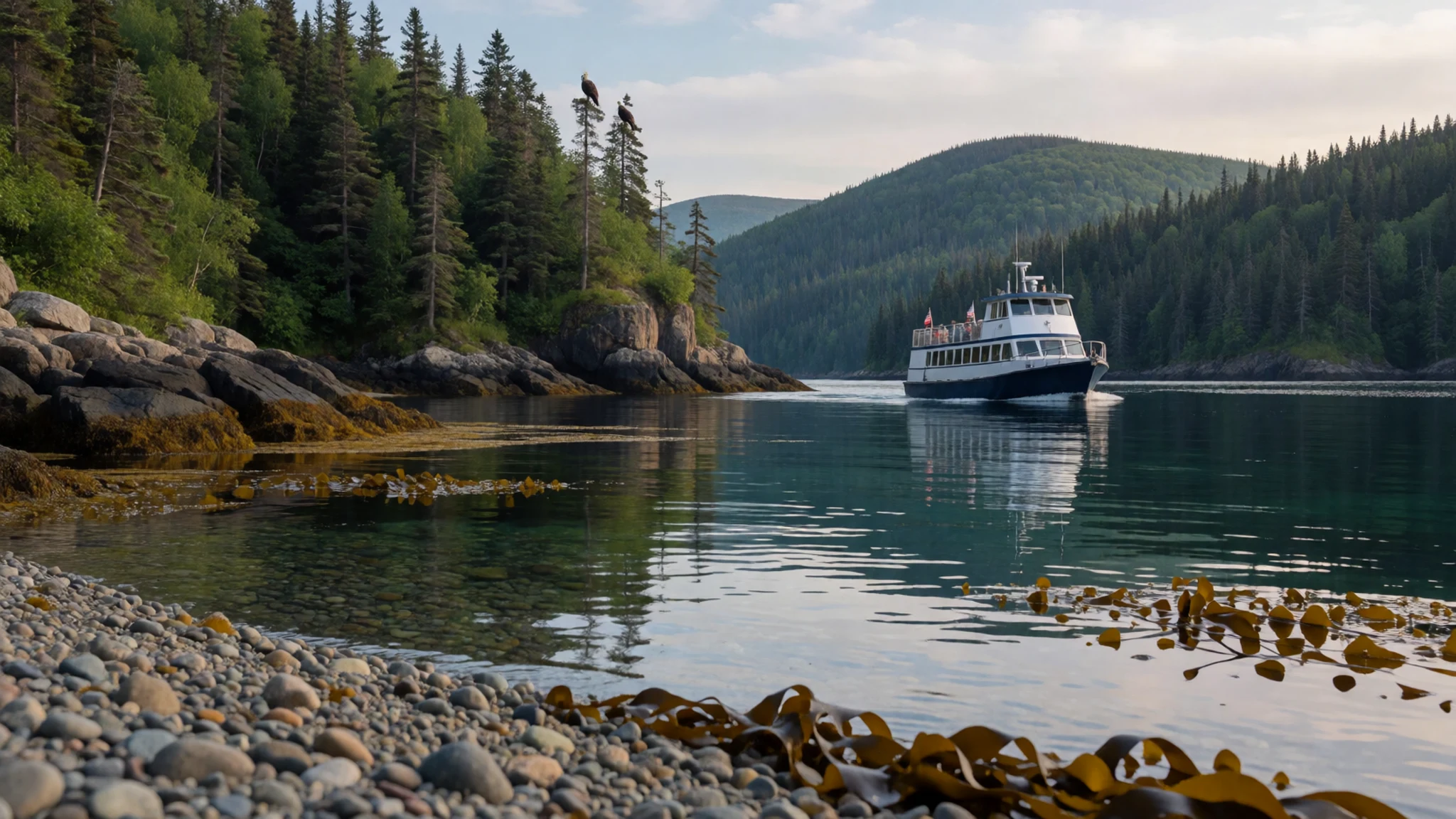
- Green Point Geological Site — Coastal shore near Rocky Harbour
This coastal rock outcrop displays layers of shale and limestone deposited over millions of years on an ancient ocean floor. Fossil-bearing sedimentary rock strata here serve as an international reference site for geological history and prehistoric ocean environments.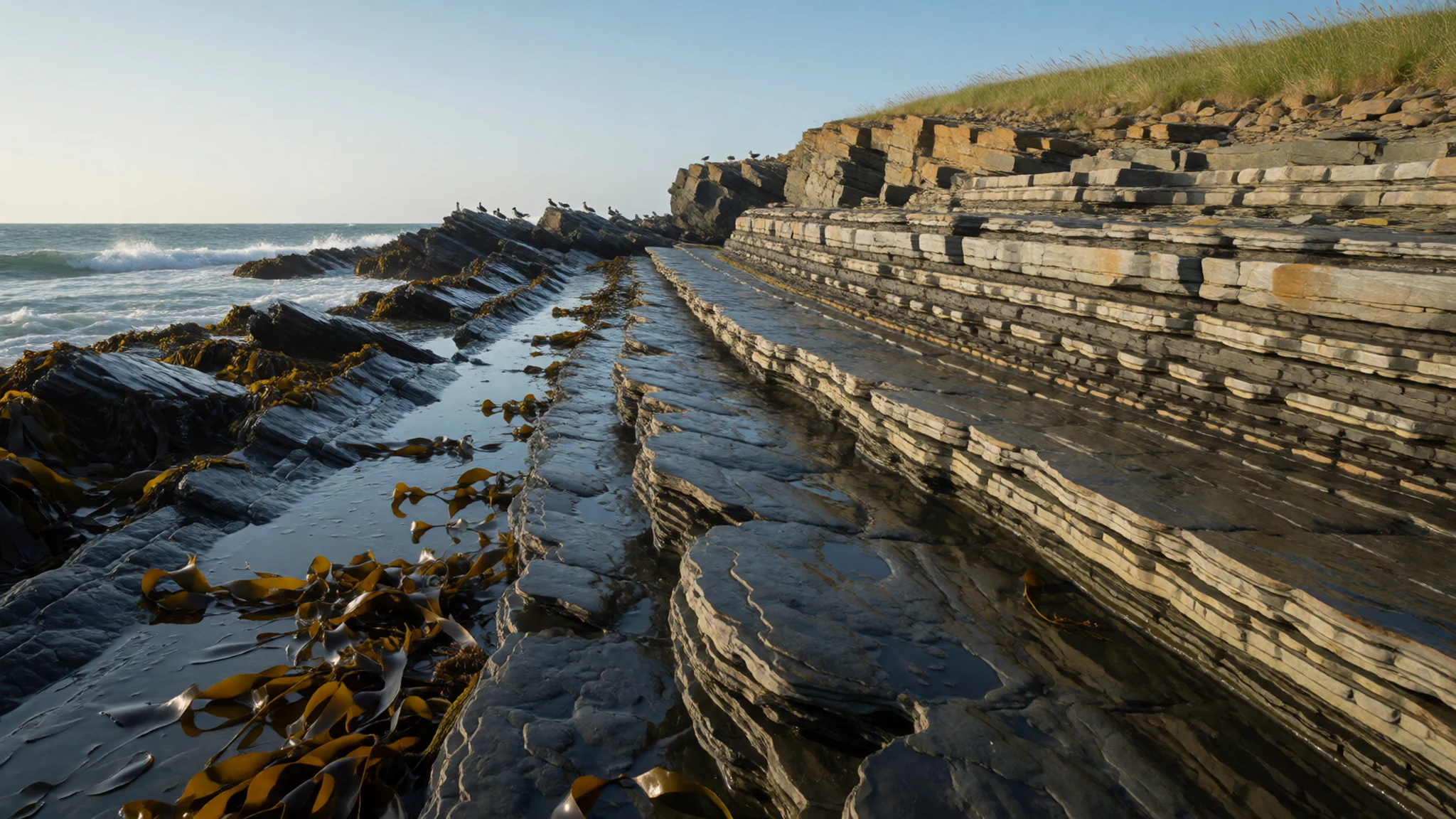
Culture
Gros Morne National Park is closely intertwined with the living culture of Newfoundland's coastal outports. Small fishing communities like Rocky Harbour, Woody Point, and Trout River retain strong maritime traditions, where storytelling, folk music, and warm hospitality shape daily life. Community centres and heritage halls frequently host live performances, folk theatre, and traditional music gatherings that welcome locals and travellers alike.
Throughout the summer season, the area comes alive with cultural festivals celebrating literature, theatre, and musical arts. Local venues showcase regional playwrights, acoustic musicians, and writers against the backdrop of the Long Range Mountains. Local life revolves around seasonal rhythms, where boat building, berry picking, cod fishing, and fireside singing remain active parts of local heritage.
Visitors will find locals exceptionally friendly and eager to share stories about outport life and natural history. Joining a community event or striking up a conversation at a local dock offers a genuine window into Newfoundland's resilient coastal identity. Remember to leave space for working harbour vehicles on narrow dock lanes and ask permission before photographing local fishermen at work.
What to wear
Traditional attire around Gros Morne National Park was built for survival against cold winds and salt spray. Historically, fishermen and coastal families relied on hand-knitted woollen sweaters, thick oilskin coats, waterproof rubber boots, and sturdy felted wool caps designed to withstand heavy northern seas. Intricate knits and heavy hand-woven textiles were crafted locally to keep workers warm during long fishing trips on open water.
Today, residents in the towns around Gros Morne National Park dress in practical, casual outdoor clothing. Heavy fleece jackets, durable flannel shirts, insulated vests, and sturdy rubber or leather work boots are standard daily wear for work around harbours, shops, and trails. Warm knits remain popular during cooler evenings and late autumn months.
For visitors exploring Gros Morne National Park, technical layerable clothing is essential due to swift weather changes. Bring windproof and waterproof outer jackets, moisture-wicking base layers, and comfortable fleece mid-layers even in midsummer. Sturdy, broken-in hiking boots with good ankle support and grippy treads are required for loose scree on the mountain trails and wet coastal boardwalks.
What to eat
- Pan-Fried Cod Tongues — Seafood eateries in Rocky Harbour and Trout River
Considered a traditional Newfoundland delicacy, cod tongues are lightly floured and pan-fried with crispy salt pork scraps called scrunchions. Served fresh at harbour eateries, they offer a tender texture and mild ocean flavour.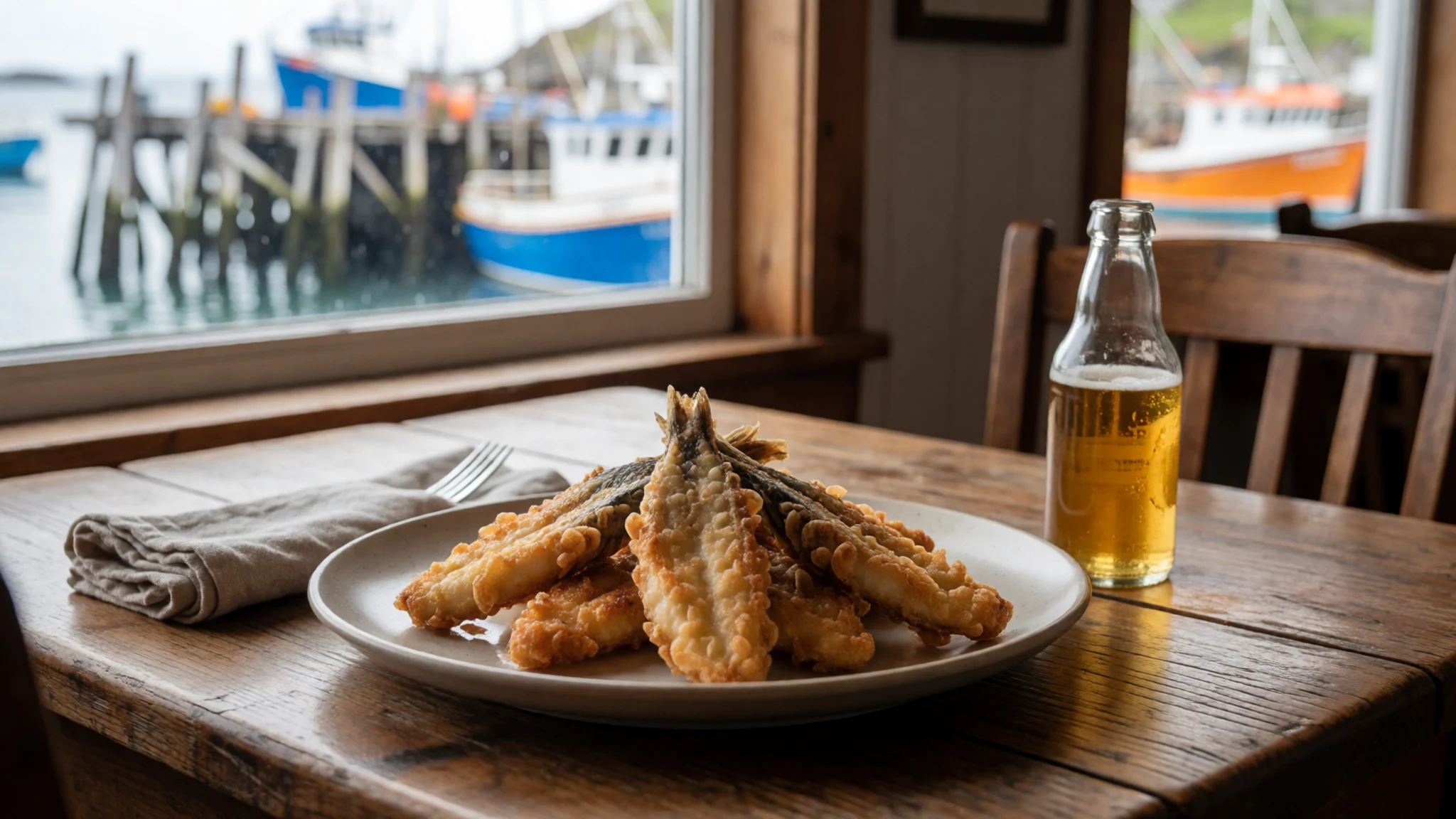
- Newfoundland Cod Fish Cakes — Coastal taverns and family diners across the park
Made from flaked Atlantic cod blended with mashed potatoes, onions, and savoury herbs, these patties are pan-seared until golden and crispy. Local diners serve them alongside green green-tomato chow-chow or sweet fruit chutneys.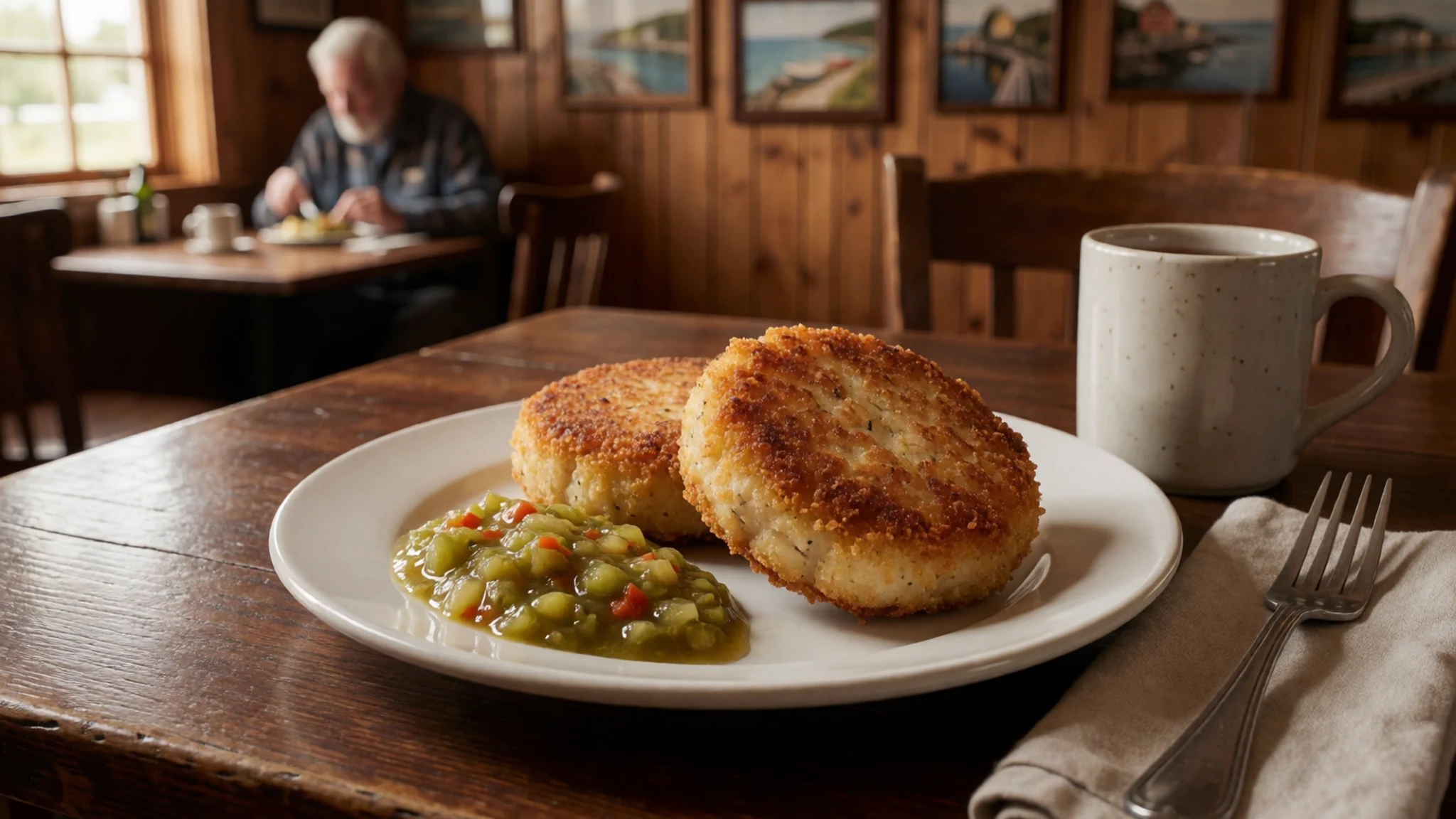
- Wild Bakeapple and Partridgeberry Pie — Village bakeries in Woody Point and Trout River
Bakeapples, also known as cloudberries, and tart partridgeberries are harvested from coastal bogs around the park. Village bakeries bake them into sweet-tart pies and preserves, served warm with thick cream or local ice cream. - Traditional Newfoundland Jiggs Dinner — Community halls and coastal pubs in park towns
This hearty comfort meal features salt beef boiled with cabbage, turnips, carrots, and potatoes, often accompanied by pease pudding and savoury figgy duff pudding. It is traditionally served in village pubs and community gatherings. - Local Craft Beer — Convenience stores and waterfront pubs in Rocky Harbour
Local brews crafted across Newfoundland feature clean glacier water and regional berries. Waterfront pubs and convenience stores offer refreshing blonde ales, dark stouts, and seasonal berry-infused beers after a day on the trails.
Plan it
Best time. July and August offer warm hiking weather, open boat tours, and lively summer festivals; June and September bring cooler trail conditions with fewer crowds.
How long. 3–4
Getting there. Fly to Deer Lake Regional Airport and hire a car for the one-hour drive north, or take the car ferry from North Sydney in Nova Scotia to Port aux Basques.
Budget. mid
Tips
- Book accommodation and ferry space several months in advance for summer travel
- Pack waterproof rain gear and warm synthetic layers for sudden weather changes
- Carry plenty of fresh water and food on demanding summit and fjord hikes
- Maintain a safe distance from black bears and moose on forest trails
Etiquette
- Give working fishing vessels and harbour equipment plenty of clearance around dock areas
- Ask permission before photographing residents or private harbour property
- Stay on marked park trails to protect fragile arctic-alpine tundra vegetation
Nearby
Sources
- Wikidata Q257598 (CC0)
- Wikipedia (rev 1367388438) (CC BY-SA 4.0)
- Wikivoyage (rev 5405749) (CC BY-SA 4.0)
- Photo 01-western-brook-pond-newfoundland-canada-dsc-6405.jpg (CC BY-SA 4.0)
- Photo 02-nlw-grosmorne4-tango7174.jpg (CC BY-SA 1.0)
- Photo 03-orignaux-moose-3.jpg (CC BY 3.0)
- Photo 04-american-black-bear-gros-morn-nfl.jpg (CC BY 3.0)
- Photo 05-2015-08-18-sam-6610.jpg (CC BY-SA 4.0)
- Photo 06-20170909-dsc-7426-37346144665.jpg (CC BY 2.5)
- Photo 07-20170909-dsc-7476-37203206581.jpg (CC BY 2.5)
- Photo 08-along-the-viking-trail-15683460026.jpg (CC BY-SA 2.0)


