Granada
Granada, Spain
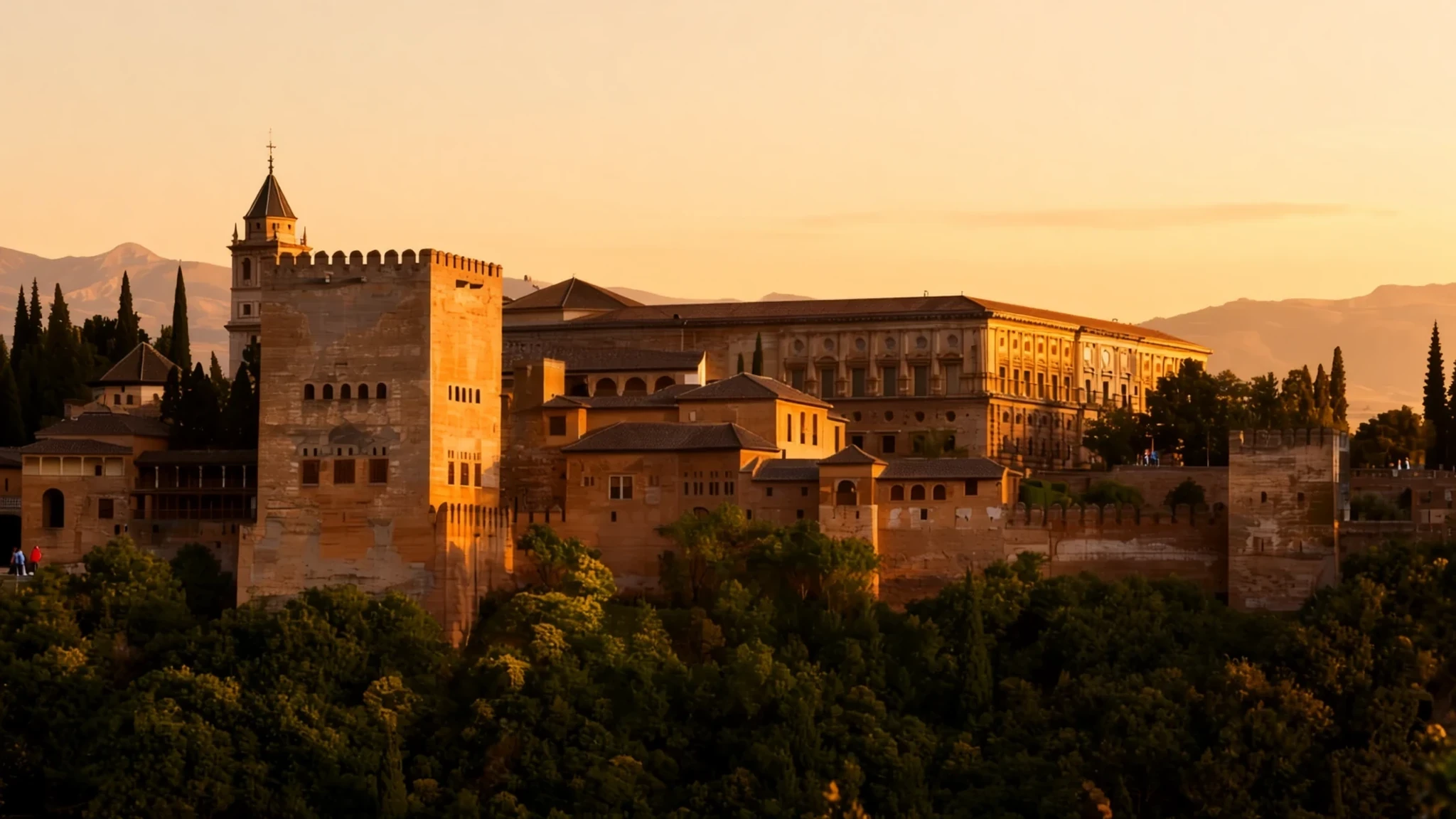
Granada pairs a Moorish palace on a hill with narrow lanes, tapas bars and a Renaissance cathedral, all within walking distance of each other.
The place
Granada is a city of about 234,000 people in southern Spain, the capital of its province and part of the region of Andalusia. The city sits where four rivers meet, the Darro, the Genil, the Monachil and the Beiro, with the snowy Sierra Nevada rising close behind it. At roughly 693 metres above sea level, it is cooler than the coast, which lies about 50 km away, so the air can feel crisp even when the Mediterranean is warm.
The layout is easiest to understand as three connected districts. The old Moorish quarter, the Albaicín, climbs the hill opposite the palace and is best explored on foot, with steep lanes, whitewashed houses and viewpoints over the valley. Below it, the grid of the city centre fans out from the cathedral and the two grand boulevards, the Gran Vía de Colón and the Calle de Reyes Católicos. Across the river to the south, the Realejo was once a Jewish quarter and now holds student bars and older family eateries.
The Alhambra is the reason most people come, and it deserves a full morning. Entry to the palace is timed and sells out, so book well ahead. The city also rewards slower days: sitting in a plaza, drinking a glass of local wine and watching the light change on the hills.
Granada is a city of walking, and the hills are the price of its views. Summers are hot in the streets below, while spring and autumn make the climb far more pleasant.
Its story
The land around Granada has been settled for thousands of years, and the Albaicín hill holds traces of early towns. A settlement called Ilturir, founded by an Iberian people around 650 BC, is among the oldest ruins identified in the area. Under the Romans the place grew into a municipality, and modern digs on the Albaicín have uncovered a substantial Roman town there.
How the Roman town connects to the city of today is still argued over by scholars. The historical record between the end of Roman rule and the 11th century is thin. A Christian church council held nearby around 300 AD, the Synod of Elvira, is named after the old town, but nobody has found firm evidence of its exact site.
The modern city took shape in the 11th century, when it became an important centre of Al-Andalus, the Muslim-ruled part of the peninsula, under the Zirid kingdom of Granada. In the 13th century, the city was taken over by the Nasrid dynasty, which made it the seat of a small Muslim emirate. That emirate lasted for more than two centuries and was the last Muslim-ruled state on the Iberian peninsula.
The Nasrid rulers built the Alhambra, which began in 1238, and the palace became a self-contained town set apart from the city below. The emirate finally fell in 1492, when the Catholic Monarchs, Ferdinand and Isabella, took the city. Over the 16th century, the new rulers reshaped it into a Christian city, raising churches and palaces beside the older Islamic streets. The markets of the Alcaicería, a silk trading area, survived these changes and still give the old centre its character.
What to see
- Cathedral of Granada — Centre, by Plaza de Bib-Rambla
The cathedral towers over the surrounding blocks and is one of the largest in Spain, built in the 16th century. Its interior is bright and airy in the Renaissance manner, with a light, open feel quite unlike the dark Gothic churches many visitors expect. Allow time for the chapels, and check opening times with the cathedral before you go.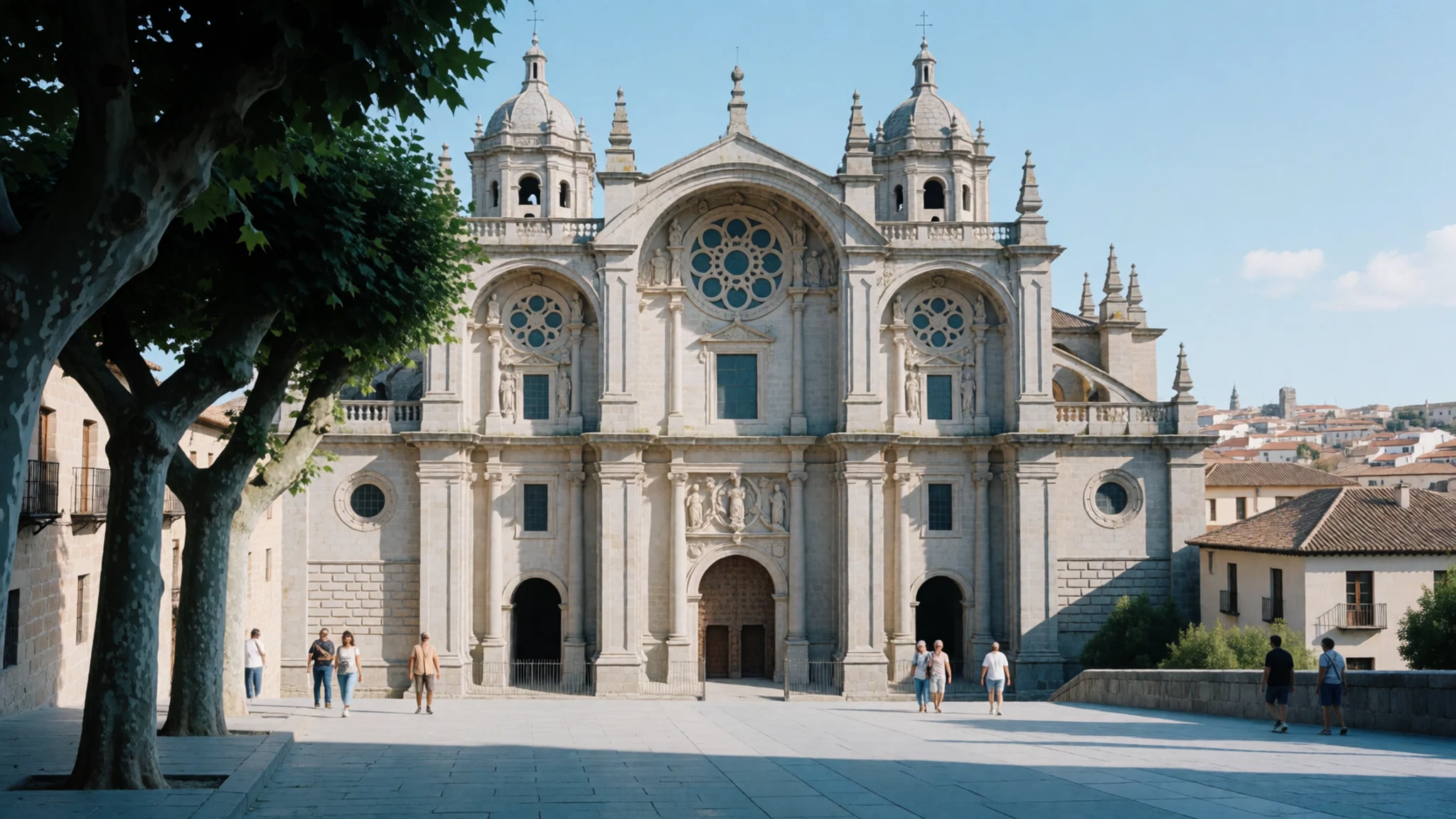
- Royal Chapel — Centre, beside the cathedral
Built after the city was conquered, the Royal Chapel holds the tombs of Ferdinand II and Isabella I, the Catholic Monarchs who took Granada in 1492. Their marble effigies lie in a calm, carefully lit room beside the cathedral. Photography rules and entry times can change, so check the official site before a visit.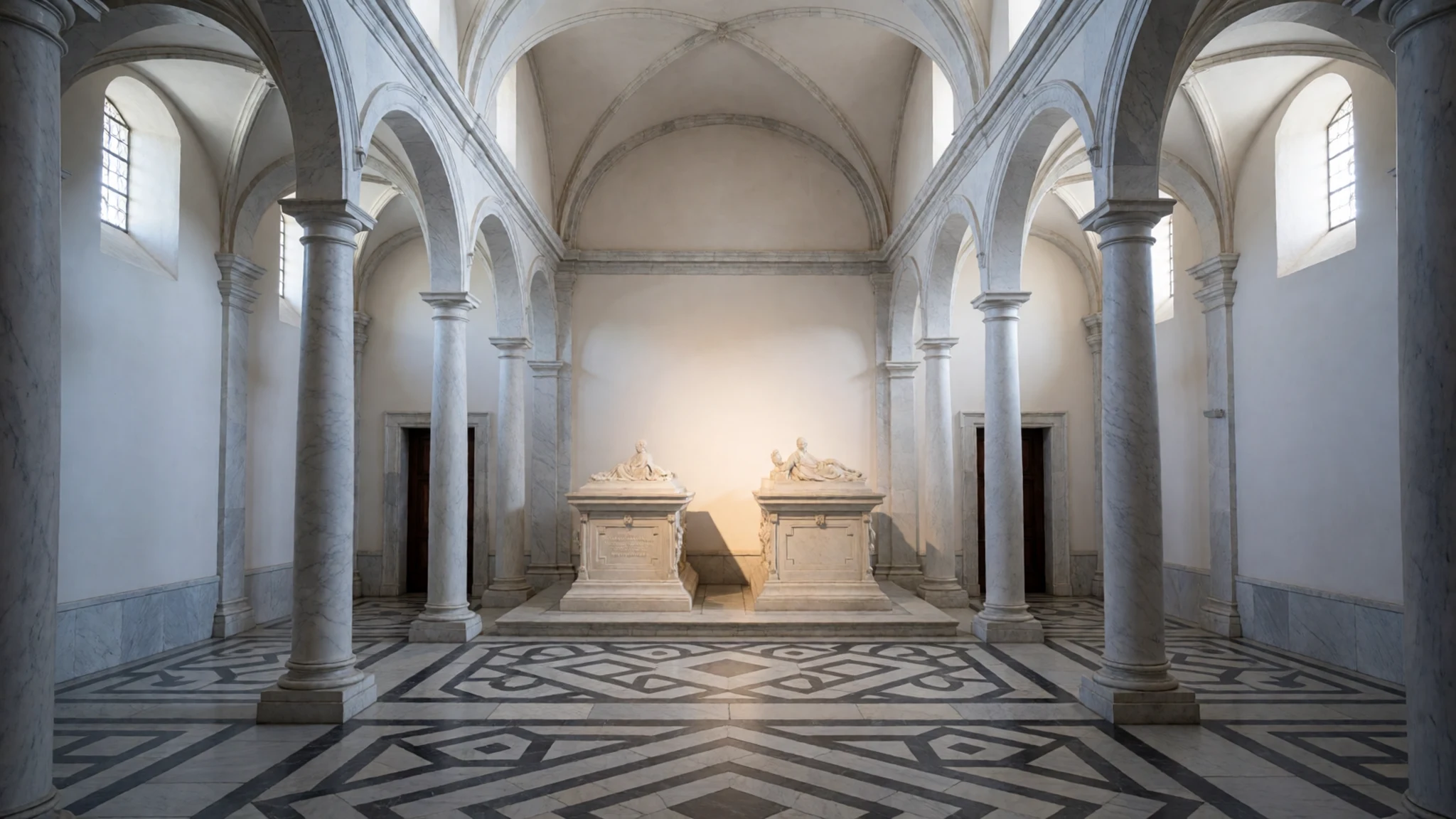
- Plaza de Bib-Rambla — Centre, by the cathedral
This pleasant square still has a view of the cathedral tower and was once the heart of Moorish Granada, where markets and festivals gathered. Today it is a good place to sit at a café terrace and orient yourself. It is busiest in the evening, when locals come out for a drink.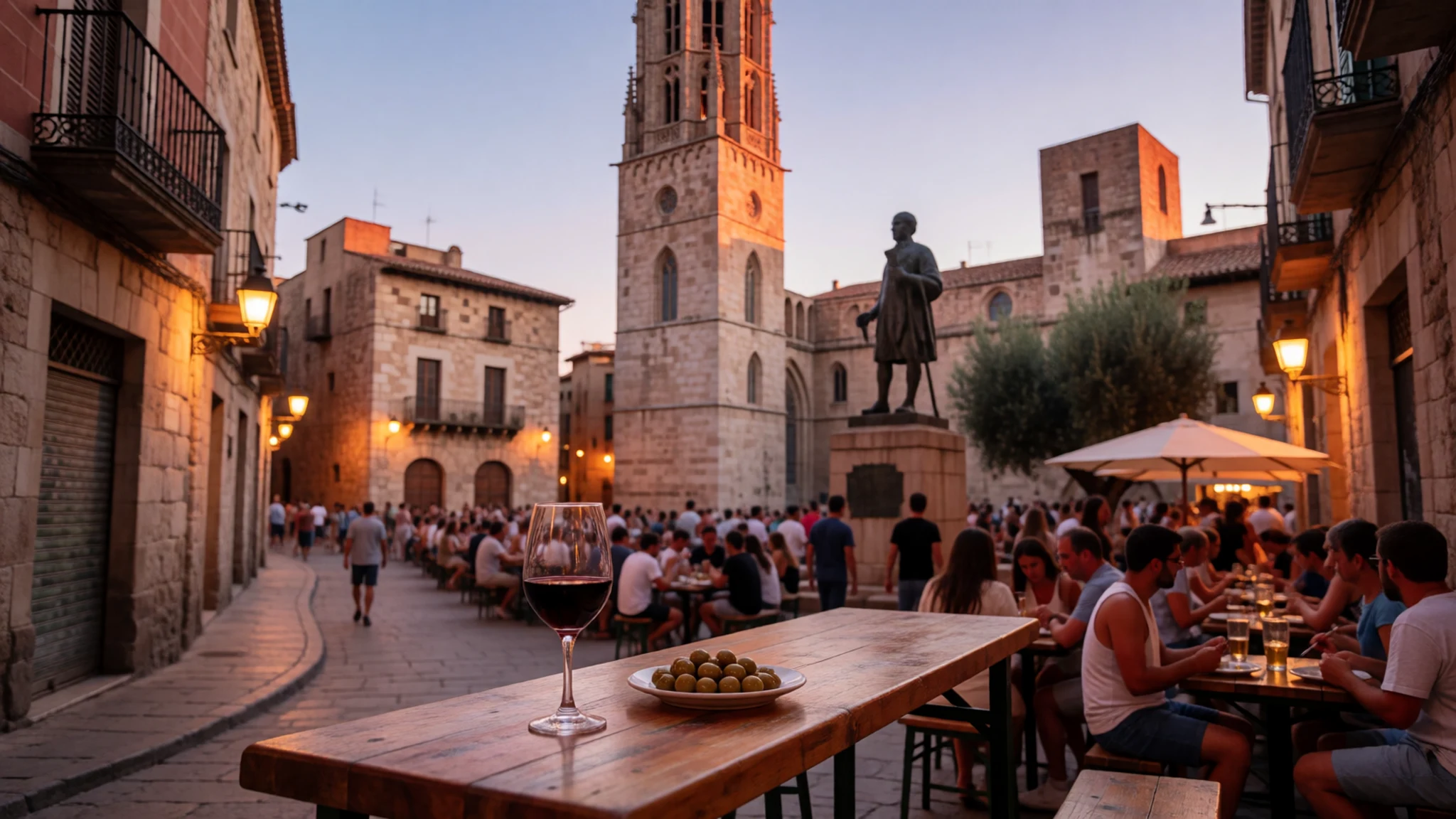
- Alcaicería — Centre, south of the cathedral
South of the cathedral, a set of narrow, winding alleys preserves the layout of the old Moorish silk market. The shops now sell lamps, ceramics, scarves and tea, and the lanes are best seen slowly in the morning, before the afternoon crowds. Bargaining is possible in some shops but not expected everywhere.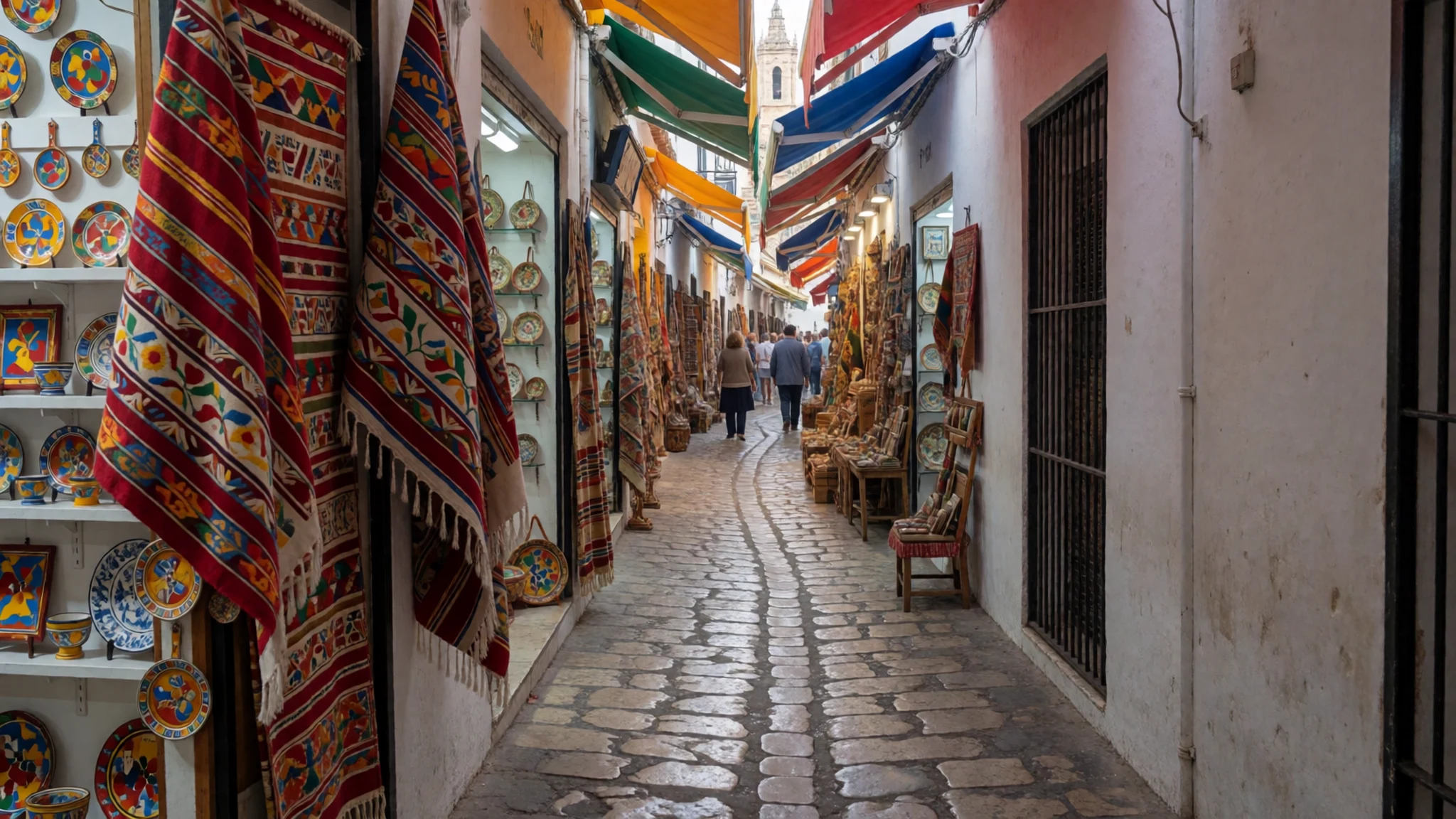
- Plaza Isabel la Católica — Centre, on the Gran Vía de Colón
This small square sits at the junction of Granada's two main boulevards. Its prominent statue shows Columbus unrolling a document before Queen Isabella, a reminder of the agreement that launched his first voyage. It is a convenient meeting point and a useful place to change direction when walking the centre.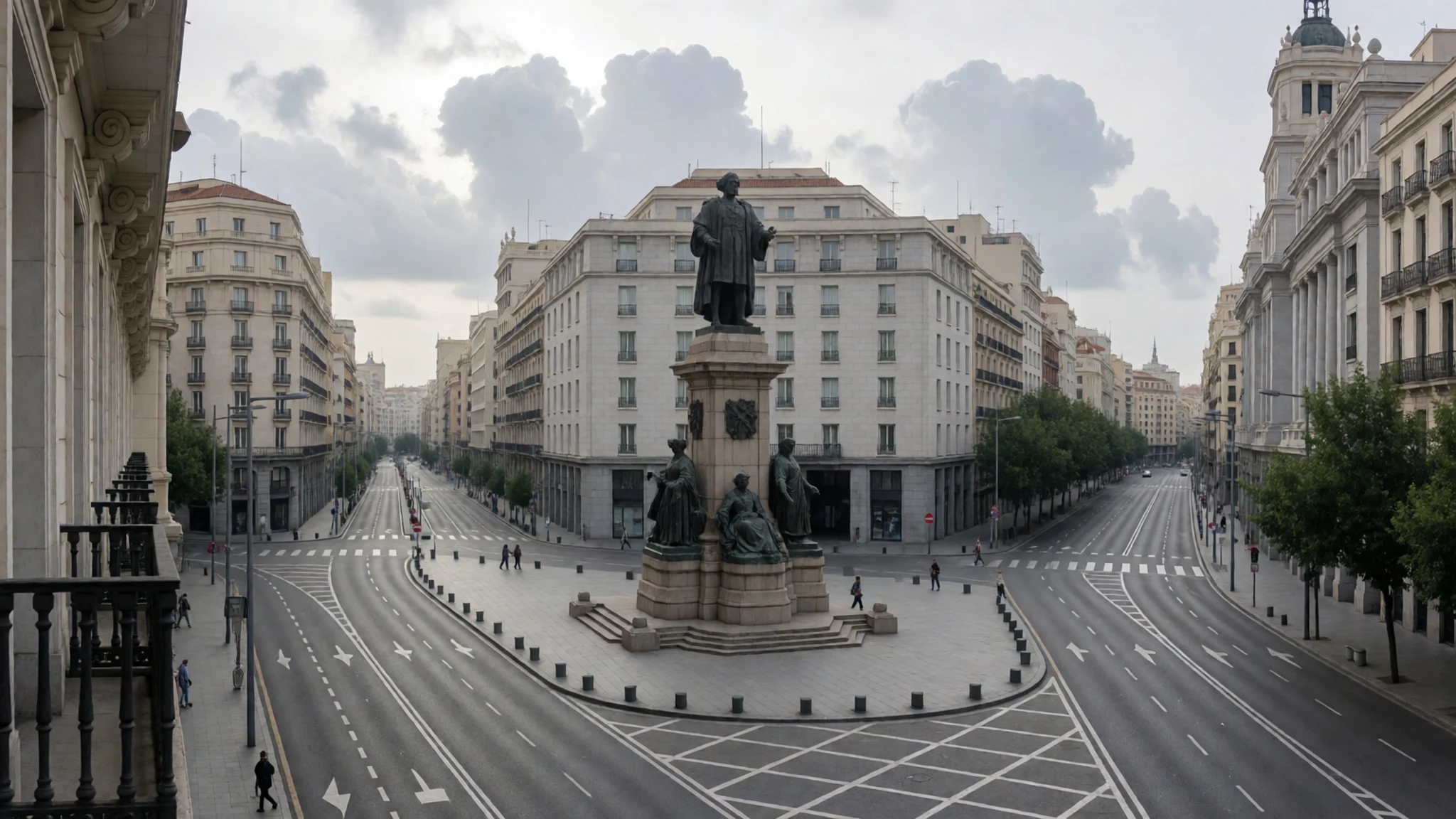
Culture
Granada's identity is layered: Islamic, Jewish and Christian traces sit side by side in its streets, and its most famous monument, the Alhambra, is a fortified palace complex on the Sabika hill, an outcrop of the Sierra Nevada that overlooks the city. It is one of the best-preserved palaces of the Islamic world and also contains examples of Spanish Renaissance architecture. It has been a UNESCO World Heritage Site since 1984, and it draws large crowds through the year.
Construction began in 1238 under Muhammad I, the leading figure of the Nasrid dynasty, atop pre-existing fortification structures. Later rulers kept reshaping it, and during the 14th century it functioned almost as a city inside the walls. Its gardens, courtyards and water channels are as much part of the experience as the rooms, and the spaces are designed to be walked slowly.
Daily life in the city is shaped by its evenings. Tapas arrive with drinks, and locals move between bars through the night rather than sitting down for one long meal. Sunday mornings are quieter, and many small shops close in the afternoon.
When you enter the cathedral or the Royal Chapel, dress with shoulders and knees covered and keep your voice low. Respect the quiet of the churches and the Alhambra gardens, and do not touch the carved stone or tiles.
What to wear
Granada has no single traditional costume that visitors will see on the street today, and the city's historic dress is better understood through its textiles. The Alcaicería, the old Moorish silk market, is the clearest link to the city's past, when silk was traded through its lanes. Silk, wool and linen were the main fabrics in the period of the Nasrid emirate, and the trade in silk survived the conquest, leaving a strong tradition of fine weaving in the wider region. Today the shops there sell silk scarves, embroidered shawls and woven textiles.
What people wear now is closer to the rest of urban Spain. Locals dress simply in dark or neutral clothes, with jackets and scarves in cooler months, and stylish but comfortable footwear. Evening outfits are relaxed, and few people dress up for tapas.
For a visitor, the main considerations are climate and terrain. Layers are sensible, because the city can be hot in the middle of the day and cooler after dark, especially in spring and autumn. Shoes matter more than clothes: the Albaicín is steep and its paving is uneven, so flat, closed shoes with good grip are essential. Carry a light scarf or shawl for churches, and cover shoulders and knees at the cathedral, the Royal Chapel and the Alhambra.
What to eat
- Free tapas with a drink — Any traditional tapas bar in the centre and the Realejo
In much of Granada, a drink ordered at a bar comes with a small plate of food, a custom that makes the evening cheap and sociable. Plates vary from bar to bar, but they are usually simple: a few olives, a slice of cured meat or a small stew. Order a round, see what arrives, and move on if you like. Some bars serve larger portions, so ask before you order.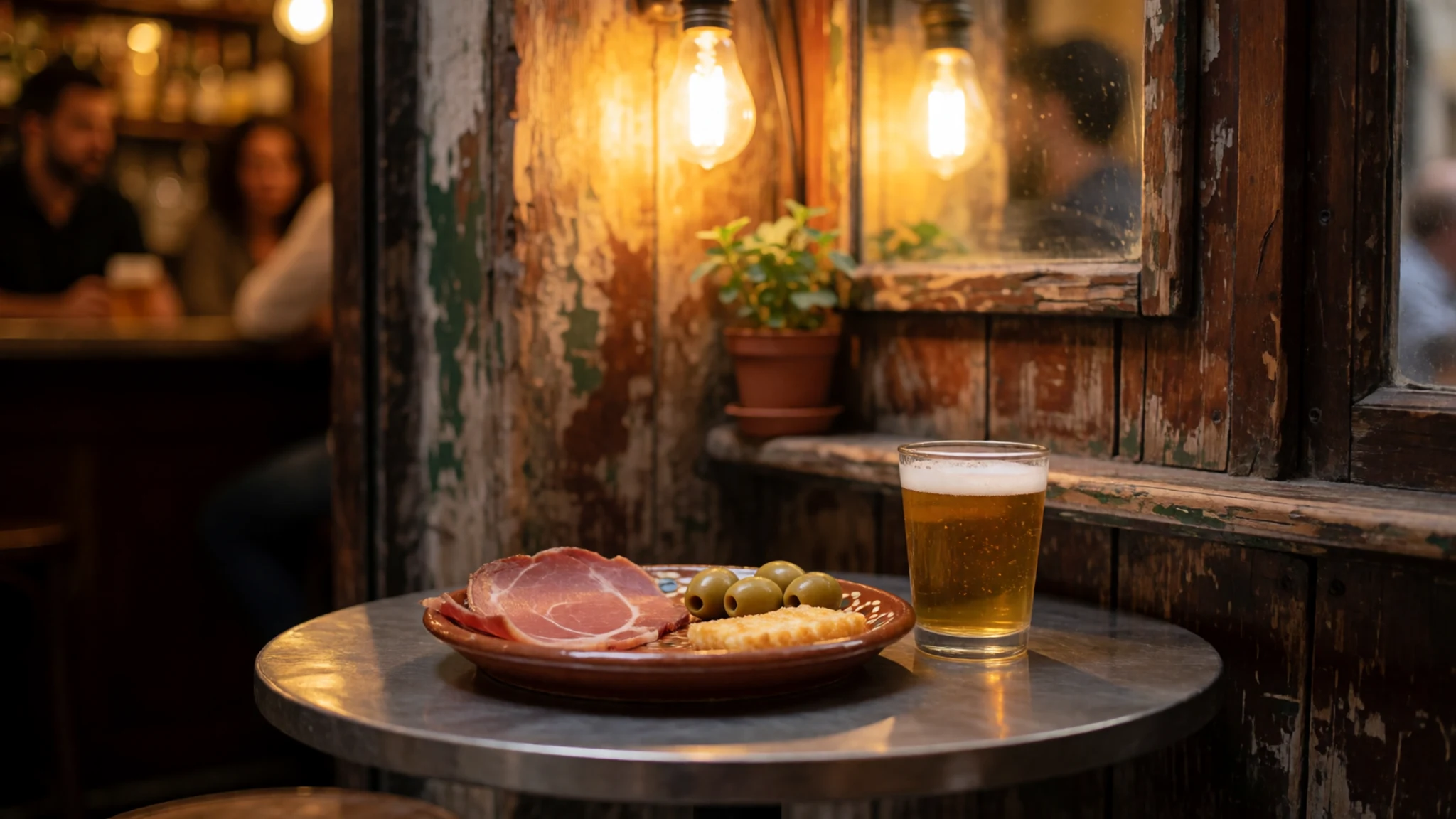
- Tortilla de patatas — Bars and cafés near the cathedral and Plaza de Bib-Rambla
This thick Spanish omelette, made with eggs, potato and onion, is sold in slices in almost every bar. It is good at room temperature, which makes it a reliable choice for a mid-afternoon snack. Ask for a wedge to share, and eat it with bread.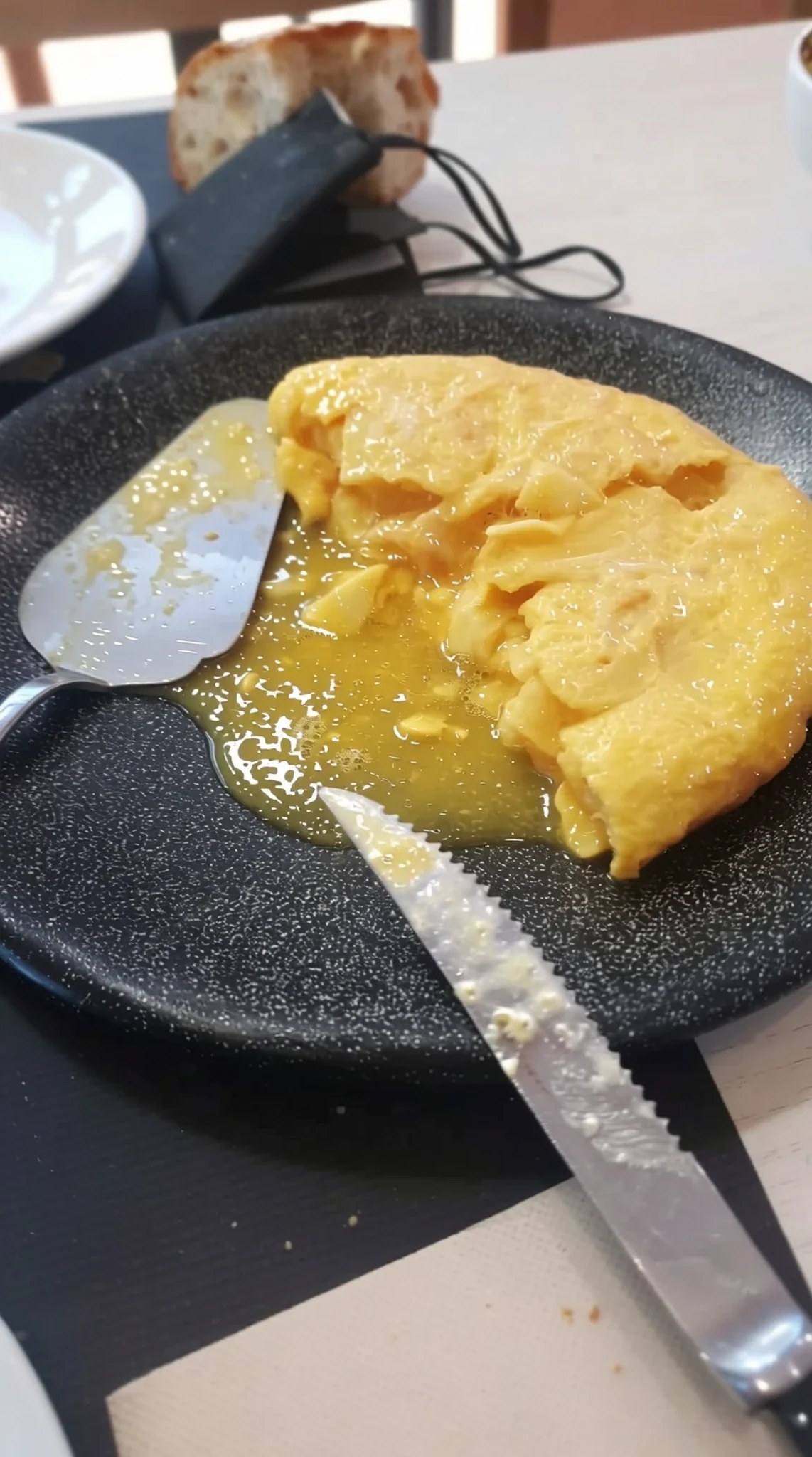
- Pinchos morunos — Traditional bars and grills in the old centre
These small skewers of marinated meat, usually pork or chicken, are spiced and grilled, with a flavour that reflects the Moorish cooking of the city's past. They are a classic snack in Andalusian bars and are often served with bread. Look for them on bar menus rather than in formal restaurants. - Habas con jamón — Neighbourhood bars across the Albaicín and Realejo
Broad beans cooked with cured ham and garlic make a simple, filling dish. It is a traditional spring plate, served warm in a small dish and eaten with bread. Expect it to arrive quickly and be plain rather than fancy, which suits a casual tapas crawl. - Local wine in an old-style bodega — A traditional bodega in the centre, popular with locals
The region around the city produces wine, and the traditional bodegas are good places to try it. Ask for a local red or white, and look for the shelves of bottles and barrels that give these bars their character. Locals drink here without ceremony, and a glass costs little. Confirm prices and opening hours with the bar itself.
Plan it
Best time. Spring, roughly March to April, and November suit Granada best: the climb to the Alhambra and the walks through the Albaicín are far more comfortable in mild weather, while October can still be as hot as midsummer. Midsummer is hot in the streets below, and the crowds are heavy at the palace, so plan early starts if you visit then.
How long. 2–3
Getting there. Federico García Lorca Granada-Jaén Airport is the nearest airport. From there, take an airport bus or a taxi into the city, with the bus being the cheaper option. Trains and long-distance buses from Seville, Málaga, Madrid and Córdoba also serve the city, and the bus station is a short metro or bus ride from the centre.
Budget. mid
Tips
- Book Alhambra tickets well ahead, because timed entries sell out
- Visit the palace at the first opening time to avoid the day's largest crowds
- Walk the Albaicín in the late afternoon for the best light over the valley
- Carry some cash for small bars and market stalls, though cards are widely accepted
- Bring a water bottle, and refill it at fountains where drinking water is clearly marked
Etiquette
- Cover shoulders and knees when entering the cathedral, the Royal Chapel or the Alhambra
- Keep your voice down inside churches and palace courtyards
- Ask before photographing people in the Albaicín lanes
Nearby
Sources
- Wikidata Q8810 (CC0)
- Wikipedia (rev 1380797159) (CC BY-SA 4.0)
- Wikivoyage (rev 5402985) (CC BY-SA 4.0)
- Photo: View of Granada from the Alhambra (Holger Uwe Schmitt) (CC BY-SA 4.0)
- Photo: Evening panorama of Alhambra from Mirador de San Nicolás (Slaunger) (CC BY 3.0)
- Photo: Granada, Spain (Brett Hodnett) (CC BY-SA 2.0)
- Photo: Der Partal pavilion, Alhambra (Tesla Delacroix) (CC BY-SA 4.0)
- Photo: Granada Cathedral front (Ingo Mehling) (CC BY-SA 4.0)
- Photo: View of Albayzín from Alhambra palace (Mihael Grmek) (CC BY 3.0)
- Photo: Museo Arqueológico y Etnológico de Granada (J.M. Grimaldi / Junta de Andalucía) (CC BY-SA 2.0)
- Photo: Puerta Monaita, Albaicín (Antonio Herrera) (Public domain)


