Golestan Palace
Golestan Palace, Iran
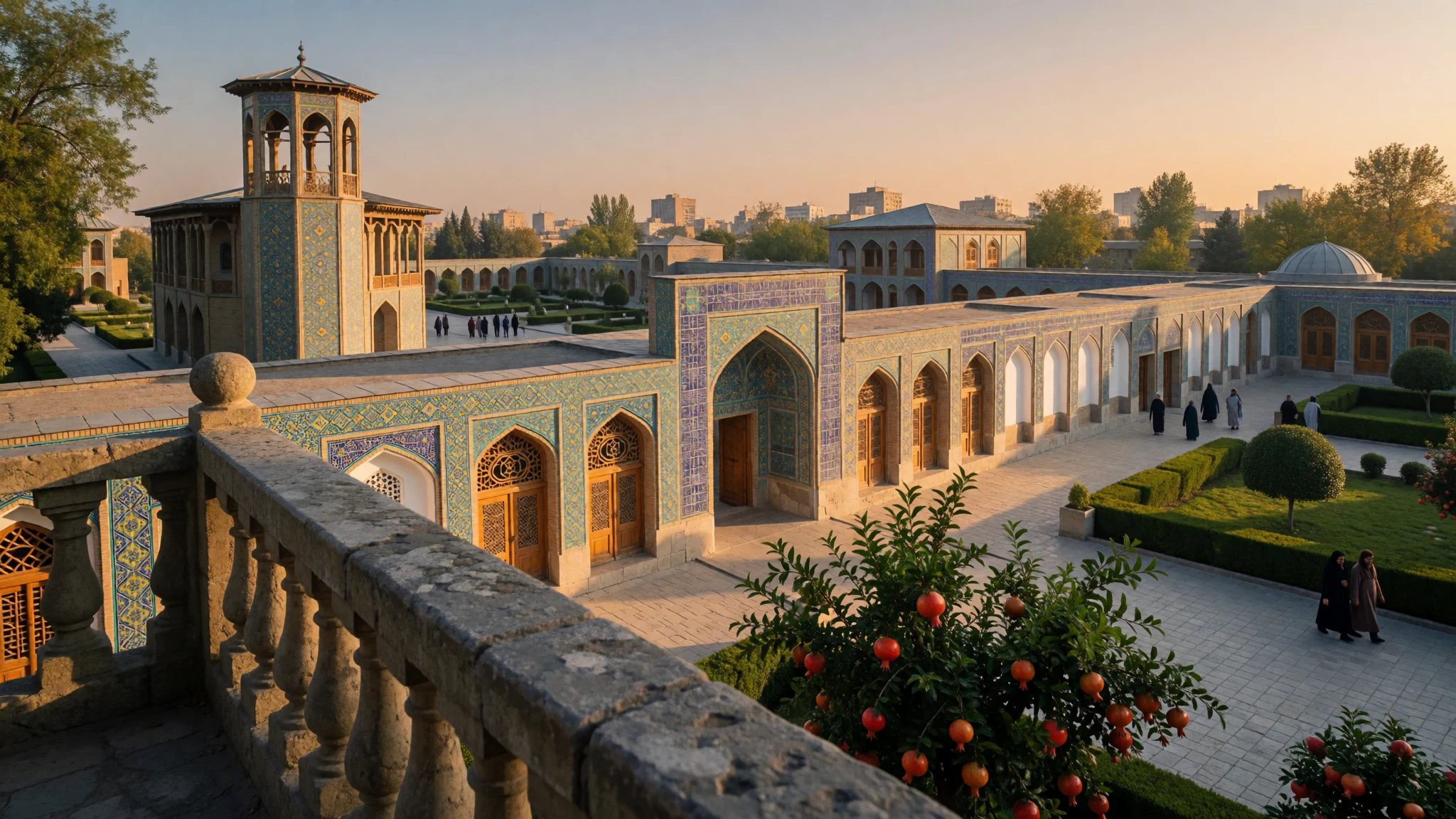
Golestan Palace turns Tehran’s Qajar-era power into a walkable museum complex, where tiles, mirrors and gifts tell a long story.
The place
Golestan Palace (کاخ گلستان, Kākh-e Golestān) sits in Tehran as the former official royal Qajar complex, now used mainly as museums. It’s enclosed by walls, and inside those boundaries is a cluster of palatial buildings: a mix of halls, courts and smaller royal structures rather than one single grand showpiece. The grounds are laid out like a miniature city, with architectural variety showing up in the facades, courtyards and decorative programmes.
What makes Golestan Palace feel different from many palace-visits is that it’s still recognisably “alive” as a museum, so the experience plays out in stages—move between courtyards, then into rooms, then back out into light and shade. Many of the royal buildings date to the 19th century, which gives the complex a coherent Qajar atmosphere, while the collection of crafts and gifts (including items associated with Iranian and European tastes) adds texture to the story.
The complex sits within the wider geography of Tehran: the city is often described in a practical north–south way, with the north districts generally more prosperous and the south more affordable. Golestan Palace falls into the central, historic core—easy to combine with a day of city sights. Expect a steady flow of visitors (it’s a national heritage draw), so the trick is to go slowly: pause in courtyards for the details, then re-enter rooms when the light changes.
If crowds are high, the best plan is to focus on one route through the rooms first, then return for anything that stands out—because the decorative density rewards repeat glances rather than speed-reading.
Its story
Golestan Palace is rooted in the idea of a Tehran citadel and court that evolved over centuries. The origin of the royal citadel is often traced to 6 July 1404, when a Castilian envoy, Ruy González de Clavijo, travelled in the region and is said to have stayed with “Baba Sheikh”, an elder of Tehran. Over time, that area became the base layer for later royal building programmes.
During the Safavid era, Tehran’s arg (citadel) took shape in a more organised form under Tahmasp I, with gardens and a walled enclosure expanding the royal precinct. A later step came with Abbas the Great, whose garden work in the northern part of the fence helped define the palace landscape. In the late Safavid period, Tehran sometimes served as a temporary seat for shahs’ court, keeping the city tied to political power even when rulers moved elsewhere.
When the Zand dynasty came along, Karim Khan renovated the palace, strengthening its role as a residence. Then the Qajar dynasty made the decisive move: Agha Mohammad Khan chose Tehran as capital in 1778, and Golestan became the official residence and court centre of the Qajars from 1794 until the end of their dynasty in 1925. That long political span is why the palace reads like an archive—rooms and courtyards reflect not only one reign, but many layers of court life.
By the time most visitors encounter it today, the palace complex has shifted from governance to interpretation: the royal buildings become museums, while the surrounding walls keep the place feeling contained, almost like stepping back inside the old perimeter of the city’s power.
What to see
- Golestan Palace complex — Golestan Palace, historic centre of Tehran
Golestan Palace is the historic nucleus for Tehran’s former royal court. It’s made of multiple palatial structures, museums and halls inside walled grounds. The overall feel is more “architectural neighbourhood” than one monument, so it rewards slow wandering between courtyards and rooms.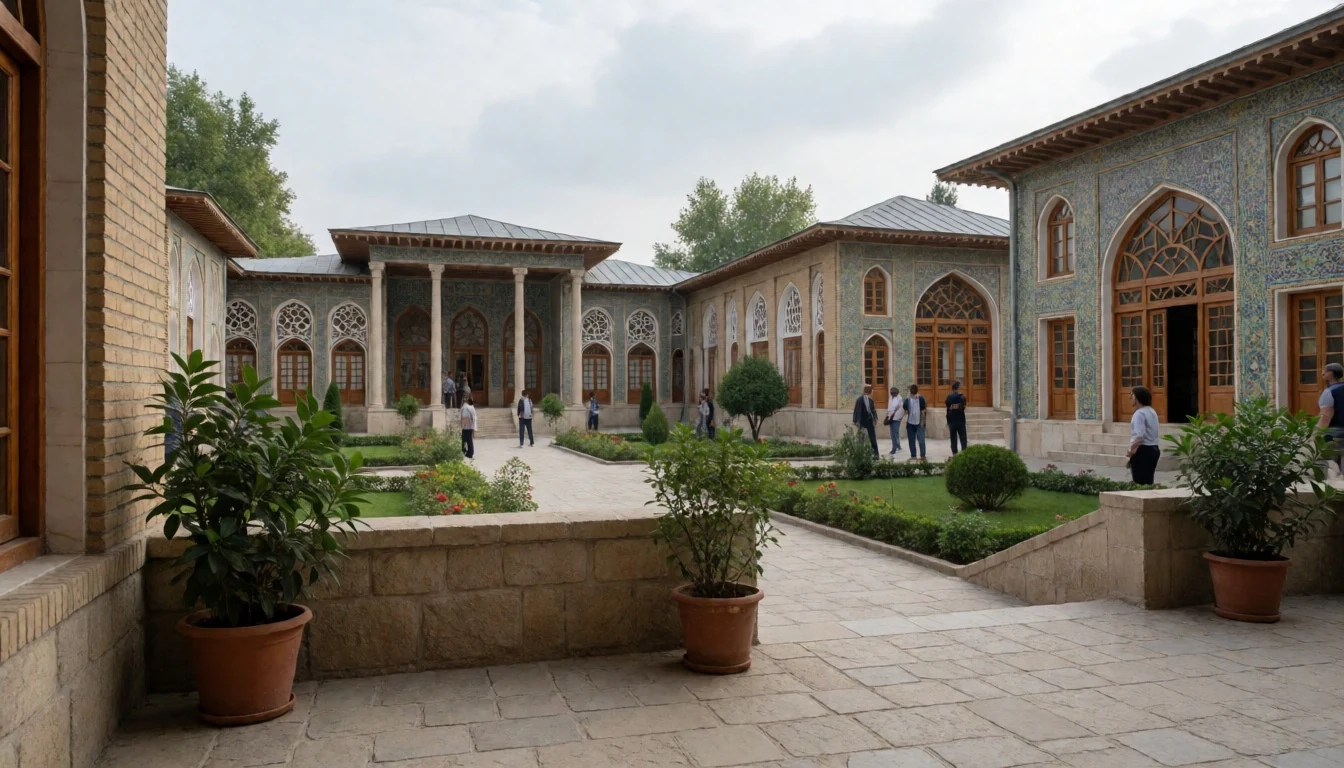
- Takht Marmar — Golestan Palace grounds (inner complex), Tehran
Takht Marmar is a terrace (iwan) ordered by Fath Ali Shah Qajar in 1806, designed to impress with a dense mix of materials—paintings, carved marble, tiles, mirrors, enamel, woodwork and lattice windows.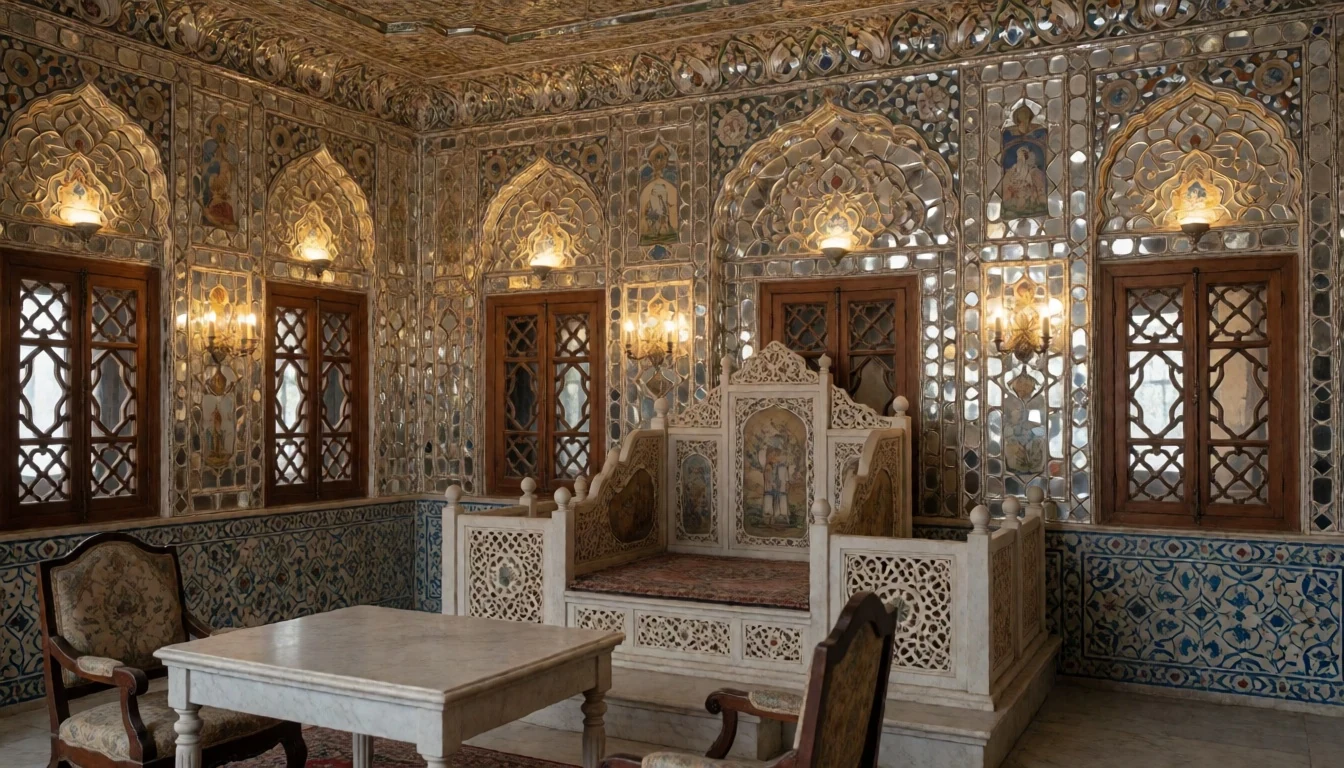
- Khalvat Karim Khani — Golestan Palace grounds (inner complex), Tehran
Khalvat Karim Khani was part of Karim Khan Zand’s interior residence and is tied to the same architectural language as Takht-e-Marmar. Its focus is intimate rather than grand, with a small marble throne inside the terrace space.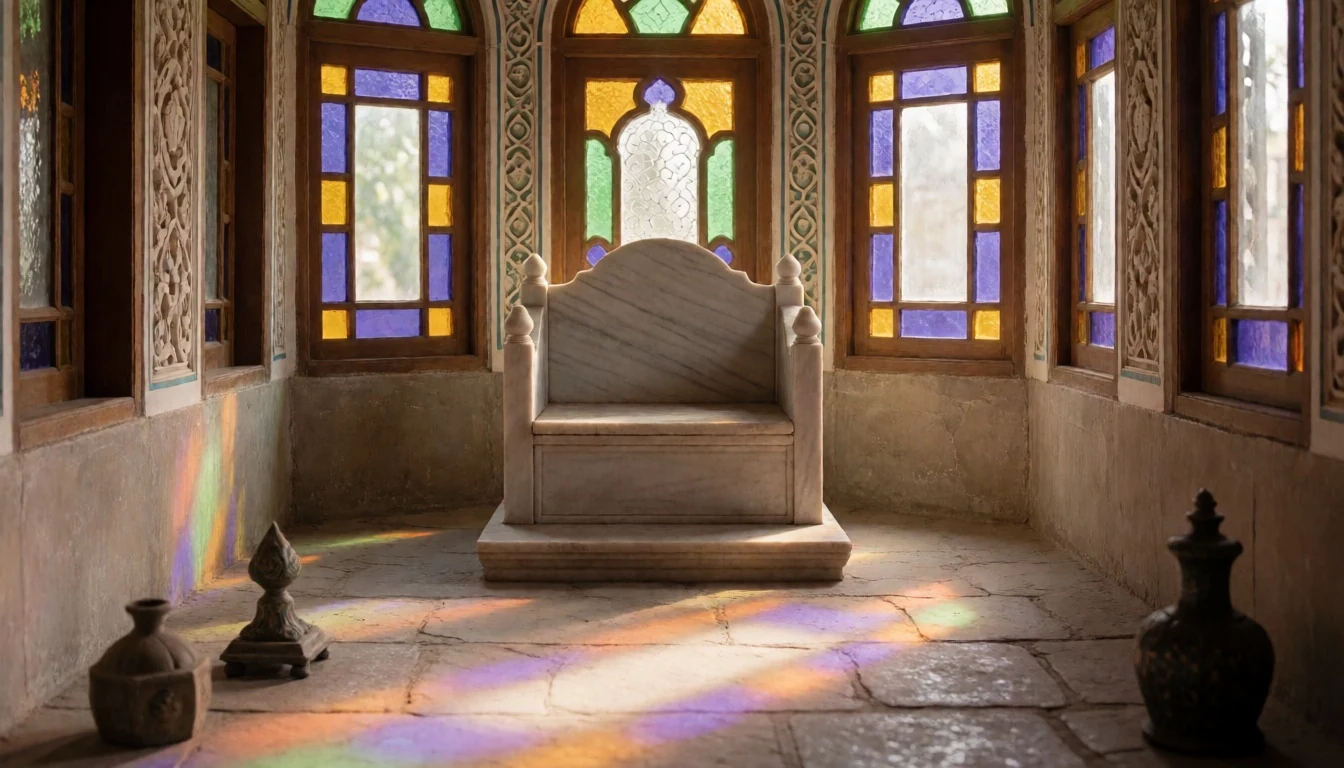
- Hoze Khaneh — Golestan Palace grounds (inner complex), Tehran
Hoze Khaneh refers to a summer chamber used during the Qajar period. The name points to the water-influenced design idea, and the space helps break up the palace tour with a calmer, more sheltered mood compared with larger halls.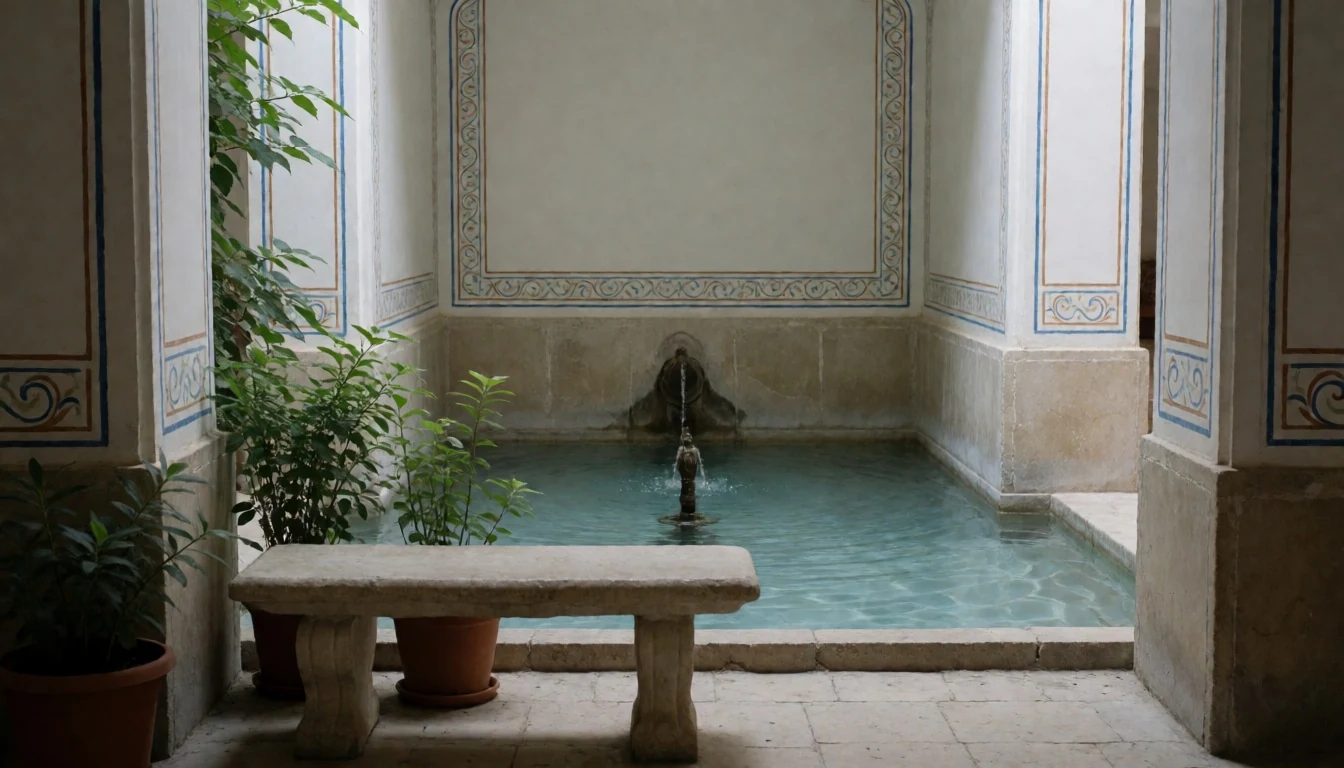
- Paintings by Kamal-ol-Molk (inside Golestan Palace) — Golestan Palace museums and halls, Tehran
Paintings connected with Kamal-ol-Molk are housed within Golestan Palace, showing how court culture also embraced fine arts. It’s the kind of stop where lighting matters—move around and look for how the work sits against the surrounding rooms and finishes.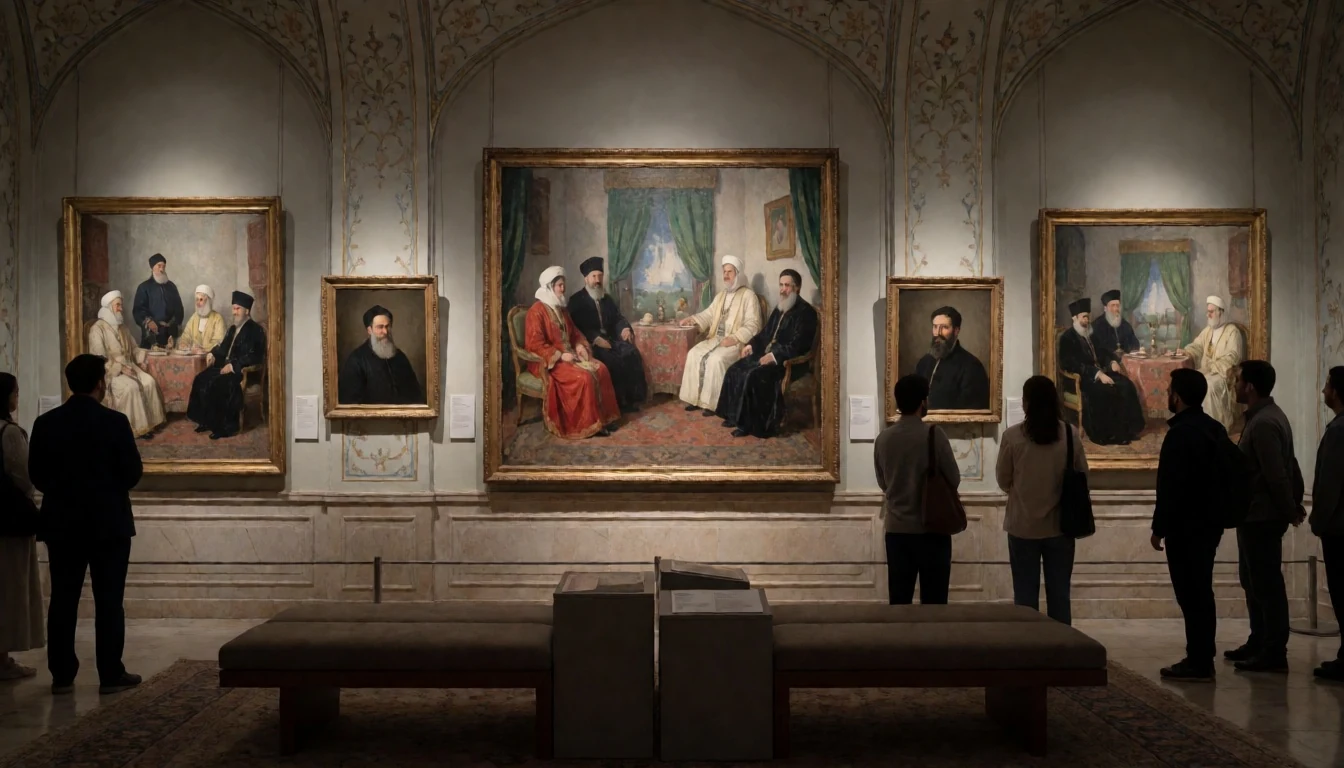
Culture
Golestan Palace is a royal-site-and-museum hybrid, so the “culture” here is partly about how people behave inside heritage buildings. In Iran, visiting historic complexes is usually quiet and observational: talking is fine, but it tends to be kept low, and people pause often to look closely at decoration. Inside rooms, groups can form quickly, especially around visually detailed spaces, so expect a bit of queueing and occasional stop-and-go movement in corridors.
Dress standards matter more than most travellers expect. Even though Golestan Palace is primarily a museum, it’s still part of the national heritage landscape, and staff and other visitors will often dress modestly by local norms. Photography is common in many museums, but if security or a guide signals restrictions, it’s best to stop immediately rather than argue about it.
The palace’s walls and courtyards can make the tour feel like a series of different “worlds”—bright outdoor space, then dimmer interior rooms—so pace matters. If visitors are rushing, it’s worth slowing down at the transitions, because decorative details are easy to miss when everyone is moving as a pack.
Visitor etiquette: keep voices low in galleries, dress modestly, and follow any posted or staff instructions for photography inside rooms.
What to wear
Golestan Palace doesn’t require formal traditional dress, but the place is full of cues that help explain what’s worn in Iran. Traditional Iranian outfits vary by region and occasion, but in a palace-and-museum setting the most visible “everyday traditional” look is typically modest: a headscarf paired with a long, loose-fitting outer layer, often in muted colours that suit indoor lighting. Textile choices often include cotton and other breathable fabrics for comfort in changing temperatures, and decorative stitching may appear on cuffs and hems.
What people actually wear now in Tehran is a mix: many visitors dress in western-style casuals, but modest cuts are common—long tops, trousers or long skirts, and a head covering for those who follow the local norm. On museum days, you’ll also see people in practical layers, because the palace tour includes both indoor rooms and courtyard walking.
For visitors, the best approach is simple: choose lightweight, modest clothing that covers shoulders and keeps hemlines sensible, bring a scarf if using one, and wear comfortable shoes with grip for stone and tiled surfaces. In warmer months, breathable fabrics help; in cooler months, layering is easier than bringing something bulky.
What to eat
- Dizi (slow-cooked chickpea-and-meat stew) — Iranian Traditional Restaurant and dizi places around Tehran
Dizi is a classic order in Iranian traditional restaurants and dizi-focused spots. In Tehran, it’s commonly served as a hearty stew and often paired with bread and sides, so it works well after a long museum walk.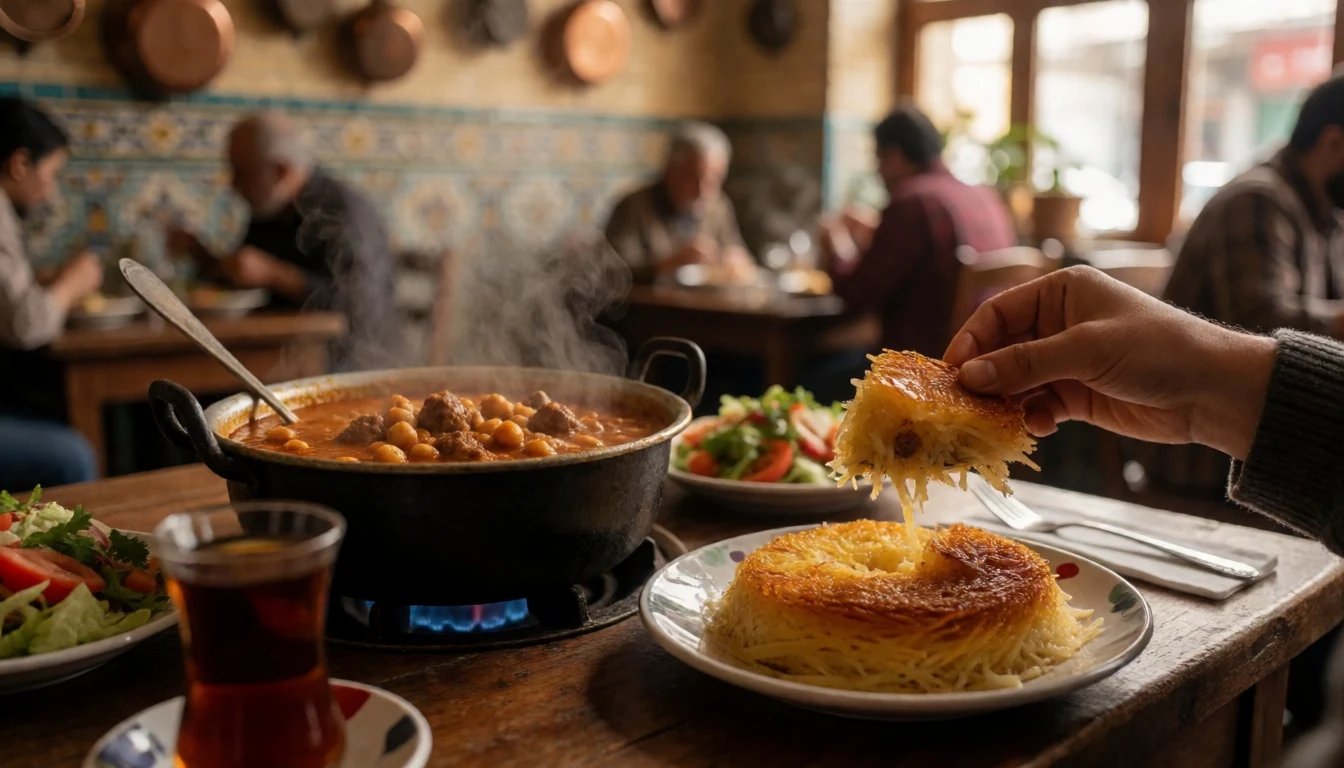
- Kebab and sandwich-style street food (kebab sandwiches) — Kebab and sandwich joints around Tehran
For a quick, filling lunch, Tehran does kebab in sandwich form as well as grilled plates. The salad and dips can vary by stall, but it’s a dependable grab-and-go option when walking between sights.
- Falafel (fried chickpea patties) — Falafel stalls around Tehran
Falafel stalls are a reliable option for vegetarians, usually served hot and crisp with salad and sauces. It’s easy to eat while moving between neighbourhoods—handy when museum entry times compress a day. - Humus and Lebanese-meets-Iran flavours — Kebab-and-sandwich eateries with meze options
In Tehran, humus often shows up alongside kebab-style meals, reflecting broader Middle Eastern meze habits. It’s the creamy, comforting counterpoint to grilled flavours and a good small add-on to balance spice. - Fried chicken burgers (Iranian fast-food style) — Fast-food chicken outlets around Tehran
If a familiar comfort meal is needed, fried chicken burgers are available in the style of popular fast-food chains adapted for Iran. Expect a straightforward, filling option that fits well into an “in-between sights” plan.
Plan it
Best time. March–April and October–November are the easiest months for a long day outdoors and in courtyards; summer heat and seasonal extremes can make waiting around interiors less comfortable.
How long. 3–4
Getting there. Golestan Palace is in central Tehran. Getting to Tehran by plane is typically followed by the metro connection to the city centre or onward taxi. Finish the last leg by taxi or local metro stops, then walk within the historic core.
Budget. mid
Tips
- Start early to beat the biggest daytime crowds around the main palace areas
- Build in courtyard breaks so indoor rooms don’t blur together
- Check the official site at https://golestanpalace.ir for current entry rules and any museum-day changes
- Carry small cash for snacks and any small purchases in nearby streets
- Plan one slower loop focusing on decorative rooms, then a second faster pass if energy remains
Etiquette
- Dress modestly and follow any signage for head coverings
- Keep voices low and avoid blocking doorways inside galleries
- Follow staff instructions if photography is restricted in specific rooms
Nearby
Sources
- Wikidata Q210610 (CC0)
- Wikipedia — Golestan Palace (CC BY-SA 4.0)
- Wikivoyage — Tehran (CC BY-SA 4.0)
- Photo: Palais du Golestan, Téhéran (5) (CC BY-SA 4.0)
