Gliwice
Gliwice, Poland
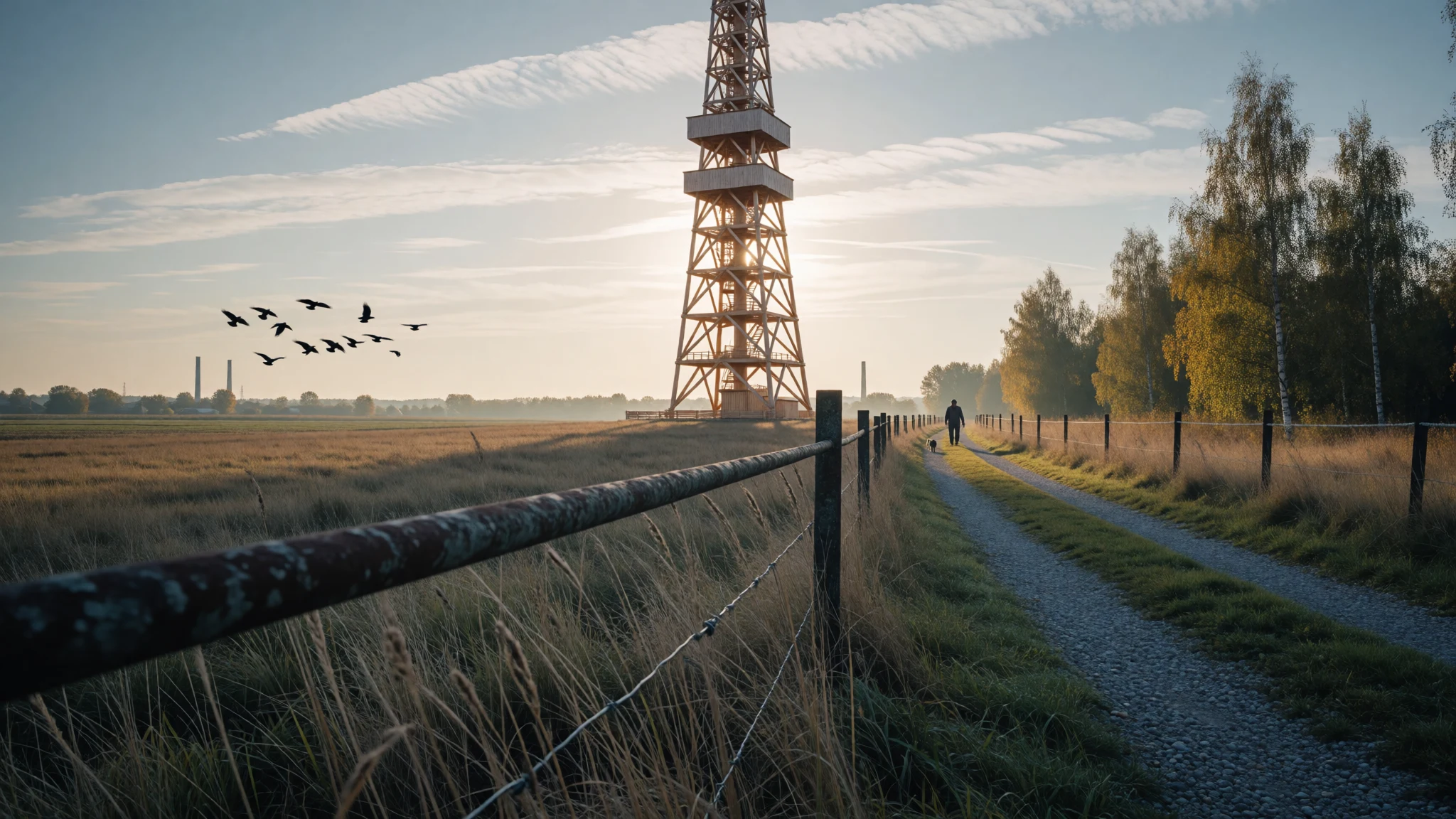
Gliwice is a working Silesian city with a small, well-kept old centre, a wooden radio tower and almost no tourist crowds.
The place
Gliwice lies in Upper Silesia, in southern Poland, on the Kłodnica river, a tributary of the Oder, at about 200 metres above sea level. It has about 174,000 residents and sits at the western end of the conurbation around Katowice, bordered by the towns of Zabrze, Knurów and Pyskowice. The name changes with the language: Gleiwitz in German, Hlivice in Czech, Glywice in Silesian. That layering is part of the character. The city grew rich on steelworks and coal, and after the economic upheaval of the 1990s it reinvented itself around car-making and machine-building. A technical university founded in 1945 by academics from Lwów keeps the streets young, and Gliwice counts as one of Poland's major student towns. The old core, laid out in the 13th century, has survived well. Its market square, the Rynek, is ringed by cafés and bars, with a classical town hall that still carries traces of medieval walls. Brick Gothic churches and the stump of a fortified tower stand a few minutes' walk away. Beyond the centre are villas, a Victorian palm house and a radio mast on the northern edge. Expect a working city rather than a heritage set: a modern railway station, students with laptops, factory suburbs, and a compact centre that can be covered on foot in a morning. Visitors are few, so there is rarely a queue.
Its story
Gliwice first appears in the records as a town in 1276, although Duke Władysław of Opole, a Piast, had granted it town rights a little earlier. Its position on a trade route between Kraków and Wrocław made it worth holding, and brewing and crafts fed its medieval prosperity. Ownership shifted with the fortunes of the Piast duchies, passing between Opole and Bytom, and for about two decades in the early 14th century Gliwice was the seat of a small duchy of its own. In 1335 the region came under the Bohemian Crown, part of the Holy Roman Empire, and in 1526 that crown passed to the Habsburgs. In 1433 the town was briefly seized by Duke Bolko V, who had thrown in his lot with the Hussites. When the Duchy of Opole and Racibórz was dissolved in 1532, Gleiwitz, as it was now called, became Habsburg land. The dynasty was short of money after its wars with the Ottomans, so it leased the town to a nobleman, Friedrich Zettritz, for 14,000 thalers. Prussian and later German rule followed, before Gliwice became part of Poland. Its modern chapter began in 1945 with the new technical university. In the 1990s the economy turned away from coal and steel towards automotive and machinery work. The old postcards labelled Gleiwitz are a reminder of how many flags this one town has lived under.
What to see
- Gliwice Radio Tower — northern edge of the city
The Gliwice Radio Tower stands north of the centre, a 118 metre mast built entirely of wood. Wikivoyage describes it as the tallest wooden structure in Europe. It is the city's emblem and the most photographed silhouette in town. It is best seen from the ground, so allow time for the bus or taxi ride out.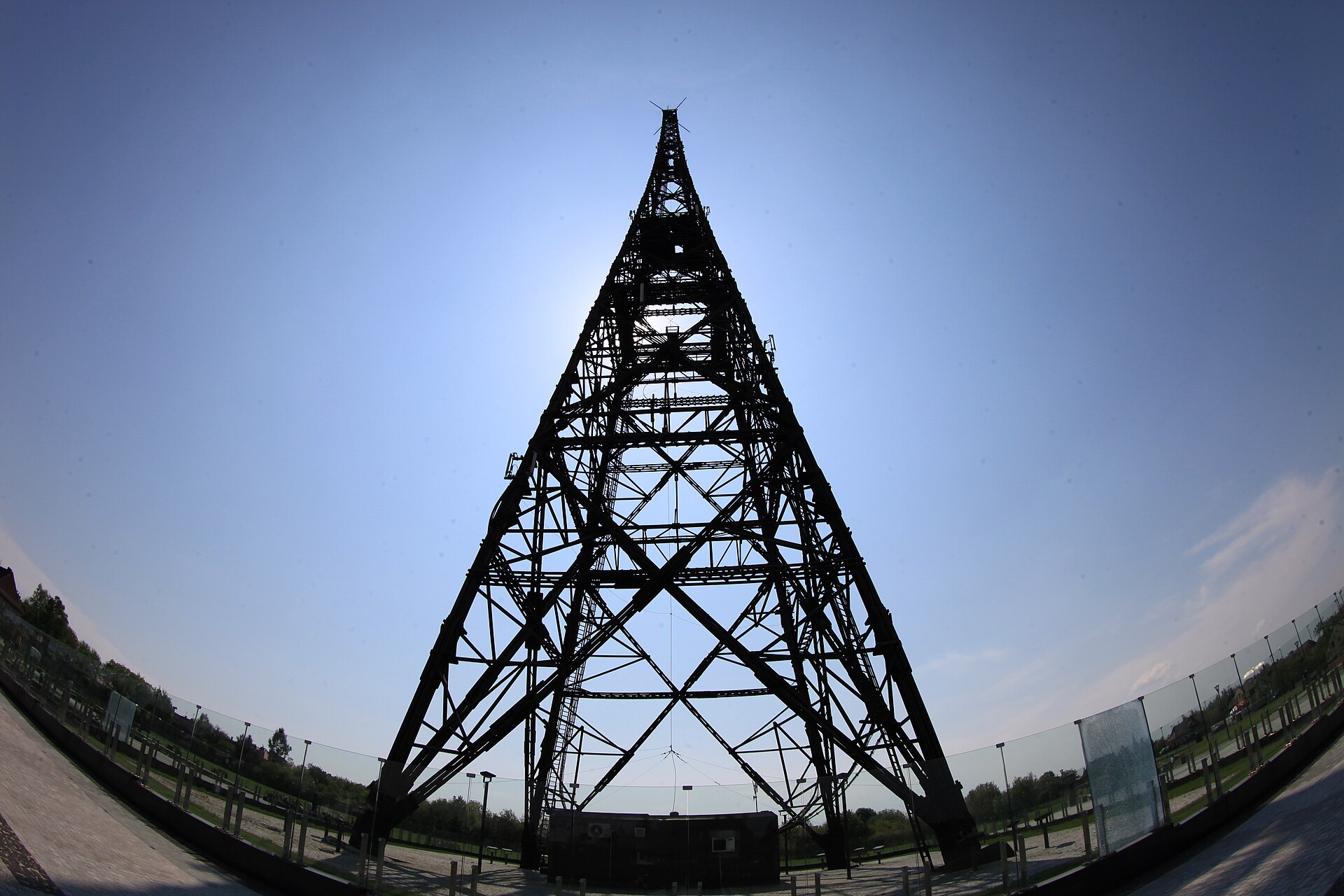
- Piast Castle — Old Town
Piast Castle is really a defensive tower from the early 14th century, built into the old town walls, with an armoury building beside it. Despite the name, it was probably never a royal residence. Today it houses part of the Gliwice Museum, with displays on the town's past. Check the museum's website for opening times and tickets. - All Saints Church — Old Town
All Saints Church is a sturdy brick Gothic building whose origins reach back to the 13th century. It was restored after a fire in the early 18th century. The exterior is plain and weighty rather than decorative, and it makes a good quiet stop after the busier Rynek. Visit outside service times and keep to the visitors' areas. - Villa Caro — city centre
Villa Caro is a mansion built in the 1880s for the industrialist Oscar Caro, showing how the factory owners of Gleiwitz lived. It now belongs to the Gliwice Museum, and a combined ticket with the castle is available. Rooms and displays change, so check the official site before planning around it. - Palm House — north of the centre
The Palm House is a Victorian glasshouse holding over 5600 plants, some of them more than 150 years old. In a Silesian winter it is a warm, green refuge, and in summer it is a calm place to sit among the foliage. It is a short walk from the central streets, so it fits easily between a museum and lunch.
Culture
Gliwice belongs to Upper Silesia, a region where Polish, German, Czech and Silesian influences have mixed for centuries, and the town still feels that blend. Catholic tradition is strong: the Church of Sts Peter and Paul became a cathedral when Gliwice was made the seat of a diocese, and churches fill on feast days. Older neighbourhoods keep the Silesian habits of tidy gardens, Sunday family lunches and a quiet pride in local dialect. Industrial heritage is also part of the identity, and the shift from mines and steelworks to technology is spoken of with a mix of nostalgia and satisfaction. The city also remembers a Jewish community that was once part of everyday life. A museum branch beside the new Jewish cemetery tells the story of Upper Silesian Jews, in a building that began as a funeral home. Student life gives the centre a relaxed evening rhythm, with cafés, craft beer bars and live music around the Rynek. Locals are friendly but reserved with strangers, and a few words of Polish, such as dzień dobry for good day and dziękuję for thank you, are warmly received. Dress neatly, keep your voice low inside churches and the Jewish cemetery, and ask before photographing anyone at prayer or at a grave.
What to wear
Gliwice has no single costume of its own, but Upper Silesian folk dress is still seen at festivals, church feasts and in dance ensembles. It typically pairs a fitted bodice, often embroidered or in velvet, with a full skirt and a bright apron in wool or cotton, and headscarves for women. Men wear dark waistcoats and felt hats. These outfits are for celebrations, not for daily life. Day to day, people dress as they would in most of central Europe: jeans, trainers, practical jackets and dark coats in winter. Students and office workers favour casual smart clothes, and sportswear is common. Evenings out on the Rynek call for nothing more formal than a clean shirt or a simple dress. A visitor should dress for a continental climate, with warm layers, a hat and gloves in the cold months, and a light waterproof at almost any time of year. Summers can be warm, so pack breathable fabrics. Comfortable shoes matter more than style, since the old centre has cobbles and uneven paving. For churches, cover shoulders and knees, and carry a scarf or light shawl that can be put on at the door. Trainers are fine everywhere.
What to eat
- Rolada śląska with kluski — traditional Polish restaurants around the Rynek
Beef roulade in rich gravy, served with smooth round Silesian dumplings with a dimple on top, and braised red cabbage. This is the region's Sunday plate and a gentle introduction to local cooking. - Żurek — traditional Polish restaurants and milk bars in the centre
A sour rye soup, usually served with sausage and egg, sometimes in a hollowed bread bowl. It is warming and tangy, and a sensible lunch on a cold day. - Pierogi — milk bars and small family eateries near the old town
Half-moon dumplings stuffed with potato and cheese, meat, cabbage and mushroom, or sweet fruit in summer. They are boiled, sometimes finished in butter, and often topped with fried onion or sour cream. - Georgian khachapuri and dumplings — streets running off the Rynek
Gliwice has a Georgian restaurant just off the Rynek, a legacy of the student crowd. Cheese-filled bread boats and spiced dumplings make a good change from the local menu after a few days. - Local craft beer — bars on the Rynek
Brewing was part of the town's medieval prosperity, and today the Rynek has several bars that pour Polish craft beers alongside lagers. A taster flight is an easy way to sample the range.
Plan it
Best time. May–June and September–October, when days are mild and the streets and terraces are at their best; winters are cold and grey, and mid-summer can be hot.
How long. 1–2
Getting there. Fly to Katowice Airport (KTW), where the M14 bus runs hourly straight to Gliwice. Alternatively reach Katowice by any route and take a regional train west; services are frequent and the ride is short. Gliwice station sits at the north-west edge of the centre, with the bus station beside it.
Budget. low
Tips
- Check opening times and combined tickets for the museum sites on the official site, https://www.gliwice.eu/
- Allow separate time for the radio tower, which lies outside the old centre
- Visit the Palm House on a cold or wet day
- Gliwice pairs well with Katowice or Kraków as part of a longer trip
Etiquette
- Dress neatly and keep voices low in churches
- Ask before photographing people at prayer or at graves
- Greet staff with dzień dobry when entering shops and cafés
Nearby
Sources
- Wikidata Q105084 (CC0)
- Wikipedia: Gliwice (rev 1374417809) (CC BY-SA 4.0)
- Wikivoyage: Gliwice (rev 5351241) (CC BY-SA 4.0)
- Photo 01 ratusz-gliwicki-01 (Ebielmaj) (CC BY-SA 3.0 pl)
- Photo 02 bank-polski-01 (Ebielmaj) (CC BY-SA 3.0 pl)
- Photo 03 ulica Zwycięstwa (Jarekadam) (CC BY-SA 4.0)
- Photo 04 Radiostacja (Roton Piotr) (CC BY 3.0)
- Photo 05 Dworzec Kolejowy (Scotch Mist) (CC BY-SA 4.0)
- Photo 06 kościół św. Bartłomieja (Bazie) (CC BY-SA 3.0 pl)
- Photo 07 Sobieski plaque (Lestat) (CC BY-SA 2.5)
- Photo 08 old Gleiwitz station postcard (Gliwi) (CC BY-SA 4.0)


