Fier
Fier, Albania
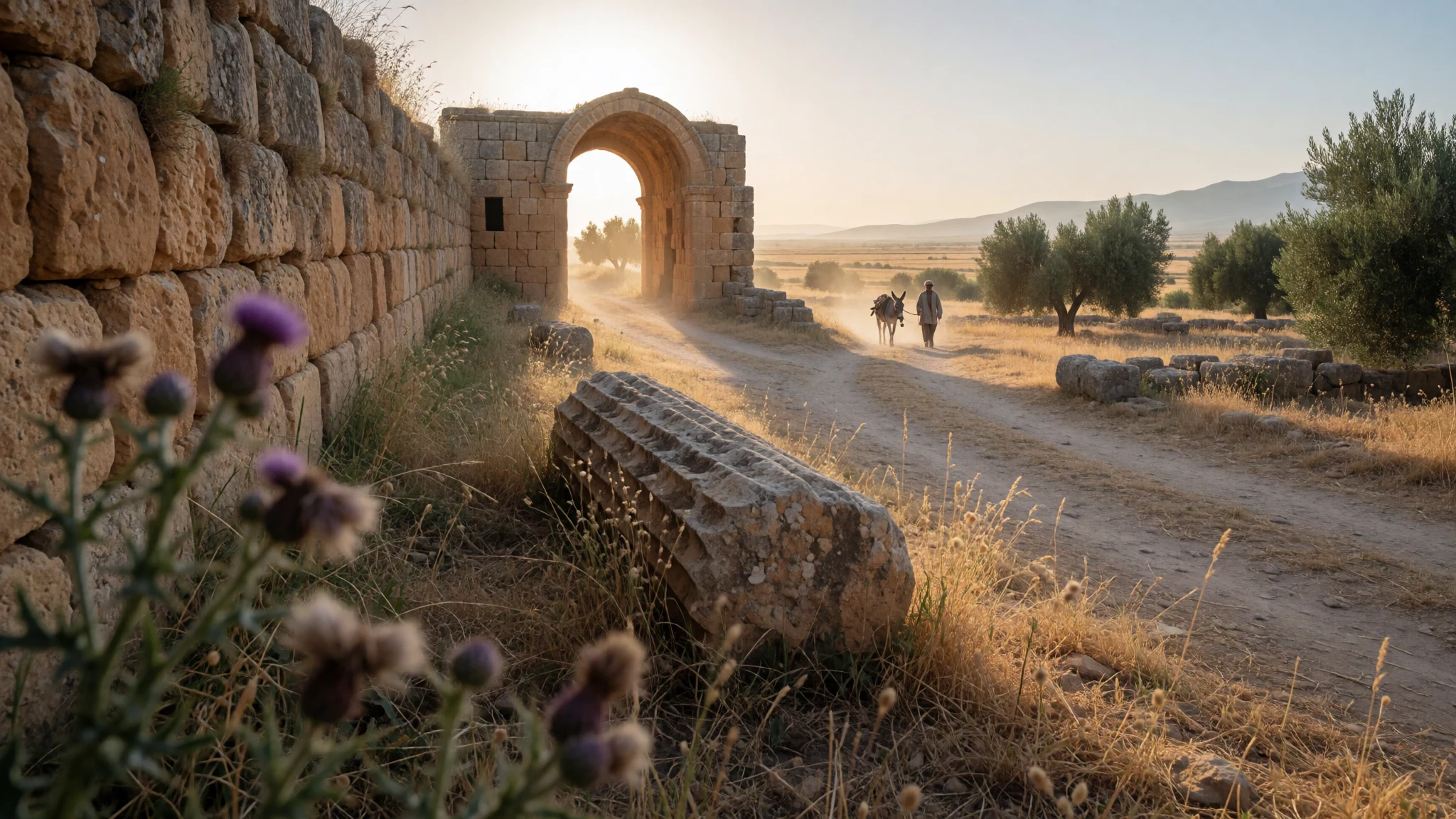
Fier is a working Albanian plains town and an easy, unpolished base for the Greek and Roman ruins of Apollonia and Bylis.
The place
Fier lies on the Myzeqe Plain in south-western Albania, about 20 m above sea level, with a population of 52,926. The Gjanica river runs through it. The Seman bounds the plain to the north and the Vjosë to the south, while the Mallakastra foothills rise to the south-east. The Adriatic is close enough to give the town a Mediterranean climate: long, hot, dry summers and a milder, wetter winter. Flat farmland and patches of marsh surround the built-up area, so the horizon is wide and the evening light is soft over the fields.
This is a working town rather than a postcard one. Together with nearby Patos, it has been a centre of Albania's oil, bitumen and chemical industries, and a large power station once stood here before it was decommissioned. The centre mixes communist-era blocks, tree-lined streets, a central park, a mosque and a cathedral, with cafés spilling onto the pavements after dark. Few people come for Fier itself. They come because the ruins of Apollonia and Bylis are a short drive away, and the town has the beds and the food to make a sensible base.
Roads are good by regional standards. The A2 motorway and the SH4 highway pass close by and form part of the north–south Adriatic–Ionian corridor. Tirana, Berat and Vlorë are all within an easy bus or car journey.
Its story
Fier is a young town on very old ground, and its story starts with what seeps out of the earth. Ancient writers noted lumps of bitumen in the Seman, pitch along the banks of the Vjosë, and a flaming rock near Apollonia where hot springs and asphalt came together. Burning natural gas was reported here as early as the first century AD, and the oil and bitumen of this plain have shaped local work ever since.
Apollonia is the older neighbour. Greek colonists from Corfu and Corinth founded it in 588 BCE on land held by Illyrian tribes, and it later became a Roman town before declining. Fier itself was not a town for most of that time. In the fourteenth and fifteenth centuries, Venetian traders used the spot as a place to buy grain and other produce from the Myzeqe lowlands, a market role the place never entirely lost.
The modern town was formally founded in 1864 by the Vrioni family, who were local landowners and governors. Kahreman Pasha Vrioni invited French architects to plan a city for artisans and trade, and rows of shops for merchants were laid out beside the Gjanica. The twentieth century added heavy industry: oil fields, chemical works and, in the communist era, a power plant that closed in 2007. A Greek-Albanian venture has since been announced to bring those thermal plants back into use, so the industrial thread continues.
What to see
- Central park and the town centre — Town centre
The central park and the streets around it are the best way to get a feel for Fier. A mosque stands beside the park, tree-lined avenues lead off in several directions, and a roundabout marks the middle of things. Come in the early evening, when families and students fill the benches and cafés.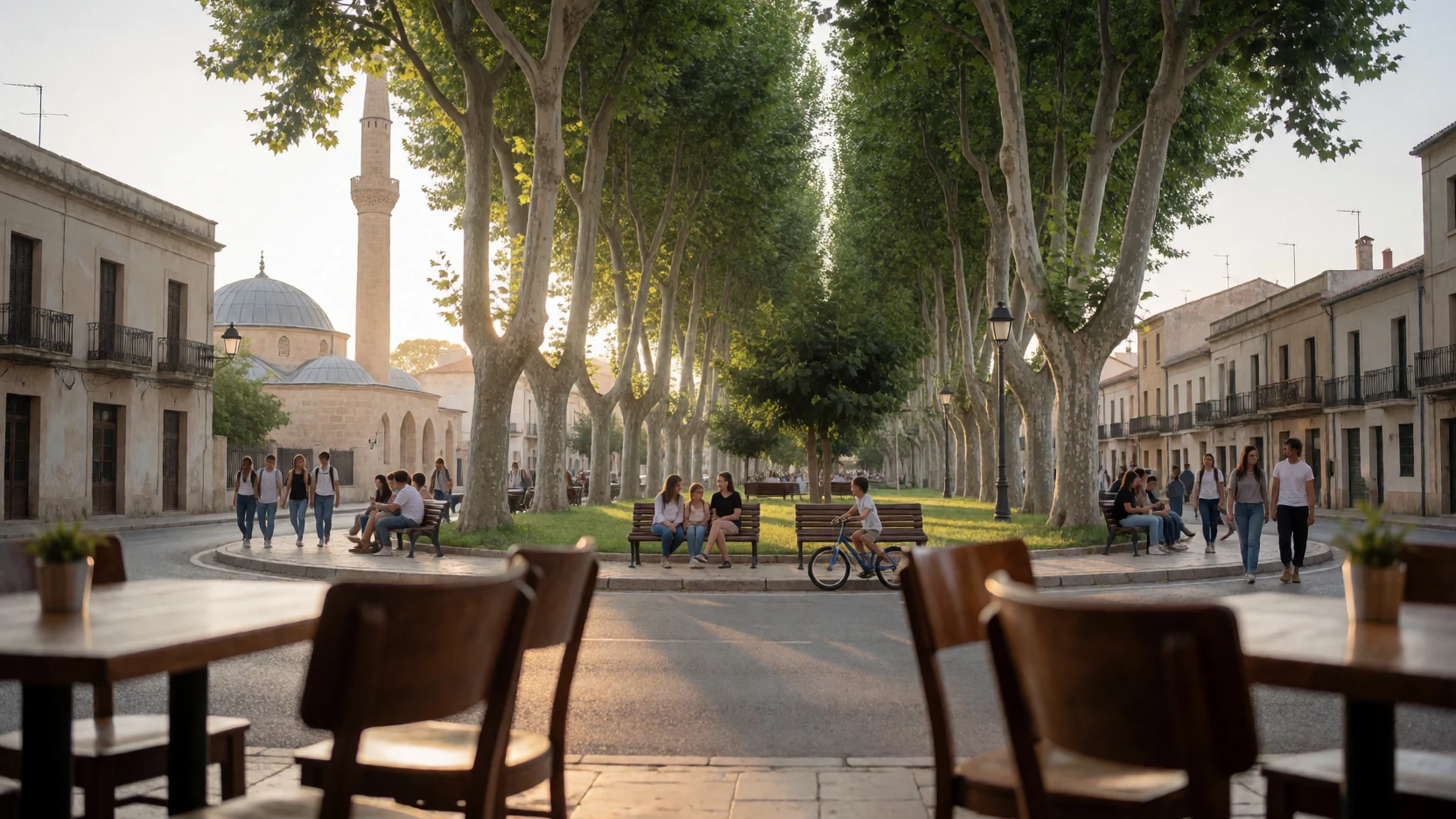
- Saint George Cathedral — Town centre
Saint George Cathedral (Shën Gjergji) is the town's main church and a calm stop between the museum and a coffee. Dress modestly and keep quiet if a service is under way. Opening arrangements vary, so ask locally; the building and its surrounding streets repay a short look either way.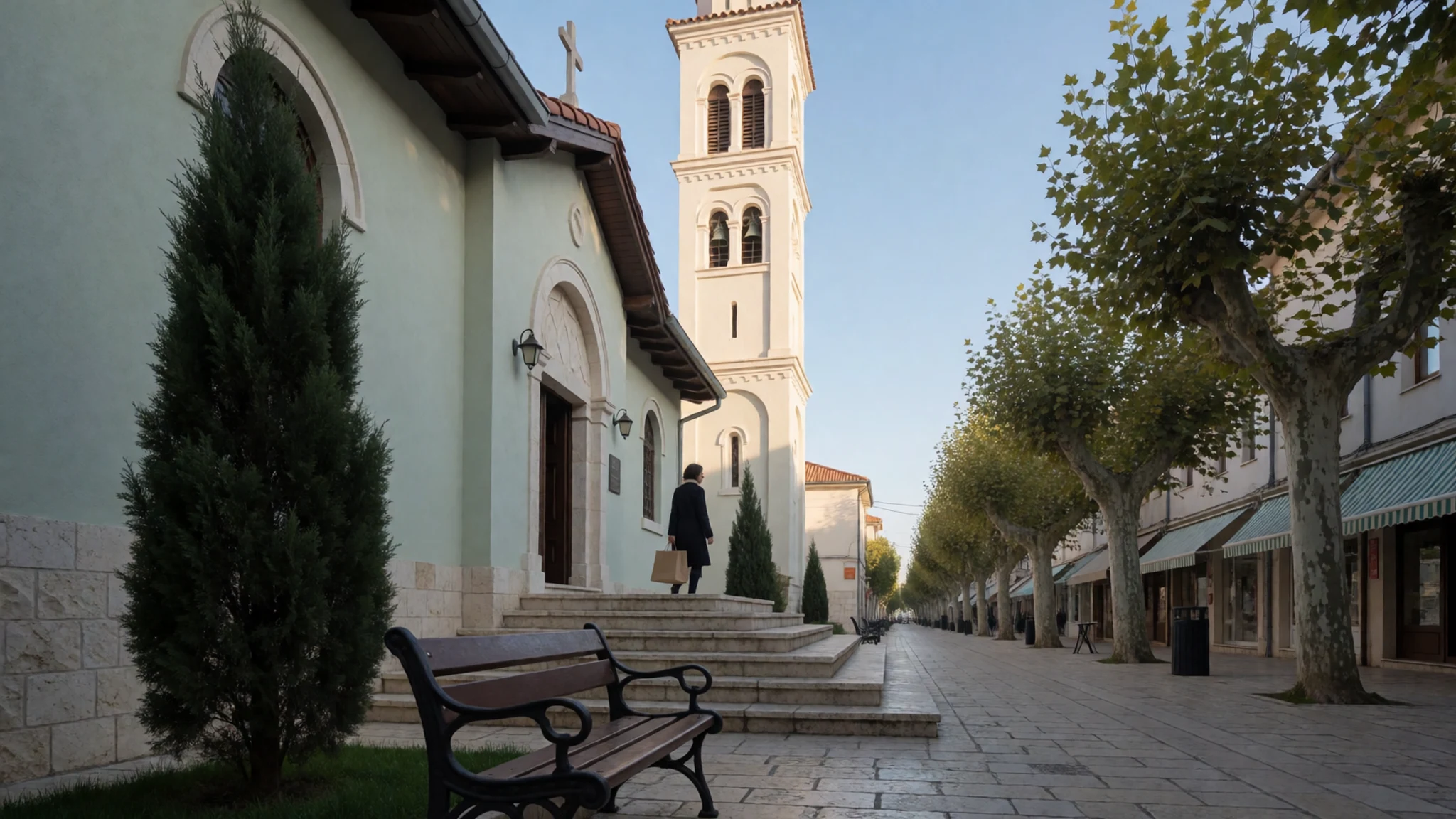
- History Museum of Fier — Town centre
This is the only museum in the city itself, and its local collection is a useful primer before heading out to the ruins. It gives context for the oil, trade and Vrioni-era story of the town. Opening hours change, so check the municipality's official site, bashkiafier.gov.al, before making a special trip.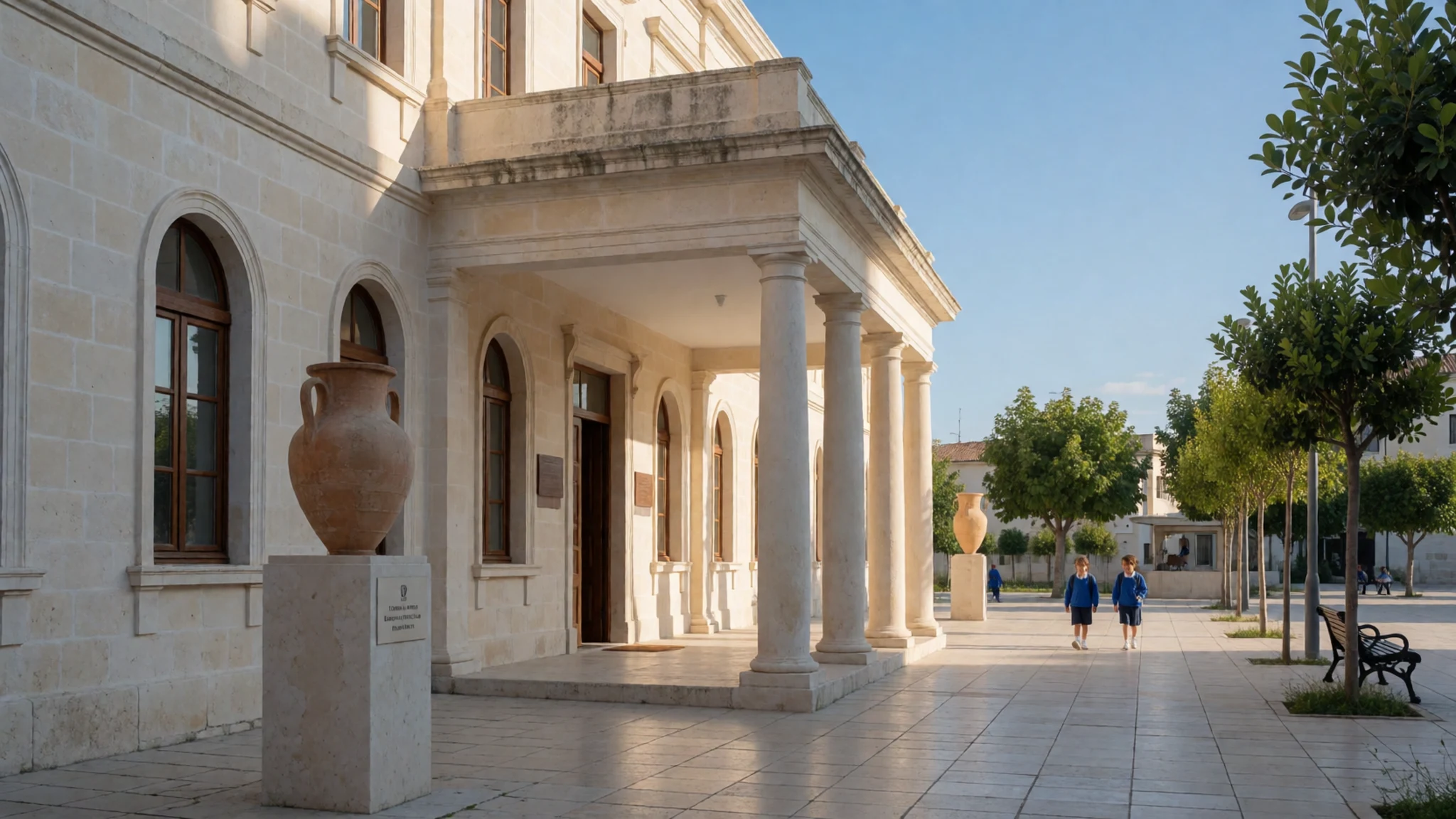
- Apollonia and its museum — A short drive from Fier
Apollonia was a Greek colony, then an Illyrian and Roman town, and remains from each period survive, some well preserved and others faint. The archaeological museum occupies rooms along the monastery walls, with halls of finds from the area. Allow half a day, wear sturdy shoes and bring water, as shade is scarce in summer.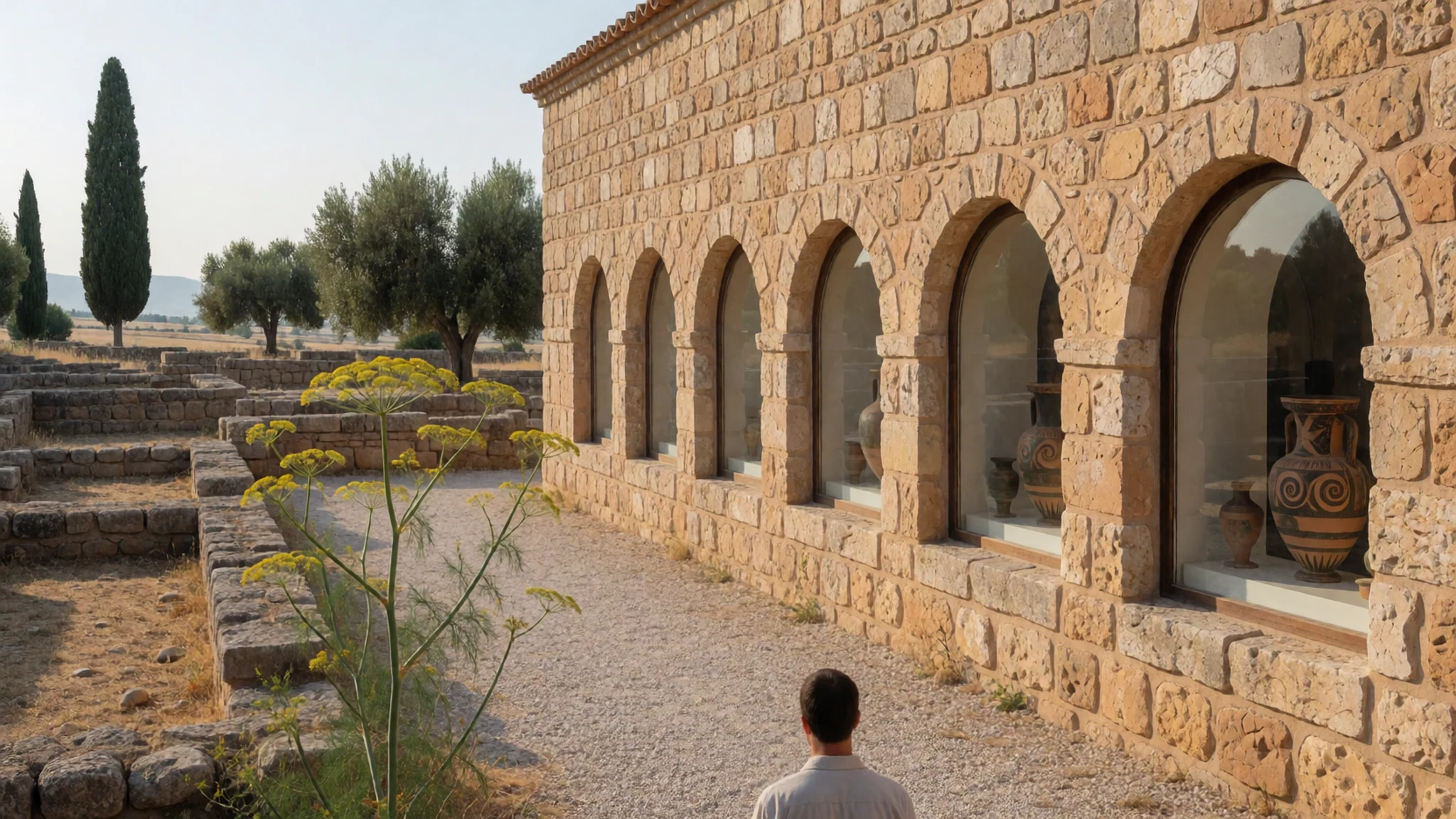
- Ardenica Monastery — Countryside near Fier
Ardenica is an Orthodox monastery set in the countryside around Fier, and it pairs naturally with Apollonia on a half-day outing. Dress modestly, keep voices low, and ask before photographing anyone or anything inside. Arrange a taxi or car, since public transport out here is infrequent and informal.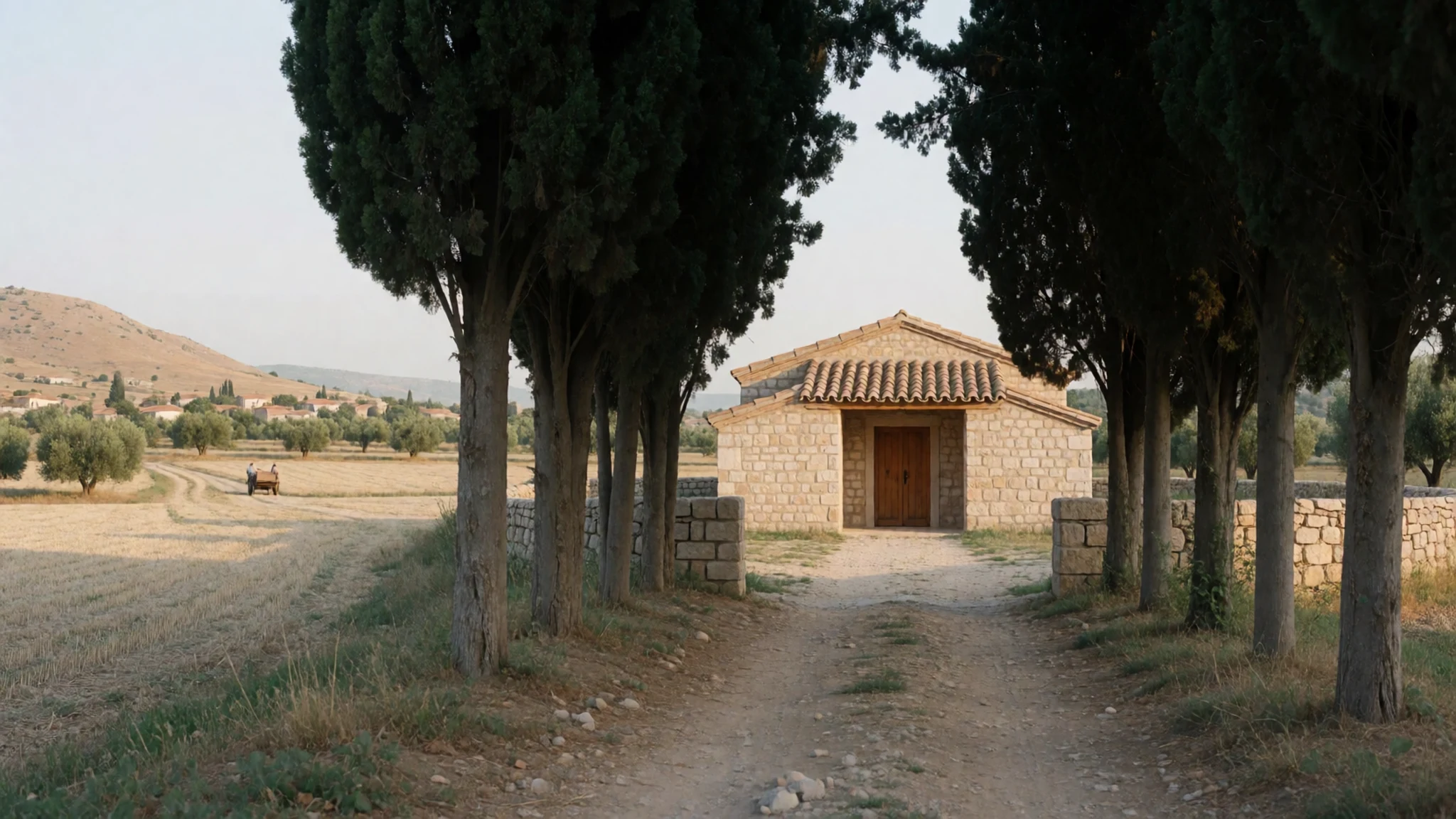
- Bylis Archaeological Park — Hekal village, south-east of Fier
Bylis is a large archaeological site on a hill above the plain, near the village of Hekal, with the remains of a classical-era city. It is further out than Apollonia, so a car or taxi helps. There is little shade, so choose spring or autumn and carry plenty of water.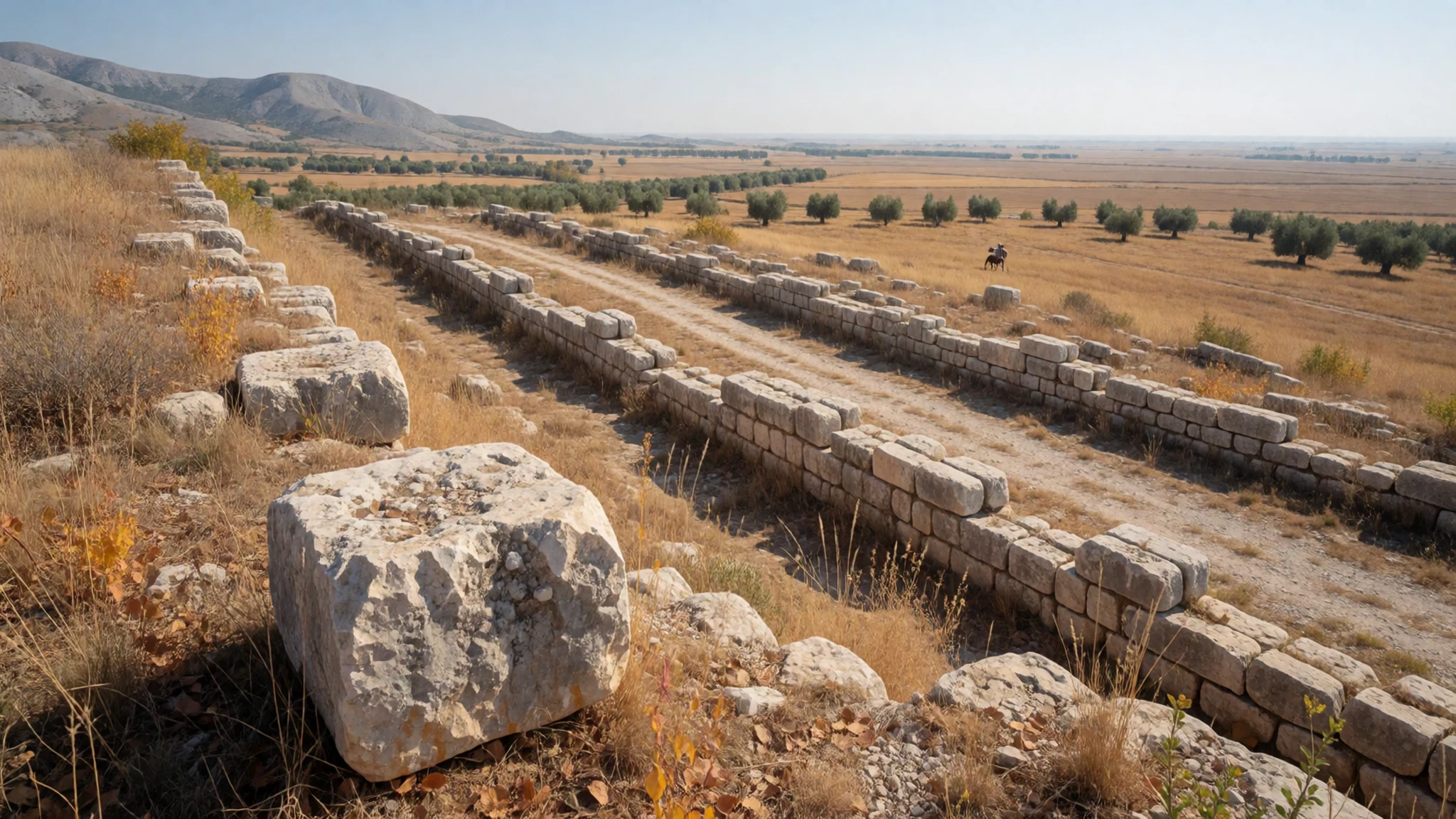
Culture
Fier's public life revolves around football, basketball and the evening stroll. KF Apolonia is the main football club, with Loni Papuçiu Stadium as its home ground, and KF Çlirimi plays in a lower division. BC Apolonia is the basketball club, based at the Fier Sports Palace. Match days are a good way to meet locals, who are usually keen to talk about the team's fortunes.
The town's religious mix shows in the skyline. A mosque and a cathedral stand within walking distance of each other, and the wider area includes Orthodox monastic heritage. Daily life is relaxed and café-centred: coffee takes a long time, bars double as daytime cafés, and hospitality towards visitors is generous, even where English is limited. Because Fier sees few tourists, people tend to be curious and helpful rather than commercial.
Industry has left its mark on local identity too. Many families have worked in oil, chemicals or power generation, and the museum and older residents will tell the story if asked. Expect a town that is proud of its work and ordinary routines rather than one dressed up for visitors.
Before photographing people, or going inside a church or mosque, ask first, cover your shoulders and knees, and take off your shoes wherever others have left theirs at the door.
What to wear
Traditional Albanian dress varies by region, and Fier's mix of farming and town life means it is seen mostly at festivals, weddings and folk-dance performances. Men's costume often includes the white felt cap called the qeleshe, a embroidered waistcoat (jelek) and, in some regions, the pleated fustanella. Women's festive dress uses wool, felt, silk and heavy embroidery, with aprons, waistcoats and head coverings. The bell-shaped felt xhubleta belongs to the northern highlands, not to this plain, so it is better seen in museums or on stage.
Day to day, people in Fier dress much as in any southern European town. Jeans, trainers, shirts and light jackets are normal, and young people are fashion-conscious in the cafés on weekend evenings. Smart-casual is the usual choice for dinner, and older residents often dress a little more formally for the evening walk.
Visitors should plan around the climate. In summer, wear light cotton or linen, a hat and sunscreen; in winter, bring a waterproof layer, as rain is frequent. Pack sturdy, closed shoes for the uneven stones at Apollonia and Bylis. For churches, monasteries and the mosque, carry something to cover shoulders and knees, and wear footwear that is easy to slip off. Shorts and vests are fine in town but may draw looks at religious sites.
What to eat
- Burek — Bakeries and simple eateries in the town centre
Flaky pastry filled with cheese, spinach or minced meat, baked in a large tray and sold by the slice. It is an everyday breakfast or midday snack in Fier. Look for busy bakeries in the morning, when the trays come out fresh.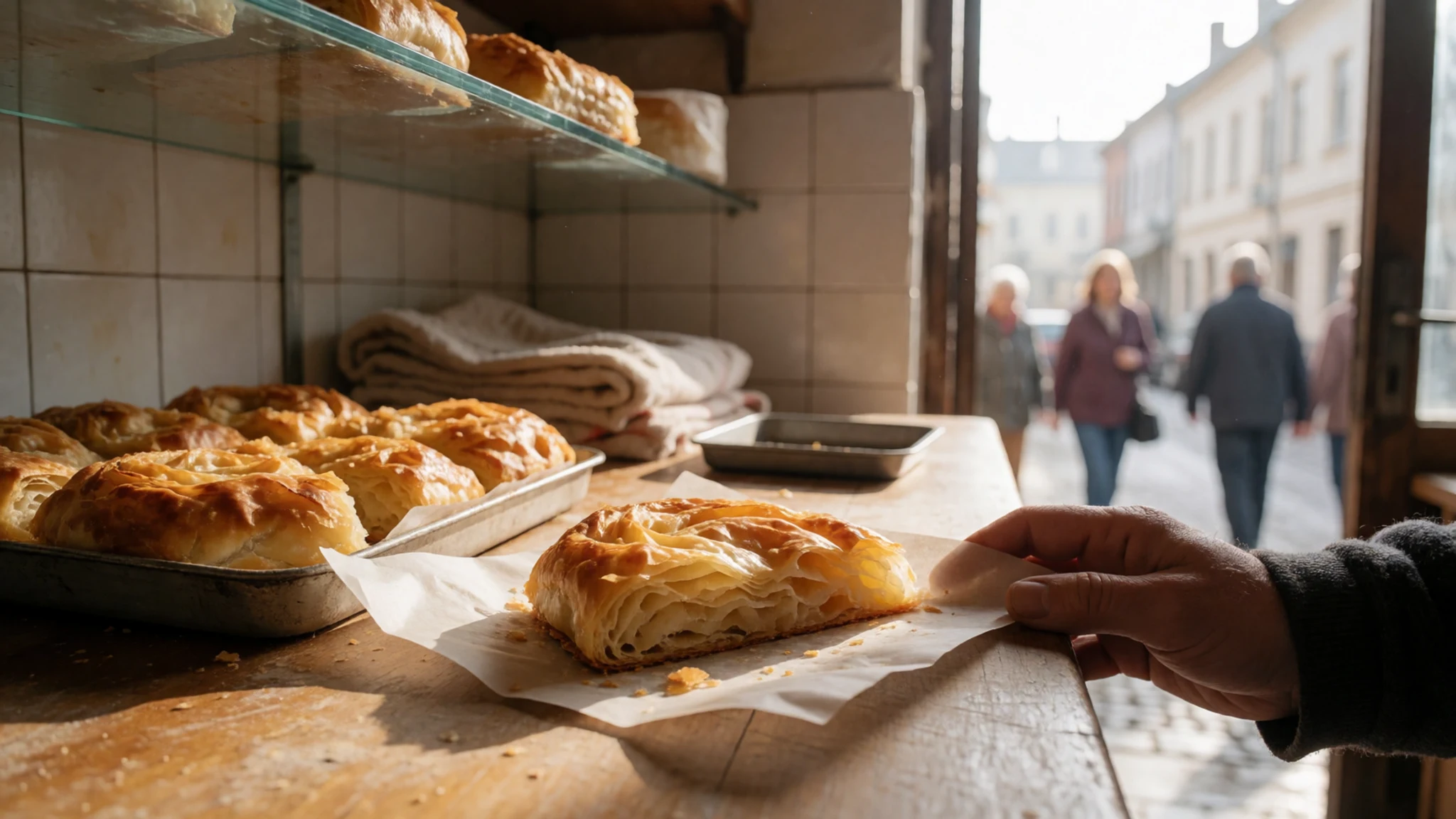
- Petulla — Cafés, bakeries and family-run eateries
Fried dough pancakes, eaten warm, either sweet with icing sugar and jam or savoury with white cheese. They are a familiar comfort food across Albania. Order a few to share with coffee, and expect them to be best straight from the pan.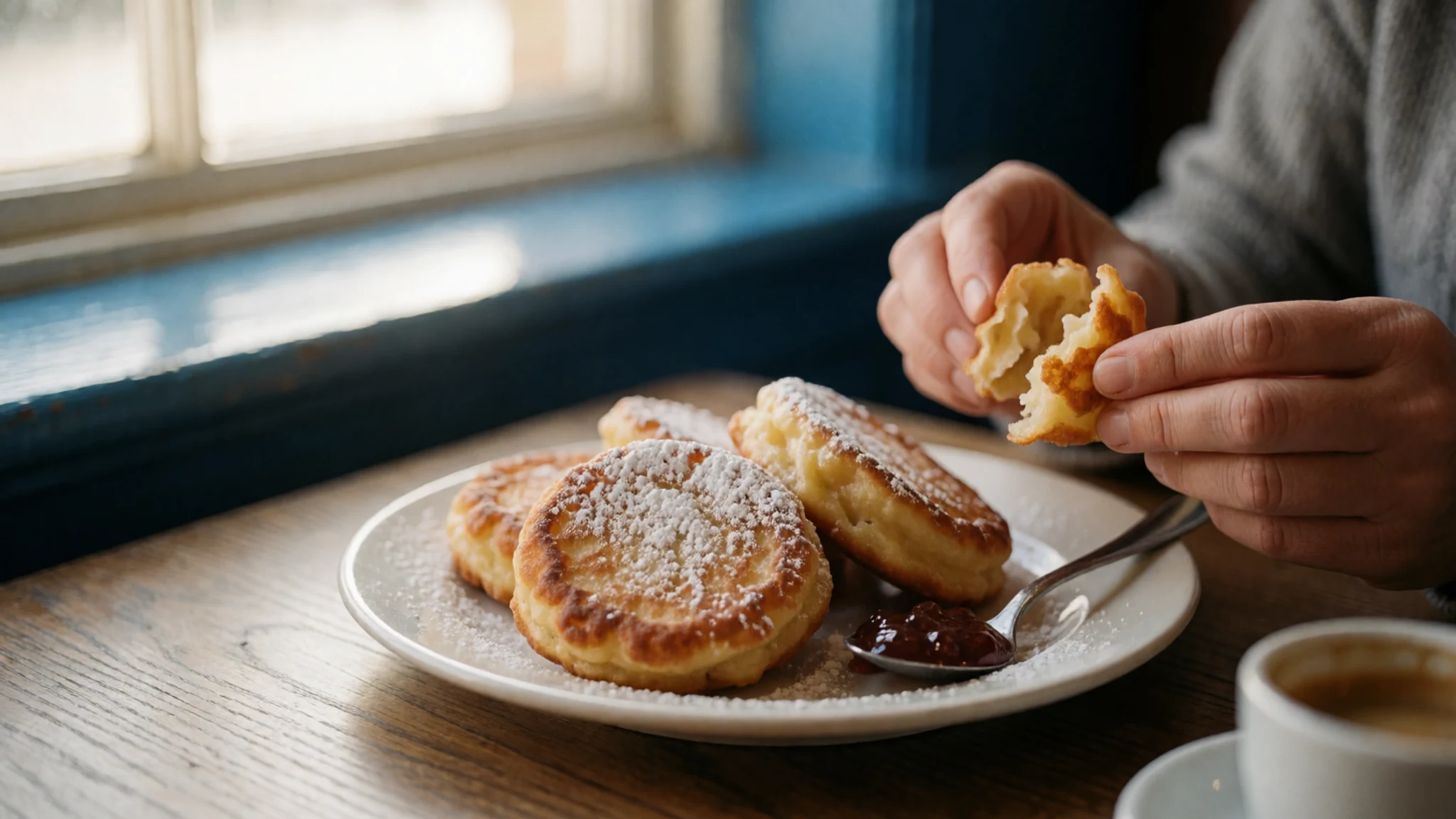
- Embëlsirë me misër — Home-style eateries and family restaurants
A local dessert made with corn, which reflects how important maize has been in Albanian farming. It is not on every menu, so ask what the kitchen has that day. Expect something simple, filling and not overly sweet. - Pizza by the slice — Small pizzerias around the central square
Fier has a lively fast-food scene, and pizza eaten on the move is a favourite with students and office workers. Small counters near the centre sell it hot, folded or in paper, which makes it a handy cheap lunch between museum and bus. - Ice cream and sweets — Sweet shops and ice-cream counters near the park
Evening strollers often stop at a sweet shop for ice cream, pastries or syrupy desserts. Sit on a bench by the central park and watch the xhiro, the early-evening walk, unfold. In summer, queues build up at the better-known counters after sunset.
Plan it
Best time. April–May and September–October, when days are mild and dry enough for the open ruins. July and August are hot with little shade, and winter is cooler and wetter.
How long. 2–3
Getting there. Fly into Tirana, then take a bus to Fier; services run roughly every half hour and the journey takes about two hours. From Berat, minibuses run once or twice an hour and take a little over an hour. Vlorë connects by shared taxi. By road, the SH4 highway passes near Fier.
Budget. low
Tips
- Ask locally where your bus leaves from, as stops are often unmarked and the new bus station is of little use
- Use Fier as a base and visit Apollonia and Bylis on separate mornings, before the heat builds
- Carry cash for small cafés, bakeries and taxis, and check the municipality's site (bashkiafier.gov.al) for museum hours
- Bring water, a hat and sturdy shoes for the ruins, where shade is scarce
Etiquette
- Dress modestly and speak quietly in churches, monasteries and the mosque
- Ask before photographing people, especially older residents
- Accept offered coffee or sweets graciously, as refusing can seem curt
Nearby
Sources
- Wikidata Q190897 (CC0)
- Wikipedia: Fier (rev 1383962868) (CC BY-SA 4.0)
- Wikivoyage: Fier (rev 5402016) (CC BY-SA 4.0)
- Central park-City of Fier, December 2018 — Bledian2020 (CC BY-SA 4.0)
- Fier, Albania 2022-11-03 - Trees along street — Sharon Hahn Darlin (CC BY 2.5)
- Market centrum Gold Center, Fier, September 2018 — Karelj (CC BY-SA 2.5)
- Museum of Apollonia — Carole Raddato (CC BY-SA 2.0)
- Kisha e Shën Gjergjit (Strumë) — ShkelzenRexha (CC BY-SA 4.0)
- Downtown Fier, city park and mosque — Albinfo (Public domain)
- Universiteti i Fierit, Fier — Sharon Hahn Darlin (CC BY 2.5)
- Roundabout in the centre of Fier, September 2018 — Karelj (CC BY-SA 2.0)


