Failaka Island
Failaka Island, Kuwait
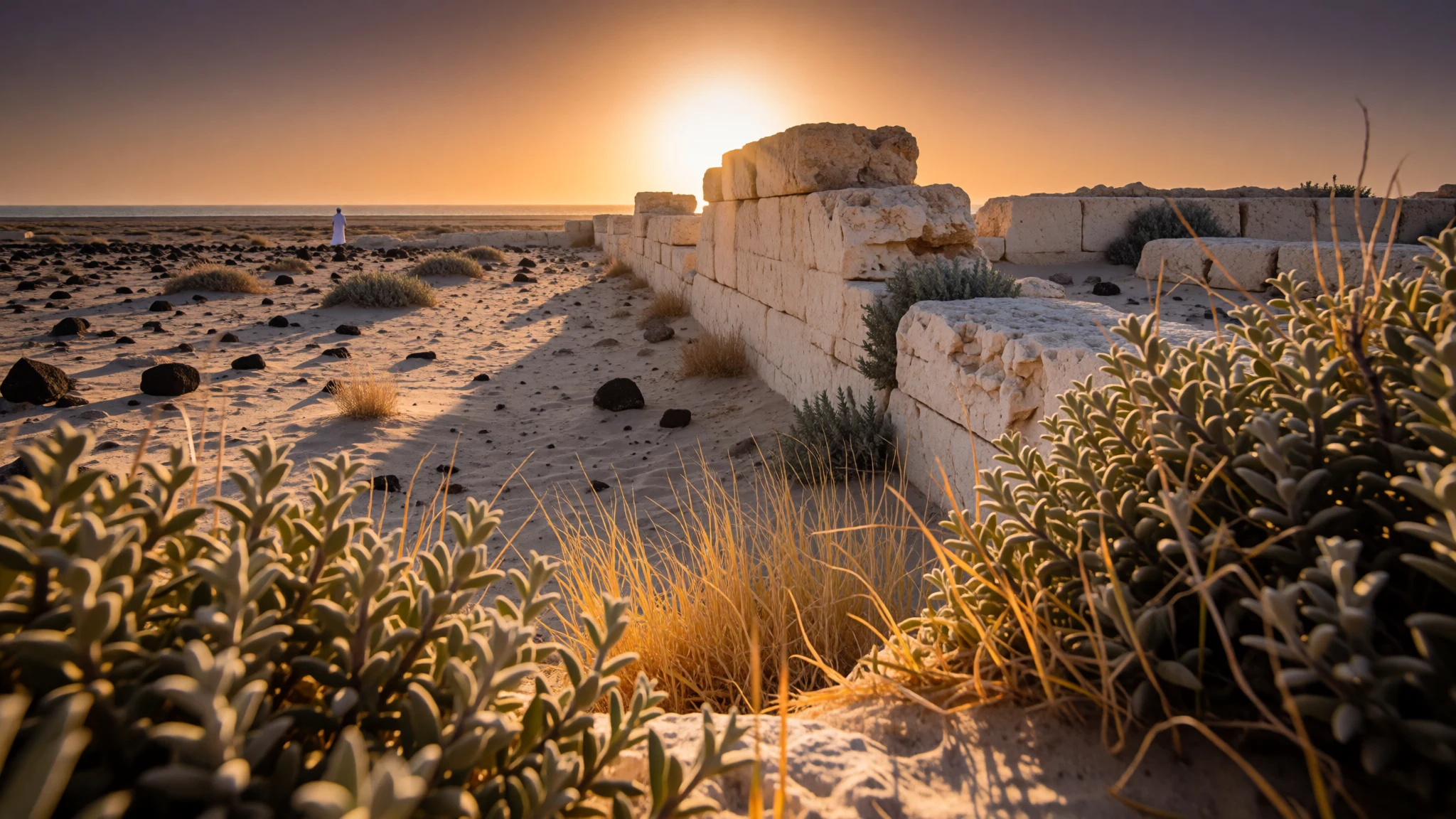
Failaka Island pairs Gulf beach scenery with ruins tied to Dilmun and Mesopotamian trade routes.
The place
Failaka Island (Arabic: فيلكا Faylakah / Fēlaka; Kuwaiti Arabic: فيلچه) sits in the Persian Gulf, belonging to Kuwait, and lies about 20 km off the coast of Kuwait City. The approach already feels different from mainland travel: the horizon opens, the light turns salty and bright, and the island’s flat geography makes every patch of stone you notice feel intentional.
Geography here matters because Failaka is a strategic speck in the shipping lanes. For thousands of years it was treated as a prize for anyone trying to control trade moving up and down the Persian Gulf, and the island was continuously inhabited since antiquity. Even after earlier civilisations faded, later periods still left their marks, so the island reads like a stack of time—Mesopotamian settlements, later regional power shifts, and modern traces.
The practical side is that Failaka is not a “walk-every-street” kind of destination. Most visits revolve around getting out to the historic area and taking the route slowly, watching how the landscape frames the remains. Conditions can be hot and exposed, so midday often becomes a photos-and-water break rather than long wandering.
If the mainland of Kuwait City feels organised and fast, Failaka feels like a pause—windy, sunlit, and built for those who enjoy archaeology as much as sea views.
Its story
Failaka Island’s story begins with people arriving after sea levels changed. Settlement is linked to around 2000 BC following a drop in sea level, and from there the island became part of longer Mesopotamian connections. In the third millennium BC, it was tied to the rise of the Sumerian city-state of Ur, when traders from Ur inhabited the island and ran mercantile business.
During the Dilmun era, Failaka was known as “Agarum”, described in cuneiform texts as the land of Enzak, a god in the Dilmun civilisation. Later, Enzak was identified with Nabu in the Neo-Babylonian period, connecting the island’s religious framing to literacy, rational arts and scribes—so even without a full museum walkthrough, you can sense why written culture mattered here. The island’s role as a hub is described for the period from the end of the 3rd millennium BC to the middle of the 1st millennium BC.
Beyond the big epochs, Failaka also carries smaller clues: inscriptions on a seal include a king’s name and references that tie later rulers to Dilmun titles and Amorite names. Later, Dilmun’s commercial power declined after about 1800 BC, and piracy is mentioned as something that flourished across the region during the downturn. After about 600 BC, Babylonians added Dilmun to their empire.
Across these shifts, the common thread is continuity of settlement and strategic importance. Even up to the Gulf War era, the island was described as having been the longest continuously inhabited place in Kuwait—until modern conflict changed what travel and life looked like there.
What to see
- Historic site area (the mint setting) — Near the ancient settlement area
Failaka’s best anchor is the ancient zone where the island’s story is most visible. Look for stone remains set against Gulf wind and bright sky—this is where the island’s Dilmun-era role in older trade life comes through.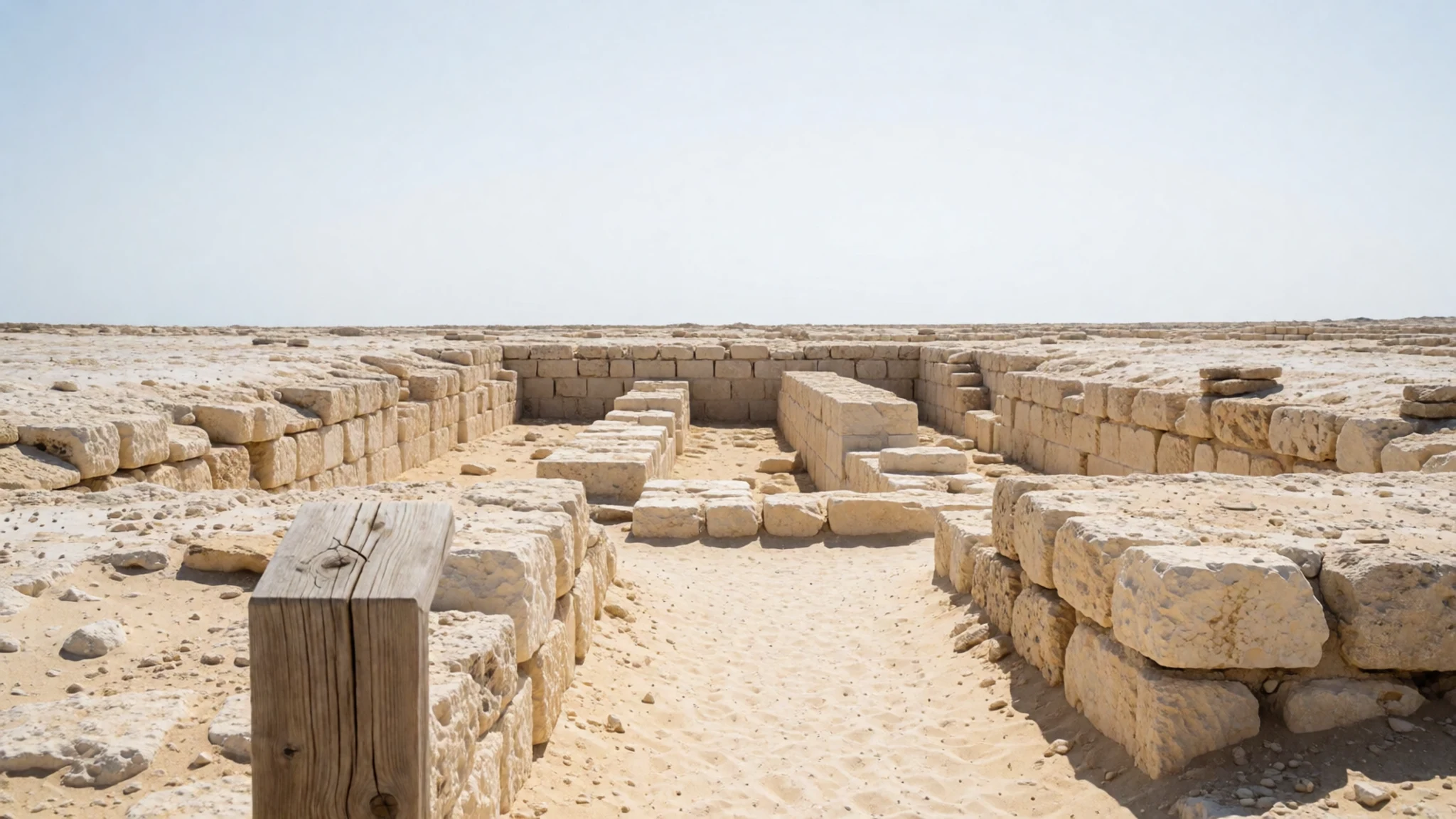
- Dilmun-era context walk — Along the main approach routes on the island
The Dilmun era is the island’s headline chapter, and walking the accessible paths helps you picture a trading hub. Take your time reading the terrain: open views and exposed ground help explain why control of routes mattered.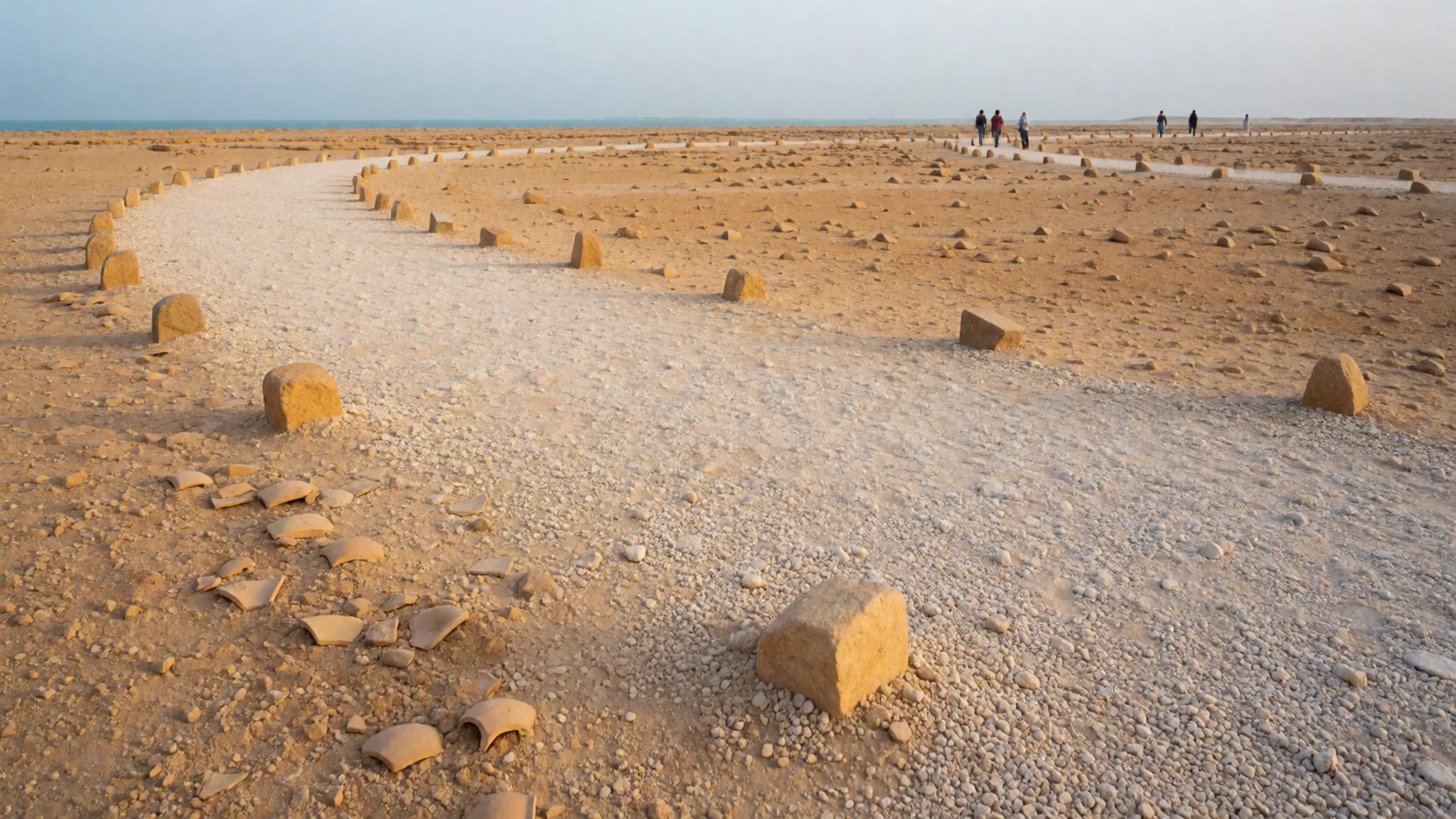
- Mesopotamian settlement traces — Within the archaeological footprint
Failaka is described as having Mesopotamian-style buildings resembling those typical of Iraq from around 2000 BC. Even if ruins are fragmentary, the layout cues—borders, building-like stone alignments—make the chronology feel tangible.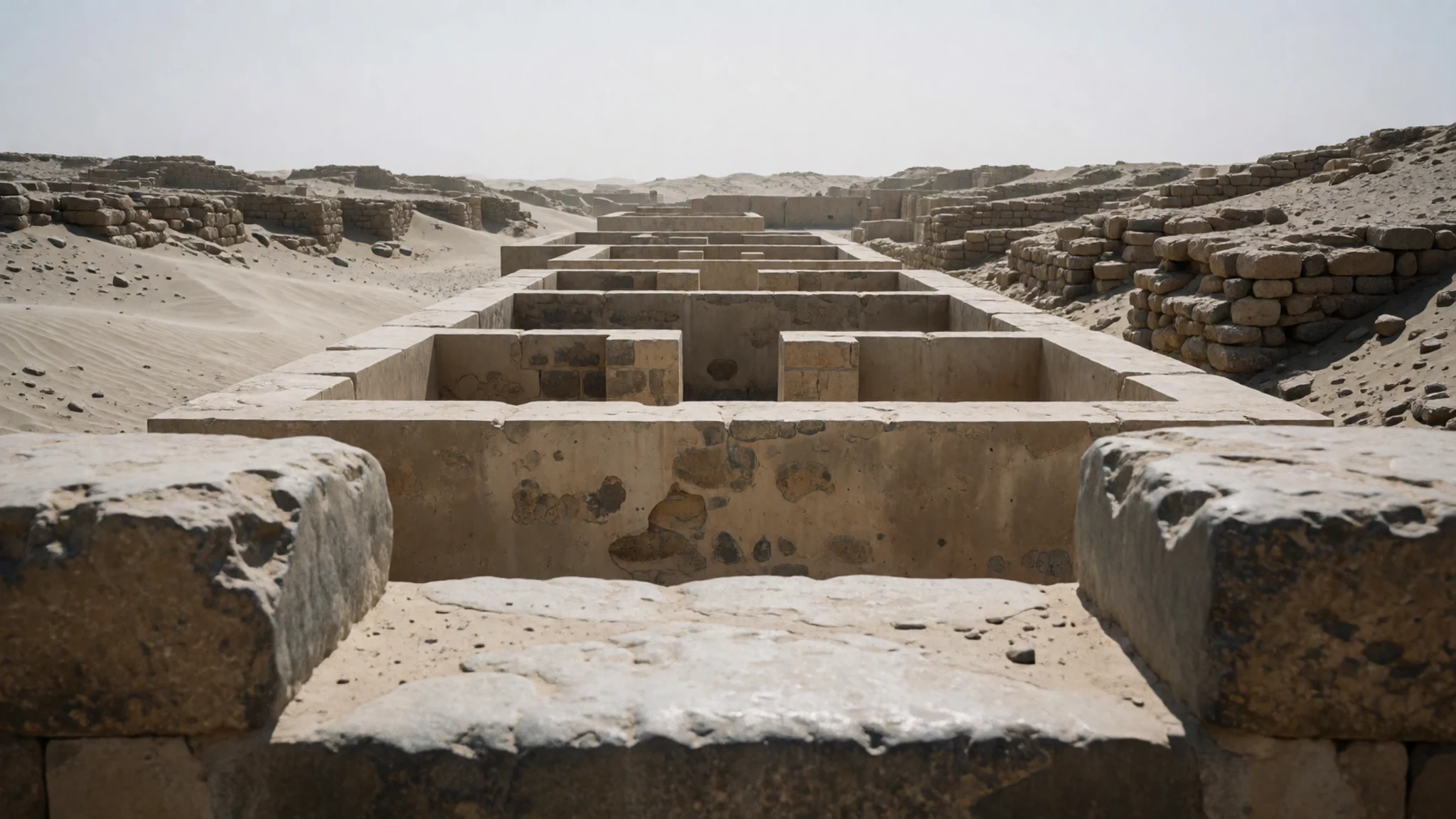
- Persian Gulf coastline views — Coastline and shoreline viewpoints
Between history stops, shift focus to the sea. The island’s location about 20 km off Kuwait City is what gives these long, clean lines; the coastline is the constant reminder that the ruins sit on a strategic shipping corridor.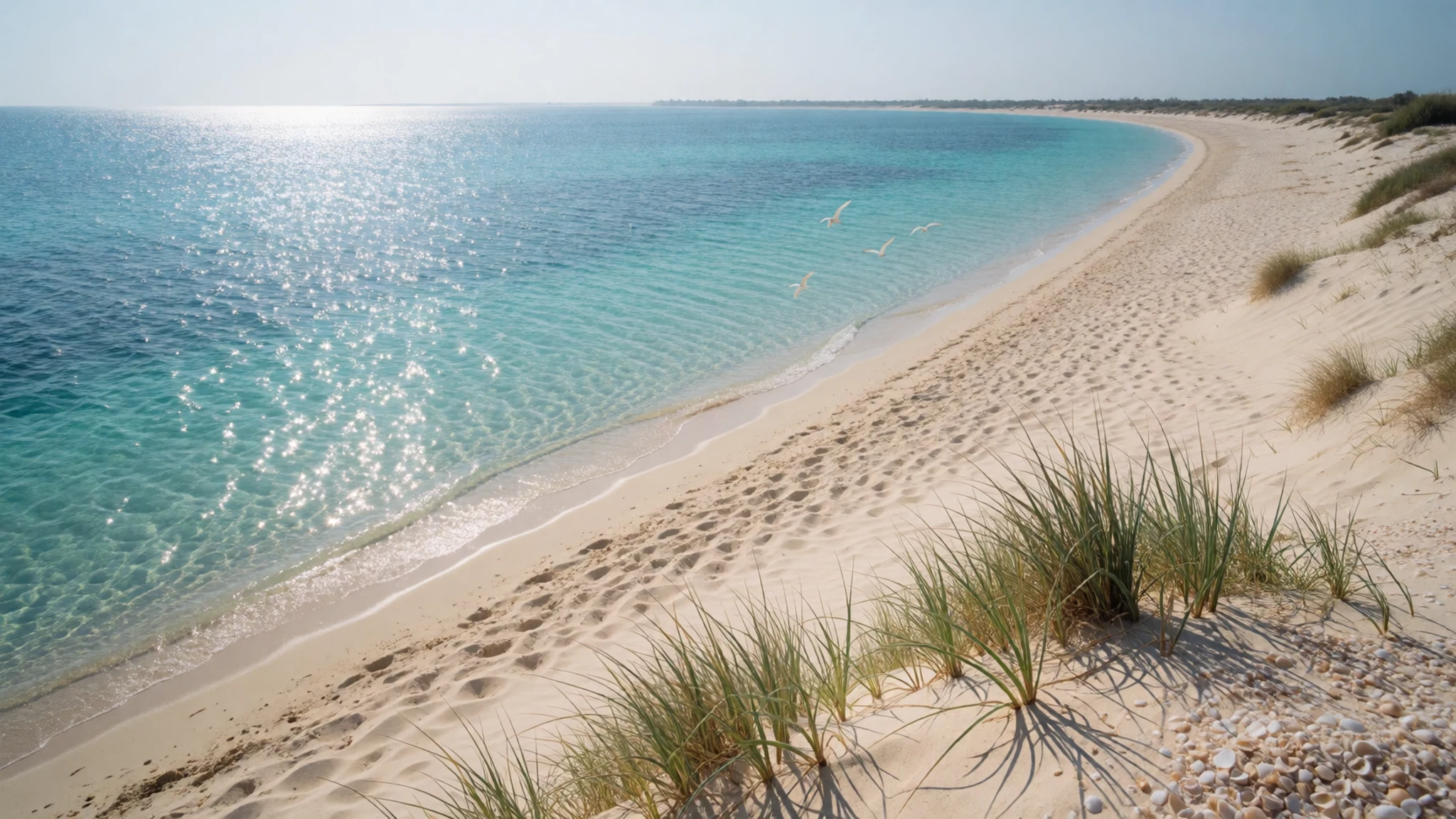
- Seal and inscription story angle — Historic interpretation points near the site area
For a history-focused visit, keep the seal inscription details in mind while scanning for interpretive points. The references to rulers and titles are why this island matters beyond local archaeology—it's part of a wider Dilmun narrative.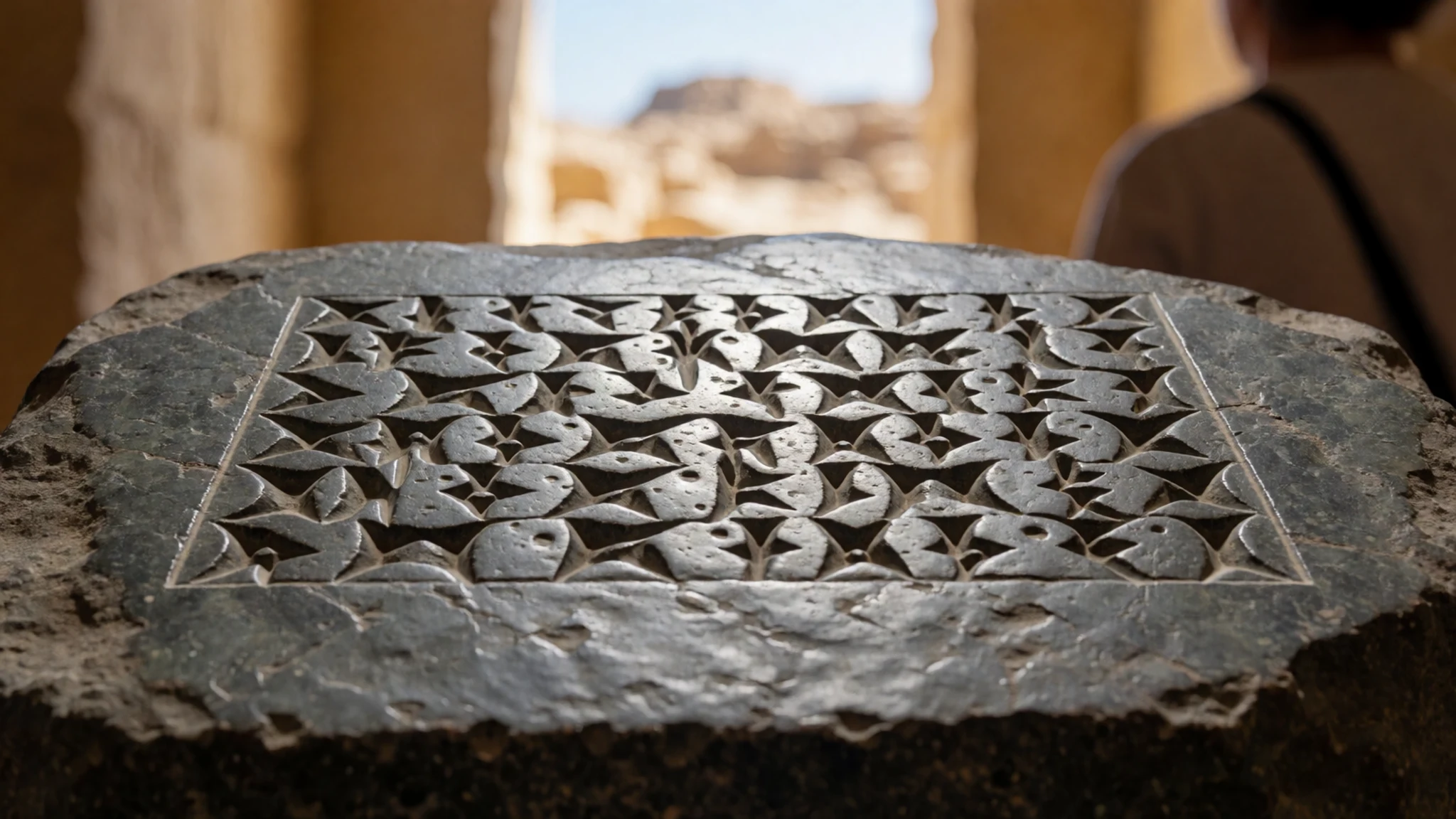
Culture
Failaka Island’s culture is quieter than a city trip: the island’s main “performance” is weather and respect for archaeological ground. It’s a place where ruins sit in open air, so people tend to keep moving at a calm pace, pausing for photos and for reading any onsite context. The Gulf environment also shapes behaviour—heat and glare can make visitors shorten walks and seek shade breaks.
Dress norms are typically about modesty and sun protection rather than nightlife or crowds. If there is any guidance at the site, follow it, and keep footwear sensible because uneven stone can make even short detours risky. It’s also worth remembering that these remains link to several eras of habitation, so the mood is more “careful observation” than “touch and explore”.
Local visits usually work best when the group is attentive and not intrusive, especially if other travellers are nearby taking their time. Keep voices low in the main historic zones so the atmosphere stays contemplative.
Visitor etiquette: stay on marked paths, avoid climbing on fragile remains, and don’t step into restricted archaeological areas.
What to wear
On Failaka Island, the practical goal is to handle sun, wind and occasional uneven ground while staying respectful at an archaeological site. Traditional Gulf clothing is common on the broader Kuwaiti mainland, and that same modest instinct makes sense here too: a long, loose thobe for men and a long, flowing abaya-style outer layer for women are typical choices, often made with lightweight fabrics suited to warm weather.
Away from the most formal looks, many visitors wear breathable summer clothing—long sleeves and light colours help with glare, while a hat and sunglasses can make the difference between an enjoyable afternoon and a rushed one. Footwear matters: choose closed-toe trainers or sturdy sandals with good grip for walking over rocky sections.
If visiting during warmer months, prioritise cooling layers that don’t restrict movement, and carry a light scarf or shawl to cover up when approaching any site areas with clearer expectations. Don’t plan on formal evening wear; this is a daytime, outdoor-focused island visit where comfort and sun protection are the first order of business.
For modesty and safety together, dress in long, loose layers and keep footwear solid—this keeps the visit comfortable and respectful.
What to eat
- Seafood snacks — Kuwait City waterfront eatery strips
On a Failaka day trip, seafood-style bites—grilled fish and simple starters—are the easiest win. Look for eateries and casual seafood options back near Kuwait City before or after the island outing.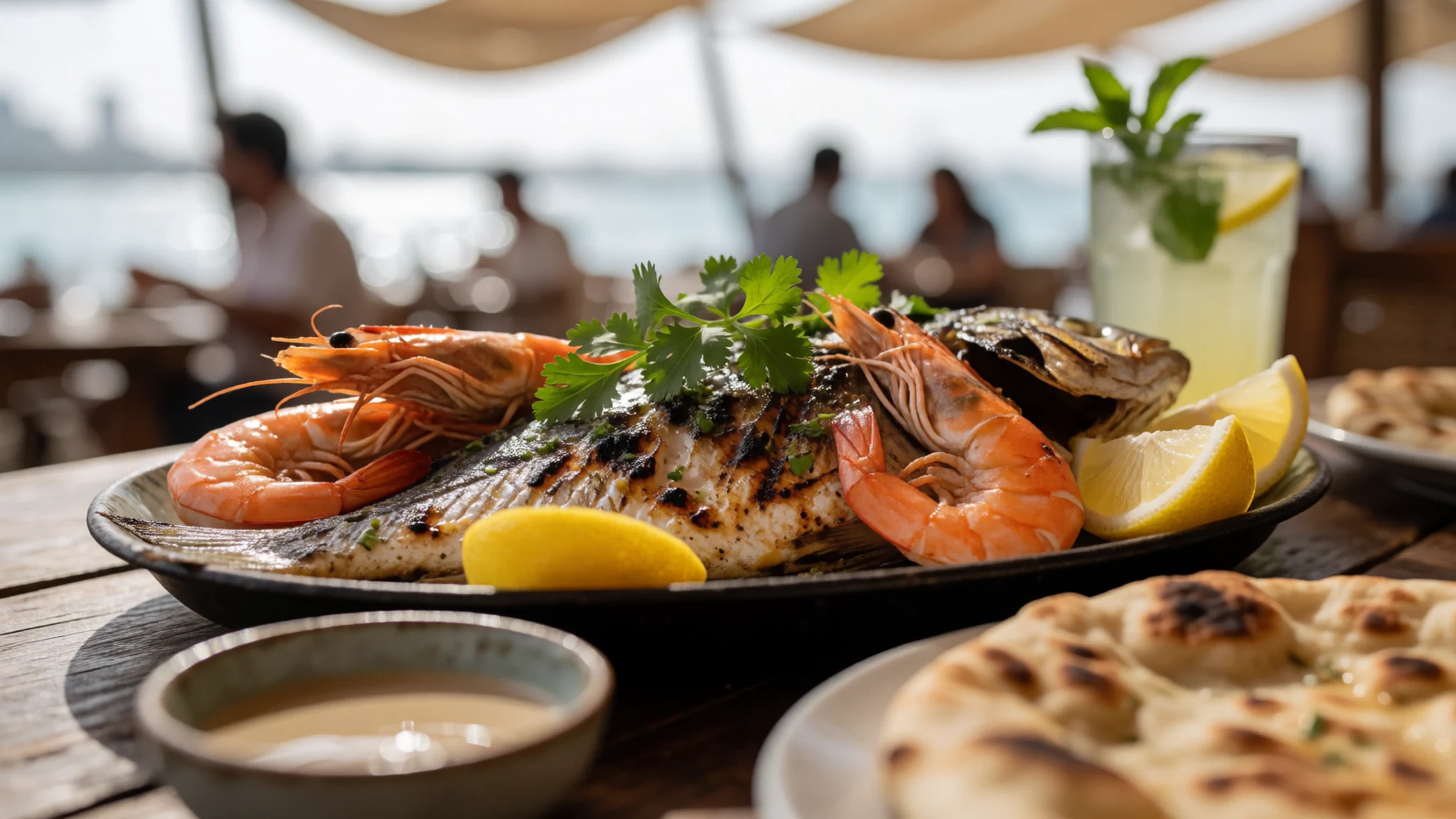
- Kuwaiti-style rice plates — Casual restaurants across Kuwait City
Rice-based mains show up in many Gulf menus, often paired with chicken, lamb or mixed seafood. For this kind of meal, the most consistent options are casual restaurants and family-run eateries around Kuwait City.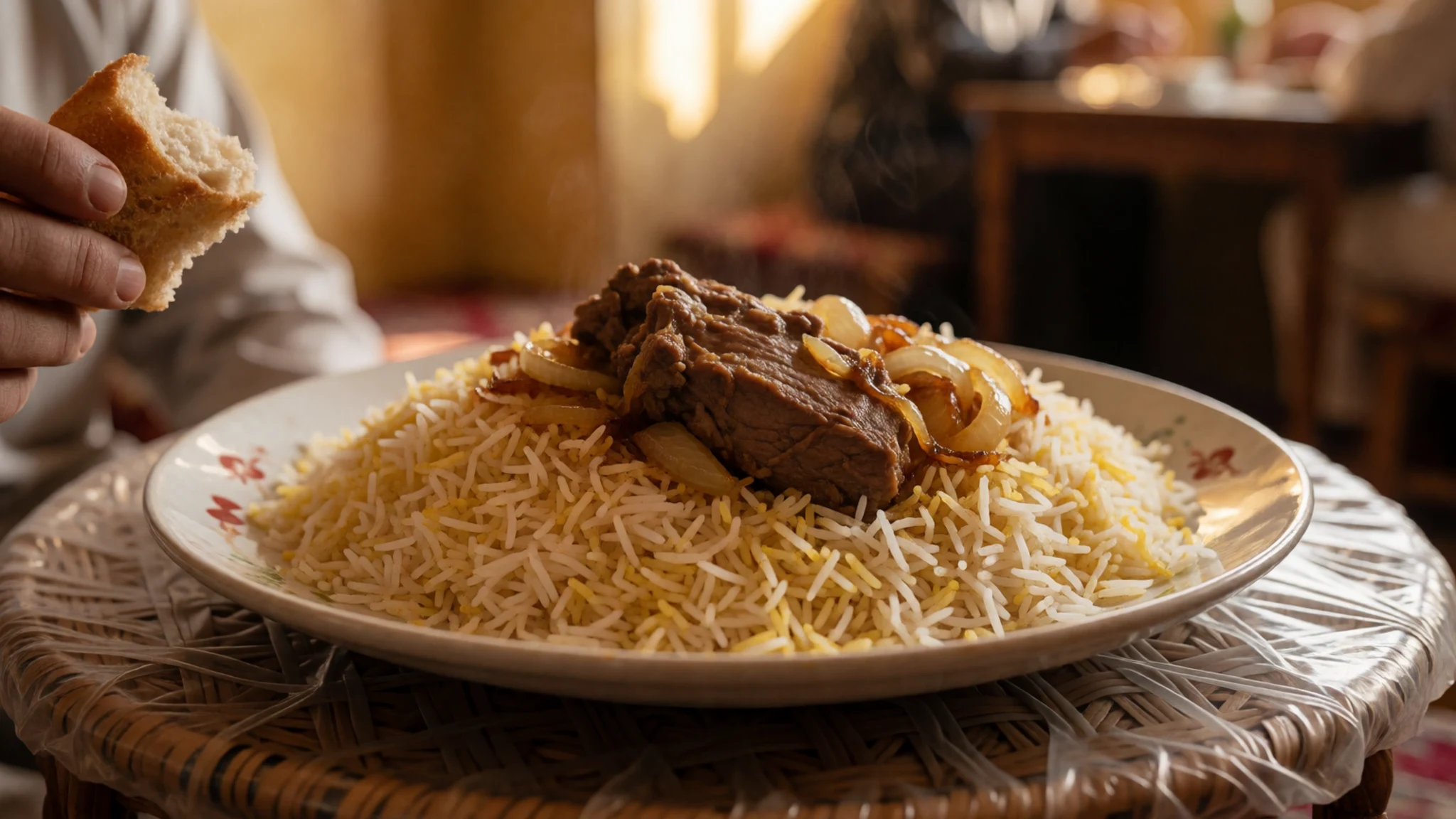
- Shawarma-style wraps — Takeaway and street-food kiosks in Kuwait City
For something quick between site stops, shawarma-style wraps are common and easy to eat on the move. You’ll usually find them in mainstream street-food clusters and takeaway counters around Kuwait City. - Thick lentil or chickpea soups — Local cafés and small eateries
Warm soups made from lentils or chickpeas fit well for a practical break, especially when the heat changes your appetite. Choose from small local eateries that serve everyday staples and comfort-food bowls. - Dates and Gulf sweets — Bakery shops and sweet counters
A small dessert stop—often around dates, pastries or sweet tea accompaniments—works well after a long outdoor day. Find them at bakery-style shops and sweet counters in central Kuwait City.
Plan it
Best time. The most comfortable months are March–April and October–November, when temperatures are lower than the hot midsummer stretch; June to September brings the hottest daily highs and most of the midyear dryness. Summers can be extremely hot and exposure can sap energy.
How long. 2–3
Getting there. Fly into Kuwait, then reach Kuwait City for the coastal transfer to the island; the last stretch is a sea crossing arranged locally for Failaka visits.
Budget. mid
Tips
- Plan for outdoor time: start early and keep a mid-afternoon water break
- Bring a hat, sunglasses and sunscreen; wind can still leave skin feeling sunburnt
- If you’re archaeology-focused, allow extra time at the main historic zone rather than rushing the coastline
- Carry some cash for small purchases and snacks during day trips
Etiquette
- Stay off fragile-looking stone remains and follow any marked routes
- Keep voices down in the archaeological areas
- Dress modestly for the site and for outdoor walking
Nearby
Sources
- Wikidata Q127430235 (CC0)
- Wikipedia (rev 1363957375) (CC BY-SA 4.0)
- Wikivoyage (CC BY-SA 4.0)