Ellora Caves
Ellora Caves, India
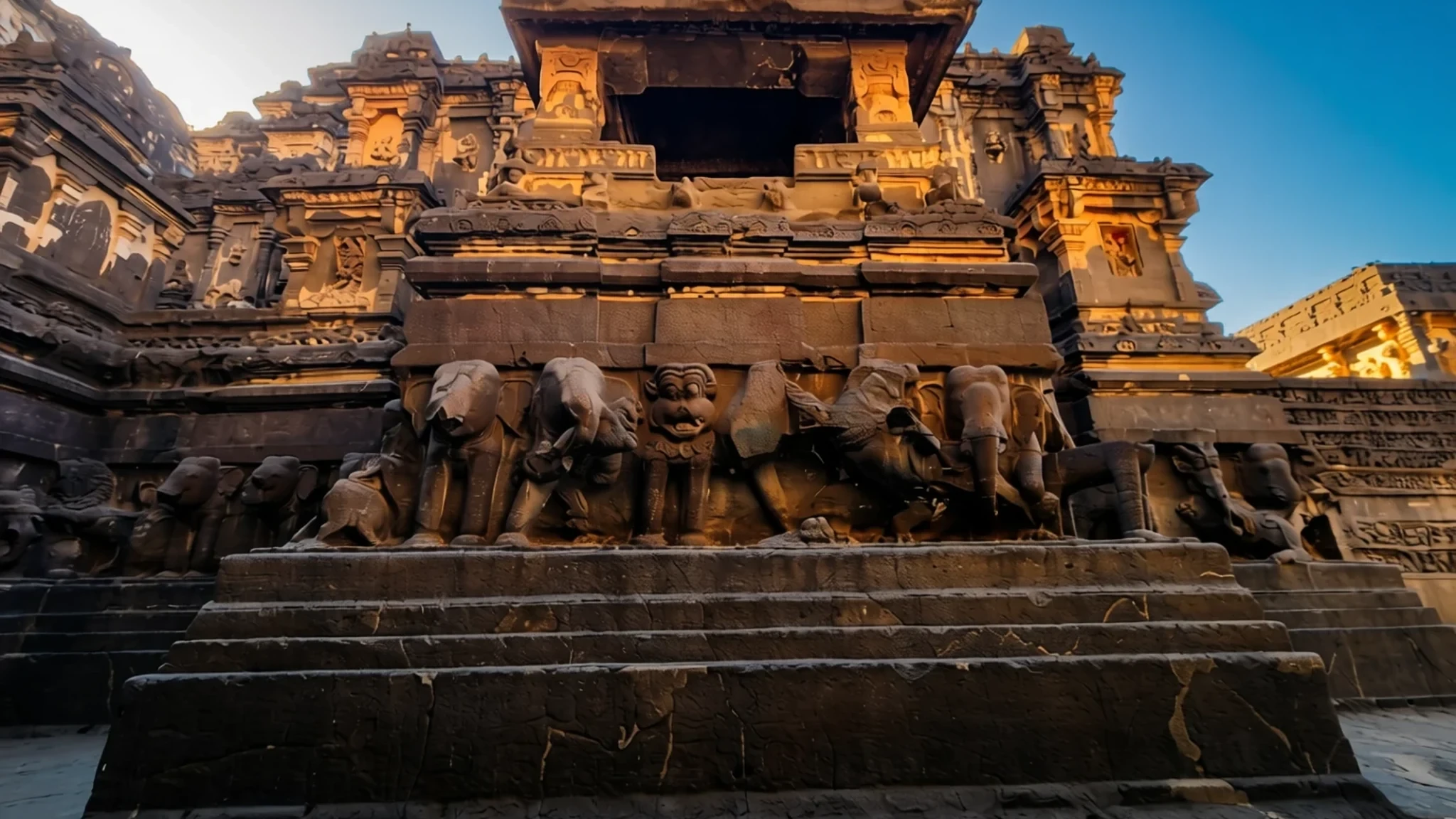
Visit Ellora to witness immense ancient temples carved directly from sheer basalt cliffs by hand.
The place
At Ellora, generations of master stonecutters worked into the Charanandri Hills to hollow out monasteries, pillared assembly halls, and towering sanctuaries from solid rock. Rather than assembling blocks of stone, artisans carved downwards and inwards, releasing monumental structures from the cliff face itself. This sprawling complex stretches along the hillside and brings together three distinct spiritual traditions within metres of one another. The architecture transitions smoothly from austere monastic cells to soaring, columned shrines covered in intricate carvings of deities, celestial musicians, and epic battle scenes.
Visitors walk along the stone pathways beneath towering rock overhangs where sunlight shifts across centuries-old facades. The sound of footsteps echoes through vast prayer halls designed with acoustic precision, where silent chambers once echoed with the chanting of monks and sages. Beyond the architectural ambition, the setting offers an expansive view over the surrounding Deccan plateau, where dry scrubland meets the distant horizon. The sheer scale of the undertaking becomes evident as one approaches the towering multi-storeyed structures that loom against the weathered grey stone of the hillside, demonstrating an extraordinary mastery of spatial planning and sculptural proportion without the benefit of modern engineering tools.
Its story
The creation of Ellora spans centuries of royal patronage, commercial prosperity, and religious devotion across the Deccan region. Situated along an active ancient trade route that connected inland commercial hubs with coastal ports, the site flourished as merchants, wealthy citizens, and monarchs contributed funds to support the ambitious excavations. The earliest workers began with simple monastic sanctuaries, laying the groundwork for complex multi-level structures that required precise mathematical alignment to prevent structural collapse as tons of basalt were removed overhead.
Power shifted across the region during the long period of construction, yet patronage at Ellora continued through successive royal houses. The Rashtrakuta dynasty oversaw the realisation of the site's most famous monumental monolith, while later rulers added delicate Jain shrines adorned with polished marble-like pillars and serene seated figures. This continuity of faith and craftsmanship created a rare historical record of religious tolerance and artistic ambition. Monks used the tranquil hillside caves as resting places during monsoon travels, while artisans established permanent settlements nearby, passing down chisel techniques through generations until the last chambers were completed, leaving behind a silent testament to ancient Indian engineering and spiritual devotion.
What to see
- Kailasanatha Temple — Central Ellora complex
Carved from a single massive piece of basalt rock from top to bottom, this architectural marvel features towering gateways, sculpted elephants, and intricate relief panels depicting ancient Hindu epics.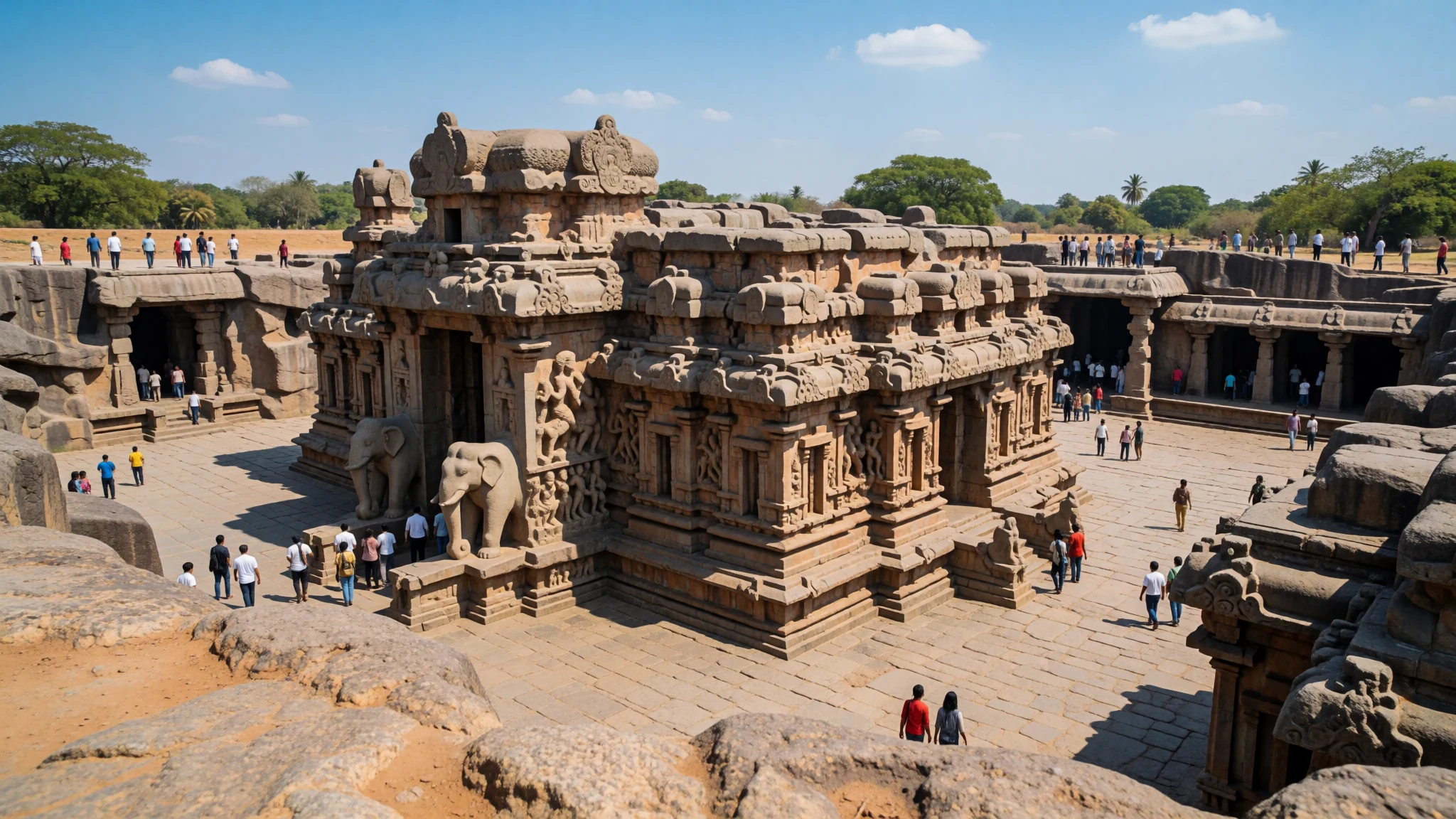
- Vishvakarma Cave — Southern Buddhist sector
Known locally as the carpenter's cave, this large Buddhist prayer hall features a vaulted rock-cut roof imitating wooden ribs and a colossal seated Buddha figure flanked by intricate pillars.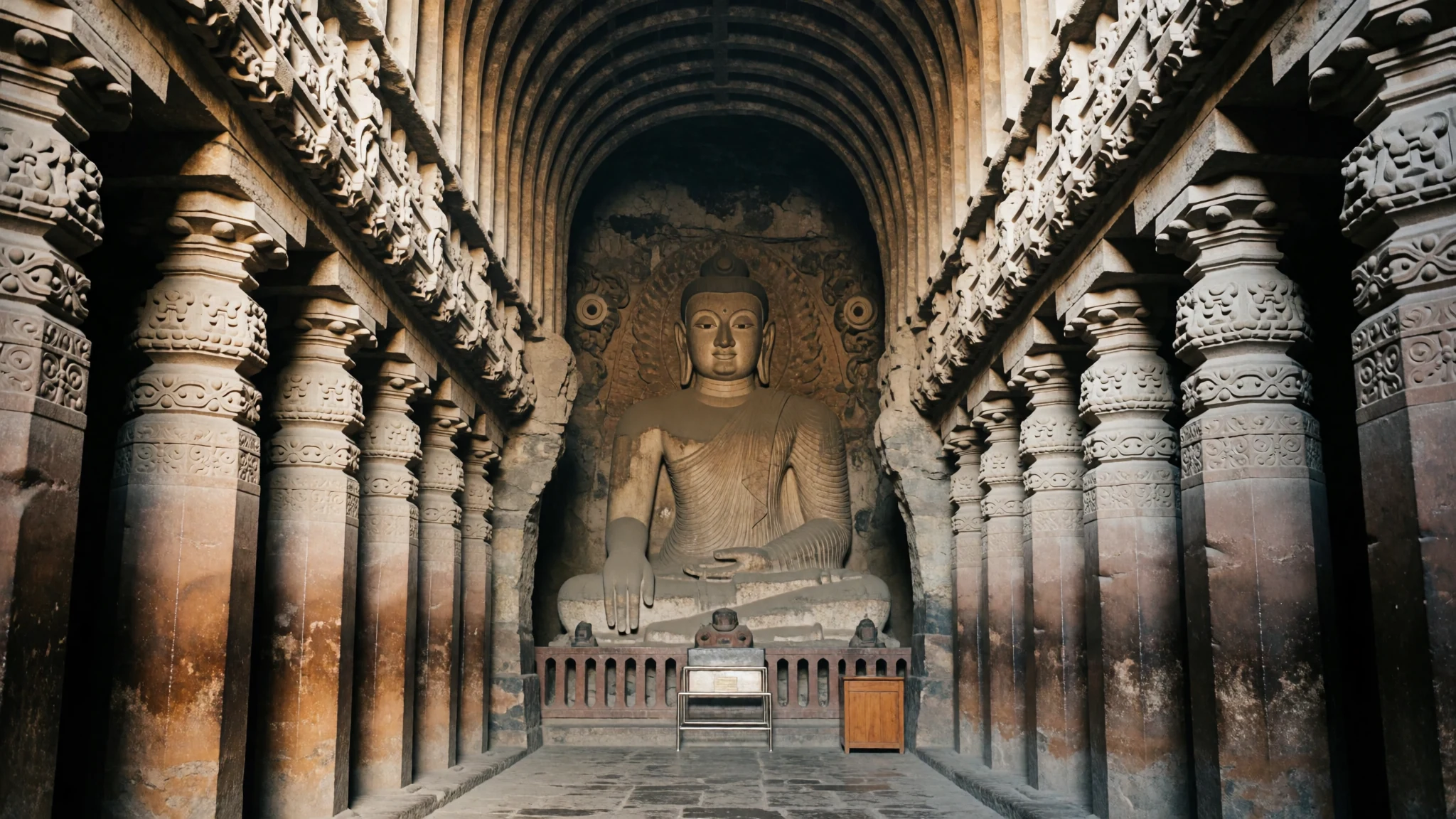
- Dashavatara Shrine — Southern Hindu sector
A double-storeyed Hindu temple showcasing dramatic narrative reliefs on its upper walls, including fierce depictions of deities and mythological triumphs carved with remarkable depth and movement.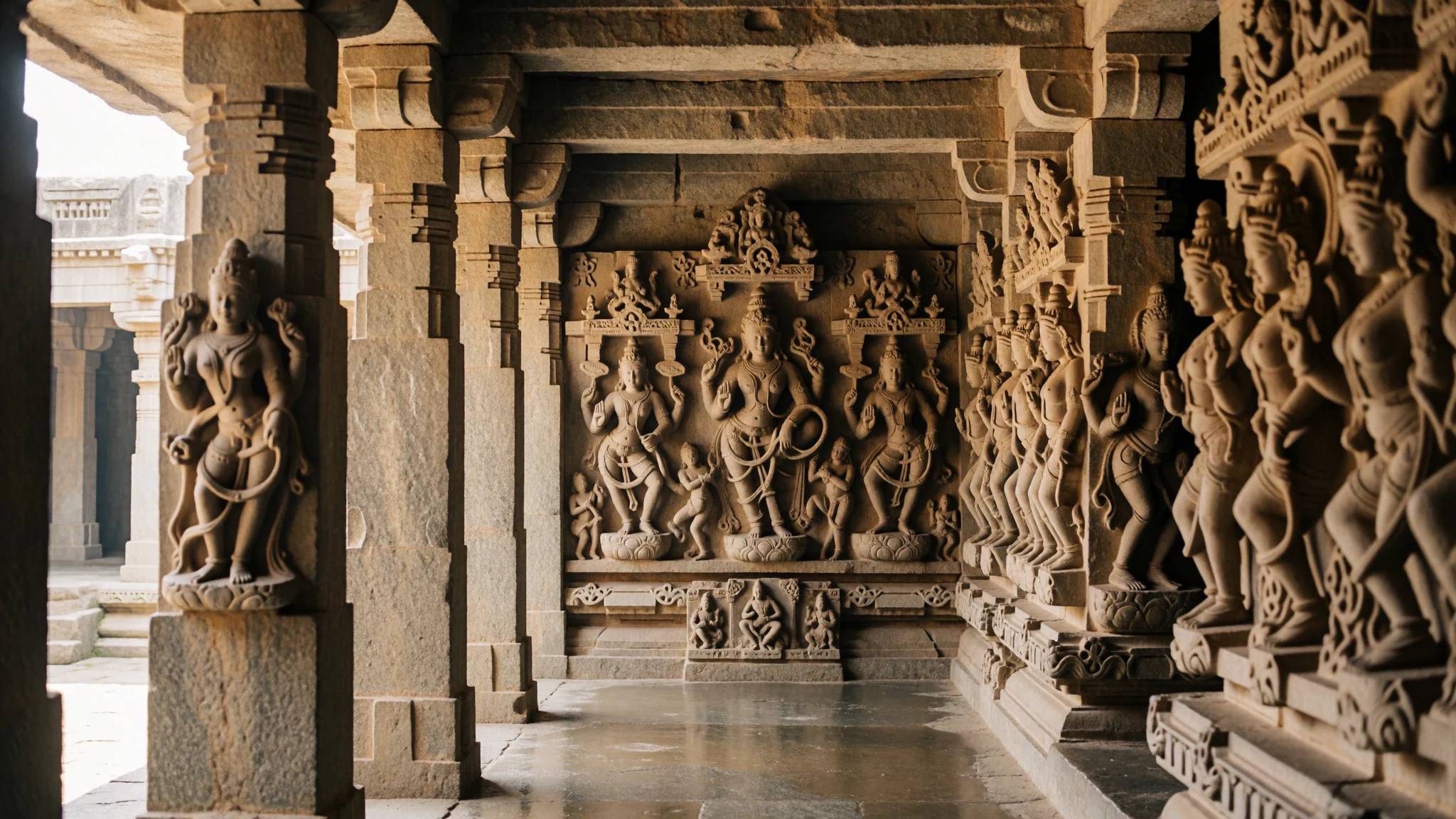
- Jain Group of Caves — Northern extremity
The northernmost cluster displays refined craftsmanship, featuring polished interior pillars, detailed lotus ceiling medallions, and serene figures of seated Tirthankaras carved into the cool stone.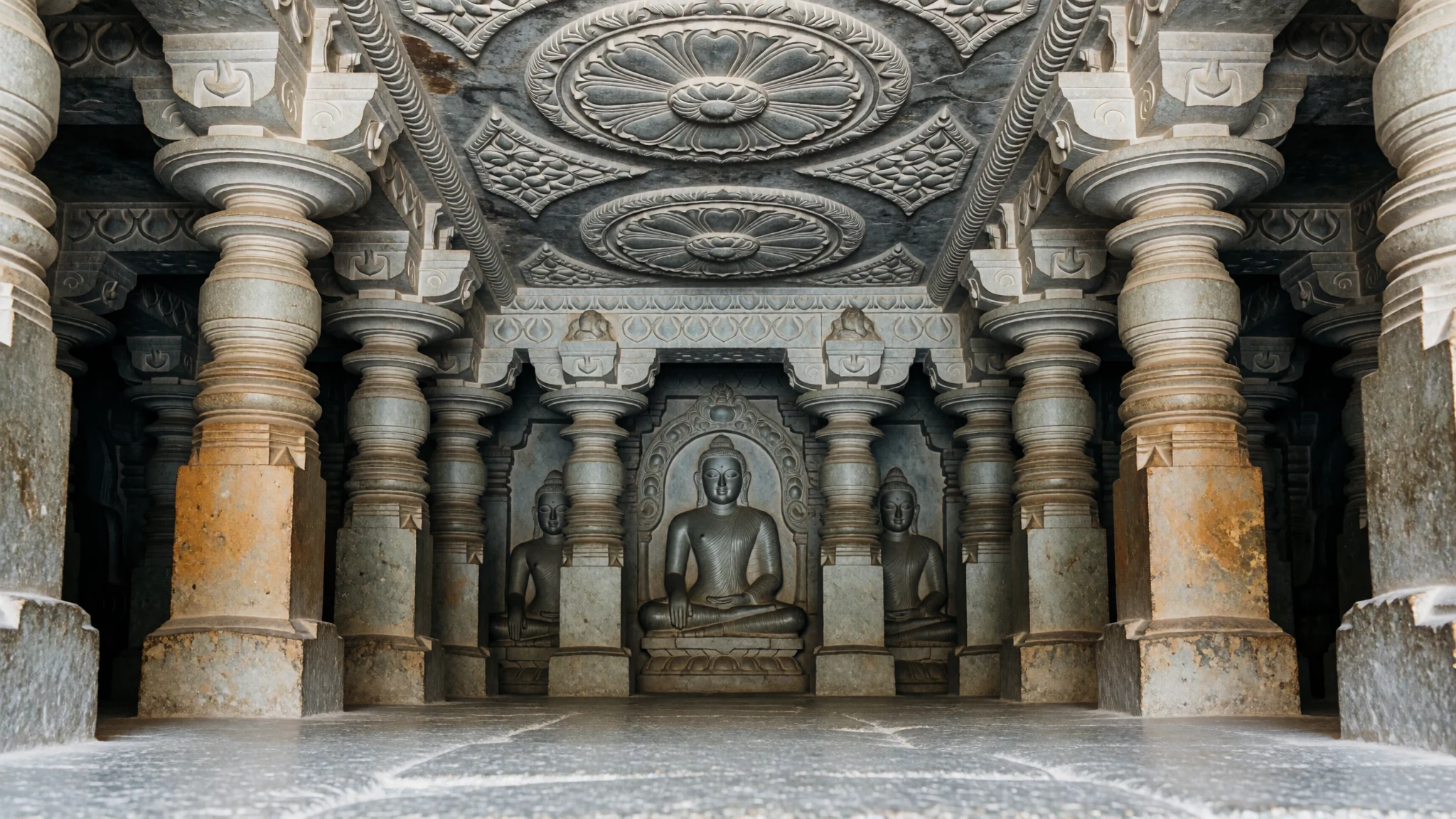
- Grishneshwar Temple — Village outskirts
An active pilgrimage destination situated just outside the main archaeological park, featuring traditional regional stone architecture and bustling courtyards dedicated to the worship of Lord Shiva.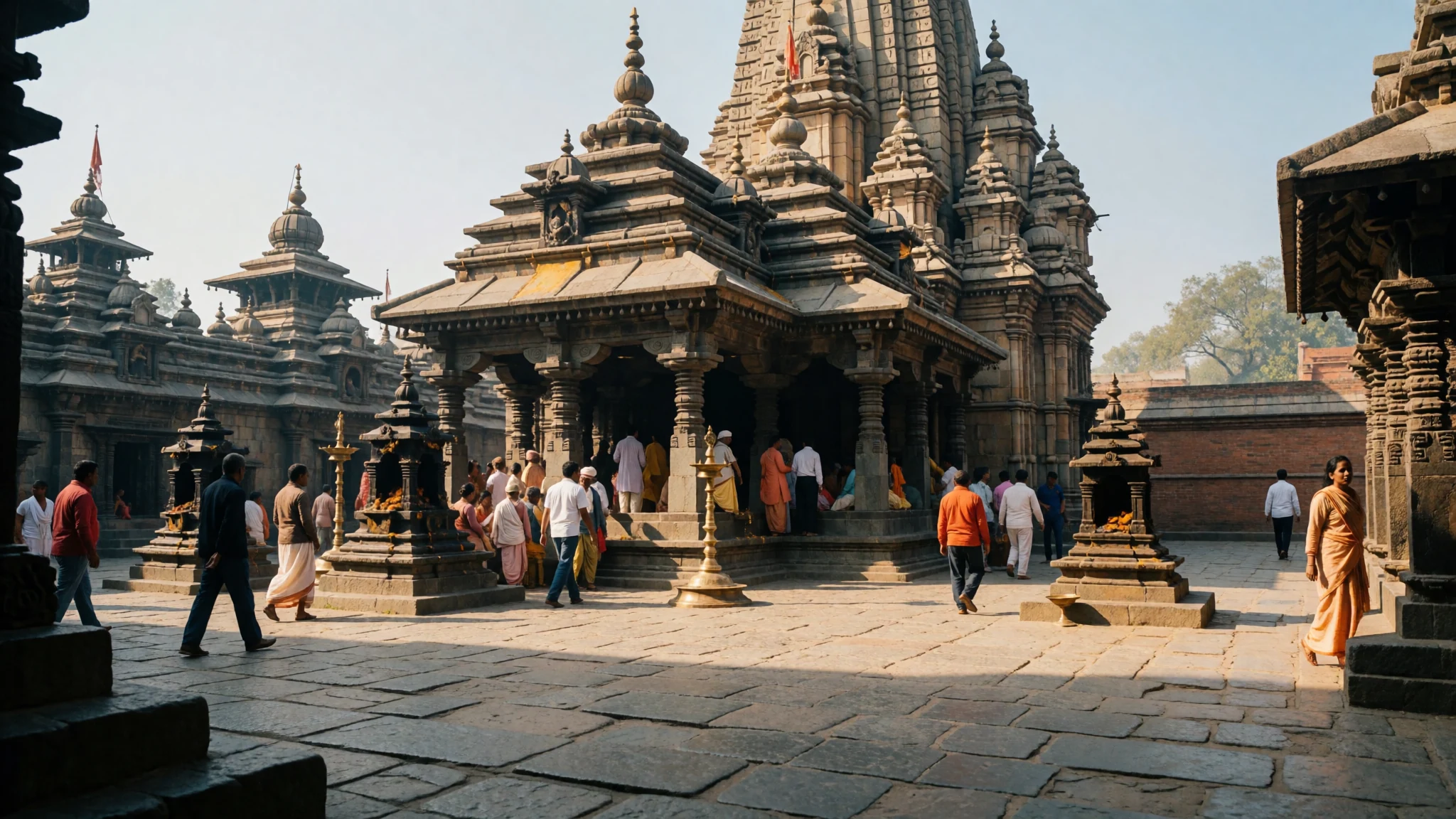
Culture
Ellora stands as a physical manifestation of ancient Indian religious pluralism, where Hindu, Buddhist, and Jain sanctuaries were carved side by side in an era of shared patronage and philosophical dialogue. Local communities in Maharashtra maintain deep spiritual ties to these sacred spaces, visiting both the ancient rock-cut shrines and nearby active temples to offer prayers, light oil lamps, and celebrate seasonal festivals. Traditional customs emphasize quiet reverence within the stone halls, where the acoustics amplify every whisper, and visitors often pause to observe local pilgrims performing ritual circumambulation around sacred pillars and shrines. Artisans and guides from nearby villages keep local folklore alive, passing down stories of the kings and stonecutters who shaped the basalt cliffs centuries ago. Always remove your footwear before stepping onto the sacred stone floors inside the active shrines and sanctuaries.
What to wear
At Ellora and across the surrounding Aurangabad region, traditional attire reflects both practicality and enduring cultural heritage. Men frequently wear light cotton kurtas paired with trousers or dhotis suited to the warm climate, while women traditionally wear cotton or silk sarees and vibrant salwar kameez in rich regional hues and weaves. In everyday public life, modern casual wear such as shirts, trousers, and modest dresses is common among younger generations and urban visitors.
For visitors exploring the rocky terrain and sunlit courtyards of Ellora, comfort and modesty are essential. Lightweight, breathable natural fabrics such as cotton and linen help manage the heat, while shoulders and knees should remain covered out of respect for the sacred nature of the site. Sturdy walking shoes with reliable grip are vital for navigating uneven stone steps, rocky pathways, and polished ancient floors. A wide-brimmed hat, sunglasses, and a scarf for dusting off or additional sun protection complete a practical outfit for a full day among the historic basalt cliffs.
What to eat
- Maharashtrian Thali — Roadside restaurants toward Aurangabad
A wholesome platter featuring spiced lentil curry, vegetable preparations, flatbreads, rice, and traditional sweets, commonly served in local eateries along the approach roads.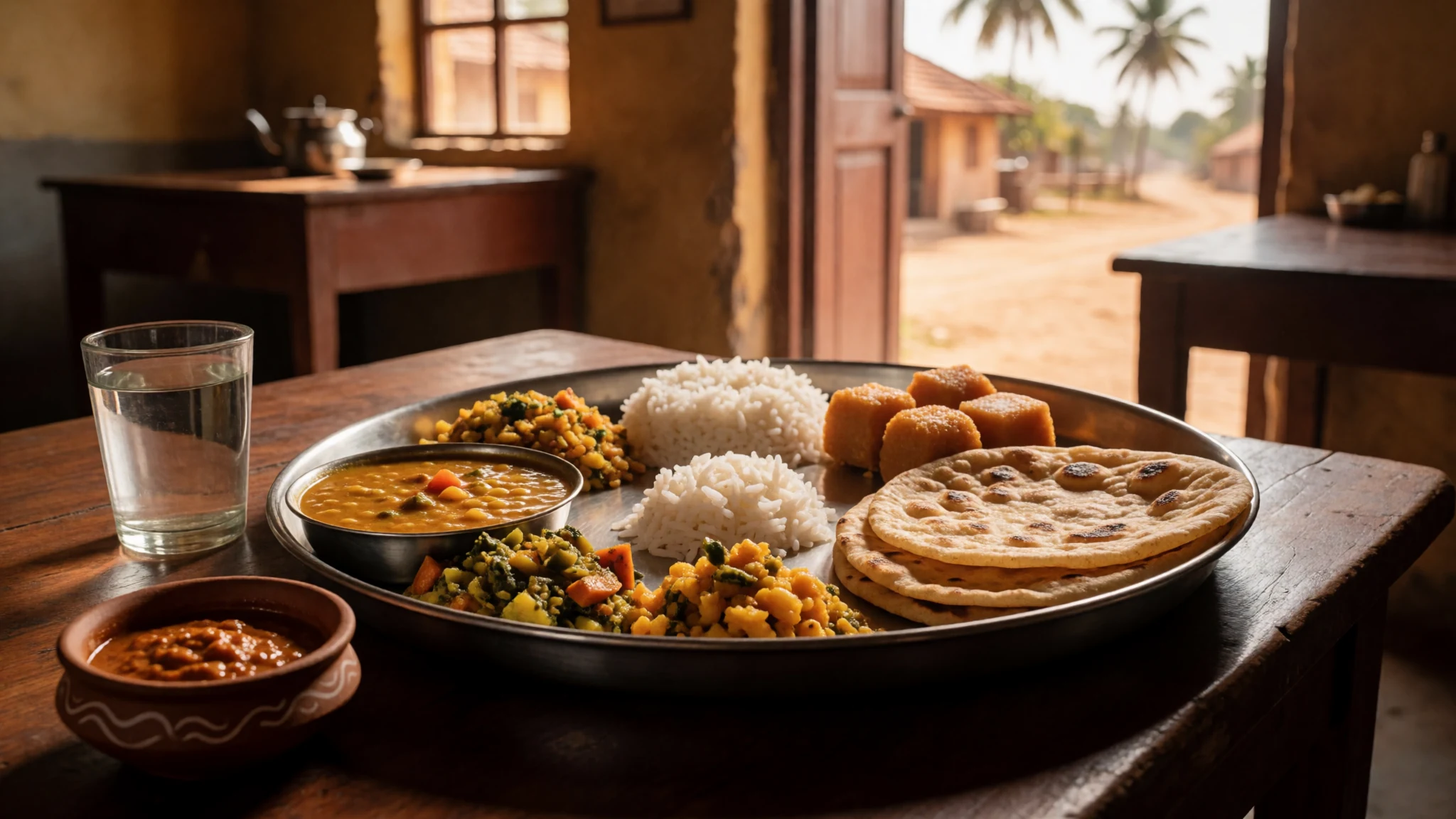
- Pithla Bhakri — Local village eateries
A comforting rustic dish made from spiced gram flour paste served alongside coarse sorghum or millet flatbreads, representing traditional rural cooking of the Deccan region.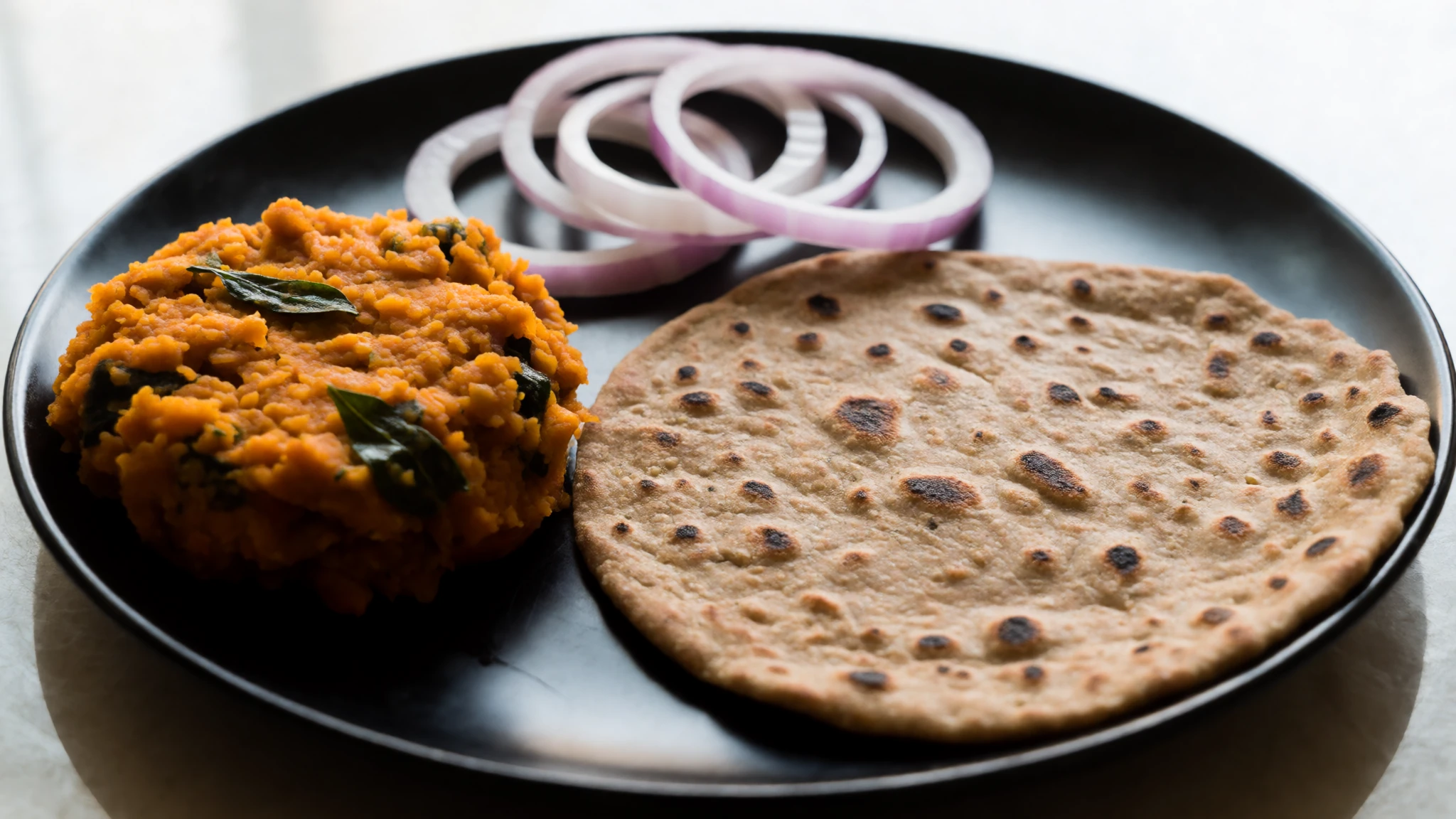
- Misal Pav — Street stalls and town cafes
Sprouted moth beans cooked in a fiery, aromatic gravy topped with crunchy farsan and raw onions, served with soft buttered bread rolls for a hearty local breakfast.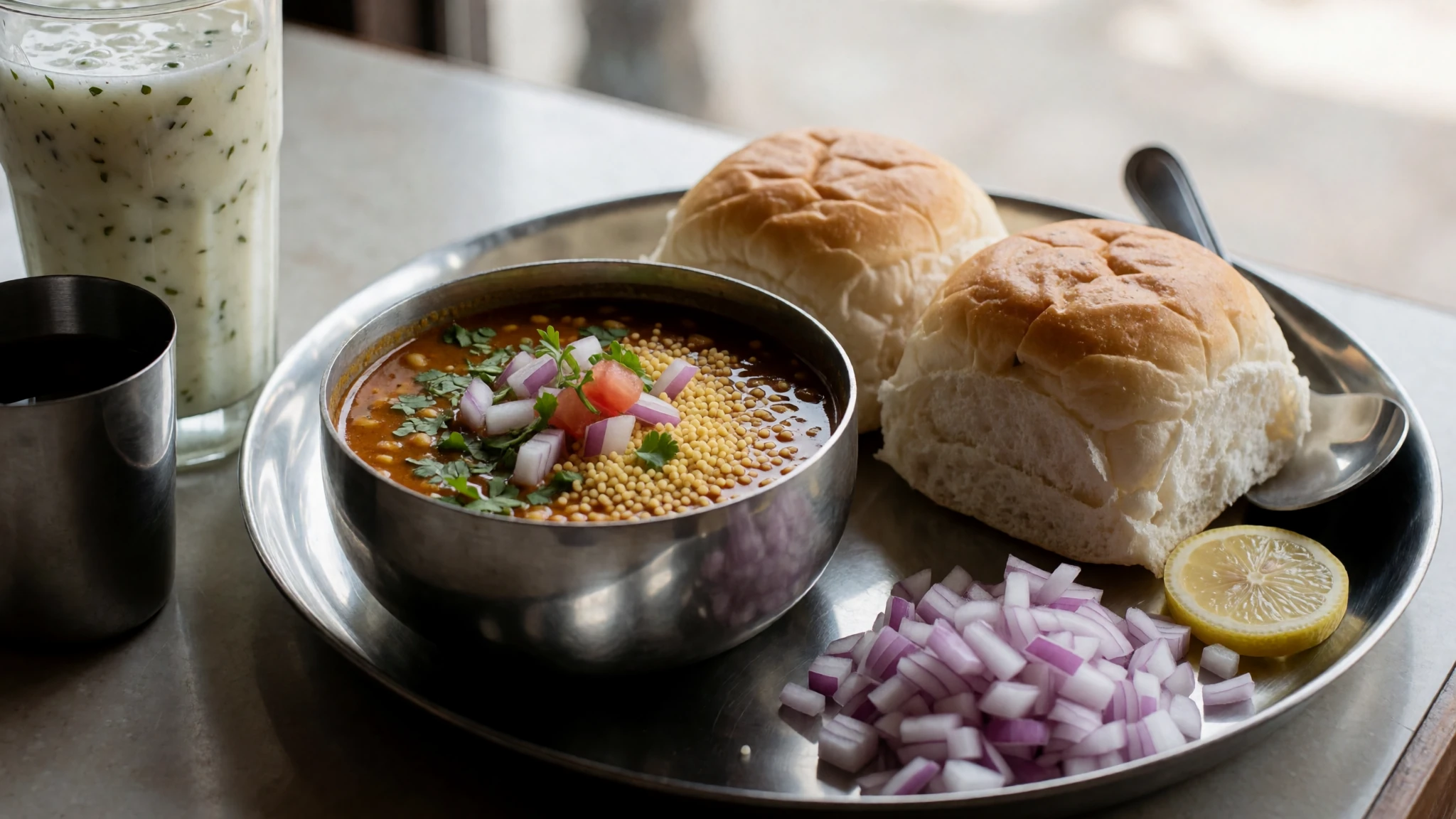
- Vada Pav — Way-side snack carts
A spiced mashed potato dumpling coated in chickpea batter, deep-fried until golden, and tucked inside a soft bread bun with green chilli chutney. - Sol Kadhi — Traditional dining rooms
A refreshing, digestive pink drink prepared from kokum fruit extract and fresh coconut milk infused with garlic, green chillies, and coriander leaves.
Plan it
Best time. November to January offers the mildest weather, with the coolest daytime highs and little rain, ideal for exploring open-air stone courtyards, whereas April and May bring the most intense heat.
How long. 2
Getting there. Fly or take a train to Aurangabad, then complete the final leg via official state transport buses from the central bus stand.
Budget. mid
Tips
- Arrive early in the morning before tour groups and midday heat peak.
- Wear comfortable footwear with strong grip for steep, uneven rock steps.
- Carry sufficient drinking water and sun protection for the exposed courtyards.
- Use authorized MSRTC buses from the central bus stand for reliable transit.
Etiquette
- Remove shoes before entering sanctums and carved prayer halls.
- Maintain a quiet, respectful tone inside sacred rock-cut chambers.
Nearby
Sources
- Wikidata Q189616 (CC0)
- Wikipedia (CC-BY-SA 4.0)
- Wikivoyage (CC-BY-SA 4.0)