Elbasan
Elbasan, Albania
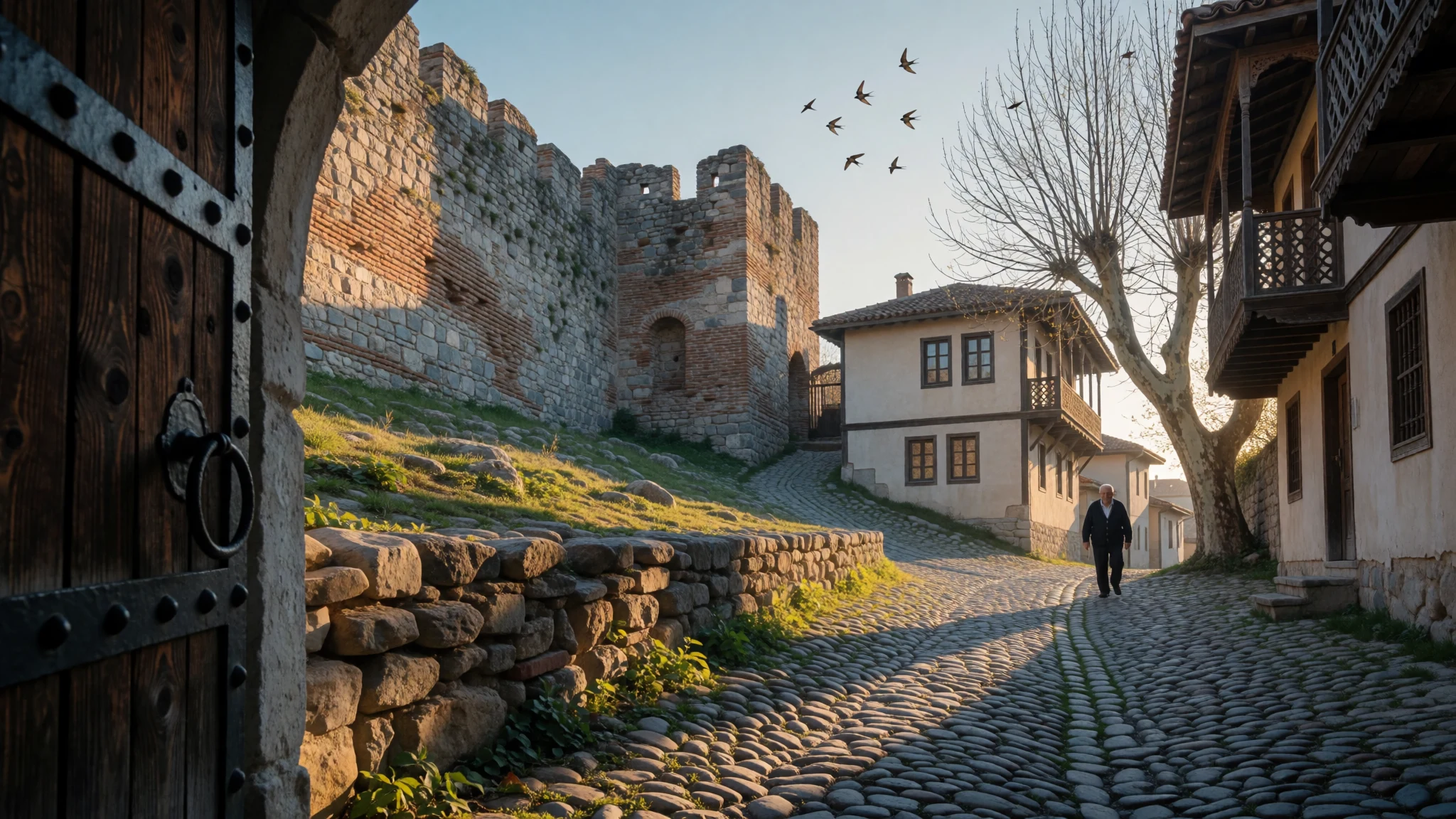
Elbasan is a lived-in Albanian valley city where castle lanes, old churches and mosques, and thermal springs are all within an easy day.
The place
Elbasan sits in central Albania on the north bank of the Shkumbin river, where the Skanderbeg Mountains give way to the open Myzeqe Plain. The city has a population of 66,834 and stands at an elevation of 140 metres, so the air is lowland-warm rather than alpine. The surrounding municipality is far larger than the town itself, taking in a ring of villages such as Gjinar, Labinot and Papër. The climate is hot-summer Mediterranean: long, dry, properly hot summers and milder, damper winters, with an annual average temperature of about 13.1 °C.
Elbasan works as a junction more than a destination. Anyone travelling by road from Tirana towards Korça, Pogradec or the North Macedonian border at Qafë-Thana passes through, and plenty of people never stop. That is a pity, because the centre is compact and walkable, with a walled castle quarter, an Orthodox church, mosques, a clock tower and cafés that fill up in the evening once the heat drops.
The city is not polished for visitors. Expect traffic, uneven pavements and a few tired concrete blocks standing next to old stone. The reward is a place where daily life carries on in front of the monuments, and where countryside of canyons, hot springs and river rafting begins within a short drive. The municipality's official site, https://elbasani.gov.al/, carries local services and events.
Its story
Elbasan's story begins with a road. In the second century BC the Romans set up a trading post, known in Latin as Mansio Scampa, close to the present city, at a point where two branches of the Via Egnatia met. That highway linked the Adriatic coast with Byzantium and was a main artery of the empire. By the third or fourth century AD the post had grown into a town called Scampis, protected by a stone fortress with towers, and it appears under that name on late Roman travel itineraries.
Christianity arrived along the same road. By the fifth century Scampis had a bishop, a cathedral and basilicas, and the Roman-Byzantine quarter, including an early church, spread outside the fortress walls. That openness was also a weakness. Once the legions were withdrawn, a town on a broad river plain was easy to raid, and Emperor Justinian later strengthened its defences.
Later centuries brought many rulers, among them Serbs, Bulgarians, Austrians and Italians, as well as a long Ottoman period. Elbasan nonetheless stayed an important Christian centre, and its churches played a part in writing and translating in Albanian. In the early twentieth century, when a congress chose the Latin alphabet for Albanian, some Muslim clerics demonstrated in Elbasan in favour of Arabic script, a reminder of how contested language and identity once were here.
What to see
- Elbasan Castle — Old town
Elbasan Castle is the walled heart of the old town. Only two stretches of the ancient wall still stand, but the quarter inside is a tangle of cobbled lanes and old houses, some tied to well-known local figures, with a restaurant among them. Give it an unhurried hour, ideally in the morning before the heat builds.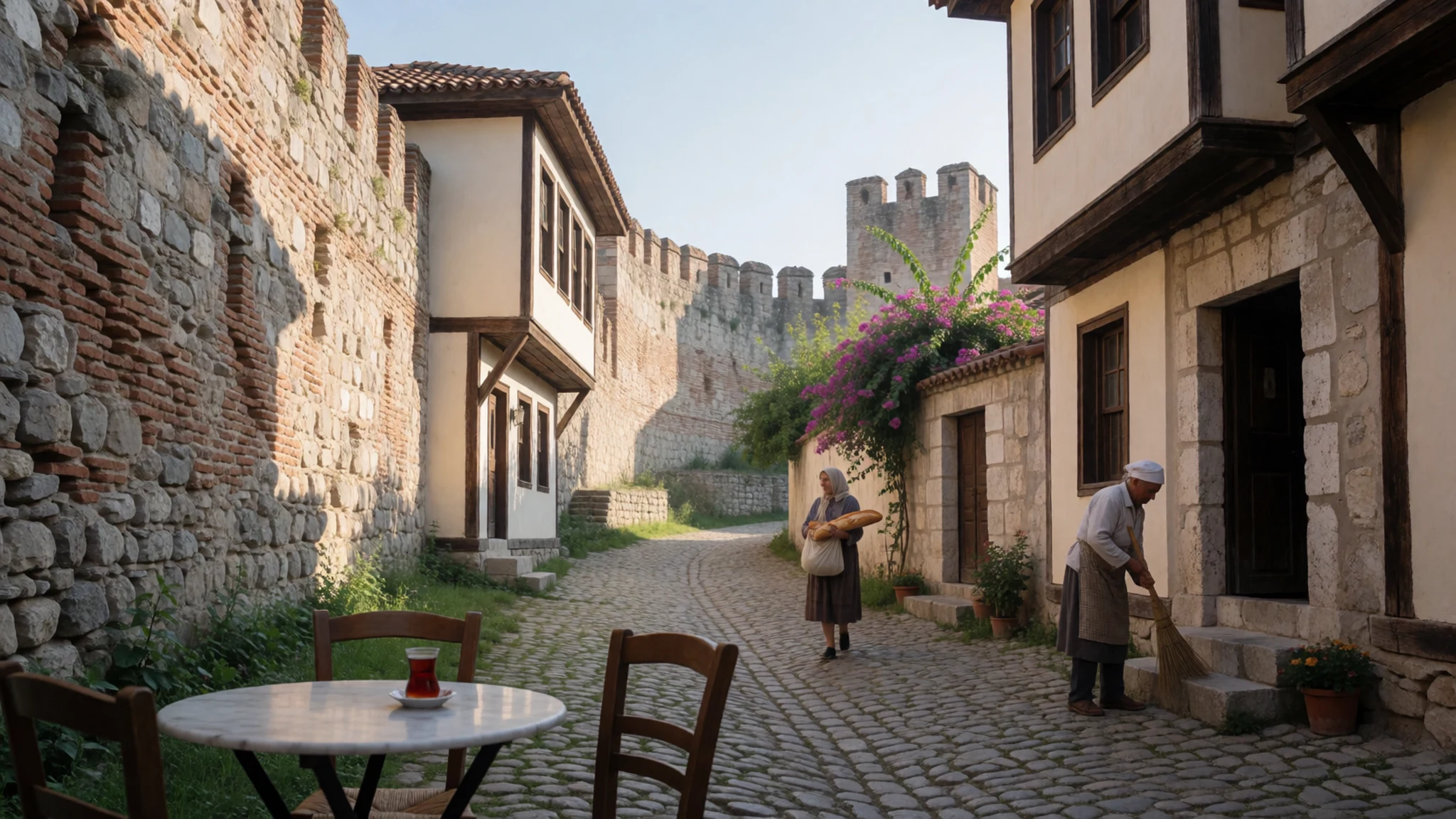
- St Mary's Orthodox Church — City centre
St Mary's stands in the centre of Elbasan. The present building dates from the early nineteenth century and was raised on the foundations of an older church that had been damaged by fire. Paintings and frescoes linked to Onufri, restored by later painters, survive inside. The church is also tied to early translation work into Albanian.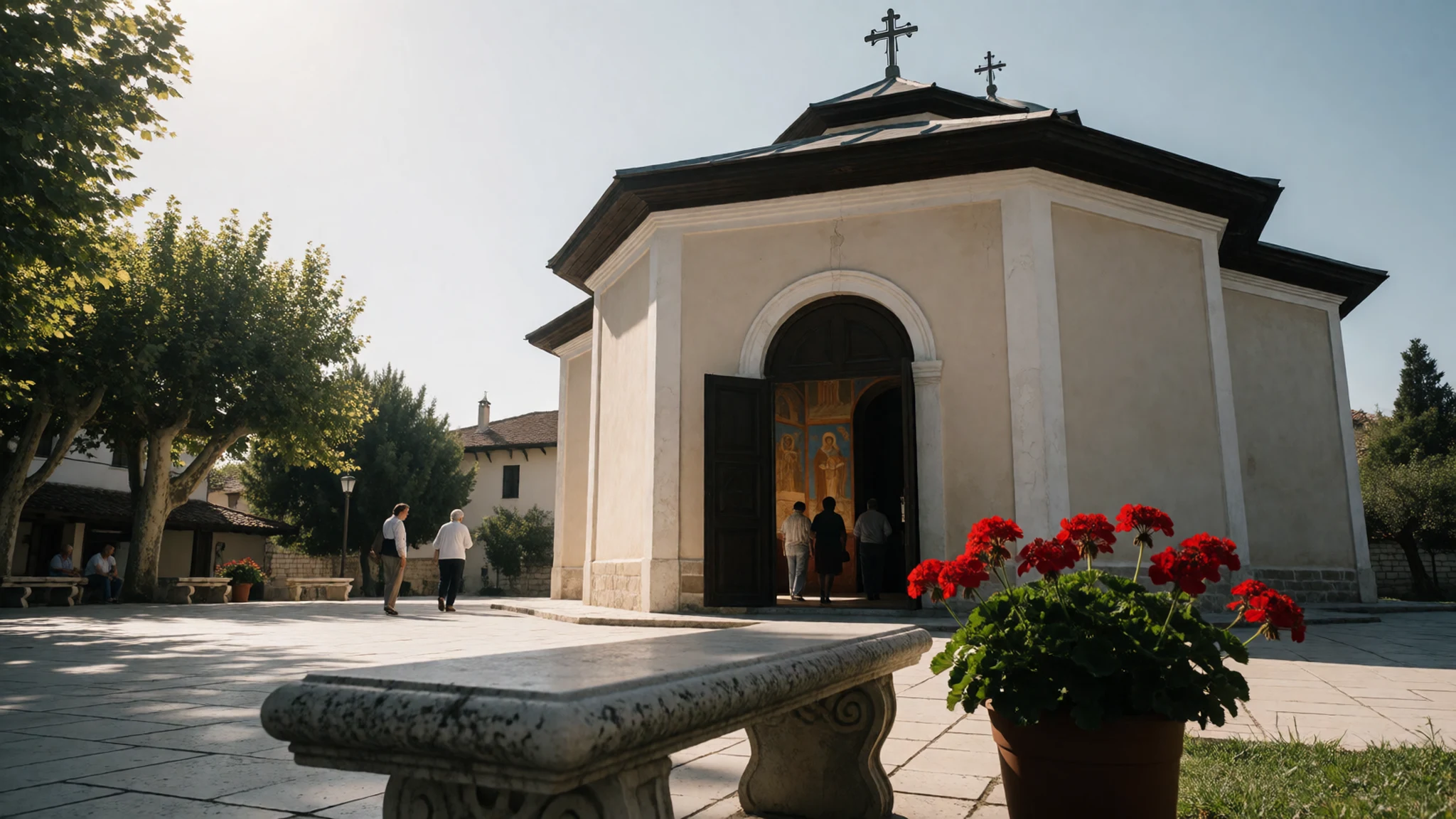
- Clock Tower — Old centre
The clock tower rises over the old centre of Elbasan and is a useful landmark when the lanes begin to blur. It suits a short stop and a photograph rather than a long visit. The cafés nearby are a pleasant place to sit out the afternoon heat and watch the city go by.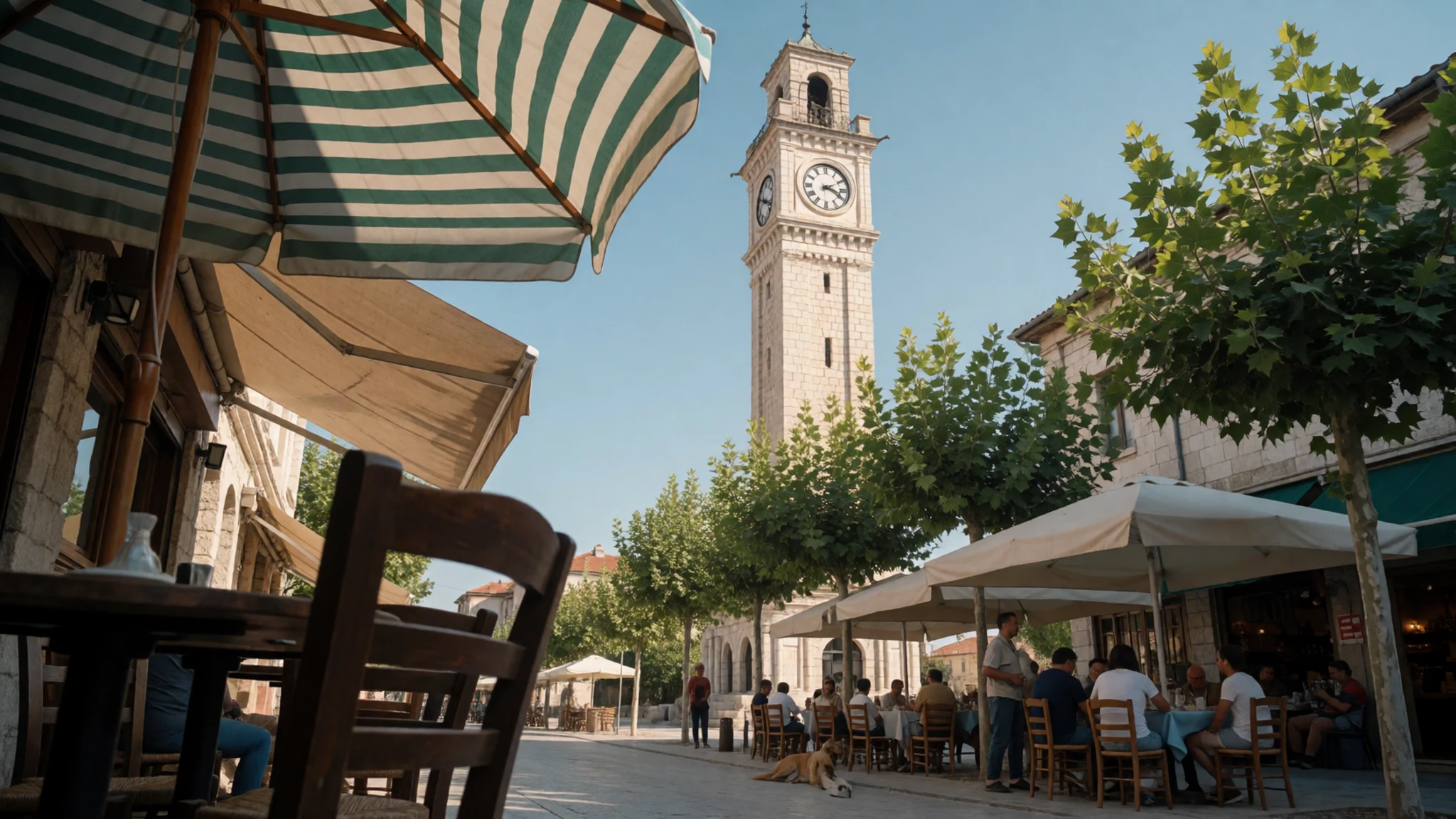
- Naziresha Mosque — City centre
Naziresha Mosque is one of the mosques that show Elbasan's Ottoman layer, standing in the same city as its Orthodox church. The nearby Hafiz Patel Mosque is worth a look too. Visit outside prayer times and check locally on whether interiors are open, since access to mosques varies.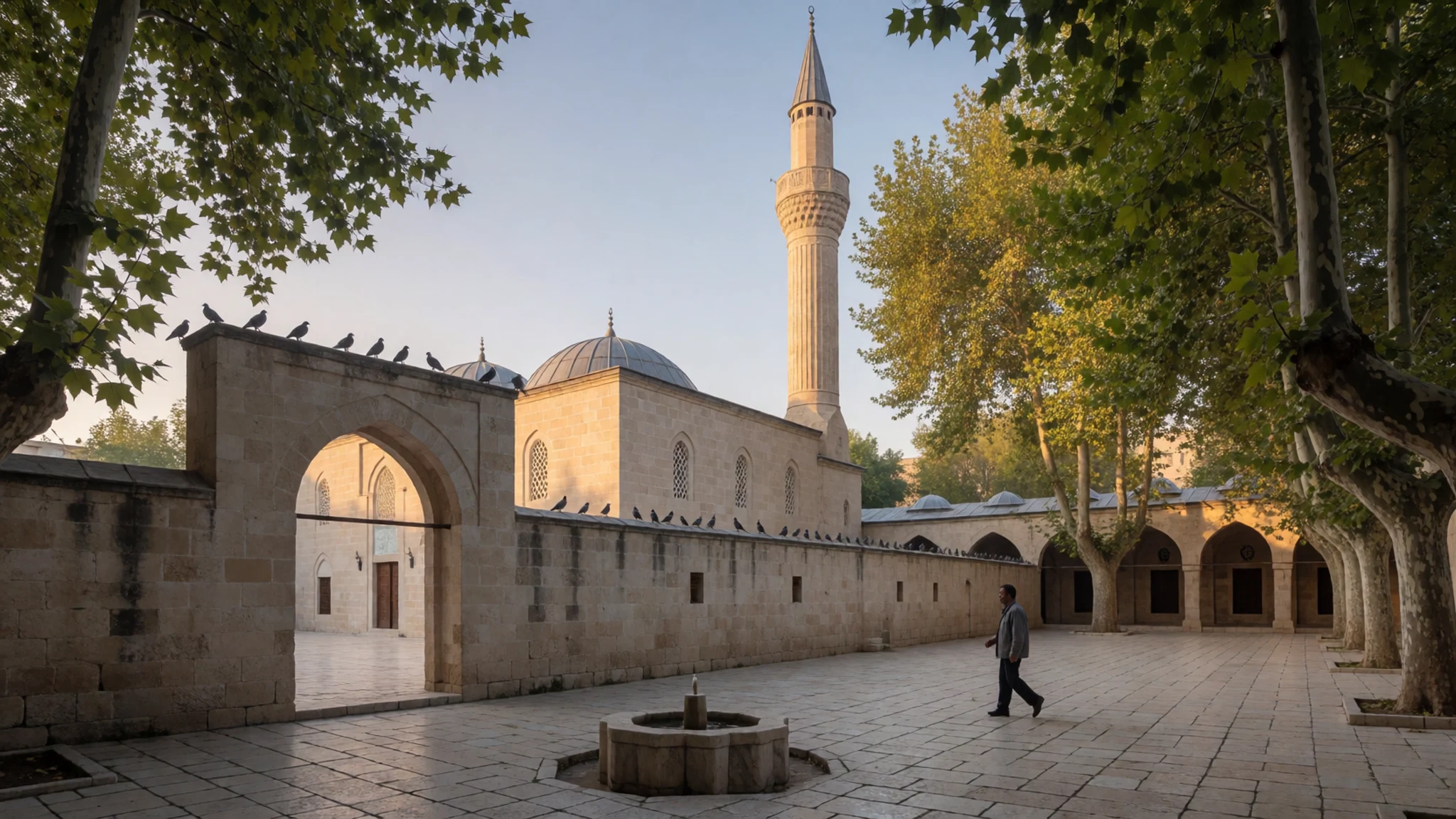
- Via Egnatia walk — Towards Librazhd
The Roman Via Egnatia runs close to Librazhd and Elbasan on its way between Istanbul and Durrës, and stretches of it can be walked. Treat it as a half-day with a map, sturdy shoes and plenty of water rather than a signed trail, and ask locally which section is currently passable.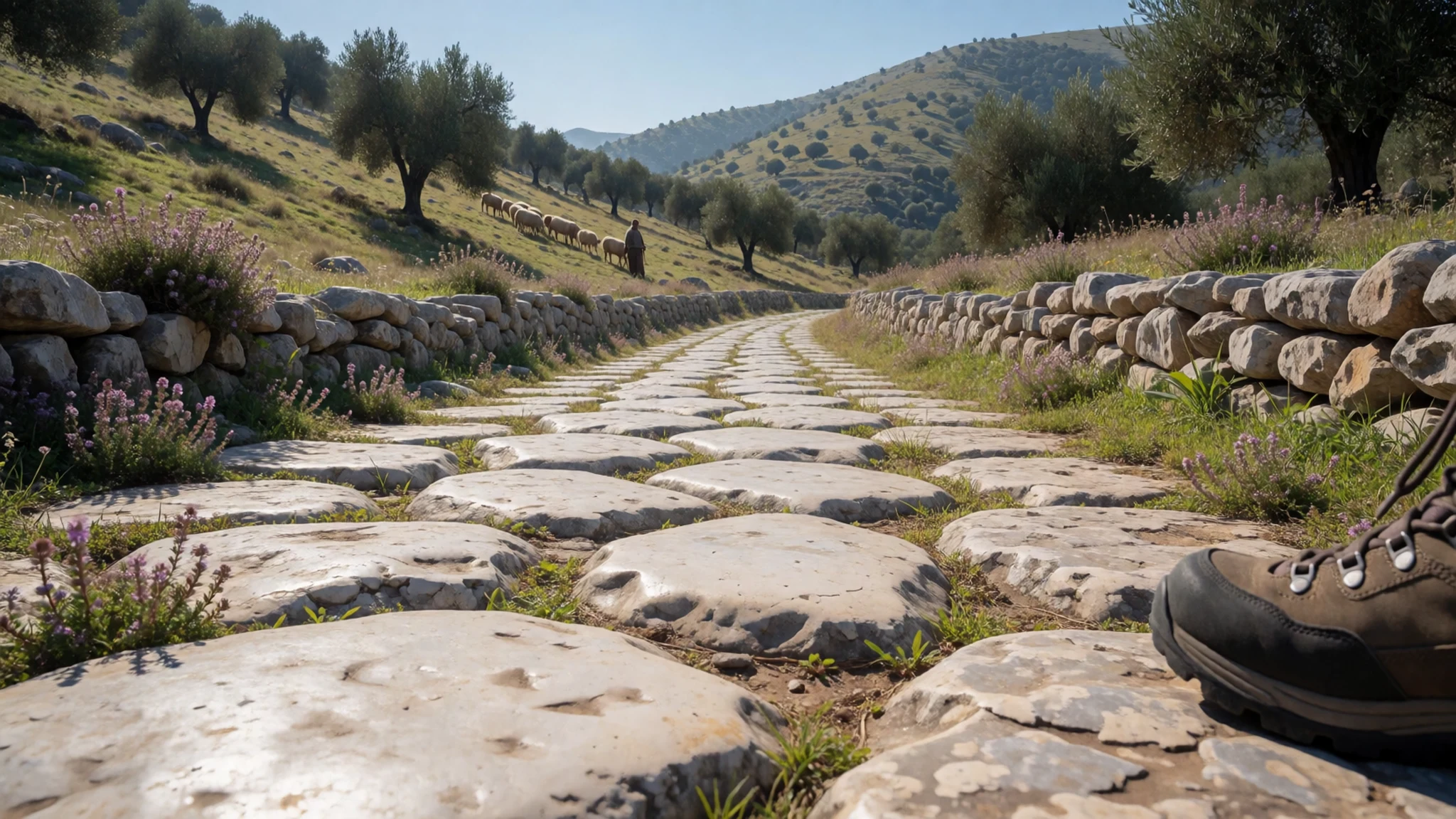
- Kozani thermal baths — West of the city
Kozani, a short drive west of Elbasan, has at least two bath houses fed by hot water, reported at 60 °C and above at source. They are quiet, low-key and more local than spa-like. Bring a towel and sandals, expect basic facilities, and ask about the temperature before getting in.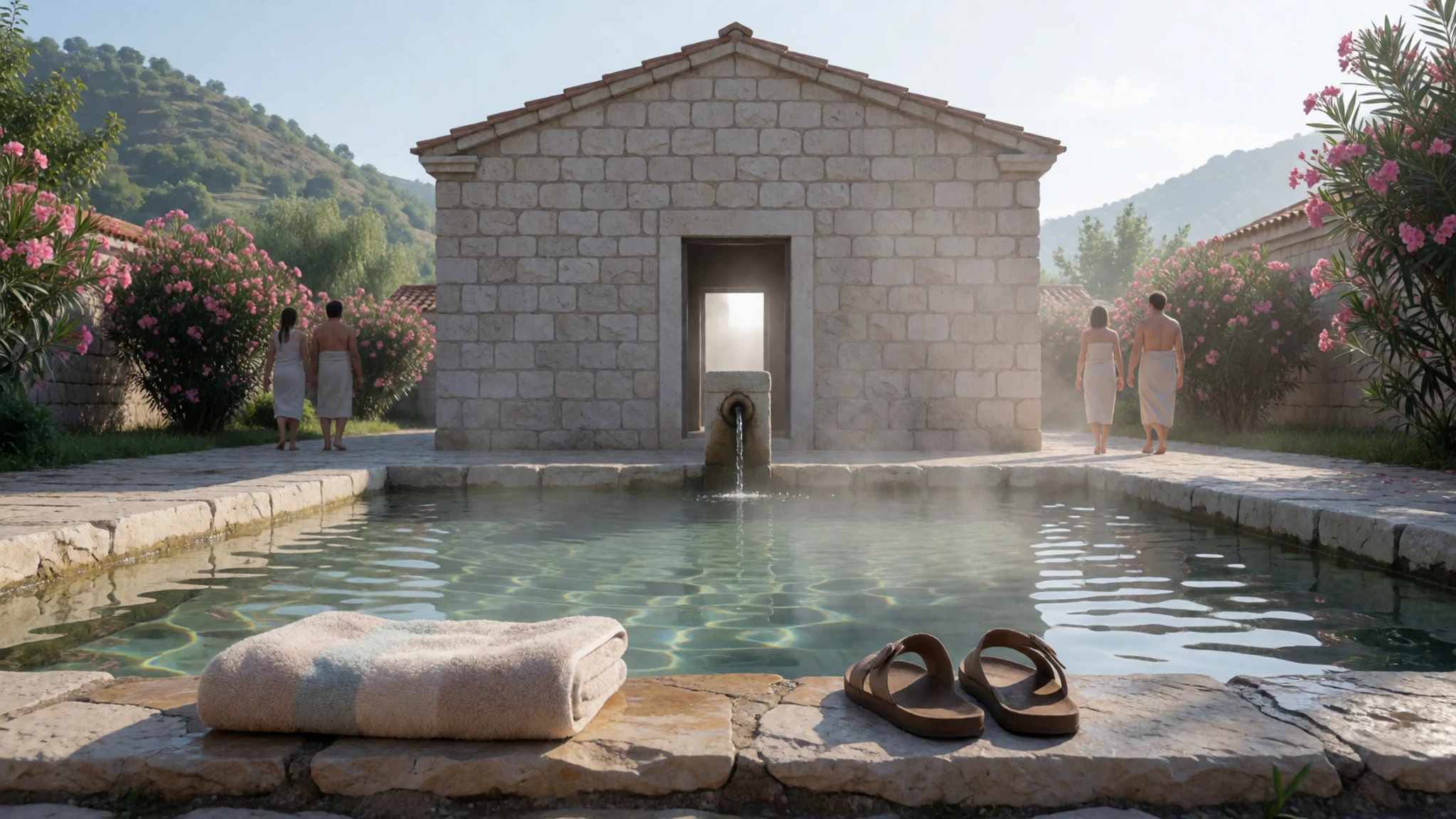
Culture
Elbasan's culture is layered. Orthodox, Muslim and secular Albanian life share the same streets, and the city has long been a place where religion and language politics overlapped. St Mary's church was a working base for scholars who translated psalms into Albanian, which ties the city to the story of the written language. Even after the Ottoman conquest, Elbasan remained a centre of Christianity in the country, and the churches and mosques of today sit within a few minutes' walk of each other.
Social life is outdoors and unhurried. Coffee is taken slowly, the evening stroll through the centre is a habit, and hospitality is generous; a visitor who is invited to a table should expect to be fed more than they planned. On Summer Day, people from Elbasan head to Bysheku, a picnic spot a short way out of town, for celebrations with traditional food, and the whole city seems to be out of doors.
Conversation is warm and direct, and many younger people speak some English, though a few words of Albanian are always appreciated. Politics and the region's history are discussed with feeling, so listen first.
Cover shoulders and knees and take off your shoes before entering a mosque, and ask permission before photographing worshippers or the inside of any church.
What to wear
Fashion in Elbasan starts from the wider Albanian tradition. Older folk costume uses wool, felt, cotton and silk: the white felt qeleshe cap and the pleated fustanella kilt for men, embroidered waistcoats and jackets, and layered dresses with embroidered aprons and sashes for women, each region with its own patterns. Today these are mostly seen at weddings, folk festivals and performances rather than on ordinary days, and they are worth looking for in any local celebration.
Everyday dress in Elbasan is much like that of any southern European town. Jeans, shirts and light dresses are normal, people dress a little smarter for the evening stroll and for church, and older residents often favour practical, neat clothes. Football shirts and casual sportswear are common among the young.
For a visitor, summers are hot, so light cotton or linen, a sun hat and sunscreen suit best. Winters are milder but damp, so pack a waterproof layer. The castle quarter has cobbles and uneven stone, and comfortable closed shoes with a good grip will serve better than sandals. For mosques and churches, carry a light scarf or shawl and wear clothing that covers shoulders and knees. Shorts and swimwear are fine at thermal baths and in the countryside but look out of place in the centre.
What to eat
- Tavë Elbasani me kumbulla — Traditional restaurants in the centre
A slow-cooked baked dish of goat meat with garlic, onion, rice and sour plums. The plums give it a sweet-and-sour edge that sets it apart from other Albanian casseroles. Look for it at traditional restaurants around the old town, and ask what the kitchen has that day.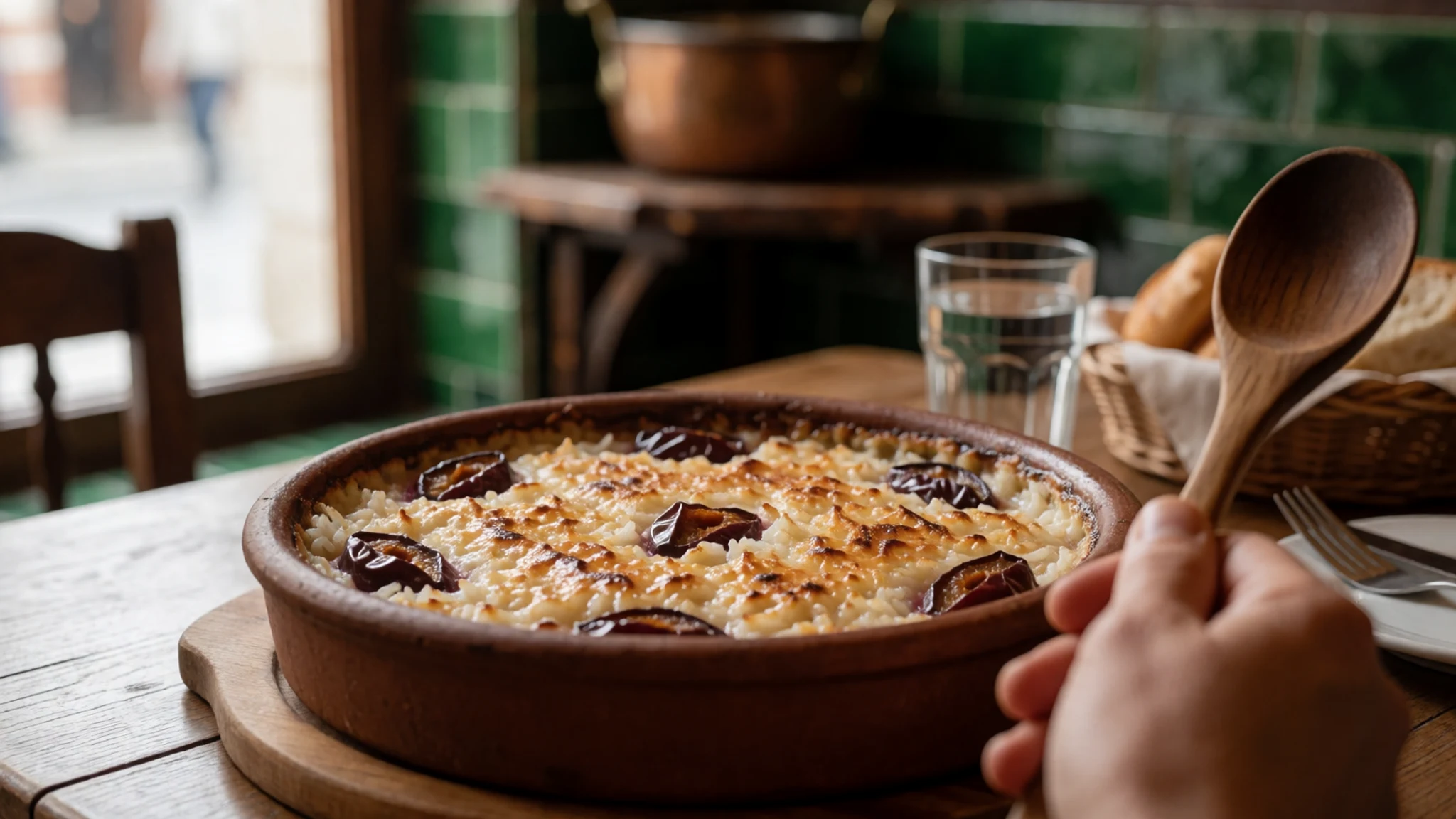
- Byrek me mish — Bakeries and pie shops in the centre and on the main roads
A baked pie of thin pastry wrapped around a savoury meat filling. It is a standard quick breakfast or lunch, sold hot by the slice at bakeries and small shops. Pair it with yoghurt drink or strong coffee, and eat it standing if the place is busy.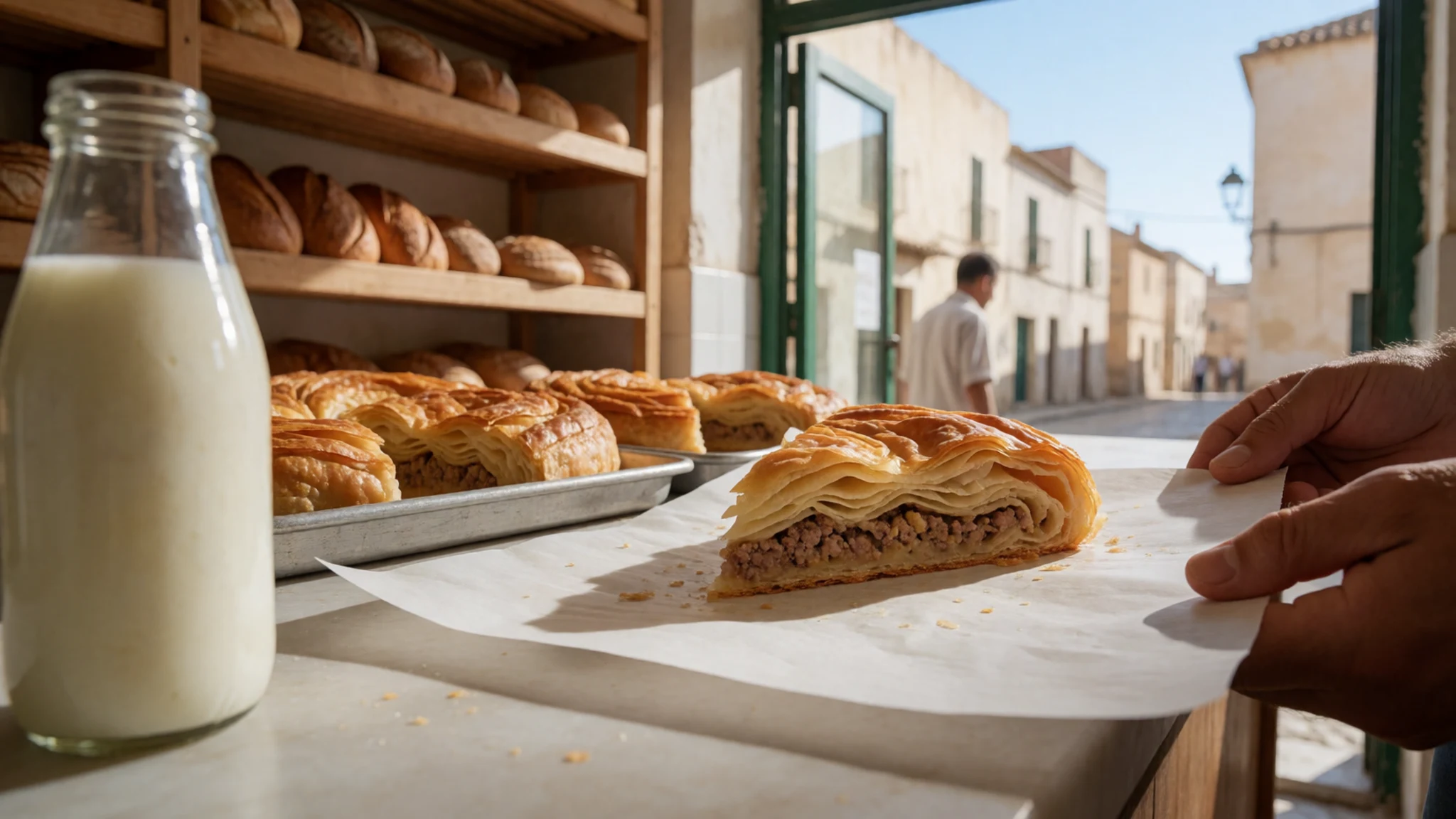
- Byrek me gjizë — Bakeries and pie shops, including on the road towards Bysheku
The same pastry idea filled with gjizë, a soft curd cheese. It is milder and lighter than the meat version and a good choice for vegetarians, though it is worth checking that no meat has been added. Often sold cheaply by weight or slice. - Everyday Albanian restaurant meals — Family-run restaurants near the centre
Simple, home-style cooking is the backbone of Elbasan's restaurants: grilled meat, stews, salads of tomato and cucumber, and bread. Some, such as Kondor and Gjuetari, are known locally for plain traditional dishes, quick service and a family atmosphere. - Summer Day picnic food — Bysheku, a short way outside the city
On Summer Day, people from Elbasan take traditional dishes out to Bysheku for picnics and celebrations. Outside that day, it is still a pleasant spot for a packed lunch. Local friends or hosts may offer homemade food to share, and it is polite to accept.
Plan it
Best time. April–May and September–October, when days are warm rather than hot. July and August are hot under the city's hot-summer Mediterranean climate, while winters are milder and damper.
How long. 1–2
Getting there. Tirana International Airport is the nearest, about 55 km away; take a taxi, or go into Tirana and catch a bus to Elbasan, a ride of under an hour along the motorway. Elbasan is also the gateway for Korça, Pogradec and the North Macedonia border at Qafë-Thana.
Budget. low
Tips
- Do the castle quarter early in the morning, before the summer heat.
- Carry some cash for small cafés, bakeries and taxis.
- Ask locally before walking a stretch of the Via Egnatia or heading for the Valësh canyon, as paths and access vary.
- Bring water and sun protection in summer; shade is limited on the plain.
- Check the municipality's official site, https://elbasani.gov.al/, for local events.
Etiquette
- Remove your shoes and cover shoulders and knees when entering a mosque.
- Ask before photographing people, worshippers or church interiors.
- Accept offers of coffee or food graciously; refusing more than once can seem cold.
Nearby
Sources
- Wikidata Q114257 (CC0)
- Wikipedia: Elbasan (rev 1383962862) (CC BY-SA 4.0)
- Wikivoyage: Elbasan (rev 5401620) (CC BY-SA 4.0)
- Photo: St. Mary's Church, Elbasan — Pasztilla aka Attila Terbócs (CC BY-SA 4.0)
- Photo: Masjid Hafiz Patel Mosque — Sebleouf (CC BY-SA 4.0)
- Photo: Clock Tower of Elbasan — White guardian (CC BY-SA 4.0)
- Photo: Elbasan Castle, October 2022 — Sharon Hahn Darlin (CC BY 2.5)
- Photo: The castle in Elbasan — Brams (Public domain)
- Photo: Old black and white picture of Elbasan — Margott (CC BY-SA 4.0)
- Photo: Naziresha Mosque — Pudelek (CC BY-SA 4.0)
- Photo: Elbasan city walls, gate — Wolfgang Sauber (CC BY-SA 4.0)


