Dolomites
Dolomites, Italy
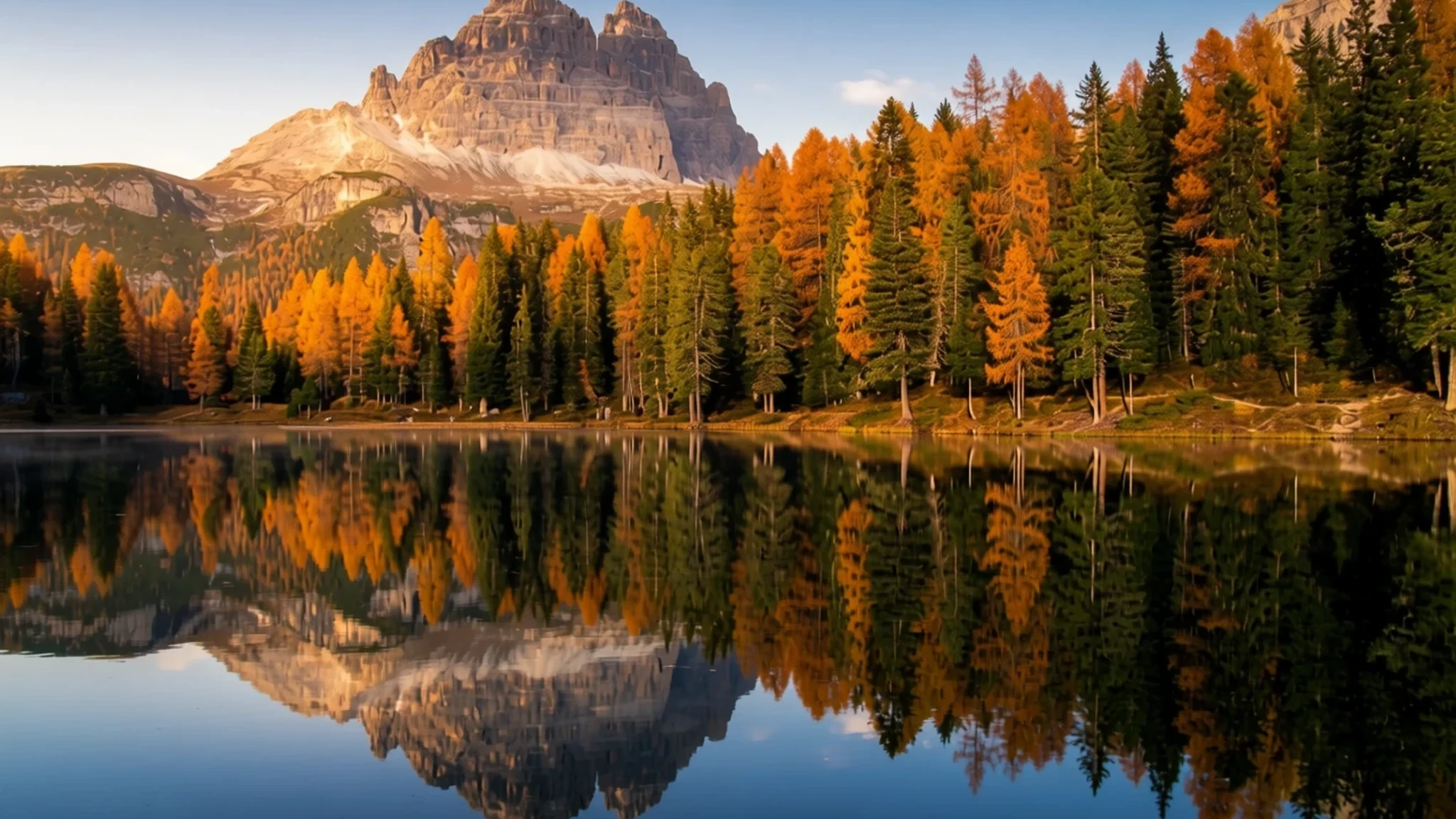
The Dolomites offer dramatic pale limestone peaks, legendary alpine hiking, historic mountain passes, and world-class winter sports across northeastern Italy.
The place
The Dolomites form a striking mountain range in northeastern Italy, constituting part of the Southern Limestone Alps. Stretching from the river Adige in the west toward the east, these massive peaks define a rugged landscape recognised globally for its unique geological composition. The geography spans several provinces across northeastern Italy, encompassing high plateaus, deep alpine valleys, and soaring summits that change colour dramatically under the shifting light of dawn and dusk. Protected areas such as the Dolomiti Bellunesi National Park preserve the fragile high-altitude ecosystems, where rare flora clings to vertical rock faces. Rivers carve through the valleys below, feeding traditional settlements that have maintained their distinct mountain character over generations. Climbers and walkers find an intricate network of trails connecting high-altitude refuges, while winter brings skiers to sweeping snowfields beneath the towering cliffs. The region bridges distinct cultural influences, combining alpine traditions with Mediterranean warmth, resulting in a unique cultural landscape defined by its formidable topography.
Its story
The story of the Dolomites is shaped by early hunters, daring mountaineers, and the dramatic conflicts of the twentieth century. For generations, local inhabitants ventured into the upper rocky territories, followed later by pioneers who mapped the towering crags and achieved the first recorded ascents of the major summits. During the First World War, a bitter mountain front ran directly across these ridges between opposing armies who carved tunnels and emplacements deep into the stone. Today, those wartime pathways form protected climbing routes known as vie ferrate, allowing modern adventurers to traverse sheer rock faces safely. Environmental shifts continue to reshape the heights, with receding ice occasionally revealing historic military munitions left behind in the high passes. Long-distance footpaths now weave past these historical sites, linking high-altitude huts where generations of alpine travellers have found shelter from sudden mountain storms.
What to see
- Parco Naturale Tre Cime — Auronzo district
Parco Naturale Tre Cime protects the iconic trio of distinctive dark obelisks that rise sharply above surrounding high alpine pastures. Visitors hike well-maintained paths circling the sheer rock walls, where mountain horses graze peacefully in summer meadows beneath soaring limestone summits.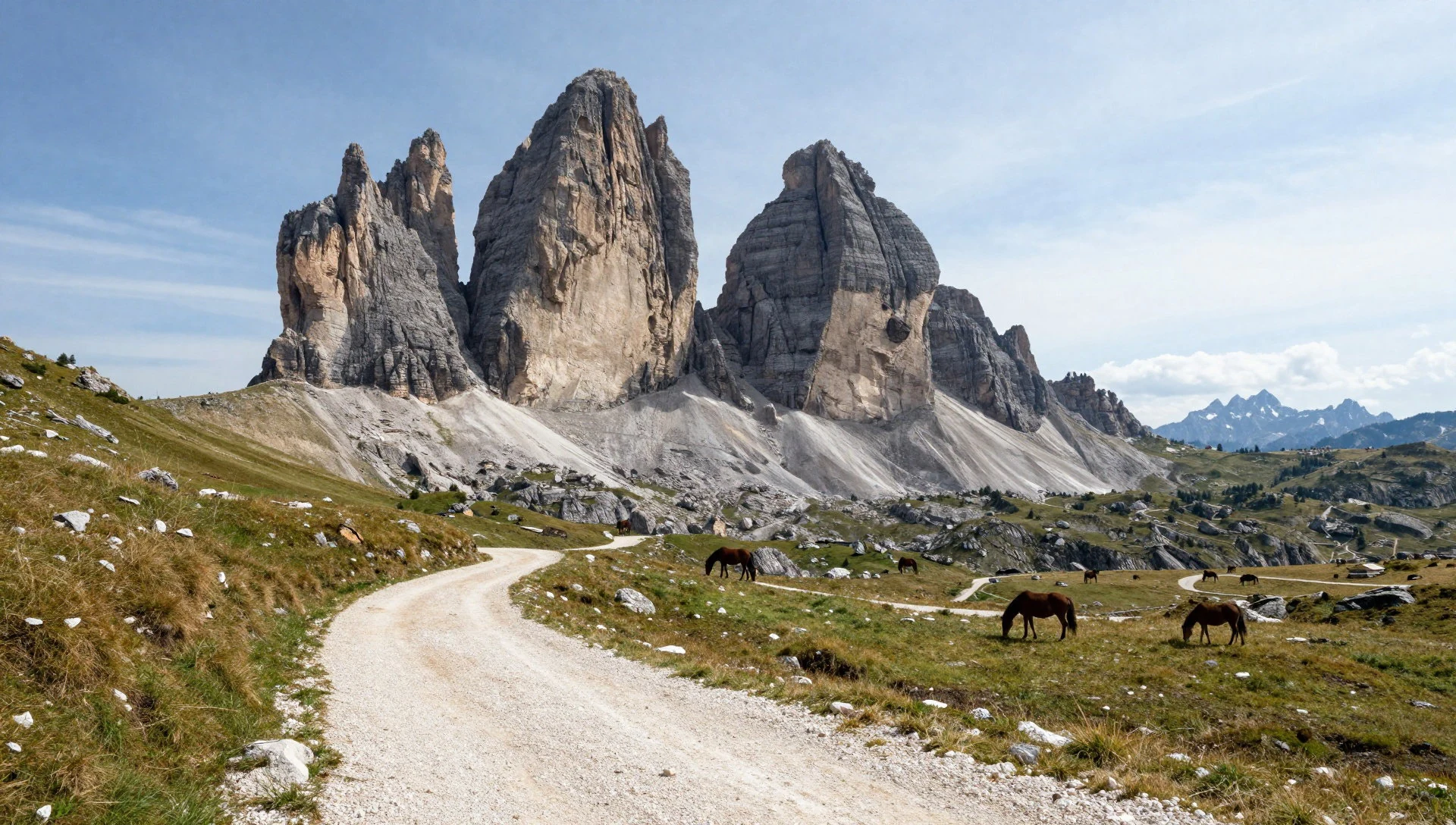
- Marmolada — Rocca Pietore
Marmolada rises as the highest massif in the range, featuring the towering Punta Penia summit and a sprawling glacial basin. Cable cars transport visitors up the steep slopes to high viewing platforms that look out across a vast sea of jagged alpine peaks.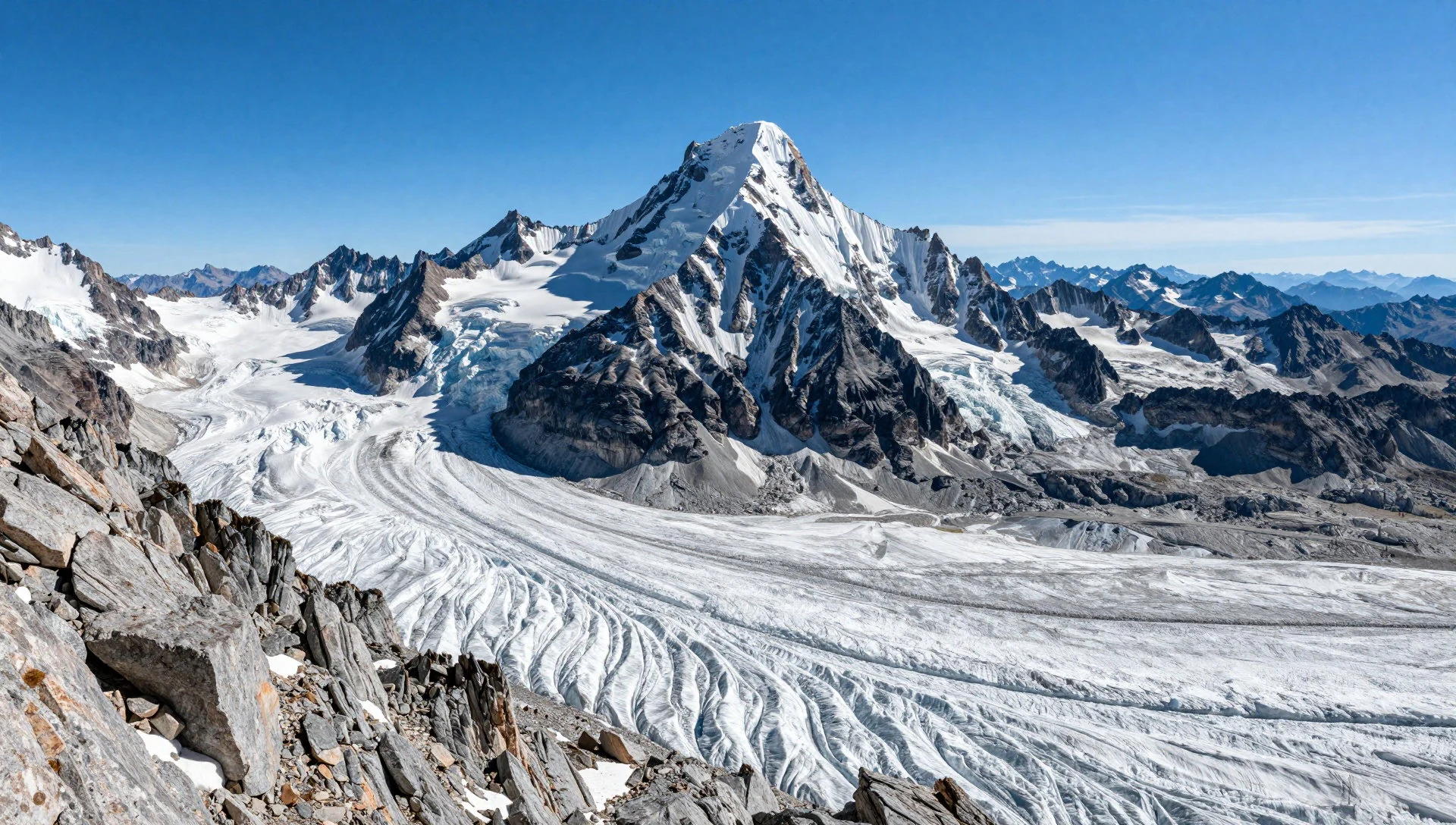
- Cortina d'Ampezzo — Ampezzo Valley
Cortina d'Ampezzo serves as a historic alpine hub surrounded by amphitheates of pale rock walls. The valley town features elegant pedestrian streets lined with traditional wooden architecture, boutiques, and lively cafes frequented by winter skiers and summer mountaineers alike.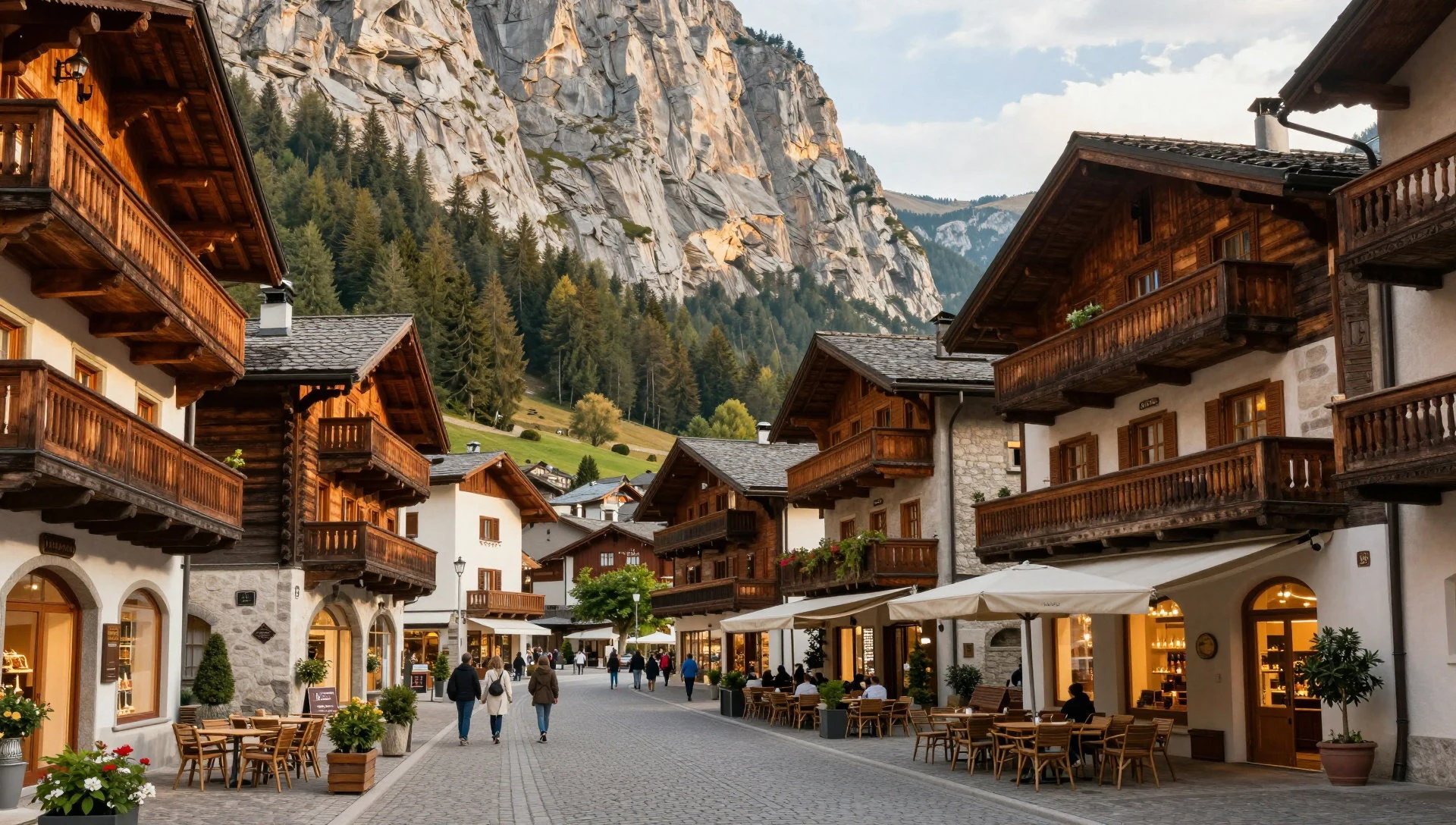
- Santa Magdalena — Val di Funes
Santa Magdalena sits idyllically in Val di Funes, framing a picturesque small church against the backdrop of jagged needle-like peaks. Photographers gather here to capture the classic pastoral harmony of rolling green fields, traditional wooden barns, and towering mountain crags.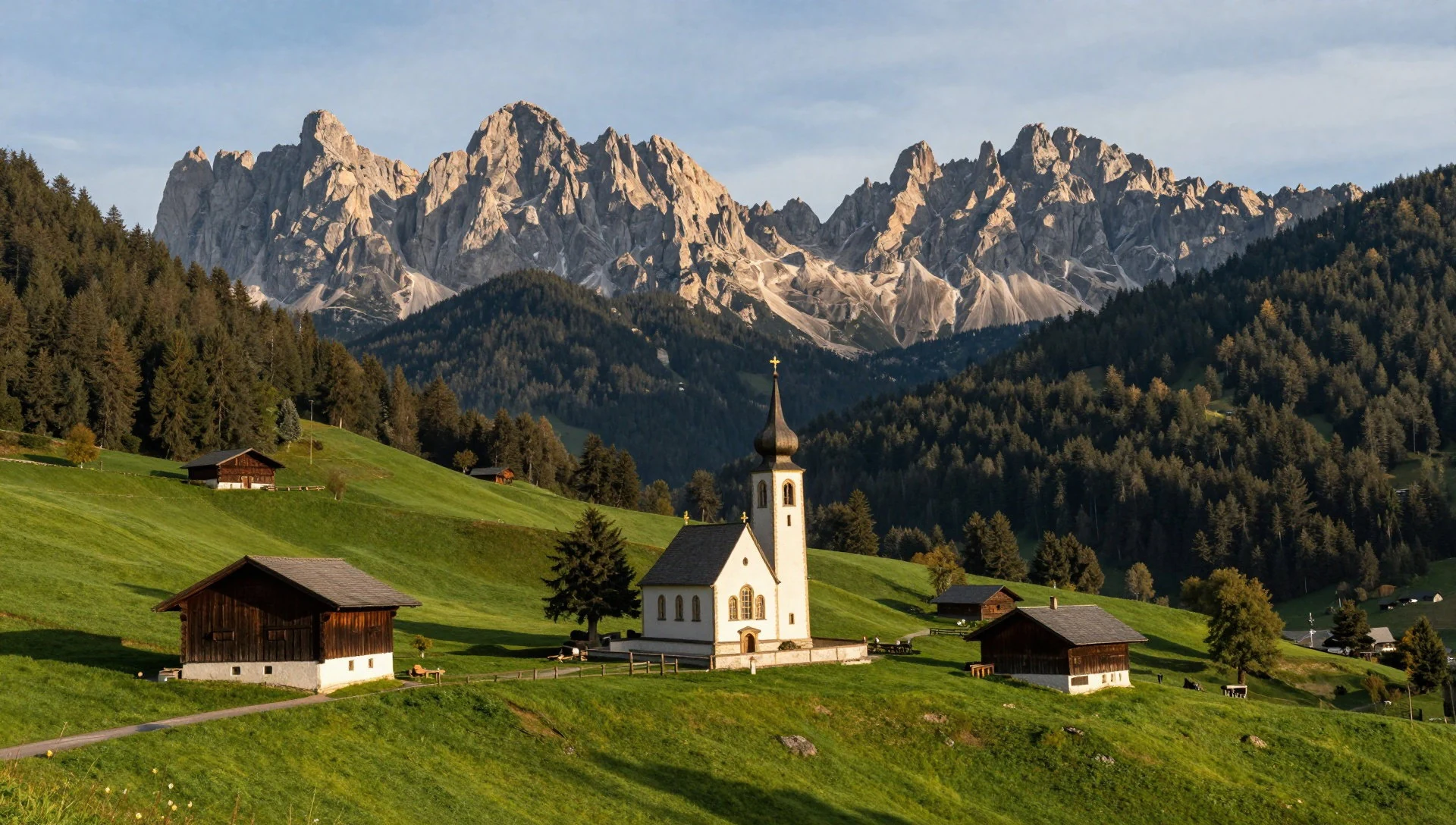
- Sella Group and Passes — Central Dolomites
The Sella Group forms a massive limestone plateau encircled by dramatic winding mountain passes. Cyclists and drivers navigate the hairpin bends that connect deep valleys, offering panoramic vistas of vertical precipices and deep glacial carrs across the high terrain.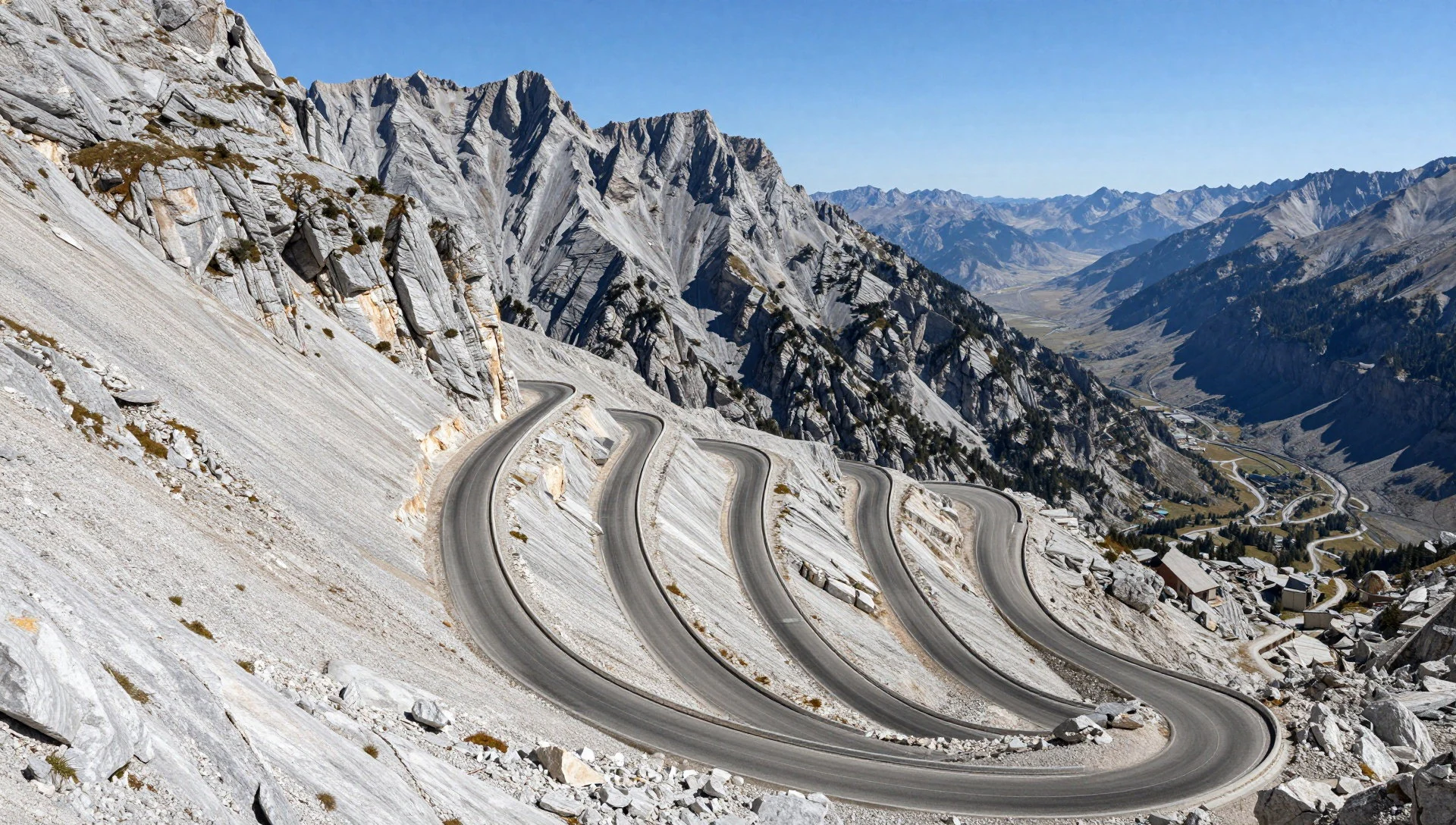
Culture
The culture of the Dolomites reflects a unique blend of alpine heritage and distinct linguistic communities, particularly in the mountain valleys where Ladin traditions remain strong alongside Italian and German influences. Historically rooted in farming, forestry, and shepherding, local communities maintain age-old crafts, woodcarving skills, and seasonal festivals that celebrate the turning of the alpine year. Traditional attire appears during religious processions and village celebrations, featuring embroidered vests, woollen jackets, and handcrafted felt hats decorated with feathers or edelweiss pins. Hospitality in the mountains is warm and unpretentious, centred around family-run inns and high-altitude refuges where travellers share long wooden tables. Visitors should always greet innkeepers and fellow hikers upon entering a shared mountain refuge or small village shop.
What to wear
Traditional fashion in the Dolomites draws heavily on practical alpine garments designed for cold mountain winters and strenuous outdoor labour. Traditional attire historically featured heavy loden wool coats, embroidered waistcoats, sturdy leather trousers, and felt hats adorned with feathers or mountain flowers, crafted to withstand harsh weather while signalling local valley identity. Today, locals in the Dolomites generally dress in practical, modern casual wear suited for outdoor life, favouring durable fleece jackets, breathable layers, and waterproof shells. For visitors exploring the Dolomites, proper gear is essential regardless of the season; sturdy ankle-high hiking boots with reliable tread are necessary for uneven rocky trails, while layered clothing, a windproof jacket, and a waterproof shell are crucial to prepare for sudden alpine weather changes.
What to eat
- Aperol Spritz — Terrace cafes throughout the region
A bright orange aperitif made with bitter liqueur, prosecco, and soda water, served over ice with an orange slice. Enjoy this refreshing drink at traditional terrace cafes across the mountain towns during late afternoon social hours.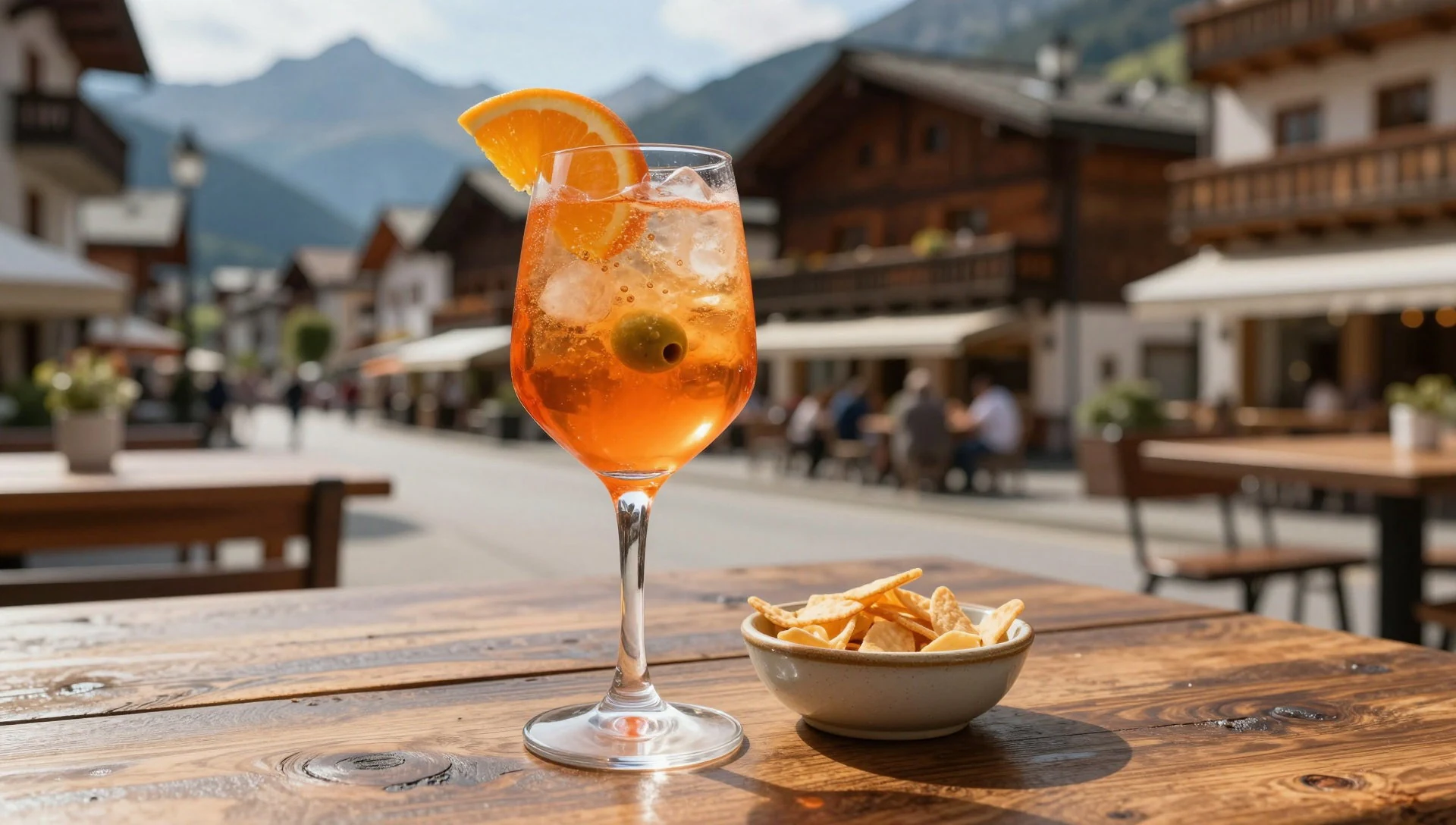
- Grappa — Traditional alpine inns and mountain refuges
A potent grape-based pomace brandy served as a warming digestive after heavy mountain meals. Sip this strong spirit slowly from a small glass at family-run alpine inns after a long day of hiking.
- Cucina Povera Mountain Fare — Family-run mountain trattorias
Hearty peasant dishes born from historical thrift, including dense bread dumplings, polenta, and melted mountain cheeses. Find these comforting plates at rustic wooden dining rooms in high valleys during cooler months. - Alto Adige and Veneto Wines — Local wine bars and valley enotecas
Crisp white wines and robust reds produced in the sun-drenched vineyards flanking the southern and eastern approaches to the peaks. Order glasses of local wine alongside regional platters at village wine bars.
Plan it
Best time. June to September for hiking, alpine meadows, and via ferrata climbing; December to March for skiing and winter sports.
How long. 4–7
Getting there. Fly into Venice, Verona, or Treviso airports, then take regional trains or rental cars into the mountain valleys.
Budget. mid
Tips
- Book high-altitude refuge accommodation months in advance for summer trekking.
- Start early to avoid afternoon mountain thunderstorms during summer months.
- Carry cash for small unmanned huts and remote mountain parking areas.
- Check local weather forecasts and trail conditions daily before setting out.
Etiquette
- Always greet fellow hikers with a polite 'Buongiorno' or 'Servus' on mountain paths.
- Remove muddy boots before entering the sleeping quarters of alpine refuges.
- Pack out all litter and respect fragile high-altitude flora.
Nearby
Sources
- Wikidata Q1283 (CC0)
- Wikipedia (rev 1382392814) (CC BY-SA 4.0)
- Wikivoyage (rev 5235422) (CC BY-SA 4.0)
- Photo 1 (CC BY-SA 4.0)
- Photo 2 (CC BY-SA 4.0)
- Photo 3 (CC BY-SA 4.0)
- Photo 4 (CC BY-SA 4.0)


