Đerdap National Park
Đerdap National Park, Serbia
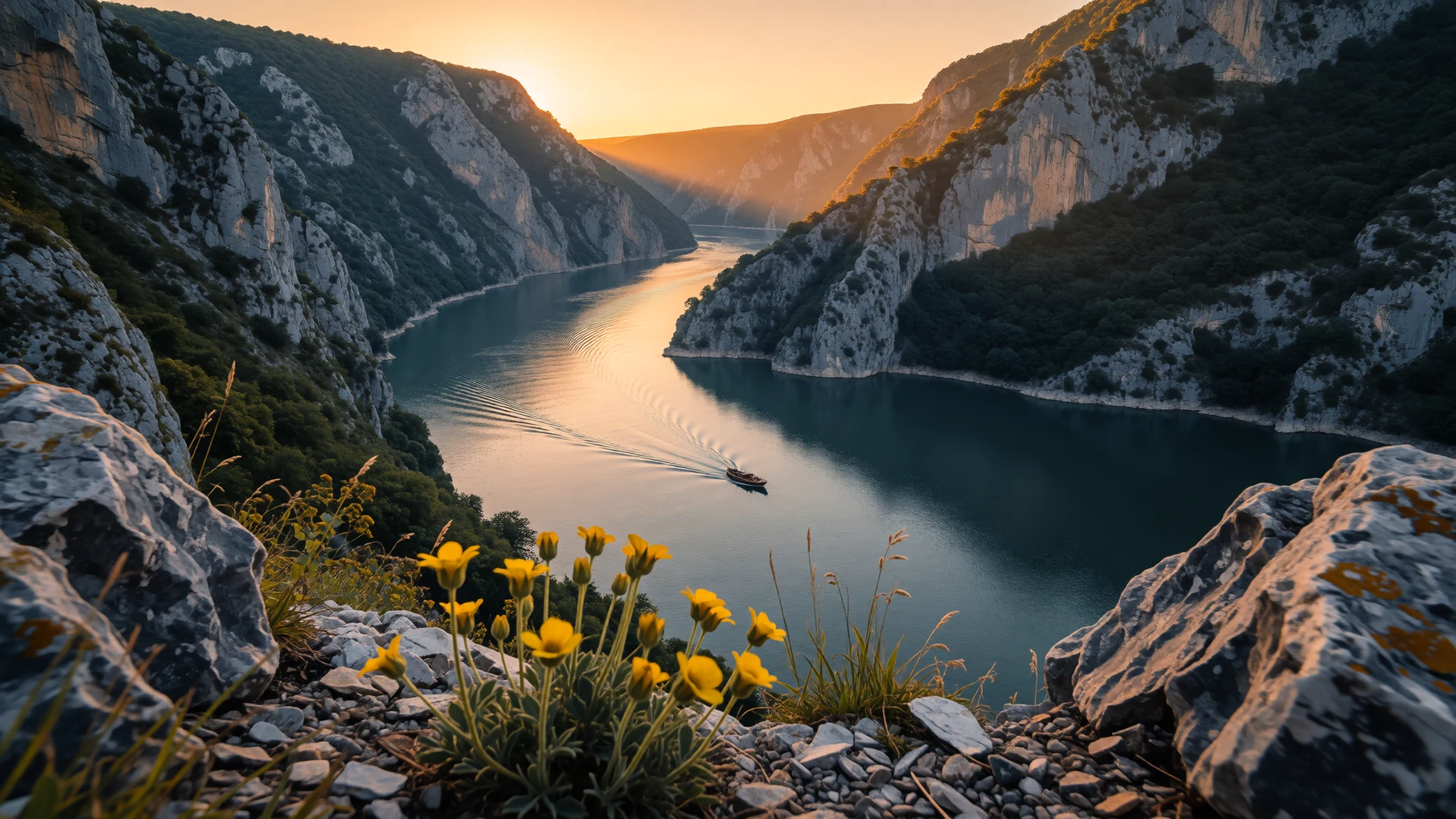
Đerdap feels like a river road trip through dramatic gorges, viewpoints, caves and waterfalls, with the Iron Gate as the main draw.
The place
Đerdap National Park (Национални парк Ђердап / Nacionalni park Đerdap) runs along the right bank of the Danube River in Serbia, stretching from the Golubac Fortress to the dam near Novi Sip. The park was established in 1974, and it covers 63,786.5 ha, so it’s the kind of place where “a quick stop” turns into a longer day pretty easily. The Danube here is not a gentle postcard river: it squeezes through a gorge system carved into the southern Carpathian slopes, creating a long, varied landscape of cliffs, ravines and river corridors.
The headline feature is Đerdap gorge, often referred to as the Iron Gate. The gorge runs roughly 100 km from Golubac to Tekija and is made up of several distinct sections separated by narrower pockets and side valleys. One area includes measured deep river-water, and parts of the canyon rise to steep cliff walls; it’s the sort of terrain where lookout points matter because the river’s scale is easier to understand when you’re above it.
Away from the main riverline, Đerdap becomes more “mountain park” than “river cruise”: there are caves, pits and karst springs, plus lakes and scattered viewpoints on higher ground. Blederija’s spring feeds into the landscape, while viewpoints on the Miroč mountain help you read the gorge from different angles. Cross the river and you’ll be looking at Romania’s Porţile de Fier (Iron Gates) Natural Park, which makes the whole area feel like one big, shared Danube playground—only this side is wilder and quieter.
Its story
Most people start Đerdap by following the Danube’s line, because the geography basically forces it: the park is stitched to the river bank, so cars, walking paths and viewpoints tend to appear in the same places—where the land rises enough to give perspective. That also means the experience is less about one “hero monument” and more about collecting small moments: a bend in the gorge, a rest stop viewpoint, a sudden waterfall, then another stretch where the cliffs close in.
On the ground, Đerdap is a mix of scales. From the river, the gorge looks like a natural corridor; from the viewpoints, you see it as a system of separate passages and breaks, with ravines and slopes feeding into the canyon. The Iron Gate sections feel connected, but each has its own feel—some places are tighter and more severe, others open up into broader river-valley scenes.
Serbia’s Danube travel style also shapes the mood. Instead of a strictly “theme-park” route, you’ll find a rhythm of roadside stops and small local beats near the water, and the park management hub sits in Donji Milanovac, which is useful as a base. If the weather is clear, morning light makes the cliffs read sharply; if it’s overcast, the gorge feels deeper and more atmospheric, with mist hanging around the river edges. Either way, it’s a place where you’re rewarded for slow walking and repeated looking—because the gorge keeps changing as you move along it.
What to see
- Iron Gate (Đerdap gorge) — Đerdap gorge (Iron Gate) corridor
Iron Gate is the signature section of Đerdap gorge along the Danube, where the river pushes through the southern Carpathian slopes. It’s a big landscape rather than a single viewpoint: hop between lookouts to understand how the gorge breaks into different parts.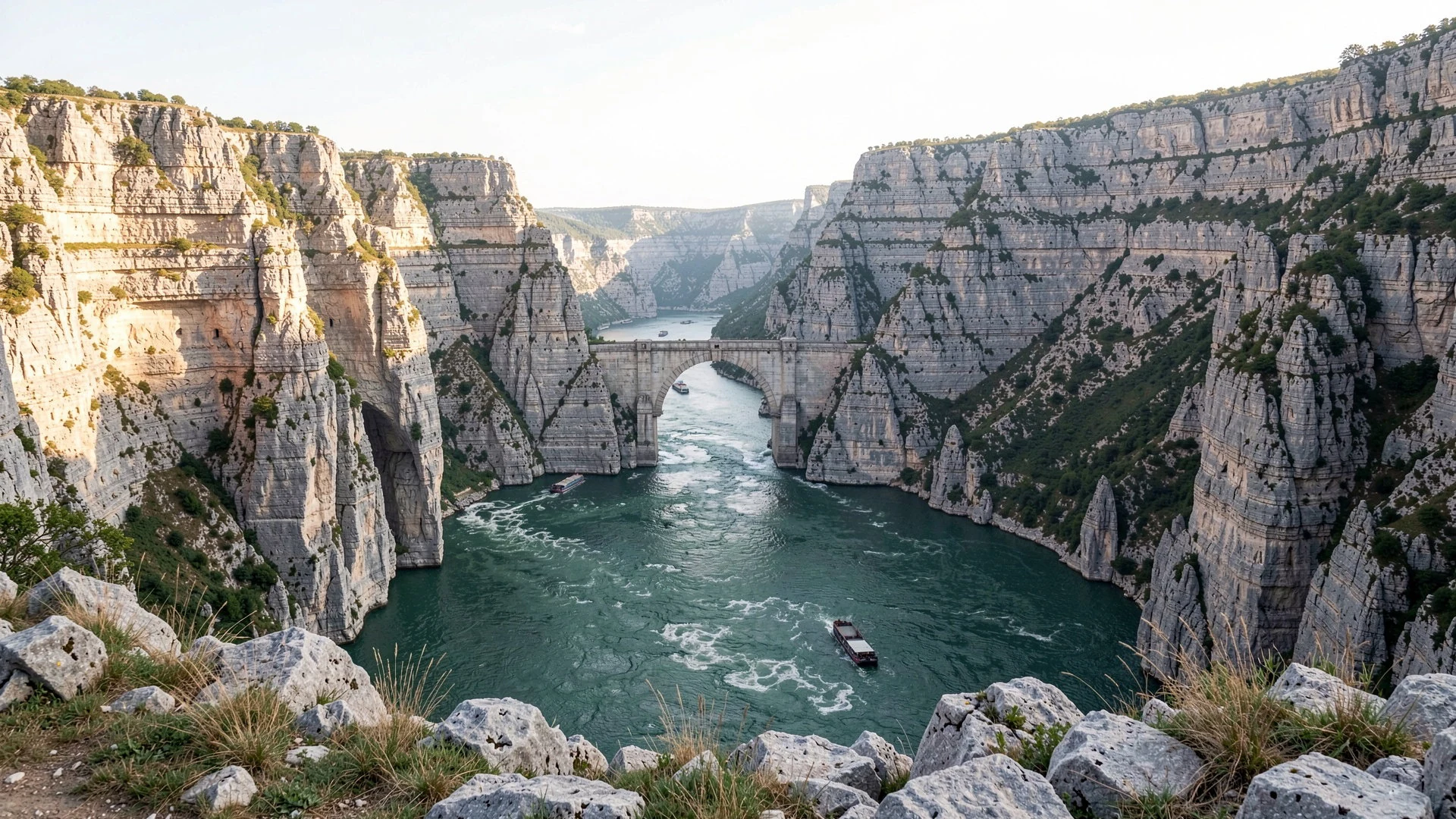
- Veliki štrbac viewpoint — Miroč mountain viewpoints
Veliki štrbac is a viewpoint above the Kazan gorge area on Miroč. The payoff is height: from here, the river-cut canyon system reads more clearly, and the cliff geometry makes it easier to picture how the gorge pieces fit together along the Danube.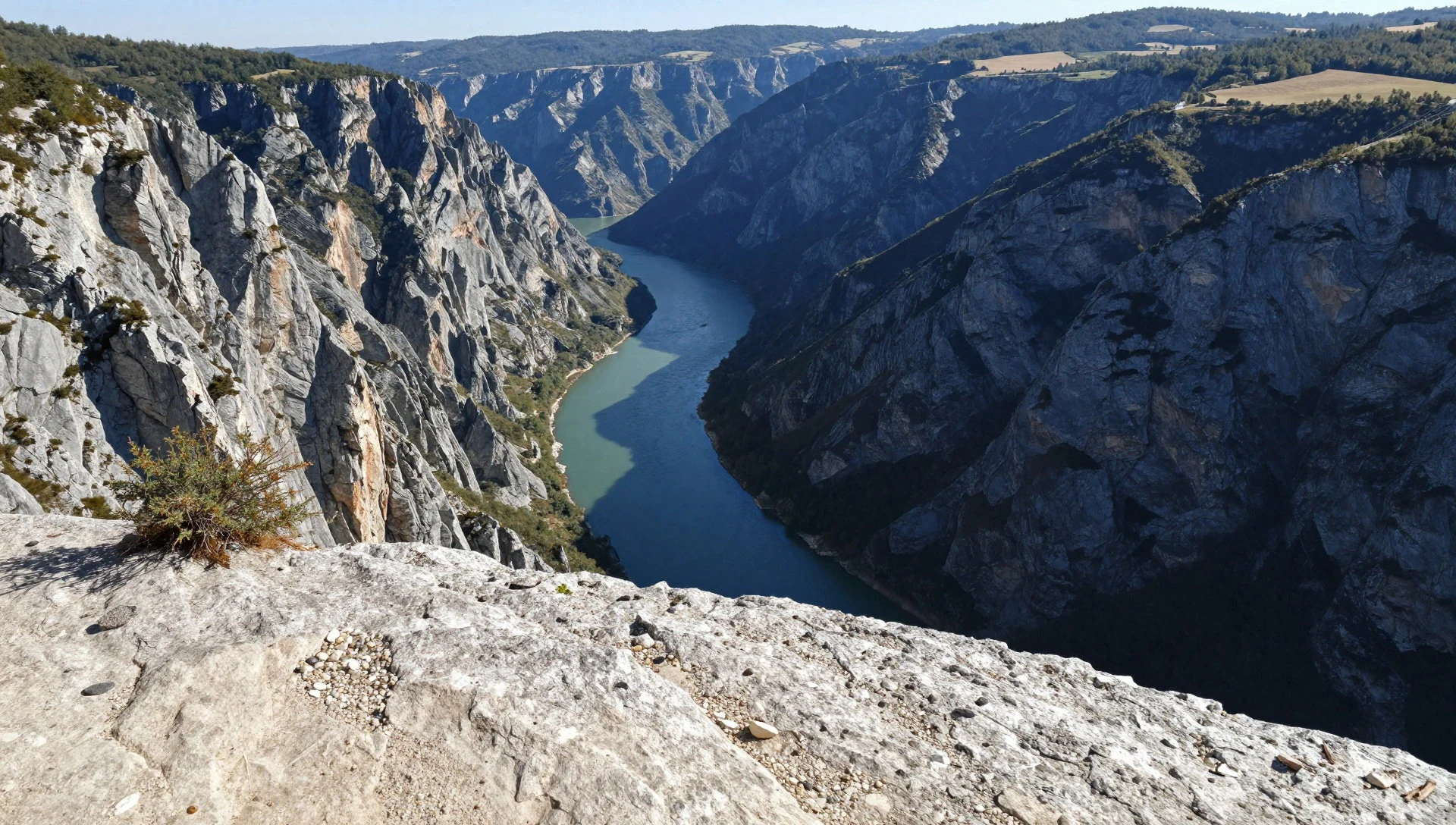
- Mali štrbac viewpoint — Miroč mountain viewpoints
Mali štrbac is another lookout on Miroč that’s often paired with Veliki štrbac because both give different angles on the Kazan gorge section. Expect a scenic, exposed feel—bring layers and take time letting your eyes adjust to the depth.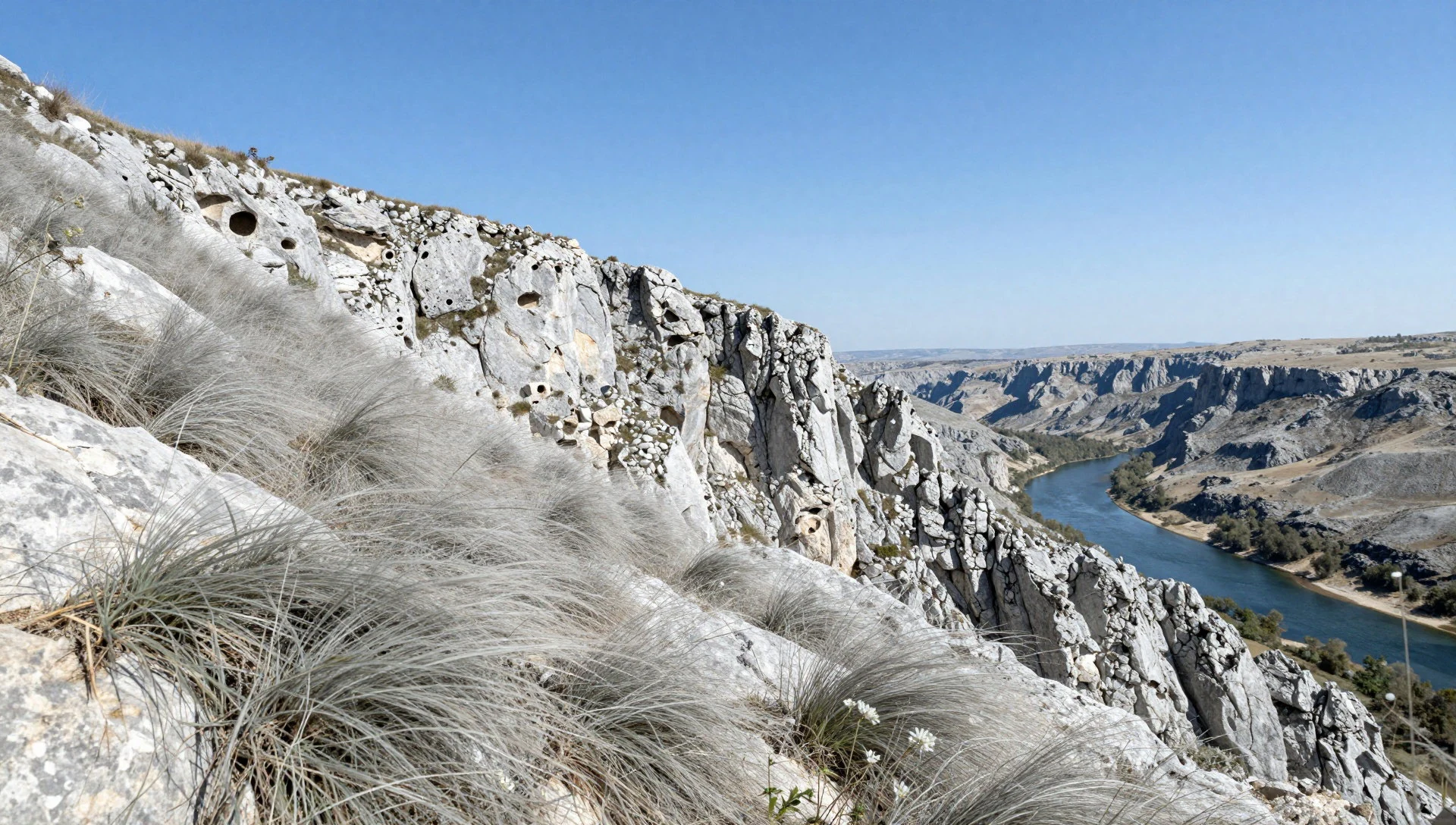
- Vodopad Blederija (Blederija waterfall) — Miroč (Blederija area)
Vodopad Blederija is a waterfall linked to the Blederija karst spring on the Miroč. It’s a greener contrast to the river gorge: a place to pause, listen and cool down a bit—especially when the gorge heat has been building.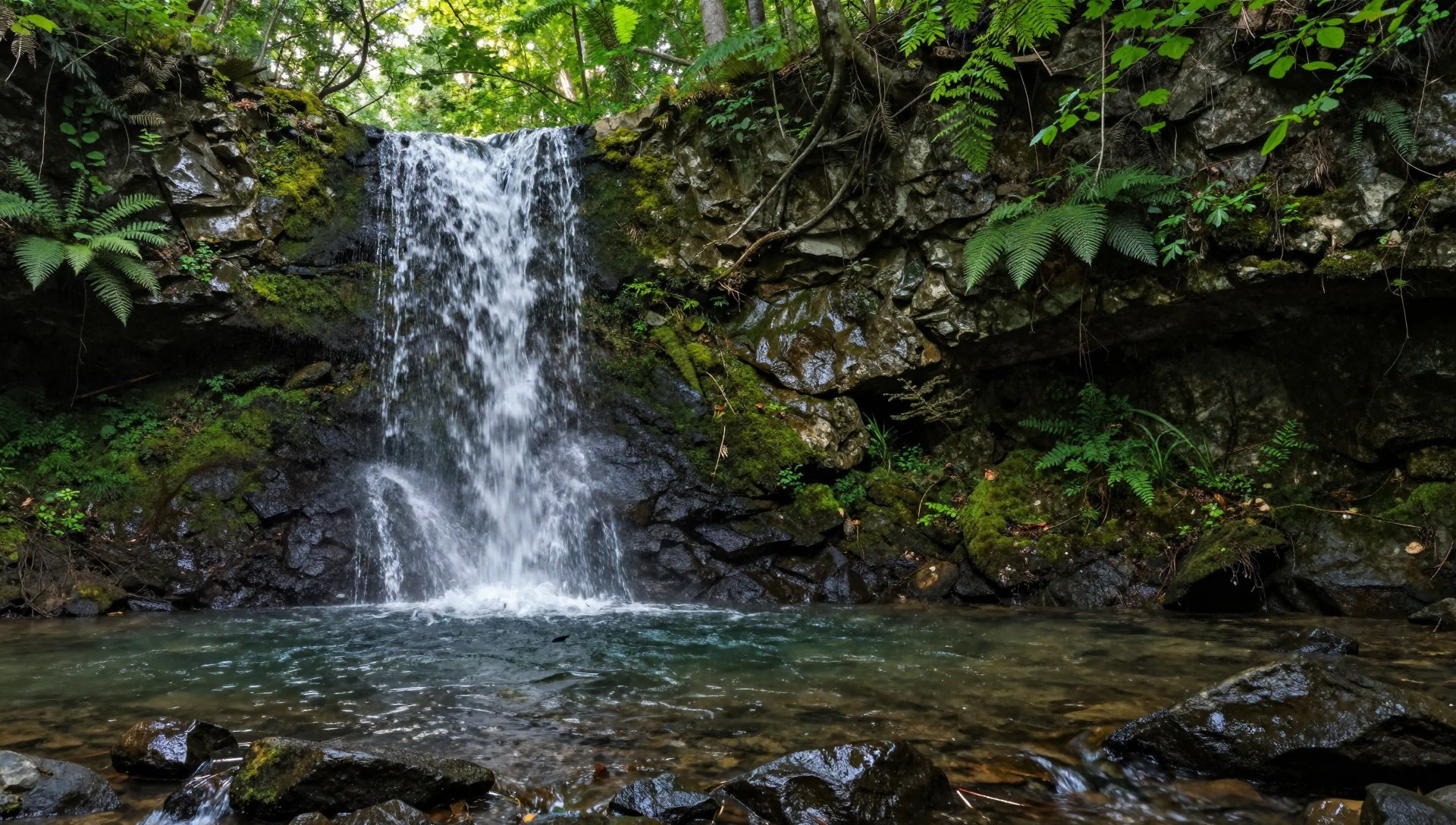
Culture
Đerdap National Park sits in Serbia, and the everyday culture around the Danube is all about hospitality and calm social cues. When people invite you into their home, a small gift is appreciated for first visits—think something simple like flowers, chocolate, or something that represents your country. Indoors, the expectation is low-key and generous: hosts often offer drinks without prompting, so it’s polite to accept what’s given and not rush to “take over” the conversation or ask for things.
In rural houses near the park, you’ll usually be guided on shoes, but the general norm is to remove them unless the owner says otherwise. If thirst strikes, asking politely for a glass of water is a safe move; it signals respect rather than demand. On public transport, there’s also a clear courtesy rhythm—offering a seat to an elderly person or a pregnant woman is considered polite.
Because local memories of the recent Yugoslav-era conflicts can still carry sensitivity, it’s smart to avoid pushing strong opinions into conversations. If someone brings it up, listen first and keep your tone measured.
Visitor etiquette: In homes, remove shoes unless told otherwise, and on transport offer seats to elderly people or pregnant passengers.
What to wear
Traditional dress in Serbia varies by region, but in the Đerdap area the practical question for visitors is what people wear in day-to-day life around the park. Expect a blend: comfortable shirts and tops, long trousers or skirts, and sturdy shoes—because the landscape is uneven and there’s plenty of walking between viewpoints and stops.
If you’re seeing folk-style clothing at events, it’s typically built around woven fabrics and regional patterns, with garments often layered for warmth and a crisp, structured look. These outfits are more about occasion than daily wear. For visitors, the key is modesty and readiness for weather: even in warmer months, gorge viewpoints can feel cooler with wind and shade.
What to wear now for Đerdap: breathable layers in summer; a warm top and a light waterproof in shoulder seasons; and shoes with grip for rocky paths and steps near viewpoints and waterfall areas. If you visit religious spaces in nearby towns, dress modestly and be ready for basic coverage norms.
Bring a small day bag—water, a hat and sun protection matter when you’re looking out over the river for long stretches.
What to eat
- Roštilj (grilled meat platter) — Local restaurants around the Danube towns
Roštilj is a common Serbian order: a spread of grilled meats, often served as a large plate. It’s a good “reset meal” after a gorge walk, and most local restaurants near the Danube will have a version.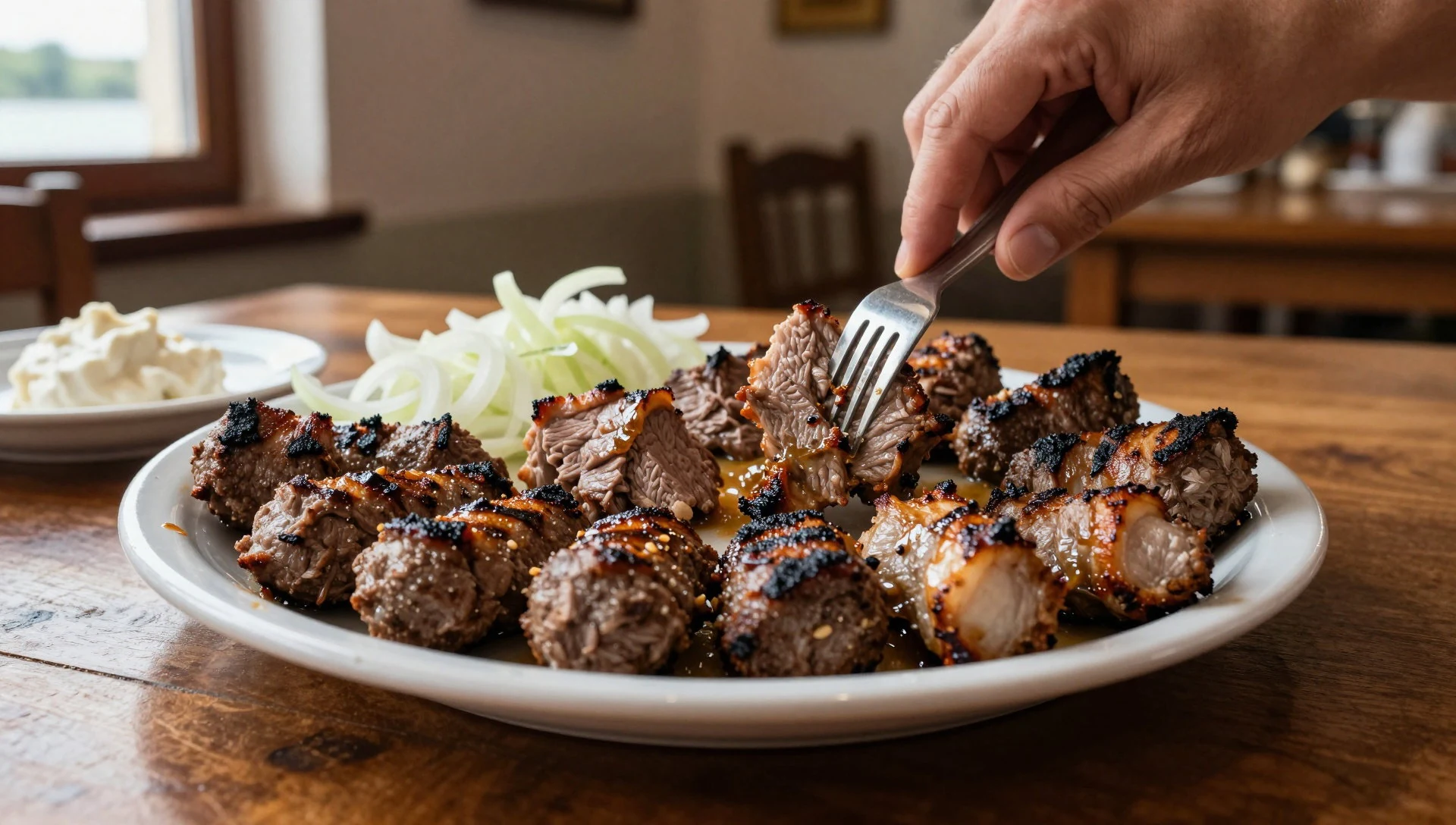
- Grilled vegetables and salads — Any Serbian restaurant or diner offering traditional meals
Serbian menus usually include fresh salads and plates of grilled vegetables alongside heavier meat dishes. It’s an easy choice when hunger is mixed with heat and you want something lighter between viewpoints.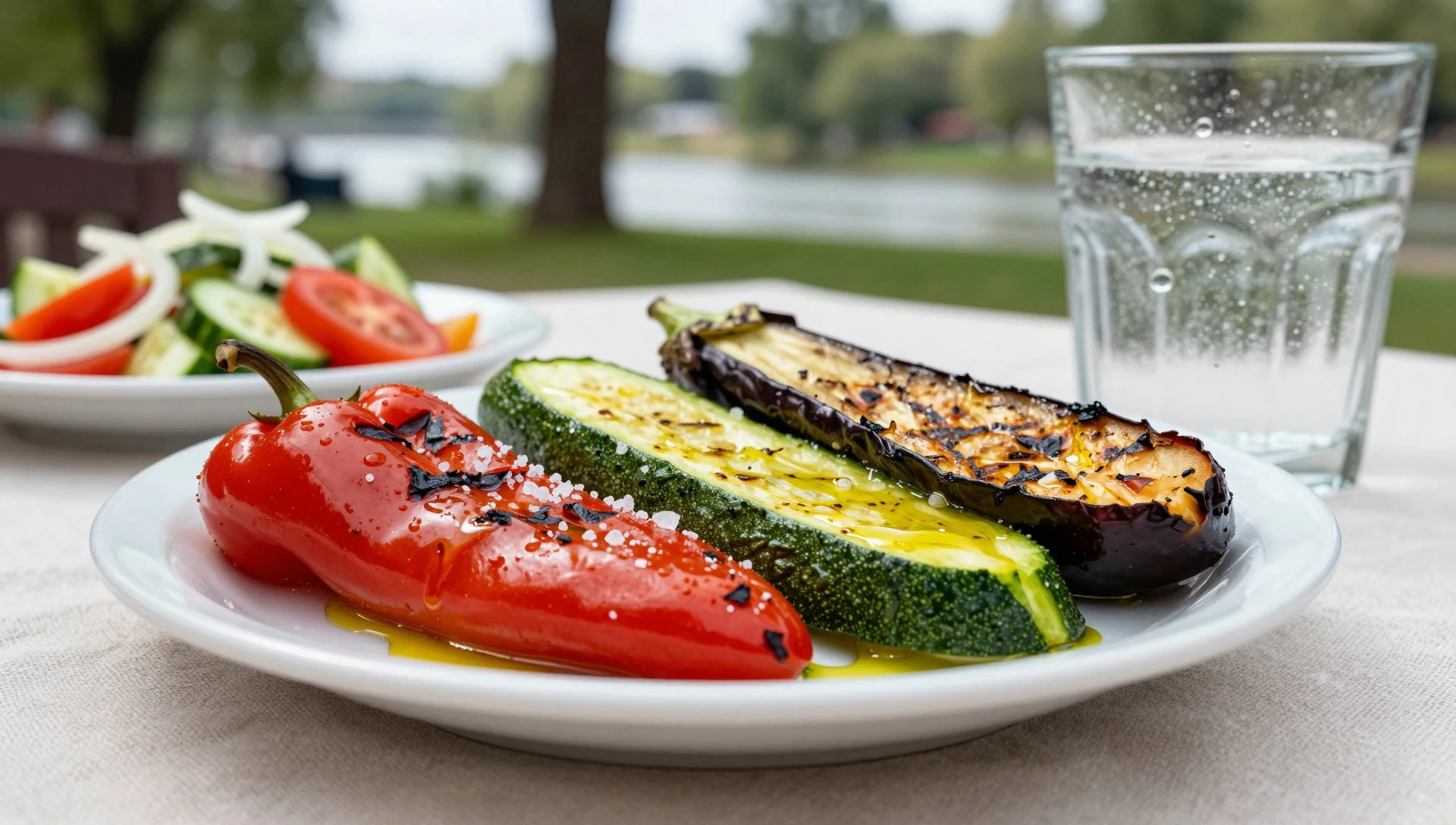
- Ćevapčići (grilled meat rolls) — Town eateries and casual Balkan-style grills
Ćevapčići are small grilled meat pieces served with bread and often a side of salad. They’re widely available and work well for a casual lunch on a park day when time is tight. - Pekara breads and pastries — Pekara bakeries in town centres
Bakeries (pekara) are common for grabbing something quick: breads, sweet pastries, and savoury bakes. It’s an ideal stop before heading out for viewpoints where you don’t want a long sit-down meal. - Crepes and omelettes — Restaurants and cafés in nearby towns
If the day shifts toward something gentler, look for crepes or omelettes on Serbian menus. They’re typically simple, filling options that balance a heavy roštilj day without going too light.
Plan it
Best time. March–April and October–November for more comfortable temperatures and clearer viewpoints; July can bring heat and busier river-stops, while winter can make drives and walks harsher.
How long. 3–4
Getting there. Fly into Belgrade (nearest major international airport), then take road travel to the Đerdap area along the Danube; local driving gets you between Golubac, viewpoint areas and Donji Milanovac.
Budget. mid
Tips
- Use Donji Milanovac as a practical base for planning stops along the river bank.
- Start with the best-height viewpoints earlier in the day for clearer sightlines and softer light.
- Pair a gorge viewpoint day with Blederija so the waterfall breaks up the long canyon stretches.
- Bring cash for small local purchases, especially if stopping at roadside places and smaller towns.
- Pack water and sun protection; the gorge can look cooler than it feels while you’re walking around lookouts.
Etiquette
- In rural homes, remove shoes unless the host says otherwise.
- When offered food or a drink, accept calmly and don’t ask for specific items immediately on arrival.
- On buses or trams, offer seats to elderly people or pregnant passengers.
Nearby
Sources
- Wikidata Q1258055 (CC0)
- Wikipedia (CC BY-SA 4.0)
- Wikivoyage (CC BY-SA 4.0)