Djemila
Djemila, Algeria
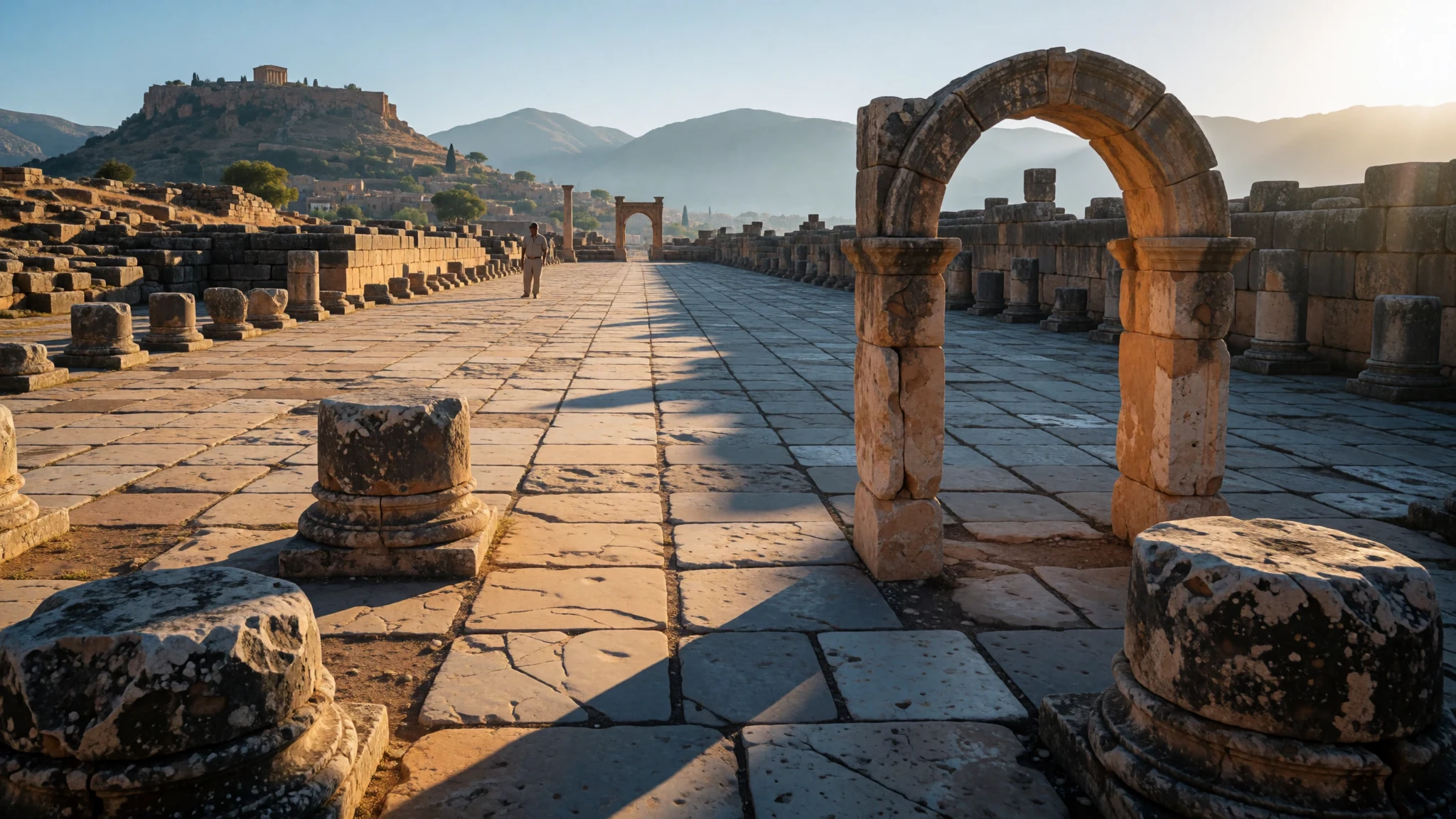
Djémila rewards slow wandering through remarkably preserved Roman streets and temples, set against rugged mountain terrain.
The place
Djémila (Arabic: جميلة, romanized: Ǧamīlah) is a small mountain village in Algeria by the northern coast east of Algiers, where the ruins of ancient Cuicul sit in the hills. It’s the kind of place where the landscape matters as much as the archaeology: the site is tucked on a narrow plateau and shaped by rivers, so the streets feel carved into place rather than laid flat for visitors.
The best word for Djémila is “complete”: you can still read the city plan. There’s a sense of axes and centres, from the central forum and the surrounding buildings to the main streets—Cardo Maximus and Decumanus Maximus—that structure the walk. The paved square of the forum of the Harsh anchors the experience, with an impressive entry marked by an arch. Around it, you’ll find the remains of temples, basilicas, fora, and houses, plus more functional details like baths and markets.
Expect a site that’s preserved enough to feel lived-in, not just scattered stones. But it’s not a theme park. The entrance is on the south side and, once inside, navigation is mostly about following the main road and letting the buildings reveal themselves. Information can be patchy, so a guide is often helpful, especially as the rules around entry can be a bit strict.
When Djémila is good, it’s very good: the light in the shoulder seasons brings out the pale stone and makes the higher views feel like you’re walking above the coast rather than away from it.
Its story
Djémila’s story starts with Cuicul, a Roman military garrison established on a triangular plateau at about 900 metres above sea level. In the 1st century AD, it began with settlers linked to soldiers and grew over time into a town with a trading role. The Romans brought a familiar layout—forum in the middle, and two main thoroughfares that set the city’s backbone—then adapted it to the uneven, rugged terrain.
By the time of Caracalla in the 3rd century, Cuicul’s administrators changed the urban heart. Some older defences were taken down and a new forum was built, then surrounded with bigger, more imposing buildings than before. One practical twist stands out: the theatre ended up outside the town walls due to the terrain, showing how the landscape determined what could be built and where.
After the Roman Empire declined, the city was gradually abandoned around the 5th and 6th centuries. There were later improvements, including wall reinforcements during the reign associated with Justinian, but the full city never truly returned to its former bustle. In later centuries, Muslim rule dominated the region, yet the specific site wasn’t reoccupied; the place’s new name, Djémila—linked to “beautiful” in Arabic—came from the landscape people saw rather than the empire that built the streets.
Today, visiting Djémila feels like walking through a city that had to keep negotiating with the land. Even the layout tells that story: the main axes guide you, while outlying features like the theatre remind you the Romans were willing to bend “standard” plans to fit the mountain.
What to see
- Forum (centre of the city) — Inside the ruins (forum area)
The Forum sits among the heaviest remains, ringed by building foundations and topped with the sense of a civic core. Follow the main road to reach the paved square linked with the forum of the Harsh, then look outward for the traces of major temples and basilica-like structures that give the centre its weight.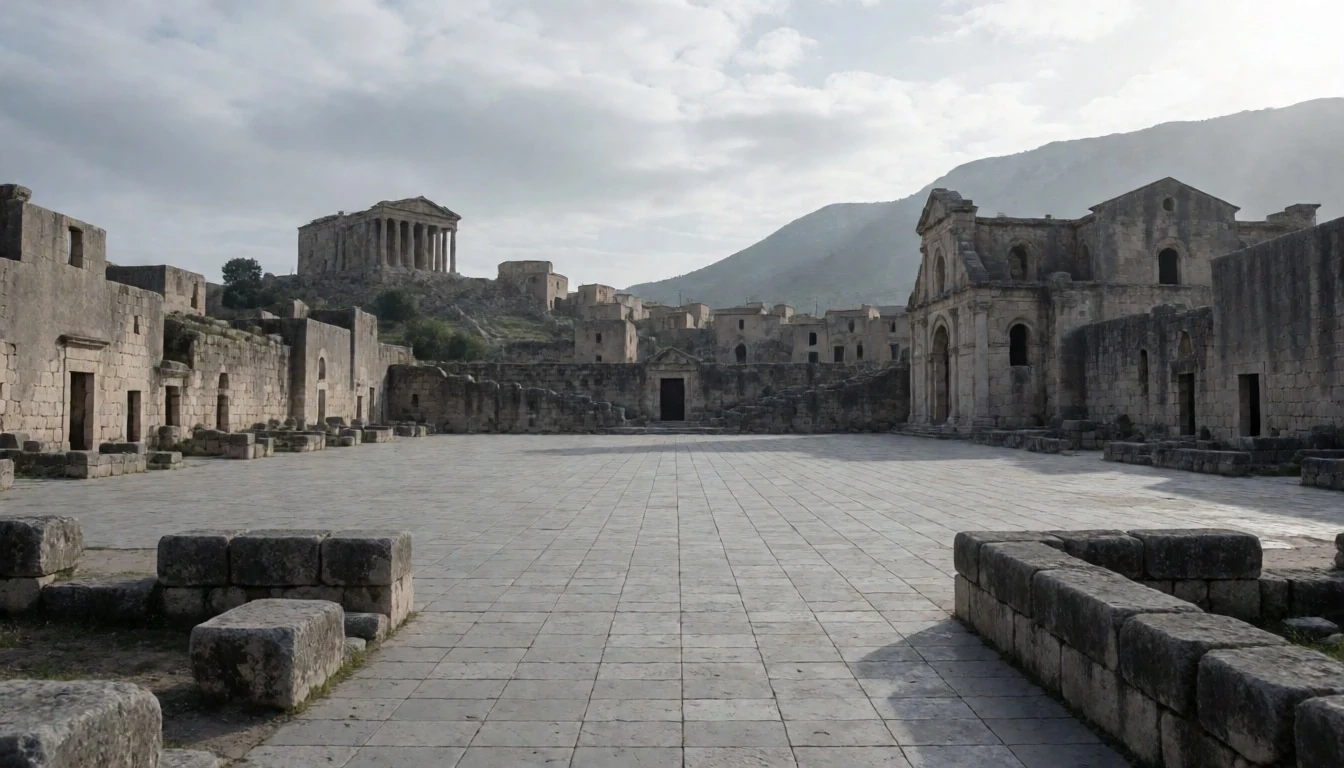
- Arch of Caracalla — West side of the ruins (gateway)
At the west gate stands the decorated Arch of Caracalla, a focal point for entering and orienting yourself. It’s tied to the city’s Roman rebuilding phase and remains a clear landmark even when surrounding structures fragment into walls and columns. Great for photography because the stone holds light.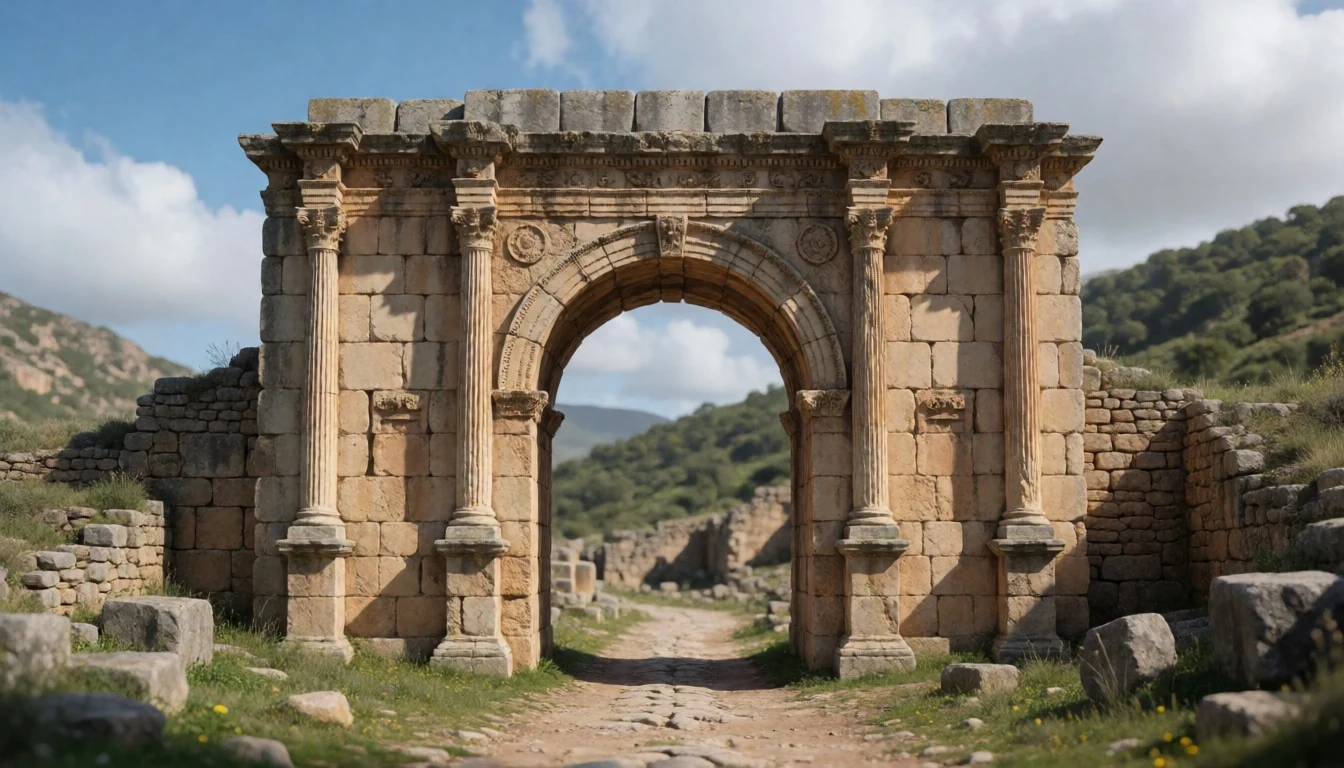
- Theatre — Outside the main town walls (valley hillside)
The theatre is set outside the town walls, carved into the hillside in a valley. That “outside” location is part of the charm: it feels slightly removed from the urban grid. Walk over and take time just to look back at the ruins from the theatre’s position.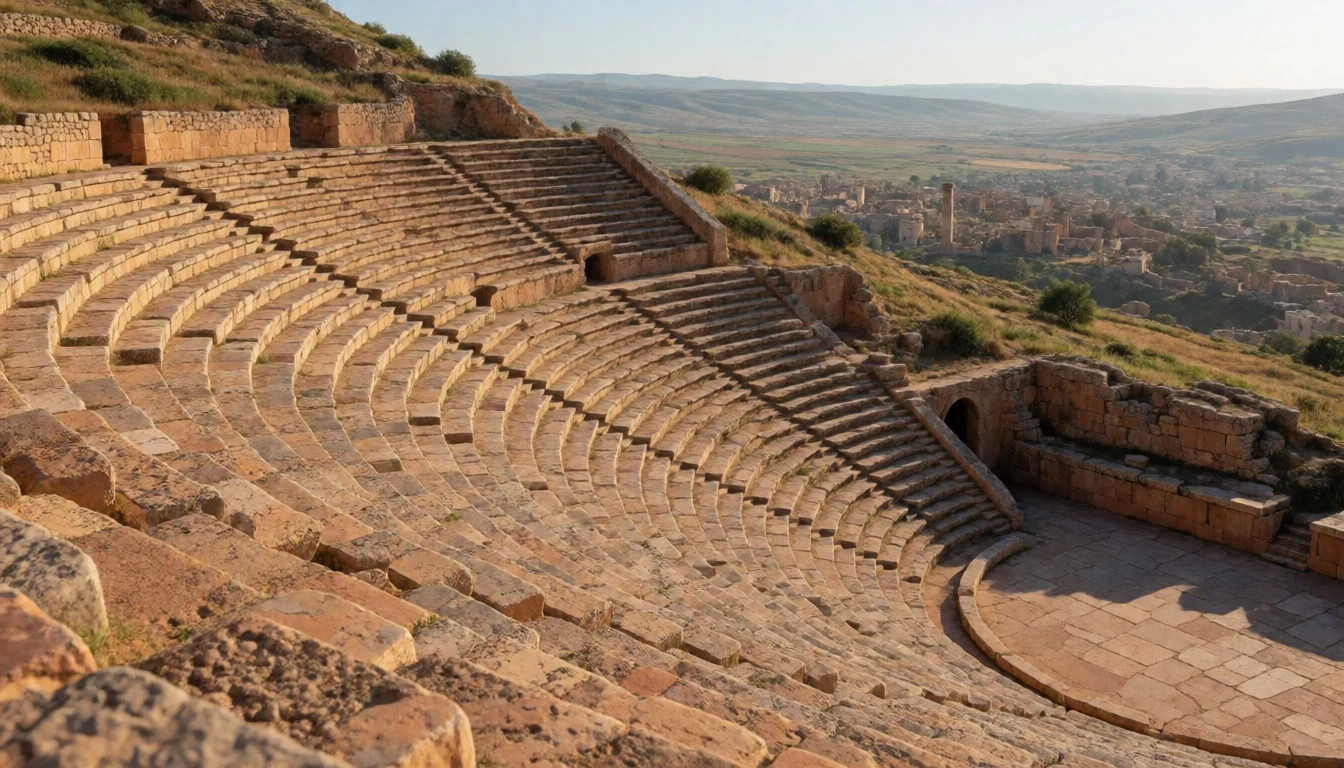
- Severan Temple — Inside the ruins (temple area)
Severan Temple is one of the clearest landmark religious structures, tied to the Severan family and built in the 3rd century AD. In practice it’s a good stop for understanding the city’s religious landscape—where civic life, public buildings, and sacred spaces sit close enough to feel connected.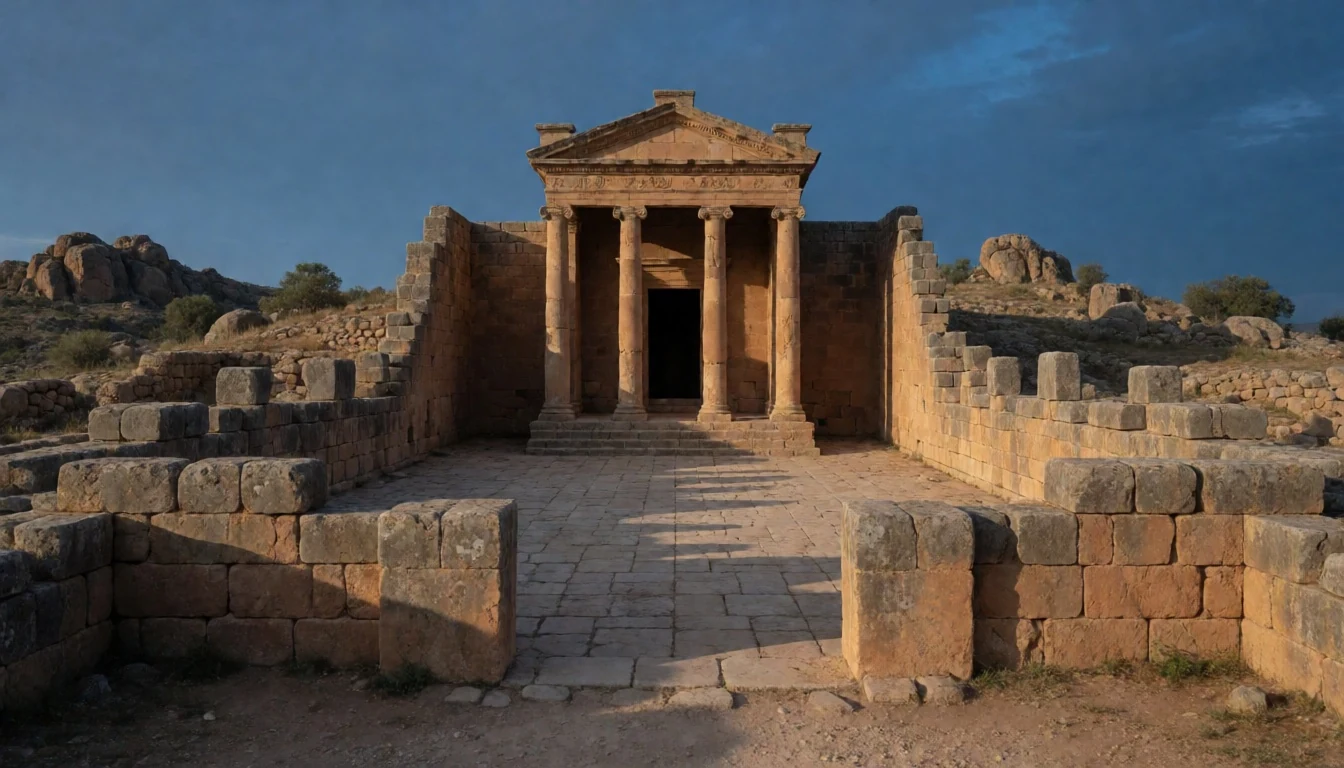
- Grand Baths — Inside the ruins (baths area)
The Grand Baths show how engineering and daily routine met in Roman Cuicul. There’s an underground level associated with fires used to heat bathwater, so it’s a practical complement to the more ceremonial buildings. Even without perfect signage, you’ll get the layout by following the surviving walls and openings.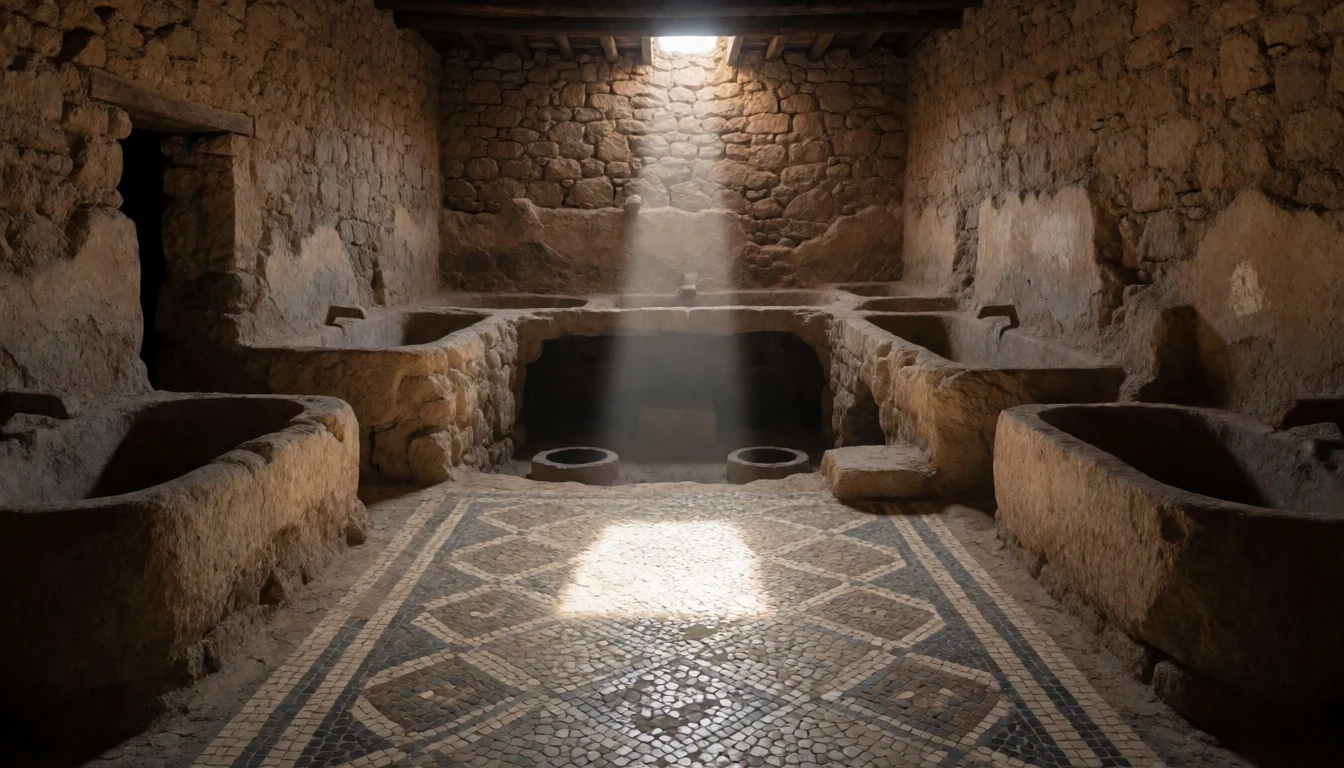
Culture
Djémila is an archaeological site of the ancient Roman city Cuicul, now under UNESCO World Heritage recognition. The “feel” of the place is shaped by rules and routines as much as by stone: access can involve a permit and an escort, and in recent visits independent travellers have been asked for passport details at entry checks.
Because information inside the ruins can be limited, visitors often rely on a guide arranged at the entrance—particularly if signs aren’t present or if you want context while walking the cardo maximus and the central areas. The site layout helps, but expecting to “just wander with full interpretation” can lead to frustration.
Practical respect matters too. The ruins are on rugged ground, so take your time, watch your footing, and avoid climbing on fragile edges where people have stepped before. If you’re offered help at the gate, be ready to communicate in French or Arabic, since that’s the most common pairing for guidance on site.
If you arrive without the right paperwork, you may be turned away, so it’s worth treating the entry process as part of the trip rather than an afterthought.
Visitor etiquette: keep voices low near temple and forum remains, and don’t climb on masonry or step into restricted areas.
What to wear
In Djémila, clothing is mostly about the Roman ruins terrain—uneven stone, open courtyards, and sun when the sky clears. Traditionally, the region is associated with modest dress, and you’ll still see traditional garments in Algeria, but in the ruins area people dress for practicality.
What you’ll likely see now is a mix: everyday outfits (light shirts, long skirts or trousers, and breathable layers) alongside more traditional clothing in the village and around markets. Textiles in everyday wear often use cotton or other lightweight fabrics suited to seasonal heat, with colour and style varying by preference.
For visitors, wear breathable layers for warm days and a light outer layer for cooler evenings in the shoulder seasons. Choose trousers or a long skirt for comfort on rough paths, and closed-toe shoes with grip—safety matters more than style on loose stone and hillside edges. If planning to enter areas where local customs feel more formal, ensure shoulders and legs are covered. A hat and sunglasses help during the day when the ruins sit exposed.
Bring a small water bottle and consider a scarf or light shawl for mosque-adjacent conservatism if you visit elsewhere in the area outside the ruins.
What to eat
- Meals at the town eateries — Main street in the centre of town (outside the ruins)
Food in Djémila is mostly outside the ruins, with restaurants strung out along the main street in the centre of the town. After a long walk in Roman stone, an unhurried sit-down meal here is the easiest way to refuel.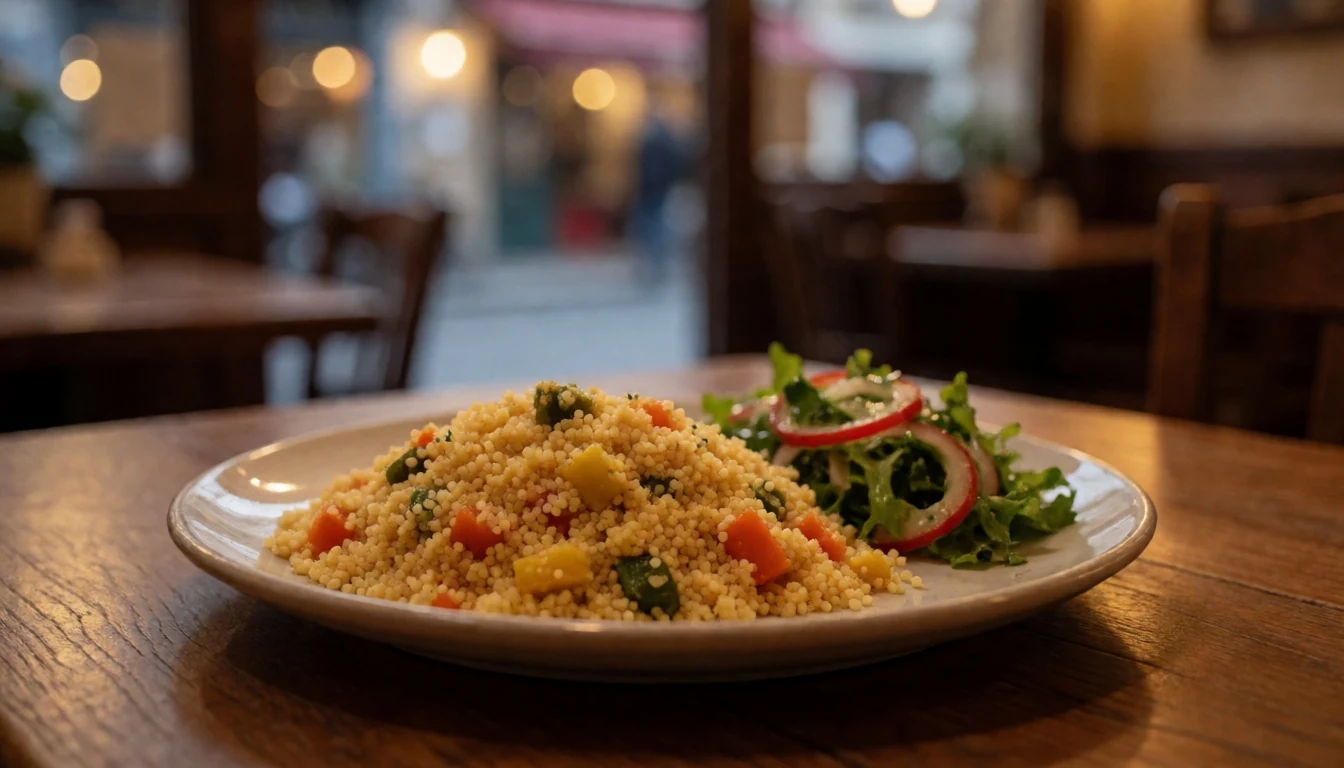
- Market-style local eating — Town markets and market streets (around the central area)
Djémila’s daily life includes market activity, so you’ll find simple, local options around the town’s bustle. Think quick, shareable plates rather than formal dining, especially if you’re timing your return from the ruins.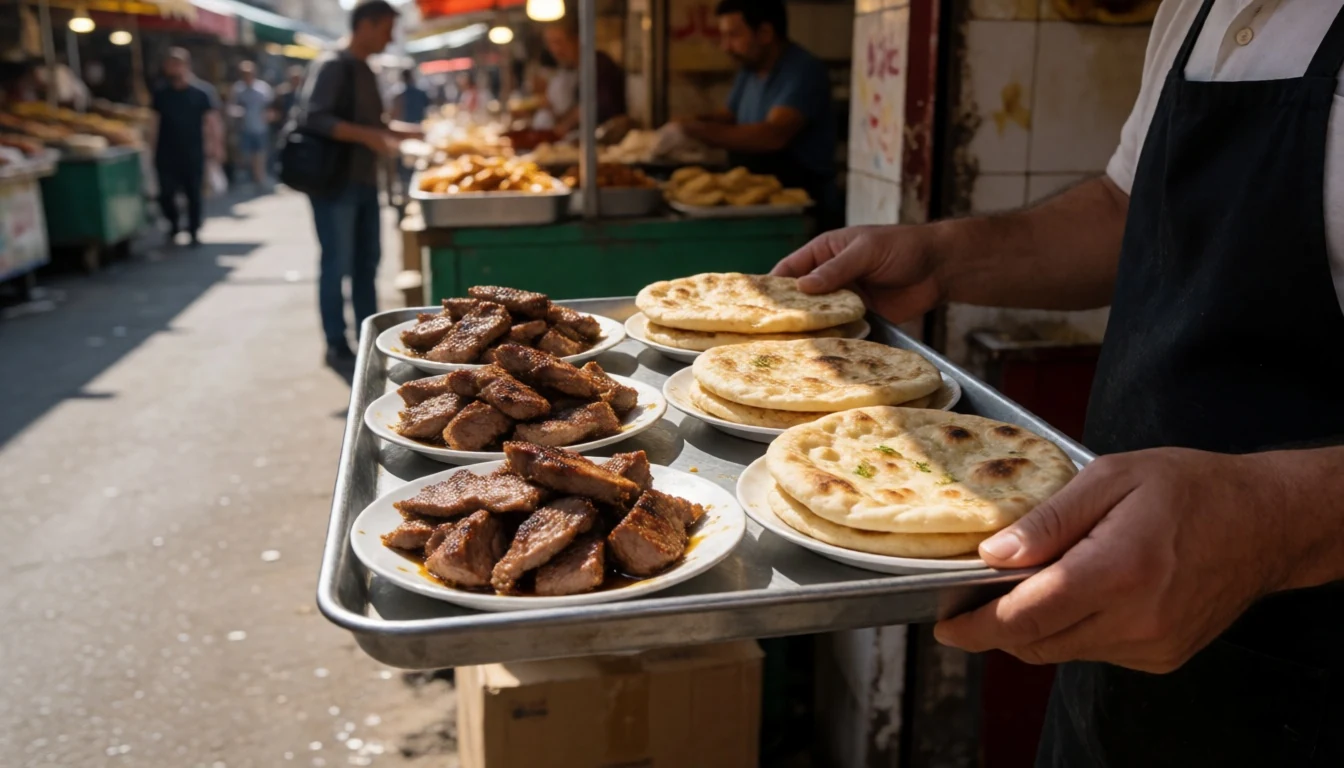
- Coffee and tea breaks — Any café stop in the town centre
Between the ruins and the drive back toward nearby cities, plan for a slow drink stop. Tea or coffee is often the easiest way to reset when the day gets hot, and it’s a comfortable way to wait out midday. - Neighbourhood breads and pastries — Local shops and street stalls in the town
If you want a lighter bite, look for bread-based snacks and pastries sold around local commercial streets. It’s a practical option for an in-between snack when you don’t want a full sit-down meal.
Plan it
Best time. March–May and September–October are often the most comfortable for walking through open ruins, with milder temperatures and moderate rainfall; July and August are the hottest, with lower rainfall and more heat to contend with.
How long. 2–3
Getting there. Djémila is typically reached from Constantine by road; many travellers use a private driver for the trip and then combine it with time in the local area.
Budget. mid
Tips
- Treat the entry process as part of the plan: expect possible passport checks and rules around permits/escorts, especially for independent visitors.
- Start early if you can—ruins like Djémila reward cooler morning light and quieter footfall.
- If you want context while walking, arrange a guide at the entrance; information inside the ruins can be minimal.
- Wear grippy, closed-toe shoes and plan for uneven ground and hillside stretches.
- Carry your passport in your day bag so you’re not scrambling at the gate.
Etiquette
- Ask before photographing people, especially around the entrance area where guides may be working.
- Don’t climb on walls or stand on fragile architectural remains for shots.
- Keep noise down in the forum and temple areas so others can hear their guide and the site atmosphere.
Nearby
Sources
- Wikidata Q457362 (CC0)
- Wikipedia (rev 1368572546) (CC BY-SA 4.0)
- Wikivoyage (rev 5304901) (CC BY-SA 4.0)
- Photo photos/01-roman-ruins-of-djemila-in-s-tif-algeria.jpg (CC BY-SA 4.0)
- Photo photos/02-20180402-132230-hdr-the-historical-market.jpg (CC BY-SA 4.0)
- Photo photos/03-mileve-hippo-thagaste-in-numidia-83193756.jpg (Public domain)
- Photo photos/04-cardo-maximus-dejmila.jpg (CC BY 4.0)
- Photo photos/05-djemila-1180510.jpg (CC BY-SA 1.0)
- Photo photos/06-arch-of-caracalla-djemila-01.jpg (CC BY 4.0)
- Photo photos/07-djemila-0700510.jpg (CC BY-SA 1.0)
- Photo photos/08-temple-septimien-djemila-01.jpg (CC BY 4.0)


